Mostrando las entradas para la consulta ancient egypt ordenadas por relevancia. Ordenar por fecha Mostrar todas las entradas

Unveiling the Nuances of Love and Marriage in Ancient Egypt: A Historical and Anthropological Inquiry

The very notion of "normal" in human societies is a construct, constantly re-evaluated through the lens of historical and anthropological inquiry. When the Greek historian Herodotus, often dubbed the "Father of History," embarked on his travels to the land of the pharaohs, he encountered a civilization whose customs regarding societal norms, particularly those surrounding love and marriage, seemed profoundly alien. His observations, recorded for posterity, paint a picture of ancient Egypt as a land of inversions, challenging the very foundations of what he considered the ordinary practices of mankind. This article delves into the complexities of love and marriage in ancient Egypt, seeking to understand the unique societal structures and individual experiences that might have led Herodotus to his astonished conclusions, and inviting a deeper appreciation for the diversity of human relationships across time and cultures.

Ancient Egyptians Loved Love

Contrary to any potential misinterpretations of Herodotus's shock, ancient Egyptians held a profound appreciation for love, companionship, and familial bonds. Far from being a society devoid of affection, their cultural expressions and legal frameworks surrounding marriage reveal a deeply ingrained value placed on these relationships. Unlike many societies that viewed marriage primarily as an alliance or a means of procreation, the ancient Egyptian perspective often emphasized mutual affection and partnership.

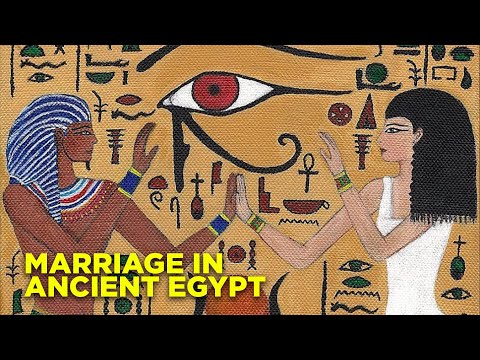
Evidence for this can be found in the vast corpus of their art, literature, and funerary texts. Tomb paintings frequently depict married couples in intimate poses, holding hands, or with arms around each other, signifying enduring affection even in the afterlife. Love poetry from the New Kingdom, for instance, is remarkably passionate and sensual, speaking of deep longing, the beauty of the beloved, and the joys of shared intimacy. These expressions suggest that romantic love was not only acknowledged but actively celebrated.

The legal standing of marriage also points to a structured yet equitable system. Marriage was typically a private agreement between two individuals, often formalized through cohabitation and the exchange of gifts, rather than a religious ceremony. This egalitarian approach, while perhaps contributing to Herodotus's sense of peculiarity, underscores the personal nature of the union.

"In ancient Egypt, the focus was often on the well-being and happiness of the couple, with love and mutual respect forming the bedrock of a successful marriage."

The Bachelor in Ancient Egypt

The concept of prolonged bachelorhood or spinsterhood was not as prevalent or socially accepted in ancient Egypt as it might have been in other contemporaneous cultures. The societal expectation was that individuals, upon reaching adulthood, would marry and establish a family. This emphasis on marriage was deeply intertwined with the socio-economic structure and religious beliefs of the time.

From an economic standpoint, land ownership and inheritance were crucial. Marriage facilitated the transfer of property and the continuation of family lines. Unmarried individuals might have found it more challenging to secure economic stability or social standing. Furthermore, the religious imperative of procreation, essential for ensuring the continuation of the deceased's name and legacy in the afterlife, strongly encouraged marital unions.

While precise statistics are elusive, the general consensus among scholars of anthropology and archaeology is that most Egyptians married relatively young. Marriage was seen as a natural progression into adulthood, a step towards fulfilling one's societal role and contributing to the cosmic order (Ma'at). This societal pressure to marry, coupled with the value placed on family, meant that remaining single for an extended period was uncommon.

Raising a Family

The family unit was the cornerstone of ancient Egyptian society. The primary purpose of marriage was often seen as procreation, ensuring the continuation of the family name and the provision of heirs who would care for their parents in old age and perform funerary rites after their death. However, the nurturing of children within the family was a deeply cherished aspect of life.

Children were generally well-loved and cared for. Parents played crucial roles in their upbringing, imparting knowledge, skills, and moral values. While fathers were typically the heads of households, mothers held significant influence, particularly in domestic matters and the early education of children. Wet nurses were common for infants, but mothers were intimately involved in their children's lives.
Education was largely informal, passed down through observation and apprenticeship. Boys would often follow their fathers' trades, while girls learned domestic skills from their mothers. Literacy was a specialized skill, primarily reserved for scribes and the elite, but practical knowledge related to agriculture, crafts, and household management was universally transmitted.

The desire for children, especially sons, was pronounced. However, infertility was not uncommon, and various magical and medical remedies were employed to address it. The emotional toll of childlessness could be immense, highlighting the deep cultural significance attached to parenthood.

Love Making in Ancient Egypt

The ancient Egyptians possessed a surprisingly open and often pragmatic attitude towards sexuality. Unlike some later cultures that imposed strictures and shame around physical intimacy, their approach was generally more permissive and focused on its role within marriage and procreation.

Love poetry and erotic art from ancient Egypt demonstrate a willingness to explore themes of sexual desire and pleasure. These artistic and literary expressions suggest that sexual activity within marriage was considered natural and healthy, contributing to the bond between husband and wife. While details about specific sexual practices are limited and often inferred, the available evidence points towards a society that did not shy away from the sensuality of human connection.

"The frankness with which ancient Egyptians depicted sexual themes in art and literature contrasts sharply with the prudery of many later civilizations, suggesting a fundamentally different cultural framework regarding human sexuality."

It is this very frankness and the perceived deviations from norms like those Herodotus might have been accustomed to in Greece, that likely contributed to his astonishment. The Egyptian approach to lovemaking was integrated into their understanding of life, love, and fertility, rather than being relegated to the shadows of societal discourse.

Ending a Marriage

While the ideal was a lifelong union, divorce was a recognized and relatively accessible aspect of ancient Egyptian society. Unlike in some patriarchal societies where divorce was initiated solely by the husband, Egyptian law allowed both men and women to seek a dissolution of the marriage.

The process for divorce was typically straightforward. It often involved a declaration of intent to separate and the return of any dowry or gifts exchanged at the time of marriage. Legal documents related to divorce have been found, indicating a formal process that ensured a degree of legal and financial clarity for both parties involved.

Remarriage was also common. Individuals, both men and women, could marry again after a divorce or the death of a spouse. This flexibility allowed individuals to seek new partnerships and continue the cycle of family formation. This pragmatic approach to ending marital unions, combined with the ease of remarriage, might have seemed unusual to an outsider like Herodotus, who came from a culture with potentially more rigid divorce laws or social stigma associated with marital dissolution.

The relatively equitable nature of divorce proceedings, where a woman could initiate the separation and often retain her property, stands out as a progressive aspect of ancient Egyptian marital law. It reflects a societal structure that, in many ways, offered women a degree of autonomy and legal standing not found elsewhere in the ancient world. For further exploration into societal structures of the past, consider delving into Historia Latinoamericana or other regional historical contexts.

DIY: Understanding Ancient Social Structures

To truly appreciate the historical context of ancient Egyptian marriage, one can engage in a practical exercise of reconstructing societal norms through the analysis of available cultural artifacts and texts. This DIY approach allows for a deeper, hands-on understanding.

  1. Identify Primary Sources: Gather information from reliable academic sources that discuss ancient Egyptian life. Focus on primary source translations, such as love poems, legal documents (like marriage and divorce contracts if accessible in translation), tomb inscriptions, and depictions in art (reliefs, paintings). Excellent resources for this can be found through academic databases or digital archives related to archaeology and anthropology.
  2. Analyze Artistic Depictions: Examine images of ancient Egyptian art that feature couples or families. Pay attention to:
    • Physical proximity and gestures (holding hands, embracing).
    • Clothing and adornment (indicating status or occasion).
    • Activities depicted (domestic scenes, religious rituals, celebrations).
    Consider what these visual cues might imply about affection, partnership, and family roles.
  3. Interpret Literary Texts: Read translated Egyptian love poems or excerpts from funerary texts that mention family life. Look for themes of:
    • Expressions of love and desire.
    • Roles and responsibilities within marriage.
    • Attitudes towards children and procreation.
    • Discussions of separation or loss.
    Compare these sentiments to expressions of love and family in other historical periods or cultures you are familiar with.
  4. Research Legal Frameworks: Investigate what is known about ancient Egyptian marriage and divorce laws. Understand the rights and responsibilities of both men and women within these legal structures. Note any aspects that seem particularly progressive or unusual compared to contemporary or later legal systems. For instance, the comparative ease of divorce for both parties could be a point of deep analysis.
  5. Synthesize and Compare: Bring together the insights from art, literature, and law. Formulate your own hypotheses about the nature of love and marriage in ancient Egypt. Compare your findings with Herodotus's accounts. Where do they align? Where do they diverge? Consider why Herodotus might have interpreted things differently, perhaps based on his own cultural biases and expectations. This comparative analysis is key to understanding the "weirdness" he perceived.

This hands-on approach, combining research with analytical interpretation, provides a more tangible connection to the past and fosters a critical understanding of cultural differences.

Frequently Asked Questions

Q1: Did ancient Egyptians practice arranged marriages?

While marriages were often influenced by family considerations and social standing, the evidence suggests that personal affection and choice played a significant role, distinguishing them from purely arranged unions common in other cultures.

Q2: What was the legal age for marriage in ancient Egypt?

The exact legal age is not definitively known, but it is generally believed that individuals married upon reaching puberty or shortly thereafter, typically in their mid-to-late teens.

Q3: Were women in ancient Egypt subservient to men in marriage?

While men held the position of head of the household, women in ancient Egypt enjoyed a relatively high degree of legal and economic independence compared to their counterparts in many other ancient societies. They could own property, conduct business, and initiate divorce.

Q4: How did ancient Egyptian views on love and marriage differ from Greek views?

Ancient Egyptians generally placed a strong emphasis on marital love and companionship, with a more pragmatic and often less restrictive approach to sexuality. Greek society, particularly in Athens, often viewed marriage more as a civic duty and a means for producing legitimate heirs, with less emphasis on romantic love within the marital bond itself.

Conclusion and Final Reflections

Herodotus's astonishment at the customs of ancient Egypt, particularly concerning love and marriage, serves as a potent reminder of the vast diversity of human social structures and the subjective nature of perceived normalcy. Far from being a society that reversed the ordinary practices of mankind, ancient Egypt developed a complex and often remarkably progressive system for love, marriage, and family life. Their emphasis on mutual affection, the legal rights afforded to women, and the relatively accessible nature of divorce all contributed to a societal fabric that, while different, was deeply invested in the well-being and continuation of its people.

By examining their art, literature, and legal codes, we can move beyond superficial observations to appreciate the rich tapestry of relationships that characterized this enduring civilization. The "weirdness" Herodotus perceived was, in many ways, a reflection of cultural differences rather than a sign of societal aberration. It invites us, as students of history and anthropology, to continuously question our own assumptions about human relationships and to celebrate the myriad ways in which societies have navigated the universal experiences of love, partnership, and family.

Unveiling the Amarna Period: Akhenaten's Religious Revolution and its Aftermath in Ancient Egypt

Introduction: The Enigma of Akhenaten

The annals of Ancient Egypt are replete with tales of pharaohs, pyramids, and pantheons. Yet, few periods are as enigmatic and transformative as the Amarna Period, dominated by the figure of Akhenaten. This era, nestled within the illustrious 18th Dynasty, witnessed a radical departure from millennia of religious and artistic traditions. Akhenaten, originally Amenhotep IV, dared to challenge the established order, replacing the worship of a multitude of gods with the singular adoration of the Aten, the sun disc. This article delves into the profound shifts that occurred during Akhenaten's reign, exploring the motivations behind his religious revolution, the artistic innovations that accompanied it, and the ultimate fate of his monotheistic experiment after his death. We will endeavor to understand the historical context, the theoretical underpinnings of such a drastic change, and the enduring legacy of this pivotal moment in Egyptian history.

Theorical Framework: Religious Syncretism and Monotheism

To comprehend the Amarna Revolution, it is essential to consider the prevailing religious landscape of Ancient Egypt. For centuries, Egyptian religion was characterized by a complex polytheistic system, where various deities, often with overlapping domains, were venerated. This polytheism was not static; it allowed for syncretism, the merging of different deities or cults. However, Akhenaten's move towards the Aten represented a singular focus, bordering on, and often interpreted as, monotheism or henotheism. From a sociological perspective, such a radical shift can be viewed as a deliberate attempt to consolidate power by aligning the divine with the monarch's authority, thereby diminishing the influence of the powerful priesthoods of established gods like Amun. Anthropologically, it challenges our understanding of religious evolution and the resilience of deeply ingrained cultural beliefs.

Historical Context: The 18th Dynasty and the Amarna Revolution

The 18th Dynasty (c. 1550–1292 BCE) is often hailed as the golden age of Ancient Egypt, a period of immense wealth, territorial expansion, and cultural flourishing. Pharaohs like Thutmose I pushed the empire's borders to their greatest extent, while rulers such as Amenhotep III presided over an era of unprecedented prosperity and diplomatic influence. It was during this apex of Egyptian power that Akhenaten, son of Amenhotep III, ascended to the throne. The established religious order, particularly the cult of Amun-Ra at Thebes, had amassed significant wealth and political power, rivaling that of the pharaoh himself. It is within this context of potent priesthoods and imperial grandeur that Akhenaten's radical reforms can be understood as a power play to reassert royal authority and reshape the very fabric of Egyptian society and belief.

"The 18th Dynasty... produced some of the most well-known Pharaohs and put Egypt’s importance back on the map. It was indeed, the golden age of Egypt."

Akhenaten's Reign: A World Apart

Upon his accession, Amenhotep IV embarked on a series of unprecedented changes. He officially changed his name to Akhenaten, meaning "Effective for the Aten" or "Spirit of the Aten," signaling his devotion. He ordered the construction of a new capital city, Akhetaten (modern Amarna), dedicated solely to the Aten. This move from the traditional religious center of Thebes was a decisive break, physically separating the pharaoh and his court from the old ways. Akhenaten promoted the Aten not merely as one god among many, but as the supreme, universal creator deity, the sole source of life. His hymns, most famously the "Great Hymn to the Aten," celebrated the sun disc as the giver of life, light, and sustenance to all beings, without distinction.

The theology promoted by Akhenaten was revolutionary. It emphasized the Aten's role as a tangible, life-giving force, represented by the sun's rays ending in hands that bestowed blessings. This differed starkly from the abstract and often hidden nature of other deities. While some scholars debate whether Akhenaten's reforms constituted true monotheism or a more exclusive form of henotheism (worship of one god while not denying the existence of others), the practical effect was a profound disruption of traditional religious practices and the marginalization of established cults.

The Amarna Style: Artistic Revolution

The religious upheaval was mirrored by a dramatic transformation in Egyptian art. The traditional, idealized, and often rigid artistic conventions were replaced by a style characterized by realism, naturalism, and even a degree of caricature. Pharaoh Akhenaten and his queen, Nefertiti, were depicted with distinctive physical traits: elongated skulls, slender limbs, pronounced bellies, and full lips. This "Amarna style" extended to representations of the royal family engaged in intimate, domestic scenes, a stark contrast to the formal, hieratic poses common in earlier periods. The Aten itself was consistently depicted as a sun disc with rays terminating in hands, offering ankh symbols (symbols of life) to the royal couple.

"The traditional, idealized, and often rigid artistic conventions were replaced by a style characterized by realism, naturalism, and even a degree of caricature."

This artistic revolution aimed to visually reinforce Akhenaten's theology, portraying the royal family as intermediaries through whom the Aten's life-giving power flowed. The emphasis on realism may have been intended to underscore the Aten's tangible presence in the natural world. Studying archaeology from this period provides invaluable insights into these radical shifts. The discovery of the Amarna letters, diplomatic correspondence found at Akhetaten, further illuminates the international relations of Egypt during this era, demonstrating its continued significance on the global stage despite its internal religious turmoil.

Impact and Aftermath: The Restoration and Egypt's Return to Orthodoxy

Akhenaten's reign, though impactful, proved to be a transient phase. Following his death, his immediate successors, including Tutankhaten (who later changed his name to Tutankhamun, signifying a return to the worship of Amun), attempted to steer Egypt back towards its traditional religious path. The new capital at Akhetaten was abandoned, and the temples dedicated to the Aten were dismantled. Akhenaten himself was largely vilified, and his name and monuments were systematically erased from official records, an attempt to expunge his heterodox reign from history. This phenomenon, known as the Amarna Period, was an aberration that the subsequent dynasties sought to forget.

The restoration efforts were thorough. The priesthoods of Amun and other traditional deities regained their prominence, and the complex polytheistic system was reinstated. The reign of Akhenaten became a historical footnote, deliberately obscured. It was only through the painstaking work of archaeologists and Egyptologists in the 19th and 20th centuries that the Amarna Period was rediscovered, revealing the depth and radical nature of Akhenaten's religious and artistic revolution. The study of this period offers a unique opportunity to examine the dynamics of religious change, the intersection of power and belief, and the human capacity for both innovation and suppression of ideas. For those interested in the broader context of Egyptian history, understanding the 18th Dynasty is crucial. The subsequent Ramesside period, for instance, built upon some of the administrative and imperial structures solidified during this era.

DIY Practical Guide: Reconstructing Ancient Egyptian Cartouches

The practice of royal naming was central to Egyptian pharaonic identity, with names often enclosed in an oval shape known as a cartouche. Let's explore how to create your own simplified cartouche, connecting with this ancient tradition.

  1. Research Royal Names: Familiarize yourself with the names of famous pharaohs. For example, "Tutankhamun" or "Akhenaten." You can find lists of pharaohs online or in history books.
  2. Identify Key Hieroglyphs: Egyptian hieroglyphs represent sounds or concepts. For a simplified cartouche, focus on the phonetic hieroglyphs that spell out the name. For instance, 'Tutankhamun' involves hieroglyphs for 'T', 'U', 'N', 'K', 'H', 'A', 'M', 'U', 'N'.
  3. Sketch the Cartouche Shape: Draw an elongated oval shape with a horizontal line at the bottom, slightly overlapping the oval. This forms the base of the cartouche.
  4. Arrange the Hieroglyphs: Begin writing the hieroglyphs from right to left (as was common in many Egyptian inscriptions) or left to right for simplicity. Place them within the oval so they fit neatly. You can arrange them in columns or rows.
  5. Add Decorative Elements (Optional): Some cartouches feature additional symbols or decorative elements. For a simplified version, you can focus on the name itself.
  6. Color Your Cartouche: Use earthy tones like ochre, brown, red, or blue, reminiscent of ancient Egyptian pigments. You can also outline your cartouche with a darker color.
  7. Consider Your Own Name: For a personal touch, try transliterating your own name into hieroglyphs and drawing it within a cartouche. This is a fun way to engage with the symbolic language of ancient cultures.

Frequently Asked Questions

Q1: Was Akhenaten considered a heretic by the Egyptians?
A1: Yes, after his death and the subsequent restoration of traditional religious practices, Akhenaten was largely condemned and his reign actively erased from official records. He was considered a heretic who disrupted the cosmic order.

Q2: What is the significance of the Aten?
A2: The Aten is the deified primordial disc of the sun in Ancient Egyptian religion. Under Akhenaten, it was elevated to the status of the supreme, sole deity, the creator and sustainer of all life, represented by its life-giving rays.

Q3: Why was the Amarna style of art so different?
A3: The Amarna style was a direct reflection of Akhenaten's religious revolution. It emphasized realism, naturalism, and intimacy, often depicting the royal family with exaggerated physical features and in domestic scenes, contrasting sharply with the rigid, idealized conventions of traditional Egyptian art.

Q4: What happened to the city of Akhetaten?
A4: Akhetaten, Akhenaten's purpose-built capital, was abandoned shortly after his death. His successors moved the court back to Thebes, and the city fell into ruin, eventually becoming a site of archaeological significance that provided much of our understanding of the Amarna period.

Q5: How did Akhenaten's revolution influence later Egyptian history?
A5: While Akhenaten's religious reforms were ultimately reversed, the Amarna Period left a lasting, albeit suppressed, mark. The dynasty's efforts to centralize power and the brief exploration of monotheistic ideas represent a unique moment of radical innovation that continues to fascinate historians and theologians. The artistic innovations also had a subtle, though temporary, influence on subsequent art forms.

In conclusion, the Amarna Period stands as a testament to the revolutionary potential within ancient societies and the complex interplay between religion, power, and artistic expression. Akhenaten's attempt to reshape the spiritual landscape of Egypt, though ultimately unsuccessful in the long term, offers profound insights into the dynamics of cultural change and the enduring human quest for understanding the divine. The deliberate erasure of his legacy underscores the power of established institutions and the difficulty of sustaining radical departures from tradition. The rediscovery of this era continues to enrich our understanding of Ancient Egypt and its place in human history.

Ancient Egyptian Wisdom: Proverbs and Sayings That Spark Universal Thought

Introduction: Echoes from the Nile

Welcome to El Antroposofista, your portal into the profound depths of anthropology, archaeology, psychology, and history. Today, we embark on a journey to the sun-drenched lands of ancient Egypt, a civilization that, despite its millennia of history, continues to resonate with timeless wisdom. This post delves into the rich repository of Egyptian proverbs and sayings, exploring how these ancient maxims offer insights not only into the daily lives and philosophical outlook of the Egyptians but also into universal human truths that transcend time and culture.

The intention behind this exploration is to uncover the enduring relevance of ancient Egyptian thought for contemporary understanding. We aim to demonstrate how studying these historical utterances can inform our current perspectives on ethics, society, and the human condition, fulfilling a search for deep, historically grounded wisdom.

The Cradle of Civilization and its Enduring Maxims

Ancient Egypt, often referred to as the "Cradle of Civilization," was a society built on a complex interplay of religion, governance, agriculture, and intricate social structures. Flourishing for over three thousand years along the fertile banks of the Nile River, its people developed a sophisticated culture whose influence is still palpable today. From the monumental pyramids and enigmatic hieroglyphs to their advanced understanding of astronomy and medicine, the Egyptians left an indelible mark on human history.

Central to understanding any civilization is its oral and written tradition—the proverbs, sayings, and wisdom literature that encapsulate its worldview. Egyptian wisdom literature, which began to emerge during the Old Kingdom and flourished throughout subsequent periods, served as a crucial pedagogical tool. These texts, often presented as advice from a father to his son or from a sage to his disciples, were designed to impart moral, ethical, and practical guidance for navigating life.

The entities and concepts central to this discussion include: Ancient Egypt, wisdom literature, proverbs, sayings, anthropology, history, and psychology. Semantically related terms such as Nile River, pharaohs, hieroglyphs, Ma'at (the concept of truth, balance, order, harmony, law, morality, and justice), and afterlife will be woven throughout the analysis.

"The fear of God is the beginning of wisdom." This sentiment, echoing in various forms across cultures, finds a potent expression in ancient Egyptian thought, often linked to the concept of Ma'at.

These texts were not merely religious or philosophical treatises; they were deeply practical, offering counsel on everything from proper conduct in society and the importance of diligence in one's work to the management of household affairs and the cultivation of personal virtue. Studying these sayings allows us to access the very mindset of the ancient Egyptians, understanding their priorities, their values, and their understanding of the human experience.

The profound religious beliefs, particularly concerning the afterlife and divine judgment, heavily influenced the ethical framework presented in these wisdom texts. The pursuit of a virtuous life was paramount, not only for the present but for ensuring a favorable passage into the next world. This deep integration of the spiritual and the mundane is a hallmark of ancient Egyptian civilization and a key element in understanding its enduring proverbs.

Analyzing the Tapestry of Egyptian Proverbs

The proverbs and teachings of ancient Egypt offer a rich tapestry of insights into their societal norms, ethical considerations, and practical wisdom. Unlike purely abstract philosophical discourse, Egyptian wisdom literature is often grounded in concrete observations of life and human behavior. For instance, the Instruction of Ptahhotep, one of the oldest surviving wisdom texts, provides a wealth of advice on social etiquette, leadership, and personal conduct.

Many proverbs emphasize the importance of:

  • Diligence and Hard Work: A recurring theme is the value of honest labor. Proverbs often warn against idleness and advocate for dedication to one's profession. This reflects a society heavily reliant on agriculture and skilled craftsmanship, where collective effort was essential for survival and prosperity.
  • Speech and Silence: The power of words was highly regarded, and advice was frequently given on the judicious use of speech. Many sayings caution against hasty or ill-considered words, promoting thoughtful communication.
  • Humility and Justice: The concept of Ma'at underpinned much of Egyptian ethical thought. Proverbs often stressed the importance of fairness, righteousness, and avoiding arrogance. The belief that one's actions would be judged in the afterlife served as a powerful motivator for ethical behavior.
  • Respect for Elders and Authority: As in many ancient societies, respect for one's superiors, including parents, elders, and the pharaoh, was a fundamental virtue.
  • Contentment and Moderation: Several sayings advocate for finding satisfaction in one's circumstances and avoiding excessive desires, recognizing the potential for unhappiness that arises from greed or envy.

Consider the following example, often attributed to the teachings of Amenemope, whose influence is also seen in the biblical Book of Proverbs:

"Do not move the landmark on the boundary of the meager land, and do not tamper with the scale of the weights, and do not corrupt the measures of grain. [...] A good name is better than much fine oil, and a happy day than still remaining in the tomb."

This proverb beautifully illustrates the Egyptian concern for justice in commerce and the prioritization of a good reputation and a fulfilling life over material wealth, even when contemplating mortality.

From an anthropological perspective, these proverbs are invaluable as they offer a window into the social fabric of ancient Egypt. They reveal the expectations placed upon individuals within their community, the mechanisms of social control, and the ideals they strove to uphold. The frequent mention of scribes, officials, and artisans suggests a structured society with defined roles and hierarchies. The emphasis on Ma'at highlights a deeply ingrained sense of cosmic order that individuals were expected to align with.

Psychologically, these sayings speak to enduring human needs and anxieties: the desire for security, the fear of the unknown, the importance of social connection, and the quest for meaning. The wisdom preserved in these ancient texts addresses fundamental aspects of the human psyche that remain relevant today. The advice on managing emotions, dealing with adversity, and fostering positive relationships is timeless.

Exploring these ancient Egyptian maxims connects us directly to the intellectual and spiritual heritage of one of humanity's most foundational civilizations. They remind us that while the tools and technologies of our world have changed dramatically, the core challenges and aspirations of the human spirit remain remarkably consistent. This pursuit of understanding across epochs is a key aspect of the anthropological endeavor, bridging the past and the present.

DIY Guide: Extracting Wisdom from Ancient Texts

The study of ancient wisdom doesn't have to be confined to academic circles. With a thoughtful approach, anyone can engage with these historical texts and draw practical lessons for modern life. Here's a simple guide to help you extract wisdom from ancient proverbs, focusing on Egyptian examples.

DIY Workshop: Applying Ancient Egyptian Wisdom to Modern Challenges

  1. Select a Text or Collection: Begin by finding accessible translations of ancient Egyptian wisdom literature. Look for works like the Instruction of Ptahhotep, the Maxims of Ani, or the Instruction of Amenemope. Online archives and reputable academic sources are excellent starting points. For related cultural insights, exploring Ancient Egyptian Culture can provide broader context.
  2. Read for Core Themes: Read through the selected text, paying attention to recurring ideas or pieces of advice. Don't get bogged down by archaic language; focus on the underlying message. Identify themes such as diligence, honesty, the nature of speech, social harmony, or dealing with misfortune. These are often rooted in foundational concepts like Ma'at.
  3. Identify a Personal Connection: Choose one or two proverbs or maxims that resonate with a current challenge or situation in your own life. Ask yourself: "How does this ancient advice relate to what I am currently experiencing?" For example, if you're struggling with workplace conflict, a proverb about the importance of measured speech might be relevant. The connection to Psychology in understanding human behavior is key here.
  4. Reframe the Advice for Today: Translate the ancient advice into modern terms. If a proverb warns against "moving the boundary stone," consider what a modern equivalent might be, such as respecting personal space, upholding professional ethics, or not infringing on others' rights. This step connects historical context with Sociology and contemporary application.
  5. Experiment with Application: Consciously try to apply the reframed advice in your daily life for a week. Keep a journal to note down your observations: How does applying this wisdom affect your interactions? What are the outcomes? Does it lead to greater clarity, peace, or effectiveness? This practical experimentation is akin to a DIY approach to personal development.
  6. Reflect and Integrate: At the end of the experimental period, reflect on your experience. What did you learn? How did the ancient wisdom prove useful, or where did it fall short? Integrate the valuable lessons into your ongoing practice, understanding that wisdom is often a dialogue between past and present. This process enhances your appreciation for History and its lessons.

By engaging directly with these texts and actively applying their insights, you can move beyond passive consumption of historical information and cultivate a more profound understanding of both ancient cultures and your own place within the continuum of human experience.

Frequently Asked Questions

Frequently Asked Questions

Q1: What is the main purpose of ancient Egyptian wisdom literature?
A1: The primary purpose was educational and ethical, aiming to guide individuals on how to live a virtuous, successful, and harmonious life in accordance with societal norms and divine principles, particularly Ma'at.

Q2: How can ancient proverbs be relevant to modern psychology?
A2: Ancient proverbs often encapsulate deep psychological truths about human nature, social dynamics, and emotional well-being. They offer timeless observations on topics like communication, conflict resolution, contentment, and personal ethics that remain central to modern psychological study.

Q3: Are there specific Egyptian proverbs that address leadership?
A3: Yes, texts like the Instruction of Ptahhotep offer extensive advice on leadership qualities, emphasizing justice, fairness, self-control, and effective communication for those in positions of authority.

Q4: How did the concept of Ma'at influence Egyptian proverbs?
A4: Ma'at, representing truth, balance, and cosmic order, served as the foundation for much of Egyptian ethics. Proverbs frequently urged individuals to act in accordance with Ma'at, emphasizing justice, honesty, and fairness in all dealings, as these actions were believed to contribute to both personal well-being and the stability of the universe.

Conclusion: The Enduring Legacy of Egyptian Thought

The ancient Egyptians, through their intricate civilization and profound philosophical inquiries, left behind a legacy far richer than their monumental architecture alone. Their proverbs and wisdom sayings serve as a powerful testament to their understanding of the human condition. These maxims, born from the fertile banks of the Nile, continue to offer valuable guidance on ethics, society, and personal conduct, resonating with universal truths that transcend the boundaries of time and culture.

By examining these ancient utterances through the lenses of anthropology, archaeology, and psychology, we not only gain a deeper appreciation for the sophistication of ancient Egyptian thought but also find enduring wisdom applicable to our own lives. The pursuit of Ma'at—of truth, balance, and justice—remains a guiding principle, reminding us of our shared human journey. We encourage you to explore these timeless teachings further and consider their impact on our understanding of history and ourselves.

The Scorpion King: An Anthropological and Historical Deep Dive

Introduction: Unveiling the Scorpion King Mythos

Welcome to El Antroposofista, your portal into the intricate realms of anthropology, archaeology, psychology, and history. Today, we embark on a journey to explore the enigmatic figure known as the Scorpion King. Far beyond the cinematic portrayals, this ancient ruler presents a fascinating case study for understanding early state formation, divine kingship, and the power of symbolism in shaping nascent civilizations. This article aims to delve into the historical evidence, archaeological findings, and anthropological interpretations that surround this formidable leader, offering a comprehensive perspective for the intellectually curious.
We invite you to engage with our content and consider supporting our work through the acquisition of unique NFTs, available in our dedicated store.

Historical and Archaeological Context

The figure of the Scorpion King is primarily associated with Predynastic Egypt, specifically the Naqada III period (circa 3200-3000 BCE). Archaeological discoveries, most notably the Scorpion Macehead found at Hierakonpolis, provide the most tangible evidence of his existence and reign. This artifact, a ceremonial mace, depicts a ruler identified by a scorpion hieroglyph, engaged in an activity suggestive of irrigation or ritualistic work. The presence of this symbol, alongside other regalia, points towards a powerful chieftain or early king who likely played a significant role in the unification of Upper and Lower Egypt, a pivotal moment in the genesis of pharaonic civilization. The Scorpion King's reign is often seen as a precursor to that of Narmer, the first pharaoh of the First Dynasty, traditionally credited with the final unification. However, the Scorpion King's iconography suggests a sophisticated political and religious structure was already in place. His association with a potent, dangerous animal like the scorpion underscores the dual nature of early kingship: one that commanded respect through strength and protected the populace, while also embodying a formidable, potentially destructive, power. This complex symbolism is a recurring theme in early state ideologies across various cultures, reflecting a desire to legitimize rule through a connection to both the natural world and the divine. Further archaeological evidence from sites like Abydos and Hierakonpolis continues to illuminate the socio-political landscape of this era. Excavations have revealed elaborate tombs, administrative buildings, and early forms of writing, all indicative of a growing complexity and centralized authority. The Scorpion King, therefore, emerges not as a solitary mythical figure, but as a key protagonist in the grand narrative of Egyptian state formation, a leader whose legacy is etched in stone and artifact.
The Scorpion Macehead is more than just an artifact; it is a Rosetta Stone for understanding the very foundations of Egyptian kingship and the symbolic language that underpinned it.

Anthropological Perspectives on Rule and Symbolism

From an anthropological standpoint, the Scorpion King offers a rich lens through which to examine the evolution of leadership and the construction of power. Early kingship, especially in societies transitioning from tribal structures to more complex states, often relied heavily on symbolic capital and religious authority. The scorpion, with its potent sting and nocturnal habits, could symbolize protection, control over dangerous forces, and the untamed power necessary to forge unity from disparate factions. Scholars like Pierre Bourdieu explored how symbolic power operates, often becoming invisible yet deeply influential in maintaining social order. The Scorpion King’s imagery likely served to project an image of invincibility and divine mandate, essential for consolidating power in a volatile period. His portrayal on artifacts suggests a conscious effort to craft a narrative of leadership that resonated with the beliefs and anxieties of the populace. Moreover, the act of ruler engagement depicted on artifacts, such as the Scorpion Macehead's scene, speaks volumes about early political performance. These weren't mere snapshots of daily life; they were carefully curated representations of a ruler's role and responsibilities. Whether overseeing agricultural projects, performing religious rituals, or leading military campaigns, these depictions were instrumental in solidifying the king's position as the central figure in the socio-political cosmos. This phenomenon of performative kingship is not unique to Egypt; it can be observed in various early civilizations as they developed distinct mechanisms for legitimizing and perpetuating their ruling elites. The development of early writing systems, too, played a crucial role, allowing for the codification of laws, the recording of history (and myth), and the dissemination of royal propaganda.
The iconography of power is a universal language, and the Scorpion King’s symbols are eloquent testimonies to the early human drive to establish order and meaning through leadership.
The transition from decentralized chieftaincies to centralized monarchies often involved the appropriation and reinterpretation of existing symbols, imbuing them with new layers of meaning related to state control and divine favor. The scorpion motif, likely already possessing cultural significance, was thus co-opted into the royal ideology, serving to enhance the ruler's mystique and authority. Understanding these symbolic transformations is crucial for a holistic grasp of early state development, bridging the gap between archaeological findings and their socio-cultural implications.

DIY Analysis: Deciphering Royal Symbolism in Ancient Artifacts

To truly appreciate the depth of ancient symbolism, engaging in a hands-on analysis can be incredibly rewarding. This practical guide offers a framework for examining artifacts (or even representations of them) to understand the symbolic language of power.
  1. Identify the Central Figure(s) and Symbols: Examine the artifact for any recognizable human or animal figures, as well as recurring motifs (like the scorpion, crowns, sceptres, or specific animals). Note their placement and interaction.
  2. Research the Context: Determine the artifact's origin (culture, time period, geographical location). This provides crucial context for interpreting the symbols. For instance, knowing a symbol is from ancient Egypt versus ancient Mesopotamia drastically alters its potential meaning. Resources like encyclopedias and academic databases can be invaluable here.
  3. Analyze the Animal Symbolism: If animals are present, research their traditional meanings within that specific culture. For example, in many cultures, lions represent power and royalty, while snakes might symbolize wisdom or danger. What characteristics does the scorpion possess? (e.g., venom, nocturnal nature, defensive posture).
  4. Examine Iconography of Power: Look for elements that denote status or authority: elaborate clothing, specific headdresses (like the white crown of Upper Egypt or the red crown of Lower Egypt), sceptres, or offerings. What does the ruler *do* in the depiction? Is he actively engaged, observing, or being worshipped?
  5. Consider the Action Depicted: If the artifact shows an action (like the ruler on the Scorpion Macehead seemingly interacting with an irrigation system or a landscape), what might this signify? It could represent control over resources, dominion over the land, or the performance of a ritual duty essential for prosperity.
  6. Formulate Hypotheses: Based on your research and analysis, propose potential meanings for the symbols and actions. Why might this specific ruler be depicted with a scorpion? What message was the creator trying to convey to the audience of that time?
  7. Cross-Reference with Other Artifacts: Compare your findings with other artifacts from the same period or culture. Do similar symbols appear? Do they have consistent meanings? This helps validate your interpretations and build a more robust understanding. You can find numerous examples of Egyptian Predynastic artifacts through online museum collections or academic search engines.
This kind of analytical approach, even with readily available images, cultivates a deeper appreciation for the nuanced ways ancient societies communicated power, identity, and belief systems. It’s a direct engagement with the material culture that echoes across millennia, making history and anthropology tangible.

Frequently Asked Questions

What is the primary archaeological evidence for the Scorpion King?

The most significant piece of evidence is the Scorpion Macehead, discovered at Hierakonpolis. This ceremonial object depicts a ruler identified by a scorpion hieroglyph, providing direct visual representation and a namesake for this early figure.

Is the Scorpion King considered the first pharaoh of Egypt?

While the Scorpion King is a crucial figure from the Predynastic period and likely played a role in unification, the title of the first pharaoh is traditionally attributed to Narmer, whose reign marked the definitive consolidation of Upper and Lower Egypt into a single kingdom. The Scorpion King's era is seen as a pivotal stage leading up to Narmer's unification.

What does the scorpion symbol likely represent in this context?

The scorpion, a potent and feared creature, likely symbolized the ruler's strength, authority, and ability to protect his people by overcoming threats (both internal and external). It may also have conveyed a sense of divine power or control over dangerous forces.

How does the Scorpion King figure into the study of early state formation?

He represents a critical stage in the transition from tribal societies to centralized states. His depicted activities and royal iconography illustrate the development of divine kingship, the use of symbolism to legitimize power, and the consolidation of authority necessary for building early civilizations like that of ancient Egypt.

Conclusion and Final Reflection

The figure of the Scorpion King, though shrouded in the mists of prehistory, offers invaluable insights into the complex processes of state formation, the intricate relationship between rulers and the divine, and the enduring power of symbolism. Through archaeological discoveries like the Scorpion Macehead, we gain tangible links to a past where powerful individuals forged empires through a combination of military might, administrative acumen, and potent symbolic representation. From an anthropological perspective, his reign highlights the universal human endeavor to construct order and legitimize authority, often by drawing parallels between earthly rulers and the forces of nature. By engaging with these historical narratives and archaeological evidence, we not only learn about ancient Egypt but also about the fundamental dynamics of power that continue to shape human societies today. We encourage you to continue exploring these fascinating topics on El Antroposofista and to share your thoughts and interpretations in the comments below.

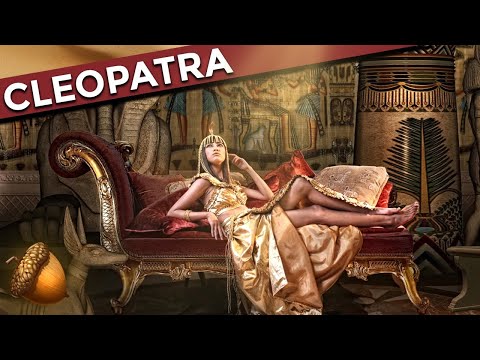
Cleopatra: Navigating the Interstices of Empires - A Historical and Anthropological Perspective

Introduction: The Enigmatic Queen at a Civilizational Crossroads

Cleopatra VII Philopator. The name alone evokes a potent cocktail of allure, power, and tragedy. Her life, inextricably linked to the twilight of Egypt's pharaonic independence and the ascendance of Rome, remains a subject of intense fascination. More than a mere seductress or a pawn in a geopolitical game, Cleopatra was a complex figure who wielded significant influence during a period of profound transformation. This article delves into the life of Cleopatra, not just as a historical narrative, but through the lenses of **anthropology**, **sociology**, and **history**, exploring her role as a ruler, a diplomat, and a woman operating at the nexus of powerful empires. We will examine the historical context of her reign, the strategies she employed, and the lasting impact of her rule, which ultimately marked the end of an era and the beginning of another.

Cleopatra: The Figure and Her Context

Cleopatra's reign (51-30 BCE) coincided with a tumultuous period. The Hellenistic world, once vibrant with successor kingdoms to Alexander the Great's empire, was increasingly being absorbed by the expanding power of Rome. Cleopatra was the last active ruler of the Ptolemaic Kingdom of Egypt, a dynasty of Macedonian Greek origin that had ruled Egypt for nearly three centuries following Alexander's death. Her entry into the world was marked by dynastic intrigue and political instability. Unlike many historical accounts that focus on her romantic entanglements, a deeper examination reveals a ruler who was acutely aware of her precarious position. She was a highly educated woman, fluent in multiple languages, including Egyptian – a rarity among her Ptolemaic predecessors. This linguistic and cultural fluency was not merely an academic achievement; it was a crucial tool for governance and diplomacy in a land with a deeply entrenched native culture.
"She entered the world at a time of civilizational upheaval. By the time she left it, nearly everyone she loved was dead, and the newly-minted Roman Empire had defeated a once-mighty Egypt, ushering in a new era of human history."
This statement, from the original material, succinctly captures the epochal significance of Cleopatra's life. She was not just a queen; she was a living bridge, or perhaps a final defiant stand, between the ancient world of pharaohs and the nascent Roman imperium.

The Geopolitical Stage: Ptolemaic Egypt and the Roman Republic

To understand Cleopatra, one must understand the world she inhabited. Ptolemaic Egypt, while still immensely wealthy and culturally significant, was no longer the dominant power it once was. Internally, it was plagued by dynastic disputes and economic challenges. Externally, it was overshadowed by the relentless expansion of the Roman Republic, which was itself navigating a period of intense civil strife and political transformation. Rome's influence in the Eastern Mediterranean was undeniable. By Cleopatra's time, Rome had conquered much of the Hellenistic world, and Egypt, despite its wealth, was a crucial prize. Cleopatra inherited a kingdom that was, in many ways, a Roman protectorate, yet she strove to maintain its autonomy. Her relationships with Julius Caesar and later Mark Antony were not simply romantic liaisons; they were calculated political alliances designed to secure her throne and the future of Egypt. These alliances were fraught with danger. Both Caesar and Antony were powerful figures in Roman politics, but they were also rivals. Cleopatra's ability to forge and maintain these relationships, even as Roman factions vied for power, speaks volumes about her political acumen. She navigated treacherous waters, using her intelligence, charm, and the considerable resources of Egypt to her advantage.

Strategies of Power: Diplomacy, Alliances, and Personal Influence

Cleopatra's reign was a masterclass in crisis management and strategic diplomacy. Faced with the overwhelming might of Rome, she employed a multi-pronged strategy: * **Leveraging Personal Relationships:** Her relationships with Julius Caesar and Mark Antony were pivotal. By bearing children with both Roman leaders, she sought to cement dynastic ties and create a personal stake for Rome in Egypt's survival. These were not affairs of the heart alone, but calculated moves in a high-stakes political game. * **Economic Power:** Egypt was the breadbasket of the Mediterranean. Cleopatra skillfully used its agricultural wealth and strategic location to garner favor and exert influence. She secured loans and trade agreements that benefited both Egypt and its Roman partners. * **Cultural Representation:** As previously mentioned, Cleopatra's command of the Egyptian language and her embrace of Egyptian customs set her apart from her Greek predecessors. She presented herself as a successor to the pharaohs, resonating with her Egyptian subjects and strengthening her legitimacy. This was a form of soft power, designed to foster loyalty and project an image of a strong, unified Egypt. * **Military Alliances:** While Egypt's military was no match for Rome's legions, Cleopatra was not hesitant to commit resources and forces to Roman conflicts when it suited her strategic interests, particularly in supporting Antony. These strategies were not without risk. Her close association with Antony ultimately led to her downfall, as Antony's defeat at the Battle of Actium by Octavian (later Augustus) sealed Egypt's fate.

Anthropological Insights: Culture, Identity, and Royal Symbolism

From an anthropological perspective, Cleopatra's reign offers rich insights into the dynamics of cultural interaction, identity formation, and the performance of royalty. * **Hellenistic Egypt:** Cleopatra ruled over a syncretic society, where Greek Ptolemaic culture intersected with ancient Egyptian traditions. The Ptolemies, while of Macedonian Greek descent, had largely adopted Egyptian religious practices and courtly rituals to legitimize their rule among the native population. Cleopatra embraced this syncretism more fully than many of her ancestors, presenting herself as Isis incarnate, a powerful Egyptian deity. * **The Performance of Kingship:** Royal power is often performed. Cleopatra understood this. Her famous entrance to meet Antony in Tarsus, sailing on a gilded barge dressed as Aphrodite, was a spectacular display of wealth, divine association, and seductive power. This was not mere ostentation; it was a deliberate act of political theatre designed to awe and influence. * **Gender and Power:** Cleopatra defied conventional expectations of female rulers in both the Greco-Roman and Egyptian worlds. She was not merely a consort but an active political agent. Her story challenges simplistic notions of female power, highlighting the complex interplay of gender, politics, and agency in the ancient world. Examining her actions through the lens of feminist anthropology can reveal the constraints and opportunities she faced as a woman in a patriarchal society.
"She presented herself as Isis incarnate, a powerful Egyptian deity. This was not mere ostentation; it was a deliberate act of political theatre designed to awe and influence."

The Historical Legacy: Between Two Empires

Cleopatra's death marked a profound turning point. It signified the end of the Ptolemaic dynasty and the Hellenistic period, and the effective annexation of Egypt into the Roman Empire as its first province. The empire she fought to preserve was absorbed, and its wealth began to fuel Rome's imperial ambitions. Her legacy is complex and often contested. Roman propaganda, particularly that of Octavian, portrayed her as a foreign temptress who corrupted noble Roman leaders. This narrative served to legitimize Octavian's victory and consolidate his power. However, subsequent generations, including Shakespeare and Hollywood, have often romanticized or sensationalized her story, focusing on her beauty and her affairs rather than her political prowess. A more nuanced historical and anthropological analysis reveals a ruler who was a skilled politician and diplomat, desperately trying to safeguard her kingdom's independence in an era of overwhelming imperial expansion. Her actions, her choices, and her ultimate fate are deeply intertwined with the grand narrative of Rome's transition from Republic to Empire.

Guía Práctica DIY: Deconstructing Historical Narratives

Understanding historical figures like Cleopatra requires critical analysis. Here's a practical approach to deconstructing the narratives surrounding them:
  1. Identify the Primary Sources: What ancient texts (e.g., Plutarch, Cassius Dio) or archaeological evidence (e.g., coinage, inscriptions) exist regarding the figure? Note their authors, potential biases, and the historical context in which they were created.
  2. Recognize Secondary Interpretations: How have later historians and writers interpreted these sources? Be aware of different schools of thought (e.g., Roman propaganda vs. feminist interpretations).
  3. Question the Dominant Narrative: What is the most common story told about this person? Is it based on solid evidence or popular myth? For Cleopatra, the "seductress" narrative is pervasive. Question it.
  4. Look for Agency and Motivation: Beyond the surface-level descriptions, what were the character's likely goals, motivations, and constraints? For Cleopatra, consider her desire to preserve Egypt's autonomy and her dynastic ambitions.
  5. Analyze the Role of Gender and Culture: How do the societal norms of the time regarding gender, ethnicity, and class influence the portrayal of the individual? Cleopatra's identity as a Greek ruler in Egypt, and as a woman in a male-dominated political sphere, is crucial.
  6. Seek Out Alternative Perspectives: Are there less common interpretations or recent scholarship that offer a different view? For instance, exploring her role as an administrator and diplomat rather than just a lover.
  7. Synthesize Your Findings: Formulate your own informed opinion based on the evidence and your critical analysis. Acknowledge ambiguities and areas where evidence is lacking.
This DIY approach allows you to move beyond passive reception of historical accounts and engage actively with the past, developing a more sophisticated and accurate understanding.

Frequently Asked Questions

What languages did Cleopatra speak?

Cleopatra was known to be highly educated and fluent in several languages. While her native tongue was Greek (as she was of Ptolemaic Macedonian descent), she is famously documented as being the first Ptolemaic ruler to learn the Egyptian language. She also reportedly spoke Ethiopian, Hebrew, Arabic, Syriac, Median, and Parthian.

Was Cleopatra Egyptian?

Cleopatra VII was ethnically Greek Macedonian, descending from Ptolemy I Soter, one of Alexander the Great's generals. However, she ruled Egypt for over two decades and actively embraced Egyptian culture, religion, and language, presenting herself as a pharaoh to her subjects. Therefore, while not ethnically Egyptian, she was deeply integrated into and identified with Egyptian rule and identity.

What was Cleopatra's relationship with Julius Caesar?

Cleopatra formed a political and personal alliance with Julius Caesar, who supported her claim to the throne against her brother. She bore him a son, Caesarion, whom she hoped would one day rule both Egypt and Rome. Their relationship was strategic, aiding Caesar in his political maneuvering and securing Cleopatra's position as ruler of Egypt.

How did Cleopatra die?

The traditional account, popularized by Plutarch, states that Cleopatra died by suicide shortly after the defeat of her forces and the capture of Alexandria by Octavian (later Emperor Augustus). She is said to have died from the venom of an asp, smuggled into her chambers in a basket of figs, though historical debate continues regarding the exact method of her death.

What is Cleopatra's lasting historical significance?

Cleopatra's reign marked the end of the Ptolemaic Kingdom of Egypt and its absorption into the Roman Empire. She represents a critical transitional figure between the Hellenistic era and the Roman imperial age. Her strategic alliances, political maneuvering, and the dramatic circumstances of her death have cemented her place as one of history's most iconic and debated figures, symbolizing both the allure of the ancient world and the inexorable rise of Roman power.

Conclusion: The Enduring Enigma

Cleopatra VII remains an enduring enigma, a figure whose life story transcends simple historical recounting to become a powerful cultural touchstone. Her reign was a complex tapestry woven with threads of diplomacy, ambition, cultural adaptation, and sheer survival in the face of overwhelming imperial forces. By examining her through the interdisciplinary lenses of history, anthropology, and sociology, we gain a richer appreciation for her as a ruler, a strategist, and a woman who navigated a pivotal moment in human history. Her story serves as a potent reminder of the fluidity of power, the complexities of cultural identity, and the enduring human drama that unfolds at the intersection of civilizations.

Nefertiti: The Mysterious Queen of Ancient Egypt and the Dawn of Monotheism

Introduction: The Enigmatic Queen

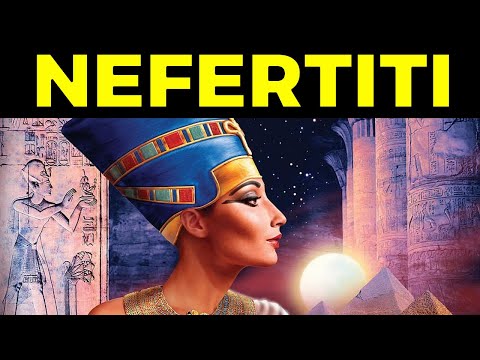
The sands of Egypt hold countless secrets, but few figures captivate the imagination quite like Nefertiti. Her name, meaning "the beautiful one has come," echoes through millennia, yet her life remains shrouded in a captivating mystery. Approximately 3,300 years ago, during the tumultuous 18th Dynasty, Nefertiti rose to prominence as the Great Royal Wife of Pharaoh Akhenaten. More than just a consort, she wielded considerable influence, co-ruling alongside her husband during a period of radical religious and social upheaval.

This article delves into the life and times of Nefertiti, exploring her pivotal role in the Amarna Revolution, the artistic innovations that defined her era, and the enduring questions that continue to fascinate scholars and the public alike. We will move beyond mere historical recounting to examine how we can, even today, engage with and understand such distant figures through careful analysis and a spirit of intellectual inquiry. From deciphering ancient iconography to understanding the dynamics of power in the ancient world, the story of Nefertiti offers a rich tapestry for exploration.

The Age of Amarna: A Religious Revolution

Nefertiti's reign was intrinsically linked to her husband, Akhenaten (formerly Amenhotep IV). Together, they instigated one of the most radical shifts in ancient Egyptian history: the introduction of monotheism, or more accurately, henotheism, centered on the worship of the sun disk, the Aten. This was a dramatic departure from the polytheistic traditions that had dominated Egyptian religious life for centuries, challenging the established priesthood of Amun and consolidating power within the royal family.

The move to establish a new capital, Akhetaten (modern-day Amarna), was a physical manifestation of this religious and political revolution. The city was built from scratch, dedicated solely to the Aten, and served as the nucleus of this new worldview. This period, often referred to as the Amarna Period, was characterized by a unique artistic style and a distinct socio-political climate, largely shaped by the pharaoh and his influential queen.

"The Aten, the sun disk, was elevated above all other deities, becoming the sole source of light, life, and cosmic order. This was not merely a theological shift but a profound reshaping of the Egyptian identity."

Understanding this context is crucial to appreciating Nefertiti's significance. She was not merely a passive observer but an active participant in this monumental transformation, her image and influence deeply interwoven with the Atenist reforms.

Nefertiti's Ascent to Power

The exact origins of Nefertiti are still debated among Egyptologists. While some theories suggest she was a princess of foreign origin, possibly from Mitanni, the prevailing view, supported by inscriptions, identifies her as the daughter of Ay, a high-ranking court official who later became pharaoh himself. Regardless of her precise lineage, her marriage to Akhenaten propelled her to the highest echelons of Egyptian society.

As the Great Royal Wife, Nefertiti's role extended far beyond ceremonial duties. She is depicted in art engaging in religious rituals, making offerings to the Aten, and even smiting enemies alongside her husband – imagery traditionally reserved for the pharaoh. This suggests a level of co-regency and shared authority unprecedented in previous Egyptian dynasties.

Her influence is evident in the surviving inscriptions and reliefs. She is frequently named alongside Akhenaten, often depicted with the same artistic conventions and regal regalia. Some scholars even propose that she may have briefly ruled as pharaoh in her own right after Akhenaten's death, perhaps under the name Neferneferuaten, though this remains a subject of scholarly contention.

The importance of understanding such historical figures lies in recognizing the agency they possessed, even within patriarchal societies. Nefertiti stands as a testament to the potential for women to wield significant power and influence in ancient civilizations. For further exploration into the intricacies of royal power structures, consider delving into the Antropología of ancient societies.

Art and Propaganda: The Amarna Style

The Amarna Period ushered in a distinctive artistic revolution. The traditional, idealized, and rigid forms of Egyptian art were replaced by a more naturalistic, expressive, and often exaggerated style. This "Amarna style" is vividly exemplified in the reliefs and sculptures depicting Nefertiti and her family.

Portraits of Nefertiti often emphasize her striking beauty, her elegant elongated neck, high cheekbones, and regal bearing. The iconic bust of Nefertiti, discovered by Ludwig Borchardt in 1912 and now housed in Berlin's Neues Museum, has become a global symbol of ancient Egyptian artistry and feminine beauty. However, it's crucial to understand that these artistic representations were not mere portraits but served as powerful tools of propaganda, reinforcing the divine nature of the pharaoh and queen and promoting the Atenist cult.

The intimate family scenes, showing Akhenaten, Nefertiti, and their daughters basking in the rays of the Aten, were a radical departure from previous dynastic art, which focused primarily on the pharaoh's divine power and military might. These scenes aimed to portray the royal family as divinely favored intermediaries, bringing the blessings of the Aten to the people.

Analyzing the art of the Amarna Period allows us to gain insights into the religious beliefs, social structures, and political ideologies of the time. The deliberate artistic choices made during this era highlight the intertwined nature of art, religion, and power.

DIY Practical Guide: Analyzing Historical Iconography

Engaging with historical artifacts and images, like the reliefs of Nefertiti, can be a rewarding intellectual pursuit. While we may not have direct access to ancient Egypt, we can learn to interpret the visual language they left behind. Here’s a simple guide to analyzing historical iconography, inspired by the Amarna Period:

  1. Identify the Subject: What figures, objects, or scenes are depicted? In Nefertiti's case, we see royalty, family members, and symbols of the Aten.
  2. Note the Style and Medium: Is the depiction naturalistic, idealized, or stylized? What materials were used (stone relief, painting, sculpture)? The Amarna style is characterized by its fluidity and expressiveness compared to earlier periods.
  3. Analyze Symbolism: Are there any symbolic elements present? The sun disk with rays (Aten), royal crowns, jewelry, and gestures all carry meaning. For instance, the rays of the Aten often end in hands, bestowing life.
  4. Consider the Context: Where was this image found (temple, tomb, private dwelling)? Who commissioned it? What was its intended purpose (religious, political, commemorative)? Images in temples served different functions than those in private tombs.
  5. Look for Power Dynamics: How are the figures depicted in relation to each other? Who is larger, positioned higher, or receiving more attention? This can reveal social hierarchies and power relationships. Nefertiti's prominent placement alongside Akhenaten is a key indicator of her status.
  6. Compare with Other Examples: How does this image compare to others from the same period or different eras? This comparative analysis helps identify unique characteristics and broader trends. Comparing Amarna art with Old Kingdom statuary, for example, highlights the dramatic shift.

By applying these steps, you can begin to deconstruct the visual narratives of the past and develop a more profound understanding of historical contexts and beliefs.

Legacy and Enduring Mystery

Despite the radical nature of the Amarna Revolution, its influence was relatively short-lived. Following Akhenaten's death and the brief reign of his successors, including possibly Nefertiti herself, the traditional polytheistic religion was restored, and the Atenist heresy was largely suppressed. The capital was moved back from Akhetaten, and the memory of Akhenaten and his religious reforms was systematically erased from historical records, a phenomenon known as damnatio memoriae.

Yet, Nefertiti's legacy endured, largely due to the survival of her magnificent image. The bust discovered in the early 20th century propelled her into global consciousness, making her one of the most recognizable figures of antiquity. Her story continues to inspire awe, sparking endless speculation about her life, her true power, and the circumstances surrounding her disappearance from historical records.

The enduring mystery of Nefertiti highlights the challenges and rewards of historical research. While much remains unknown, the ongoing efforts of archaeologists, Egyptologists, and historians continue to shed light on her life and times, offering us glimpses into a pivotal moment in human history. The study of figures like Nefertiti can also be enriched by understanding related fields, such as Arqueología and the interpretation of data derived from excavations.

"The quest to understand Nefertiti is a testament to our innate human curiosity about the past and the individuals who shaped it, even when their stories are intentionally obscured by time and political expediency."

Frequently Asked Questions

Q1: Who was Nefertiti?
A1: Nefertiti was the Great Royal Wife of the Egyptian Pharaoh Akhenaten during the 18th Dynasty, approximately 3,300 years ago. She played a significant role in the religious revolution that introduced the worship of the Aten (sun disk) as the primary deity.

Q2: What is the significance of the Amarna Period?
A2: The Amarna Period, associated with Akhenaten and Nefertiti, was a time of radical religious, artistic, and cultural change in ancient Egypt, marked by the shift towards monotheism and a distinctive, more naturalistic art style.

Q3: Where is the famous bust of Nefertiti located?
A3: The iconic bust of Nefertiti, discovered in 1912, is currently housed in the Neues Museum in Berlin, Germany.

Q4: Did Nefertiti rule Egypt alone?
A4: While Nefertiti held immense influence and co-ruled with Akhenaten, evidence suggesting she ruled as sole pharaoh after his death (possibly as Neferneferuaten) is debated among scholars. Her prominent depiction in royal activities indicates a level of authority beyond that of a typical queen.

Conclusion: Echoes Through Time

Nefertiti remains an indelible figure in the annals of ancient Egypt. Her life unfolded during a period of profound transformation, and her image, whether as a queen, a religious innovator, or a symbol of beauty, continues to resonate across centuries. The Amarna Period, though ultimately suppressed, left an indelible mark on history, and Nefertiti was at its very heart.

By studying her life, we not only gain insights into ancient Egyptian society, religion, and art but also reflect on the enduring power of individuals to influence the course of history. The ongoing fascination with Nefertiti underscores our timeless desire to connect with the past and unravel its mysteries, a pursuit that embodies the core of Antropología and History.

15 Mysterious Historical Sites You've Probably Never Heard Of

Welcome to El Antroposofista, your premier destination for insightful explorations into the realms of anthropology, archaeology, psychology, and history. We are dedicated to uncovering the less-trodden paths of human knowledge and presenting them in a manner that is both academically rigorous and intellectually stimulating. This post delves into fifteen historical sites shrouded in mystery, places that, despite their profound significance, often remain outside the popular historical narrative. Prepare to embark on a journey through time and enigma.

Introduction: The Allure of the Unknown

The grand narratives of history are often dominated by well-documented empires, famous battles, and widely celebrated figures. Yet, beneath this veneer of familiarity lies a vast landscape of lesser-known historical sites, each holding secrets that continue to baffle scholars and ignite the imagination. These locations, often obscure or overlooked, offer unique insights into past civilizations, forgotten practices, and the enduring human quest for meaning and survival. From subterranean cities to colossal stone effigies, these fifteen enigmatic sites challenge our understanding of history and archaeology.

Our exploration will traverse continents and millennia, drawing upon principles of anthropology, archaeology, and history to unravel the mysteries they hold. We invite you to join this intellectual expedition.

Site 1: The Whispering Walls of Derinkuyu, Turkey

Beneath the Nevşehir Province in Turkey lies Derinkuyu, a vast, ancient multi-level city, carved deep into the earth. This astonishing subterranean complex could house up to 20,000 people along with livestock and food stores. Its origins are debated, with some attributing it to the Phrygians around the 8th to 7th century BC, while others suggest even earlier construction. The city features ventilation shafts, wells, living quarters, stables, chapels, and even wineries, all ingeniously designed for long-term survival.

The sheer scale and complexity of Derinkuyu suggest a society facing constant external threats, necessitating a robust and sophisticated underground refuge.

Its purpose was likely a refuge during times of invasion and persecution, a testament to ancient ingenuity in the face of existential threats. The precise construction methods and the full extent of its interconnected tunnels remain subjects of ongoing archaeological research.

Site 2: The Enigmatic Moai of Easter Island

Rapa Nui, or Easter Island, is famed for its enigmatic Moai statues. These colossal monolithic human figures, carved by the Rapa Nui people between the 13th and 16th centuries, are scattered across the island, many facing inland. Their purpose, transport, and the reasons for their eventual abandonment are still debated. Theories range from ancestral worship to astronomical markers, and the ecological collapse of the island is often cited as a factor in the cessation of Moai construction.

The mystery deepens when considering the logistical feat of moving and erecting these statues, some weighing over 80 tons, across the island's rugged terrain without the use of wheels or advanced machinery. The archaeological evidence points to sophisticated engineering and social organization.

Site 3: The Labyrinths of Knossos, Crete

The Palace of Knossos, the ceremonial and political center of the Minoan civilization, on the island of Crete, Greece, is often associated with the myth of the Labyrinth. While the palace itself is a sprawling complex of rooms, corridors, and courtyards, its intricate design and maze-like structure have fueled legends. The Minoans, a sophisticated Bronze Age culture, left behind frescoes, pottery, and linear scripts (Linear A and B) that hint at a complex society, yet much about their religion, language, and eventual decline remains enigmatic.

Exploring Knossos offers a glimpse into a civilization that flourished thousands of years ago, leaving behind architectural marvels and enduring myths. The discovery of its sophisticated plumbing and drainage systems underscores the advanced nature of Minoan engineering.

Site 4: The Lost City of Petra, Jordan

Petra, the Rose City, carved directly into vibrant red sandstone cliffs, was the capital of the Nabataean Kingdom. This ancient city thrived as a crucial trade hub for incense, spices, and other luxuries from Arabia, India, and beyond. Its impressive facades, such as the Treasury (Al-Khazneh) and the Monastery (Ad-Deir), are marvels of rock-cut architecture. After centuries of prosperity, Petra was gradually abandoned following earthquakes and shifts in trade routes, becoming a lost city until its rediscovery by a Swiss explorer in 1812.

The Nabataeans were master hydrologists, creating intricate systems of dams, cisterns, and conduits to manage water in the arid desert, a feat of engineering still studied today.

The remnants of Petra speak to a powerful and wealthy civilization that mastered its environment and dominated regional trade.

Site 5: The Nazca Lines, Peru

Etched into the arid coastal plains of Peru, the Nazca Lines are a series of colossal geoglyphs, some stretching for hundreds of meters. Created by the ancient Nazca culture between 500 BC and 500 AD, these designs depict various figures, including animals (like a hummingbird, monkey, and spider), plants, and geometric shapes. Their purpose remains one of archaeology's greatest puzzles. Theories abound, from astronomical calendars and ritual pathways to landing strips for extraterrestrial visitors, though anthropological studies favor ritualistic or astronomical functions.

The precision and scale of these lines, visible in their entirety only from high above, continue to inspire awe and speculation, highlighting the advanced understanding of geometry and surveying possessed by the Nazca people. For more on ancient Peruvian cultures, explore resources on archaeological sites in South America.

Site 6: The Sunken City of Thonis-Heracleion, Egypt

Off the coast of Egypt, near Alexandria, lies the submerged ruins of Thonis-Heracleion, once a prominent port city and a vital gateway to Egypt for international trade. Lost to the sea for over a thousand years, this ancient metropolis was gradually rediscovered through underwater archaeology. Excavations have revealed colossal statues, temples, shipwrecks, and countless artifacts, painting a picture of a wealthy and bustling city that predates Alexandria itself. The city's demise is believed to have been caused by a combination of earthquakes and tidal waves.

The discovery of Thonis-Heracleion has significantly reshaped our understanding of ancient Egypt's connection to the Mediterranean world, revealing a vibrant hub of commerce and culture lost to time.

Site 7: The Serpent Mound, Ohio, USA

The Great Serpent Mound in Adams County, Ohio, is the largest and most famous effigy mound in North America. Built by the Fort Ancient culture around 1000 AD, this massive earthwork depicts a coiling serpent, approximately 1,348 feet (411 meters) long. Its exact purpose is unknown, with theories suggesting it was a religious site, a marker for astronomical events, or a symbol of a significant cultural belief. The precise alignment of its curves with celestial phenomena has led to much scholarly debate.

The construction of such an immense earthwork without modern tools speaks to the significant organizational capacity and spiritual devotion of the indigenous peoples of North America. This site is a crucial piece of anthropological history.

Site 8: Göbekli Tepe, Turkey

Predating Stonehenge by thousands of years, Göbekli Tepe in southeastern Turkey is considered the world's oldest known temple complex, dating back to the Pre-Pottery Neolithic period (around 9500–8000 BC). This astonishing site features massive, T-shaped carved stone pillars, many adorned with intricate reliefs of animals. Its discovery fundamentally challenged existing theories about early human civilization, suggesting that complex religious and social structures may have preceded settled agriculture, rather than the other way around.

Göbekli Tepe rewrites our understanding of the Neolithic Revolution, implying that monumental construction and organized religion may have been drivers, not consequences, of settled life.

The purpose of these megalithic structures and the identity of the people who built them remain subjects of intense research and fascination.

Site 9: The Citadel of Masada, Israel

Perched atop a rugged cliff overlooking the Dead Sea, Masada is a formidable ancient fortress. It is most famously associated with the siege of Masada by the Roman army in 73 AD, during the First Jewish-Roman War. According to the historian Josephus, the Jewish defenders, after holding out against the Romans for months, chose mass suicide rather than surrender. Today, Masada stands as a powerful symbol of defiance and martyrdom, with its remains, including Herod the Great's palaces and Roman siege ramparts, offering a stark glimpse into a pivotal moment in history.

The archaeological excavations at Masada provide invaluable data on Roman siege warfare and the final stand of the Sicarii rebels.

Site 10: Cahokia Mounds, Illinois, USA

Near modern-day St. Louis, Missouri, lie the remains of Cahokia, the largest and most influential urban settlement of the Mississippian culture, flourishing between approximately 1050 and 1350 AD. At its peak, Cahokia was a thriving city with tens of thousands of inhabitants, centered around a massive earthen pyramid known as Monks Mound. The city featured a complex social structure, sophisticated agriculture, and extensive trade networks. However, its rapid decline and abandonment remain a subject of much debate among archaeologists and anthropologists.

The intricate planning and construction of Cahokia's mounds, plazas, and defensive palisades offer profound insights into the organizational capabilities of pre-Columbian North American societies. Studying Cahokia falls under the purview of anthropology and archaeology.

Site 11: Skara Brae, Scotland

Located on the Orkney Islands of Scotland, Skara Brae is a remarkably well-preserved Neolithic settlement, older than both Stonehenge and the Egyptian pyramids. This Stone Age village, inhabited between 3180 BC and 2500 BC, consists of a cluster of stone houses linked by covered passages. The discovery of sophisticated stone furniture, drainage systems, and hearths within the dwellings reveals a settled, organized community that thrived in a challenging environment. The site was preserved for millennia by sand dunes before its exposure by a storm.

Skara Brae provides an unparalleled window into the daily lives of Neolithic Europeans, offering tangible evidence of their domestic arrangements, craftsmanship, and community structures.

Site 12: The Great Zimbabwe, Zimbabwe

The Great Zimbabwe ruins are the remnants of an ancient city that was the capital of the Kingdom of Zimbabwe during the Late Iron Age. Built between the 11th and 15th centuries, this impressive stone structure is the largest ancient edifice in Africa south of the Sahara Desert. Composed of dry-stone walls, towers, and enclosures, the site is thought to have been a royal palace or a religious center for a wealthy elite. The origins and decline of this sophisticated civilization have long been a source of mystery and speculation.

The architectural achievements of Great Zimbabwe highlight the advanced societal organization and building capabilities of the Shona people in medieval times, challenging colonial narratives that attributed its construction to foreign builders.

Site 13: The Island of the Dolls, Mexico

While not ancient in the traditional sense, Isla de las Muñecas (Island of the Dolls) near Xochimilco, Mexico, possesses a deeply unsettling and mysterious history that has captured the public imagination. Legend has it that the island's sole inhabitant, Don Julian Santana Barrera, began hanging dolls from trees to appease the spirit of a young girl he believed drowned nearby. Over decades, the island became adorned with thousands of decaying dolls, creating a macabre and eerie landscape. This site offers a chilling intersection of folklore, psychology, and local legend.

The Island of the Dolls serves as a potent reminder of how folklore and personal trauma can coalesce to create sites of intense psychological resonance and eerie beauty.

While its origins are recent, the unsettling atmosphere and the compelling narrative make it a site of significant cultural curiosity.

Site 14: The Oradour-sur-Glane Massacre Site, France

Oradour-sur-Glane, a village in northwestern France, stands as a chilling testament to the atrocities of World War II. On June 10, 1944, Nazi SS troops massacred almost the entire population of the village and subsequently burned it to the ground. The site has been preserved exactly as it was left on that fateful day, serving as a stark memorial and a reminder of the horrors of war. Walking through the ruined streets, with skeletal cars and desolate homes, is a profoundly moving and somber experience.

This site offers a powerful historical lesson, underscoring the importance of remembrance and the devastating consequences of unchecked violence. It's a place where history is not just read, but felt.

Site 15: The Bhangarh Fort, India

Located in Rajasthan, India, Bhangarh Fort is renowned as one of the most haunted places in India. According to legend, the fort was cursed by a sorcerer who was spurned by a princess. The Archaeological Survey of India has prohibited entry into the fort between sunset and sunrise, adding to its mystique. The ruins themselves, though decaying, hint at a once-grand palace complex, with temples, markets, and residential areas, showcasing impressive Rajput architecture.

The enduring legends and the eerie atmosphere surrounding Bhangarh Fort draw numerous visitors, blending historical ruins with local folklore and tales of the supernatural.

DIY Exploration: Documenting Local Mysteries

The world is full of historical mysteries, and many of them are closer than you think. This practical guide will help you start documenting local historical enigmas in your own community.

  1. Identify Potential Mysteries: Look for local legends, unexplained ruins, historical anomalies mentioned in local archives, or places with unusual historical significance. These could be old abandoned buildings, peculiar land formations, or sites of forgotten events. Consider local history books, town records, or even conversations with long-time residents.
  2. Conduct Preliminary Research: Use online resources, library archives, and local historical societies to gather information about your chosen mystery. Look for primary sources like old maps, newspaper articles, diaries, and official documents. Search for related tags such as archaeology, anthropology, or local data.
  3. Document Your Findings: Visit the site (if accessible and safe). Take detailed notes and photographs. Record observations about the physical state of the location, its surroundings, and any features that seem unusual or significant. Consider using mapping tools or even creating your own infographics to illustrate your findings.
  4. Analyze and Interpret: Based on your research and observations, begin to form hypotheses about the mystery. What historical period does it belong to? What might its original purpose have been? What theories exist about its enigmatic nature? Connect your findings to broader anthropological or historical contexts.
  5. Share Your Discoveries: If appropriate, share your documented mysteries with your local historical society, a community blog, or even by creating your own educational content. This DIY approach contributes to the preservation and understanding of local history and can inspire others to explore the past around them. Remember to practice responsible documentation, respecting private property and historical integrity.

Frequently Asked Questions

What makes a historical site "mysterious"?

A historical site is considered mysterious when its origin, purpose, construction, or eventual fate remains largely unknown or subject to significant debate among historians and archaeologists. This often involves a lack of clear textual evidence, unusual architectural features, or compelling legends that defy easy explanation.

How can ordinary people contribute to understanding these sites?

Ordinary individuals can contribute by engaging in responsible tourism, supporting archaeological research through donations or advocacy, participating in citizen science projects (like mapping or photo documentation), and by learning about and sharing accurate information about these sites, dispelling myths and promoting respect for historical preservation.

Are there any common themes among these mysterious sites?

Common themes include advanced engineering or construction techniques that seem out of place for their era, monumental scale, unclear religious or ceremonial purposes, abrupt abandonment, and persistent local legends or folklore that attempt to explain their existence or disappearance.

The exploration of these fifteen sites underscores the vastness of human history and the enduring power of enigma. Each location is a puzzle piece, contributing to our ever-evolving understanding of past civilizations. We encourage you to delve deeper into these fascinating places and to continue your own journey of discovery.

For further insights into historical enigmas and their analysis, we recommend exploring resources on archaeology and anthropology.