Mostrando las entradas para la consulta Blogs ordenadas por fecha. Ordenar por relevancia Mostrar todas las entradas

Antropología y Sociología de las Interacciones Interculturales: Una Mirada Crítica a las Relaciones entre Latinoamericanos y Japonesas

En el crisol de la globalización contemporánea, las interacciones interculturales se han convertido en un fenómeno omnipresente y fascinante. Desde una perspectiva antropológica y sociológica, explorar las dinámicas de acercamiento entre individuos de culturas marcadamente distintas, como la latinoamericana y la japonesa, no solo revela las complejidades de la conexión humana, sino que también arroja luz sobre los prejuicios, las aspiraciones y las realidades prácticas que configuran estas relaciones. Este análisis se adentra en la percepción y el abordaje de las relaciones sentimentales transculturales, desmitificando conceptos erróneos y fomentando una comprensión más profunda y respetuosa.

Introducción: El Contexto Intercultural

La Antropología nos enseña que cada cultura posee un entramado único de valores, normas, costumbres y cosmovisiones. La cultura japonesa, caracterizada por su énfasis en la armonía grupal, la comunicación implícita y un profundo respeto por la jerarquía y la tradición, presenta un contraste significativo con las culturas latinoamericanas, a menudo percibidas como más expresivas, directas y con una estructura familiar más horizontal. Abordar la noción de "conquistar" a una persona, particularmente en un contexto intercultural, implica desmantelar la idea de una estrategia unilateral y centrarse en la construcción de una conexión genuina. La intención de búsqueda académica detrás de esta exploración se centra en comprender las dinámicas sociológicas y antropológicas que subyacen a las interacciones entre individuos de estos dos mundos culturales, analizando tanto los obstáculos como las oportunidades para el desarrollo de relaciones significativas.

Barreras Culturales y de Comunicación: Desafíos y Superación

La divergencia cultural es, sin duda, el primer obstáculo a considerar. Las sutilezas en la comunicación no verbal, las expectativas sociales en las interacciones románticas y las normas de cortesía pueden diferir radicalmente. Por ejemplo, la reserva y la formalidad en las interacciones iniciales en Japón contrastan con la mayor espontaneidad y calidez que a menudo se asocian con el cortejo en América Latina. Reconocer y validar estas diferencias es fundamental. En lugar de verlas como impedimentos insuperables, se presentan como oportunidades para el aprendizaje mutuo y el crecimiento personal. Como señala el sociólogo Pierre Bourdieu, el habitus cultural moldea nuestras percepciones y comportamientos, haciendo que lo "natural" para una cultura sea ajeno para otra.

"La comprensión intercultural no reside en la eliminación de las diferencias, sino en la apreciación de la riqueza que aportan."

Para superar estas barreras, es esencial cultivar una mentalidad abierta y una disposición genuina a aprender y adaptarse. Esto implica investigar sobre las costumbres japonesas, sus valores sociales y las expectativas en las relaciones interpersonales. La empatía y la paciencia son herramientas cruciales en este proceso.

La Dimensión Lingüística: Más Allá de las Palabras

El lenguaje es una puerta de entrada a la cultura. Si bien es cierto que en Japón existen comunidades cosmopolitas donde el inglés es manejado, especialmente en grandes ciudades, el esfuerzo por aprender el idioma japonés, aunque sea a un nivel básico, demuestra un nivel de compromiso y respeto que suele ser muy valorado. El aprendizaje del japonés no es solo la adquisición de vocabulario y gramática; es una inmersión en una forma de pensar y de ver el mundo. La riqueza del idioma japonés, con sus distintos niveles de formalidad y sus matices de significado, refleja la estructura social y las relaciones interpersonales. Una aproximación respetuosa al idioma puede facilitar enormemente la conexión y disipar malentendidos.

Más allá de la comunicación verbal, es importante entender los silencios y las pausas, que en la cultura japonesa pueden tener un significado tan importante como las palabras pronunciadas. La capacidad de leer entre líneas y percibir las sutilezas comunicativas es una habilidad que se desarrolla con el tiempo y la experiencia.

Estilo y Apariencia: Respeto por la Estética Local

La apariencia personal y el estilo de vestir son aspectos que, aunque superficiales en apariencia, juegan un rol en la percepción social. En Japón, la presentación personal suele priorizar la pulcritud, la modestia y la adecuación al contexto. Esto no implica una renuncia a la identidad individual, sino una adaptación consciente y respetuosa a las normas estéticas locales. Mostrar interés por las tendencias de moda japonesa, cuidar la higiene personal y vestir de manera ordenada puede ser interpretado como un signo de consideración hacia la cultura y las personas. El objetivo no es la imitación, sino la demostración de un esfuerzo consciente por integrarse y ser percibido como alguien que valora las normas y la estética del entorno.

"La vestimenta es una forma de lenguaje no verbal que comunica pertenencia, respeto y comprensión cultural."

Investigar sobre las corrientes de moda actuales en Japón, ya sea a través de revistas, blogs o plataformas digitales, puede ofrecer una visión útil sobre las preferencias estéticas predominantes. Sin embargo, la autenticidad sigue siendo clave; el objetivo es complementar, no enmascarar, la propia identidad.

Prejuicios y Realidades: Navegando Percepciones Sociales

Es innegable que, en ciertas esferas, pueden existir prejuicios o estereotipos sobre los extranjeros, incluidos los latinoamericanos, en Japón. Estos pueden derivar de la falta de conocimiento, de representaciones mediáticas sesgadas o de experiencias individuales limitadas. Sin embargo, la sociedad japonesa, al igual que cualquier otra, es diversa. Hay una parte significativa de la población abierta y curiosa hacia otras culturas, dispuesta a entablar relaciones significativas con personas de orígenes diversos. La clave para contrarrestar cualquier prejuicio reside en la demostración consistente de un carácter respetuoso, una actitud abierta y un interés genuino por la cultura japonesa.

La persistencia y la autenticidad en la interacción son factores que gradualmente disipan percepciones erróneas. Construir una reputación individual basada en la integridad y el respeto es la estrategia más efectiva para navegar cualquier barrera social. Desde la perspectiva de la Sociología, estos encuentros interétnicos son laboratorios sociales donde se reconfiguran identidades y se desafían los límites de lo "propio" y lo "ajeno". Un ejemplo histórico de interacciones culturales complejas se puede observar en las dinámicas de inmigración en diversas partes del mundo, donde la adaptación y el entendimiento mutuo son pilares para la cohesión social.

Guía Práctica DIY: Construyendo Puentes Interculturales

El objetivo de esta sección es proporcionar herramientas prácticas para fomentar la comprensión y el acercamiento en contextos interculturales. No se trata de una "conquista", sino de la edificación de relaciones basadas en el respeto mutuo.

  1. Investigación Cultural Profunda: Dedica tiempo a leer libros, ver documentales (documental) y seguir fuentes confiables sobre la historia, las costumbres, la etiqueta social y los valores fundamentales de Japón. Comprender la etiqueta básica en mesas, reuniones y conversaciones es crucial.
  2. Aprendizaje del Idioma Japonés (Básico): Comienza con frases de cortesía esenciales como "hola" (konnichiwa), "gracias" (arigatou gozaimasu), "por favor" (onegaishimasu) y "disculpe" (sumimasen). Utiliza aplicaciones de aprendizaje de idiomas o busca recursos en línea.
  3. Observación y Adaptación del Comportamiento: Presta atención a cómo las personas locales interactúan. Observa las dinámicas de conversación, la importancia de los saludos, la forma de expresar gratitud y disculpas. Adapta tu comportamiento sin perder tu autenticidad; busca un equilibrio.
  4. Demostración de Interés Genuino: Haz preguntas abiertas sobre la cultura japonesa, sus intereses, su gastronomía (comida). Muestra curiosidad y una disposición a aprender. Evita generalizaciones o comentarios basados en estereotipos.
  5. Cuidado en la Presentación Personal: Asegúrate de mantener una buena higiene personal y viste de manera pulcra y adecuada al entorno. Infórmate sobre las tendencias de moda y estilo en Japón, pero prioriza la limpieza y el respeto a las convenciones.
  6. Paciencia y Persistencia: Entiende que construir relaciones significativas lleva tiempo, especialmente a través de barreras culturales. No te desanimes ante las dificultades iniciales y mantén una actitud positiva y perseverante.
  7. Respeto por la Individualidad: Recuerda que cada persona es un individuo, independientemente de su origen cultural. Evita asumir que todas las personas japonesas comparten las mismas características o intereses.

Preguntas Frecuentes

¿Es verdad que las mujeres japonesas prefieren a los hombres extranjeros sobre los hombres japoneses?

Esta es una generalización sin fundamento. Las preferencias románticas son individuales y complejas, influenciadas por una multitud de factores personales, sociales y culturales, más allá de la nacionalidad. Es crucial evitar estereotipos y reconocer la diversidad de gustos y atracciones.

¿La diferencia de idioma es una barrera insuperable?

El idioma puede ser un desafío, pero no necesariamente insuperable. El esfuerzo por aprender el idioma, incluso a un nivel básico, demuestra respeto e interés, lo cual es muy apreciado. Además, en muchas situaciones, la comunicación no verbal, los gestos y el uso de herramientas de traducción pueden facilitar la interacción inicial.

¿Existen diferencias significativas en las expectativas sobre las relaciones de pareja entre Latinoamérica y Japón?

Sí, existen diferencias notables. La cultura japonesa tiende a valorar la discreción, la armonía grupal y un rol más definido dentro de la familia y la sociedad. Las expectativas sobre el cortejo, el compromiso y la vida en pareja pueden variar considerablemente en comparación con muchas culturas latinoamericanas, que pueden ser más expresivas y directas.

¿Qué papel juegan los prejuicios culturales en estas interacciones?

Los prejuicios, tanto de parte de los japoneses hacia los latinoamericanos como viceversa, pueden existir y complicar las interacciones. Estos suelen basarse en estereotipos, desinformación o generalizaciones. La clave para superarlos es la demostración de un carácter respetuoso, una actitud abierta y la construcción de relaciones individuales basadas en la autenticidad.

¿Es importante adaptarse completamente a la cultura japonesa para tener éxito en una relación?

La adaptación no significa perder la propia identidad, sino mostrar respeto y disposición a comprender la cultura del otro. Una relación saludable se construye sobre el respeto mutuo y la apreciación de las diferencias. El objetivo es encontrar un equilibrio donde ambas partes se sientan cómodas y valoradas, compartiendo lo mejor de sus respectivas culturas.

Conclusión: Hacia Relaciones Humanas Fundamentadas en el Respeto

La exploración de las interacciones entre latinoamericanos y japonesas, lejos de ser una guía para la "conquista", debe ser entendida como un ejercicio de antropología aplicada a las relaciones humanas. La complejidad inherente a cualquier vínculo intercultural exige una aproximación basada en la curiosidad intelectual, la humildad y, sobre todo, el respeto mutuo. Las diferencias culturales, lejos de ser obstáculos infranqueables, son invitaciones a expandir nuestra comprensión del mundo y de nosotros mismos. Como académicos y divulgadores en El Antroposofista, promovemos activamente la comprensión humana y la construcción de puentes entre culturas, reconociendo el valor intrínseco de la diversidad. El verdadero éxito en cualquier relación, transcultural o no, reside en la autenticidad, la empatía y el compromiso de construir una conexión genuina, celebrando las individualidades mientras se navegan las aguas, a menudo fascinantes, de las diferencias culturales.

Unveiling Forgotten Sanctuaries: An Anthropological and Historical Expedition into Abandoned Bathhouses

Introduction: Echoes in the Ruins

The allure of abandoned spaces is a phenomenon that transcends mere curiosity. It taps into a deeper human fascination with the past, with narratives frozen in time, and with the tangible remnants of lives once lived. This post delves into the world of forgotten bathhouses, exploring their historical significance, anthropological implications, and the stories they whisper to those who listen. We will embark on an intellectual and practical journey, seeking to understand not just their decay, but also their cultural resonance and the lessons they offer about societal evolution and the ephemeral nature of human endeavors.

The Historical Tapestry of Bathing Culture

Bathing, far from being a simple act of hygiene, has been a cornerstone of many cultures throughout history. From the elaborate Roman thermae, which served as social, political, and recreational hubs, to the communal baths of ancient civilizations across the globe, these spaces were imbued with profound social and symbolic meaning. They were sites of ritual, healing, and community bonding. The evolution of bathhouse architecture and practice reflects broader societal shifts, technological advancements, and evolving perceptions of the body and public life.

"The public bath was the poor man's club, the rich man's gymnasium, and the old man's infirmary." - From an anonymous historical account of Roman baths.

Across different eras and continents, bathhouses served diverse functions. In some societies, they were segregated by gender, while in others, mixed bathing was common. They were places where social strata could blur, where business deals were struck, and where philosophical debates unfolded. The materials used, the architectural styles, and the associated rituals all provide invaluable insights into the values, beliefs, and daily lives of past societies. Understanding this rich history is crucial for appreciating the significance of their eventual abandonment.

Anthropological Lenses on Abandonment

The abandonment of a structure, particularly one as socially integral as a bathhouse, is an event ripe for anthropological analysis. It speaks to shifts in economic viability, changing social customs, the impact of new technologies, or even natural disasters and political upheaval. As structures fall into disuse, they become archaeological sites in their own right, offering tangible evidence of cultural transitions.

From an anthropological perspective, abandoned bathhouses can be seen as:

  • Palimpsests of Social Practice: Layers of use, repair, and decay reveal evolving human behaviors and values.
  • Indicators of Socioeconomic Change: Their decline can signal economic downturns, urban decay, or a migration of populations.
  • Sites of Memory and Narrative: They become repositories of collective memory, often associated with local folklore and historical accounts.
  • Objects of Study for Material Culture: The remaining artifacts and architectural elements speak volumes about craftsmanship, available resources, and aesthetic preferences.

The process of abandonment itself can also be studied. Was it a gradual decline or a sudden event? Who were the last people to use these spaces, and what were their experiences? These questions drive the anthropological inquiry into such sites.

Case Study: Jairo Castillo's Durango Bathhouse

The mention of Jairo Castillo and Durango, Durango, evokes a specific, albeit potentially localized, instance of a forgotten sanctuary. While the original content is sparse, it points to a unique historical artifact – a bathhouse documented by Castillo. This suggests a specific locality where public or private bathing facilities once played a role in the community's social fabric.

To truly understand such a site, a multi-disciplinary approach is essential. An archaeologist might examine the structural integrity, building materials, and any unearthed artifacts. A historian would research local records, newspaper archives, and oral histories to pinpoint the bathhouse's operational period, its clientele, and the reasons for its closure. An anthropologist would analyze its role within the community's social structure, rituals, and daily life. The work of individuals like Jairo Castillo, often amateur historians or local enthusiasts, is invaluable in bringing these forgotten narratives to light. Their documentation, whether through photography, writing, or research, serves as the initial spark for deeper academic inquiry.

"Every abandoned place has a story to tell, a silent testament to the ebb and flow of human presence and societal change." - A common sentiment in urban exploration circles.

Investigating such a specific location requires connecting disparate pieces of information. For instance, understanding the broader context of history and anthropology in the Durango region, or indeed Mexico, during the bathhouse's operational era, would provide crucial context. This type of localized research often relies on painstaking data collection and interpretation, akin to piecing together a historical puzzle.

DIY Practical Guide: Documenting Abandoned Spaces

For those inspired by the idea of uncovering hidden histories, documenting abandoned spaces offers a hands-on approach to historical and anthropological fieldwork. This guide provides basic steps for responsible and informative documentation.

  1. Research and Preparation: Before visiting any abandoned site, conduct preliminary research. Identify potential locations, historical context, and any safety concerns or access restrictions. Understand the archaeology and psychology behind why places are left behind.
  2. Safety First: Abandoned structures can be hazardous. Prioritize safety by going with a partner, wearing appropriate protective gear (sturdy shoes, gloves, mask), and informing someone of your location and expected return time. Never enter structures that appear structurally unsound.
  3. Ethical Considerations: Practice "leave no trace" principles. Do not vandalize, steal, or disturb artifacts. Documenting is about preservation and understanding, not exploitation. Respect private property and obtain permission if necessary.
  4. Systematic Documentation:
    • Photography: Take high-HD, well-lit photographs of the exterior and interior. Capture wide shots to show the overall context and close-ups of significant details (architectural features, remaining fixtures, unique decay patterns).
    • Videography: Create video walkthroughs to capture the spatial dynamics and atmosphere of the location.
    • Note-Taking: Record observations meticulously. Note the date, time, weather, specific features, materials, potential uses, and any sounds or smells.
    • Sketching: If photography is not possible or as a supplement, create sketches of key areas or objects.
  5. Contextualization: Try to gather information about the site's history. Interview local residents, consult historical archives, or search for mentions in local media. This contextual data is crucial for giving meaning to your documentation.
  6. Analysis and Archiving: Organize your findings. Analyze the collected photographs, videos, and notes from an anthropological and historical perspective. Consider the DIY aspect as a form of personal learning and contribution to local history. Consider sharing your findings responsibly through blogs or local historical societies, similar to how Jairo Castillo might have shared his documentation.

Frequently Asked Questions

What is the primary historical significance of bathhouses?

Historically, bathhouses were vital social centers, offering spaces for hygiene, recreation, ritual, and community interaction across numerous ancient and historical civilizations, most notably the Roman Empire.

Why are abandoned spaces so fascinating from an anthropological viewpoint?

Abandoned spaces offer tangible evidence of past human activity and societal change. They serve as archaeological sites revealing cultural practices, socioeconomic shifts, and the evolution of human settlements.

What ethical guidelines should one follow when exploring abandoned sites?

Key ethical guidelines include prioritizing safety, obtaining permission if necessary, practicing 'leave no trace' principles (no vandalism, theft, or disturbance of artifacts), and respecting property rights.

How can I contribute to documenting local forgotten sites?

You can contribute by researching local history, taking systematic photographs and notes, interviewing locals, and responsibly sharing your findings through blogs, local archives, or historical societies, much like the work of enthusiasts in documenting places like Jairo Castillo's Durango bathhouse.

What is the role of 'DIY' in understanding historical sites?

The 'DIY' (Do It Yourself) approach allows individuals to engage directly with history and anthropology through personal research, exploration, and documentation. It fosters a deeper, hands-on understanding of the past and encourages the preservation of local heritage.

The exploration of abandoned bathhouses, whether through academic research or personal documentation, offers a unique window into the past. These forgotten sanctuaries, like the one potentially documented by Jairo Castillo in Durango, Durango, are not mere ruins; they are silent storytellers, reminding us of the complex tapestry of human history, culture, and evolution. By studying them, we gain a richer appreciation for the societies that built them and the forces that led to their quietude. The echoes within their decaying walls call us to remember, to learn, and to understand the enduring human need for community, ritual, and connection.

We encourage you to share your thoughts and experiences in the comments below. Have you encountered similar abandoned sites? What stories did they tell you?

MALI: Las Tribus Olvidadas del Sur de Angola - Un Análisis Antropológico y DIY de la Preservación Cultural

En las vastas y a menudo inexploradas extensiones del sur de Angola, persiste un mundo que parece detenido en el tiempo. Numerosas tribus, en gran medida aisladas de las corrientes del desarrollo económico y social del país, conservan celosamente sus tradiciones ancestrales. La aparente ausencia de turismo, la precaria infraestructura y un enfoque gubernamental poco concentrado en estas regiones han actuado como un escudo involuntario, permitiendo a estas comunidades mantenerse al margen del flujo global contemporáneo.

Este fenómeno plantea interrogantes fascinantes desde la perspectiva de la antropología y la historia. ¿Cómo coexisten estas culturas con el mundo exterior sin ser subsumidas por él? ¿Qué lecciones podemos extraer de su resiliencia y su capacidad para mantener una identidad propia en un planeta cada vez más interconectado? En El Antroposofista, nos adentramos en el estudio de estas "tribus olvidadas", explorando las dinámicas culturales, sociales y históricas que definen su existencia, y cómo su aislamiento relativo nos ofrece una ventana única a la diversidad humana.

Contexto Histórico y Geográfico

La región sur de Angola ha sido históricamente un mosaico de interacciones y aislamientos. Las rutas migratorias de diversos grupos étnicos, junto con las secuelas de conflictos armados y la colonización, han moldeado el panorama demográfico actual. La falta de inversión sostenida en infraestructura, como carreteras y redes de comunicación, ha sido un factor determinante en el mantenimiento de la distancia geográfica y cultural de muchas de estas tribus con los centros urbanos.

Sin embargo, el aislamiento no implica una ausencia total de contacto. Los intercambios comerciales esporádicos, las migraciones internas y las dinámicas regionales han influido, en menor medida, en la vida de estas comunidades. Comprender el contexto histórico de Angola es fundamental para apreciar las fuerzas que han llevado a la preservación de estas culturas y las tensiones inherentes a su relación con el estado-nación moderno.

La ausencia de un fuerte sector turístico en el sur de Angola, a diferencia de otras regiones del continente, ha sido una bendición mixta. Si bien protege a las tribus de la mercantilización cultural y las posibles externalidades negativas del turismo masivo, también limita su acceso a recursos y oportunidades de desarrollo económico que podrían ser gestionados de manera sostenible.

La Preservación Cultural en Aislamiento

Las culturas que prosperan en estas condiciones de relativo aislamiento a menudo exhiben una notable cohesión social y una fuerte adherencia a sus sistemas de creencias, prácticas sociales y estructuras de gobierno tradicionales. Los rituales, las ceremonias y las narrativas orales juegan un papel crucial en la transmisión intergeneracional del conocimiento y los valores culturales.

"La ausencia de turismo en la zona, la inexistencia de infraestructuras y el desinterés del Gobierno del país, les han permitido permanecer apartadas del mundo."

Este aislamiento permite la continuidad de prácticas que en otros lugares han desaparecido o se han visto drásticamente modificadas. La organización social, las formas de subsistencia (a menudo basadas en la agricultura de subsistencia, la caza y la recolección) y las relaciones comunitarias se mantienen como pilares fundamentales de su identidad. La preservación de su idioma, sus vestimentas tradicionales y sus expresiones artísticas son testimonios vivos de su resistencia cultural.

Desde una perspectiva antropológica virtual, el estudio de estas tribus ofrece un contrapunto a la globalización cultural. Nos recuerda que existen modelos de vida y organización social diversos, y que la "modernidad" no es un destino universal ni necesariamente deseable para todas las colectividades humanas. La interconexión global, si bien ofrece beneficios, también plantea desafíos significativos para la preservación de la diversidad cultural.

Perspectivas Antropológicas y Sociológicas

La antropología, como disciplina, se nutre del estudio de la diversidad humana. Las tribus del sur de Angola representan un campo de estudio invaluable para comprender las adaptaciones humanas a entornos específicos y las complejas interacciones entre cultura, sociedad y medio ambiente. Autores como Pierre Bourdieu nos ayudan a entender cómo las estructuras sociales y los capitales culturales (simbólico, social, etc.) se manifiestan y perpetúan en contextos culturales diversos.

La sociología digital, aunque enfocada en la era de la información, también puede ofrecer herramientas analíticas para pensar sobre la estructura y cohesión de estas comunidades. La falta de exposición a ciertos elementos de la cultura estadounidense o europea, por ejemplo, permite que sus propias normas y valores sociales mantengan una primacía indiscutible en la vida cotidiana.

El concepto de "asimilación cultural" versus "integración cultural" cobra especial relevancia aquí. Las tribus angoleñas, en su mayoría, no han pasado por un proceso de asimilación forzada o voluntaria a una cultura dominante externa. Su existencia subraya la importancia de la autodeterminación cultural y el derecho de las comunidades a definir su propio camino de desarrollo.

Estructura Social y Gobernanza Tradicional

La organización interna de estas tribus suele estar marcada por jerarquías basadas en la edad, el linaje o el mérito, con líderes espirituales y temporales que juegan roles cruciales en la toma de decisiones y la resolución de conflictos. Los sistemas de justicia tradicional, aunque distintos de los sistemas legales formales, son efectivos para mantener el orden social dentro de la comunidad.

Transmisión del Conocimiento

La oralidad es el vehículo principal para la transmisión del conocimiento. Historias, mitos, proverbios y cantos transmiten la historia, la cosmología, las normas éticas y el conocimiento práctico necesario para la supervivencia en su entorno. Esto contrasta marcadamente con la predominancia de la escritura en las sociedades industrializadas.

El DIY del Conocimiento Etnográfico: Documentando lo Efímero

Si bien el acceso directo a estas tribus es extremadamente difícil y requiere sensibilidad ética y permisos apropiados, la metodología antropológica del "Hazlo Tú Mismo" (DIY) nos permite aproximarnos a la comprensión de estos fenómenos. Podemos aplicar los principios de la etnografía en nuestro propio entorno o en comunidades accesibles para desarrollar habilidades de observación y documentación.

Aquí presentamos una guía práctica para iniciar un proyecto de documentación etnográfica básico, aplicando los principios de observación participante y registro detallado, herramientas fundamentales en la arqueología y la antropología para comprender culturas pasadas y presentes.

  1. Definir el Objeto de Estudio: Selecciona una comunidad o subcultura accesible en tu entorno (ej. un grupo de aficionados a un hobby, una comunidad online, un vecindario específico). Define claramente qué aspecto de su cultura deseas investigar (ej. rituales, jerga, normas sociales).
  2. Investigación Preliminar: Lee sobre la comunidad o subcultura. Busca información existente en blogs, foros, o estudios previos si existen. Esto te dará un marco de referencia.
  3. Observación Participante: Intenta integrarte en la comunidad de manera respetuosa. Observa las interacciones, los comportamientos, los símbolos y los artefactos utilizados. Toma notas detalladas de tus observaciones, prestando atención a los detalles aparentemente insignificantes.
  4. Registro Sistemático: Lleva un diario de campo. Anota la fecha, hora, lugar y las personas presentes (si es posible y ético). Registra descripciones detalladas de actividades, conversaciones (si las tienes), lenguaje corporal y el entorno físico. Si es factible y con consentimiento, considera grabaciones de audio o video.
  5. Entrevistas Informales: Busca oportunidades para conversar con miembros de la comunidad. Haz preguntas abiertas que inviten a la reflexión y al detalle. Evita preguntas dirigidas que puedan sesgar las respuestas. El objetivo es comprender su perspectiva desde dentro.
  6. Análisis de Datos: Una vez recopilada la información, revisa tus notas y registros. Busca patrones, temas recurrentes, contradicciones y anomalías. Compara tus observaciones con la investigación preliminar.
  7. Interpretación y Síntesis: Desarrolla una interpretación de los datos recopilados. ¿Qué nos dice esta comunidad sobre las dinámicas sociales, culturales o psicológicas que estás investigando? Redacta un informe o presentación que resuma tus hallazgos y reflexiones.
  8. Consideraciones Éticas: Prioriza siempre el respeto, la confidencialidad y el consentimiento informado. Asegúrate de no causar daño ni explotar a las personas que estás estudiando.

Aplicar esta metodología, incluso a pequeña escala, puede agudizar tu capacidad para "leer" contextos culturales y entender las complejidades de la vida social, similar a cómo un arqueólogo reconstruye el pasado a partir de fragmentos materiales.

Preguntas Frecuentes

¿Por qué se les llama "tribus olvidadas"?

Se les denomina "tribus olvidadas" debido a su aislamiento geográfico y social, y a la falta de atención o desarrollo por parte de las estructuras gubernamentales y económicas nacionales. Han permanecido al margen de las dinámicas de la modernidad en comparación con otras regiones del país.

¿Qué significa que mantengan sus "costumbres"?

Significa que continúan practicando sus tradiciones ancestrales, incluyendo sus sistemas de organización social, rituales, creencias religiosas o espirituales, formas de arte, vestimenta y métodos de subsistencia, sin una influencia significativa de las culturas o tecnologías externas predominantes.

¿Es posible visitar estas tribus?

El acceso directo y el turismo a estas tribus son extremadamente limitados y desaconsejados en general. La falta de infraestructura de turismo y la necesidad de preservar su modo de vida hacen que cualquier intento de visita deba ser abordado con la máxima cautela, sensibilidad y, idealmente, a través de canales académicos o humanitarios que prioricen el bienestar y el respeto de las comunidades.

¿Qué lecciones podemos aprender de estas culturas?

Podemos aprender sobre la resiliencia cultural, la diversidad de modelos de organización social, la profunda conexión entre las comunidades y su entorno natural, y la importancia de la transmisión intergeneracional del conocimiento. Ofrecen un contrapunto a la homogeneización cultural impulsada por la globalización.

¿El aislamiento las protege o las pone en riesgo?

El aislamiento puede ser una forma de protección contra la rápida erosión cultural y la explotación externa. Sin embargo, también puede significar un acceso limitado a servicios básicos de salud, educación y oportunidades económicas, lo que representa un riesgo en términos de desarrollo y bienestar a largo plazo si no se gestiona adecuadamente.

En conclusión, las tribus del sur de Angola, como muchas otras comunidades aisladas alrededor del mundo, representan un legado invaluable de la diversidad humana. Su preservación, entendida no como un estancamiento, sino como la capacidad de autodeterminación cultural, es un desafío y una responsabilidad para la comunidad global. El estudio de estas culturas, ya sea a través de la investigación académica o de la aplicación de metodologías DIY para comprender la dinámica social en nuestro entorno, nos enriquece y nos recuerda la vastedad y complejidad de la experiencia humana.

Semi-Documentary: Art and Artists in Monterrey – An Anthropological and Historical Exploration

This piece delves into the vibrant artistic and cultural landscape of Monterrey, offering a semi-documentary perspective that weaves together the insights of various experts. We embark on a journey to understand the multifaceted world of art and its creators within this dynamic Mexican metropolis. From an anthropological viewpoint, art is not merely aesthetic; it is a profound expression of societal values, historical trajectories, and individual identities.

Introduction: Art as a Cultural Mirror

Welcome to El Antroposofista, a space dedicated to exploring the rich tapestry of anthropology, archaeology, psychology, and history. In this article, we shift our focus to the realm of art, specifically examining its role and evolution within Monterrey. Art serves as a potent cultural mirror, reflecting the complexities, aspirations, and historical narratives of a society. By understanding the art produced in a specific locale, we gain invaluable insights into its people, their traditions, and their contemporary concerns.

This exploration is guided by the principle that art is deeply intertwined with the human experience, making it a crucial subject for anthropological and historical inquiry. We aim to provide a comprehensive overview, drawing upon expert opinions and historical data to illuminate the significance of art in shaping and reflecting identity.

Historical Context: Monterrey's Artistic Evolution

To truly appreciate the art of Monterrey, one must first understand its historical trajectory. The city, a significant industrial and economic hub in Mexico, has a history marked by rapid development, cultural exchange, and a distinct regional identity. This evolution has inevitably shaped its artistic output, moving from earlier forms influenced by indigenous traditions and colonial legacies to the more contemporary and globally connected expressions seen today.

The mid-20th century, for instance, saw a rise in modernist art movements across Mexico, and Monterrey was no exception. Artists began to experiment with new forms and ideas, often reflecting the nation's post-revolutionary aspirations and its growing industrialization. Later periods witnessed a greater engagement with international trends, while simultaneously fostering unique local artistic voices. Examining this timeline allows us to trace the influences and transformations that have defined Monterrey's art scene.

The evolution of art in any region is intrinsically linked to its socio-political and economic history. For Monterrey, its industrial dynamism has provided both a subject matter and a catalyst for artistic innovation.

The Anthropological Lens: Identity and Expression

From an anthropological perspective, art is a vital form of communication and a repository of cultural meaning. It allows individuals and communities to express their identities, challenge norms, and narrate their experiences. In Monterrey, artists often grapple with themes of:

  • Regional Identity: How does art define what it means to be "Regiomontano" (from Monterrey)?
  • Social Change: How does art respond to or comment on the city's rapid industrialization, immigration patterns, and social dynamics?
  • Cultural Heritage: What role do indigenous roots, colonial influences, and national narratives play in contemporary art?
  • Individual Expression: How do artists navigate personal experiences within a collective cultural context?

By analyzing these themes, we can understand how art functions as a tool for constructing and negotiating identity in a complex urban environment. The study of Antropología is crucial here, as it provides the theoretical frameworks to interpret these visual narratives.

Expert Perspectives: Voices from Monterrey's Art Scene

To gain a deeper understanding, we draw upon the insights of experts who have dedicated themselves to studying and participating in Monterrey's art world. These voices, whether art historians, curators, critics, or practicing artists, offer invaluable perspectives on the forces shaping local creativity.

For instance, art historian Dr. Elena Ramirez notes the enduring influence of the Monterrey-based modernism movement, which emphasized geometric abstraction and a connection to the region's industrial landscape. Curator Javier Soto points to the increasing prominence of emerging artists who are exploring digital media and social commentary, reflecting a globalized yet locally rooted artistic consciousness. These Cultura Y Tradición insights help us map the current artistic terrain.

The contemporary art scene in Monterrey is a vibrant dialogue between tradition and innovation, local identity and global influences. It’s a testament to the city’s dynamic cultural pulse.

These perspectives underscore the interconnectedness of art, Historia, and the social fabric. Understanding the context in which art is created—the historical background, the social conditions, the Sociología Digital influences—is paramount to its interpretation.

DIY Practical Guide: Analyzing Local Art

Engaging with art critically is a skill that can be developed. Here’s a practical guide to help you analyze local art from an anthropological and historical perspective, whether in Monterrey or elsewhere. This aligns with the DIY spirit of exploration and understanding.

  1. Contextual Research: Before viewing a piece of art, research its historical period, the artist's background, and the socio-political climate of the time and place it was created. Understanding the Contexto Histórico is foundational.
  2. Identify Key Themes: Look for recurring symbols, motifs, or subject matter. Consider what these elements might represent within the local culture or history. Are there elements of Identidad Cultural being expressed?
  3. Analyze Artistic Techniques: Examine the materials used, the style (e.g., realism, abstraction, surrealism), and the composition. How do these choices contribute to the artwork's message or emotional impact?
  4. Consider the Audience and Purpose: Who was this artwork intended for? Was it commissioned, created for public display, or intended for a private audience? What might have been the artist's intention or purpose?
  5. Relate to Broader Trends: How does this artwork fit within larger art historical movements or Movimientos Artísticos? Does it engage with or challenge prevailing cultural norms or political ideas?
  6. Document Your Observations: Take notes, sketch details, or even photograph the artwork (if permitted). Comparing your observations with expert analyses or historical accounts can deepen your understanding. This process itself becomes a form of Registro Antropológico.

Frequently Asked Questions

What is the primary historical significance of art in Monterrey?

The art of Monterrey historically reflects its rapid industrialization, its unique regional identity, and its role as a cultural bridge between Mexico and the United States. It often engages with themes of progress, labor, and distinct local traditions.

How does anthropology help us understand art?

Anthropology provides tools to analyze art as a form of cultural expression, a carrier of meaning, and a reflection of social structures, beliefs, and identities within a specific community or historical context.

Are there specific art movements strongly associated with Monterrey?

While influenced by broader Mexican art movements, Monterrey has seen significant contributions to modernism, particularly in abstract and geometric styles, often linked to its industrial character. Contemporary artists continue to innovate, engaging with diverse global and local influences.

What are some of the challenges faced by artists in Monterrey?

Like many artists in growing urban centers, those in Monterrey may face challenges related to market access, funding, visibility, and the balance between commercial viability and artistic integrity, particularly in navigating the intersection of Arte and Economía.

Where can I learn more about Monterrey's art scene?

You can explore local museum collections, galleries, university art departments, and cultural centers in Monterrey. Additionally, reputable art publications, academic journals focusing on Mexican art, and blogs like El Antroposofista offer valuable resources for further study. Visiting the official blog for more current news in these fields is highly recommended: El Antroposofista Official Blog.

Conclusion: The Enduring Power of Art

The exploration of art and artists in Monterrey, viewed through anthropological and historical lenses, reveals its profound significance. Art is not an isolated discipline but an integral part of a society's identity, history, and ongoing dialogue. It provides a unique window into the collective consciousness, allowing us to understand the aspirations, struggles, and cultural richness of a place and its people.

As we continue to navigate the complexities of the modern world, the study of art offers enduring insights. It reminds us of our shared humanity, the diversity of our experiences, and the powerful ways in which we create meaning and express ourselves. We encourage continued engagement with art, both as observers and potentially as creators, fostering a deeper appreciation for the cultural narratives that surround us.

The Anthropological Lens: Deconstructing Law and Society

Welcome to El Antroposofista, your premier online destination for in-depth exploration into the interconnected realms of anthropology, archaeology, psychology, and history. We are dedicated to shedding light on the intricate tapestry of human existence, past and present.

This post delves into a critical, yet often overlooked, intersection: the anthropological perspective on the very fabric of our legal systems. Law, far from being a static set of universal principles, is a dynamic cultural construct, deeply embedded within the societies that create and uphold it. Understanding its origins, evolution, and diverse manifestations requires an anthropological approach that transcends formal legal doctrine to examine its lived realities and cultural underpinnings.

Introduction: Law as a Cultural Phenomenon

The intention of this article is to illuminate how anthropological inquiry can fundamentally reshape our understanding of law. Rather than viewing law solely through the lens of jurisprudence or political science, we propose an approach that prioritizes cultural context, social practices, and the lived experiences of individuals within legal frameworks. This means examining not just the statutes and court decisions, but also the informal norms, customary practices, and power dynamics that influence how law is created, interpreted, and applied across different societies and historical periods.

The entity at the core of this exploration is the anthropology of law. This subfield investigates law as a product of human culture, exploring its diverse forms, from formal state legislation to unwritten customary rules governing indigenous communities. We will weave in semantically related keywords such as legal pluralism, customary law, social control, legal anthropology, ethnography of law, and the works of key thinkers who have contributed to this interdisciplinary dialogue.

The Historical Roots of Law and Anthropology

The relationship between anthropology and law is as old as the discipline itself. Early anthropologists, in their attempts to understand diverse societies, inevitably encountered systems of order and dispute resolution that operated outside the Western legal tradition. Figures like Bronisław Malinowski, through his fieldwork in the Trobriand Islands, provided seminal studies on the "primitive law" of non-state societies. His work, particularly in Crime and Custom in Savage Society (1926), demonstrated that even in seemingly "savage" societies, complex systems of social norms, reciprocal obligations, and mechanisms for maintaining order were deeply intertwined with daily life and social relationships.

Malinowski's ethnographic approach, focusing on empirical observation of actual behavior rather than abstract legal codes, was revolutionary. He argued that social order was maintained not solely by coercion, but by a pervasive system of reciprocity and social pressure. This perspective challenged prevailing evolutionary theories that posited a linear progression from "savage" to "civilized" forms of law, emphasizing instead the functional equivalence of legal mechanisms across different cultural contexts.

"The native 'law' is the sum of the 'rules of conduct' which are normally considered binding by a given native society, and therefore are usually observed by the members of that society; the enforcement of these rules by the society forms the subject of the present study." - Bronisław Malinowski

This foundational work set the stage for future anthropological investigations into law, paving the way for a deeper appreciation of the diversity of legal thought and practice globally. It underscored the idea that law is not merely a set of rules, but a social process, embedded in the cultural logic and social structures of a community.

Comparative Legal Systems: An Anthropological View

Anthropology excels at comparative analysis, and its approach to law is no exception. By studying diverse legal traditions—from the highly formalized legal systems of nation-states to the unwritten customary laws of indigenous groups, and the informal dispute resolution mechanisms within families or communities—anthropologists reveal the vast spectrum of human approaches to order and justice. This is the essence of legal pluralism, the concept that multiple legal systems can coexist within the same social space.

Consider the difference between state law and customary law. State law, typically codified and enforced by government institutions, often emphasizes individual rights and contractual obligations. Customary law, on the other hand, frequently focuses on community harmony, restorative justice, and the maintenance of social relationships. For instance, in many African societies, land tenure is governed not by state-issued deeds but by lineage-based inheritance and community consensus, demonstrating a powerful form of customary law that predates and often coexists with colonial or post-colonial legal structures. The study of these diverse systems requires methods like ethnography, where researchers immerse themselves in a community to understand its practices and norms from an insider's perspective.

Key thinkers like E. Adamson Hoebel, in his book The Law of Primitive Man (1954), further developed the anthropological study of law by defining it as a social norm that is enforced by a politically organized society. He meticulously analyzed the legal systems of various groups, highlighting how social structure, kinship, and political organization shaped their understanding and application of rules.

The anthropological lens encourages us to ask critical questions: How do different cultures define "justice"? What are the mechanisms of social control in societies without formal courts? How do legal systems reflect and reinforce existing power structures, social hierarchies, and inequalities? By examining these questions, we gain a more nuanced and critical understanding of our own legal systems.

The Social Functions of Law

Beyond dispute resolution, law serves a multitude of crucial social functions, a fact readily apparent through anthropological analysis. Law is a primary tool for social control, guiding behavior and deterring deviance through the establishment of rules and the threat of sanctions. It defines social roles, articulates collective values, and legitimizes political authority. Furthermore, legal systems play a significant role in the socialization process, teaching individuals about societal norms and expectations from a young age.

Anthropologists are interested in how law shapes and is shaped by social identity. For example, the legal recognition (or lack thereof) of indigenous land rights, minority group rights, or gender equality profoundly impacts the social standing and lived experiences of these groups. The struggle for civil rights in the United States, for instance, can be analyzed anthropologically as a contest over the definition of citizenship and belonging, with legal battles aimed at reshaping social norms and power structures. This connects to concepts like citizenship and the ongoing evolution of what it means to be a member of a political community.

The concept of legal pluralism becomes particularly relevant here. In many parts of the world, state law does not operate in a vacuum. It intersects with, and is often superseded by, religious laws, customary laws, and informal community-based justice systems. Understanding these interactions is crucial for grasping the full picture of how order is maintained and how disputes are resolved in practice. Visiting official blogs or academic archives related to Antropología can offer further insights into these complex dynamics.

Understanding the anthropological perspective on law isn't just academic; it can be applied to your own community. Here’s a practical guide to begin analyzing local legal customs:

  1. Identify a Specific Norm or Custom: Choose a common social norm or a specific customary practice within your community or a sub-group you belong to. This could be anything from how neighbors resolve boundary disputes to informal rules governing participation in local clubs or associations.
  2. Observe Behavior: Actively observe how people actually behave in relation to this norm. What are the common practices? How are disputes or deviations handled? Pay attention to informal interactions, conversations, and resolutions.
  3. Identify Sanctions and Rewards: What happens when the norm is followed? What are the consequences for violating it? Sanctions aren't always formal punishment; they can include social disapproval, ostracism, loss of reputation, or exclusion. Rewards can include social acceptance, cooperation, or community recognition.
  4. Consider the Underlying Values: What values does this norm or custom uphold? Does it prioritize community harmony, individual rights, fairness, tradition, or something else? Understanding the underlying values helps explain why the norm exists and how it functions.
  5. Research (If Possible): If applicable, research any historical or formal legal aspects related to the norm. Are there local ordinances, historical precedents, or documented customary practices? Compare the formal rules with the actual lived practices. You might find resources in local government archives or through community elders.
  6. Analyze Power Dynamics: Who benefits most from this norm? Who has the authority to interpret or enforce it? Are there any groups that are disadvantaged by it? Anthropological analysis always considers power relations.

This hands-on approach allows you to see how anthropological concepts like social control, legal pluralism, and cultural norms manifest in everyday life, providing a practical, "Do-It-Yourself" understanding of the anthropology of law.

Frequently Asked Questions

What is the main goal of the anthropology of law?
The main goal is to understand law as a cultural phenomenon, examining its diverse forms, social functions, and relationship with power and social structures across different societies and historical contexts.

How does legal anthropology differ from jurisprudence?
Jurisprudence typically focuses on the philosophy and theory of law within a specific legal system (often Western). Legal anthropology, conversely, takes a comparative and ethnographic approach, studying law in its broader social and cultural context, including non-Western and non-state societies.

What does "legal pluralism" mean in an anthropological context?
Legal pluralism refers to the existence of multiple legal systems (e.g., state law, customary law, religious law) within the same social field, and how individuals navigate and utilize these different normative orders in their lives.

Can studying the anthropology of law help me understand current social issues?
Absolutely. By revealing how legal systems are culturally constructed and how they interact with social inequalities, power dynamics, and cultural values, the anthropology of law provides critical insights into issues like inmigracion, ciudadania, indigenous rights, and gender equality.

Conclusion and Final Reflection

The anthropological perspective offers a vital counterpoint to purely formalistic or legalistic approaches to law. By grounding legal studies in the rich soil of human culture and social practice, it reveals law not as an abstract set of rules, but as a living, breathing, and often contested aspect of human social organization. It prompts us to look beyond the courtroom and the statute book to understand the myriad ways in which societies create order, manage conflict, and define justice.

As we continue to navigate an increasingly complex and interconnected world, the insights gleaned from the Antropología of law are more pertinent than ever. They equip us with the critical tools to deconstruct legal systems, understand cultural differences in normative frameworks, and appreciate the profound impact of law on human lives. We encourage you to continue exploring these themes and to share your own observations and reflections in the comments below.

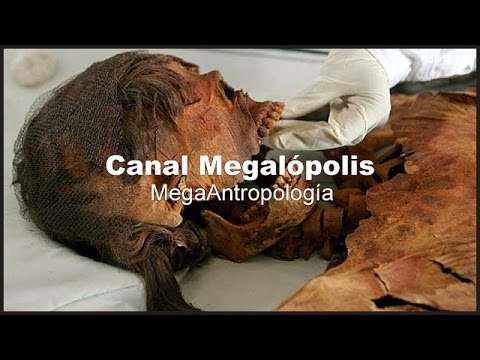
Physical Anthropology: The Lady of Cao - Unveiling 1700 Years of Pre-Columbian Governance

Welcome to El Antroposofista, a nexus for exploring the rich tapestry of anthropology, archaeology, psychology, and history. In this deep dive, we turn our attention to a profound discovery that bridges the ancient past with contemporary understanding: the archaeological and anthropological significance of "La Dama de Cao" (The Lady of Cao).

Seventeen centuries after her passing, the preserved remains of this remarkable figure offer an unparalleled glimpse into the societal structures and leadership dynamics of her civilization. Her discovery has fundamentally reshaped our understanding of early Peruvian governance, specifically revealing the existence of a powerful female ruler, potentially the first documented in the region.

The meticulous study of her burial site, the artifacts accompanying her, and the analysis of her physical remains—the core of physical anthropology—provide crucial data. This evidence allows us to reconstruct not only her life but also the broader historical context of her people, challenging previous assumptions about gender roles in ancient societies.

Introduction: The Enigma of the Lady of Cao

The discovery of "La Dama de Cao" in the El Brujo archaeological complex, located on the northern coast of Peru, has been a watershed moment in archaeology and anthropology. Her intact mummy, adorned with elaborate regalia and accompanied by ritualistic objects, tells a story far exceeding mere historical record. It speaks of power, ritual, and a sophisticated society that flourished over a millennium ago.

For centuries, the Moche civilization, to which she belonged, was understood primarily through the lens of male-dominated leadership, as depicted in their famous pottery. The Lady of Cao's tomb, however, presents irrefutable evidence of female authority at the highest levels. This finding compels a re-evaluation of historical narratives and the very definition of citizenship and leadership in the ancient world.

The Archaeological Revelation

The meticulous excavation and preservation of "La Dama de Cao" were critical. Unlike many archaeological sites that suffer from looting or natural decay, her tomb remained remarkably undisturbed, offering a pristine snapshot of a significant burial ritual. The artifacts found within her sarcophagus—ornamental crowns, jewelry made of gold and semi-precious stones, and tools of warfare such as spears and ceremonial clubs—are testaments to her elevated status.

Her burial was not solitary. Accompanying her were the remains of other individuals, including a young woman and a child, possibly sacrificed attendants or kin, and a series of meticulously crafted artifacts. These elements are not just grave goods; they are symbolic representations of her power, responsibilities, and the beliefs of her people regarding death and the afterlife. The study of these objects falls under the purview of archaeology, providing material culture evidence for anthropological interpretation.

"The intact preservation of the Lady of Cao's mummy and her associated artifacts provides an unprecedented window into Moche leadership and ritual practices."

The careful documentation of the stratigraphy and the spatial relationships between the artifacts and the mummy are paramount. This detailed recording ensures that interpretations drawn from the site are grounded in empirical, archaeological data. The data collected here directly informs anthropological theories about power structures and social organization.

Physical Anthropology: Unpacking the Evidence

The physical remains of "La Dama de Cao" themselves are a rich source of information for physical anthropology. Through osteological analysis, researchers have been able to determine her approximate age at death, her physical build, and even potential causes of death or chronic conditions. DNA analysis, if feasible and ethically conducted, could further illuminate her lineage and genetic connections within her community.

Her skeletal structure suggests she was a woman of considerable stature and strength, which aligns with the symbols of power found with her. The lack of visible trauma on her bones, apart from signs of childbirth, suggests her authority was maintained through social and political means rather than purely through martial prowess, although the presence of weaponry indicates she held symbolic or actual command in matters of defense.

Furthermore, the examination of her adornments and the materials used in her burial—such as textiles, shells, and metals—speak volumes about her society's technological capabilities, trade networks, and aesthetic values. These are all crucial elements for an anthropological understanding of a past culture. The high-definition detail captured in modern archaeological imaging helps in analyzing these microscopic features.

"The Lady of Cao's physical remains are not just bones; they are bioarchaeological artifacts that unlock critical narratives about health, diet, labor, and social status."

Studying her physical anthropology allows us to move beyond conjecture and build a more concrete picture of the individual and her place within the Moche hierarchy. This is the essence of applying scientific methods within the humanities, combining the rigor of biology with the interpretive depth of social sciences.

Societal and Political Implications

The most significant implication of "La Dama de Cao's" discovery is the irrefutable proof of female rulership within the Moche civilization. This challenges the long-held "Great Man" theory of history, which often overlooks or minimizes the roles of women in positions of power. Her reign suggests a potentially matrilineal or a more egalitarian system of succession than previously imagined for this period.

Her existence forces us to reconsider the division of labor and power dynamics in ancient societies. It highlights that leadership roles were not always rigidly defined by gender. The iconography on Moche pottery, often interpreted as solely representing male deities or rulers, must now be re-examined for potential female figures of authority or influence.

This finding also has implications for understanding citizenship and political legitimacy. How was her authority established and maintained? Was it inherited, earned, or divinely sanctioned? Anthropological research into comparative governance systems can offer frameworks for analyzing these questions. The cita (reference) to this discovery has spurred much academic debate.

Moreover, the immigration patterns and demographic distributions of ancient Peru could be re-evaluated in light of such discoveries. Understanding the leadership structures provides context for societal stability, expansion, and interaction with neighboring cultures. The meticulous data from her burial serves as a crucial piece of this larger puzzle.

DIY Intellectual Toolkit: Deconstructing Archaeological Narratives

Engaging with archaeological discoveries like "La Dama de Cao" can be an intellectually stimulating exercise. You can develop your own analytical skills by applying a structured approach:

  1. Identify the Source: Determine the primary source of information (e.g., archaeological reports, anthropological studies, museum exhibits). Assess the credibility and potential biases of the author or institution.
  2. Extract Key Data Points: List the tangible evidence presented. For "La Dama de Cao," this includes her mummy, grave goods (crowns, jewelry, weapons), accompanying burials, and the archaeological context of the tomb.
  3. Note Interpretations vs. Facts: Distinguish between direct observations (e.g., "gold necklace found") and interpretations (e.g., "indicates her royal status"). Recognize that interpretations are shaped by existing theories and can evolve.
  4. Question Assumptions: Challenge conventional narratives. For instance, question the assumption that leadership is always male. Consider alternative social structures (matrilineal, egalitarian) that could explain the findings.
  5. Research Related Concepts: Explore terms and concepts mentioned, such as "Moche civilization," "physical anthropology," "matrilineal societies," and "archaeological context." Use reputable sources to deepen your understanding. For example, understanding history is key to contextualizing such finds.
  6. Synthesize and Formulate Hypotheses: Based on the data and your research, formulate your own hypotheses about the meaning and significance of the discovery. How might this discovery alter our understanding of ancient Peruvian society?
  7. Seek Diverse Perspectives: Look for analyses from different scholars or disciplines. Do archaeologists and anthropologists agree on the interpretation? Are there psychological or sociological angles to consider?

This structured approach, akin to a personal DIY intellectual workshop, allows for a more critical and engaged understanding of complex historical and anthropological subjects.

The ongoing research into "La Dama de Cao" and other similar discoveries continues to enrich our understanding of human history. The intersection of anthropology, archaeology, and psychology allows us to piece together the intricate lives of those who came before us.

For the latest updates and in-depth analyses in these fields, we encourage you to explore our official blog. If you find value in our work and wish to support our endeavors, consider visiting our store for exclusive merchandise.

You can find more information and related content by exploring tags such as Historia, Antropología, and Arqueología.

Learn more about how societies functioned and the roles individuals played, from the citizenship of ancient rulers to the complexities of modern inmigración. The journey through human history is continuous.

Frequently Asked Questions

Who was "La Dama de Cao"?

"La Dama de Cao" was a powerful female ruler of the Moche civilization, discovered in northern Peru. Her intact mummy, found with significant regalia and artifacts, indicates she held a high position of authority, likely comparable to a queen or high priestess, ruling approximately 1700 years ago.

What is the significance of her discovery?

Her discovery is highly significant because it provides concrete evidence of female leadership at the highest levels in the Moche civilization, challenging previous assumptions about gender roles in ancient Andean societies. It has reshaped our understanding of political and social structures during that era.

What can physical anthropology tell us about her?

Physical anthropology, through the study of her skeletal remains, can reveal her age at death, physical build, health status, and potentially evidence of childbirth or other life experiences. This scientific analysis provides empirical data to complement archaeological interpretations.

How does this discovery relate to the broader field of anthropology?

This discovery is a cornerstone for understanding ancient governance, social stratification, gender roles, and ritual practices within complex societies. It highlights the importance of archaeological findings in informing anthropological theories about human civilization and its diverse expressions throughout history.

Where can I find more information about the Moche civilization?

You can find more information through academic journals, museum exhibits focusing on Andean archaeology, and reputable historical resources. Exploring tags related to Antropología and Arqueología on scholarly blogs and archives can also lead to valuable insights.


The story of "La Dama de Cao" is a powerful reminder of the complexities and often surprising truths hidden within the archaeological record. It underscores the ongoing quest to understand our collective human past, piece by piece.

Elon Musk's Warning to Mark Zuckerberg: An Anthropological and Sociological Perspective on Tech Rivalries

The digital arena, once envisioned as a collaborative space for human progress, is increasingly becoming a gladiatorial pit for tech titans. The recent public exchange between Elon Musk and Mark Zuckerberg, centered around the burgeoning field of artificial intelligence and the development of new social platforms, offers a fascinating case study for anthropological, sociological, and historical analysis. Beyond the surface-level drama, these rivalries reflect deeper societal anxieties, power dynamics, and the very trajectory of human interaction in the 21st century. This article delves into the underlying currents of this high-profile dispute, exploring its implications for the future of technology and society, and examining how we, as individuals, can navigate and even harness the forces at play.

The Genesis of the Tech Titans' Feud

Elon Musk, a figure synonymous with ambitious technological ventures from reusable rockets to neural interfaces, has openly voiced concerns regarding Mark Zuckerberg's foray into developing an alternative social media platform, potentially tied to virtual reality and AI-driven social interaction. Musk's public statements, often delivered with characteristic bluntness, have framed Zuckerberg's ambitions as a potential misstep, warning of unforeseen consequences. This is not merely a business dispute; it is a clash of philosophies regarding the future of digital interaction and the role of artificial intelligence in shaping human society.

Zuckerberg's Meta, building upon the foundations of Facebook and Instagram, is heavily invested in the metaverse – a persistent, shared virtual space where users can interact with each other and digital objects. Simultaneously, the rapid advancements in AI, exemplified by large language models and sophisticated algorithms, present both opportunities and existential questions. Musk's apprehension, as articulated in various public forums, seems to stem from a deep-seated concern about the unchecked development and deployment of powerful AI systems, and potentially, the consolidation of social interaction under a single, dominant paradigm.

"It is a grave mistake to continue with this endeavor without considering the profound societal impacts and ethical considerations involved."

This sentiment, echoed by various critics and commentators, highlights the tension between rapid technological advancement and the need for careful, deliberate societal integration. The sheer scale of user data collected by platforms like Meta, coupled with increasingly sophisticated AI capabilities, raises questions about privacy, autonomy, and the very definition of social reality.

Historical Parallels: Competition and Innovation

History is replete with examples of intense competition driving innovation, but also leading to unintended consequences. The industrial revolution, for instance, brought unprecedented advancements but also widespread social upheaval, labor exploitation, and environmental degradation. Similarly, the advent of the internet revolutionized communication and access to information, yet also created new forms of inequality, misinformation, and social isolation.

In the realm of communication technologies, we can observe cyclical patterns. The rise of centralized platforms, offering convenience and connectivity, often faces challenges from decentralized or alternative systems that promise greater user control or different forms of engagement. The tension between centralization and decentralization is a recurring theme, from the early days of the internet (ARPANET) to the current debates surrounding blockchain technology and its potential to democratize digital infrastructure.

Musk's critique can be viewed through the lens of historical technological shifts. Each major leap forward has been met with both utopian visions and dystopian fears. The printing press enabled the spread of knowledge but also facilitated propaganda. Radio and television connected the world but also became powerful tools for mass persuasion and cultural homogenization. The digital age, with AI at its forefront, represents yet another inflection point, demanding a critical examination of the forces shaping our collective future.

"The history of technology is not a linear progression towards utopia, but a complex interplay of innovation, societal adaptation, and emergent challenges."

An Anthropological Lens on Social Media Evolution

From an anthropological perspective, social media platforms are not merely tools; they are emergent social structures that shape human behavior, relationships, and cultural norms. They act as digital 'tribes,' where individuals form new kinds of communities, express identities, and engage in rituals of social validation.

The evolution from early forums and blogs to the immersive, algorithmically-driven ecosystems of today reflects a fundamental shift in how we experience sociality. Platforms like Meta's attempt to build the metaverse represent an ambitious effort to translate physical social interaction into a virtual domain. Anthropologists study these phenomena to understand:

  • Identity Formation: How users construct and present their identities online, often curating an idealized self.
  • Social Bonding: The mechanisms through which virtual communities form and maintain cohesion.
  • Rituals and Norms: The development of specific online behaviors, etiquette, and forms of social currency (e.g., likes, shares).
  • Cultural Diffusion: How ideas, trends, and cultural expressions spread across geographically dispersed populations through digital networks.

Musk's warning can be interpreted as a concern about the potential dehumanization of social interaction if it becomes too heavily mediated by artificial intelligence and virtual environments. He might be advocating for technologies that augment human capabilities rather than replace fundamental aspects of human connection. This aligns with historical anthropological observations of how societies adapt to new technologies, often with a period of resistance or apprehension before full integration.

Sociological Implications of AI and Platform Dominance

The concentration of power in the hands of a few tech giants like Meta raises significant sociological questions. The algorithmic curation of content, for instance, can create echo chambers and filter bubbles, reinforcing existing beliefs and limiting exposure to diverse perspectives. This can exacerbate social polarization and hinder constructive public discourse.

Furthermore, the drive towards AI integration in social platforms poses challenges related to:

  • Data Privacy and Surveillance: The collection and use of vast amounts of personal data for training AI models and targeted advertising.
  • Algorithmic Bias: The risk that AI systems, trained on biased data, will perpetuate and amplify societal inequalities related to race, gender, and socioeconomic status.
  • Autonomy and Decision-Making: The increasing reliance on AI for recommendations, information filtering, and even social interaction, potentially diminishing human agency.
  • The Future of Work: As AI capabilities advance, concerns about job displacement and the need for workforce adaptation become more pronounced.

Musk's caution can be seen as a call for greater ethical AI development and a more distributed model of technological power. The battle between tech leaders is, in essence, a proxy for a larger debate about who controls the future architecture of human interaction and knowledge dissemination.

DIY Guide: Analyzing Tech Discourse

Understanding the complex narratives surrounding major tech developments requires critical thinking and analytical skills. This practical guide will help you deconstruct pronouncements from figures like Elon Musk and Mark Zuckerberg.

  1. Identify the Speaker and their Context: Who is making the statement? What are their known affiliations, business interests, and past pronouncements? For example, Elon Musk's warnings about AI are often linked to his ventures in that field (e.g., Neuralink) and his public advocacy for responsible AI development.
  2. Isolate the Core Message: What is the central claim or warning being made? In this case, Musk is warning Zuckerberg against a specific technological or strategic direction.
  3. Examine the Underlying Assumptions: What beliefs or premises underpin the statement? Musk's warning likely assumes that unchecked AI development or a particular metaverse strategy poses risks.
  4. Investigate Potential Motivations: Consider the speaker's potential motivations. Are they genuinely concerned about societal well-being, seeking to gain a competitive advantage, or aiming to shape public opinion?
  5. Seek Diverse Perspectives: Do not rely on a single source. Look for analysis from various outlets, academics, and experts with different viewpoints. Consult sources on sociology, anthropology, and history to contextualize technological trends.
  6. Evaluate Evidence: Is the statement supported by credible evidence, data, or logical reasoning? Be wary of emotional appeals or vague pronouncements.
  7. Consider the Broader Implications: How might this development impact society, culture, or the economy in the short and long term? Think about power dynamics, ethical considerations, and user autonomy.

Frequently Asked Questions

What is the main point of contention between Elon Musk and Mark Zuckerberg?

The primary point of contention appears to be the future direction of social media and artificial intelligence. Musk has publicly expressed concerns that Zuckerberg's strategic focus, potentially involving advanced AI and the metaverse, could be a misstep with significant societal risks.

Why is Elon Musk concerned about Zuckerberg's plans?

Musk's concerns likely stem from his broader anxieties about the responsible development and deployment of powerful AI technologies, potential societal impacts of immersive virtual realities (metaverse), and the consolidation of power within large tech corporations.

What is the role of anthropology and sociology in understanding this conflict?

Anthropology and sociology provide frameworks to understand how these technological developments shape human behavior, social structures, cultural norms, identity formation, and power dynamics. They help analyze the societal implications beyond the purely technical or business aspects.

The dynamic between figures like Musk and Zuckerberg is more than just a business rivalry; it is a reflection of humanity's ongoing negotiation with technology. As we stand on the precipice of new AI-driven eras and immersive digital worlds, the warnings and visions articulated by these tech leaders demand our critical attention. By applying lenses from anthropology, sociology, and history, we can better understand the forces at play and contribute to a future where technology serves humanity's best interests, rather than dictates its trajectory. The challenge lies in fostering innovation while safeguarding our shared human experience.