Mostrando las entradas para la consulta Geopolitics ordenadas por fecha. Ordenar por relevancia Mostrar todas las entradas

The United Nations: A Historical and Anthropological Deep Dive into Global Governance

Introduction: Understanding the UN's Genesis

The United Nations (UN) stands as a monumental, albeit often debated, institution in the landscape of 20th and 21st-century global affairs. Its creation, in the ashes of World War II, represented a profound human aspiration for lasting peace and international cooperation. This article delves into the historical roots, anthropological underpinnings, and sociological implications of the UN, seeking to understand its evolution and enduring significance. We will move beyond surface-level descriptions to explore the complex interplay of power, culture, and ideology that shaped this organization, and how its very existence offers a fascinating case study for understanding human societies on a global scale. From its foundational principles to its ongoing challenges, the UN provides a rich tapestry for academic inquiry.

The Crucible of War: Forging a New World Order

The establishment of the United Nations in 1945 was not an arbitrary event; it was a direct response to the cataclysmic failures of the interwar period and the devastating conflict of World War II. The preceding League of Nations, conceived after World War I, had proven insufficient in preventing aggression and maintaining international stability. Its shortcomings highlighted the inherent difficulties in achieving collective security among sovereign states, a challenge deeply rooted in the principles of nationalism and geopolitics.

The architects of the UN, heavily influenced by the experiences of the war, envisioned an organization that would possess greater authority and broader membership. Key figures and nations, including the United States, the United Kingdom, and the Soviet Union, engaged in intensive diplomacy to lay the groundwork. The Dumbarton Oaks Conference in 1944 and the Yalta Conference in early 1945 were crucial in defining the structure and powers of the proposed body. The fundamental principles embedded within the UN Charter—sovereignty, territorial integrity, non-interference, and the peaceful settlement of disputes—were forged in the fires of global conflict, aiming to prevent a recurrence of such widespread destruction.

The United Nations was established by peoples who had enough of war. It is their hope and their prayer that it will be an effective instrument for peace and for the betterment of peoples everywhere.

Understanding this historical context is crucial for grasping the UN's mandate and its ongoing operational dynamics. The power vested in the Security Council, particularly the veto power held by the five permanent members (P5), is a direct legacy of the geopolitical realities of 1945, reflecting the dominant powers of the era. This structure, while intended to ensure the participation of major powers, has also been a significant source of contention and paralysis throughout the UN's history.

An Anthropological Perspective on Global Cooperation

From an anthropological standpoint, the UN can be viewed as an ambitious attempt to create a global cultural framework, a supranational entity designed to mediate the diverse customs, beliefs, and practices of humanity. Anthropology teaches us that human societies are shaped by myriad cultural lenses, and the challenge of global governance lies in bridging these differences.

The UN's various agencies—such as UNESCO, WHO, and UNHCR—deal directly with the practical implications of cultural diversity. They strive to establish universal standards in areas like human rights, health, and education, while navigating the complexities of differing cultural norms and values. The very concept of "human rights," while widely espoused, can be interpreted and applied differently across cultures, presenting a persistent area of anthropological and sociological inquiry. How do diverse societies reconcile global ideals with local traditions?

Furthermore, the UN itself can be analyzed as a cultural artifact, a unique manifestation of human organizational capabilities. Its bureaucratic structures, diplomatic protocols, and symbolic rituals all offer insights into how humans attempt to manage collective life on an unprecedented scale. Examining the UN through an anthropological lens allows us to consider:

  • The construction of global norms and values.
  • The negotiation of cultural differences within international bodies.
  • The evolution of collective identity on a planetary level.
  • The impact of globalization on local cultures, as mediated by international organizations.

The efforts to achieve inclusion and cultural diversity within the UN's own operations are also critical areas of study, revealing the ongoing struggle to embody the very principles it seeks to promote globally.

Sociological Ramifications of International Diplomacy

The United Nations has profound implications for sociology, impacting social structures, international relations, and the very concept of global citizenship. Its existence reflects and influences shifts in societal organization and collective action.

The UN's role in peacekeeping, humanitarian aid, and development projects directly shapes the social fabric of numerous nations. By intervening in conflict zones or providing assistance during crises, the UN can alter existing power dynamics, influence social stratification, and even impact cultural practices. The deployment of UN peacekeepers, for instance, introduces an external social force with its own norms and expectations, interacting with local communities in complex ways. This interaction can lead to both positive social change and unforeseen consequences, a common theme in social structures.

Moreover, the UN's pronouncements on issues such as gender equality, poverty reduction, and indigenous rights have helped to mobilize global social movements and shape domestic policy agendas. It provides a platform for marginalized groups to voice their concerns on an international stage, fostering a sense of global solidarity and advocating for social justice. The very concept of citizenship is being redefined in the context of global institutions, pushing towards notions of global responsibility and interconnectedness.

International organizations are not merely passive reflectors of global trends; they are active agents shaping social realities and influencing the trajectories of human societies worldwide.

The proliferation of international NGOs, often working in conjunction with or in opposition to UN initiatives, further demonstrates the intricate web of social actors and forces operating at the global level. The UN, therefore, serves as a crucial focal point for sociological analysis of power, inequality, and social change in an increasingly interconnected world.

DIY Analysis: Deconstructing UN Resolutions

Understanding the impact and intent of the United Nations requires more than just reading summaries; it involves actively engaging with its primary documents. Deconstructing UN resolutions can provide invaluable insights into international diplomacy, power dynamics, and the articulation of global norms. Here’s a practical guide to help you analyze these complex documents.

  1. Identify the Resolution: Locate the specific resolution you wish to analyze. You can find them on the official UN Security Council website or through the UN Digital Library. Note the resolution number, date, and the body that adopted it (e.g., Security Council, General Assembly).
  2. Read the Preamble: The preamble, typically beginning with phrases like "Recalling," "Deeply concerned," or "Recognizing," sets the historical and legal context. It outlines the preceding events, previous resolutions, or international agreements that led to the current resolution. Pay attention to the language used – it often reveals the underlying concerns and political consensus (or lack thereof).
  3. Analyze the Operative Clauses: These are the action-oriented parts of the resolution, often starting with verbs like "Affirms," "Calls upon," "Decides," or "Recommends." This is where the UN outlines its specific demands, recommendations, or mandates.
    • Note who is being addressed (e.g., Member States, specific parties to a conflict, the Secretary-General).
    • Identify the specific actions required or prohibited.
    • Look for mandatory language ("Decides") versus recommendations ("Recommends").
  4. Identify Key Actors and Their Roles: Who are the main subjects or objects of the resolution? Are there specific countries, organizations, or groups mentioned prominently? Understanding these actors is key to deciphering the political landscape surrounding the resolution.
  5. Examine the Language and Tone: Is the language strong and demanding, or more conciliatory and suggestive? The choice of words can reveal underlying political pressures and the level of consensus achieved among member states. Look for nuances, euphemisms, or deliberate ambiguities.
  6. Consider the Voting Record (if applicable): For Security Council resolutions, the voting record is crucial. Who voted in favor? Who abstained? Who voted against? The presence of vetoes or significant abstentions can indicate major divisions and limitations on the resolution's effectiveness. For General Assembly resolutions, the degree of support provides a measure of global consensus.
  7. Research Subsequent Actions and Interpretations: How has the resolution been implemented (or not implemented)? What have Member States, international bodies, or scholars said about it in the years since its adoption? This follow-up research is vital for understanding the resolution's actual impact beyond its text.

By systematically applying these steps, you can move from a passive reader to an active analyst of international governance and diplomacy.

Frequently Asked Questions

What is the primary goal of the United Nations?

The primary goal of the United Nations is to maintain international peace and security, develop friendly relations among nations, achieve international cooperation in solving global problems, and serve as a center for harmonizing the actions of nations.

How is the United Nations funded?

The UN is funded through assessed and voluntary contributions from its Member States. Assessed contributions are calculated based on a country's capacity to pay, while voluntary contributions come from governments, foundations, and individuals for specific programs and activities.

What is the Security Council, and what is its role?

The Security Council is the UN's principal organ responsible for maintaining international peace and security. It has 15 members, including five permanent members (China, France, Russia, the UK, and the US) with veto power, and can authorize peacekeeping operations, impose sanctions, and approve military action.

Can the UN enforce its resolutions?

The UN's ability to enforce its resolutions varies. Security Council resolutions can be binding and may be enforced through sanctions or military action. However, the effectiveness of enforcement often depends on the political will of Member States, particularly the permanent members.

What are some major criticisms of the United Nations?

Criticisms often focus on the Security Council's structure (especially the veto power), perceived bureaucracy and inefficiency, the inability to prevent or effectively resolve major conflicts, and allegations of bias or political maneuvering by member states.

Conclusion: The Enduring Relevance of the UN

The United Nations, born from the ashes of unprecedented global conflict, continues to serve as a critical, albeit imperfect, forum for international dialogue, cooperation, and the pursuit of peace. Its historical context underscores a profound human desire to move beyond the destructive cycles of war. Through an anthropological and sociological lens, we see the UN as a complex mechanism attempting to bridge diverse cultural and social realities, striving to establish universal norms while navigating deeply ingrained differences.

While facing persistent challenges—from geopolitical rivalries to bureaucratic inertia—the UN's legacy lies in its enduring aspiration. It provides a unique platform for addressing global issues that transcend national borders, from climate change and pandemics to poverty and human rights. The ability for nations, regardless of their power or ideology, to convene, debate, and legislate on a global stage remains an indispensable, if often contentious, aspect of our interconnected world. Understanding the UN is not just an exercise in history or political science; it is fundamental to comprehending the ongoing evolution of human societies and our collective efforts to build a more stable and equitable future. The ongoing relevance of the UN compels us to continually analyze its structure, its actions, and its potential for shaping the human experience.

The Prestige Disaster: A Twenty-Year Retrospective—An Anthropological and Historical Analysis

The sinking of the oil tanker Prestige off the coast of Galicia, Spain, in November 2002, remains a pivotal moment in environmental history and a potent case study for understanding human responses to ecological crises. This disaster, which unleashed a devastating oil slick along the Iberian Peninsula's coastline, has left an indelible mark on the collective memory, prompting critical reflections across various academic disciplines. This article delves into the multifaceted repercussions of the Prestige disaster, examining it through the lenses of anthropology, sociology, and history, while also considering the enduring lessons learned and the practical applications for future crisis management.

The Prestige Disaster: A Lingering Shadow

Two decades on, the Prestige disaster continues to resonate, not merely as an environmental catastrophe but as a profound human event. The initial response, the long-term ecological damage, and the subsequent societal mobilization offer a rich tapestry for academic inquiry. This exploration seeks to move beyond a simple chronicle of events, aiming to synthesize the academic discourse surrounding the Prestige, highlighting its enduring relevance for understanding disaster response, environmental ethics, and the intricate relationship between humanity and the natural world. We will explore the immediate aftermath, the community's response, the governmental handling, and the lasting environmental and cultural scars.

Historical Context: A Maritime Tragedy Unfolds

The Prestige, a single-hull oil tanker, was sailing from Malta to Gibraltar carrying 77,000 tons of heavy fuel oil when it encountered a severe storm approximately 150 nautical miles off the coast of Galicia on November 13, 2002. The ensuing structural damage led to a desperate six-day saga of attempted towing, attempts to move the vessel further offshore, and eventual catastrophic sinking on November 19, 2002. The decision-making processes during these critical days have been subject to intense scrutiny, raising questions about risk assessment, emergency protocols, and the prioritization of safety over environmental protection.

The Prestige disaster was not just an environmental event; it was a profound societal shock, exposing vulnerabilities in maritime safety regulations and governmental crisis management.

This historical period was marked by increasing concerns over the safety of aging oil tankers, particularly those with single hulls, which were more susceptible to catastrophic failure. The Prestige incident, tragically, became the starkest illustration of these latent risks, forcing a global re-evaluation of maritime transport safety standards. The incident also highlighted the complex geopolitics of maritime disasters, as decisions regarding the ship's fate were made under immense pressure and with far-reaching implications.

Anthropological Perspectives: Community Resilience and Identity

From an anthropological standpoint, the Prestige disaster offers a compelling case study in community resilience and the shaping of collective identity. The affected coastal communities in Galicia, deeply intertwined with the sea for generations through fishing and maritime trade, faced an existential threat. The oil spill not only devastated their immediate livelihoods but also challenged their cultural heritage and sense of place.

The mobilization of thousands of volunteers, many of whom came from outside the affected regions, to clean up the oil slicks is a testament to human solidarity and the power of collective action. This voluntary effort, often dubbed "the white tide" (la marea blanca), became a powerful symbol of resistance against the perceived inaction and mismanagement of the authorities. Anthropologists have analyzed this phenomenon as a form of community resilience, where social bonds, shared values, and a common purpose enable societies to cope with and recover from adversity.

Furthermore, the disaster deeply impacted the cultural identity of Galicia. The sea is not merely an economic resource but a fundamental element of Galician culture, art, and folklore. The contamination of this sacred space engendered a profound sense of loss and a heightened awareness of environmental vulnerability. The subsequent efforts to restore the coastline and rebuild the fishing industry became intertwined with the reassertion of Galician identity and a demand for greater environmental stewardship.

Sociological Analysis: Governance, Protest, and Collective Action

The sociological analysis of the Prestige disaster centers on the interplay between governance, public response, and the dynamics of collective action. The initial handling of the crisis by Spanish authorities, characterized by confusion, perceived indecisiveness, and a delay in requesting international assistance, drew widespread criticism. This response fueled a powerful wave of public protest and demands for accountability.

The emergence of environmental movements and organizations in the wake of the Prestige spill underscores the growing influence of civil society in environmental governance. Groups like Greenpeace and various local associations played a crucial role in monitoring the situation, advocating for stricter regulations, and mobilizing public opinion. The disaster served as a catalyst for strengthening the environmental movement in Spain and beyond, highlighting the importance of citizen engagement in environmental protection.

The 'never again' (nunca máis) slogan, which became synonymous with the Prestige protests, encapsulated a collective demand for improved governance and a commitment to preventing similar future tragedies.

Sociologists have also examined the legal and political ramifications of the disaster, including the criminal proceedings against the ship's captain and former government officials. The pursuit of justice and accountability, while complex and protracted, is a critical aspect of post-disaster recovery, aiming to restore public trust and deter future negligence. The legal battles surrounding the Prestige underscored the challenges in assigning responsibility in international maritime incidents.

Environmental Impact and Long-Term Consequences

The environmental consequences of the Prestige disaster were severe and long-lasting. The 64,000 tons of oil that leaked into the Atlantic Ocean spread over approximately 1,700 km of coastline, primarily in Spain, but also affecting Portugal and France. The heavy fuel oil was particularly damaging, clinging to coastlines and marine ecosystems for extended periods.

Marine life suffered immensely. Thousands of seabirds perished, and numerous species of fish, shellfish, and marine mammals were directly impacted by the oil. The fishing industry, the economic backbone of many coastal communities, was paralyzed for months, leading to significant economic hardship and job losses. Beyond the immediate visible damage, concerns remain about the long-term effects on marine biodiversity, the food chain, and the overall health of the Atlantic ecosystem.

The cleanup operations were monumental, involving tens of thousands of volunteers and professionals. The methods employed, while necessary, also raised questions about their environmental impact. The disaster spurred advancements in oil spill response technologies and emergency preparedness protocols. It also intensified the debate about the risks associated with transporting fossil fuels via sea and the urgent need for a transition to cleaner energy sources.

Lessons Learned: Towards a More Resilient Future

The Prestige disaster provided invaluable, albeit tragic, lessons that continue to inform disaster management and environmental policy. Key takeaways include:

  • Improved Maritime Safety Regulations: The Prestige incident was a significant factor in the acceleration of measures to phase out single-hull oil tankers and improve ship construction and maintenance standards. International bodies like the International Maritime Organization (IMO) have since implemented stricter regulations.
  • Enhanced Crisis Communication and Coordination: The initial communication failures highlighted the need for clear, transparent, and timely information dissemination during crises. Effective coordination between local, national, and international agencies is paramount.
  • Strengthened Environmental Monitoring and Response: The disaster underscored the importance of robust systems for monitoring environmental risks and having well-rehearsed emergency response plans in place. Investment in cleanup technologies and trained personnel is crucial.
  • The Power of Citizen Engagement: The mobilization of volunteers demonstrated the critical role of civil society in disaster response and advocacy. Empowering communities and fostering a sense of shared responsibility can significantly enhance resilience.
  • Transition to Sustainable Energy: The Prestige disaster served as a stark reminder of the inherent risks associated with fossil fuel transportation and strengthened the arguments for transitioning towards renewable and sustainable energy sources.

DIY Practical Guide: Understanding Environmental Risk Assessment

Understanding environmental risk is crucial for proactive mitigation. While a full professional risk assessment is complex, here’s a simplified approach individuals and communities can consider:

  1. Identify Potential Hazards: List potential environmental threats specific to your location. For coastal communities, this might include oil spills, storms, or coastal erosion. For inland areas, it could be floods, industrial accidents, or pollution from nearby facilities.
  2. Assess Vulnerability: Determine what assets are at risk. This could be your home, local businesses, natural habitats, critical infrastructure (like water treatment plants), or cultural heritage sites. Consider the susceptibility of these assets to the identified hazards.
  3. Analyze Exposure: How likely is it that a hazard will occur, and what is the potential magnitude of its impact? For example, a community located near a major shipping lane is more exposed to the risk of an oil spill than an inland community.
  4. Evaluate Existing Preparedness: What measures are currently in place to prevent or respond to these hazards? This could include emergency services, warning systems, building codes, or individual preparedness kits.
  5. Determine Risk Level: Combine the likelihood of occurrence, the potential impact, and the existing preparedness measures to estimate the overall risk level (e.g., low, medium, high).
  6. Develop Mitigation and Response Strategies: Based on the risk level, identify actions to reduce the likelihood or impact of the hazard (mitigation) and plan how to respond if an event occurs (response). This could involve lobbying for better regulations, participating in community drills, or creating personal emergency plans.

Frequently Asked Questions

Q1: What caused the Prestige disaster?
A1: The Prestige, an oil tanker, suffered structural damage during a storm off the coast of Spain, leading to its sinking and the release of its cargo of heavy fuel oil. The exact cause of the initial damage remains a subject of debate, but the ship's single-hull design and the severe weather were contributing factors.

Q2: How much oil was spilled into the ocean?
A2: Approximately 64,000 tons of heavy fuel oil were spilled into the Atlantic Ocean. The ship was carrying 77,000 tons in total.

Q3: What were the long-term environmental effects?
A3: The oil slick contaminated over 1,700 km of coastline, devastating marine ecosystems, killing thousands of seabirds, and severely impacting the fishing industry for years. Long-term effects on biodiversity and marine health are still being studied.

Q4: What lessons were learned from the Prestige disaster?
A4: Key lessons include the need for stricter maritime safety regulations (especially regarding single-hull tankers), improved crisis communication and coordination, enhanced environmental monitoring, the importance of citizen engagement, and the urgency of transitioning to sustainable energy sources.

Q5: Has Spain recovered from the Prestige disaster?
A5: While significant efforts have been made to clean up the coastline and restore marine ecosystems, the Prestige disaster left deep environmental, economic, and social scars. The region has strived for recovery, but the memory and lessons of the catastrophe remain a crucial part of its history.

Conclusion and Final Reflection

The Prestige disaster stands as a somber monument to the consequences of human actions on the delicate balance of our planet. Its legacy is not merely one of ecological devastation but also a powerful narrative of human resilience, collective action, and the enduring quest for accountability. By examining this event through anthropological, sociological, and historical lenses, we gain a deeper understanding of the intricate connections between humanity, technology, and the environment. The "never again" spirit that emerged from the disaster continues to inspire efforts towards greater environmental protection, safer maritime practices, and a more sustainable future. The DIY guide on risk assessment offers a small step towards empowering individuals and communities to engage more actively in safeguarding their environments. The Prestige incident reminds us that our relationship with the natural world demands constant vigilance, ethical consideration, and a profound respect for the ecosystems that sustain us.

We invite you to share your thoughts and reflections on the Prestige disaster and its lessons in the comments section below. How has this event shaped your understanding of environmental responsibility?

Official Blog International Maritime Organization (IMO)

The Hidden Side of World War II: Unearthing Untold Stories and Nazi Secrets

Seventy years after the conclusion of the world's most devastating conflict, numerous grey areas persist within the various operations undertaken during World War II. These enigmatic aspects encompass unknown facts, forgotten heroes, incredible deceptions, and astonishing stories of bravery. Life-altering decisions were made, the absence of which would have irrevocably altered the course of global history. From the clandestine operations behind D-Day to the lingering mysteries surrounding the ascent of Adolf Hitler, and including the darker facets of the Liberation, this narrative promises to unveil little-known facts behind WWII's pivotal historical events. Through the innovative use of colorized footage, expertly interwoven with interviews featuring renowned historians and firsthand testimonies from survivors of these epic moments, "The Hidden Side of WWII" illuminates these untold stories, offering a fresh perspective on a period that continues to shape our understanding of the modern world. This exploration delves into the complex interplay of history, anthropology, and psychology that defined the era. Welcome to El Antroposofista, a blog dedicated to providing comprehensive information within the realms of anthropology, archaeology, psychology, and history. We encourage you to explore our official blog for the latest news and insights in these fields: [https://ift.tt/7NfjkD4](https://ift.tt/7NfjkD4). If you appreciate our work and wish to contribute, we invite you to visit our store to acquire unique and exclusive NFTs.

Historical Context and Lingering Mysteries

The conclusion of World War II in 1945 did not signify an end to all questions. Decades later, significant aspects of the conflict, particularly concerning clandestine operations and lesser-known initiatives by various powers, continue to elude definitive understanding. The sheer scale of the war, encompassing global theatres from the European front to the Pacific, engendered a vast number of events, many of which were shrouded in secrecy for strategic or political reasons. These shrouded events include experimental technologies, covert intelligence operations, and the post-war activities of key figures. Understanding these "grey areas" is crucial for a comprehensive grasp of the war's impact and its enduring legacy on international relations and geopolitics.
"The absence of complete historical records does not equate to the absence of events; rather, it underscores the vital importance of critical analysis and the pursuit of fragmented truths."
The period leading up to and following the war saw profound societal shifts, influencing not only the political landscape but also the trajectory of scientific and technological development. Exploring these lesser-known narratives helps to humanize the immense conflict, moving beyond broad strokes of heroism and atrocity to appreciate the nuanced experiences of individuals caught within the maelstrom. This necessitates an interdisciplinary approach, drawing from anthropology to understand societal structures, psychology to comprehend motivations, and archaeology to uncover material evidence.

Untold Narratives of the Eastern and Western Fronts

While major battles like D-Day are etched into collective memory, the war was composed of countless smaller, yet equally significant, engagements and strategic maneuvers. The series "The Hidden Side of WWII" aims to bring these less-discussed elements to the forefront. This includes exploring the complexities of partisan warfare, the often-overlooked contributions of resistance movements across occupied territories, and the intricate intelligence gathering that underpinned Allied strategies. The vastness of the Eastern Front, with its brutal battles and immense human cost, also holds many stories that have not been widely disseminated in popular historical accounts. Investigating these untold narratives allows for a more multifaceted appreciation of the war's impact. It highlights the ingenuity and resilience of individuals in the face of overwhelming odds. The strategic decisions made in the backrooms of military headquarters, the daring espionage missions, and the personal sacrifices of soldiers and civilians alike all contributed to the eventual outcome.

Nazi Enigmas: Beyond the Public Record

The rise and fall of the Nazi regime remains a subject of intense historical scrutiny. Beyond the well-documented atrocities, a darker and more obscure side of Nazi operations continues to fascinate and perplex researchers. This includes their relentless pursuit of esoteric knowledge, their experimental weaponry projects, and their extensive post-war escape networks, such as the infamous ratlines. The ideological underpinnings of Nazism, intertwined with pseudoscientific theories and a quest for racial purity, led to some of the most disturbing chapters in human history. Unraveling these enigmas requires careful examination of available documents, corroboration of survivor testimonies, and a critical approach to propaganda and disinformation. The focus on these obscure aspects of the Nazi regime is not to glorify them, but to understand the full spectrum of their actions and the chilling efficiency with which they pursued their destructive agenda. This exploration connects to broader themes in anthropology concerning belief systems, ideology, and the construction of social order, however perverted.

The Complexities of Liberation

The process of liberation following Nazi occupation was not always a straightforward or universally welcomed event. In many regions, the end of hostilities brought new challenges, including political upheaval, civil unrest, and the difficult task of rebuilding societies shattered by war. The series touches upon the "dark side of the Liberation," suggesting that the immediate aftermath of conflict could be fraught with its own set of dangers and moral ambiguities. This might include instances of retribution, the displacement of populations, and the emergence of new power struggles. Understanding these complexities provides a more nuanced view of the war's conclusion. It moves beyond a simple narrative of victory and defeat to acknowledge the multifaceted and often messy realities of post-war transitions. This area of study benefits greatly from sociological analysis of power dynamics and societal reconstruction.

DIY Historical Analysis: Deconstructing Primary Sources

Engaging with historical events, especially those as complex as World War II, can be an active process. For those interested in delving deeper, a "Do It Yourself" approach to historical analysis can be profoundly rewarding. This involves learning to critically evaluate primary sources – documents, photographs, and testimonies from the period.
  1. Identify Your Source: Determine the origin of the document or testimony. Who created it? When? Under what circumstances? For what purpose? Understanding the context is paramount.
  2. Cross-Reference Information: Never rely on a single source. Compare accounts from different individuals, nations, and perspectives. Look for corroboration and discrepancies. For example, compare Allied and Axis propaganda to understand their respective narratives.
  3. Analyze Visual Evidence Critically: When examining photographs or film footage (like the colorized footage mentioned), consider what is shown, what is omitted, and how the image might have been staged or manipulated. The use of colorization, while enhancing visual appeal, also involves interpretation by the restorers.
  4. Seek Scholarly Interpretations: Consult academic books and peer-reviewed articles by established historians. These often synthesize primary sources and offer well-supported interpretations, providing a framework for your own analysis. Look for works that discuss the First World War as well, as its aftermath directly influenced WWII.
  5. Consider Multiple Disciplines: Apply concepts from anthropology to understand cultural contexts, psychology to analyze individual and group behavior, and even archaeology for material evidence that might supplement written records. For instance, studying military equipment found through archaeological practice can offer insights into battlefield realities.
  6. Be Aware of Bias: Every source, whether a personal diary or an official military report, carries inherent biases. Recognize these biases and consider how they might shape the narrative presented. This is a fundamental principle in history and anthropology.
By employing these steps, individuals can move beyond passive consumption of historical information to become active participants in understanding the past.

Expert Perspectives and Survivor Testimonies

The effectiveness of documentaries and historical series like "The Hidden Side of WWII" often hinges on the quality of their sources. The integration of interviews with renowned historians provides crucial context and expert analysis, helping viewers to navigate complex events and understand their significance. Simultaneously, the inclusion of testimonies from survivors offers invaluable personal perspectives, grounding historical facts in human experience. These firsthand accounts provide emotional depth and often reveal details that formal records might overlook.
"Survivor testimonies are not merely recollections; they are living history, offering a visceral connection to the events that shaped our world."
The juxtaposition of expert analysis and personal narratives creates a rich tapestry of understanding, allowing for a more complete and empathetic engagement with the past. This approach is vital for appreciating the profound human element inherent in even the most large-scale historical events. The study of such narratives is central to fields like oral history within anthropology and history.

Frequently Asked Questions

What are some of the lesser-known aspects of WWII that "The Hidden Side of WWII" might explore?

The series likely delves into topics such as covert Nazi scientific research, post-war escape routes for Nazi officials, less publicized resistance movements, specific intelligence operations behind major battles like D-Day, and the complex political situations in liberated territories.

How does colorized footage enhance the understanding of historical events?

Colorization can make historical footage more relatable and accessible to modern audiences, potentially increasing engagement and emotional connection. However, it's important to remember that colorization is an interpretation and should be viewed critically alongside original black-and-white footage and expert analysis.

Why is it important to study the "dark side" of events like WWII?

Understanding the less palatable or more complex aspects of historical events, such as the darker facets of liberation or the obscure pursuits of regimes like the Nazis, is crucial for a comprehensive and honest historical account. It helps us to learn from past mistakes, recognize patterns of human behavior, and foster a more critical understanding of power, ideology, and conflict.

Where can I find more information on anthropological and historical research related to WWII?

You can consult academic journals, university libraries, reputable historical archives, and specialized books on WWII. Websites of historical societies and university departments focused on anthropology and history are also excellent resources. In conclusion, "The Hidden Side of WWII" promises a deeper, more critical examination of a conflict that continues to resonate profoundly. By venturing beyond the well-trodden paths of historical narrative, it seeks to uncover the forgotten details, the untold stories, and the enduring enigmas that shaped the 20th century and continue to influence our world today. The pursuit of such knowledge, grounded in rigorous academic inquiry and diverse perspectives, is essential for a full appreciation of human history and its complex tapestry.

Forensic Anthropology: Unveiling Truths from Remains – The Case of the Yak-42 Crash

Introduction: The Silent Witnesses of Tragedy

In the vast landscape of human inquiry, few fields offer as profound a connection to our past and our very essence as anthropology. When we speak of anthropology, we often conjure images of ancient civilizations, intricate social structures, and the rich tapestry of human cultures. However, a specialized branch, forensic anthropology, brings this discipline into the stark reality of the present, transforming the scientific analysis of human remains into a critical tool for justice, identification, and understanding. This post delves into the compelling world of forensic anthropology, illuminated by the tragic event of the Yak-42 air disaster and offering a practical glimpse into its methodologies.

The intention behind this exploration is to satisfy the academic search query of individuals interested in the practical applications of anthropology, particularly in fields related to human identification, historical reconstruction, and ethical scientific practice. We aim to provide an in-depth look at how anthropological principles are applied to solve complex cases, drawing upon the expertise of leading figures in the field and highlighting the trustworthiness of scientific evidence derived from skeletal remains. Our focus will be on the entity of forensic anthropology, weaving in semantically related keywords such as skeletal analysis, identification of remains, anthropological evidence, legal proceedings, and the critical role of anthropologists in uncovering truth.

The Yak-42 Tragedy: A Collision of Fate and Forensics

The memory of the Yak-42 aircraft crash, which occurred in Turkey on May 26, 2003, serves as a somber reminder of the fragility of life and the indispensable role of forensic science in the aftermath of mass casualty events. The disaster claimed the lives of 62 Spanish military personnel, leaving behind a devastating scene and a critical need for identification. It is in such catastrophic moments that the meticulous work of forensic anthropologists becomes paramount.

The precise and systematic analysis of human remains is not merely an academic exercise; it is a profound service to the deceased and their families, offering closure and ensuring that each individual is accounted for.

Figures like forensic anthropologist Paco Etxeberria and journalist Dani Álvarez have dedicated themselves to recounting such tragic events, shedding light on the scientific and humanistic efforts involved. Etxeberria, with his extensive experience in identifying victims of conflicts and disasters, brings an invaluable perspective to understanding the application of anthropological techniques in real-world scenarios. Álvarez, through his journalistic endeavors, helps to communicate the impact of these events and the scientific processes that bring clarity amidst chaos.

The official blog of "El Antroposofista" is dedicated to exploring the latest news and advancements in anthropology, archaeology, psychology, and history. This particular case underscores the intersection of history, geopolitics (in the context of international military presence), and the scientific discipline of anthropology. We encourage our readers to visit our official blog to stay abreast of current developments in these fascinating fields. For those who wish to support our ongoing work and the dissemination of knowledge, we offer exclusive NFTs through our ElAntroposofista store, a unique way to engage with and contribute to the exploration of these disciplines.

Forensic Anthropology: The Science of Identity

Forensic anthropology is a specialized field that applies the knowledge and methods of physical anthropology to forensic problems, primarily concerning the identification of human remains. It is an interdisciplinary science that often works in conjunction with forensic pathology, odontology, entomology, and law enforcement.

The core objective of a forensic anthropologist is to:

  • Determine if the remains are human.
  • Establish the biological profile of the individual. This includes estimating age, sex, stature, ancestry, and identifying any unique characteristics or pathologies.
  • Identify the individual if possible, often through comparison with missing persons records or antemortem data.
  • Determine the cause and manner of death, by examining skeletal trauma and other evidence.
  • Establish the time since death (postmortem interval), by analyzing decompositional changes and taphonomic factors.

The process begins with the recovery of skeletal remains, a task that requires meticulous excavation to preserve all contextual information. Once in the laboratory, anthropologists employ a range of techniques, from visual examination and osteometric measurements to advanced imaging and DNA analysis. These methods are crucial for piecing together the life story of an individual from the silent testimony of their bones.

"The skeleton is a unique historical document, containing information about an individual's life, their health, their environment, and ultimately, their death."

The application of these techniques is vital in cases like the Yak-42 crash, where immediate identification is challenging due to the severity of the destruction. Forensic anthropologists act as the "readers of bones," deciphering the biological narrative etched into the skeletal structure. Their work is fundamental in providing answers to grieving families and in upholding the principles of justice, as discussed in the broader context of Antropología and Arqueología.

DIY Practice: Basic Skeletal Identification Techniques

While professional forensic anthropology requires extensive training and specialized equipment, understanding some basic principles can be intellectually rewarding. This section offers a simplified, illustrative guide to some foundational concepts. Please note: This is for educational purposes only and should not be attempted without professional supervision or in a real forensic context.

  1. Assess for Human Remains: Begin by observing the overall shape and structure. Human bones typically have a distinct trabecular (spongy) pattern and smooth cortical (outer) surfaces compared to many animal bones. Look for characteristic features like the rounded head of the femur or the S-shaped curve of the clavicle.
  2. Estimate Age at Death: This is often done by examining dental development (in subadults) and the fusion of epiphyses (ends of long bones) with the diaphyses (shafts). In adults, pubic symphysis morphology and cranial suture closure are also indicators, though less precise.
  3. Estimate Biological Sex: The pelvis is the most reliable indicator. The female pelvis is generally wider and shallower, with a larger pelvic inlet, to accommodate childbirth. The skull also offers clues, with male skulls typically being more robust, having a more pronounced brow ridge, and a squarer chin.
  4. Estimate Stature: Long bones, particularly the femur and tibia, can be used to estimate an individual's living height using mathematical formulas derived from extensive studies.
  5. Note Pathologies and Trauma: Examine the bones for any signs of disease (e.g., arthritis, infection) or trauma (e.g., fractures, stab wounds, bullet impacts). These can provide crucial clues about the individual's life and circumstances of death.

Remember, these are simplified steps. Accurate identification requires rigorous comparative analysis and a deep understanding of skeletal variation. For a more in-depth look at scientific methods, consider exploring resources related to Data analysis in scientific research or the principles of Psicología in understanding human behavior.

Ethical Considerations in Forensic Anthropology

The practice of forensic anthropology is imbued with significant ethical responsibilities. Dealing with human remains, especially those of disaster victims or unidentified individuals, requires the utmost respect, dignity, and sensitivity. Forensic anthropologists must navigate complex issues such as:

  • Confidentiality: Protecting the privacy of victims and their families.
  • Objectivity: Ensuring that scientific analysis is free from bias.
  • Cultural Sensitivity: Respecting diverse cultural and religious beliefs regarding death and burial practices.
  • Collaboration: Working effectively with law enforcement, medical examiners, and other specialists.
  • Reporting: Communicating findings clearly and accurately to legal and familial stakeholders.

The integrity of the forensic process relies heavily on these ethical underpinnings. It is not just about identifying bones, but about restoring humanity to the lost and providing accurate information for legal and historical records. This ties into broader discussions on Ciudadanía and the rights afforded to all individuals, living or deceased.

Frequently Asked Questions

What is the main role of a forensic anthropologist?

A forensic anthropologist's primary role is to identify unknown human remains and to assist in determining the cause and manner of death by analyzing skeletal evidence. They establish biological profiles (age, sex, stature, ancestry) and look for signs of trauma or disease.

How does forensic anthropology differ from archaeology?

While both fields study past human activity through physical remains, archaeology typically focuses on cultural contexts, artifacts, and the broader study of past societies over longer periods. Forensic anthropology is a sub-discipline of physical anthropology specifically applied to medicolegal investigations of recent deaths, aiming for individual identification and legal case resolution.

Can DNA analysis always identify remains?

DNA analysis is a powerful tool, but it requires a usable DNA sample from the remains and a reference sample (from family members or antemortem records) for comparison. In cases of severe decomposition or burning, DNA may be degraded or absent, making traditional anthropological methods essential.

What are taphonomic factors?

Taphonomy refers to the study of the processes that affect organic remains after death. This includes decomposition, scavenging by animals, weathering, and depositional environments. Forensic anthropologists analyze taphonomic indicators to help estimate the postmortem interval and understand how the remains were altered after death.

Is forensic anthropology only used for violent deaths?

No. While crucial in cases of homicide or unidentified bodies from accidents, forensic anthropologists are also involved in identifying victims of natural disasters (like the Yak-42 crash), mass casualty events, and historical cold cases where skeletal remains are recovered.

In conclusion, forensic anthropology stands as a vital bridge between the silent language of bone and the pursuit of truth, justice, and remembrance. The Yak-42 tragedy, though devastating, highlights the indispensable role of this scientific discipline in providing answers and closure. The dedication of professionals like Paco Etxeberria, coupled with rigorous scientific methodology, ensures that even in the face of immense destruction, the identities of the lost can be reclaimed.

Juan Luis Lorda's Anthropology Course 1: An Introduction to the Human Being

Introduction: The Essence of Anthropology

Welcome to an in-depth exploration of Juan Luis Lorda's foundational anthropology course. This initial chapter, "Introduction: The Human Being," sets the stage for a comprehensive understanding of humanity from an anthropological perspective. This post aims to unpack Lorda's insights, providing a rigorous yet accessible overview for those interested in the profound questions surrounding human existence. Our focus here at El Antroposofista is to illuminate the intricate connections between history, geopolitics, and anthropology, offering a lens through which to view our world and ourselves.

Lorda's work invites us to move beyond superficial understandings, delving into the very essence of what it means to be human. This introduction serves as a gateway, encouraging intellectual curiosity and a critical engagement with the subject matter. We will examine the philosophical underpinnings and practical applications of anthropological thought, encouraging a DIY approach to understanding complex societal and historical phenomena.

Lorda's Scholarly Framework

Juan Luis Lorda, in this introductory chapter, lays a robust groundwork for his anthropological inquiry. His approach is characterized by a deep respect for the complexities of human nature and societal structures. He emphasizes that understanding the human being requires a multidisciplinary perspective, drawing from philosophy, sociology, and history to paint a holistic picture.

The inherent value of this course lies in its structured progression, moving from foundational definitions to more intricate analyses. Lorda seeks to equip the reader with the essential tools to dissect and comprehend human behavior, cultural practices, and historical trajectories. This is not merely an academic exercise; it is an invitation to self-reflection and a deeper appreciation of the human condition.

"To truly understand the human being, we must acknowledge the intricate tapestry of influences that shape our existence – from the historical currents that propel us forward to the subtle social dynamics that govern our daily lives."

His methodology encourages a critical examination of received wisdom, prompting readers to question assumptions and develop their own informed perspectives. This aligns perfectly with the intellectual DIY ethos, empowering individuals to construct their own understanding rather than passively receiving information.

Historical and Philosophical Underpinnings

The study of anthropology is deeply rooted in historical and philosophical traditions. Lorda's introduction situates the discipline within this rich intellectual heritage. Understanding the evolution of anthropological thought is crucial for grasping its current methodologies and theoretical frameworks. Early thinkers grappled with fundamental questions about human origins, societal organization, and cultural diversity, laying the groundwork for modern archaeology and psychology.

The philosophical underpinnings, such as existentialism and phenomenology, often inform anthropological interpretations of human experience. Lorda likely explores how these philosophical currents influence our perception of consciousness, agency, and identity. The historical development of colonialism and globalization has also significantly shaped anthropological inquiry, raising critical questions about power, representation, and ethical engagement with diverse cultures.

By tracing these historical threads, Lorda enables a more nuanced appreciation of anthropological discourse. It highlights the dynamic and ever-evolving nature of the discipline, constantly responding to new discoveries and societal shifts. The legacy of thinkers who have contributed to our understanding of humanity is immense, and Lorda’s course serves as a vital bridge to this knowledge.

Core Concepts Explored

This introductory chapter introduces several pivotal concepts essential for any serious study of anthropology. Lorda likely defines and contextualizes terms such as:

  • Human Nature: Exploring the innate qualities and characteristics that define humanity.
  • Culture: Examining the shared beliefs, values, customs, and artifacts that characterize a group or society.
  • Social Structure: Analyzing the patterned social arrangements in society that are both cause and effect of the actions of individuals.
  • Evolution: Understanding the biological and cultural changes that have shaped human development over millennia.
  • Identity: Investigating how individuals and groups construct their sense of self within social and historical contexts.

These foundational ideas are not presented in isolation but are woven together to illustrate their interconnectedness. Lorda's skill lies in making these complex notions accessible, providing clear examples and logical connections. This forms the bedrock upon which more advanced anthropological theories are built.

"The concept of 'culture' is not merely a collection of traditions; it is the very air we breathe, shaping our perceptions, our interactions, and our understanding of reality itself."

Understanding these core concepts is paramount for anyone seeking to engage critically with anthropological literature or to apply its principles in practical contexts. The richness of the human experience is, in large part, a product of these interwoven elements.

DIY Intellectual Toolkit: Deconstructing Anthropological Arguments

Engaging with complex academic texts like Lorda's course can be a powerful exercise in intellectual self-sufficiency. This section provides a practical, step-by-step guide to deconstructing anthropological arguments, fostering a "Do It Yourself" approach to learning.

  1. Identify the Core Thesis: Begin by pinpointing the central argument or claim the author is making. What is the main point Lorda is trying to convey in this introductory chapter? Look for thesis statements, often found at the beginning or end of paragraphs or sections.
  2. Break Down Supporting Evidence: Once the thesis is clear, identify the evidence used to support it. This could include historical facts, sociological data, philosophical reasoning, or ethnographic examples. List these pieces of evidence to see how they connect to the main argument.
  3. Analyze the Methodology: Consider how the author arrives at their conclusions. What research methods are implied or stated? Is the reasoning logical? Are there any potential biases or assumptions that might influence the argument? Understanding the 'how' is as important as the 'what'. For instance, Lorda's use of historical narratives implies a particular approach to understanding human development.
  4. Recognize Key Terminology: Pay close attention to specialized terms. Define them clearly, perhaps by cross-referencing with other sources or noting the author's own definitions. Terms like 'culture', 'social structure', and 'human nature' are crucial. You can explore the nuances of these terms further by searching for related concepts on academic platforms or in scholarly articles. Consider looking up "Comprender Culturas" for broader context.
  5. Formulate Your Own Questions: As you read, jot down questions that arise. What remains unclear? What aspects do you disagree with? What further research would you like to undertake? This active questioning is a hallmark of deep learning and critical thinking.
  6. Synthesize and Summarize: After analyzing the argument, try to summarize it in your own words. This process solidifies your understanding and reveals any gaps in your comprehension. You can even try explaining the core concepts to someone else – a practical test of your knowledge.

By applying these steps, you can transform passive reading into an active, empowering learning experience, building your own robust understanding of anthropological concepts directly from the source material. This approach mirrors the practical, hands-on spirit of innovation and learning found in fields like DIY projects and technological exploration.

Frequently Asked Questions

What is the primary goal of Juan Luis Lorda's introductory anthropology course?

The primary goal is to provide a foundational understanding of the human being from an anthropological perspective, exploring key concepts, historical contexts, and philosophical underpinnings that define humanity and its societal structures.

How does Lorda's approach encourage critical thinking?

Lorda encourages critical thinking by presenting a multidisciplinary view, questioning assumptions, and equipping readers with tools to analyze complex arguments, fostering an intellectual DIY ethos rather than passive reception of information.

Why is understanding the historical context important in anthropology?

Understanding historical context is crucial as it reveals the evolution of anthropological thought, the influence of historical events like colonialism, and the development of theoretical frameworks, providing a deeper appreciation of the discipline's current state and ethical considerations.

What are some of the core concepts introduced in the first chapter?

Key concepts typically include human nature, culture, social structure, evolution, and identity, presented as interconnected elements crucial for understanding the human experience.

Can this course be applied to practical, real-world situations?

Yes, the course aims to provide practical intellectual tools for analyzing human behavior, cultural dynamics, and societal issues, empowering individuals to better understand and navigate the complexities of the human world.

Juan Luis Lorda's "Course of Anthropology 1: Introduction - The Human Being" offers a compelling entry point into the vast field of anthropology. By emphasizing a rigorous yet accessible exploration, drawing on historical and philosophical traditions, and encouraging a DIY intellectual approach, this chapter lays a vital foundation. It invites readers not just to learn *about* humanity, but to engage more deeply *with* the profound questions of what it means to be human in our complex world. We encourage you to delve further into these topics and share your own reflections and analyses in the comments below.

A Deep Dive into Transnistria: A Soviet Legacy Explored through Anthropology, History, and Geopolitics

Hello and welcome to El Antroposofista, your dedicated source for in-depth analysis in the realms of anthropology, archaeology, psychology, and history. This article embarks on a comprehensive exploration of Transnistria, a region often shrouded in the complex tapestry of Soviet history and its enduring geopolitical implications. We will delve into its origins, its unique socio-cultural landscape, and the historical currents that have shaped its present. We invite you to visit our official blog for the latest current news in these fields: https://ift.tt/FDxN9b7. If you appreciate our work and wish to contribute to its continuity, consider exploring our store for exclusive NFTs.

Introduction: The Enigma of Transnistria

Transnistria, officially known as the Pridnestrovian Moldavian Republic (PMR), presents a fascinating case study for scholars of anthropology, history, and geopolitics. Emerging from the dissolution of the Soviet Union, this unrecognized state occupies a sliver of land east of the Dniester River, a territory with a convoluted past marked by shifting borders, diverse ethnicities, and competing nationalisms. Understanding Transnistria requires a nuanced approach that dissects its historical trajectory, its present-day socio-cultural dynamics, and its precarious position within the broader Eastern European geopolitical chessboard. The very existence of Transnistria, a self-declared republic with its own government, currency, and military, yet lacking international recognition, makes it a potent symbol of unresolved post-Soviet conflicts and enduring historical narratives.

Historical Origins: From Bessarabia to Soviet Identity

The historical roots of Transnistria are deeply intertwined with the broader history of Bessarabia and the broader Soviet project. The region, historically a frontier zone, has been subject to the influence of various empires and states, including the Ottoman Empire, the Russian Empire, and later Romania. Following World War II, the Moldavian Soviet Socialist Republic (MSSR) was established, incorporating a significant portion of Transnistria. This administrative division, while seemingly rational on a map, began to sow the seeds of future contention. The Soviet era was characterized by attempts to forge a distinct Moldavian identity, often emphasizing a connection to Romanian linguistic and cultural heritage, while simultaneously integrating the region into the wider Soviet sphere. Industrialization policies during this period attracted a diverse workforce, further complicating the demographic composition of the region. The distinct historical experiences of the territories on either side of the Dniester River, coupled with differing perceptions of national identity, became more pronounced as the Soviet Union began to weaken.
The creation of distinct administrative units within the Soviet framework, while intended to foster national development, often inadvertently laid the groundwork for future ethno-territorial disputes by solidifying perceived cultural and historical divergences.

The Sociopolitical Landscape: A De Facto State

The declaration of independence by Moldova in 1991 was met with resistance in Transnistria, where a significant portion of the population, comprising ethnic Russians and Ukrainians alongside Moldavians, feared marginalization and a potential unification with Romania. This led to the Transnistrian War of 1992. Although a ceasefire was eventually brokered, with Russian troops remaining as peacekeepers, Transnistria effectively became a de facto state. Its governance structures mirror those of a sovereign nation, including a president, parliament, and security forces. However, its lack of international recognition means it relies on external support, primarily from Russia, for its economic and military viability. The region operates outside the recognized legal frameworks of Moldova and international bodies, creating a complex legal and administrative reality. This situation is a stark reminder of the "frozen conflicts" that continue to destabilize post-Soviet Eurasia.

Cultural Anthropology: Identity and Belonging

From an anthropological perspective, Transnistria is a rich tapestry of intersecting identities. The region hosts a mosaic of ethnic groups: Moldavians, Russians, and Ukrainians constitute the majority, with smaller communities of Gagauz, Bulgarians, and others. This demographic complexity has fostered a unique socio-cultural environment, where language use, traditions, and collective memory often diverge from those of neighboring Moldova. The concept of "Transnistrian identity" itself is a subject of ongoing research and debate. Is it primarily a Soviet legacy, a distinct regional identity, or a politically constructed narrative? Research suggests a fluid interplay of these factors. The emphasis on shared Soviet history, particularly the experience of World War II, remains a potent unifying element for many residents. Simultaneously, the aspiration for statehood, regardless of its international standing, cultivates a sense of collective belonging. Understanding these identities requires engagement with local narratives, linguistic practices, and the lived experiences of its diverse population.
The persistent use of Russian as a lingua franca across ethnic lines, coupled with the pervasive symbols of Soviet heritage—from architecture to public holidays—underscores the enduring influence of the USSR on Transnistrian identity, even decades after its dissolution.

Geopolitical Analysis: A Frozen Conflict's Echoes

The geopolitical significance of Transnistria cannot be overstated. Its status as a "frozen conflict" zone makes it a focal point of regional tensions, particularly between Russia and the West. The presence of Russian troops, officially as peacekeepers, is a constant source of concern for Moldova and Western allies, viewed by some as a tool for maintaining Russian influence in the region.
Transnistria's geopolitical position is precarious; it exists in a state of perpetual ambiguity, a testament to the enduring power of Soviet-era geopolitical boundaries and the unresolved national questions that followed its collapse.
From a geopolitical standpoint, Transnistria serves as a buffer zone and a potential flashpoint. Its unresolved status impacts regional stability, trade routes, and the aspirations of both Moldova and Ukraine to integrate further with European structures. The conflict's resolution remains elusive, caught in a complex web of international diplomacy and regional power dynamics. Understanding this requires an analysis of the history of the conflict, the interests of external actors, and the socio-political realities on the ground.

DIY Guide: Analyzing Historical Narratives

Engaging with complex historical regions like Transnistria requires critical thinking and the ability to dissect different narratives. This guide provides a practical framework for analyzing historical accounts, whether from academic sources, news reports, or personal testimonies.
  1. Identify the Source: Determine who is producing the narrative. Is it an academic historian, a journalist, a politician, a government body (e.g., from Moldova, Transnistria, or Russia), or an ordinary citizen? Consider their potential biases, affiliations, and intended audience.
  2. Examine the Core Claims: What are the main arguments or events being presented? What evidence is used to support these claims (e.g., documents, statistics, eyewitness accounts, personal memories)?
  3. Look for Omissions: What information is conspicuously absent from the narrative? Are certain perspectives or historical events ignored or downplayed? For example, does a narrative about Transnistria's independence from Moldova adequately address the historical context of the Moldavian SSR or the fears of its Russian-speaking population?
  4. Analyze the Language and Tone: Pay attention to the words used. Are they neutral and objective, or emotionally charged and loaded? Does the tone aim to persuade, inform, or provoke? For instance, terms like "separatists" versus "freedom fighters" carry significant weight.
  5. Cross-Reference with Other Sources: Never rely on a single source. Compare the narrative with accounts from different perspectives. Look for corroboration and discrepancies. Utilize reputable academic databases, historical archives, and established news organizations. Seek out diverse voices, including those from marginalized communities within the region.
  6. Consider the Historical Context: Place the narrative within its broader historical, social, and political environment. How do events of the past (e.g., Soviet policies, World War II, the collapse of the USSR) influence the way the present is understood and narrated?
  7. Formulate Your Own Informed Opinion: Based on your critical analysis of multiple sources, synthesize the information to form your own nuanced understanding. Acknowledge the complexities and uncertainties that often characterize contested historical accounts.

Frequently Asked Questions

What is Transnistria?

Transnistria, officially the Pridnestrovian Moldavian Republic (PMR), is a self-proclaimed state located on a strip of land between the Dniester River and the Ukrainian border. It declared independence from Moldova in 1990 but is not recognized by any UN member state.

Why is Transnistria not internationally recognized?

Its lack of recognition stems from its declaration of independence following the dissolution of the Soviet Union, which led to a brief war with Moldova in 1992. International consensus supports the territorial integrity of Moldova, viewing Transnistria as an autonomous region within it.

What is the geopolitical significance of Transnistria?

Transnistria is considered a "frozen conflict" zone, with Russian troops stationed in the territory. Its status is a point of contention between Russia and Western-aligned countries, impacting regional stability and Moldova's aspirations for closer ties with the European Union.

What are the main ethnic groups in Transnistria?

The primary ethnic groups are Moldavians, Russians, and Ukrainians. This diverse demographic composition is a key factor in the region's complex identity and political dynamics.

What is the economic situation in Transnistria?

The economy is heavily reliant on external support, particularly from Russia, and operates largely outside international financial systems. It faces challenges related to corruption, smuggling, and limited global trade opportunities due to its unrecognized status. In conclusion, Transnistria represents a compelling microcosm of the intricate challenges and legacies left by the Soviet era. Its history, deeply rooted in Soviet policies, has cultivated a unique socio-cultural identity and a complex geopolitical standing. By applying tools from anthropology, history, and geopolitics, we can begin to unravel the enigma of this de facto state. Further research and open dialogue are essential for a comprehensive understanding of its past, present, and potential future. We encourage our readers to share their insights and questions in the comments below.

The Invisible Architects of Conflict: Unraveling the Financiers of World War I

Introduction: Beyond the Trenches

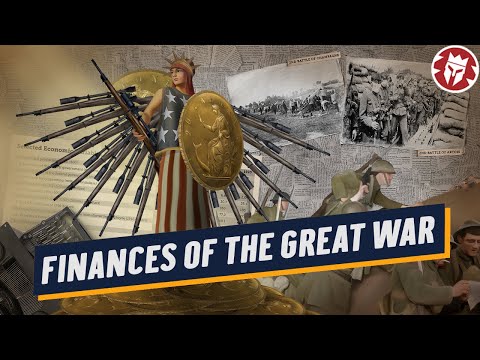
World War I, a cataclysm that reshaped the global landscape, is often remembered through the grim realities of trench warfare, the immense loss of life, and the sweeping political realignments. However, beneath the surface of battlefield accounts lies a complex web of financial machinations that fueled the conflict. This article delves into the crucial, yet often overlooked, question of who financed the Great War. By examining historical economic flows, the evolving role of international finance, and the very mechanisms that sustained the industrial-scale warfare, we can gain a more profound understanding of the war's origins, its prolonged duration, and its enduring consequences. This exploration is not merely an academic exercise; it seeks to illuminate the interconnectedness of economics and geopolitics, a theme with profound relevance even today.

The Quest for Funding: Who Bankrolled the Great War?

The sheer scale of World War I demanded unprecedented financial resources. Mobilizing millions of soldiers, manufacturing vast quantities of armaments, and sustaining economies under wartime strain required a financial engine of immense power. Initial assumptions often point towards the belligerent nations themselves, drawing on national treasuries and internal borrowing. However, a deeper investigation reveals a more intricate picture, with international finance playing a pivotal role. The established European financial powers, particularly Great Britain and France, were deeply involved in financing their war efforts and those of their allies.

The Great War was not merely a clash of armies; it was a colossal financial undertaking, where capital flowed as strategically as troops across the battlefields.

Early in the conflict, the intricate network of alliances and pre-existing financial ties meant that capital was mobilized and directed through established channels. British and French banks, accustomed to underwriting global ventures, were instrumental in providing loans and credits to their respective governments and to allied nations. This initial phase of financing was largely dominated by the established financial institutions of Europe. However, the prolonged nature of the war and the immense financial drain began to shift the global economic balance.

The Shifting Tides of Capital: From European Banks to American Dominance

As World War I ground on, the financial stamina of European powers began to wane. The vast expenditures and the disruption to trade and industry significantly impacted their ability to generate and sustain the necessary capital. This created a vacuum, a critical need for external funding that would eventually be filled by a rising global economic superpower: the United States.

Initially, the United States maintained a stance of neutrality, a position that paradoxically allowed its financial sector to profit immensely from the war. American banks began extending significant loans to both Allied and Central Powers, though the overwhelming majority eventually flowed to the Allies due to factors like naval blockades and established trade relationships. This period saw a dramatic shift, with American financial institutions accumulating substantial claims against European nations.

The decision of the United States to enter the war in 1917 did not halt this financial flow; rather, it transformed it. The U.S. government, through mechanisms like war bonds and direct loans, became the primary financier of its own war effort and continued to provide substantial financial support to its allies. This influx of American capital was crucial in sustaining the Allied war machine during the crucial final years of the conflict.

The economic historian, **Charles P. Kindleberger**, extensively documented these shifts, highlighting how the war effectively transferred financial preeminence from London to New York. The immense debts accrued by European powers to the United States would have long-lasting implications for the interwar period and beyond, contributing to economic instability and geopolitical tensions.

Mechanisms of War Finance: Bonds, Loans, and Industrial Mobilization

The financing of World War I was not a monolithic process but a multifaceted operation involving various instruments and strategies. One of the most significant methods employed by warring nations was the issuance of **war bonds**. These were essentially loans from citizens to their government, promising a return on investment after the war. Liberty Bonds in the United States and War Loans in Britain and France were incredibly successful in mobilizing domestic capital, appealing to patriotism and national duty.

Beyond domestic borrowing, international loans were indispensable. As previously discussed, American banks and the U.S. government provided substantial credit to the Allied powers. These loans were critical for purchasing war materials, foodstuffs, and other essential supplies. The financial architecture supporting these loans involved complex syndications, guarantees, and collateral arrangements.

Furthermore, the war necessitated the full mobilization of industrial capacity. Governments nationalized or heavily influenced key industries, directing them towards war production. This industrial mobilization was itself a massive financial undertaking, requiring significant investment in factories, machinery, and labor. The profits generated by war industries, both for private companies and state-controlled enterprises, became a vital component of the overall financial picture.

The creation of vast industrial complexes dedicated to the war effort represented not just a military transformation, but a colossal financial investment in destruction.

The intricate interplay between public finance (government borrowing and taxation) and private capital (bank loans, industrial profits) formed the bedrock of the war's financing. Understanding these mechanisms provides insight into how such a devastating conflict could be sustained for so long.

DIY Practical Guide: Analyzing Historical Financial Data

While a full-scale economic analysis requires specialized training, individuals can engage with historical financial data to gain a more tangible understanding of economic principles. This practical guide outlines steps to begin exploring publicly available historical financial information, focusing on transparency and accessibility.

  1. Identify a Specific Historical Period or Event: Choose a focus, such as the financial landscape of post-WWI Europe or the funding mechanisms of a particular war. The more specific your focus, the more manageable the research.
  2. Locate Primary and Secondary Sources: Seek out government archives (national archives often have digitized records), economic history journals, and reputable academic books. Look for reports on national debt, treasury statements, and analyses of financial markets from the chosen era. For example, the U.S. National Archives and Records Administration (NARA) holds extensive records.
  3. Understand Key Financial Terms: Familiarize yourself with terms like:
    • National Debt: The total amount of money owed by a country's government.
    • War Bonds: Securities issued by governments to finance military operations.
    • Interest Rates: The cost of borrowing money.
    • Inflation: The rate at which the general level of prices for goods and services is rising, and subsequently, purchasing power is falling.
    • Balance of Trade: The difference between a country's imports and its exports.
  4. Look for Trends and Patterns: When examining data (e.g., tables of national debt over time), try to identify significant increases or decreases. Correlate these with historical events (e.g., wartime spending).
  5. Utilize Online Archival Tools: Many national archives and libraries offer online databases and search functionalities. For instance, searching for "World War I war bonds" on the U.S. National Archives website might yield relevant documents.
  6. Cross-Reference Information: Compare data from different sources to ensure accuracy and gain a more comprehensive perspective. Academic books and peer-reviewed articles are excellent for corroborating findings from primary documents.
  7. Consider Visualizations: If you find raw data, consider creating simple charts or graphs (using free tools like Google Sheets or Excel) to visualize trends. This can make complex financial information more accessible.

This DIY approach, while introductory, can demystify historical financial narratives and empower you to engage critically with economic data.

Interconnections and Broader Implications

The financing of World War I had profound and lasting implications that extended far beyond the armistice. The massive debts incurred by European nations, particularly by France and Britain to the United States, created a complex web of international financial obligations. This indebtedness contributed significantly to the economic instability of the interwar period, fostering resentment and influencing political decisions.

The rise of the U.S. dollar as the dominant global currency, solidified during and after the war, fundamentally altered the international financial order. This shift had far-reaching consequences for global trade, investment, and geopolitical power dynamics.

Furthermore, the close relationship between governments and private financial institutions during the war raised important questions about the role of capital in conflict. The war demonstrated the immense power of finance to both sustain and direct military endeavors, a lesson that would continue to shape the conduct of warfare and international relations in the 20th century and beyond. Understanding these financial underpinnings is crucial for a comprehensive grasp of modern history.

Frequently Asked Questions

Q1: Was the financing of World War I solely the responsibility of the warring nations?
A1: No, while national treasuries and domestic borrowing were crucial, international finance, particularly loans from the United States to Allied powers, played a significant role in sustaining the war effort.

Q2: How did the United States' neutrality initially benefit its financial position?
A2: As a neutral party, the U.S. could supply goods and extend credit to belligerent nations, leading to a significant accumulation of wealth and financial leverage, particularly through loans to the Allied powers.

Q3: What role did war bonds play in financing World War I?
A3: War bonds were a critical tool for governments to raise capital domestically by borrowing from their own citizens, appealing to patriotism and offering a promise of future returns.

Q4: Did the financing of World War I contribute to future conflicts?
A4: The massive war debts incurred by European nations and the resulting economic instability in the interwar period are widely considered to be contributing factors to the geopolitical tensions that eventually led to World War II.

Q5: What is the significance of the U.S. dollar's ascendancy after World War I?
A5: The war cemented the U.S. dollar's position as the world's primary reserve currency, fundamentally reshaping international finance, trade, and global economic power dynamics.

Conclusion: The Enduring Legacy of Wartime Finance

The question of who financed the Great War unveils a narrative of shifting global economic power, intricate financial instruments, and the profound impact of capital on conflict. From the initial contributions of European banking houses to the ultimate dominance of American finance, the flow of money was as decisive as any military maneuver. The mechanisms of war bonds, international loans, and industrial mobilization illustrate the colossal financial engine required to sustain such a destructive conflict. The legacy of this wartime financing resonates through history, shaping international relations, contributing to economic instability, and underscoring the enduring connection between finance and geopolitical outcomes. Understanding these financial architects of war is essential for comprehending not only the past but also the complex economic forces that continue to influence our world.