Mostrando las entradas para la consulta SociologíaDigital ordenadas por fecha. Ordenar por relevancia Mostrar todas las entradas

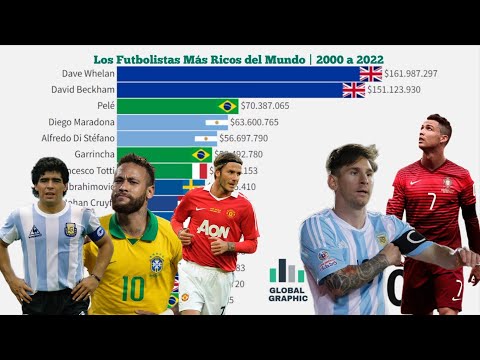
Richest Footballers Worldwide: A Historical and Anthropological Perspective (2000-2022)

Welcome to "El Antroposofista," a space dedicated to unraveling the complexities of anthropology, archaeology, psychology, and history. Today, we delve into a phenomenon that transcends mere athletic prowess: the financial ascent of football (soccer) players. From 2000 to 2022, the global football landscape has witnessed an unprecedented explosion in player wealth, transforming athletes into global brands and economic powerhouses. This evolution is not just a testament to the sport's growing popularity but also a fascinating lens through which to examine broader socio-economic trends, cultural values, and the very nature of celebrity in the modern era. Our journey through the financial history of football's elite is intertwined with the evolution of media, marketing, and global capitalism. We will explore how specific individuals have navigated this evolving terrain, leveraging their talent and public profile to amass fortunes that rival those of titans in other industries. This analysis offers a unique perspective on the intersection of sport, culture, and economics, providing insights into the mechanisms that create and sustain immense wealth in the 21st century.

Introduction: The Monetization of the Beautiful Game

The turn of the millennium marked a significant shift in the economics of professional football. Increased global broadcasting rights, burgeoning sponsorship deals, and the rise of social media created an environment where athletes could not only earn astronomical salaries but also capitalize on their image and influence on an unprecedented scale. The "beautiful game" transformed into a multi-billion dollar industry, with its leading figures at the very apex of its financial structure. This era saw the emergence of players whose net worth extended far beyond their playing contracts, encompassing endorsements, business ventures, and lucrative investments. Examining this period allows us to understand the dynamics of wealth creation within a globally popular cultural phenomenon.

Historical Context: From Humble Beginnings to Global Superstars

While football has always been a source of income for its top players, the financial disparities and earning potential witnessed from 2000 onwards are largely a product of recent decades. Prior to this period, while stars like Pelé or Maradona were household names and commanded significant attention, their earnings were primarily tied to their playing contracts and limited endorsement opportunities compared to today's standards. The advent of digital technology, globalized media markets, and sophisticated marketing strategies created a perfect storm for the hyper-monetization of football talent. This period also coincided with the rise of a global consumer culture eager to associate with aspirational figures, further fueling the financial growth of top athletes. The increasing interconnectedness facilitated by the internet allowed for direct engagement with fans worldwide, transforming players into global brands accessible to millions.
The commercialization of football has transformed athletes from mere players into complex economic entities, embodying brand value and global appeal.

Key Figures: The Architects of Wealth

The period between 2000 and 2022 is defined by the rise of several footballing giants whose financial success is as legendary as their on-field achievements. Players like Cristiano Ronaldo and Lionel Messi have consistently topped the lists of the world's highest-earning athletes, not just in football but across all sports. Their sustained excellence, coupled with savvy marketing and a global fanbase, allowed them to secure endorsement deals with major international corporations, build their own fashion and lifestyle brands, and invest in a diverse range of businesses. Beyond these two titans, figures like David Beckham, who masterfully transitioned from a global football icon to a highly successful entrepreneur and influencer, serve as prime examples of how athletic fame can be translated into long-term financial prosperity. The early 2000s saw Beckham’s pioneering role in global brand ambassadorships, setting a precedent for future generations. Other players, though perhaps not reaching the same stratospheric levels, also benefited immensely from the sport's economic boom, securing lucrative contracts and endorsements that cemented their status as financially elite individuals. The analysis of these individuals' financial trajectories provides crucial insights into the pathways to extreme wealth within the sporting domain. For a deeper dive into the impact of such figures, consider exploring discussions on ComprenderCulturas.

Economic Drivers: Beyond the Pitch

The immense wealth accumulated by top footballers is not solely derived from their salaries. Several interconnected economic factors contribute to their financial empires: * **Broadcasting Rights:** The astronomical sums paid for the rights to broadcast football matches globally form the bedrock of club revenues, a significant portion of which trickles down to player salaries. * **Sponsorships and Endorsements:** Footballers are highly sought-after by brands looking to tap into their massive global appeal. From sportswear giants to luxury car manufacturers and even fast-food chains, endorsement deals represent a massive income stream, often exceeding playing wages. * **Merchandising:** The sale of replica jerseys, boots, and other branded merchandise featuring star players is a multi-billion dollar industry in itself. * **Business Ventures:** Many high-earning footballers diversify their income by investing in or establishing their own businesses. These can range from fashion lines and fragrance brands to hotels, restaurants, and even investment funds. * **Social Media Influence:** With millions of followers across platforms like Instagram, Twitter, and Facebook, footballers can command significant fees for sponsored posts and promotional content, directly monetizing their digital presence. This aspect highlights the evolution of celebrity endorsement in the digital age, a topic often explored in SociologíaDigital.

Cultural Impact: Athletes as Brands and Influencers

The financial success of footballers has profound cultural implications. They are no longer just athletes; they are global brands, influencers, and aspirational figures for millions. Their style, lifestyle, and opinions are closely watched and emulated. This elevates their status beyond the realm of sport, impacting fashion, entertainment, and even social discourse. The phenomenon of the footballer as a brand ambassador reflects a broader trend where individuals embody marketable values and lifestyles, becoming powerful symbols within consumer culture. This transformation also raises questions about authenticity and the commodification of personality, aspects frequently dissected within Antropología studies.
The modern footballer transcends the pitch, becoming a potent cultural symbol and an economic force in their own right.

An Anthropological Lens: Status, Symbolism, and Social Mobility

From an anthropological perspective, the rise of football's financial elite offers a compelling case study in status acquisition and social mobility in the contemporary world. For individuals from humble backgrounds, football provides a potential pathway to extraordinary wealth and social standing. The immense salaries and lucrative endorsements are not merely economic rewards; they are powerful symbols of success, recognition, and social capital. This phenomenon reflects ongoing human desires for status, recognition, and upward mobility, manifested through the globally accessible medium of sport. The cultural narratives surrounding these athletes often emphasize hard work, dedication, and overcoming adversity, reinforcing the idea of meritocracy even as the economic structures become increasingly stratified. Exploring the Historia of such social transformations provides invaluable context.

DIY Practical Application: Analyzing Athlete Branding

You can explore this phenomenon yourself by analyzing the branding strategies of top athletes. This practical exercise will enhance your understanding of how talent translates into economic and cultural capital.
  1. Select an Athlete: Choose a prominent footballer from the 2000-2022 period (e.g., Cristiano Ronaldo, Lionel Messi, David Beckham) or a contemporary star.
  2. Research Playing Career: Document their key achievements, clubs played for, and major awards. Note their on-field persona.
  3. Identify Endorsements: Compile a list of all major brands they have endorsed during their peak earning years. Look for patterns in the types of brands (e.g., sportswear, luxury goods, technology).
  4. Analyze Social Media Presence: Examine their primary social media platforms (e.g., Instagram). Note the frequency of sponsored posts, the type of content they share (personal life, training, endorsements), and their engagement metrics (likes, comments).
  5. Investigate Business Ventures: Research any businesses or investment funds they have founded or are heavily involved in (e.g., fashion lines, hotels, real estate).
  6. Synthesize Findings: Based on your research, describe how the athlete has built their personal brand. How do their on-field persona and off-field activities complement each other? What makes them an attractive proposition for brands and businesses?
  7. Compare and Contrast: If time permits, repeat steps 1-5 for another athlete and compare their branding strategies. Are there commonalities in their approaches?

Frequently Asked Questions

What were the primary drivers of increased footballer salaries between 2000 and 2022?

The main drivers were the massive growth in global television broadcasting rights, lucrative sponsorship and endorsement deals, increased commercialization of the sport, and the rise of social media, which allowed athletes to build and monetize global personal brands.

How did figures like Cristiano Ronaldo and Lionel Messi amass their fortunes?

Their fortunes were built through a combination of astronomical playing salaries, record-breaking endorsement contracts with major global brands, significant investments in their own businesses (fashion, hotels, fragrances), and leveraging their massive social media followings for promotional activities.

Can athletes today achieve financial success comparable to those in other industries?

Yes, the very top tier of footballers have achieved financial success that rivals or even surpasses many leaders in other industries, thanks to the global reach and commercial power of football.

What is the role of social media in a footballer's financial success?

Social media allows athletes to directly connect with millions of fans worldwide, making them highly attractive to brands for endorsements and advertising. Sponsored posts and content creation have become a significant revenue stream.

How does anthropology help us understand the phenomenon of wealthy footballers?

Anthropology provides frameworks to analyze how wealth and fame translate into social status, cultural symbolism, and forms of social mobility. It helps us understand the societal values that contribute to the reverence and economic power afforded to these athletes, viewing them as modern cultural icons.

Conclusion: The Enduring Legacy of Football's Financial Giants

The period from 2000 to 2022 has irrevocably reshaped the financial landscape of professional football. The wealthiest players have emerged not just as sporting heroes but as sophisticated global brands, demonstrating an extraordinary ability to translate athletic talent into immense economic and cultural capital. Their journeys offer a rich tapestry for historical analysis, economic study, and anthropological inquiry, revealing much about contemporary society, celebrity culture, and the enduring power of the "beautiful game." As football continues to evolve, understanding the financial dynamics of its stars provides essential insights into the broader forces shaping our interconnected world.

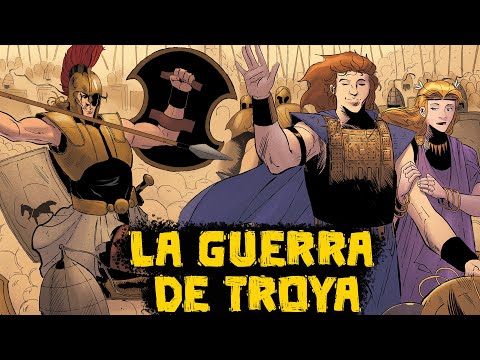
The Trojan War Saga: A Deep Dive into Myth, History, and Anthropology

Welcome to El Antroposofista, a digital sanctuary dedicated to unraveling the intricate tapestries of human knowledge. Our journey today delves into one of the most enduring narratives of Western civilization: the Trojan War. Far from being a simple mythological tale, the conflict of Troy offers a rich ground for anthropological, archaeological, and historical inquiry, revealing profound insights into ancient societies, their beliefs, and their interactions.

Introduction: Beyond Myth

The Trojan War, immortalized in Homer's epic poems, has captivated imaginations for millennia. However, its significance extends far beyond a heroic narrative. From an anthropological viewpoint, the saga provides a window into the values, social structures, and belief systems of Bronze Age Aegean societies. Archaeologically, the site of Troy itself has yielded evidence that bridges the gap between myth and history, prompting us to ask: what truths lie beneath the layers of poetic embellishment?

This exploration will treat the Trojan War saga not merely as a story, but as a complex phenomenon worthy of academic dissection. We will examine its historical context, delve into its anthropological dimensions, and consider the sociological frameworks that shaped its retelling. Furthermore, we will offer a practical guide for those interested in engaging with these narratives on a deeper, more personal level.

The Historical and Archaeological Lens on Troy

The very existence of Troy, once relegated to the realm of pure myth, has been substantiated by archaeological discoveries. Heinrich Schliemann's excavations in the late 19th century, though controversial in method, uncovered a mound at Hisarlik in modern-day Turkey that revealed multiple layers of ancient settlements, one of which corresponded to the likely period and scale of the city described by Homer. Subsequent, more rigorous excavations by scholars like Wilhelm Dörpfeld and Manfred Korfmann have painted a picture of Troy as a strategically important and well-fortified city, a significant player in regional trade and politics during the Late Bronze Age.

The archaeological evidence suggests a history of conflict and destruction, aligning with the narrative of a protracted siege. The Hittite archives, discovered in the 20th century, have also provided crucial context, mentioning a powerful city called Wilusa (widely believed to be Troy) in Anatolia, with political entanglements with Mycenaean Greece. This intersection of myth, archaeology, and ancient textual evidence allows us to approach the Trojan War as a potential reflection of historical events, albeit one heavily mediated by oral tradition and poetic license.

The persistent quest to reconcile the epic verses with the archaeological strata of Hisarlik underscores humanity's enduring fascination with its own past and the stories that define it.

Understanding the historical and archaeological backdrop is crucial for appreciating the context in which the myths of Troy emerged and were perpetuated. It allows us to move from pure speculation to evidence-based inquiry, grounding the narrative in tangible realities of Bronze Age civilization. For further exploration into the archaeological findings at Troy, consult the German Archaeological Institute's Troy Project.

Anthropological Dimensions of the Conflict

From an anthropological perspective, the Trojan War saga is a treasure trove of information regarding the beliefs, values, and social organization of the Mycenaean and Trojan peoples. The emphasis on honor, glory (kleos), and the fear of shame permeated the heroic code, dictating the actions and motivations of figures like Achilles and Hector. This concept of honor, deeply intertwined with reputation and social standing, is a fundamental aspect of many warrior societies throughout history and across cultures.

The role of the gods in human affairs, as depicted in the Iliad and Odyssey, reflects a polytheistic worldview where divine intervention shaped mortal destinies. These deities were not distant observers but active participants, embodying human passions and flaws on a grand scale. Studying these interactions allows anthropologists to explore concepts of cosmology, ritual, and the human relationship with the sacred.

Moreover, the epic offers insights into:

  • Kinship and Social Bonds: The strong emphasis on family ties, loyalty to one's people, and the obligations arising from kinship are central themes.
  • Warrior Ethos: The idealization of martial prowess, courage in battle, and the acceptance of death as a potential fate for the glory-seeking hero.
  • Grief and Mourning Rituals: The detailed descriptions of lamentations and funeral rites provide valuable information about how loss was processed and social order reaffirmed.
  • Gender Roles: The portrayal of women, from the divine Helen and Aphrodite to the mortal Andromache and Hecuba, offers a lens through which to examine ancient perceptions of femininity, agency, and societal roles.

The myth serves as a cultural artifact, encoding societal norms and anxieties. Analyzing it through an anthropological lens helps us understand not just the characters and plot, but the very fabric of the societies that produced and consumed these stories. This resonates with ongoing discussions in Antropología about the function of myth in maintaining social cohesion and cultural identity.

Sociological Structures and Power Dynamics

The societal structures depicted in the Trojan War narratives are complex, reflecting a hierarchical order characteristic of Bronze Age palatial systems. At the apex were the kings and chieftains, such as Agamemnon, Priam, and Nestor, who commanded armies and held significant political and military authority. Below them were the warrior aristocracy, the basileis, whose status was often determined by their prowess in battle and their lineage.

The interaction between different city-states and alliances, such as the Achaean confederacy versus Troy and its allies, highlights the geopolitical landscape of the era. The motivations for conflict—whether driven by perceived insults, territorial disputes, or economic interests—reveal underlying patterns of inter-group relations and the dynamics of power projection. The Trojan War, therefore, can be seen as a case study in ancient warfare and its socio-political drivers, a topic often explored within SociologíaDigital and historical sociology.

The epic's depiction of a grand coalition formed to reclaim Helen and avenge Menelaus' honor offers a compelling, if dramatized, look at the mechanisms of alliance-building and collective action in the ancient world.

Furthermore, the presence of retinues, servants, and slaves points to a stratified society with clear divisions of labor and social standing. Examining these elements allows us to reconstruct the power dynamics, economic underpinnings, and social hierarchies that characterized Mycenaean Greece and the broader Eastern Mediterranean during the Late Bronze Age. The concept of citizenship, though different from its modern interpretation, was implicitly tied to one's role within the collective, whether as a warrior, artisan, or ruler.

DIY Practical Guide: Reconstructing a Heroic Narrative

Engaging with ancient narratives like the Trojan War can be a deeply personal and enriching experience. This guide offers a practical, step-by-step approach to reconstructing and reinterpreting a fragment of the saga, allowing you to connect with its themes on a tangible level. This process draws inspiration from historical and anthropological methods of analysis.

  1. Select a Focus Fragment: Choose a specific scene, character, or event from the Trojan War narrative that interests you. This could be Achilles' rage, Hector's farewell to Andromache, or the ingenuity of the Trojan Horse. Keep it manageable for your first attempt.
  2. Gather Primary Source Materials (or Translations): Access translations of Homer's Iliad and Odyssey, or other relevant ancient texts (e.g., Virgil's Aeneid, though later, it connects to the war's aftermath). If you don't read ancient Greek, focus on reputable translations. For a more archaeological angle, research the findings at Troy.
  3. Identify Key Actors and Their Motivations: For your chosen fragment, list the main characters involved. What drives their actions? Consider the heroic code, divine influence, personal relationships, and societal pressures as potential motivators. Think critically about how these motivations reflect or diverge from anthropological concepts like honor and duty.
  4. Map the Social and Environmental Context: Where does this scene take place? What are the immediate surroundings like? What can be inferred about the social structure at play (e.g., hierarchy, gender roles, military presence)? Imagine the sights, sounds, and smells of that environment. Consider how the archaeological evidence of Bronze Age settlements might inform your reconstruction.
  5. Reinterpret or Retell the Narrative: Now, try to retell the fragment from a different perspective. What if you told it from the viewpoint of a minor character, a servant, or even an object? Or, try to emphasize aspects often overlooked—the logistical challenges of the siege, the daily lives of non-combatants, or the psychological toll of prolonged warfare. You could write a short story, a poem, a dramatic monologue, or even create a visual representation. This step encourages creative engagement and critical distance.
  6. Reflect on Your Reconstruction: What did you learn through this process? How did shifting perspectives or focusing on specific details alter your understanding of the event? Did you encounter challenges in bridging the gap between the ancient context and modern interpretation? Document your reflections—this is your personal contribution to understanding the saga. This exercise hones skills relevant to DIY intellectual exploration.

Frequently Asked Questions

Is the Trojan War a real historical event?

While the existence of Troy as a city is historically and archaeologically confirmed, the epic narrative of the Trojan War as told by Homer is a blend of historical memory, myth, and poetic embellishment. It likely reflects actual conflicts and societal dynamics of the Late Bronze Age but is not a factual historical account.

What is the main anthropological significance of the Trojan War myths?

Anthropologically, the myths are significant for revealing the values, beliefs, social structures, and heroic codes of Mycenaean-era societies. They provide insights into concepts of honor, divine-human relations, kinship, and gender roles, serving as cultural artifacts that encode societal norms.

How does archaeology contribute to our understanding of the Trojan War?

Archaeology, particularly the excavations at Hisarlik (modern Troy), provides physical evidence of a fortified city that existed during the relevant period. This evidence, combined with textual analysis of Hittite archives, supports the idea that Troy was a significant settlement involved in regional politics and potentially experienced periods of conflict and destruction, lending a degree of historical plausibility to the epic.

Can modern people relate to the heroes of the Trojan War?

Yes, despite the vast temporal and cultural distance, modern readers can relate to the universal human emotions and motivations portrayed in the saga—love, loss, ambition, honor, betrayal, and the struggle against fate. Understanding the cultural context helps in appreciating these enduring themes.

Where can I find more information about the historical Troy?

Reputable sources include academic journals, university websites, and the official publications of archaeological institutions involved in the excavations at Hisarlik. Websites like those of the German Archaeological Institute offer detailed information on the Troy Project.

The saga of the Trojan War, when viewed through the lenses of history, archaeology, anthropology, and sociology, transforms from a simple myth into a complex narrative reflecting the realities, anxieties, and aspirations of ancient civilizations. The enduring power of this story lies not only in its dramatic events but in the profound human truths it continues to illuminate. We invite you to continue this exploration in the comments below, sharing your own insights and questions about this timeless conflict.

For continuous updates on fields like Antropología, Arqueología, and Historia, we encourage you to visit our official blog and explore our latest news: El Antroposofista Blog.

If you appreciate our work and wish to support our efforts in uncovering and disseminating knowledge, consider exploring our store for exclusive NFTs, which helps us maintain and expand our research and content creation.

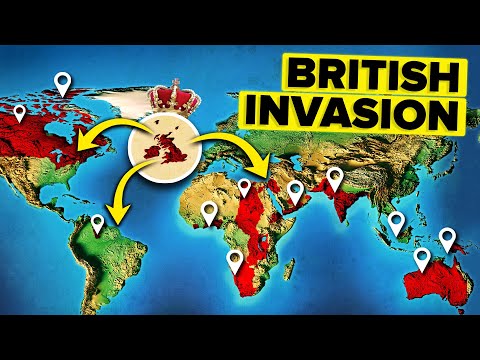
The Unprecedented Reach: How the British Empire Conquered 90% of the World

The annals of history are replete with tales of conquest and empire-building, but few expansions rival the sheer global dominion achieved by the British Empire at its zenith. It is a staggering historical fact that at one point, the British Empire controlled territory in virtually every corner of the globe, an astonishing feat that encompassed roughly 90% of the world's countries. This article delves into the intricate tapestry of strategies, socio-political forces, and historical circumstances that enabled this unprecedented global reach, transforming the world map and shaping modern geopolitical landscapes. The question that inevitably arises is not merely *if* Britain achieved such widespread control, but *how*. Understanding the mechanisms behind this vast imperial expansion offers profound insights into international relations, the evolution of global power structures, and the enduring legacies of colonialism. From military might to economic exploitation, and from diplomatic maneuvering to the sheer serendipity of exploration, a complex interplay of factors contributed to the formation and sustenance of an empire upon which, it was famously said, the sun never set.

Table of Contents

The Scale of Empire: A World Under British Influence

The sheer geographical extent of the British Empire was unparalleled. At its peak in the early 20th century, it covered approximately a quarter of the Earth's land surface and governed over 400 million people, a fifth of the world's population. This vast dominion was not a monolithic entity but a sprawling network of colonies, dominions, protectorates, and mandates, each with varying degrees of autonomy and integration into the imperial structure. The process of expansion was not a singular, unified effort but a gradual, often opportunistic, accumulation of territories over centuries. It began with the establishment of trading posts and colonies in the Americas, the Caribbean, and India, and later extended to Africa, Asia, and Oceania. This global presence allowed Britain to exert influence, control trade routes, and project power across continents and oceans. The impact of this global reach on indigenous populations, local economies, and the very fabric of societies was profound and often devastating, leaving a complex legacy that continues to be debated and analyzed by scholars in fields like Antropología and historia.

Mechanisms of Conquest: Tools of Imperial Expansion

The British Empire's success was not solely due to brute force, though military superiority played a significant role. A sophisticated, multi-faceted approach was employed: * **Naval Supremacy**: Control of the seas was paramount. The Royal Navy’s dominance allowed Britain to project power globally, secure trade routes, and transport troops and resources to distant shores. This naval might was a direct result of technological advancements and sustained investment, a key aspect explored in historia of warfare. * **Military Prowess**: While often outnumbered, British forces, utilizing superior tactics, discipline, and weaponry, were frequently victorious. The organization and effectiveness of the British army and navy were crucial in subjugating local resistance. * **Diplomacy and Alliances**: Britain was adept at forging alliances with local rulers or rival powers, often playing them against each other to achieve its objectives. Treaties, often unequal and coercive, were used to formalize control. * **Exploration and Cartography**: British explorers played a vital role in mapping uncharted territories, identifying resources, and paving the way for subsequent colonization. The drive for discovery was intertwined with imperial ambitions, a theme often studied in Arqueología and exploration history. * **Technological Advantage**: Innovations in weaponry, communication (like the telegraph), and transportation (steamships, railways) facilitated the administration and control of vast, distant territories.
The ability to project power across vast distances, facilitated by naval supremacy and technological innovation, was a cornerstone of British imperial expansion.

Economic Drivers: The Engine of Empire

Economics was undeniably the primary engine driving British imperial expansion. The pursuit of resources, markets, and trade routes fueled the relentless drive to acquire and control territories. * **Mercantilism and Trade**: Early expansion was driven by mercantilist policies aimed at accumulating wealth through trade. Colonies were viewed as sources of raw materials and captive markets for British manufactured goods. * **Industrial Revolution**: The Industrial Revolution in Britain created an insatiable demand for raw materials such as cotton, rubber, and minerals, which could be sourced from colonies. It also generated a surplus of manufactured goods seeking new markets. * **Resource Exploitation**: Colonies were systematically exploited for their natural resources, including precious metals, agricultural products, and later, oil and other industrial materials. This extraction often occurred with little regard for local economies or environmental sustainability. * **Financial Capital**: The accumulation of wealth allowed for significant investment in overseas ventures, infrastructure projects (like railways and ports), and further military expansion, creating a self-perpetuating cycle of imperial growth. The study of economic imperialism is a vital component of understanding modern historia and SociologíaDigital.

Social and Ideological Underpinnings: Justifying Dominance

Beyond the pragmatic considerations of military and economic power, the British Empire was also sustained by a complex set of social attitudes and ideologies that justified its dominance. * **The "Civilizing Mission"**: A pervasive belief system emerged, positing that Britain had a moral duty to "civilize" the peoples of its colonies. This paternalistic ideology, often termed the "White Man's Burden," asserted the superiority of British culture, religion, and governance, and framed colonial rule as a benevolent act of upliftment. * **Social Darwinism and Racism**: Pseudoscientific theories of racial hierarchy and Social Darwinism were often invoked to justify imperial rule, portraying colonized peoples as inherently inferior and incapable of self-governance. These racist ideologies underpinned many colonial policies and practices. * **Nationalism and Prestige**: Imperial expansion became intertwined with national pride and prestige. Owning a vast empire was seen as a measure of a nation's power and importance on the world stage, fostering a competitive dynamic among European powers. * **Missionary Zeal**: Religious missionaries often accompanied or preceded colonial administrators, seeking to convert indigenous populations to Christianity and, in doing so, often inadvertently facilitating the spread of British culture and influence.
The ideology of the 'civilizing mission,' though presented as altruistic, served to legitimize the economic exploitation and political subjugation inherent in colonial rule.

Resistance and Legacy: The Enduring Impact

It is crucial to acknowledge that imperial expansion was rarely met with passive acceptance. Resistance, in various forms, was a constant feature of the colonial era, ranging from localized uprisings and guerilla warfare to sophisticated political movements advocating for self-determination. The struggle for independence in numerous former colonies represents a critical chapter in global historia. The legacy of the British Empire is multifaceted and continues to shape the contemporary world. While it contributed to the spread of the English language, legal systems, and certain infrastructure, its impact is also marked by economic disparities, political instability, and deep-seated social and cultural divisions in many post-colonial nations. Understanding this legacy requires a critical engagement with historical narratives and an appreciation for the diverse perspectives of those who experienced imperial rule. The fields of Antropología and psicología offer valuable lenses through which to examine the lasting psychosocial impacts of colonialism.

DIY Historical Analysis: Understanding Imperial Footprints

Analyzing the impact of empires on a local scale can be a rewarding intellectual exercise. Here’s a practical guide to begin exploring the historical footprints of imperial powers in your region or a place you are interested in.
  1. Identify a Specific Location or Region: Choose a town, city, or region that you know has a history of being influenced or colonized by an external power (e.g., British, French, Spanish, etc.).
  2. Research Local Archives and Historical Societies: Visit local libraries, Arqueología departments at nearby universities, or historical societies. Look for records, maps, photographs, and oral histories related to the period of imperial influence.
  3. Examine Architectural Remains: Identify buildings or structures from the imperial era. Look for architectural styles, materials, and urban planning elements that differ from the indigenous architecture. For instance, colonial administrative buildings, military forts, or railway stations often bear distinct markers. Consider how these structures were integrated into or imposed upon the existing landscape.
  4. Analyze Place Names: Research the origins of street names, neighborhood names, and geographical features. Many place names are direct legacies of colonial administrators, rulers, or geographical surveys conducted during imperial rule. This can be a fascinating exercise in tracing historical presence, often a topic in Antropología.
  5. Investigate Economic and Agricultural Changes: Look into historical records about land use, crops, and trade. Did the imperial power introduce new crops, farming techniques, or economic systems? Were resources extracted or exploited? This ties directly into understanding the economic drivers of historia.
  6. Explore Cultural and Linguistic Influences: Note any loanwords in the local dialect, lingering customs, or social practices that may have originated from the imperial power. Consider how these influences manifest in contemporary society. The study of CulturaYLenguaje is essential here.
  7. Consult Academic Literature: Search for academic articles or books specifically on the history of your chosen location during the imperial period. Use search terms related to the imperial power, the region, and keywords like "colonialism," "imperialism," or "post-colonialism." Resources on Antropología and historia are abundant online through university archives and academic journals.

Frequently Asked Questions

Why is it said that the British Empire controlled 90% of the world?

This figure is an approximation often cited to convey the vast scale of the British Empire at its peak. It refers to the number of independent countries that existed at the time which fell under British rule, administration, or significant influence, rather than 90% of the Earth's landmass.

What was the main motivation behind British imperialism?

While complex and evolving, the primary motivations were economic gain (access to raw materials and markets), strategic advantage (control of trade routes and geopolitical dominance), and ideological factors (such as the "civilizing mission" and national prestige).

Was the British Empire solely built on military conquest?

No, military conquest was a significant tool, but the empire was also built through diplomacy, trade agreements (often unequal), settlement, and strategic alliances. Economic exploitation and the projection of political and ideological influence were equally crucial.

What is the lasting legacy of the British Empire today?

The legacy is varied and includes the widespread use of the English language, the establishment of parliamentary systems and common law in many nations, and interconnected global trade networks. However, it also includes significant challenges such as economic disparities, political instability, and cultural divisions in former colonies.

How did other European powers contribute to global imperialism?

Alongside Britain, other European powers like France, Spain, Portugal, the Netherlands, Belgium, and Germany also established vast colonial empires, driven by similar economic, strategic, and ideological motivations. This competition for territory and resources significantly shaped global history.

The expansion of the British Empire represents a pivotal period in human history, characterized by ambition, innovation, and immense power. Its mechanisms of conquest, driven by economic imperatives and underpinned by powerful ideologies, reshaped the global map and left an indelible mark on countless societies. By critically examining its strategies, impacts, and enduring legacies, we gain a deeper understanding of the forces that have shaped our interconnected world.

The Anthropology of Attraction: Deconstructing Obsession and Cultivating Genuine Connection

The pursuit of romantic connection, a fundamental human drive, has long been a subject of fascination across disciplines such as anthropology, sociology, and history. While the outward expression of attraction may appear straightforward, the underlying psychological and social mechanisms are profoundly complex. This exploration delves into the nuanced interplay of factors that contribute to the intense fascination some individuals develop for one another, moving beyond superficial "game" tactics to understand the deeper currents of human behavior and emotional bonding.

The concept of fostering obsession in another person, as alluded to in some popular dating advice, warrants a critical, scholarly lens. From an anthropological perspective, obsession can be viewed as an extreme manifestation of attachment, often rooted in a blend of perceived value, emotional resonance, and sometimes, a degree of psychological maneuvering. Sociologically, such dynamics can illuminate broader patterns of power and influence within interpersonal relationships. Historically, the narrative of intense, sometimes consuming, love and desire has been a recurring theme in literature, art, and personal accounts, offering insights into evolving societal norms and individual experiences of connection.

Introduction: Beyond the Superficial

The question of how to cultivate a profound connection with another person is as old as human interaction itself. While the original context of such queries might have focused on simplistic "games," a deeper anthropological and sociological understanding reveals that true, lasting fascination arises from a complex interplay of psychological needs, social conditioning, and genuine shared experience. This article aims to unpack these elements, offering a more robust framework for understanding and fostering deep, meaningful bonds, rather than resorting to manipulative tactics.

Love and Obsession: An Anthropological View

Anthropologically, obsession in relationships can be seen as an amplification of attachment behaviors. It often stems from a perceived scarcity of the object of affection, combined with a strong sense of desirability. This scarcity can be manufactured or naturally occurring, but its effect is to heighten the perceived value. Early hominid social structures, for instance, relied on strong pair-bonding and group cohesion for survival. While modern society is vastly different, the deep-seated psychological need for connection and validation persists. The intense focus characteristic of obsession can be interpreted as an extreme manifestation of this innate drive, where the other person becomes a primary source of emotional fulfillment and identity validation.

"Human beings are fundamentally social creatures, and the need for belonging and connection is as vital as any physiological requirement." - (Adapted from anthropological theories of social bonding)

The Role of Absence and Perceived Scarcity

One of the recurring themes in discussions about intense attraction is the concept of absence. The idea is that when a person is not constantly available, their perceived value increases. This principle aligns with economic theories of supply and demand, but in a social context, it taps into primal psychological triggers. Historically, individuals who were geographically distant or difficult to access were often idealized. This sense of longing and anticipation can create a powerful emotional feedback loop. However, a constant state of absence can also lead to disappointment and resentment, highlighting the delicate balance required. The key is not mere absence, but a strategic withdrawal that maintains intrigue without fostering outright neglect.

Challenging Perceptions: The Value of Intrigue

Truly captivating individuals often possess an element of challenge. This doesn't equate to being difficult or confrontational, but rather to possessing a depth and complexity that invites exploration. When you present yourself as a person with your own rich inner life, distinct interests, and a clear sense of self, you naturally become more intriguing. This creates an environment where the other person feels compelled to understand you better, to uncover the layers of your personality. This intellectual and emotional engagement is far more potent than superficial flattery. It prompts the other person to invest cognitive and emotional energy, thereby deepening their connection.

Reading Between the Lines: Communication and Anticipation

The way we communicate, especially in the early stages of a relationship, significantly shapes its trajectory. This includes not just what we say, but how and when we say it. The "read receipts" phenomenon, for example, highlights our modern fascination with immediate feedback in communication. The anticipation of a response, or the strategic delay in responding, can build tension and excitement. From a sociological standpoint, these communication patterns are learned behaviors, often influenced by media and cultural norms. Mastering nuanced communication involves understanding the psychological impact of timing, tone, and content, allowing for the cultivation of anticipation and sustained interest.

The Foundation of Lasting Connection: Genuine Compatibility

While psychological triggers and strategic communication can certainly create initial sparks, the foundation of any deep and lasting connection lies in genuine compatibility. This involves shared values, complementary personalities, mutual respect, and a shared vision for the future. When you and the other person are truly good together, it’s not about manipulation but about a natural synergy. Understanding what makes you compatible—your shared interests, your aligned life goals, your ability to support each other's growth—is crucial. This self-awareness allows you to present your authentic self and to recognize a genuine connection when it arises, rather than fabricating one.

"True connection is built on a bedrock of mutual understanding and shared values, not on manufactured intrigue." - (Sociological insights on relationship dynamics)

Strategic Distance and Emotional Resonance

The concept of a "preemptive freeze out" touches upon the idea of creating strategic distance to maintain emotional equilibrium and prevent codependency. This involves stepping back momentarily, not as a punishment or game, but as a means to ensure that the relationship develops on a healthy, balanced footing. It allows both individuals to maintain their sense of self and to approach the relationship with renewed appreciation. This practice can foster a deeper emotional resonance because it demonstrates self-possession and a commitment to one's own well-being, which are inherently attractive qualities. It’s about ensuring that the pursuit is driven by genuine interest rather than desperation.

The Psychology of Uncertainty: The "Dread" Factor

The "dread of not knowing" is a powerful psychological state. It refers to the anxiety and anticipation that arises from uncertainty. In relationships, this can manifest as a desire to know what the other person is thinking or feeling. While excessive uncertainty can be detrimental, a managed level of ambiguity can keep a connection dynamic and engaging. It fuels curiosity and encourages deeper interaction as individuals seek to resolve the unknown. Understanding this psychological aspect can help in navigating relationship dynamics with greater awareness, focusing on building intrigue through authentic self-expression rather than creating unnecessary anxiety.

DIY Cultivating Genuine Connection

Instead of focusing on potentially manipulative tactics, let's outline a practical, anthropological approach to cultivating genuine connection. This DIY guide emphasizes self-awareness, authentic communication, and mutual respect.

  1. Deepen Self-Knowledge: Understand your own values, interests, strengths, and weaknesses. What makes you unique? What are your passions? (Connect to #ComprenderCulturas, #IdentidadCultural) This forms the basis of your authentic self.
  2. Develop Your Own Life: Cultivate hobbies, pursue personal goals, and maintain strong friendships independent of romantic pursuits. A fulfilling life is inherently attractive. (Connect to #AventuraViajera, #Exploración)
  3. Practice Empathetic Listening: When interacting, focus on truly understanding the other person's perspective. Ask open-ended questions and show genuine curiosity about their thoughts and feelings. (Connect to #ComprenderCulturas, #CulturaYLenguaje)
  4. Communicate Authentically: Express your thoughts and feelings honestly and respectfully. Avoid pretense or trying to be someone you're not. Vulnerability, when shared appropriately, builds trust. (Connect to #AntropologíaVirtual, #SociologíaDigital)
  5. Introduce Calculated Intrigue: Share aspects of your life and interests in a way that invites further discussion, without revealing everything at once. Mention a book you're reading, a trip you're planning, or a unique skill you possess. (Connect to #ExploraciónHistórica, #Rituales)
  6. Embrace Balanced Presence: Be present and engaged when you are together, but also respect personal space and allow for individual pursuits. This creates a healthy dynamic of connection and independence. (Connect to #DiversidadHumana, #SociedadInvisible)
  7. Foster Mutual Challenge: Engage in discussions that gently challenge each other's perspectives in a respectful manner. This intellectual sparring can deepen understanding and strengthen the bond. (Connect to #CausasdeGuerra, #EstructuraSocial)
  8. Express Appreciation Genuinely: Acknowledge and appreciate the qualities you admire in the other person. Focus on specific traits or actions rather than generic compliments. (Connect to #CulturaColombiana, #RespetoCultural)

Frequently Asked Questions

What is the anthropological perspective on romantic obsession?

Anthropologically, obsession is viewed as an extreme form of attachment, often amplified by perceived scarcity and desirability. It taps into fundamental human needs for connection and validation, potentially stemming from evolutionary drives for social bonding.

How does genuine compatibility differ from manufactured attraction?

Genuine compatibility is based on shared values, mutual respect, and a natural synergy between individuals. Manufactured attraction relies on psychological triggers, strategic communication, and sometimes, manipulative tactics to create an intense but potentially superficial fascination.

Is it ever healthy to try and make someone "obsessed" with you?

From an ethical and anthropological standpoint, deliberately aiming to induce obsession can be problematic. Healthy relationships are built on mutual respect, authenticity, and balanced connection, rather than control or undue psychological influence.

How can one cultivate lasting connection without resorting to "games"?

Lasting connections are fostered through self-awareness, authentic communication, empathetic listening, shared experiences, and mutual respect for individuality. Focusing on being your genuine self and understanding the other person deeply is key.

What role does uncertainty play in relationships?

A managed level of uncertainty can fuel curiosity and engagement, encouraging deeper interaction. However, excessive or manufactured uncertainty can lead to anxiety and mistrust. The goal is healthy intrigue, not debilitating ambiguity.

"The desire for connection is deeply ingrained in our human nature, shaping our social structures and personal relationships across millennia." - (Historical and anthropological observations on human bonding)

In conclusion, while the allure of creating intense fascination might seem appealing, a deeper understanding from anthropological, sociological, and historical perspectives suggests that true, lasting connections are built on a foundation of authenticity, mutual respect, and genuine compatibility. By focusing on self-development, empathetic communication, and shared values, individuals can cultivate bonds that are not only profound but also enduring and healthy.

We invite you to share your thoughts and experiences in the comments below. How do you perceive the dynamics of attraction and connection in modern society?

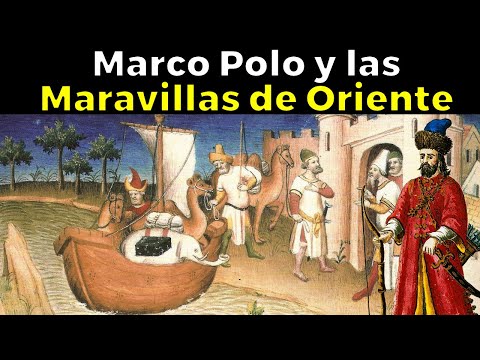
Marco Polo: La Odisea de un Explorador y el Legado de sus Diarios

La figura de Marco Polo resuena en los anales de la exploración con un eco casi mítico. A menudo encumbrado junto a nombres como Pedro Álvares Cabral y Fernando de Magallanes, Polo representa un paradigma del explorador europeo, un puente entre mundos dispares y un catalizador del conocimiento en una época de profundas transformaciones. Sin embargo, la aparente vastedad de sus logros contrasta con la relativa escasez de información detallada sobre su vida. Este artículo se propone desentrañar la intrincada narrativa de Marco Polo, su influyente familia y, sobre todo, su trascendental viaje a la corte de Kublai Kan en la lejana China, analizando el impacto de sus relatos en la percepción europea del Oriente.

La Semilla de la Exploración: Orígenes Familiares y el Contexto del Siglo XIII

Nacido en Venecia alrededor de 1254, Marco Polo provenía de una familia de mercaderes con una profunda vocación por el comercio y la aventura. La Venecia del siglo XIII era un centro neurálgico del comercio marítimo y terrestre, conectando Europa con el Oriente a través de rutas comerciales complejas y a menudo peligrosas. La familia Polo, liderada por el padre de Marco, Niccolò, y su tío, Maffeo, ya había realizado un viaje previo a Asia, estableciendo contactos y forjando una reputación en el vasto Imperio Mongol. Este contexto familiar no solo proporcionó a Marco las bases para su futura travesía, sino que también instiló en él una curiosidad insaciable por lo desconocido y una resiliencia forjada en las duras realidades del comercio a larga distancia.

El Imperio Mongol, en su apogeo bajo el gobierno de Kublai Kan, nieto de Gengis Kan, se extendía por una vasta porción de Eurasia. Esta unificación, paradójicamente, facilitó una relativa seguridad en las rutas comerciales, permitiendo un flujo de bienes, ideas y personas sin precedentes. Fue en este escenario de interconexión global que la familia Polo, y posteriormente Marco, encontraron su oportunidad de trascender las fronteras geográficas y culturales.

La Ruta de la Seda y la Inmersión en el Imperio Mongol

El viaje de Marco Polo a Asia, que comenzó en 1271 cuando apenas contaba con diecisiete años, fue una empresa monumental. Acompañado por su padre y su tío, emprendió un arduo periplo a través de la legendaria Ruta de la Seda. Este camino no era una única vía, sino una red intrincada de rutas terrestres y marítimas que serpenteaban por Asia Central, Persia, el subcontinente indio y finalmente China. Durante esta travesía, Marco no solo fue testigo de la diversidad geográfica y paisajística, sino que también se familiarizó con una miríada de culturas, lenguas y costumbres.

Su llegada a la corte de Kublai Kan, el Gran Kan, marcó el inicio de uno de los períodos más fascinantes de su vida. El kan, impresionado por la inteligencia y la perspicacia de Marco, lo tomó bajo su protección y lo nombró funcionario de su corte. Durante aproximadamente diecisiete años, Marco Polo sirvió al Gran Kan en diversas misiones y roles administrativos, viajando por todo el vasto imperio y observando de cerca la organización política, económica y social de uno de los imperios más extensos de la historia. Fue durante estos años que Marco acumuló una riqueza de conocimientos sobre las ciudades, la tecnología, las costumbres y la vida cotidiana en el Oriente, detalles que más tarde plasmaría en su célebre obra.

"No es oro todo lo que reluce, pero el oro de la seda veneciana ciertamente brilló en las cortes de Oriente, abriendo caminos inimaginables para los mercaderes y exploradores europeos."

El Impacto de "Los Viajes de Marco Polo" en la Europa Medieval

Tras su regreso a Venecia en 1295, Marco Polo se encontró en un mundo que había cambiado, pero que aún carecía de una comprensión profunda de las maravillas y complejidades del Lejano Oriente. Fue durante su cautiverio en Génova, donde cayó prisionero en una guerra entre Venecia y Génova, que Marco dictó sus memorias a Rustichello da Pisa, un escritor de romances de caballerías. El resultado fue "Los Viajes de Marco Polo", conocido también como "El Libro de las Maravillas del Mundo".

La obra de Polo tuvo un impacto revolucionario en la Europa medieval. Presentó a los lectores europeos relatos de civilizaciones avanzadas, ciudades suntuosas, tecnologías innovadoras (como el papel moneda y el carbón como combustible) y costumbres exóticas que desafiaban las concepciones europeas del mundo. Describe maravillas como el Tíbet, el uso de papel moneda, el correo imperial con relevos rápidos, y las complejas redes comerciales y administrativas del imperio mongol. Este texto no solo alimentó la imaginación popular, sino que también inspiró a generaciones de exploradores, cartógrafos y mercaderes. Se cree que el propio Cristóbal Colón poseía una copia anotada de "Los Viajes de Marco Polo", evidenciando su influencia directa en la Era de los Descubrimientos.

A pesar de su innegable influencia, la obra de Polo no estuvo exenta de escepticismo. Sus relatos sobre la riqueza, las dimensiones y las maravillas de China eran tan extraordinarios que muchos contemporáneos los consideraron exageraciones o fantasías. Sin embargo, la persistencia y el detalle de sus descripciones gradualmente ganaron credibilidad, transformando la percepción europea del Oriente de un lugar lejano y enigmático a una tierra de riquezas, oportunidades y civilizaciones avanzadas.

"Muchos europeos que habían escuchado la historia de Marco Polo, como así también la historia de la expedición alemana a la cordillera del Himalaya, creyeron que Marco Polo había viajado hasta las montañas más altas de la tierra."

Desentrañando la Autenticidad y la Influencia

El análisis académico de "Los Viajes de Marco Polo" ha sido objeto de debate durante siglos. La falta de referencias contemporáneas chinas que mencionen explícitamente a Marco Polo en roles de alta jerarquía ha llevado a algunos historiadores a cuestionar la veracidad absoluta de sus afirmaciones. Sin embargo, la mayoría coincide en que, independientemente de la extensión de su servicio directo a Kublai Kan, Polo fue sin duda un observador privilegiado de la China del siglo XIII y un viajero por diversas regiones de Asia.

Es crucial entender que "Los Viajes" no fue escrito directamente por Marco Polo en su forma final, sino que fue dictado y compilado por Rustichello da Pisa. Esta naturaleza colaborativa, sumada al contexto de la época donde los relatos de viajes a menudo se embellían con elementos fantásticos, podría explicar algunas discrepancias o exageraciones. No obstante, los detalles etnográficos, geográficos y económicos proporcionados por Polo son a menudo precisos y valiosos para los historiadores, ofreciendo una ventana única a un mundo que de otro modo permanecería en gran parte inaccesible para el conocimiento europeo.

La influencia de su obra trasciende la mera acumulación de datos. Marco Polo actuó como un embajador involuntario de culturas, despertando la curiosidad y el deseo de explorar y comerciar con Oriente. Su legado es un testimonio del poder de la narrativa para expandir horizontes, desafiar preconcepciones y conectar a la humanidad a través de la comprensión mutua, incluso en la era de la SociologíaDigital y la información instantánea.

Guía Práctica DIY: Trazando Rutas Históricas con Mapas

La experiencia de Marco Polo nos invita a reflexionar sobre la importancia de la geografía y la cartografía en la comprensión de la historia y la cultura. Aplicar este conocimiento de forma práctica puede ser una actividad enriquecedora. A continuación, se presenta una guía paso a paso para trazar una ruta histórica utilizando mapas, inspirada en los viajes de Polo.

  1. Selecciona una Ruta Histórica: Elige un viaje histórico relevante, como la ruta de Marco Polo a través de la Ruta de la Seda, las expediciones de Magallanes, o las rutas de migración prehistórica.
  2. Reúne Mapas Históricos y Actuales: Busca mapas de la época del viaje seleccionado y compáralos con mapas geográficos actuales. Puedes encontrar mapas históricos digitalizados en archivos en línea o bibliotecas digitales. Para mapas actuales, puedes usar herramientas como Google Maps.
  3. Identifica Puntos Clave: Marca en tu mapa los puntos de partida y llegada, así como las ciudades, regiones o hitos geográficos importantes que el viajero atravesó. Considera también los posibles obstáculos naturales (montañas, desiertos, mares).
  4. Traza la Ruta Principal: Utiliza un rotulador o una herramienta de dibujo digital para delinear la ruta más probable o documentada. Si hay variaciones o rutas alternativas, puedes señalarlas también.
  5. Investiga las Condiciones del Viaje: Investiga sobre las condiciones de viaje de la época: el transporte disponible (caravanas, barcos), los peligros (bandidos, clima extremo, enfermedades), y el tiempo estimado que tomaba cubrir ciertas distancias.
  6. Añade Información Contextual: Escribe notas breves en el mapa o en un documento adjunto sobre los eventos históricos importantes, las culturas encontradas, los bienes comercializados o las observaciones significativas realizadas por el viajero en cada punto.
  7. Crea una Infografía o Presentación: Si lo deseas, puedes transformar tu investigación en una infografía visualmente atractiva o una presentación interactiva, utilizando herramientas de diseño gráfico y mapas interactivos.

Preguntas Frecuentes

¿Fue Marco Polo el primer europeo en viajar a China?

Si bien Marco Polo es el más famoso, no fue el primer europeo en llegar a China. Mercaderes y misioneros ya habían viajado a Asia antes que él, pero los relatos de Polo fueron los más detallados y ampliamente difundidos, marcando un antes y un después en la percepción europea de Oriente.

¿Por qué algunos dudaron de la veracidad de sus relatos?

Sus descripciones de ciudades enormes, tecnologías avanzadas como el papel moneda y el carbón, y la inmensidad del imperio mongol eran tan fantásticas para los oídos europeos del siglo XIII que muchos las consideraron exageraciones o invenciones.

¿Qué impacto tuvo "Los Viajes de Marco Polo" en la exploración?

El libro inspiró a generaciones de exploradores, incluyendo a Cristóbal Colón, alimentando el interés por las rutas comerciales hacia el Este y contribuyendo al conocimiento geográfico y cultural de Europa sobre Asia.

¿Se conservan los manuscritos originales de "Los Viajes de Marco Polo"?

Existen numerosas copias y versiones manuscritas del siglo XIV y posteriores, pero no se conserva un manuscrito original dictado directamente por Marco Polo. La versión más conocida es la compilada por Rustichello da Pisa.

¿Qué legado práctico nos deja Marco Polo hoy en día?

Su legado reside en la demostración del valor de la observación detallada, la curiosidad insaciable y la capacidad de la narrativa para tender puentes entre culturas, recordándonos la importancia de entender el mundo más allá de nuestras fronteras.

En conclusión, la figura de Marco Polo trasciende la mera biografía de un explorador; es la encarnación de la curiosidad humana y el poder transformador del conocimiento adquirido a través de la experiencia directa. Sus viajes, documentados en una obra que cautivó y desafió a Europa, no solo abrieron los ojos del continente a las maravillas del Oriente, sino que también sentaron las bases para futuras exploraciones y un entendimiento más profundo del mundo. La historia de Marco Polo es, en esencia, una invitación a explorar, a cuestionar y a conectar, un eco perenne de la odisea humana en busca de lo desconocido.

Unraveling the Enigma: Perplex City and the Intellectual Pursuit of the $200,000 Cube

Introduction: Beyond the Surface

The allure of unsolved mysteries, particularly those that blend intricate narratives with tangible rewards, has always captivated the human intellect. Perplex City, an innovative augmented reality game launched in 2007, presented a unique challenge: a real-world hunt for a USB drive containing $200,000, hidden somewhere within the city of London. This endeavor transcended a mere treasure hunt, evolving into a complex narrative puzzle that engaged a global community. This article delves into the historical and sociological dimensions of Perplex City, exploring its genesis, the significance of its central enigma, and the intellectual satisfaction derived from participating in such a multi-layered challenge. We will examine the role of "Satoshi" within the game's lore and the broader implications of this digital-era archaeological dig.

The Genesis of Perplex City: A Digital Archaeological Dig

Perplex City was more than just a game; it was an experiment in distributed problem-solving and emergent narrative. Developed by a collective of artists and game designers, its premise was to weave a fictional story into the fabric of reality, inviting participants to become digital archaeologists. The game was characterized by a series of interconnected puzzles, riddles, and clues that spanned various media, including websites, physical objects, and even coded messages embedded within the game's fictional universe. This approach mirrored anthropological field research, where researchers meticulously collect fragments of data to reconstruct a larger cultural or historical picture. The very act of "hunting" for the Cube became a performative act, a social and intellectual undertaking that fostered a vibrant online community. The concept of Perplex City can be seen as an early example of the SociologíaDigital, examining how communities form and interact around shared digital and physical challenges.

The Satoshi Connection: Unveiling the Genesis of the Cube

Within the lore of Perplex City, the figure of "Satoshi" plays a pivotal role, intrinsically linked to the mysterious Cube. While the game's narrative is fictional, the pseudonym "Satoshi" immediately evokes associations with the creator of Bitcoin, Satoshi Nakamoto. This deliberate allusion by the game's creators likely aimed to tap into the zeitgeist of innovation, digital currency, and the burgeoning interest in decentralized systems and anonymous ingenuity. Understanding the narrative context of Satoshi within Perplex City requires delving into the game's intricate backstory, which explored themes of hidden knowledge, technological advancement, and the quest for something of immense value. The connection, while allegorical, highlights the game's sophisticated approach to narrative design, blurring the lines between fiction and the emergent realities of digital culture. The quest for understanding Satoshi’s role is a prime example of intellectual engagement within the game's framework, akin to analyzing historical figures or Civilizaciones Antiguas to grasp their societal impact.
The genius of Perplex City lay not just in the physical hunt, but in the intricate layers of narrative that compelled participants to think critically and collaboratively.

The Recada Cube: A Tangible Fragment of a Digital World

The "Recada Cube" was the focal point of the competition, a physical object that represented the culmination of the game's elaborate puzzle-solving. This artifact was not merely a prize; it was a tangible manifestation of the digital world the players had been exploring. Its discovery was intended to be the ultimate reward for the sharpest minds and most persistent participants. The existence of such a physical artifact, embedded within a narrative that spanned the digital and physical realms, resonates with concepts found in Antropología, where material culture provides crucial insights into belief systems and social practices. The hunt for the Recada Cube transformed ordinary spaces into sites of intense intellectual activity, encouraging a deep engagement with the environment and the clues embedded within it. This mirrors the work of archaeologists piecing together the past from fragmented remnants.

The Perplex City Competition: A Test of Wits and Persistence

The competition to find the Perplex City Cube was a testament to human ingenuity and the power of collaborative effort. It was structured to test various intellectual faculties, from lateral thinking and pattern recognition to historical knowledge and digital literacy. Participants formed online communities, sharing clues, decoding messages, and strategizing their next moves. This collective intelligence was crucial, as no single individual possessed all the necessary pieces of the puzzle. The competition itself became a social experiment, demonstrating how a shared, complex goal could unite individuals from diverse backgrounds. The DIY aspect of community formation and problem-solving was central to its success, with participants actively constructing their own understanding and pathways to the solution. This mirrors the collaborative spirit often seen in Arqueología or even in open-source software development.
The competitive aspect of Perplex City fostered a unique blend of individual brilliance and collective problem-solving, pushing the boundaries of what was thought possible in online gaming.

The Enduring Mysteries: Unsolved Puzzles and Ongoing Discourse

While the primary objective of finding the Cube was eventually achieved, Perplex City left behind a legacy of enduring mysteries. The source material indicates that not all aspects of the game were fully covered or resolved, hinting at deeper layers of complexity and possibly, unanswered questions. This is common in intricate narrative puzzles; the resolution of one mystery often opens up new avenues of inquiry. The existence of "3 Unsolved Puzzles" mentioned in the original content underscores this point. These unresolved elements ensure that the intellectual conversation around Perplex City continues, inviting new generations of enthusiasts to engage with its complex lore. This ongoing discourse is a hallmark of any significant cultural artifact, be it a historical text, a philosophical treatise, or an innovative game like Perplex City. It speaks to the richness of the design and its capacity to stimulate sustained intellectual curiosity. The HistoriaMundial is replete with examples of narratives that continue to be debated and reinterpreted long after their initial creation.

DIY Intellectual Toolkit: Analyzing Complex Narrative Puzzles

For those intrigued by the methods employed in Perplex City, adopting a structured approach can unlock the secrets of similar complex narrative puzzles. Here’s a practical guide to engaging in this form of intellectual exploration:
  1. Deconstruct the Narrative Frame: Begin by identifying the core story, key characters (like "Satoshi"), and the central enigma (the Cube). Understand the fictional context thoroughly. This involves reading all available lore and backstory.
  2. Identify Clue Modalities: Note the different forms clues take: text-based riddles, visual patterns, audio cues, geographical locations, or digital codes. This requires a broad skillset, often involving research across different fields.
  3. Map Interconnections: Create a visual map or flowchart connecting discovered clues to potential solutions or subsequent puzzles. This "mental mapping" is crucial for seeing the bigger picture. Tools like mind-mapping software can be invaluable here.
  4. Leverage Collaborative Intelligence: Join or form online communities dedicated to the puzzle. Share findings, discuss theories, and assign tasks. The power of collective analysis often surpasses individual efforts. Refer to forums or dedicated groups for ongoing discussions related to such games, which often fall under the umbrella of ComprendiendoLaHumanidad.
  5. Apply Cross-Disciplinary Knowledge: Recognize that solutions may require knowledge from various fields, such as history, cryptography, linguistics, or even obscure cultural references. Be prepared to research extensively.
  6. Systematic Trial and Error: For coded messages or ambiguous clues, employ systematic trial and error. Test potential decryption keys, word substitutions, or pattern matches methodically.
  7. Document Everything: Keep detailed records of all clues, theories, attempts, and dead ends. This prevents repetition and aids in identifying overlooked connections. This methodical approach is akin to the fieldwork in AntropologíaVirtual.
  8. Analyze the "Unsolved": If elements remain unsolved, consider why. Were they intentional omissions? Could they point to a meta-narrative or a different layer of the game? This is where true intellectual investigation thrives.

Frequently Asked Questions

What was Perplex City?

Perplex City was an augmented reality game launched in 2007 that involved a real-world treasure hunt for a USB drive containing $200,000, hidden in London. It featured a complex narrative with interconnected puzzles across various media.

Who was "Satoshi" in Perplex City?

Within the game's fictional lore, "Satoshi" was a significant figure linked to the creation and hiding of the Recada Cube. The name was likely a deliberate allusion to Satoshi Nakamoto, the pseudonymous creator of Bitcoin, adding a layer of digital-age mystique to the game.

Was the $200,000 Cube actually found?

Yes, the Perplex City competition was resolved when the Cube was found. However, the game's narrative extended beyond the initial hunt, leaving some puzzles unsolved and contributing to its enduring legacy.

What made Perplex City unique?

Its uniqueness lay in the seamless integration of a fictional narrative with real-world elements, fostering a global community of players who engaged in collaborative problem-solving and digital archaeology. It was a pioneering example of transmedia storytelling and alternate reality gaming.

How does Perplex City relate to intellectual hobbies?

It represents a sophisticated form of intellectual engagement, akin to historical research, cryptography, or complex puzzle-solving. It tapped into the human desire for discovery and the satisfaction of unraveling intricate mysteries, aligning with the spirit of DIY intellectual pursuits.

Conclusion: The Enduring Allure of Intellectual Challenges

Perplex City stands as a remarkable artifact of early augmented reality gaming and narrative design. Its ambitious hunt for the $200,000 Cube transcended a simple competition, becoming a global collaborative effort in digital archaeology. The figure of "Satoshi," the intricate lore, and the tangible reward of the Recada Cube all contributed to an experience that was both intellectually stimulating and socially engaging. The game's ability to weave fiction into reality, and to foster a community dedicated to unraveling its complexities, speaks volumes about the enduring human fascination with mystery and discovery. While the main objective was met, the lingering unsolved puzzles ensure that the intellectual legacy of Perplex City continues to intrigue. It serves as a powerful reminder of the satisfactions found in rigorous inquiry and the thrill of the hunt, whether for a physical artifact or for knowledge itself. The very act of exploring such a phenomenon is an exercise in understanding how narratives shape our interaction with the world, a core tenet of ComprenderCulturas.

La Vorágine Geopolítica: Comprendiendo las Dinámicas de la Guerra Rusia-Ucrania desde una Perspectiva Histórica y Sociológica

La escalada de tensiones y la subsecuente invasión de Ucrania por parte de Rusia en 2022 no son eventos aislados, sino el resultado de complejos procesos históricos, sociológicos y geopolíticos que se han gestado durante décadas, e incluso siglos. Comprender la magnitud de esta crisis requiere una mirada que trascienda la inmediatez noticiosa para adentrarse en las raíces profundas de las relaciones entre ambas naciones y el contexto internacional.

Este análisis busca desentrañar las capas del conflicto, examinando su trasfondo histórico, las identidades colectivas en juego y el papel crucial que juega la información en la configuración de la percepción pública. Adoptando un enfoque multidisciplinario, pretendemos ofrecer una visión más completa y matizada de un evento que ha redefinido el panorama de la SeguridadGlobal.

Contexto Histórico: Raíces del Conflicto

La relación entre Rusia y Ucrania es intrínsecamente compleja, marcada por periodos de unidad y separación, influencia mutua y dominación. Desde los tiempos de la Rus de Kiev, considerada la cuna de ambas naciones, hasta la formación de la Unión Soviética, la noción de una identidad ucraniana separada de la rusa ha sido un punto de fricción constante.

Tras la disolución de la URSS en 1991, Ucrania declaró su independencia, un paso que Rusia, bajo el liderazgo de Boris Yeltsin y posteriormente Vladimir Putin, ha visto con creciente recelo. La expansión de la OTAN hacia el este, percibida por Moscú como una amenaza existencial, y las aspiraciones de Ucrania de unirse a esta alianza, se convirtieron en un factor catalizador de las tensiones. La anexión de Crimea en 2014 y el apoyo a los separatistas en el Donbás fueron preludios de la invasión a gran escala.

Analizar esta secuencia histórica es fundamental. No se trata solo de un conflicto territorial, sino de narrativas divergentes sobre la soberanía, la autodeterminación y las esferas de influencia. La HistoriaMundial reciente nos muestra cómo las ambiciones imperiales y los miedos de seguridad pueden converger para desencadenar conflictos devastadores.

"La historia no se repite, pero rima", como se atribuye a Mark Twain, es una observación especialmente pertinente al analizar la guerra Rusia-Ucrania. Las dinámicas de poder, las reivindicaciones territoriales y los nacionalismos exacerbados resuenan con ecos de conflictos pasados.

Análisis Sociológico: Identidades y Narrativas

Desde una perspectiva sociológica, el conflicto Rusia-Ucrania es también una lucha por la definición de identidades colectivas y la imposición de narrativas. El Kremlin ha buscado activamente deslegitimar la soberanía ucraniana, argumentando la inexistencia de una nación ucraniana distintiva y promoviendo la idea de "un solo pueblo". Esta visión minimiza siglos de desarrollo cultural, lingüístico e histórico propios de Ucrania.

Por otro lado, la sociedad ucraniana ha fortalecido su sentido de identidad nacional en respuesta a la agresión rusa. La resistencia popular, la defensa de su territorio y la reafirmación de sus valores democráticos y su orientación hacia Europa han consolidado una cohesión social notable. Las identidades se forjan no solo en la tradición y la cultura, sino también en la confrontación y la defensa de la soberanía.

Conceptos como la IdentidadCultural y la EstructuraSocial son herramientas analíticas clave. Comprender cómo se construyen y se defienden estas identidades es esencial para dilucidar las motivaciones detrás de la resistencia ucraniana y la postura rusa.

Las narrativas históricas son armas poderosas en la guerra moderna. La forma en que se recuerdan y se interpretan los eventos pasados puede ser utilizada para justificar acciones presentes o para movilizar apoyo popular.

El Rol de la Información y la Desinformación

En la era digital, la información, y sobre todo la desinformación, juegan un papel sin precedentes. La guerra en Ucrania ha estado acompañada de una intensa batalla informativa, donde ambos bandos utilizan diversas plataformas para difundir sus mensajes y desacreditar al adversario.

Rusia ha sido acusada de emplear una vasta maquinaria de propaganda, incluyendo medios estatales, redes sociales y operaciones de influencia, para moldear la opinión pública tanto a nivel nacional como internacional. El objetivo es justificar la invasión, presentar a Ucrania como un estado fallido o controlado por fuerzas hostiles, y sembrar dudas sobre las intenciones de la OTAN.

Ucrania, por su parte, ha sabido capitalizar las redes sociales y el apoyo de los medios occidentales para documentar la agresión rusa, humanizar la crisis y movilizar solidaridad internacional. La rápida difusión de imágenes y testimonios ha sido crucial para contrarrestar la narrativa del Kremlin.

Analizar críticamente las fuentes de información, identificar sesgos y comprender las tácticas de Desinformación es una habilidad indispensable en el contexto actual. Este es un campo fértil para la SociologíaDigital y el estudio de la comunicación.

Guía Práctica DIY: Análisis de Fuentes de Noticias Históricas

Como parte de nuestra misión de promover el "Hazlo Tú Mismo" intelectual, te ofrecemos una guía sencilla para aplicar las lecciones aprendidas al análisis de noticias históricas:

  1. Identifica la Fuente Primaria y Secundaria: Determina si estás leyendo un relato directo de un evento (primaria, como un diario o una carta) o una interpretación posterior (secundaria, como un libro de historia).
  2. Contextualiza el Momento: ¿Cuándo se escribió o publicó la noticia? ¿Qué estaba sucediendo en ese momento que podría influir en el contenido o la perspectiva? Considera el periodo de la PrimeraGuerraMundial, por ejemplo, si analizas noticias de esa época.
  3. Evalúa al Autor y sus Posibles Sesgos: ¿Quién es el autor? ¿Tiene alguna afiliación política, nacional o ideológica que pueda afectar su objetividad? ¿Está escribiendo para un periódico estatal o independiente?
  4. Busca Múltiples Perspectivas: Nunca te quedes con una sola fuente. Compara la información con otros reportajes de diferentes medios y de distintas regiones geográficas para obtener una visión más equilibrada. Busca noticias de Rusia, Ucrania y Estados Unidos para contrastar.
  5. Identifica el Lenguaje y el Tono: ¿El lenguaje es neutral o emotivo? ¿Se utilizan adjetivos calificativos de forma que influyan en la opinión del lector? Un titular sensacionalista como "🚨 ÚLTIMA HORA: Ejército de Rusia LISTO para INVADIR Ucrania" merece un análisis cuidadoso.
  6. Verifica los Datos y las Cifras: Si se presentan estadísticas o datos concretos, intenta corroborarlos con fuentes oficiales o académicas confiables. Los mapas también pueden ser fuentes valiosas si se analizan críticamente.
  7. Discierne entre Hechos y Opiniones: Distingue claramente qué es una descripción objetiva de los eventos y qué es una interpretación o un juicio de valor del autor.

Preguntas Frecuentes

1. ¿Cuál es la raíz histórica más profunda del conflicto entre Rusia y Ucrania?
La raíz histórica más profunda se remonta a siglos de interrelación, donde Rusia a menudo ejerció una influencia dominante sobre Ucrania. La negación de una identidad ucraniana separada por parte de algunos líderes rusos y las aspiraciones de Ucrania de mayor soberanía e integración occidental son puntos centrales de fricción histórica.

2. ¿Cómo ha influido la OTAN en la escalada de tensiones?
La expansión de la OTAN hacia el este tras la Guerra Fría ha sido percibida por Rusia como una amenaza a su seguridad y esfera de influencia. Las aspiraciones de Ucrania de unirse a la OTAN se convirtieron en un detonante clave, interpretado por Moscú como un movimiento hostil.

3. ¿Por qué es tan importante el análisis de las narrativas en este conflicto?
Las narrativas son cruciales porque definen las identidades colectivas, legitiman acciones políticas y movilizan el apoyo popular. La guerra informativa es tan real como la guerra en el campo de batalla, y comprender las diferentes narrativas ayuda a desentrañar las motivaciones y justificaciones de cada parte.

4. ¿Qué se entiende por "desinformación" en el contexto de este conflicto?
La desinformación se refiere a la difusión deliberada de información falsa o engañosa con el objetivo de manipular la opinión pública, desacreditar al adversario o justificar acciones. En la guerra Rusia-Ucrania, se ha utilizado para distorsionar la realidad de la invasión, crear pretextos o sembrar discordia.

Conclusión

La guerra en Ucrania es un fenómeno multifacético que no puede ser reducido a un titular sensacionalista o a una única causa. Requiere un examen detenido de su HistoriaLatinoamericana (aunque este evento sea en Europa, los principios de análisis son universales) y HistoriaMundial, las complejas dinámicas sociales y culturales, y el omnipresente papel de la información y la desinformación.

Adoptar un enfoque crítico y multidisciplinario, como el que hemos intentado esbozar aquí, nos permite ir más allá de la superficie y comprender las fuerzas profundas que dan forma a los acontecimientos contemporáneos. La Antropología, la Sociología y la Historia nos brindan las herramientas necesarias para navegar en la vorágine geopolítica y construir un entendimiento más sólido y matizado del mundo que habitamos.

Invitamos a nuestros lectores a reflexionar sobre estos puntos y a continuar explorando estas temáticas con rigor y espíritu crítico. El conocimiento es nuestra mejor herramienta para enfrentar los desafíos globales.