Mostrando las entradas para la consulta cybersecurity ordenadas por fecha. Ordenar por relevancia Mostrar todas las entradas

Navigating the Labyrinth of Documentation: Normative Frameworks and Practical Applications

Hello and welcome to El Antroposofista, your gateway to the fascinating realms of anthropology, archaeology, psychology, and history. Today, we embark on a journey into the critical, yet often overlooked, domain of **document management**, specifically focusing on its normative underpinnings and practical implementation. Far from being a dry administrative task, understanding normative frameworks for documentation is essential for researchers, archivists, and anyone engaged in preserving and interpreting the human story. Our exploration aims to demystify the principles that govern how we record, organize, and access information, bridging the gap between theoretical standards and real-world application. We will delve into why these norms matter, how they have evolved, and how you can apply these concepts in your own work, whether it's a personal research project or a large-scale archival endeavor.

Introduction: The Significance of Document Norms

At its core, documentation is the act of creating and maintaining records that serve as evidence, memory, and a foundation for future inquiry. The "normative" aspect refers to the established standards, principles, and regulations that guide this process. These norms are not arbitrary; they emerge from a need for consistency, reliability, authenticity, and accessibility. Without them, historical records could be chaotic, misinterpreted, or lost entirely, hindering our ability to understand the past and inform the future. From the earliest cuneiform tablets to sophisticated digital archives, humanity has grappled with how to best capture and preserve its experiences. The study of anthropology and archaeology is fundamentally an engagement with historical documentation, whether in the form of material artifacts or written records. Sociology, too, relies on data and documented social processes. These fields underscore the critical role that well-managed documentation plays in scholarly research.
"The goal of preserving records is not merely to store them, but to make them intelligible and useful for generations to come."
This article will explore the evolution of these guiding principles, identify core normative concepts, and provide a practical framework for applying them, illustrating how robust documentation practices are crucial for any discipline dedicated to understanding human history and society.

The Historical Evolution of Documentation Standards

The concept of standardized documentation has evolved alongside human civilization and the development of writing systems. Early civilizations recognized the need for record-keeping for administration, trade, and religious purposes. Mesopotamian clay tablets, Egyptian papyri, and Roman archival systems all represent early attempts to codify information. The development of more formal archival science in the 19th and 20th centuries brought about a greater emphasis on standardization. Key milestones include: * **The Three Ages System**: Initially used in archaeology and history, classifying artifacts into Stone, Bronze, and Iron Ages, highlighting the chronological ordering of evidence. * **The Principle of Provenance**: Developed in the 19th century, this principle dictates that records should be kept in the order created by their originator, preserving their original context. * **International Standards**: Organizations like UNESCO and the International Council on Archives (ICA) have worked to establish international guidelines for archival description and management, promoting interoperability and shared understanding. * **Digital Archiving**: The advent of digital technologies has introduced new challenges and norms, focusing on metadata standards (e.g., Dublin Core), preservation formats, and digital authenticity. Understanding this historical trajectory helps us appreciate that current normative frameworks are the result of centuries of experience and adaptation.

Key Normative Principles in Documentation

Several core principles underpin effective documentation management. Adhering to these ensures that records are not only preserved but also meaningful and trustworthy. 1. **Authenticity**: Records must be what they purport to be and have been generated by the purported creator. This involves maintaining the integrity of the record and its context. 2. **Integrity**: The record must be complete and unaltered. Any modifications or additions should be documented. 3. **Usability**: Records should be accessible and understandable to those who need them. This requires clear organization, description, and retrieval mechanisms. 4. **Provenance**: As mentioned, records should be organized according to their source or creator, maintaining the context of their creation and use. This is fundamental in anthropological and archaeological research, where understanding the origin of an artifact or text is paramount. 5. **Accuracy**: The information contained within the record should be factually correct and reflect the events or data it purports to represent. 6. **Discretion/Confidentiality**: Appropriate measures must be in place to protect sensitive information, adhering to privacy laws and ethical guidelines. This is particularly relevant in psychology and studies involving immigration or citizenship. 7. **Preservation**: Records must be protected from degradation, loss, or obsolescence, especially critical for long-term historical and academic value.
"Without a solid grasp of provenance, an artifact or document is merely an object; with it, it becomes a witness to history."
These principles form the bedrock of any robust documentation system, from national archives to personal research notes.

Practical Applications: Implementing Documentation Norms

Applying these normative principles can transform how individuals and institutions manage information. Here are some practical areas where these norms are crucial: * **Academic Research**: Ensuring that research data, notes, and sources are meticulously documented allows for reproducibility, verification, and the ethical use of information. Researchers in anthropology, archaeology, and psychology often deal with complex datasets and sensitive qualitative information that requires careful management. * **Archival Management**: Libraries, museums, and historical societies rely heavily on established standards for cataloging, describing, and preserving collections. Norms ensure that these invaluable resources remain accessible and understood. * **Digital Information**: The proliferation of digital data necessitates rigorous standards for metadata, file formats, and digital preservation to combat rapid technological obsolescence. Think about the challenges of preserving data from early digital formats. * **Personal Records**: Even on a personal level, adopting documentation principles—like organizing digital files, backing up important documents, and keeping clear notes—can prevent significant loss and facilitate future access. This is relevant for personal citizenship or passport related documentation, for example. * **Genealogy and Family History**: Documenting ancestral information requires careful attention to source citation, authentication, and organization to build a reliable family tree. The anthropological aspect of understanding lineage is deeply tied to this practice. DIY approaches can also be highly effective when guided by these principles, allowing individuals to build systems tailored to their specific needs.

DIY Practical Guide: Creating a Personal Archival System

Here’s a step-by-step guide to establishing a basic personal archival system for your research notes, photos, or important documents. This system emphasizes organization, metadata, and preservation.
  1. Define Your Scope: Decide what you want to archive. Is it research notes, personal correspondence, photographs, historical documents related to your family, or digital projects? Clearly defining the scope will guide your organizational choices. For example, if you're documenting a migration story, focus on relevant personal documents and narratives.
  2. Choose Your Medium(s): Will this be primarily physical, digital, or a hybrid? For digital, select reliable cloud storage or an external hard drive. Consider file formats that are likely to remain accessible long-term (e.g., PDF/A for documents, TIFF or JPEG2000 for images).
  3. Develop a Consistent Folder Structure: Create a hierarchical folder system that makes sense for your content. A common structure might be:
    • Main Category (e.g., Research, Personal, Family History)
    • Sub-Category (e.g., Anthropology Project X, 19th Century Letters, Grandparents)
    • Chronological or Thematic Subfolders (e.g., 2020-2023, Correspondence, Photographs)
  4. Implement a Naming Convention: Standardize how you name your files. This is crucial for retrieval. A good convention might include the date (YYYY-MM-DD), a brief description, and version number if applicable. Example: 2023-10-27_Anthropology_FieldNotes_SiteA_v01.docx or 1955-08-15_Family_Picnic_SmithPark_003.jpg.
  5. Create Metadata Records: For important items, especially digital ones, consider creating simple metadata records. This can be a separate text file or spreadsheet listing:
    • File Name
    • Date Created/Acquired
    • Source/Originator
    • Brief Description
    • Keywords
    • Location (physical or digital path)
    This aids in understanding and searching your archive.
  6. Back Up Regularly: Implement a robust backup strategy. The "3-2-1 rule" is a good guideline: at least three copies of your data, on two different types of media, with one copy offsite.
  7. Document Your System: Write down your folder structure, naming conventions, and any other organizational rules. This "archive of the archive" ensures continuity if you need to hand over your materials or refer back to your system later.
  8. Review and Refine: Periodically review your system to ensure it is still meeting your needs and that your backups are working. Prune unnecessary files and update descriptions as needed.

By following these steps, you can create a personal archive that is organized, accessible, and preserves the integrity of your information, much like a professional archive but tailored to your specific requirements.


Frequently Asked Questions

Q1: What is the primary goal of normative documentation? A1: The primary goal is to ensure that records are authentic, reliable, and accessible, preserving their context and integrity for present and future use. This supports research, accountability, and historical memory. Q2: How do normative principles apply to digital records? A2: For digital records, normative principles translate into standards for metadata, file formats, digital preservation strategies, cybersecurity, and ensuring authenticity and integrity in the electronic environment. This includes managing the lifecycle of digital assets. Q3: Is creating a personal archive only relevant for academics? A3: No, personal archival systems are beneficial for anyone who wants to organize important documents, research, creative works, or family history. It ensures that valuable personal information is not lost and remains accessible. Q4: What are the risks of poor documentation management? A4: Poor documentation can lead to loss of information, inability to verify data, misinterpretation of historical events, legal liabilities, and a general breakdown in trust regarding records. This impacts both scholarly research and everyday administrative functions.

Conclusion: The Enduring Value of Structured Knowledge

The management of documentation, guided by normative principles, is far more than a bureaucratic necessity. It is a fundamental practice that underpins our ability to understand ourselves, our societies, and our history. From the grand archives of nations to the meticulously organized personal files of a researcher, the consistent application of principles like authenticity, provenance, and usability ensures that knowledge is not only preserved but also remains a vibrant, accessible resource. As we continue to generate vast amounts of data in increasingly complex forms, the importance of robust documentation norms will only grow. By embracing these standards, whether in our professional academic pursuits or our personal endeavors, we contribute to the enduring legacy of human knowledge and ensure that the voices and experiences of the past can continue to inform and inspire the future. We invite you to reflect on how these principles might enhance your own work and to share your thoughts in the comments below.
If you enjoyed this content and wish to show your appreciation, please subscribe to our channel and help us grow by inviting your friends. Visit our official blog for the latest news in anthropology, archaeology, psychology, and history: El Antroposofista Official Blog. If you like what I do and want to collaborate, I invite you to visit our store to buy unique and exclusive NFTs.

Deconstructing the Dragon's Gambit: A Scholarly Analysis of China's Global Strategy

The assertion of a meticulously crafted, step-by-step plan by China to achieve global dominance is a narrative that has permeated geopolitical discourse, sparking intense debate and speculation. This analysis seeks to move beyond sensationalism and delve into the historical, sociological, and anthropological underpinnings of China's evolving role on the world stage. We will examine the strategic initiatives, ideological underpinnings, and infrastructural developments that contribute to this perception, while critically assessing the validity and potential implications of such a grand strategy.

Introduction: The Perceived Grand Strategy

The question of whether China is orchestrating a deliberate plan for global supremacy is not new. It is a complex assertion that requires careful unpacking. This article aims to dissect this notion by exploring the observable actions and stated intentions of the Chinese state, situating them within a broader historical and theoretical framework. Rather than accepting the premise at face value, we will investigate the evidence, analyze the underlying motivations, and consider the diverse interpretations offered by scholars across anthropology, sociology, and history. The objective is to provide a nuanced understanding of China's global engagement, moving beyond simplistic narratives of conquest towards a more comprehensive appreciation of its multifaceted influence.

"Understanding the trajectory of any major power requires an examination of its historical consciousness, its economic imperatives, and its cultural projections."

Historical Antecedents and Ideological Roots

To comprehend contemporary China's global posture, it is crucial to acknowledge its long and intricate history. Periods of imperial grandeur, followed by the "century of humiliation" and the subsequent revolutionary transformations, have profoundly shaped national identity and strategic thinking. The concept of the "Middle Kingdom" – a historical worldview where China saw itself as the cultural and political center of the world – continues to resonate, albeit in modified forms. Ideologically, the embrace of Marxist-Leninist principles, adapted with Chinese characteristics and later incorporating Deng Xiaoping's pragmatic reforms and Xi Jinping's "Chinese Dream," provides a foundational narrative for national rejuvenation and global influence. Understanding these historical and ideological underpinnings is key to interpreting China's actions, from its foreign policy pronouncements to its economic outreach.

The legacy of historical interactions with neighboring states and global powers informs current strategies. For instance, the unresolved territorial disputes in the Mar Caribe and the South China Sea are viewed by some analysts through the lens of historical tributary systems, while others emphasize modern geopolitical competition. The latter perspective is crucial when examining initiatives like the Belt and Road Initiative (BRI).

The Belt and Road Initiative: A Modern Silk Road?

Perhaps the most visible manifestation of China's global ambition is the Belt and Road Initiative (BRI). Launched in 2013, this ambitious undertaking involves massive infrastructure investments across Asia, Africa, Europe, and Latin America. Its stated goals include fostering connectivity, trade, and economic development. However, critics often interpret the BRI as a strategic tool to expand China's economic and political influence, creating dependencies and securing access to vital resources and markets.

The BRI encompasses a vast network of railways, roads, ports, and energy pipelines, effectively creating new trade routes and deepening economic ties. The anthropological dimension of the BRI lies in its potential to reshape cultural landscapes, facilitate people-to-people exchanges, and foster or sometimes clash with local traditions. Sociologically, it raises questions about global power dynamics, debt sustainability for participating nations, and the creation of new economic blocs.

"The BRI is more than just infrastructure; it is a projection of Chinese power and an attempt to reshape global economic architecture."

Examining the BRI requires considering diverse perspectives: the economic benefits for partner countries, the potential for debt traps, the environmental impact of large-scale projects, and the geopolitical implications of increased Chinese leverage. This aligns with the core tenets of anthropology, which emphasizes understanding human societies in their totality, including their economic, political, and cultural dimensions.

Technological Ascendancy and Digital Diplomacy

In the 21st century, technological prowess is a significant determinant of global influence. China has made substantial investments in areas such as artificial intelligence, 5G telecommunications, and renewable energy. The development and global deployment of technologies like Huawei's 5G infrastructure have raised concerns among Western nations regarding cybersecurity and potential espionage. This technological race is intrinsically linked to data control and the shaping of digital infrastructures worldwide.

China's approach to digital diplomacy and the promotion of its technological standards can be seen as a form of 'digital soft power'. This strategy aims to influence global norms and practices in the digital realm, potentially creating a bifurcated internet or a Chinese-centric digital ecosystem. The anthropological perspective here focuses on how technology mediates human interaction and shapes cultural practices, while sociology examines the power structures inherent in global technological governance.

Understanding China's role in technological advancement also requires looking at its approach to intellectual property and innovation, a topic that has been a source of contention in comercio relations.

An Anthropological Lens: Soft Power and Cultural Influence

Beyond economic and technological initiatives, China actively seeks to enhance its 'soft power' – the ability to attract and persuade through culture and values. This is evident in the proliferation of Confucius Institutes worldwide, aimed at promoting Chinese language and culture. From an anthropological standpoint, soft power involves the projection of cultural narratives, artistic expressions, and ideological frameworks that resonate with global audiences. It is about shaping perceptions and fostering goodwill.

However, the effectiveness and reception of such cultural outreach are complex. Critics often question whether these initiatives are genuine cultural exchanges or tools for ideological propagation. The study of cultural appropriation, syncretism, and resistance becomes relevant here, as global audiences engage with and interpret Chinese cultural offerings. The impact on diversidad cultural is a key area of anthropological inquiry.

The concept of "cultural confidence" promoted by Beijing suggests a desire to assert the distinctiveness and universality of Chinese civilization, a theme that echoes historical notions of cultural superiority.

Sociological Ramifications: Global Governance and National Identity

China's growing influence inevitably impacts the existing global order. Sociologically, this raises questions about the future of international institutions, the balance of power between nations, and the evolving nature of global governance. China's role in organizations like the UN, its promotion of alternative multilateral frameworks, and its increasing assertiveness in international affairs signal a potential shift in the global power structure. The rise of China challenges established norms and power dynamics, prompting adjustments from other global actors.

Furthermore, China's domestic narrative of national rejuvenation and its projection of a strong, unified national identity have sociological implications both within China and abroad. For its citizens, it fosters a sense of pride and collective purpose. For the global community, it raises questions about national sovereignty, the role of the state, and the potential for homogenization or fragmentation of global identities.

"The interplay between national aspirations and global integration defines the sociological landscape of the 21st century, with China playing an increasingly pivotal role."

DIY Analysis: Deconstructing Geopolitical Narratives

Engaging critically with geopolitical narratives requires analytical skills that can be cultivated. Here's a practical guide to deconstructing claims about global strategies:

  1. Identify the Source: Determine the origin of the narrative. Is it a news outlet, a think tank, a government statement, or social media? Consider the potential biases and agendas of the source.
  2. Analyze the Core Claim: What is the central assertion? In this case, it's that China has a step-by-step plan for world domination. Break down what "world domination" might entail in practical terms (economic control, political influence, military supremacy).
  3. Examine the Evidence Presented: What specific examples or data are used to support the claim? Look for concrete initiatives like the BRI, technological advancements, or diplomatic actions.
  4. Seek Corroborating and Contradictory Evidence: Consult diverse sources to find information that supports or refutes the claim. Are there alternative explanations for the observed actions? For instance, can infrastructure projects be seen as purely economic development rather than strategic expansion? Consult academic analyses on geopolítica and historia.
  5. Consider Underlying Assumptions and Ideologies: What are the implicit beliefs driving the narrative? Is it based on a zero-sum view of international relations, a fear of rising powers, or historical anxieties?
  6. Evaluate the Language Used: Pay attention to loaded terms, sensationalism, and emotional appeals. Are phrases like "plotting," "secretly," or "take over" used without qualification?
  7. Look for Nuance and Complexity: Real-world geopolitical strategies are rarely simple, monolithic plans. Acknowledge the multiple actors, competing interests, and unintended consequences involved.
  8. Formulate Your Own Informed Opinion: Based on your critical analysis, develop a nuanced understanding of the situation, distinguishing between observable actions, potential interpretations, and speculative claims.

By applying these steps, readers can move from passively consuming information to actively analyzing and understanding complex global issues. This aligns with the spirit of DIY intellectual engagement.

Frequently Asked Questions

Q1: Is China's global influence a new phenomenon?
A1: While China's current level of global influence is unprecedented in recent history, the nation has historically held significant regional and global sway. Periods of dynastic power and extensive trade networks demonstrate a long tradition of international engagement.

Q2: What is the primary difference between China's current strategy and historical empires seeking domination?
A2: Unlike traditional empires focused on territorial conquest and direct rule, China's modern approach emphasizes economic interdependence, infrastructure development (like the BRI), and technological integration. The aim appears to be influence and partnership rather than outright colonial control.

Q3: How do anthropology and sociology help us understand China's global strategy?
A3: Anthropology offers insights into cultural influence, soft power, and the impact of China's initiatives on local societies and traditions. Sociology analyzes the shifts in global power structures, international relations, and the societal implications of China's economic and technological expansion.

Q4: Are China's actions purely driven by economic interests?
A4: While economic interests are a major driver, national security concerns, ideological aspirations for global order, and historical notions of national prestige also play significant roles in shaping China's foreign policy and global engagement.

Conclusion: Navigating a Complex Global Landscape

The narrative of a step-by-step plan for world domination, while compelling, risks oversimplifying the intricate realities of China's global strategy. What we observe is a complex interplay of economic imperatives, technological advancement, historical consciousness, and evolving geopolitical ambitions. China's rise is reshaping global dynamics, but the nature and ultimate intent of this transformation remain subjects of ongoing scholarly and public debate. By applying rigorous analytical tools from anthropology, sociology, and history, we can move towards a more informed and nuanced understanding. It is through critical inquiry and a commitment to understanding diverse perspectives that we can best navigate the complexities of our interconnected world.

The Amber Heard Video: Deconstructing Accusations Through Anthropological and Historical Lenses

Introduction: Navigating the Social Media Storm

The digital age has revolutionized how information, and indeed, narratives, are disseminated. The recent controversy surrounding Amber Heard and Johnny Depp, amplified by viral videos and social media discourse, presents a compelling case study for examining the intersection of public perception, legal proceedings, and the human tendency to seek definitive truths. This article aims to move beyond the immediate sensationalism, employing anthropological, sociological, and historical frameworks to dissect the underlying dynamics at play. We will explore how perceived evidence, particularly video content, is interpreted, how societal biases influence our judgments, and how historical patterns of public scrutiny of individuals involved in high-profile disputes can inform our understanding. The intention is not to adjudicate the legal case, but rather to equip the reader with tools for critical analysis in an era saturated with information.

Deconstructing Narratives: Media, Perception, and Justice

The emergence of any piece of media, especially a video, within a highly publicized dispute immediately positions it as potential "proof" or "confession." In the case of Amber Heard and Johnny Depp, a video allegedly featuring Amber Heard's sister has been presented by some as definitive evidence that corroborates one narrative over the other. However, from a critical perspective, the mere existence of a video does not automatically validate the interpretation placed upon it. The context of its creation, the intent of the speaker, the editing process (if any), and the selective framing by media outlets all contribute to the complex web of information surrounding such events.

Anthropologically, we understand that communication is not solely about the literal content of words or images, but also about their symbolic weight, the social relationships between individuals, and the cultural norms that govern acceptable behavior and expression. A video, therefore, becomes a cultural artifact imbued with meaning that can be interpreted in myriad ways, often reflecting the viewer's pre-existing beliefs or allegiances.

"The power of a narrative lies not just in its factual accuracy, but in its ability to resonate with the audience's emotions and preconceived notions. In high-profile cases, these narratives often become battlegrounds where public opinion is shaped more by storytelling than by exhaustive evidence."

This process is further complicated by the speed at which information travels online. Algorithms often prioritize engagement, meaning sensational or emotionally charged content, regardless of its veracity, can gain rapid traction. This creates an echo chamber effect, where individuals are primarily exposed to information that confirms their existing viewpoints, making objective assessment increasingly difficult. Understanding the mechanics of online dissemination is therefore crucial for any individual seeking to engage with such topics critically.

Anthropological Perspectives: Understanding Human Behavior and Social Dynamics

From an anthropological standpoint, the dynamics surrounding high-profile disputes offer insights into fundamental aspects of human social behavior. The intense public interest, the formation of fan bases, and the fervent defense of one party over another can be analyzed through concepts such as:

  • Group Identity and Belonging: Individuals often align themselves with certain public figures, forming virtual communities that reinforce their chosen narrative. This affiliation can be driven by shared values, perceived injustices, or even aesthetic preferences. The anthropological study of culture and community helps us understand these powerful social bonds.
  • Ritualized Discourse: The constant rehashing of arguments, the sharing of "evidence," and the public debates resemble ritualized performances. These performative aspects of social interaction are central to anthropological inquiry, revealing how meaning is constructed and maintained within a group. The rituals of online discourse, though seemingly modern, often echo ancient forms of communal storytelling and judgment.
  • Belief Systems and Evidence: Anthropology highlights how cultures develop distinct ways of validating knowledge and belief. In contemporary digital societies, "viral" content and online consensus can, for some, take precedence over formal evidence or due process. This challenges traditional notions of authority and expertise, a phenomenon explored in psychology and anthropology alike.
  • The Performative Self: As explored by scholars like Erving Goffman in his seminal work "The Presentation of Self in Everyday Life," individuals often manage their public image. In the context of public disputes, this performative aspect is magnified, making it challenging to distinguish between genuine behavior and strategic self-presentation. The concept of identity construction is paramount here.

The study of ethnology can provide comparative frameworks, examining how different societies have historically managed public disputes, dealt with accusations, and attributed truth. While the medium is new, the underlying human need to understand conflict, assign blame, and seek resolution is an enduring subject of anthropological research.

Historical Context: Patterns of Accusation and Public Scrutiny

History offers numerous examples of individuals subjected to intense public scrutiny, often fueled by incomplete information, rumors, and deeply ingrained societal biases. The trials of figures accused of various transgressions throughout history, from Joan of Arc to modern celebrities, share common threads:

  • The Role of Public Opinion: Before the advent of mass media, public opinion was shaped by town criers, pamphlets, and gossip. Today, social media has amplified this effect exponentially, creating instantaneous and globalized public opinion. The historical understanding of nationalism and national rivalries, for instance, often involved demonizing opposing figures or nations.
  • Scrutiny of Women: Historically, and unfortunately, often in contemporary times, women who speak out or challenge established norms have faced particular forms of public vilification. Accusations of hysteria, manipulation, or insincerity have been common tropes used to discredit women, a pattern visible in many historical accounts of accusations and trials. Examining gender dynamics is essential for a complete understanding.
  • The Power of Narrative Over Fact: Time and again, compelling narratives have triumphed over factual evidence in the court of public opinion. The historical significance of propaganda during wartime or political upheavals demonstrates how narratives can be weaponized to sway public sentiment, often with lasting consequences for individuals and societies.
  • The Inevitability of "Fake News": The concept of misinformation is not new. Throughout history, rumors, disinformation, and deliberately false narratives have been used for political gain, personal vendettas, or simply to create scandal. The study of world history reveals recurring instances where public perception was molded by untruths.

Understanding these historical precedents allows us to recognize the patterns at play in contemporary digital disputes. The current controversy, while playing out on new technological platforms, taps into age-old human tendencies regarding judgment, rumor, and the construction of truth. The history of Latin America, for example, is replete with examples of how narratives were used to justify conquest and subjugation, illustrating the enduring power of story in shaping reality.

DIY Analysis: Becoming a Critical Consumer of Information

In an age where information is abundant but often unreliable, developing critical thinking skills is paramount. This section offers a practical, step-by-step guide to analyzing media, especially viral content, from a more informed and discerning perspective. This approach draws on principles of media literacy, anthropology, and historical analysis.

  1. Identify the Source: Who is sharing this video or information? Is it a reputable news organization, a social media influencer, an anonymous account, or a partisan blog? Investigate the source's history, potential biases, and usual content. Look for established entities like El Antroposofista for consistently researched content.
  2. Examine the Content Critically:
    • Context is Key: When was the video recorded? What was happening at the time? Is it presented in its entirety, or is it a short, decontextualized clip? Short clips can easily distort meaning.
    • Look for Manipulations: Are there signs of editing, such as abrupt cuts, unnatural audio, or inconsistencies in the visuals? Advanced techniques like deepfakes, though not always present, are a growing concern in cybersecurity and media analysis.
    • Consider Multiple Perspectives: Does the video support one specific interpretation, or could it be understood in different ways? What might be the motivations of the people in the video?
  3. Seek Corroboration from Reliable Sources: Does this information align with reports from multiple, credible sources? Be wary of information that only appears on fringe websites or social media. Cross-reference facts with established news organizations, academic journals, or official reports. Check the INEGI for statistical data or official government sites for factual information.
  4. Analyze the Emotional Appeal: Is the content designed to evoke a strong emotional response (anger, outrage, sympathy)? Sensationalism is often used to bypass critical thinking. Consider whether your emotional reaction might be clouding your judgment.
  5. Understand the User's Intent: Why is this content being shared? Is it to inform, persuade, entertain, or provoke? Recognizing the potential agenda behind the dissemination is crucial. For instance, many users share content to foster a specific public image or political alignment.
  6. Be Aware of Your Own Biases: We all have predispositions. Are you inclined to believe one narrative over another based on pre-existing opinions about the individuals involved or the issues at hand? Self-awareness is a vital tool in critical consumption.
  7. Engage with Caution: When discussing such content online, do so respectfully and be open to alternative viewpoints. Avoid perpetuating unverified information. The goal is understanding, not winning an argument based on incomplete data.

By following these steps, you can transform yourself from a passive consumer of media into an active, critical analyst, better equipped to navigate the complexities of the information landscape. This proactive approach is fundamental to informed citizenship in the digital age.

Frequently Asked Questions

What is the primary purpose of analyzing a video like this from an anthropological perspective?

The primary purpose is to understand the social dynamics, cultural interpretations, and symbolic meanings attached to the video, rather than accepting its literal content at face value. It helps in dissecting how information is communicated, received, and debated within a social context.

How does historical context help in understanding contemporary media controversies?

Historical context reveals recurring patterns of public opinion formation, the use of propaganda, the scrutiny of individuals (especially women), and the power of narrative over fact. Recognizing these patterns allows for a more informed and less reactive approach to current events.

Is it possible to definitively determine truth from a single video in a public dispute?

It is rarely possible to determine absolute truth from a single video, especially in highly contentious situations. Videos are often decontextualized, manipulated, or subject to biased interpretation. A comprehensive understanding requires corroboration from multiple sources and a critical analysis of the context and potential agendas involved.

What are the ethical considerations when discussing public figures and viral content?

Ethical considerations include avoiding the spread of misinformation, respecting privacy (where applicable), refraining from personal attacks or cyberbullying, and acknowledging the complexity of the situation without jumping to conclusions. It's important to distinguish between informed analysis and unsubstantiated gossip.

Conclusion: Towards Informed Discernment

The digital age presents an unprecedented challenge: navigating an ocean of information where truth, opinion, and falsehood often converge. The controversy surrounding Amber Heard and Johnny Depp, exemplified by the discussion of a particular video, serves as a potent reminder of our collective responsibility to engage with media critically. By applying frameworks from anthropology, history, and sociology, we can move beyond the immediate emotional appeal of viral content to a more nuanced understanding of the underlying social, cultural, and psychological forces at play.

Developing robust skills in media literacy and critical thinking, as outlined in the DIY section, is no longer an academic pursuit but a fundamental requirement for informed citizenship. This involves questioning sources, examining context, seeking corroboration, and being acutely aware of our own biases. Ultimately, the goal is not to be indifferent to unfolding events, but to approach them with a discerning mind, capable of separating validated information from the cacophony of online discourse. Such informed discernment is crucial for fostering a more rational and equitable public sphere.

The Spectacle of War: Deconstructing 'Fake News' Through an Anthropological Lens

"If you like what I do and want to collaborate, I invite you to visit our store to buy cheap and exclusive NFTs."
The contemporary media landscape often presents information with an urgency that can obscure critical analysis. This is particularly true when reporting on conflict. A stark example of this phenomenon, illustrating the blurring lines between reality and simulation in journalistic practice, occurred when a television network, Antena 3, opted to use footage from a video game to cover the initial day of a war. This was not merely a supplementary visual aid; the commentary accompanying these simulated scenes was broadcast during a news program reaching an audience of two and a half million people. This act raises profound questions about journalistic ethics, the nature of information consumption, and the anthropological significance of how societies construct and perceive conflict.

Introduction: War as Entertainment

The incident involving Antena 3 is not an isolated aberration but rather a symptom of a broader cultural shift where the presentation of reality, especially conflict, increasingly resembles a curated spectacle. In an age saturated with visual media, the distinction between authentic reportage and simulated experience can become dangerously blurred. This blurring has significant implications for our understanding of war, its human cost, and the very fabric of public discourse. From an anthropological perspective, the way we visually represent and consume information about conflict shapes our collective consciousness, influences our empathy, and can even legitimize certain political actions. This article will delve into the anthropological, historical, and psychological dimensions of this phenomenon, exploring how the representation of war as a spectacle, often fueled by 'fake news,' impacts societal perceptions and the practice of journalism.

Historical Precedents: The Evolution of Conflict Representation

The practice of shaping the narrative around warfare is as old as conflict itself. Early forms of propaganda, from ancient inscriptions glorifying military victories to medieval tapestries depicting battles, aimed to construct specific perceptions of combat and heroism. The advent of mass media, starting with print journalism and later radio and television, amplified the potential for both informing and manipulating public opinion. Photography and film, in particular, offered a powerful illusion of immediacy and truth, capable of both documenting atrocities and manufacturing consent for war. The use of manipulated or staged imagery, while more sophisticated today, is not entirely new. For instance, during World War I and II, governments actively employed propaganda posters and newsreels to rally support and demonize the enemy. The Antena 3 case, however, represents a contemporary evolution, leveraging the hyper-realism of video games, a medium increasingly pervasive in modern culture, to simulate, rather than simply report, real-world events. This shift signifies a potential desensitization to genuine suffering, replacing it with a mediated, gamified experience of conflict. The history of archaeology, which reconstructs past societies through material remains, offers a contrasting methodology, where evidence is painstakingly gathered and interpreted to understand past human actions, a stark contrast to the instantaneous, often unverified, dissemination of visual content in contemporary news.
"The camera can lie, but the truth is always present in the details."

The Anthropology of Spectacle: War and Perception

Anthropology offers crucial tools for understanding how societies interpret and engage with conflict. The concept of the "spectacle," as explored by thinkers like Guy Debord, becomes relevant here. In a society of the spectacle, lived experience is replaced by representation, and authentic human connection is mediated through images and performances. When war is presented as a spectacle, it risks becoming detached from its brutal reality – the loss of life, the displacement of populations, the psychological trauma. Instead, it can be reduced to dramatic narratives, strategic maneuvers, and aestheticized violence, fulfilling a demand for sensationalism rather than fostering genuine understanding. This approach bypasses critical engagement and appeals to emotions, making audiences more susceptible to narratives that serve specific agendas. The psychology of how individuals process such information is also vital. Our brains are wired to respond to visual stimuli, and when those stimuli are presented as authoritative news, even if fabricated, they can form strong impressions, overriding rational analysis. The anthropological study of indigenous cultures, for example, often highlights rituals and narratives that directly confront the harsh realities of life and death, a practice that stands in stark contrast to the sanitization and aestheticization of violence in modern media spectacles.

Digital Deception: Video Games and the Erosion of Truth

The use of data from video games in news reports about real conflicts is a particularly troubling development in the digital age. Games like "ARMA" or "Call of Duty" feature hyper-realistic graphics and complex simulated environments that can be easily mistaken for actual footage by an unsuspecting audience. This technological advancement in visual simulation, while impressive for entertainment, poses a significant threat to journalistic integrity. When media outlets resort to such tactics, they not only mislead their audience but also undermine their credibility. The implications extend beyond immediate deception; they contribute to a general distrust of media and an increasing difficulty in discerning truth from fiction in all aspects of life. This erosion of trust is a critical concern for the field of history, as accurate documentation and interpretation are fundamental to understanding the past. Without reliable sources, historical narratives become fragmented and unreliable. The ability to critically analyze visual information, a skill increasingly needed in the digital age, is essential for navigating this complex media environment.

The Psychology of Misinformation: How We Process Conflict Narratives

Understanding why audiences accept or reject information, especially when it is intentionally misleading, requires an examination of cognitive biases and psychological mechanisms. Confirmation bias, for instance, leads individuals to favor information that confirms their existing beliefs, making them more likely to accept fake news if it aligns with their worldview. The availability heuristic can also play a role; if a vivid, even if fabricated, image of war is readily available and repeated, it can become a salient piece of "evidence" in the audience's mind, regardless of its authenticity. Furthermore, the emotional impact of war imagery, whether real or simulated, can bypass rational thought processes. Fear, anger, or even excitement can heighten suggestibility. The HD quality of modern video game graphics can enhance this emotional impact, making the simulated conflict feel more visceral and thus more "real." The study of maps and their historical use in propaganda also illustrates how visual aids can be employed to shape perception, often by distorting geographical realities or emphasizing strategic importance in ways that serve a political agenda.
"The danger of fake news is not just that it deceives, but that it can fundamentally alter our understanding of reality."

DIY Analysis: Deconstructing Media Narratives

In an era where journalistic boundaries are increasingly fluid, developing critical media literacy skills is paramount. The "Do It Yourself" (DIY) approach to information analysis empowers individuals to question, verify, and understand the media they consume. This is not just a technical skill but an intellectual one, grounded in the principles of DIY culture: active engagement, critical evaluation, and reconstruction of understanding. Here is a practical guide to help you deconstruct media narratives, particularly those concerning conflict:
  1. Identify the Source:
    • Who is reporting the news? Is it a reputable news organization, a known propaganda outlet, a social media influencer, or an anonymous account?
    • Investigate the "About Us" section of any website. Look for transparency regarding ownership, funding, and editorial policies.
    • Cross-reference information across multiple, diverse sources. If a significant event is only being reported by one obscure outlet, be skeptical.
  2. Examine the Visuals:
    • Are the images or videos authentic? Conduct a reverse image search (e.g., using Google Images or TinEye) to see if the visual content has appeared elsewhere, in a different context, or at a different time.
    • Be aware of video game footage. Look for tell-tale signs such as unrealistic physics, specific user interface elements, or stylistic inconsistencies with real-world video.
    • Consider the metadata of images and videos, if available.
  3. Analyze the Narrative:
    • What language is being used? Is it emotionally charged, biased, or inflammatory? Look for loaded terms or generalizations.
    • Does the report present a balanced perspective, or does it heavily favor one side of a conflict? Are opposing viewpoints acknowledged or dismissed?
    • Consider the purpose of the narrative. Is it to inform, to persuade, to provoke, or to entertain?
  4. Fact-Check Claims:
    • Look for verifiable facts, statistics, and named sources. Are these sources credible?
    • Use reputable fact-checking websites (e.g., Snopes, PolitiFact, FactCheck.org) to verify specific claims, especially those that seem extraordinary or sensational.
    • Consult expert opinions from recognized academics or institutions in relevant fields (e.g., anthropology, archaeology, international relations, military history).
  5. Beware of Emotional Appeals:
    • Misinformation often preys on emotions like fear, anger, or patriotism.
    • Pause and reflect when a piece of content evokes a strong emotional reaction. Ask yourself if the emotion is being manipulated to bypass your critical thinking.
  6. Understand Digital Forensics:
    • Familiarize yourself with basic digital forensics concepts. Understanding how digital information can be manipulated is key to spotting fakes. Resources on cybersecurity and digital investigation can be helpful.
By applying these steps, you can move from being a passive consumer of information to an active, critical analyst, capable of discerning truth from fabrication, especially when confronted with the complex and often misleading representations of war.

Frequently Asked Questions

What is the ethical responsibility of media outlets when reporting on conflict?

Media outlets have a profound ethical responsibility to report truthfully and accurately, especially when dealing with sensitive topics like war. This includes verifying information from multiple credible sources, clearly distinguishing between factual reporting and opinion, and avoiding the use of manipulated or fabricated content. Responsible journalism prioritizes the public's right to know over sensationalism or agenda-driven narratives.

How can I protect myself from falling for 'fake news' about wars?

Developing strong media literacy skills is crucial. This involves critical thinking, fact-checking, source verification, being aware of cognitive biases, and understanding how digital media can be manipulated. Regularly consuming news from a variety of reputable and diverse sources can also provide a more balanced perspective.

Why do media outlets use video game footage for real news?

While not a widespread or accepted practice, incidents like the one involving Antena 3 may occur due to pressure to produce content quickly, a lack of readily available authentic footage, or a deliberate choice to sensationalize an event. However, such practices are widely condemned as unethical and detrimental to journalistic standards.

What is the anthropological perspective on the 'spectacle of war'?

From an anthropological viewpoint, the 'spectacle of war' refers to the way conflict is presented and consumed in modern society, often detached from its human cost and reduced to dramatic narratives and visual performances. This spectacle can shape public perception, influence political discourse, and potentially desensitize audiences to real suffering by transforming war into a mediated entertainment experience.

Conclusion and Final Reflection

The case of Antena 3 using video game footage to report on war serves as a potent reminder of the evolving challenges in media consumption. It underscores the anthropological significance of how we construct and perceive reality, particularly in times of conflict. The increasing conflation of simulated and actual events, fueled by advancements in digital technology and driven by a demand for spectacle, necessitates a more critical and discerning approach from audiences. As individuals, we are tasked with becoming active participants in our information consumption, employing the DIY principles of analysis to dissect narratives, question sources, and verify claims. By fostering media literacy, we can resist the allure of fabricated spectacles and cultivate a more informed, empathetic, and truth-grounded understanding of the world's conflicts. The pursuit of knowledge in anthropology, archaeology, psychology, and history empowers us with the tools to analyze these phenomena, but it is our conscious effort to apply these tools that will ultimately shape our engagement with truth in the digital age.

The Calculated Cost of a Human Life: An Anthropological, Sociological, and Historical Perspective on Value and Expenditure

Life is a journey, often accompanied by an unseen, yet significant, financial ledger. While we intuitively understand that existence incurs costs, quantifying the total expenditure from birth to death presents a profound challenge. This exploration delves into the complex tapestry of expenses associated with a human life, weaving together threads from anthropology, sociology, and history to offer a holistic understanding.

Beyond the simple accumulation of bills, the "cost" of life is deeply embedded in cultural norms, societal structures, and historical contexts. Understanding these expenditures is not merely an exercise in financial accounting but a critical inquiry into how societies assign value, shape individual trajectories, and perpetuate intergenerational legacies. This article aims to dissect these multifaceted costs, from basic necessities to the broader societal investments that define a life's economic footprint.

A Historical Lens on Life's Valuation

Throughout history, the perceived "cost" of a human life has fluctuated dramatically, influenced by prevailing economic systems, religious beliefs, and social hierarchies. In pre-industrial societies, life's expenses were often tied to subsistence, community contribution, and the acquisition of essential skills for survival. The concept of individual wealth accumulation, as understood today, was less pronounced.

The advent of industrialization and capitalism fundamentally shifted this paradigm. As societies urbanized and economies became more complex, new categories of expenditure emerged: education, specialized training, and the maintenance of a lifestyle beyond mere survival. The focus gradually moved towards human capital – the skills and knowledge that enhance productivity and earning potential.

Consider the agrarian era, where the "cost" was largely the labor invested in land and the upkeep of a family unit. Compare this to the early industrial age, where factory wages dictated survival, and the ability to secure employment became a primary economic driver. Each epoch redefined what it meant to "spend" on life, reflecting the dominant values and technological capabilities of the time.

"The value of a life has never been static; it is a fluid construct shaped by the prevailing economic, social, and cultural currents of its time."

In the 20th century, with the rise of welfare states and increased access to services, new costs became normalized. Healthcare, social security, and public education, while often subsidized, represented significant societal investments per individual. These developments, while improving quality of life, also contributed to the growing financial landscape surrounding existence.

Sociological Perspectives on Expenditure and Social Mobility

Sociology offers critical frameworks for understanding how financial expenditures are intertwined with social stratification and mobility. The cost of raising a child, for instance, is not uniform across socioeconomic strata. Access to resources, educational opportunities, and even leisure activities creates distinct financial pathways for different social groups.

The concept of "social reproduction" highlights how families invest financially to maintain or improve their social standing across generations. This can manifest in private schooling, extracurricular activities designed to build specific skills, or financial support for higher education. These expenditures are not just about personal well-being but about positioning individuals within the broader social hierarchy.

Moreover, societal expectations and cultural norms heavily influence spending habits. What is considered a "necessary" expense in one society or subculture might be a luxury in another. Understanding these differing norms is crucial for a comprehensive analysis of life's costs. The SEO of personal finance is as important as the understanding of cultural nuances in expenditure.

Pierre Bourdieu, in his extensive work on social structure and cultural capital, elaborated on how economic, social, and cultural resources are deployed. The financial costs incurred throughout life are often direct investments in acquiring and maintaining these forms of capital, influencing an individual's opportunities and life chances.

Anthropological Insights: Culture, Kinship, and Cost

Anthropology provides a vital lens by examining how different cultures conceptualize and manage the financial dimensions of life. In many indigenous communities, for example, the emphasis is on collective well-being and reciprocal obligations rather than individual accumulation. The "cost" of raising a child might be distributed across a wider kinship network, involving elders, aunts, and uncles in both care and financial support.

Rituals, ceremonies, and rites of passage—hallmarks of many cultures—often involve significant financial outlays. Weddings, funerals, coming-of-age ceremonies, and religious festivals all represent expenditures that, while not strictly survival-based, are crucial for social integration and cultural continuity. These are investments in social belonging and the perpetuation of traditions.

"In many cultures, the financial expenditures associated with life events are not merely transactions but are deeply imbued with symbolic meaning, reinforcing social bonds and cultural identity."

The anthropological perspective reminds us that value is not solely economic. The "cost" of providing education or healthcare might be measured not just in dollars but in the preservation of cultural knowledge and the strengthening of community ties. Understanding indigenous cultures and their economic practices offers alternative models of value and expenditure.

Deconstructing the Costs: A Categorical Analysis

To provide a tangible framework, we can categorize the potential costs associated with a human life. These categories, while broad, offer a comprehensive overview:

  • Basic Necessities: Housing, food, water, clothing, and utilities. These form the foundational layer of life's expenses, varying significantly by location and lifestyle.
  • Healthcare: From childhood vaccinations and regular check-ups to long-term care and end-of-life medical expenses, healthcare represents a substantial, often unpredictable, cost. The focus on mental health is also increasingly recognized as a critical expenditure.
  • Education: This includes early childhood education, primary and secondary schooling, higher education (college or vocational training), and lifelong learning opportunities. The pursuit of knowledge is a significant financial investment.
  • Transportation: The cost of acquiring and maintaining vehicles, public transport fares, and related expenses for mobility throughout life.
  • Personal Care and Well-being: This encompasses hygiene products, grooming, fitness memberships, and activities contributing to physical and mental well-being.
  • Social and Familial Expenses: Costs related to raising children (childcare, allowances), supporting family members, and participating in social activities or events.
  • Leisure and Recreation: Hobbies, travel, entertainment, and other activities pursued for enjoyment and personal fulfillment.
  • Retirement and End-of-Life Planning: Savings for retirement, insurance policies, and final expenses such as funeral or memorial costs.

It's crucial to note that these costs are not static. They are influenced by inflation, technological advancements, and evolving societal standards. A life lived today incurs costs that were unimaginable a century ago, reflecting shifts in technology and consumerism.

DIY Guide: Auditing Your Personal Financial Narrative

Understanding your own life's financial trajectory is a valuable exercise. This practical guide helps you begin to audit your personal expenditures. This is not about precise calculation, but about building awareness.

  1. Gather Financial Records: Collect bank statements, credit card statements, pay stubs, and any records of significant past expenditures (e.g., education fees, major purchases). Aim for at least the last 5-10 years.
  2. Categorize Past Expenses: Using the categories outlined in the previous section (Basic Necessities, Healthcare, Education, etc.), go through your records and assign each expense to a category. Use a spreadsheet or a notebook. Be as detailed as possible.
  3. Estimate Ongoing Expenses: For categories like Basic Necessities, Healthcare, and Transportation, calculate your current average monthly or annual spending. Project this forward, considering potential inflation or changes in lifestyle.
  4. Factor in Life Milestones: Think about significant past and future life events. Did you purchase a home? Are you planning to get married or have children? Will you pursue further education? Estimate the financial impact of these events.
  5. Research Average Costs: For expenses you are less familiar with (e.g., average cost of childcare in your area, projected healthcare costs in retirement), conduct online research using reputable sources. Explore infographics and reports for comparative data.
  6. Project Future Costs: Based on your current trajectory and anticipated life milestones, create a rough projection of your total life expenditure. Remember this is an estimate, not an exact science. Consider how factors like economic growth or personal career advancements might alter this projection.
  7. Reflect and Adjust: Review your audit. Where are the largest expenditures? Are there areas where you can adjust spending to meet future goals? This audit is a tool for awareness and planning, not a definitive judgment.

This DIY approach empowers you to engage directly with the financial narrative of your life, fostering a more informed perspective on planning and resource management. It connects the abstract concept of life's cost to your personal reality.

Frequently Asked Questions

What is the single largest expense in a typical human life?

While this varies greatly by individual circumstances, location, and lifespan, housing and healthcare are consistently among the most significant expenditures for many people, particularly in developed economies.

How does location impact the cost of life?

Geographical location plays a crucial role. Living in a high-cost-of-living area (e.g., major metropolitan cities) significantly increases expenses for housing, transportation, and everyday goods compared to rural or less developed regions. The geographic distribution of wealth and resources is a key factor.

Are intangible costs, like emotional well-being, considered?

This article primarily focuses on quantifiable financial costs. However, anthropologists and sociologists emphasize that intangible costs and benefits—such as the value of social connections, personal fulfillment, and emotional resilience—are also critical components of a life's overall "worth," though they are difficult to monetize.

How has the internet and digital economy changed life costs?

The digital economy has introduced new costs (e.g., internet subscriptions, data plans, digital subscriptions) and transformed others. While providing access to free or low-cost information and entertainment, it has also fueled new forms of consumerism and created a demand for digital literacy and cybersecurity awareness.

Can historical data accurately predict future life costs?

Historical data provides valuable context and trends, but it cannot perfectly predict future costs. Factors like technological innovation, climate change, global economic shifts, and evolving social policies can significantly alter the financial landscape of future lives. The dynamics of the current world are complex.

Conclusion: Beyond the Numbers - The Immeasurable Value of Life

Quantifying the cost of a human life, from its inception to its conclusion, reveals a complex interplay of economic realities, societal structures, and cultural values. While expenditures on necessities, education, healthcare, and social participation are significant and measurable, they represent only one facet of existence. This analysis, drawing from anthropological, sociological, and historical perspectives, underscores that life's true value extends far beyond its financial price tag.

The ability to save, invest, and manage finances is undeniably important for navigating life's journey. The DIY guide offers a practical starting point for individuals to reflect on their own financial narratives. However, it is paramount to remember that the experiences, relationships, knowledge gained, and contributions made throughout a life possess an immeasurable worth. As we continue to evolve in understanding what constitutes a "costly" or "valuable" life, let us not lose sight of the profound, intangible richness that defines human existence.

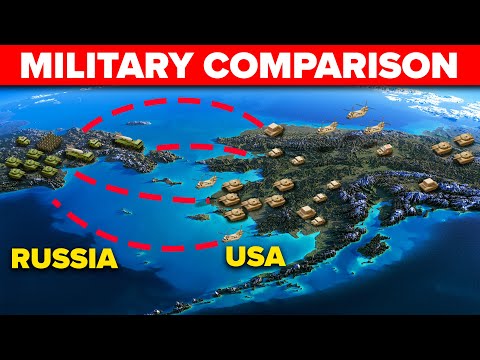
Russia vs. United States: A Historical and Sociological Analysis of Military Power Dynamics

Introduction: The Enduring Rivalry

The geopolitical landscape has long been shaped by the dynamic interplay between major global powers. Among the most significant and enduring rivalries is that between the United States of America and Russia. This historical antagonism, often characterized by complex ideological, economic, and military dimensions, continues to influence international relations and security paradigms. While often framed through a purely military lens, understanding this relationship requires a deeper dive into its historical roots, sociological underpinnings, and economic drivers.

This article aims to provide a comprehensive analysis, moving beyond simple numerical comparisons of military hardware. We will explore the historical trajectory of this rivalry, examine the sociological factors that contribute to national military strength, and consider the economic and technological underpinnings. By synthesizing academic perspectives with practical analytical approaches, we can gain a more nuanced understanding of the power dynamics at play.

Historical Context: From Cold War to Modern Geopolitics

The post-World War II era was dominated by the ideological struggle between the capitalist West, led by the United States, and the communist East, spearheaded by the Soviet Union (the predecessor to modern Russia). This period, known as the Cold War, was defined by a tense standoff, proxy conflicts, and a relentless arms race. The omnipresent threat of nuclear annihilation shaped global politics and fostered a climate of distrust.

The collapse of the Soviet Union in 1991 marked a significant shift. The United States emerged as the sole superpower, and for a time, it seemed as though a new era of international cooperation might prevail. However, Russia, under new leadership, gradually reasserted its influence on the global stage. Resentments over NATO expansion, perceived infringements on its sphere of influence, and a desire to restore national pride have fueled a resurgence of geopolitical competition.

Understanding this historical arc is crucial. It highlights how perceptions of threat, national identity, and historical grievances continue to shape contemporary military postures and diplomatic relations between these two nations. Examining sources from the era, such as historical analyses of the First World War's precursor tensions or the ideological battles of the 20th century, can provide valuable context.

Sociological Dimensions of Military Might

Military power is not merely a function of quantifiable assets; it is deeply intertwined with a nation's social fabric, its culture, and its values. Sociological factors play a pivotal role in shaping a nation's ability to mobilize resources, maintain morale, and sustain prolonged conflict. In both the United States and Russia, these dimensions are complex and multifaceted.

Consider the concept of national identity and patriotism. A strong sense of shared identity can foster collective will and support for military endeavors. Conversely, internal divisions or a lack of societal cohesion can undermine a nation's strength. The role of media, education, and cultural narratives in shaping public perception of military power and international relations cannot be overstated.

"The strength of a nation lies not only in its armies but in the unity and resolve of its people."

Furthermore, the social structures that support a military – from recruitment and training to the integration of veterans back into civilian life – are critical. A society that values its military personnel and provides robust support systems is likely to foster a more effective and sustainable defense force. Analyzing the impact of diversidad cultural within military ranks, or the societal acceptance of conscription versus a volunteer force, offers insights into these sociological dynamics.

The public's trust in institutions, including the military and government, is another crucial sociological factor. High levels of trust can translate into greater societal buy-in for defense policies, while widespread skepticism can lead to resistance and hinder national efforts. Examining the historical discourse around military interventions in both countries can illuminate these societal attitudes.

Economic and Technological Factors

The economic capacity of a nation is a fundamental determinant of its military capabilities. Sustaining a modern, technologically advanced military requires immense financial resources for research and development, procurement, maintenance, and personnel. Both the United States and Russia operate within vastly different economic frameworks, which significantly impact their military potential.

The United States boasts the world's largest economy, providing substantial funding for its military-industrial complex. This economic might enables continuous investment in cutting-edge technologies, such as advanced aircraft, naval vessels, and cyber warfare capabilities. The concept of economic growth and its correlation with military spending is a well-established area of study.

Russia, while possessing significant natural resources and a considerable defense industry, faces economic constraints that can impact its ability to match the sheer scale of US military expenditure. However, Russia has demonstrated a capacity for innovation, particularly in areas like hypersonic missiles and electronic warfare. The resilience of its economy in the face of international sanctions is also a relevant factor.

"Technological superiority, when coupled with economic backing, can confer a decisive advantage in modern warfare."

Technological advancements are continuously reshaping the nature of conflict. Countries that lead in innovation, particularly in areas like artificial intelligence, quantum computing, and cybersecurity, are likely to gain a strategic edge. The ongoing race for technological supremacy between the US and Russia is a critical aspect of their current rivalry. Examining the impact of sanctions and trade on technological development within both nations provides further depth to this analysis.

DIY Analysis: Deconstructing Military Comparisons

For those interested in critically assessing military comparisons presented in media or public discourse, adopting a structured analytical approach can be invaluable. This DIY guide outlines steps to dissect such information, fostering a more informed perspective.

  1. Identify the Source and its Potential Bias: Before accepting any comparison, scrutinize the origin. Is it from a reputable academic institution, a government report, a news outlet with a known stance, or a media channel like "The Infographics Show"? Understand that all sources may have inherent biases. For example, a video from a channel focused on entertainment might prioritize engagement over absolute factual neutrality.
  2. Define the Metrics Used: What specific criteria are being compared? Common metrics include personnel numbers (active, reserve), active combat tanks, armored vehicles, aircraft (fighters, bombers, helicopters), naval assets (aircraft carriers, submarines, destroyers), nuclear warheads, and defense spending (as a percentage of GDP or absolute figures). Note if qualitative aspects like troop training, morale, or technological sophistication are addressed, and how they are measured.
  3. Cross-Reference Data: Do not rely on a single source. Consult multiple reputable sources for comparative data. Look for reports from organizations like the Stockholm International Peace Research Institute (SIPRI) for arms spending, the International Institute for Strategic Studies (IISS) for military balance, or government defense department publications. Use your search skills to find data related to United States and Russia military statistics.
  4. Analyze the Contextual Factors: Numbers alone can be misleading. Consider geographical factors, geopolitical alliances (like NATO), economic stability, and the political will to engage in conflict. A nation with fewer tanks but superior air power and strong allies might possess a significant advantage.
  5. Evaluate Technological Superiority Claims: Is the claim of technological superiority substantiated with evidence, or is it a generalization? Research specific weapon systems and their deployment status. Look for reports on advancements in areas like artificial intelligence, cyber capabilities, and hypersonic technology.
  6. Consider Strategic Doctrines: Understand the military strategies and doctrines each nation employs. Are they primarily defensive, offensive, or geared towards power projection? This philosophical difference in approach significantly impacts how military assets are utilized and perceived.

By following these steps, you can move beyond superficial comparisons and develop a more critical and nuanced understanding of military power dynamics between nations like the USA and Russia.

Frequently Asked Questions

Q1: What is the primary historical driver of the rivalry between the US and Russia?
A1: The primary historical driver was the ideological and geopolitical competition during the Cold War, a period of intense rivalry between the capitalist United States and the communist Soviet Union (Russia's predecessor). While the Soviet Union collapsed, underlying geopolitical tensions and differing national interests have sustained a significant rivalry.

Q2: How does defense spending compare between the US and Russia?
A2: The United States consistently outspends Russia on defense by a significant margin. This allows the US to invest more heavily in advanced technology, research and development, and maintaining a global military presence.

Q3: Beyond numbers, what other factors contribute to a nation's military strength?
A3: Factors beyond numerical strength include technological sophistication, troop training and morale, strategic alliances, economic capacity to sustain military operations, intelligence capabilities, cyber warfare prowess, and the political will to use military force.

Q4: Is there a definitive "winner" in the military comparison between the US and Russia?
A4: Defining a definitive "winner" is complex and depends heavily on the specific scenario and metrics used. Both nations possess formidable military capabilities, including nuclear arsenals, making any direct large-scale conflict potentially catastrophic for both and the world. Their strengths lie in different areas, and their strategic doctrines also differ.

Conclusion: Beyond the Numbers

The comparison between the military might of the United States and Russia is far more intricate than a simple tally of tanks and soldiers. It is a narrative woven from historical grievances, evolving geopolitical strategies, deeply ingrained sociological factors, and the relentless march of technological innovation.

While quantitative analyses, such as those presented in infographics, offer a snapshot of current capabilities, they often fail to capture the full spectrum of national power. The resilience of a society, the ingenuity of its scientists, the strategic acumen of its leaders, and the strength of its alliances all play critical roles. Understanding this enduring rivalry requires a commitment to interdisciplinary analysis, drawing on history, sociology, economics, and political science.

Ultimately, the true measure of military power lies not just in destructive capacity but in the ability to deter conflict, maintain stability, and foster a secure global environment. The ongoing dialogue and potential for de-escalation, informed by a comprehensive understanding of each nation's capabilities and motivations, remain paramount.

The Unseen Fortress: Deconstructing the Security Apparatus of the Russian President

The security surrounding a head of state is often a subject of intense public fascination and speculation. When it comes to the President of Russia, the layers of protection are perceived as exceptionally robust, almost theatrical in their complexity. This intricate system is not merely about physical deterrence but represents a sophisticated interplay of historical precedent, modern threat assessment, technological innovation, and meticulously crafted protocols. Understanding this apparatus offers a unique lens through which to view the broader dynamics of statecraft, perceived threats, and the very nature of power in the contemporary world.

Introduction: Beyond the Public Persona

The image of a leader constantly shielded by an imposing retinue is a recurring trope across history and cultures. However, the reality of presidential security, particularly in a nation of Russia's geopolitical standing, transcends simple bodyguarding. It is an emergent property of historical experiences, ongoing geopolitical tensions, and the inherent vulnerabilities associated with high-profile leadership. This article delves into the multifaceted nature of the security measures surrounding the President of Russia, aiming to provide an academically informed perspective that goes beyond sensationalism.

Historical Roots of Presidential Security

The concept of protecting leaders is as old as leadership itself. From ancient monarchies employing Praetorian Guards to the elaborate security details of tsarist Russia, the necessity of safeguarding those in power has always been paramount. The turbulent history of the 20th century, including revolutions, assassinations, and global conflicts, significantly shaped the development of modern state security services. The Soviet Union, in particular, developed a formidable state security apparatus, the legacy of which continues to influence contemporary practices. Understanding this lineage is crucial for appreciating the depth and evolution of current security arrangements.

"The protection of the sovereign was not merely a matter of personal safety, but an embodiment of the state's stability and continuity."

The historical context reveals a consistent pattern: as the perceived threats to a leader increase, so too does the complexity and intrusiveness of their security measures. This is not unique to Russia, but the specific historical trajectory of the nation, marked by significant political upheaval, likely informs a particularly cautious approach.

The Modern Threat Landscape: Evolving Challenges

In the 21st century, the threats facing leaders have diversified dramatically. Beyond the traditional concerns of assassination attempts and physical attacks, modern leaders must contend with sophisticated espionage, cyber warfare, disinformation campaigns, and asymmetric threats from non-state actors. For a figure like the President of Russia, who occupies a prominent and often controversial position on the global stage, the spectrum of potential risks is exceptionally broad. This necessitates a security framework that is not only reactive but also proactive, constantly anticipating and mitigating potential dangers.

The integration of intelligence gathering, predictive analysis, and rapid response capabilities forms the backbone of contemporary presidential security. This involves a deep understanding of intelligence, drawing from various SEO principles to understand information dissemination and potential exploitation.

The Inner Circle: The Kremlin Guard

At the forefront of presidential protection is the dedicated service tasked with this responsibility, often referred to colloquially as the "Kremlin Guard." This is not a monolithic entity but a complex network of various agencies and units, each with specific roles. These include close protection details, tactical response teams, intelligence analysts, and logistical support staff. The selection and training of personnel within these units are exceptionally rigorous, emphasizing not only physical prowess but also psychological resilience, discretion, and unwavering loyalty. Their operational methodologies, while largely confidential, are believed to incorporate a wide array of tactical disciplines.

The operational radius around the President is meticulously managed. Every venue, every route, and every interaction is subject to thorough vetting. This process ensures that potential vulnerabilities are identified and neutralized long before they can pose a threat. This mirrors the meticulous planning seen in historical military campaigns, albeit with a focus on a single individual.

Technological Fortifications: Surveillance and Counter-Surveillance

Technology plays an indispensable role in modern presidential security. Advanced surveillance systems, secure communication networks, and counter-espionage measures are deployed extensively. This includes state-of-the-art defensive technologies aimed at detecting and neutralizing electronic eavesdropping, drone incursions, and other technologically advanced threats. The constant evolution of technology means that security services must continually adapt and upgrade their capabilities to stay ahead of potential adversaries.

"In the digital age, the battleground for security extends far beyond physical space, encompassing the complex and often invisible realm of cyberspace."

The integration of cutting-edge technology allows for real-time threat assessment and response. This includes sophisticated biometric identification systems, encrypted communication channels, and advanced threat detection algorithms. For insights into how technology is used in information security, one might explore discussions on cybersecurity and its application in protecting critical infrastructure.

Protocols and Procedures: A Glimpse into Operational Security

The effectiveness of any security detail ultimately hinges on its operational protocols and the adherence to them. For the President of Russia, these protocols are likely exhaustive, covering every conceivable scenario. This includes detailed emergency evacuation plans, contingency measures for different types of threats, and strict rules of engagement for security personnel. The principle of "defense in depth" is often employed, creating multiple layers of security to ensure that even if one fails, others remain effective.

These procedures are constantly refined based on intelligence assessments, past incidents, and simulations. The ability to adapt and learn from evolving threats is a hallmark of any high-performing security organization. Understanding operational security can draw parallels with the meticulous planning required for complex logistical operations, such as those described in articles on logistics.

DIY Analysis: Understanding Security Through the Ages

While direct analysis of presidential security is impossible for the public, we can deconstruct the principles by examining historical examples and applying them conceptually. This "DIY" approach involves understanding the core elements that constitute effective security for important figures or assets throughout history.

  1. Identify the Asset: Recognize what needs protecting. This could be a leader, a valuable artifact, or critical information. For this exercise, consider the "asset" as the historical significance and symbolic power of a particular figure.
  2. Analyze Perceived Threats: What are the potential dangers? Historically, these have included political rivals, public unrest, foreign powers, and internal dissent. Think about the specific context of the asset's era.
  3. Map the Historical Security Measures: Research how these threats were addressed in different historical periods. For example, consider the security surrounding Roman emperors (Praetorian Guard), medieval kings (knights, castle defenses), or revolutionary leaders (secret police, ideological indoctrination).
  4. Examine Technological Adoption: How did technological advancements influence security? From fortified walls and early firearms to modern surveillance and cyber defenses, technology has always been a key factor.
  5. Evaluate Operational Protocols: Consider the rules, training, and command structures involved. Were they rigid or adaptable? How did they handle emergencies? Think about the chain of command and information flow.
  6. Conceptualize a Modern Analog: Based on the historical analysis, how would you design a security apparatus for a contemporary leader, considering modern threats like cyberattacks, disinformation, and globalized risks? Think about the balance between overt and covert measures.

This exercise encourages a critical examination of security not as a static concept, but as a dynamic field shaped by history, technology, and evolving societal challenges. Understanding historical security measures can provide insights into contemporary practices, even if the specifics remain classified.

Frequently Asked Questions

Q1: How is the security of the Russian President different from that of other world leaders?
A1: While many leaders share similar security concerns, the perceived geopolitical threats, historical context, and the specific institutional legacy of Russia's security apparatus likely contribute to unique operational characteristics and intensity.

Q2: What is the primary role of the Federal Protective Service (FSO) in Russia?
A2: The Federal Protective Service of Russia (FSO) is the primary agency responsible for ensuring the security of top Russian officials, including the President. Its duties encompass close protection, securing residences and work sites, and counter-intelligence operations related to these functions.

Q3: How does technology factor into presidential security today?
A3: Technology is integral, involving advanced surveillance, secure communication systems, counter-surveillance measures, cybersecurity protocols, and rapid threat detection, forming a crucial layer of defense against modern threats.

Q4: Is it possible for the public to know the exact details of presidential security?
A4: No, the specific operational details, personnel, and technologies employed are highly classified for security reasons. Public information is generally limited to observable behaviors and broad principles.

In conclusion, the security surrounding the President of Russia is a complex, layered system designed to mitigate an array of contemporary and historical threats. It represents a significant investment in personnel, technology, and rigorous protocols, reflecting the high stakes associated with protecting a nation's leader in a complex global environment. While the specifics remain largely hidden from public view, understanding the underlying principles and historical evolution of such security apparatuses provides valuable insight into the mechanics of state power and the enduring challenges of leadership.