Mostrando las entradas para la consulta environmental-movements ordenadas por fecha. Ordenar por relevancia Mostrar todas las entradas

The Unfolding Journey: An Anthropological and Historical Look at Warthog Development

The journey from vulnerability to self-sufficiency is a fundamental narrative that echoes across species and cultures. While often studied through the lens of human development, societal structures, and historical milestones, the core principles of growth, adaptation, and survival are universal. This exploration delves into the fascinating life cycle of the common warthog (Phacochoerus africanus), framed by anthropological perspectives on early life stages, archaeological insights into how we understand the past through remnants, and the inherent narrative arcs that history presents.

Introduction: The Warthog's Cradle

The initial moments of life for any creature are fraught with peril. For the common warthog, this period is particularly critical. This documentary embarks on an intimate journey, following three young warthogs from the moment they first emerge from the safety of their mother's burrow until they transition into adulthood. This narrative mirrors broader themes in anthropology and archaeology, where understanding origins, early development, and the gradual acquisition of skills is paramount to comprehending the species or civilization.

Welcome to El Antroposofista, a space dedicated to unraveling the complexities of our world through the lenses of anthropology, archaeology, psychology, and history. We believe that understanding the development of other species can offer profound insights into our own evolutionary path and societal development. For the latest news and deeper dives into these subjects, we encourage you to visit our official blog: El Antroposofista Official Blog.

The Fragile Beginning: From Burrow to Birth

The warthog's life begins in the concealed safety of a burrow, often one appropriated from other animals like aardvarks or porcupines. The sow typically gives birth to a litter of 2 to 8 piglets. These newborns are remarkably altricial, meaning they are born blind, hairless, and entirely dependent on their mother. Their initial days are spent within the den, shielded from predators and the harsh elements of the African savanna.

The vulnerability of young warthogs underscores the critical role of maternal care and environmental safety in the early stages of development, a theme resonating throughout psychology and anthropology when studying human infant development.

The sow remains with her young, providing warmth, nourishment, and protection. This intensive period of care is crucial for the piglets' survival, building their strength and developing their basic physiological functions. The transition from the absolute confinement of the burrow to the external world is a significant milestone.

Navigating the Savanna: Growth and Learning

As the piglets grow, typically after a few weeks, they begin to venture out of the burrow under the watchful eye of their mother. This is a period of rapid learning and physical development. They start to explore their immediate surroundings, mimicking their mother's foraging behavior. Warthogs are omnivores, with their diet primarily consisting of roots, tubers, berries, bark, and occasionally insects or small carrion. The young warthogs learn to root for food, a skill that requires coordination and persistence.

Their physical characteristics begin to become more pronounced. The iconic tusks, which are elongated canine teeth, start to emerge and will continue to grow throughout their lives. Their coarse, bristly hair thickens, providing better protection. This phase is analogous to the early stages of learning in human children, where observation, imitation, and practice are key to acquiring essential life skills.

Social Dynamics and Survival

While warthogs are not typically found in large herds, they do live in social groups known as sounders, usually consisting of sows and their offspring. Mature boars are often solitary, only joining sounders during the mating season. The complex social interactions within the sounder play a vital role in the development and survival of young warthogs. Older siblings and other sows in the group can offer a degree of collective protection.

Predation is a constant threat. Lions, leopards, hyenas, and wild dogs all prey on warthogs. Young warthogs are particularly vulnerable. Their primary defense mechanisms include speed, agility, and the ability to seek refuge in burrows. When threatened, they can run surprisingly fast and often dive headfirst into a burrow, sometimes leaving their hindquarters exposed.

The constant interplay between vulnerability and adaptation in the warthog's life cycle offers a potent metaphor for understanding the challenges faced by early human societies, as explored in history and archaeology.

The learning process extends to recognizing danger, understanding social cues within the group, and mastering foraging techniques. This period of development is a testament to the resilience of life and the intricate ways in which species evolve to navigate their environments.

DIY Field Guide: Observing Wildlife Ethically

Understanding animal behavior is a cornerstone of anthropology and archaeology's interest in the human-animal bond and past ecological interactions. If you have the opportunity to observe wildlife, doing so ethically is paramount. Here’s a guide to get you started:

  1. Research Your Subject: Before observing, learn about the animal's typical behaviors, habitat, and dietary needs. Understand their social structures and potential threats.
  2. Choose Your Location Wisely: Select viewing spots that minimize disturbance to the animals and their environment. National parks and wildlife reserves often have designated observation areas.
  3. Maintain a Safe Distance: Use binoculars or a telephoto lens to observe without intruding on the animals' space. Never approach wild animals, especially if they appear agitated.
  4. Be Quiet and Patient: Avoid loud noises and sudden movements. Patience is key; wildlife operates on its own schedule. Simply being present and observing quietly can yield incredible insights.
  5. Respect Their Habitat: Do not leave any trash behind. Avoid feeding wild animals, as this can disrupt their natural diet and behavior, and potentially lead to dependency or disease transmission.
  6. Document Your Observations (Optional): If you wish to record your findings, do so unobtrusively. This could involve sketching, taking notes, or using a camera with a zoom lens. Compare your findings to existing anthropological records or archaeological findings about similar species or ecosystems.
  7. Educate Yourself Further: After your observation, research more about the species and the ecological principles at play. Consider the conservation status of the animals you observed and how human activity impacts them.

Historical Echoes: Understanding Wild Mammal Studies

The study of wild animals, from early naturalists to modern ethologists, forms a rich historical tapestry. Early explorers and natural philosophers meticulously documented flora and fauna, often driven by curiosity, scientific inquiry, or the desire to understand resources. Figures like Charles Darwin revolutionized our understanding of life's diversity and evolution through his extensive observations of animal life.

The advent of documentary filmmaking, as exemplified by this warthog chronicle, represents a significant advancement in disseminating knowledge about the natural world. These visual records serve as invaluable historical documents, capturing behaviors that might otherwise remain unseen and contributing to a broader understanding of biodiversity and conservation. This mirrors how archaeology uses material culture to reconstruct past human behaviors and environments.

Furthermore, the scientific study of animals is intrinsically linked to anthropology. Understanding animal behavior, social structures, and adaptation provides comparative models for examining human societies, their origins, and their interactions with the environment across different historical periods.

Frequently Asked Questions

What are the main predators of warthogs?

The primary predators of warthogs include lions, leopards, hyenas, and wild dogs. Young and less experienced warthogs are particularly vulnerable.

How long do warthogs typically live?

In the wild, warthogs typically live for about 15 years, though this can vary depending on environmental conditions and predation pressure. In captivity, they may live longer.

Are warthogs aggressive?

Warthogs can be aggressive, especially when threatened or protecting their young. While they generally prefer to flee from danger, they will defend themselves with their formidable tusks if cornered.

What is the most distinctive feature of a warthog?

The most distinctive features of a warthog are its large, upward-curving tusks (elongated canine teeth) and the pronounced warts on its face, particularly prominent in males. The tusks are used for defense, digging, and fighting.

How do warthogs communicate?

Warthogs communicate through a variety of vocalizations, including grunts, growls, and shrieks. They also use body language, such as tail posture, and scent marking to communicate with each other.

Conclusion: A Universal Narrative of Growth

The documentary's focus on the three young warthogs is more than just a portrayal of animal life; it's a reflection of universal developmental arcs. From the initial dependence within the burrow to the complex learning and social navigation of the savanna, their journey encapsulates themes of vulnerability, adaptation, and the drive for survival. These processes, studied through the scientific disciplines of anthropology, archaeology, and psychology, offer profound insights into life's continuity and resilience. The warthog's story, like so many others, reminds us of the intricate connections within the natural world and the enduring lessons that can be drawn from observing the lives of other species, enriching our understanding of our own place in the grand narrative of existence.

Odyssey on the High Seas: An Anthropological and Historical Analysis of Vigilancia Aduanera's Operations

Introduction: Beyond the Headlines

The documentary "Odyssey on the High Seas," produced by El País in collaboration with the Servicio de Vigilancia Aduanera (Spanish Customs Surveillance Service), offers a compelling glimpse into the high-stakes world of maritime law enforcement. While ostensibly a report on the apprehension of figures like Sito Miñanco, this narrative transcends a simple news report. From an anthropological, sociological, and historical perspective, it serves as a rich source for understanding the intricate interplay of power, culture, economics, and human behavior in the often-invisible struggle against illicit maritime activities. This article aims to dissect the documentary's content, not just as a record of events, but as a case study for applying rigorous academic inquiry to real-world operations, emphasizing practical analytical approaches.

Historical and Sociological Context of Maritime Surveillance

Maritime surveillance is not a modern phenomenon. Throughout history, the control of sea lanes has been paramount for trade, defense, and the projection of power. The establishment of customs and the need for enforcement agencies like the Vigilancia Aduanera are deeply rooted in the evolution of statehood and the development of international commerce. Sociologically, these operations highlight the societal constructs of legality and illegality, the enforcement of norms, and the social stratification that often underpins criminal enterprises operating across borders. Understanding the historical trajectory of maritime law enforcement, from ancient piracy to modern drug trafficking, provides a crucial backdrop for appreciating the complexity of current operations.

The challenges faced by agencies like the Vigilancia Aduanera are multifaceted, involving not only technical prowess but also an understanding of evolving criminal strategies. The historical context reveals a continuous cat-and-mouse game between enforcement and illicit actors, each adapting to new technologies and geopolitical shifts. For instance, the rise of globalized trade has inadvertently created new avenues for smuggling, necessitating sophisticated interdiction techniques. This historical dimension is vital for comprehending the persistent relevance of such surveillance services.

The sea has always been a frontier, a space of both immense opportunity and profound risk. Maritime surveillance is the state's attempt to impose order and extract value from this dynamic environment.

An Anthropological Lens on Maritime Law Enforcement

Anthropology offers a unique perspective by examining the cultural practices, social structures, and symbolic meanings embedded within maritime enforcement. This includes understanding the subcultures of seafarers, the operational cultures of law enforcement agencies, and the social networks that facilitate illicit activities. The documentary, by showcasing the operational environment and the individuals involved, provides raw material for analyzing:

  • Rituals and Practices: The daily routines, protocols, and specific actions undertaken by the Vigilancia Aduanera officers.
  • Social Organization: The hierarchical structures within the agency, the teamwork dynamics, and the relationships with other governmental bodies.
  • Symbolism: The significance of vessels, equipment, uniforms, and the very act of interdiction as symbols of state authority and control.
  • Cultural Adaptation: How criminal organizations adapt their methods and logistics in response to enforcement pressures, reflecting a dynamic cultural evolution within illicit economies.

From an antropología perspective, the documentary becomes a window into a specific occupational culture, revealing norms, values, and unspoken rules that govern the actions of those involved in maritime security. Examining these aspects helps us move beyond a purely legalistic or strategic analysis to understand the human elements at play.

Applying Archaeological Principles to Data Analysis

While seemingly disparate, archaeological methodologies offer powerful frameworks for analyzing the vast amounts of data generated by maritime surveillance. Archaeology is fundamentally about reconstructing past human behavior from material remains and contextual information. In this context, the "material remains" can be considered the data logs, sensor readings, intercepted communications, and physical evidence gathered during operations. The principles include:

  • Contextualization: Understanding where and when data points were recorded is crucial. A single data point is meaningless without its surrounding context – the time of day, the location, the weather, the type of vessel, etc.
  • Stratigraphy (Layering of Information): Similar to excavating layers of soil, analyzing data chronologically or by operational phase can reveal patterns and evolution. Early warning signs might be buried beneath subsequent events.
  • Association: Identifying correlations between different data sets – e.g., a specific vessel signature appearing in proximity to known smuggling routes during certain weather conditions.
  • Pattern Recognition: Using techniques akin to identifying tool use or settlement patterns to detect anomalies, habitual routes, or modus operandi of illicit actors.

The application of these principles allows for a more systematic and rigorous analysis of surveillance data, moving beyond reactive responses to proactive intelligence gathering.

DIY Data Analysis: Reconstructing Operational Narratives

For those interested in applying these analytical frameworks, a "Do It Yourself" approach to data reconstruction can be illuminating. While access to real-time surveillance data is restricted, we can simulate the process using publicly available information or hypothetical scenarios. This practical exercise sharpens analytical skills and deepens understanding.

Taller Práctico DIY: Reconstructing a Hypothetical Maritime Interdiction Scenario

  1. Define the Objective: Imagine you are tasked with analyzing potential smuggling routes in a specific maritime region (e.g., the Mediterranean Sea or the coast of a particular country).
  2. Gather Contextual Data: Collect publicly available information on:
    • Major shipping lanes and ports in the region.
    • Known patterns of illicit activities (e.g., drug trafficking, human smuggling) based on news reports or open-source intelligence (OSINT).
    • Environmental factors: prevailing winds, currents, typical weather patterns throughout the year.
    • Geopolitical factors: maritime borders, areas of increased patrol activity.
  3. Create a Hypothetical Timeline: Based on your gathered data, construct a plausible timeline of a smuggling operation. For example:
    • Day 1: Vessel departs from a known source port under normal conditions.
    • Day 2: Vessel deviates from standard shipping lanes during nighttime hours.
    • Day 3: Vessel approaches a rendezvous point, potentially with smaller craft, in a remote area.
    • Day 4: Suspicious transfer or offloading occurs; vessel resumes a course towards a destination port, possibly altering its identification signals.
  4. Identify Data "Signatures": For each stage of your hypothetical timeline, list the types of data that would be critical for surveillance:
    • AIS (Automatic Identification System) data: Tracking vessel movements, speed, and course. Look for anomalies like unexpected stops or course changes.
    • Radar data: Detecting vessels that may not be transmitting AIS.
    • Satellite imagery: Visual confirmation of vessel activity, potential transfers, or unusual gatherings.
    • Interdicted communications: Analyzing radio traffic or other signals for coded language or suspicious exchanges.
    • Physical evidence: If an interdiction occurs, analyzing cargo manifests, vessel modifications, or crew statements.
  5. Simulate Analysis: Imagine you receive fragmented pieces of this data. How would you piece them together? What questions would you ask? For instance, if you see a vessel loitering in an unusual area, you'd cross-reference its AIS data with radar logs and look for any intercepted communications around that time. Apply the archaeological principles:
    • Context: Was this loitering in a known smuggling hotspot?
    • Association: Were other suspicious vessels nearby at the same time?
    • Stratigraphy: Did this behavior follow a pattern observed over previous days or weeks?
  6. Draw Conclusions (Hypothetical): Based on your simulated analysis, formulate a hypothesis about the vessel's activities and suggest potential next steps for enforcement. This exercise hones your ability to think critically about data and operational intelligence, mirroring the analytical challenges faced by real-world agencies.

This practical approach, grounded in the principles of archaeology and data analysis, allows individuals to engage with the complexities of maritime surveillance in a hands-on manner.

The Psychology of Interdiction and Enforcement

The documentary likely touches upon the psychological dimensions for both the enforcers and the enforced. For the Vigilancia Aduanera officers, the work demands immense psychological resilience, discipline, and the ability to make split-second decisions under pressure. This involves:

  • Stress Management: Operating in dangerous environments, facing potential threats, and dealing with the ethical complexities of their work.
  • Decision-Making Under Uncertainty: Assessing risks and making critical choices based on incomplete information.
  • Team Cohesion: The importance of trust and communication within operational teams.

Conversely, understanding the psychology of those engaged in illicit activities is also crucial for effective psychology and enforcement strategies. This might include analyzing risk-taking behaviors, motivations (economic, social, or coercion), and the psychological impact of capture and incarceration.

The psychology of deterrence and apprehension is as vital as the technology and tactics employed. Understanding human motivation is key to dismantling criminal networks.

Frequently Asked Questions

What is the primary role of the Servicio de Vigilancia Aduanera?

The Spanish Customs Surveillance Service (Servicio de Vigilancia Aduanera) is a law enforcement agency responsible for preventing and combating smuggling, fraud, and other economic crimes, particularly those involving customs duties and taxes. They also play a significant role in fighting drug trafficking and other organized crime activities, often operating at sea.

How does archaeology relate to analyzing surveillance data?

Archaeology provides methods for reconstructing past human activity from fragmented evidence. Applying these principles to surveillance data involves contextualizing information, identifying associations between different data points, and recognizing patterns over time, much like an archaeologist analyzes artifacts and their strata to understand ancient societies.

What are some key anthropological insights into maritime law enforcement?

Anthropology can reveal the cultural practices, social structures, occupational subcultures, and symbolic meanings associated with maritime law enforcement and illicit activities. It helps understand the human element, the norms, values, and behaviors of individuals and groups involved.

Can ordinary individuals practice "DIY data analysis" in this context?

While access to classified operational data is impossible, individuals can practice analytical skills by reconstructing hypothetical scenarios using publicly available information (shipping manifests, news reports, weather data) and applying logical reasoning and pattern recognition, similar to the methods used in archaeological interpretation.

What psychological factors are important in maritime interdiction?

Key psychological factors include the high-pressure decision-making and stress management required of enforcement officers, as well as understanding the motivations and risk-taking behaviors of individuals involved in illicit maritime activities.

Conclusion: A Call for Interdisciplinary Understanding

"Odyssey on the High Seas" is more than a documentary; it's a complex social phenomenon that invites a multidisciplinary approach. By applying the rigorous analytical tools of anthropology, sociology, history, archaeology, and psychology, we can gain a far deeper appreciation for the challenges and intricacies of maritime surveillance. The "DIY" aspect underscores that these analytical skills are not solely the domain of academics but can be cultivated by anyone interested in understanding the hidden workings of our world. The continued success of agencies like the Vigilancia Aduanera relies not only on cutting-edge technology but also on a profound understanding of human behavior and historical context, knowledge that can be actively pursued and applied.

We encourage further exploration into the cultural and historical dimensions of law enforcement and the application of analytical techniques to complex datasets. Your thoughts and insights are invaluable in the comments section below.

The Prestige Disaster: A Twenty-Year Retrospective—An Anthropological and Historical Analysis

The sinking of the oil tanker Prestige off the coast of Galicia, Spain, in November 2002, remains a pivotal moment in environmental history and a potent case study for understanding human responses to ecological crises. This disaster, which unleashed a devastating oil slick along the Iberian Peninsula's coastline, has left an indelible mark on the collective memory, prompting critical reflections across various academic disciplines. This article delves into the multifaceted repercussions of the Prestige disaster, examining it through the lenses of anthropology, sociology, and history, while also considering the enduring lessons learned and the practical applications for future crisis management.

The Prestige Disaster: A Lingering Shadow

Two decades on, the Prestige disaster continues to resonate, not merely as an environmental catastrophe but as a profound human event. The initial response, the long-term ecological damage, and the subsequent societal mobilization offer a rich tapestry for academic inquiry. This exploration seeks to move beyond a simple chronicle of events, aiming to synthesize the academic discourse surrounding the Prestige, highlighting its enduring relevance for understanding disaster response, environmental ethics, and the intricate relationship between humanity and the natural world. We will explore the immediate aftermath, the community's response, the governmental handling, and the lasting environmental and cultural scars.

Historical Context: A Maritime Tragedy Unfolds

The Prestige, a single-hull oil tanker, was sailing from Malta to Gibraltar carrying 77,000 tons of heavy fuel oil when it encountered a severe storm approximately 150 nautical miles off the coast of Galicia on November 13, 2002. The ensuing structural damage led to a desperate six-day saga of attempted towing, attempts to move the vessel further offshore, and eventual catastrophic sinking on November 19, 2002. The decision-making processes during these critical days have been subject to intense scrutiny, raising questions about risk assessment, emergency protocols, and the prioritization of safety over environmental protection.

The Prestige disaster was not just an environmental event; it was a profound societal shock, exposing vulnerabilities in maritime safety regulations and governmental crisis management.

This historical period was marked by increasing concerns over the safety of aging oil tankers, particularly those with single hulls, which were more susceptible to catastrophic failure. The Prestige incident, tragically, became the starkest illustration of these latent risks, forcing a global re-evaluation of maritime transport safety standards. The incident also highlighted the complex geopolitics of maritime disasters, as decisions regarding the ship's fate were made under immense pressure and with far-reaching implications.

Anthropological Perspectives: Community Resilience and Identity

From an anthropological standpoint, the Prestige disaster offers a compelling case study in community resilience and the shaping of collective identity. The affected coastal communities in Galicia, deeply intertwined with the sea for generations through fishing and maritime trade, faced an existential threat. The oil spill not only devastated their immediate livelihoods but also challenged their cultural heritage and sense of place.

The mobilization of thousands of volunteers, many of whom came from outside the affected regions, to clean up the oil slicks is a testament to human solidarity and the power of collective action. This voluntary effort, often dubbed "the white tide" (la marea blanca), became a powerful symbol of resistance against the perceived inaction and mismanagement of the authorities. Anthropologists have analyzed this phenomenon as a form of community resilience, where social bonds, shared values, and a common purpose enable societies to cope with and recover from adversity.

Furthermore, the disaster deeply impacted the cultural identity of Galicia. The sea is not merely an economic resource but a fundamental element of Galician culture, art, and folklore. The contamination of this sacred space engendered a profound sense of loss and a heightened awareness of environmental vulnerability. The subsequent efforts to restore the coastline and rebuild the fishing industry became intertwined with the reassertion of Galician identity and a demand for greater environmental stewardship.

Sociological Analysis: Governance, Protest, and Collective Action

The sociological analysis of the Prestige disaster centers on the interplay between governance, public response, and the dynamics of collective action. The initial handling of the crisis by Spanish authorities, characterized by confusion, perceived indecisiveness, and a delay in requesting international assistance, drew widespread criticism. This response fueled a powerful wave of public protest and demands for accountability.

The emergence of environmental movements and organizations in the wake of the Prestige spill underscores the growing influence of civil society in environmental governance. Groups like Greenpeace and various local associations played a crucial role in monitoring the situation, advocating for stricter regulations, and mobilizing public opinion. The disaster served as a catalyst for strengthening the environmental movement in Spain and beyond, highlighting the importance of citizen engagement in environmental protection.

The 'never again' (nunca máis) slogan, which became synonymous with the Prestige protests, encapsulated a collective demand for improved governance and a commitment to preventing similar future tragedies.

Sociologists have also examined the legal and political ramifications of the disaster, including the criminal proceedings against the ship's captain and former government officials. The pursuit of justice and accountability, while complex and protracted, is a critical aspect of post-disaster recovery, aiming to restore public trust and deter future negligence. The legal battles surrounding the Prestige underscored the challenges in assigning responsibility in international maritime incidents.

Environmental Impact and Long-Term Consequences

The environmental consequences of the Prestige disaster were severe and long-lasting. The 64,000 tons of oil that leaked into the Atlantic Ocean spread over approximately 1,700 km of coastline, primarily in Spain, but also affecting Portugal and France. The heavy fuel oil was particularly damaging, clinging to coastlines and marine ecosystems for extended periods.

Marine life suffered immensely. Thousands of seabirds perished, and numerous species of fish, shellfish, and marine mammals were directly impacted by the oil. The fishing industry, the economic backbone of many coastal communities, was paralyzed for months, leading to significant economic hardship and job losses. Beyond the immediate visible damage, concerns remain about the long-term effects on marine biodiversity, the food chain, and the overall health of the Atlantic ecosystem.

The cleanup operations were monumental, involving tens of thousands of volunteers and professionals. The methods employed, while necessary, also raised questions about their environmental impact. The disaster spurred advancements in oil spill response technologies and emergency preparedness protocols. It also intensified the debate about the risks associated with transporting fossil fuels via sea and the urgent need for a transition to cleaner energy sources.

Lessons Learned: Towards a More Resilient Future

The Prestige disaster provided invaluable, albeit tragic, lessons that continue to inform disaster management and environmental policy. Key takeaways include:

  • Improved Maritime Safety Regulations: The Prestige incident was a significant factor in the acceleration of measures to phase out single-hull oil tankers and improve ship construction and maintenance standards. International bodies like the International Maritime Organization (IMO) have since implemented stricter regulations.
  • Enhanced Crisis Communication and Coordination: The initial communication failures highlighted the need for clear, transparent, and timely information dissemination during crises. Effective coordination between local, national, and international agencies is paramount.
  • Strengthened Environmental Monitoring and Response: The disaster underscored the importance of robust systems for monitoring environmental risks and having well-rehearsed emergency response plans in place. Investment in cleanup technologies and trained personnel is crucial.
  • The Power of Citizen Engagement: The mobilization of volunteers demonstrated the critical role of civil society in disaster response and advocacy. Empowering communities and fostering a sense of shared responsibility can significantly enhance resilience.
  • Transition to Sustainable Energy: The Prestige disaster served as a stark reminder of the inherent risks associated with fossil fuel transportation and strengthened the arguments for transitioning towards renewable and sustainable energy sources.

DIY Practical Guide: Understanding Environmental Risk Assessment

Understanding environmental risk is crucial for proactive mitigation. While a full professional risk assessment is complex, here’s a simplified approach individuals and communities can consider:

  1. Identify Potential Hazards: List potential environmental threats specific to your location. For coastal communities, this might include oil spills, storms, or coastal erosion. For inland areas, it could be floods, industrial accidents, or pollution from nearby facilities.
  2. Assess Vulnerability: Determine what assets are at risk. This could be your home, local businesses, natural habitats, critical infrastructure (like water treatment plants), or cultural heritage sites. Consider the susceptibility of these assets to the identified hazards.
  3. Analyze Exposure: How likely is it that a hazard will occur, and what is the potential magnitude of its impact? For example, a community located near a major shipping lane is more exposed to the risk of an oil spill than an inland community.
  4. Evaluate Existing Preparedness: What measures are currently in place to prevent or respond to these hazards? This could include emergency services, warning systems, building codes, or individual preparedness kits.
  5. Determine Risk Level: Combine the likelihood of occurrence, the potential impact, and the existing preparedness measures to estimate the overall risk level (e.g., low, medium, high).
  6. Develop Mitigation and Response Strategies: Based on the risk level, identify actions to reduce the likelihood or impact of the hazard (mitigation) and plan how to respond if an event occurs (response). This could involve lobbying for better regulations, participating in community drills, or creating personal emergency plans.

Frequently Asked Questions

Q1: What caused the Prestige disaster?
A1: The Prestige, an oil tanker, suffered structural damage during a storm off the coast of Spain, leading to its sinking and the release of its cargo of heavy fuel oil. The exact cause of the initial damage remains a subject of debate, but the ship's single-hull design and the severe weather were contributing factors.

Q2: How much oil was spilled into the ocean?
A2: Approximately 64,000 tons of heavy fuel oil were spilled into the Atlantic Ocean. The ship was carrying 77,000 tons in total.

Q3: What were the long-term environmental effects?
A3: The oil slick contaminated over 1,700 km of coastline, devastating marine ecosystems, killing thousands of seabirds, and severely impacting the fishing industry for years. Long-term effects on biodiversity and marine health are still being studied.

Q4: What lessons were learned from the Prestige disaster?
A4: Key lessons include the need for stricter maritime safety regulations (especially regarding single-hull tankers), improved crisis communication and coordination, enhanced environmental monitoring, the importance of citizen engagement, and the urgency of transitioning to sustainable energy sources.

Q5: Has Spain recovered from the Prestige disaster?
A5: While significant efforts have been made to clean up the coastline and restore marine ecosystems, the Prestige disaster left deep environmental, economic, and social scars. The region has strived for recovery, but the memory and lessons of the catastrophe remain a crucial part of its history.

Conclusion and Final Reflection

The Prestige disaster stands as a somber monument to the consequences of human actions on the delicate balance of our planet. Its legacy is not merely one of ecological devastation but also a powerful narrative of human resilience, collective action, and the enduring quest for accountability. By examining this event through anthropological, sociological, and historical lenses, we gain a deeper understanding of the intricate connections between humanity, technology, and the environment. The "never again" spirit that emerged from the disaster continues to inspire efforts towards greater environmental protection, safer maritime practices, and a more sustainable future. The DIY guide on risk assessment offers a small step towards empowering individuals and communities to engage more actively in safeguarding their environments. The Prestige incident reminds us that our relationship with the natural world demands constant vigilance, ethical consideration, and a profound respect for the ecosystems that sustain us.

We invite you to share your thoughts and reflections on the Prestige disaster and its lessons in the comments section below. How has this event shaped your understanding of environmental responsibility?

Official Blog International Maritime Organization (IMO)

Anthropological Archives: A Practical Guide to Preserving and Accessing Documentary Funds

The preservation and accessibility of historical documentation constitute a cornerstone of anthropological, archaeological, and historical research. These archival "funds," as they are often termed, are not mere repositories of the past but dynamic resources that fuel our understanding of human societies, cultures, and their evolution. This article delves into the critical importance of documentary archives, offers practical insights into their management, and outlines how researchers and enthusiasts alike can effectively engage with these invaluable collections.

Introduction: The Enduring Significance of Archives

In an era saturated with digital ephemera, the tangible records of human endeavor held within archives remain indispensable. The term "Fons documental" points to the very essence of archival work: the careful collection, organization, and preservation of materials that narrate our collective story. From ancient manuscripts to contemporary digital records, these funds provide the raw data for historical analysis, anthropological interpretation, and archaeological reconstruction. They are the bedrock upon which scholarly inquiry is built, offering unfiltered glimpses into past lives, societal structures, and cultural practices.

This exploration aims to demystify the world of archival research. We will examine the nature of documentary funds, discuss best practices for their preservation, and provide actionable steps for accessing and utilizing them for research. Furthermore, for those interested in personal preservation, a practical guide on creating and managing personal archives will be included.

Understanding Documentary Funds: More Than Just Paper

Documentary funds are not monolithic. They encompass a vast array of materials, each offering unique perspectives:

  • Manuscripts and Personal Papers: Diaries, letters, memoirs, and personal correspondence offer intimate insights into individual lives and societal attitudes.
  • Official Records: Government documents, legal proceedings, census data, and administrative records illuminate the workings of institutions and the evolution of governance.
  • Organizational Archives: Records from businesses, non-profits, and associations reveal patterns of economic activity, social movements, and community life.
  • Photographic and Audiovisual Materials: Photographs, films, audio recordings, and oral histories provide powerful visual and auditory evidence of past events and cultural expressions.
  • Digital Records: Increasingly, archives are incorporating born-digital materials, presenting new challenges and opportunities for preservation and access.

The concept of a "fund" often implies a coherent collection originating from a single source, such as an individual, family, or organization. This organic unity aids in contextualizing the information contained within. As scholars like Pierre Bourdieu have highlighted, understanding the social and historical context of a document is as crucial as the document itself.

"Archives are the memory of the world. Without them, we are adrift, disconnected from our past and uncertain about our future."

Archival Preservation: A Proactive Approach

The longevity of documentary funds depends on rigorous preservation strategies. Key aspects include:

  • Environmental Control: Maintaining stable temperature and humidity levels, minimizing exposure to light, and preventing pest infestation are crucial for the physical integrity of paper-based materials.
  • Handling Procedures: Researchers and archivists must follow strict protocols to avoid damage, such as using clean hands or gloves, supporting fragile documents, and avoiding folding or creasing.
  • Conservation and Restoration: Trained conservators can address existing damage, stabilize deteriorating materials, and, where appropriate, undertake restoration efforts.
  • Digital Preservation: For digital records, this involves ensuring format migration, data integrity checks, and secure storage to guard against obsolescence and data loss.

The International Council on Archives (ICA) provides extensive guidelines on archival best practices. Adhering to these standards ensures that these irreplaceable resources remain accessible for future generations.

"The meticulous work of archival preservation is a silent but vital contribution to the continuity of human knowledge. It requires dedication, expertise, and a profound respect for the past."

Access and Research: Unlocking Archival Potential

Accessing archival materials typically involves navigating catalogs, requesting items, and conducting research on-site or, increasingly, through digitized collections. Researchers must often demonstrate a legitimate need for access, particularly for sensitive or restricted materials.

Steps for Effective Archival Research:

  1. Identify Relevant Archives: Determine which institutions hold collections pertinent to your research topic. Utilize online databases, institutional websites, and scholarly networks. Consider archives in fields like anthropology, archaeology, and history.
  2. Consult Finding Aids: Once potential archives are identified, consult their finding aids or collection guides. These inventories provide detailed descriptions of the materials, helping you pinpoint relevant documents.
  3. Submit a Research Request: Follow the institution's procedures for requesting access. This may involve filling out forms, providing identification, and outlining your research project.
  4. Prepare for On-Site Research: If visiting in person, be aware of the archive's rules regarding note-taking, photography, and personal belongings.
  5. Engage Critically with Sources: Remember that archival documents are not objective truths. Analyze them within their historical context, considering the author's perspective, purpose, and potential biases.

The digital revolution has opened up vast possibilities. Many archives now offer online catalogs and digitized collections, making primary sources accessible globally. Platforms offering data sets and infographics derived from archival research also play a role in disseminating knowledge.

DIY Archival Practice: Personal Collections

The principles of archival management can be applied to personal collections, whether they are family heirlooms, personal writings, or research notes. This "DIY Archival Practice" empowers individuals to preserve their own histories.

  1. Identify and Gather Materials: Collect documents, photographs, letters, and other items that hold personal or historical significance. Consider items related to your family history, your own life experiences, or research projects.
  2. Organize and Catalog: Group related items together. Create a simple catalog or inventory listing each item, its date, origin, and a brief description. This helps in understanding the collection as a whole.
  3. Choose Appropriate Storage: Use acid-free folders, boxes, and sleeves to protect paper documents and photographs. Store them in a cool, dry, dark place, away from potential hazards like leaky pipes or direct sunlight.
  4. Handle with Care: Treat all materials gently. If items are fragile, consider digitizing them for easier access and preservation of the original.
  5. Consider Long-Term Preservation and Access: Think about who will inherit your collection and how they might access it. For significant collections, consider depositing them with a local historical society or archive, if appropriate.
"Your personal history is a vital thread in the larger tapestry of human experience. By curating your own archives, you contribute to that rich narrative."

Frequently Asked Questions

What is the difference between an archive and a library?

Libraries primarily collect published materials like books and journals, focusing on broad dissemination. Archives, on the other hand, collect unpublished primary source materials (manuscripts, records, etc.) and often focus on specific collections or subjects, emphasizing preservation and in-depth research.

How can I access digitized archival materials?

Many archives offer online catalogs with digitized collections. Websites of national archives, university libraries, and specialized historical societies are good starting points. Look for sections labeled "Digital Collections," "Online Archives," or similar.

Is it permissible to photograph archival documents for personal research?

Policies vary by institution. Some archives allow photography for personal research with certain restrictions (e.g., no flash photography), while others may only allow it for a fee or not at all, especially for fragile items or if copyright restrictions apply. Always check the archive's specific policies.

What are "primary sources" and "secondary sources"?

Primary sources are original materials from the time period being studied (e.g., letters, diaries, artifacts, government records). Secondary sources are interpretations or analyses of primary sources, created later (e.g., history books, scholarly articles).

How can I start a personal archive if I have limited space?

Focus on digitizing important items. Use high-resolution scanners or smartphone scanning apps. Organize digital files logically with clear naming conventions and store them securely on external hard drives and cloud storage services. Prioritize items that are most meaningful or historically significant.

In conclusion, documentary archives are indispensable resources for understanding the human past. Whether engaging with established institutions or curating personal collections, the principles of careful preservation, thoughtful organization, and critical analysis remain paramount. By valuing and actively utilizing these historical funds, we enrich our present and illuminate our future.

The Resilient Life of Langtang: Agriculture, Wild Honey, and Survival on the Himalayan Edge

The rugged, unforgiving landscapes of the Himalayas have long been home to communities whose lives are intricately woven with the rhythms of nature and the demands of survival. In the region of Langtang, Nepal, the inhabitants have carved out an existence marked by resilience, traditional practices, and a deep connection to their environment. This exploration delves into the economic activities, the inherent risks, and the essential skills that define the lives of the Langtang people, offering a window into a world where human tenacity confronts formidable natural challenges.

Introduction: A Glimpse into Langtang

Langtang, a pristine valley nestled in the Himalayas, is more than just a geographical location; it is a testament to human adaptation. For centuries, its inhabitants have cultivated a life that balances subsistence with unique income-generating activities. This post seeks to illuminate the core aspects of their daily existence, focusing on their agricultural base and the more perilous, yet vital, pursuit of wild honey.

Our journey into understanding the Langtang community is rooted in the fields of anthropology and archaeology, examining how cultural practices evolve within specific environmental constraints. We also touch upon the psychology of risk-taking inherent in their livelihood and the broader history of human settlement in such challenging terrains.

The Foundation: Agriculture in Langtang

The cornerstone of the Langtang people's sustenance is agriculture. In this high-altitude environment, the agricultural calendar is dictated by the short growing seasons and the availability of water. The villagers cultivate crops that are hardy and well-suited to the mountainous climate, forming the bedrock of their daily diet and a degree of self-sufficiency.

These agricultural practices are not merely about food production; they represent a deep-seated knowledge passed down through generations. Understanding the soil, the weather patterns, and the optimal times for planting and harvesting are crucial skills that ensure the community's continuity. This traditional farming forms the stable base upon which other economic ventures are built.

The Sweet Risk: Wild Honey Collection

While agriculture provides a stable foundation, a significant portion of the Langtang people's income is derived from a far more hazardous occupation: the collection of wild honey. This practice is not for the faint of heart. It involves extensive travel, often traversing difficult and treacherous terrain.

The honey collectors must navigate long distances, scaling steep cliffs and descending into precipitous ravines to reach the nests of wild bees. The primary challenge, beyond the physical exertion and the danger of falls, is the aggressive nature of these Himalayan bees. The collectors must employ specific techniques and knowledge to extract the honey while minimizing the risk of painful and potentially dangerous stings.

"The pursuit of wild honey in Langtang is a stark reminder of the extreme measures individuals undertake to secure their livelihoods when conventional economic opportunities are limited by geography."

This activity highlights a fascinating interplay between human ingenuity and natural resources. The ability to gather honey, a valuable commodity both for local consumption and potential trade, showcases the resourcefulness of the Langtang community. It’s a practice steeped in tradition, where the knowledge of bee behavior and the safest methods of extraction are passed down through oral traditions and direct mentorship.

Essential Skills for the Himalayan Terrain

Surviving and thriving in a region like Langtang requires a unique and diverse skillset. The agricultural demands necessitate knowledge of soil management, crop rotation, and adaptation to high-altitude farming. This includes understanding the properties of local seeds and the effects of climate on yield.

However, the honey harvesting elevates the required skills to a remarkable level. Individuals must possess:

  • Exceptional climbing and rappelling abilities: The ability to safely ascend and descend treacherous cliffs is paramount.
  • Knowledge of local flora and fauna: Understanding the bees' habitats, their seasonal movements, and the plants they frequent is crucial for locating nests.
  • Risk assessment and management: The capacity to evaluate dangers, such as unstable terrain or aggressive bee colonies, and to implement mitigation strategies.
  • Proficiency in traditional techniques: Using specialized tools and methods passed down through generations to harvest honey without provoking the bees unnecessarily.
  • Resilience and physical endurance: The sheer physical demands of the job require extraordinary stamina and mental fortitude.

These skills are not merely vocational; they are integral to the cultural identity and survival strategy of the Langtang people. The successful transmission of this knowledge from elders to younger generations ensures the continuation of these vital practices.

Broader Anthropological Perspectives

The lifestyle in Langtang offers a compelling case study for various anthropological theories. It exemplifies how communities develop specialized economic niches in response to environmental pressures, a concept explored in ecological anthropology. The social organization surrounding activities like honey harvesting can also shed light on social structures, risk-sharing mechanisms, and communal decision-making, areas of interest within cultural anthropology.

Furthermore, the narrative of Langtang resonates with broader themes of migration and citizenship in remote areas. While not directly about emigration, it addresses how people maintain their connection to a place and develop a unique form of belonging through shared hardship and tradition. The documentation of such lives also falls under the purview of ethnographic research, a key practice in anthropology.

"The intricate relationship between the Langtang people and their environment underscores the adaptability of human societies and the diverse strategies employed for survival and prosperity across the globe."

The study of such communities enriches our understanding of human diversity and the myriad ways in which people interact with and shape their worlds. It is a reminder that progress and development can take many forms, not always aligning with urbanized or industrialized models.

DIY Guide: Basic Beekeeping Safety

While harvesting wild honey as depicted in Langtang involves extreme risks, understanding basic beekeeping safety principles can be applied to more managed scenarios or simply to foster respect for these vital pollinators. Here’s a simplified guide:

  1. Wear Protective Gear: Always wear a full bee suit, including a veiled hood, gloves, and boots. Ensure there are no gaps where bees can enter.
  2. Approach Calmly: Move slowly and deliberately when approaching a beehive. Avoid sudden movements or loud noises that might agitate the bees.
  3. Use Smoke Sparingly: A smoker can be used to calm bees. Apply a few puffs of cool smoke near the hive entrance. Smoke masks the alarm pheromones bees release when disturbed.
  4. Work During Cooler Parts of the Day: Bees are generally less active during cooler parts of the day, such as early morning or late evening, and on cooler, overcast days.
  5. Minimize Disturbance: Open the hive for the shortest time necessary. Avoid unnecessary jostling of frames or colonies.
  6. Identify and Avoid Aggressive Colonies: If a colony is consistently highly defensive, consider relocating it or seeking expert advice before attempting to harvest.
  7. Have an Exit Strategy: Always know your escape route in case of a bee swarm or defensive reaction.
  8. Clean Up: Ensure no honey or sugary substances are left accessible to bees after your work, as this can attract them and lead to robbing or aggression.

This guide is for informational purposes regarding safe practices around managed hives and does not endorse or instruct on the dangerous practice of wild honey harvesting as seen in Langtang.

Frequently Asked Questions

What are the primary economic activities in Langtang?

The primary economic activities in Langtang are agriculture for subsistence and the collection of wild honey for income. Tourism also plays a role in the region, particularly for trekking.

What makes wild honey collection in Langtang so dangerous?

The danger stems from the challenging terrain (steep cliffs, precipices) and the aggressive nature of the wild Himalayan bees, which can inflict numerous stings on collectors.

What skills are essential for Langtang inhabitants?

Essential skills include agricultural knowledge for high-altitude farming, exceptional climbing and rappelling abilities, knowledge of local wildlife, risk assessment, and proficiency in traditional harvesting techniques.

How does Langtang represent broader anthropological themes?

Langtang serves as a case study in ecological adaptation, cultural resilience, specialized economic niches in challenging environments, and the transmission of traditional knowledge across generations.

The lives of the people in Langtang, Nepal, offer a profound narrative of human resilience against the backdrop of extreme natural conditions. Their reliance on agriculture provides a fundamental base, while the perilous yet rewarding endeavor of collecting wild honey demonstrates an extraordinary level of courage and specialized skill. Understanding their world not only broadens our perspective on human adaptation but also highlights the diverse tapestry of livelihoods that exist across our planet. The stories from Langtang invite us to reflect on the ingenuity and tenacity inherent in the human spirit when faced with the raw power of nature.

The Dawn of Us: Unraveling Homo Sapiens' Evolutionary Journey and Migratory Prowess

Our lineage, *Homo sapiens*, emerged approximately 400,000 years ago, marking a pivotal moment in the grand tapestry of life on Earth. These early anatomically modern humans were not confined to a single cradle. Their descendants embarked on epic voyages, traversing vast oceans and formidable mountain ranges, demonstrating an extraordinary capacity to adapt to an astonishing array of climates and environments. This inherent drive to survive and transcend perceived boundaries has been a defining characteristic of our species throughout history. Welcome to El Antroposofista, your premier online destination for in-depth exploration of anthropology, archaeology, psychology, and history. We are dedicated to providing comprehensive insights into the human story. For the latest groundbreaking discoveries and analyses in these fields, we invite you to explore our official blog: El Antroposofista Official Blog.
If you appreciate the content and wish to support our ongoing research and dissemination of knowledge, consider visiting our store for unique and exclusive NFTs at competitive prices.

The Genesis of Homo Sapiens

The emergence of *Homo sapiens* is a subject of intense scientific inquiry, with current estimates placing their origins around 400,000 years ago in Africa. This period represents a significant evolutionary leap, not merely in physical form but in cognitive capabilities. Unlike their hominin predecessors, *Homo sapiens* began to exhibit more complex behaviors, including sophisticated tool use, early forms of symbolic expression, and a greater capacity for social organization. The fossil record, coupled with advances in paleogenetics, continues to refine our understanding of this crucial period.
The development of complex language and symbolic thought was likely a key factor in the success and expansion of *Homo sapiens*.
The transition from earlier hominin species to *Homo sapiens* was not a singular event but a gradual process. Different populations likely developed distinct traits, and interbreeding played a role in shaping our genetic heritage. Understanding this intricate web of ancestry requires drawing upon multiple scientific disciplines, from anthropology and archaeology to psychology and genetics.

The Great Migrations and Adaptations

Once established, *Homo sapiens* displayed an unparalleled migratory drive. These were not random wanderings but strategic movements driven by a confluence of factors: resource availability, population pressure, climate change, and an innate curiosity. The ability to adapt to diverse environments—from the frigid landscapes of the Pleistocene to the scorching heat of equatorial regions—is a testament to human ingenuity and biological plasticity. These migrations were not linear paths but complex networks of dispersal and intermingling. Early humans encountered and, in some instances, interbred with other hominin groups, such as Neanderthals and Denisovans. Traces of this ancient admixture are still present in the DNA of modern human populations today, offering a fascinating glimpse into our shared past. The study of immigration patterns, both ancient and modern, provides crucial context for understanding human settlement and cultural diffusion across the globe.
The capacity to cross continents and oceans, adapting to radically different ecological niches, is arguably the most significant distinguishing feature of *Homo sapiens* throughout prehistory.

Unearthing the Past: Archaeological Insights

Archaeological sites are invaluable time capsules, offering tangible evidence of our ancestors' lives. Excavations have revealed sophisticated stone tools, evidence of fire control, early burial practices, and the beginnings of artistic expression. Sites like Çatalhöyük in Turkey or the cave paintings of Lascaux in France provide profound insights into the cognitive and social worlds of our ancient forebears. The methods employed in archaeological practice are constantly evolving. Techniques such as radiocarbon dating, DNA analysis, and remote sensing allow researchers to reconstruct past environments, track migration routes, and understand ancient technologies with unprecedented accuracy. The meticulous work of archaeologists provides the empirical foundation for much of our understanding of early human history.

The Ascent of Culture and Cognition

The evolution of *Homo sapiens* is inseparable from the evolution of culture and cognition. The development of language facilitated complex communication, enabling the transmission of knowledge, traditions, and social norms across generations. This cultural transmission allowed for rapid adaptation and innovation, surpassing biological evolution in its pace and scope. The emergence of symbolic behavior—evident in art, ritual, and ornamentation—suggests a growing capacity for abstract thought and self-awareness. These cultural developments were not mere byproducts of biological evolution but active forces that shaped human societies and propelled our species' dominance. Understanding the interplay between culture and language is fundamental to comprehending the human experience.

DIY Practical Guide: Mapping Ancestral Migrations

Embarking on a journey to visualize early human migration can be a rewarding intellectual exercise. This guide provides a basic framework for creating your own conceptual map of ancestral movements.
  1. Gather Reliable Sources: Consult academic texts, reputable websites (e.g., those from archaeological institutions or universities), and documentaries that discuss early human migration patterns. Focus on established scientific consensus. Keywords for searching include: "Homo sapiens migration routes," "Out of Africa theory," "Paleolithic archaeology," "Human genetic history."
  2. Identify Key Migration Waves and Routes: Based on your research, identify the major waves of migration out of Africa and subsequent dispersal across continents. Note the approximate timeframes for each major movement. Look for established routes, such as those across the Sinai Peninsula, through the Levant, and across land bridges that once existed (like Beringia).
  3. Select a Mapping Medium: You can use physical materials like large paper or a whiteboard, or digital tools. For digital mapping, consider using open-source geographic information system (GIS) software (like QGIS) if you have some technical inclination, or even simpler online map creation tools.
  4. Outline the Continents and Major Geographical Features: Draw or import a base map of the world, highlighting continents, major mountain ranges, oceans, and rivers. Remember that coastlines and land bridges may have differed significantly during the periods you are mapping.
  5. Represent Migration Routes: Use arrows of different colors or styles to denote distinct migration waves or hypothetical routes. Label each arrow with the approximate timeframe (e.g., "c. 70,000 BCE," "c. 45,000 BCE").
  6. Indicate Key Archaeological Sites: Mark important archaeological sites discovered along these migration routes. These serve as evidence points for your mapped movements. Examples might include sites in East Africa, the Middle East, South Asia, and Europe.
  7. Incorporate Environmental Factors (Optional but Recommended): Briefly note significant climatic conditions or environmental challenges faced by early migrants in different regions (e.g., ice ages, arid periods).
  8. Add Explanatory Notes: Include a legend or brief annotations to explain symbols, arrow meanings, and the significance of specific sites or environmental conditions. This transforms your map from a simple illustration into an informative tool.

This DIY approach allows for a tangible understanding of the vast scale and complexity of our species' journey across the planet. It's a practical application of the historical and anthropological data we explore.

Frequently Asked Questions

When did Homo sapiens first appear?

Current scientific consensus estimates the emergence of anatomically modern *Homo sapiens* to be around 400,000 years ago, with significant evolutionary developments occurring in Africa.

What drove early human migration?

Early human migrations were likely driven by a combination of factors including the search for resources (food and water), population growth, climatic changes, and perhaps an innate exploratory drive.

Did Homo sapiens encounter other hominin species?

Yes, genetic evidence strongly suggests that *Homo sapiens* encountered and interbred with other hominin species, such as Neanderthals and Denisovans, as they migrated out of Africa.

How do scientists study ancient human migration?

Scientists use a variety of methods, including the analysis of fossil remains, archaeological evidence (tools, settlements, art), and genetic studies of modern and ancient DNA.

What is the significance of the "Out of Africa" theory?

The "Out of Africa" theory posits that modern humans originated in Africa and subsequently migrated to populate the rest of the world, replacing earlier hominin populations. It is the most widely supported model for human origins.

Conclusion

The story of *Homo sapiens* is a narrative of resilience, adaptability, and relentless exploration. From our African origins to our global dispersal, we have continually pushed boundaries, adapting to the most challenging environments and evolving not just biologically, but culturally and cognitively. The ongoing research in anthropology and archaeology continues to illuminate this extraordinary journey, reminding us of our shared heritage and the deep roots of human civilization. Understanding this past is crucial for navigating the complexities of our present and future.

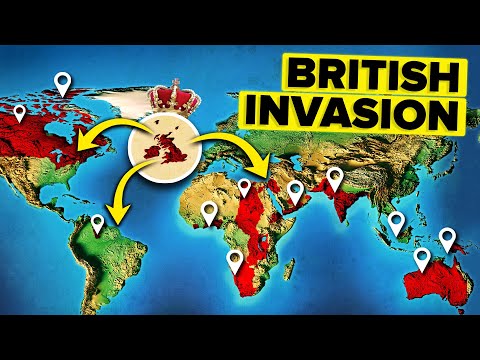
The Unprecedented Reach: How the British Empire Conquered 90% of the World

The annals of history are replete with tales of conquest and empire-building, but few expansions rival the sheer global dominion achieved by the British Empire at its zenith. It is a staggering historical fact that at one point, the British Empire controlled territory in virtually every corner of the globe, an astonishing feat that encompassed roughly 90% of the world's countries. This article delves into the intricate tapestry of strategies, socio-political forces, and historical circumstances that enabled this unprecedented global reach, transforming the world map and shaping modern geopolitical landscapes. The question that inevitably arises is not merely *if* Britain achieved such widespread control, but *how*. Understanding the mechanisms behind this vast imperial expansion offers profound insights into international relations, the evolution of global power structures, and the enduring legacies of colonialism. From military might to economic exploitation, and from diplomatic maneuvering to the sheer serendipity of exploration, a complex interplay of factors contributed to the formation and sustenance of an empire upon which, it was famously said, the sun never set.

Table of Contents

The Scale of Empire: A World Under British Influence

The sheer geographical extent of the British Empire was unparalleled. At its peak in the early 20th century, it covered approximately a quarter of the Earth's land surface and governed over 400 million people, a fifth of the world's population. This vast dominion was not a monolithic entity but a sprawling network of colonies, dominions, protectorates, and mandates, each with varying degrees of autonomy and integration into the imperial structure. The process of expansion was not a singular, unified effort but a gradual, often opportunistic, accumulation of territories over centuries. It began with the establishment of trading posts and colonies in the Americas, the Caribbean, and India, and later extended to Africa, Asia, and Oceania. This global presence allowed Britain to exert influence, control trade routes, and project power across continents and oceans. The impact of this global reach on indigenous populations, local economies, and the very fabric of societies was profound and often devastating, leaving a complex legacy that continues to be debated and analyzed by scholars in fields like Antropología and historia.

Mechanisms of Conquest: Tools of Imperial Expansion

The British Empire's success was not solely due to brute force, though military superiority played a significant role. A sophisticated, multi-faceted approach was employed: * **Naval Supremacy**: Control of the seas was paramount. The Royal Navy’s dominance allowed Britain to project power globally, secure trade routes, and transport troops and resources to distant shores. This naval might was a direct result of technological advancements and sustained investment, a key aspect explored in historia of warfare. * **Military Prowess**: While often outnumbered, British forces, utilizing superior tactics, discipline, and weaponry, were frequently victorious. The organization and effectiveness of the British army and navy were crucial in subjugating local resistance. * **Diplomacy and Alliances**: Britain was adept at forging alliances with local rulers or rival powers, often playing them against each other to achieve its objectives. Treaties, often unequal and coercive, were used to formalize control. * **Exploration and Cartography**: British explorers played a vital role in mapping uncharted territories, identifying resources, and paving the way for subsequent colonization. The drive for discovery was intertwined with imperial ambitions, a theme often studied in Arqueología and exploration history. * **Technological Advantage**: Innovations in weaponry, communication (like the telegraph), and transportation (steamships, railways) facilitated the administration and control of vast, distant territories.
The ability to project power across vast distances, facilitated by naval supremacy and technological innovation, was a cornerstone of British imperial expansion.

Economic Drivers: The Engine of Empire

Economics was undeniably the primary engine driving British imperial expansion. The pursuit of resources, markets, and trade routes fueled the relentless drive to acquire and control territories. * **Mercantilism and Trade**: Early expansion was driven by mercantilist policies aimed at accumulating wealth through trade. Colonies were viewed as sources of raw materials and captive markets for British manufactured goods. * **Industrial Revolution**: The Industrial Revolution in Britain created an insatiable demand for raw materials such as cotton, rubber, and minerals, which could be sourced from colonies. It also generated a surplus of manufactured goods seeking new markets. * **Resource Exploitation**: Colonies were systematically exploited for their natural resources, including precious metals, agricultural products, and later, oil and other industrial materials. This extraction often occurred with little regard for local economies or environmental sustainability. * **Financial Capital**: The accumulation of wealth allowed for significant investment in overseas ventures, infrastructure projects (like railways and ports), and further military expansion, creating a self-perpetuating cycle of imperial growth. The study of economic imperialism is a vital component of understanding modern historia and SociologíaDigital.

Social and Ideological Underpinnings: Justifying Dominance

Beyond the pragmatic considerations of military and economic power, the British Empire was also sustained by a complex set of social attitudes and ideologies that justified its dominance. * **The "Civilizing Mission"**: A pervasive belief system emerged, positing that Britain had a moral duty to "civilize" the peoples of its colonies. This paternalistic ideology, often termed the "White Man's Burden," asserted the superiority of British culture, religion, and governance, and framed colonial rule as a benevolent act of upliftment. * **Social Darwinism and Racism**: Pseudoscientific theories of racial hierarchy and Social Darwinism were often invoked to justify imperial rule, portraying colonized peoples as inherently inferior and incapable of self-governance. These racist ideologies underpinned many colonial policies and practices. * **Nationalism and Prestige**: Imperial expansion became intertwined with national pride and prestige. Owning a vast empire was seen as a measure of a nation's power and importance on the world stage, fostering a competitive dynamic among European powers. * **Missionary Zeal**: Religious missionaries often accompanied or preceded colonial administrators, seeking to convert indigenous populations to Christianity and, in doing so, often inadvertently facilitating the spread of British culture and influence.
The ideology of the 'civilizing mission,' though presented as altruistic, served to legitimize the economic exploitation and political subjugation inherent in colonial rule.

Resistance and Legacy: The Enduring Impact

It is crucial to acknowledge that imperial expansion was rarely met with passive acceptance. Resistance, in various forms, was a constant feature of the colonial era, ranging from localized uprisings and guerilla warfare to sophisticated political movements advocating for self-determination. The struggle for independence in numerous former colonies represents a critical chapter in global historia. The legacy of the British Empire is multifaceted and continues to shape the contemporary world. While it contributed to the spread of the English language, legal systems, and certain infrastructure, its impact is also marked by economic disparities, political instability, and deep-seated social and cultural divisions in many post-colonial nations. Understanding this legacy requires a critical engagement with historical narratives and an appreciation for the diverse perspectives of those who experienced imperial rule. The fields of Antropología and psicología offer valuable lenses through which to examine the lasting psychosocial impacts of colonialism.

DIY Historical Analysis: Understanding Imperial Footprints

Analyzing the impact of empires on a local scale can be a rewarding intellectual exercise. Here’s a practical guide to begin exploring the historical footprints of imperial powers in your region or a place you are interested in.
  1. Identify a Specific Location or Region: Choose a town, city, or region that you know has a history of being influenced or colonized by an external power (e.g., British, French, Spanish, etc.).
  2. Research Local Archives and Historical Societies: Visit local libraries, Arqueología departments at nearby universities, or historical societies. Look for records, maps, photographs, and oral histories related to the period of imperial influence.
  3. Examine Architectural Remains: Identify buildings or structures from the imperial era. Look for architectural styles, materials, and urban planning elements that differ from the indigenous architecture. For instance, colonial administrative buildings, military forts, or railway stations often bear distinct markers. Consider how these structures were integrated into or imposed upon the existing landscape.
  4. Analyze Place Names: Research the origins of street names, neighborhood names, and geographical features. Many place names are direct legacies of colonial administrators, rulers, or geographical surveys conducted during imperial rule. This can be a fascinating exercise in tracing historical presence, often a topic in Antropología.
  5. Investigate Economic and Agricultural Changes: Look into historical records about land use, crops, and trade. Did the imperial power introduce new crops, farming techniques, or economic systems? Were resources extracted or exploited? This ties directly into understanding the economic drivers of historia.
  6. Explore Cultural and Linguistic Influences: Note any loanwords in the local dialect, lingering customs, or social practices that may have originated from the imperial power. Consider how these influences manifest in contemporary society. The study of CulturaYLenguaje is essential here.
  7. Consult Academic Literature: Search for academic articles or books specifically on the history of your chosen location during the imperial period. Use search terms related to the imperial power, the region, and keywords like "colonialism," "imperialism," or "post-colonialism." Resources on Antropología and historia are abundant online through university archives and academic journals.

Frequently Asked Questions

Why is it said that the British Empire controlled 90% of the world?

This figure is an approximation often cited to convey the vast scale of the British Empire at its peak. It refers to the number of independent countries that existed at the time which fell under British rule, administration, or significant influence, rather than 90% of the Earth's landmass.

What was the main motivation behind British imperialism?

While complex and evolving, the primary motivations were economic gain (access to raw materials and markets), strategic advantage (control of trade routes and geopolitical dominance), and ideological factors (such as the "civilizing mission" and national prestige).

Was the British Empire solely built on military conquest?

No, military conquest was a significant tool, but the empire was also built through diplomacy, trade agreements (often unequal), settlement, and strategic alliances. Economic exploitation and the projection of political and ideological influence were equally crucial.

What is the lasting legacy of the British Empire today?

The legacy is varied and includes the widespread use of the English language, the establishment of parliamentary systems and common law in many nations, and interconnected global trade networks. However, it also includes significant challenges such as economic disparities, political instability, and cultural divisions in former colonies.

How did other European powers contribute to global imperialism?

Alongside Britain, other European powers like France, Spain, Portugal, the Netherlands, Belgium, and Germany also established vast colonial empires, driven by similar economic, strategic, and ideological motivations. This competition for territory and resources significantly shaped global history.

The expansion of the British Empire represents a pivotal period in human history, characterized by ambition, innovation, and immense power. Its mechanisms of conquest, driven by economic imperatives and underpinned by powerful ideologies, reshaped the global map and left an indelible mark on countless societies. By critically examining its strategies, impacts, and enduring legacies, we gain a deeper understanding of the forces that have shaped our interconnected world.