Mostrando las entradas para la consulta history lessons ordenadas por fecha. Ordenar por relevancia Mostrar todas las entradas

The Unfolding Journey: An Anthropological and Historical Look at Warthog Development

The journey from vulnerability to self-sufficiency is a fundamental narrative that echoes across species and cultures. While often studied through the lens of human development, societal structures, and historical milestones, the core principles of growth, adaptation, and survival are universal. This exploration delves into the fascinating life cycle of the common warthog (Phacochoerus africanus), framed by anthropological perspectives on early life stages, archaeological insights into how we understand the past through remnants, and the inherent narrative arcs that history presents.

Introduction: The Warthog's Cradle

The initial moments of life for any creature are fraught with peril. For the common warthog, this period is particularly critical. This documentary embarks on an intimate journey, following three young warthogs from the moment they first emerge from the safety of their mother's burrow until they transition into adulthood. This narrative mirrors broader themes in anthropology and archaeology, where understanding origins, early development, and the gradual acquisition of skills is paramount to comprehending the species or civilization.

Welcome to El Antroposofista, a space dedicated to unraveling the complexities of our world through the lenses of anthropology, archaeology, psychology, and history. We believe that understanding the development of other species can offer profound insights into our own evolutionary path and societal development. For the latest news and deeper dives into these subjects, we encourage you to visit our official blog: El Antroposofista Official Blog.

The Fragile Beginning: From Burrow to Birth

The warthog's life begins in the concealed safety of a burrow, often one appropriated from other animals like aardvarks or porcupines. The sow typically gives birth to a litter of 2 to 8 piglets. These newborns are remarkably altricial, meaning they are born blind, hairless, and entirely dependent on their mother. Their initial days are spent within the den, shielded from predators and the harsh elements of the African savanna.

The vulnerability of young warthogs underscores the critical role of maternal care and environmental safety in the early stages of development, a theme resonating throughout psychology and anthropology when studying human infant development.

The sow remains with her young, providing warmth, nourishment, and protection. This intensive period of care is crucial for the piglets' survival, building their strength and developing their basic physiological functions. The transition from the absolute confinement of the burrow to the external world is a significant milestone.

Navigating the Savanna: Growth and Learning

As the piglets grow, typically after a few weeks, they begin to venture out of the burrow under the watchful eye of their mother. This is a period of rapid learning and physical development. They start to explore their immediate surroundings, mimicking their mother's foraging behavior. Warthogs are omnivores, with their diet primarily consisting of roots, tubers, berries, bark, and occasionally insects or small carrion. The young warthogs learn to root for food, a skill that requires coordination and persistence.

Their physical characteristics begin to become more pronounced. The iconic tusks, which are elongated canine teeth, start to emerge and will continue to grow throughout their lives. Their coarse, bristly hair thickens, providing better protection. This phase is analogous to the early stages of learning in human children, where observation, imitation, and practice are key to acquiring essential life skills.

Social Dynamics and Survival

While warthogs are not typically found in large herds, they do live in social groups known as sounders, usually consisting of sows and their offspring. Mature boars are often solitary, only joining sounders during the mating season. The complex social interactions within the sounder play a vital role in the development and survival of young warthogs. Older siblings and other sows in the group can offer a degree of collective protection.

Predation is a constant threat. Lions, leopards, hyenas, and wild dogs all prey on warthogs. Young warthogs are particularly vulnerable. Their primary defense mechanisms include speed, agility, and the ability to seek refuge in burrows. When threatened, they can run surprisingly fast and often dive headfirst into a burrow, sometimes leaving their hindquarters exposed.

The constant interplay between vulnerability and adaptation in the warthog's life cycle offers a potent metaphor for understanding the challenges faced by early human societies, as explored in history and archaeology.

The learning process extends to recognizing danger, understanding social cues within the group, and mastering foraging techniques. This period of development is a testament to the resilience of life and the intricate ways in which species evolve to navigate their environments.

DIY Field Guide: Observing Wildlife Ethically

Understanding animal behavior is a cornerstone of anthropology and archaeology's interest in the human-animal bond and past ecological interactions. If you have the opportunity to observe wildlife, doing so ethically is paramount. Here’s a guide to get you started:

  1. Research Your Subject: Before observing, learn about the animal's typical behaviors, habitat, and dietary needs. Understand their social structures and potential threats.
  2. Choose Your Location Wisely: Select viewing spots that minimize disturbance to the animals and their environment. National parks and wildlife reserves often have designated observation areas.
  3. Maintain a Safe Distance: Use binoculars or a telephoto lens to observe without intruding on the animals' space. Never approach wild animals, especially if they appear agitated.
  4. Be Quiet and Patient: Avoid loud noises and sudden movements. Patience is key; wildlife operates on its own schedule. Simply being present and observing quietly can yield incredible insights.
  5. Respect Their Habitat: Do not leave any trash behind. Avoid feeding wild animals, as this can disrupt their natural diet and behavior, and potentially lead to dependency or disease transmission.
  6. Document Your Observations (Optional): If you wish to record your findings, do so unobtrusively. This could involve sketching, taking notes, or using a camera with a zoom lens. Compare your findings to existing anthropological records or archaeological findings about similar species or ecosystems.
  7. Educate Yourself Further: After your observation, research more about the species and the ecological principles at play. Consider the conservation status of the animals you observed and how human activity impacts them.

Historical Echoes: Understanding Wild Mammal Studies

The study of wild animals, from early naturalists to modern ethologists, forms a rich historical tapestry. Early explorers and natural philosophers meticulously documented flora and fauna, often driven by curiosity, scientific inquiry, or the desire to understand resources. Figures like Charles Darwin revolutionized our understanding of life's diversity and evolution through his extensive observations of animal life.

The advent of documentary filmmaking, as exemplified by this warthog chronicle, represents a significant advancement in disseminating knowledge about the natural world. These visual records serve as invaluable historical documents, capturing behaviors that might otherwise remain unseen and contributing to a broader understanding of biodiversity and conservation. This mirrors how archaeology uses material culture to reconstruct past human behaviors and environments.

Furthermore, the scientific study of animals is intrinsically linked to anthropology. Understanding animal behavior, social structures, and adaptation provides comparative models for examining human societies, their origins, and their interactions with the environment across different historical periods.

Frequently Asked Questions

What are the main predators of warthogs?

The primary predators of warthogs include lions, leopards, hyenas, and wild dogs. Young and less experienced warthogs are particularly vulnerable.

How long do warthogs typically live?

In the wild, warthogs typically live for about 15 years, though this can vary depending on environmental conditions and predation pressure. In captivity, they may live longer.

Are warthogs aggressive?

Warthogs can be aggressive, especially when threatened or protecting their young. While they generally prefer to flee from danger, they will defend themselves with their formidable tusks if cornered.

What is the most distinctive feature of a warthog?

The most distinctive features of a warthog are its large, upward-curving tusks (elongated canine teeth) and the pronounced warts on its face, particularly prominent in males. The tusks are used for defense, digging, and fighting.

How do warthogs communicate?

Warthogs communicate through a variety of vocalizations, including grunts, growls, and shrieks. They also use body language, such as tail posture, and scent marking to communicate with each other.

Conclusion: A Universal Narrative of Growth

The documentary's focus on the three young warthogs is more than just a portrayal of animal life; it's a reflection of universal developmental arcs. From the initial dependence within the burrow to the complex learning and social navigation of the savanna, their journey encapsulates themes of vulnerability, adaptation, and the drive for survival. These processes, studied through the scientific disciplines of anthropology, archaeology, and psychology, offer profound insights into life's continuity and resilience. The warthog's story, like so many others, reminds us of the intricate connections within the natural world and the enduring lessons that can be drawn from observing the lives of other species, enriching our understanding of our own place in the grand narrative of existence.

Juanmi Esteban's Comeback: Injury, Documentary, and the Road to IRONMAN World Championship

Introduction: The Resilience of an Athlete

Welcome back to El Antroposofista, your nexus for deep dives into anthropology, archaeology, psychology, and history. Today, we shift our focus from the grand narratives of civilizations to the compelling personal journeys of individuals. Our subject is Juanmi Esteban, an athlete whose recent experiences highlight the profound interplay of physical challenge, personal narrative, and the unwavering pursuit of monumental goals.

Esteban is preparing for his return to elite competition, with a firm commitment to competing in the IRONMAN World Championship (IMWC). This journey is not merely about physical recovery; it's a testament to human resilience, strategic planning, and the power of storytelling through documentary filmmaking. We will explore his path, drawing parallels to broader anthropological concepts of ritual, perseverance, and the construction of identity in the face of adversity.

The Journey Through Adversity: Injury and Resilience

The path to the IMWC is arduous for any athlete. For Juanmi Esteban, this path has been recently complicated by injury. This setback, however, serves as a critical juncture, not an endpoint. In anthropological terms, injury can be seen as a form of 'liminality' – a state of being betwixt and between, stripped of former status and on the cusp of a new one. The recovery process is akin to a ritual, involving specific practices and a transformation of self.

This period of recovery demands immense psychological fortitude. The discipline required to rehabilitate mirrors the self-control needed in endurance sports. It calls upon psychological strategies that are fundamental to sports psychology, focusing on goal setting, positive self-talk, and visualizing success. The meticulous nature of physical therapy and training adjustments requires a form of 'DIY' (Do It Yourself) engagement with one's own physical and mental state.

"The body is a temple, but also a battlefield. It's in moments of vulnerability, like injury, that we truly discover the strength of our spirit and the effectiveness of our recovery strategies."

Documentary: Capturing the Human Spirit

To document this challenging phase and his ambitious comeback, a documentary is in the works. This is more than just a film; it's an act of narrative construction. In anthropology and history, we understand that human experience is often best understood through stories. These narratives shape our understanding of ourselves and our place in the world.

The documentary will likely explore several key themes relevant to our fields:

  • Identity Reconstruction: How does an athlete redefine themselves after a significant injury?
  • Ritual and Practice: The daily grind of training and therapy as a modern form of ritual.
  • Community and Support: The role of coaches, family, and fans in the recovery process.
  • The Pursuit of the Extraordinary: Examining the motivations behind aiming for an event like the IRONMAN World Championship.

This cinematic exploration provides a valuable case study for understanding how personal challenges are framed and interpreted, influencing both the individual's journey and the audience's perception. It’s a way of making abstract concepts of resilience and determination tangible.

The Comeback Strategy: Targeting the IMWC

Esteban's declaration to return to the IMWC is a strategic statement of intent. The IRONMAN World Championship is an unparalleled test of human endurance, requiring mastery over multiple disciplines: swimming, cycling, and running, culminating in a marathon. Achieving this requires meticulous planning and execution.

From a archaeological and historical perspective, the training regimens for such events echo ancient practices of physical preparation for warfare or arduous journeys. The dedication to perfecting each segment – from open-water swimming techniques to pacing strategies for the marathon – is a form of applied science and personal engineering.

The comeback strategy involves:

  • Phased Rehabilitation: Gradual increase in training intensity.
  • Nutritional Optimization: Fueling the body for extreme demands.
  • Mental Conditioning: Building psychological resilience for race day.
  • Strategic Event Selection: Potentially competing in qualifying races to regain form.

This structured approach underscores the blend of physical prowess and strategic thinking essential for elite athletic performance.

"Success in endurance sports is not just about having the strongest muscles, but the most resilient mind. The mental game is where the real victory is often forged, long before the finish line."

DIY Athlete Mindset: Cultivating Resilience

The journey of an athlete like Juanmi Esteban offers valuable lessons that extend beyond the realm of sports. The "Do It Yourself" aspect is paramount in cultivating the mindset needed to overcome significant challenges. Here’s how to apply principles of athlete resilience to your own life:

  1. Define Your "IMWC": Identify a significant, long-term goal in your personal or professional life. This provides direction and purpose.
  2. Break It Down (The Training Plan): Divide your ultimate goal into smaller, manageable steps. What are the weekly or monthly targets that will lead you there? Think of these as your training sessions.
  3. Embrace the 'Injury' (Setbacks): When faced with obstacles or failures, view them not as defeats, but as opportunities for learning and adaptation. Analyze what went wrong and adjust your strategy.
  4. Develop Your Recovery Protocol: Just as an athlete needs a recovery plan, you need strategies to bounce back from setbacks. This might include seeking advice, rest, or re-evaluating your approach.
  5. Build Your Support Network: Identify individuals who can offer encouragement, advice, or practical help. This could be mentors, friends, or family members.
  6. Practice Mental Rehearsal: Visualize yourself successfully overcoming challenges and achieving your goals. This mental training can build confidence and prepare you for difficult moments.
  7. Focus on Consistent Effort: Like daily training, consistent small efforts towards your goal are more effective than sporadic bursts of intense activity.

Frequently Asked Questions

What is the significance of the IRONMAN World Championship?

The IRONMAN World Championship in Kailua-Kona, Hawaii, is widely considered the pinnacle event in long-distance triathlon. It represents the ultimate test of human endurance, speed, and mental toughness, bringing together the world's best elite athletes and age-group competitors.

How do athletes typically recover from major injuries?

Recovery is a multi-faceted process involving physical therapy, gradual reintroduction to training, proper nutrition, adequate rest, and significant psychological adjustment. Athletes often work with a team of specialists, including doctors, physiotherapists, and sports psychologists.

What role does documentary filmmaking play in understanding human experience?

Documentaries offer a powerful medium for exploring complex human experiences, challenges, and triumphs. They provide insights into individual journeys, cultural phenomena, and historical events, often fostering empathy and deeper understanding by presenting real-life narratives.

Can the principles of athletic training be applied to other areas of life?

Absolutely. Concepts like goal setting, discipline, perseverance, strategic planning, and resilience, honed through athletic training, are directly transferable to academic pursuits, career development, personal projects, and overcoming life's general adversities.

Juanmi Esteban's journey is a compelling narrative of athletic ambition, the harsh realities of injury, and the transformative power of dedicated recovery and storytelling. As he gears up for his return, his story reminds us that the human spirit, when combined with rigorous planning and unwavering determination, can indeed overcome significant obstacles. We will continue to follow his progress with keen interest.

```

Sahara: A Child's Odyssey Through the Great Desert

Welcome to El Antroposofista, your premier destination for insightful exploration into the realms of anthropology, archaeology, psychology, and history. Today, we delve into the stark magnificence of one of the world's most iconic landscapes, drawing inspiration from the documentary "Sahara, An Odyssey in the Desert," originally featured on National Geographic.

Introduction: The Sahara Through Young Eyes

The vast, undulating dunes of the Sahara Desert hold an allure that has captivated human imagination for millennia. Often perceived as an empty, inhospitable void, it is, in reality, a crucible of life, culture, and profound historical narratives. This article expands upon the premise of the National Geographic documentary, "Sahara, An Odyssey in the Desert," by examining the experience through the insightful lens of a nine-year-old boy. His fresh perspective offers a unique entry point into understanding the complexities of this immense ecosystem and the human spirit's resilience within it.

The journey of a child into such an environment is not merely a physical passage; it is an intellectual and emotional odyssey. It invites us to reconsider our preconceptions and to appreciate the Sahara not just as a geographical feature, but as a dynamic stage for human history and anthropology. We will explore the documentary's themes, linking them to established academic discourse and offering practical takeaways for our readers.

Historical and Anthropological Significance of the Sahara

The Sahara is not a static entity. Its history is one of dramatic climatic shifts, migratory patterns, and the rise and fall of civilizations. From ancient rock art depicting lush savannahs to the trans-Saharan trade routes that connected sub-Saharan Africa with the Mediterranean world, the desert has been a thoroughfare and a homeland.

Anthropologically, the Sahara is a testament to human adaptability. Nomadic groups like the Tuareg have developed intricate social structures and survival strategies finely tuned to the desert's demands. Their culture, traditions, and languages offer invaluable insights into human adaptation and the concept of 'home' in extreme environments.

The Sahara Desert, far from being an empty space, is a repository of ancient human endeavor, a landscape shaped by both natural forces and the indelible mark of its inhabitants.

Understanding the civilizations that once thrived here, supported by now-vanished rivers and lakes, enriches our comprehension of environmental change and societal development. Archaeological endeavors continually unearth evidence of sophisticated societies, challenging simplistic notions of the past.

The Child's Journey: Lessons in Resilience and Perspective

A nine-year-old's perspective is often characterized by unfiltered observation and a capacity for wonder. In the context of the Sahara, this translates into a direct engagement with the environment's harsh realities and breathtaking beauty. The documentary likely showcases the child learning about:

  • The importance of water and shade
  • The unique flora and fauna adapted to arid conditions
  • The social dynamics of nomadic life
  • The sheer scale and silence of the desert

This immersive experience fosters a deep sense of resilience. Faced with challenges, a child's capacity to adapt and find joy in simple discoveries is profoundly instructive. It underscores the human ability to find meaning and connection even in the most seemingly desolate places.

The journey serves as a powerful metaphor for personal growth. The vastness of the desert can dwarf individual concerns, offering a unique opportunity for introspection and the development of a broader worldview. This aligns with psychological concepts of perspective-taking and the impact of environmental immersion on cognitive development.

DIY Practical Guide: Enhancing Your Observational Skills

Inspired by the documentary's focus on keen observation, let's develop a practical guide to sharpen your own observational skills, applicable whether you're studying a natural landscape, a historical artifact, or even social interactions. This is a "Do It Yourself" approach to deepening your understanding of the world around you.

  1. Choose Your Subject: Select something specific to observe – a plant, an animal, a piece of art, a social gathering, or even a particular historical document.
  2. Initial Impression (The 'Child's Eye'): Spend the first few minutes simply observing without judgment or analysis. What are your immediate feelings or thoughts? What strikes you visually, aurally, or emotionally? Record these raw impressions.
  3. Systematic Scan: Divide your subject into parts or aspects. If observing a landscape, focus on the sky, the ground, the textures, the colors, the light, and shadows. If observing a person, focus on body language, facial expressions, and attire.
  4. Sensory Engagement: Actively engage multiple senses (where appropriate and safe). What are the sounds? Are there any discernible smells? What are the textures? Note these down.
  5. Contextualization: Consider the environment or situation surrounding your subject. How does the context influence your perception? What historical, social, or environmental factors might be relevant?
  6. Question Everything: Formulate questions based on your observations. Why is this feature shaped this way? What might this symbol mean? What led to this situation? This fuels critical thinking.
  7. Seek Connections: Look for patterns, relationships, or contrasts within your observations and between your subject and broader concepts (e.g., connecting the desert's survival strategies to broader anthropological principles of adaptation).
  8. Reflect and Document: Review your notes. What did you discover? What surprised you? How has your understanding evolved? Documenting this process solidifies the learning and builds a foundation for future observations. This is a core practice in fields like ethnology and archaeology.

Echoes of the Past: Archaeological Discoveries in the Sahara

The Sahara is a treasure trove for archaeology. The arid conditions have preserved evidence of human activity spanning tens of thousands of years. Discoveries range from Paleolithic tools and Neolithic rock art—such as the famous figures at Tassili n'Ajjer, depicting scenes of hunting, herding, and daily life—to the remnants of ancient settlements and burial sites.

These findings provide crucial data for understanding prehistoric human behavior, migration patterns, and the environmental history of North Africa. They challenge the notion of the Sahara as a perpetually barren desert, revealing a dynamic past with diverse ecosystems and populations.

The sands of the Sahara conceal not just geological time but the intricate tapestry of human existence, waiting to be rediscovered through careful archaeological practice.

Studying these sites requires rigorous methodologies, often involving collaboration between archaeologists, geologists, and anthropologists. The continuous efforts to preserve and interpret this heritage are vital for understanding our collective human story.

The Psychological Landscape of the Desert

The desert environment exerts a unique psychological influence. Its vastness, silence, and extreme conditions can evoke feelings of awe, solitude, and even existential contemplation. For the child in the documentary, this immersion likely fostered a sense of self-reliance and a heightened awareness of the natural world.

From a psychology perspective, prolonged exposure to such environments can lead to:

  • Increased introspection: The lack of external distractions encourages self-reflection.
  • Heightened sensory perception: Survival often depends on noticing subtle environmental cues.
  • A sense of awe and insignificance: The sheer scale of the desert can put personal concerns into perspective.
  • Resilience and coping mechanisms: Learning to manage discomfort and uncertainty builds mental fortitude.

This phenomenon is explored in various studies on environmental psychology and the effects of wilderness experiences on mental well-being. The desert's starkness strips away the non-essential, allowing for a more fundamental connection with oneself and the environment.

Frequently Asked Questions

What is the primary anthropological significance of the Sahara Desert?

The Sahara is significant anthropologically due to its role as a crossroads for human migration, a stage for the development of unique survival strategies (e.g., nomadic cultures), and a repository of evidence for ancient civilizations that adapted to dramatic climatic shifts.

How does a child's perspective differ when experiencing the Sahara?

A child's perspective typically involves unfiltered observation, a capacity for wonder, and a more direct engagement with the immediate environment. This can lead to learning fundamental lessons about resilience, adaptation, and the beauty of simplicity, often with less preconceived bias than an adult might have.

What kind of archaeological evidence has been found in the Sahara?

Archaeological findings in the Sahara include Paleolithic and Neolithic tools, prehistoric rock art depicting diverse fauna and human activities, remnants of ancient settlements, burial sites, and evidence of past water systems, illustrating a much wetter and more populated past.

Can the desert environment have positive psychological effects?

Yes, the desert environment can foster positive psychological effects such as increased introspection, enhanced sensory awareness, a sense of awe, and the development of resilience and coping mechanisms due to its unique combination of vastness, silence, and challenging conditions.

Conclusion: An Enduring Legacy

The documentary "Sahara, An Odyssey in the Desert," particularly through the lens of a young observer, offers a powerful narrative about resilience, adaptation, and the profound connection between humanity and extreme environments. The Sahara, far from being a mere expanse of sand, is a living museum of history, a vibrant center of anthropology, and a challenging yet rewarding psychological landscape.

By examining the journey of a child, we are reminded of the fundamental human capacity to learn, adapt, and find beauty in the world. This perspective aligns with our mission at El Antroposofista: to foster a deeper, more nuanced understanding of the human experience across time and discipline. We encourage you to continue exploring these vital fields with us.

The Prestige Disaster: A Twenty-Year Retrospective—An Anthropological and Historical Analysis

The sinking of the oil tanker Prestige off the coast of Galicia, Spain, in November 2002, remains a pivotal moment in environmental history and a potent case study for understanding human responses to ecological crises. This disaster, which unleashed a devastating oil slick along the Iberian Peninsula's coastline, has left an indelible mark on the collective memory, prompting critical reflections across various academic disciplines. This article delves into the multifaceted repercussions of the Prestige disaster, examining it through the lenses of anthropology, sociology, and history, while also considering the enduring lessons learned and the practical applications for future crisis management.

The Prestige Disaster: A Lingering Shadow

Two decades on, the Prestige disaster continues to resonate, not merely as an environmental catastrophe but as a profound human event. The initial response, the long-term ecological damage, and the subsequent societal mobilization offer a rich tapestry for academic inquiry. This exploration seeks to move beyond a simple chronicle of events, aiming to synthesize the academic discourse surrounding the Prestige, highlighting its enduring relevance for understanding disaster response, environmental ethics, and the intricate relationship between humanity and the natural world. We will explore the immediate aftermath, the community's response, the governmental handling, and the lasting environmental and cultural scars.

Historical Context: A Maritime Tragedy Unfolds

The Prestige, a single-hull oil tanker, was sailing from Malta to Gibraltar carrying 77,000 tons of heavy fuel oil when it encountered a severe storm approximately 150 nautical miles off the coast of Galicia on November 13, 2002. The ensuing structural damage led to a desperate six-day saga of attempted towing, attempts to move the vessel further offshore, and eventual catastrophic sinking on November 19, 2002. The decision-making processes during these critical days have been subject to intense scrutiny, raising questions about risk assessment, emergency protocols, and the prioritization of safety over environmental protection.

The Prestige disaster was not just an environmental event; it was a profound societal shock, exposing vulnerabilities in maritime safety regulations and governmental crisis management.

This historical period was marked by increasing concerns over the safety of aging oil tankers, particularly those with single hulls, which were more susceptible to catastrophic failure. The Prestige incident, tragically, became the starkest illustration of these latent risks, forcing a global re-evaluation of maritime transport safety standards. The incident also highlighted the complex geopolitics of maritime disasters, as decisions regarding the ship's fate were made under immense pressure and with far-reaching implications.

Anthropological Perspectives: Community Resilience and Identity

From an anthropological standpoint, the Prestige disaster offers a compelling case study in community resilience and the shaping of collective identity. The affected coastal communities in Galicia, deeply intertwined with the sea for generations through fishing and maritime trade, faced an existential threat. The oil spill not only devastated their immediate livelihoods but also challenged their cultural heritage and sense of place.

The mobilization of thousands of volunteers, many of whom came from outside the affected regions, to clean up the oil slicks is a testament to human solidarity and the power of collective action. This voluntary effort, often dubbed "the white tide" (la marea blanca), became a powerful symbol of resistance against the perceived inaction and mismanagement of the authorities. Anthropologists have analyzed this phenomenon as a form of community resilience, where social bonds, shared values, and a common purpose enable societies to cope with and recover from adversity.

Furthermore, the disaster deeply impacted the cultural identity of Galicia. The sea is not merely an economic resource but a fundamental element of Galician culture, art, and folklore. The contamination of this sacred space engendered a profound sense of loss and a heightened awareness of environmental vulnerability. The subsequent efforts to restore the coastline and rebuild the fishing industry became intertwined with the reassertion of Galician identity and a demand for greater environmental stewardship.

Sociological Analysis: Governance, Protest, and Collective Action

The sociological analysis of the Prestige disaster centers on the interplay between governance, public response, and the dynamics of collective action. The initial handling of the crisis by Spanish authorities, characterized by confusion, perceived indecisiveness, and a delay in requesting international assistance, drew widespread criticism. This response fueled a powerful wave of public protest and demands for accountability.

The emergence of environmental movements and organizations in the wake of the Prestige spill underscores the growing influence of civil society in environmental governance. Groups like Greenpeace and various local associations played a crucial role in monitoring the situation, advocating for stricter regulations, and mobilizing public opinion. The disaster served as a catalyst for strengthening the environmental movement in Spain and beyond, highlighting the importance of citizen engagement in environmental protection.

The 'never again' (nunca máis) slogan, which became synonymous with the Prestige protests, encapsulated a collective demand for improved governance and a commitment to preventing similar future tragedies.

Sociologists have also examined the legal and political ramifications of the disaster, including the criminal proceedings against the ship's captain and former government officials. The pursuit of justice and accountability, while complex and protracted, is a critical aspect of post-disaster recovery, aiming to restore public trust and deter future negligence. The legal battles surrounding the Prestige underscored the challenges in assigning responsibility in international maritime incidents.

Environmental Impact and Long-Term Consequences

The environmental consequences of the Prestige disaster were severe and long-lasting. The 64,000 tons of oil that leaked into the Atlantic Ocean spread over approximately 1,700 km of coastline, primarily in Spain, but also affecting Portugal and France. The heavy fuel oil was particularly damaging, clinging to coastlines and marine ecosystems for extended periods.

Marine life suffered immensely. Thousands of seabirds perished, and numerous species of fish, shellfish, and marine mammals were directly impacted by the oil. The fishing industry, the economic backbone of many coastal communities, was paralyzed for months, leading to significant economic hardship and job losses. Beyond the immediate visible damage, concerns remain about the long-term effects on marine biodiversity, the food chain, and the overall health of the Atlantic ecosystem.

The cleanup operations were monumental, involving tens of thousands of volunteers and professionals. The methods employed, while necessary, also raised questions about their environmental impact. The disaster spurred advancements in oil spill response technologies and emergency preparedness protocols. It also intensified the debate about the risks associated with transporting fossil fuels via sea and the urgent need for a transition to cleaner energy sources.

Lessons Learned: Towards a More Resilient Future

The Prestige disaster provided invaluable, albeit tragic, lessons that continue to inform disaster management and environmental policy. Key takeaways include:

  • Improved Maritime Safety Regulations: The Prestige incident was a significant factor in the acceleration of measures to phase out single-hull oil tankers and improve ship construction and maintenance standards. International bodies like the International Maritime Organization (IMO) have since implemented stricter regulations.
  • Enhanced Crisis Communication and Coordination: The initial communication failures highlighted the need for clear, transparent, and timely information dissemination during crises. Effective coordination between local, national, and international agencies is paramount.
  • Strengthened Environmental Monitoring and Response: The disaster underscored the importance of robust systems for monitoring environmental risks and having well-rehearsed emergency response plans in place. Investment in cleanup technologies and trained personnel is crucial.
  • The Power of Citizen Engagement: The mobilization of volunteers demonstrated the critical role of civil society in disaster response and advocacy. Empowering communities and fostering a sense of shared responsibility can significantly enhance resilience.
  • Transition to Sustainable Energy: The Prestige disaster served as a stark reminder of the inherent risks associated with fossil fuel transportation and strengthened the arguments for transitioning towards renewable and sustainable energy sources.

DIY Practical Guide: Understanding Environmental Risk Assessment

Understanding environmental risk is crucial for proactive mitigation. While a full professional risk assessment is complex, here’s a simplified approach individuals and communities can consider:

  1. Identify Potential Hazards: List potential environmental threats specific to your location. For coastal communities, this might include oil spills, storms, or coastal erosion. For inland areas, it could be floods, industrial accidents, or pollution from nearby facilities.
  2. Assess Vulnerability: Determine what assets are at risk. This could be your home, local businesses, natural habitats, critical infrastructure (like water treatment plants), or cultural heritage sites. Consider the susceptibility of these assets to the identified hazards.
  3. Analyze Exposure: How likely is it that a hazard will occur, and what is the potential magnitude of its impact? For example, a community located near a major shipping lane is more exposed to the risk of an oil spill than an inland community.
  4. Evaluate Existing Preparedness: What measures are currently in place to prevent or respond to these hazards? This could include emergency services, warning systems, building codes, or individual preparedness kits.
  5. Determine Risk Level: Combine the likelihood of occurrence, the potential impact, and the existing preparedness measures to estimate the overall risk level (e.g., low, medium, high).
  6. Develop Mitigation and Response Strategies: Based on the risk level, identify actions to reduce the likelihood or impact of the hazard (mitigation) and plan how to respond if an event occurs (response). This could involve lobbying for better regulations, participating in community drills, or creating personal emergency plans.

Frequently Asked Questions

Q1: What caused the Prestige disaster?
A1: The Prestige, an oil tanker, suffered structural damage during a storm off the coast of Spain, leading to its sinking and the release of its cargo of heavy fuel oil. The exact cause of the initial damage remains a subject of debate, but the ship's single-hull design and the severe weather were contributing factors.

Q2: How much oil was spilled into the ocean?
A2: Approximately 64,000 tons of heavy fuel oil were spilled into the Atlantic Ocean. The ship was carrying 77,000 tons in total.

Q3: What were the long-term environmental effects?
A3: The oil slick contaminated over 1,700 km of coastline, devastating marine ecosystems, killing thousands of seabirds, and severely impacting the fishing industry for years. Long-term effects on biodiversity and marine health are still being studied.

Q4: What lessons were learned from the Prestige disaster?
A4: Key lessons include the need for stricter maritime safety regulations (especially regarding single-hull tankers), improved crisis communication and coordination, enhanced environmental monitoring, the importance of citizen engagement, and the urgency of transitioning to sustainable energy sources.

Q5: Has Spain recovered from the Prestige disaster?
A5: While significant efforts have been made to clean up the coastline and restore marine ecosystems, the Prestige disaster left deep environmental, economic, and social scars. The region has strived for recovery, but the memory and lessons of the catastrophe remain a crucial part of its history.

Conclusion and Final Reflection

The Prestige disaster stands as a somber monument to the consequences of human actions on the delicate balance of our planet. Its legacy is not merely one of ecological devastation but also a powerful narrative of human resilience, collective action, and the enduring quest for accountability. By examining this event through anthropological, sociological, and historical lenses, we gain a deeper understanding of the intricate connections between humanity, technology, and the environment. The "never again" spirit that emerged from the disaster continues to inspire efforts towards greater environmental protection, safer maritime practices, and a more sustainable future. The DIY guide on risk assessment offers a small step towards empowering individuals and communities to engage more actively in safeguarding their environments. The Prestige incident reminds us that our relationship with the natural world demands constant vigilance, ethical consideration, and a profound respect for the ecosystems that sustain us.

We invite you to share your thoughts and reflections on the Prestige disaster and its lessons in the comments section below. How has this event shaped your understanding of environmental responsibility?

Official Blog International Maritime Organization (IMO)

Documentary Masters of Engineering: Conquering the Oceans

Welcome to El Antroposofista, your dedicated platform for delving into the fascinating realms of anthropology, archaeology, psychology, and history. In this article, we embark on a journey inspired by documentaries such as "Masters of Engineering 2 - Conquering the Oceans," exploring the profound ways humanity has sought to understand, navigate, and harness the power of the world's vast marine environments.

Introduction: The Call of the Deep

The oceans, covering over 70% of our planet, have always represented a frontier of immense challenge and boundless opportunity. From the earliest seafaring civilizations to the sophisticated submersibles of today, the human drive to conquer these vast bodies of water is a testament to our ingenuity and persistent curiosity. Documentaries like those focusing on engineering marvels often highlight the intricate interplay between scientific discovery, technological innovation, and the sheer audacity of human ambition.

This exploration will delve into the historical context, the engineering feats, and the ongoing scientific endeavors that define our relationship with the marine world. We will examine how advancements in fields such as history, anthropology, and archaeology inform our understanding of past maritime cultures and how modern engineering continues to push the boundaries of what's possible.

"The sea, once it casts its spell, holds one in its net of wonder forever." – Jacques Cousteau

Historical Endeavors: Early Maritime Ventures

Humanity's engagement with the oceans is as old as civilization itself. Early societies recognized the potential of marine resources for sustenance and the advantages of water routes for trade and exploration. The development of rudimentary vessels, driven by wind and human power, marked the first significant steps in conquering the seas.

Archaeological findings provide invaluable insights into these early maritime achievements. The discovery of ancient shipwrecks, navigational tools, and coastal settlements paints a vivid picture of how our ancestors:

  • Developed floating structures from local materials.
  • Understood basic principles of buoyancy and hydrodynamics.
  • Utilized celestial bodies and natural landmarks for navigation.
  • Established trade networks that spanned considerable distances.

The study of these archaeological records allows us to reconstruct not just the technology, but also the societal structures and cultural practices that revolved around maritime life. For instance, the exploration of ancient Mediterranean trade routes reveals complex economic systems and cultural exchanges that shaped the development of early civilizations.

Technological Breakthroughs: Engineering the Impossible

The transition from simple rafts and canoes to sophisticated naval architecture represents a monumental leap in human engineering. The drive to explore further, trade more efficiently, and wage war more effectively spurred continuous innovation.

Key engineering milestones include:

  • The development of the sail: Revolutionized maritime travel, allowing for greater speeds and distances independent of human rowing.
  • Advancements in shipbuilding: From the Carthaginian warships to the Viking longships and later the carracks and galleons, hull design evolved to improve stability, capacity, and seaworthiness.
  • The compass and astrolabe: These navigational instruments were crucial for venturing beyond sight of land, enabling more precise determination of direction and latitude.
  • Submersible technology: The 20th century saw the dawn of underwater exploration with the invention of submarines and bathyscaphes, opening up the deep ocean for scientific inquiry.

These advancements were not merely technical; they were deeply intertwined with societal needs and aspirations. The desire for new trade routes, the pursuit of scientific knowledge, and the strategic imperatives of global powers all fueled the relentless progress in marine engineering. The insights gleaned from history are crucial for understanding the trajectory of these innovations.

"The greatest danger for most of us is not that our aim is too high and we miss it, but that it is too low and we reach it." – Michelangelo

Oceanographic Exploration: Unveiling the Unknown

Beyond navigation and trade, the scientific exploration of the oceans has unveiled a universe teeming with life and geological wonders. Oceanography, a multidisciplinary field, relies heavily on engineering to develop tools and platforms for research.

Modern oceanographic exploration utilizes:

  • Research Vessels: Equipped with advanced sonar, sampling equipment, and laboratories.
  • Remotely Operated Vehicles (ROVs) and Autonomous Underwater Vehicles (AUVs): These robotic explorers can reach extreme depths, collect data, and capture imagery in environments too hazardous for humans.
  • Deep-sea submersibles: Such as those pioneered by Jacques Cousteau and Robert Ballard, allowing direct human observation of the abyssal plains, hydrothermal vents, and deep-sea trenches.
  • Buoys and Sensor Networks: Providing continuous real-time data on ocean conditions like temperature, salinity, currents, and weather patterns.

The data collected through these engineering marvels has revolutionized our understanding of marine ecosystems, climate change, and the Earth's geological processes. It also highlights the critical role of data collection and analysis in contemporary science, a key aspect of fields like psychology and anthropology when studying human interaction with the environment.

Current Challenges and Future Frontiers

Despite our advancements, the oceans present ongoing challenges. Pollution, overfishing, climate change-induced acidification, and the vastness of unexplored territories require novel engineering solutions and a deeper understanding of ecological systems.

Future frontiers in marine engineering and exploration include:

  • Developing sustainable aquaculture and resource management techniques.
  • Designing more efficient and environmentally friendly marine propulsion systems.
  • Creating advanced technologies for deep-sea mining and resource extraction with minimal ecological impact.
  • Improving underwater communication and navigation systems.
  • Enhancing our capacity for monitoring and mitigating marine pollution.

The spirit of 'Do It Yourself' (DIY) intellectualism is crucial here, encouraging innovative thinking and problem-solving approaches to these complex issues. Exploring fields like DIY engineering can spark creative solutions applicable to large-scale challenges.

DIY Practical Guide: Building a Simple Water Current Meter

Understanding water currents is fundamental to comprehending marine environments. While professional equipment is complex, you can build a basic current meter to observe flow in smaller bodies of water like streams or ponds. This project embodies the DIY ethos.

  1. Gather Materials: You will need a plastic bottle, a small propeller (from a toy or 3D printed), a long, thin rod or stick (e.g., a wooden dowel), waterproof adhesive (like epoxy), a small bearing or smooth pivot point, and optional weights.
  2. Construct the Propeller: If you don't have a pre-made propeller, you can fashion one from sturdy plastic or metal. Ensure it has a slight pitch to catch the water flow effectively.
  3. Attach Propeller to Pivot: Securely attach the propeller to the rod using the bearing or pivot point. This allows it to spin freely.
  4. Create the Water Vane: Attach the plastic bottle (partially filled with water for ballast if needed, sealed tightly) to the opposite end of the rod from the propeller. This acts as a vane, orienting the device into the current. Ensure the bottle is securely fastened and waterproof.
  5. Ballasting (Optional): If you intend to deploy this in deeper water, you might need to add a weight (like a sinker) to the bottom of the vane assembly to help it remain upright and submerged.
  6. Deployment: Carefully lower the assembled current meter into the water body, anchoring the rod securely on the bank or a fixed point.
  7. Observation: Observe the propeller's rotation. The faster it spins, the stronger the current. You can visually estimate speed relative to a fixed marker or time how long it takes for a certain number of rotations. For more accuracy, you could calibrate it against known flow rates if possible.

This simple project, akin to the spirit of discovery in documentaries, allows for hands-on learning about fluid dynamics and the forces shaping our aquatic world. It connects to principles seen in archaeology when studying ancient water management systems.

Frequently Asked Questions

What is the primary goal of ocean engineering?

The primary goal of ocean engineering is to design, build, and maintain structures and systems for use in or on the ocean, addressing challenges related to offshore energy, transportation, resource extraction, and environmental monitoring.

How have documentaries influenced public perception of marine exploration?

Documentaries have played a pivotal role in bringing the wonders and challenges of the ocean to the public, fostering interest in marine biology, oceanography, and conservation, and often inspiring future scientists and engineers.

What are some ethical considerations in deep-sea exploration?

Ethical considerations include minimizing environmental impact, ensuring the responsible use of marine resources, protecting unique ecosystems, and addressing potential geopolitical conflicts over seabed claims.

Can understanding historical maritime practices help modern engineers?

Absolutely. Studying historical shipbuilding, navigation techniques, and material sciences can offer valuable lessons in resilience, adaptation, and sometimes even surprisingly effective, low-tech solutions that can inform modern design.

"The sea is everything. It is a boundless desert, where man never sows, and which never has human sowings, – a profound profundity, where secrets sleep, where life pulses in the deep." – Jules Verne

Conclusion and Final Reflection

The journey of human conquest over the oceans is a grand narrative woven through history, driven by relentless engineering innovation and an insatiable thirst for discovery. From the rudimentary vessels of antiquity to the sophisticated robotic explorers of today, each step represents a triumph of human intellect and perseverance. Documentaries like "Masters of Engineering" serve as vital windows into these achievements, reminding us of our capacity to overcome seemingly insurmountable challenges.

As we continue to explore and interact with the marine world, the principles of rigorous scientific inquiry, bold engineering design, and a deep respect for the environment must guide our path. The oceans remain a frontier of unparalleled mystery and potential, promising further revelations and demanding our continued ingenuity. We encourage you to share your thoughts and experiences in the comments below, perhaps even on your own DIY projects inspired by the sea.

```

Analyzing the Hemiciclo a Benito Juárez: A Historical and Anthropological Deep Dive

In the vast tapestry of human endeavor, monumental architecture serves as a potent lens through which we can examine history, culture, and the very essence of societal values. The Hemiciclo a Benito Juárez in Mexico City, a structure steeped in historical significance, offers a compelling case study for such an examination. This article delves into the historical context, symbolic representations, and the enduring legacy of this monument, drawing upon principles of anthropology, archaeology, and history to provide a comprehensive understanding.

Historical Context: The Era of Juárez

To truly appreciate the Hemiciclo a Benito Juárez, one must first understand the monumental figure it commemorates and the tumultuous period he navigated. Benito Juárez (1806-1872) was a Zapotec indigenous lawyer and politician who became President of Mexico. His presidency was defined by the Reform Wars and the Second Mexican Empire, a period of intense conflict and nation-building. Juárez championed liberal reforms, emphasizing secularization, federalism, and the rule of law. His leadership was instrumental in establishing a modern, secular Mexican state, often referred to as the Restored Republic.

The construction and dedication of monuments like the Hemiciclo are not mere acts of commemoration; they are deliberate interventions in the historical narrative. They serve to solidify a particular interpretation of the past, elevate certain figures to national icons, and imbue citizens with a shared sense of identity and purpose. The era in which the Hemiciclo was conceived and built is crucial for understanding its intended message.

"Monuments are not erected to perpetuate indifference, but to inspire."

The Hemiciclo, therefore, stands as a testament to Juárez's enduring influence and the values he represented. It is a physical manifestation of the national identity he helped forge, a beacon for subsequent generations seeking to understand their historical roots.

Architectural Symbolism and Design

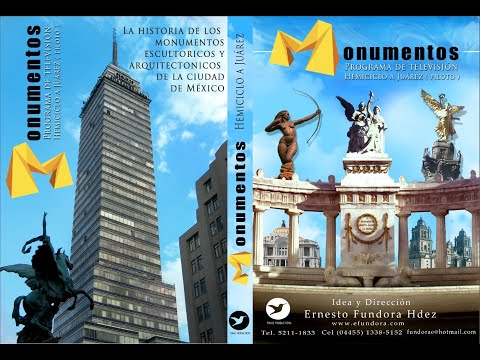
The architectural design of the Hemiciclo a Benito Juárez is replete with symbolic meaning, carefully crafted to evoke specific emotions and reinforce national ideals. While the 2012 documentary teaser focuses on the monument, a deeper analysis of its form, materials, and placement reveals layers of intended communication.

The very shape of a hemicircle can symbolize inclusivity and the cyclical nature of history. The materials used, often stone and bronze, speak to durability, permanence, and the gravitas of the figure honored. The inscriptions, allegorical sculptures, and surrounding landscape all contribute to a complex semiotic system designed to convey a unified message of national pride, justice, and the triumph of liberal ideals.

The placement of the Hemiciclo within the urban fabric of Mexico City is also significant. Often situated in prominent public spaces, these monuments become focal points for civic life, sites of pilgrimage, and anchors for collective memory. Their visibility ensures their role in shaping public perception and reinforcing national narratives.

The documentary "MONUMENTOS" directed by Ernesto Fundora in 2012 likely explores these visual narratives, inviting viewers to engage with the monument not just as a physical structure, but as a repository of historical and cultural meaning. Such documentaries play a vital role in contemporary **archaeology** and **history**, offering accessible insights into complex subjects.

An Anthropological Perspective: Identity and Citizenship

From an anthropological standpoint, the Hemiciclo a Benito Juárez is more than just stone and mortar; it is a cultural artifact that reflects and shapes notions of identity and **citizenship**. Monuments are powerful tools in the construction of collective identity, helping to define who 'we' are as a nation by celebrating specific historical figures and events.

Benito Juárez, as an indigenous president, represents a crucial turning point in Mexican history, embodying the struggle for equality and the recognition of diverse cultural heritage. The Hemiciclo can thus be seen as a symbol of national reconciliation and the ideal of a pluralistic society. It prompts questions about belonging, **immigration**, and the rights and responsibilities associated with **citizenship**.

The monument can also be analyzed through the lens of ritual and performance. Public ceremonies, protests, and celebrations often take place at such sites, transforming them into spaces of active engagement with history and politics. The very act of visiting and interacting with a monument is a form of participation in the ongoing cultural dialogue.

"Monuments are physical anchors for intangible collective memories."

Understanding the Hemiciclo anthropologically requires examining how it influences social structures, political discourse, and the lived experiences of individuals within Mexico. It speaks to the ongoing negotiation of national identity in a complex and dynamic world.

An Archaeological Approach: Unearthing Layers of Meaning

While often associated with ancient ruins, the principles of **archaeology** can be fruitfully applied to contemporary structures like the Hemiciclo a Benito Juárez. An archaeological approach involves a meticulous examination of the monument's context, construction, and evolution over time. This includes analyzing:

  • Construction materials and techniques: Understanding the provenance of materials and the methods used can reveal economic conditions, technological capabilities, and artistic influences of the period.
  • Inscriptions and iconography: Deciphering textual and visual symbols provides direct insight into the creators' intentions and the prevailing ideologies.
  • Spatial relationships: The monument's location relative to other significant sites, its orientation, and its integration into the urban landscape offer clues about its purpose and symbolic importance.
  • Later modifications and interpretations: How the monument has been altered, used, or reinterpreted over time by different groups can reveal shifts in societal values and historical understanding.

The 2012 documentary serves as a form of archival research, capturing a specific moment in the monument's life. By studying such records, future researchers can gain a deeper appreciation for its historical trajectory. This layered approach allows us to 'excavate' the deeper meanings embedded within the structure.

DIY Analysis: Deciphering Monumental Narratives

Engaging with monuments in an informed manner is a skill that can be cultivated. This section provides a practical guide, a "Do It Yourself" approach, to analyzing monumental structures like the Hemiciclo a Benito Juárez, drawing on principles from **anthropology**, **archaeology**, and **history**.

  1. Research the Commemorated Figure and Era: Before visiting or analyzing a monument, thoroughly research the individual or event it honors. Understand the historical context, key achievements, and challenges faced during their time. For the Hemiciclo, this means delving into the life and presidency of Benito Juárez and the turbulent 19th century in Mexico. Utilize resources from reputable historical societies, academic journals, and encyclopedias.
  2. Observe Architectural and Artistic Elements: Pay close attention to the monument's physical characteristics. Note its size, shape, materials, and artistic style. Are there statues, reliefs, or inscriptions? What do these elements depict? Consider the symbolism: does the material suggest permanence? Does the posture of a statue convey authority or contemplation?
  3. Analyze Inscriptions and Textual Data: Read all inscriptions carefully. These often provide direct statements about the monument's purpose and the values it represents. Look for dates, names, quotes, and dedications. Compare these texts with historical records to identify any discrepancies or ideological leanings.
  4. Consider the Spatial Context: Where is the monument located? Is it in a public square, a park, or near other significant buildings? The placement is rarely accidental. It often indicates the monument's importance within the community and its intended visibility. How does the surrounding environment contribute to the monument's message?
  5. Investigate its History of Use and Interpretation: How has the monument been used over time? Has it been a site for protests, celebrations, or national ceremonies? Have there been controversies or debates surrounding it? Understanding its reception and reinterpretation by different generations offers critical insights into its evolving significance. Look for news archives, academic papers, or even tourist accounts.
  6. Connect to Broader Themes: Relate your analysis to larger concepts in anthropology, archaeology, and history, such as national identity, **citizenship**, power, memory, and cultural heritage. How does this specific monument contribute to our understanding of these universal human experiences? For instance, how does the Hemiciclo speak to Mexico's **diversidad cultural** and the role of indigenous figures in national narratives?

By following these steps, you can move beyond a superficial glance to a deeper, more critical appreciation of monumental history and its place in our world. This practical engagement fosters a more profound understanding of the **data** and narratives embedded in our built environment.

Frequently Asked Questions

Q1: What is the primary historical significance of the Hemiciclo a Benito Juárez?
A1: The Hemiciclo commemorates Benito Juárez, a pivotal figure in Mexican history who led the country through significant liberal reforms and wars, establishing a secular republic. The monument symbolizes his legacy and the ideals of justice and rule of law he championed.

Q2: How can an anthropological perspective illuminate the Hemiciclo?
A2: Anthropology helps us understand the Hemiciclo as a cultural artifact that shapes and reflects national identity, **citizenship**, and social values. It highlights how monuments contribute to collective memory and national narratives, particularly in a diverse country like Mexico.

Q3: What kind of archaeological methods could be applied to studying the Hemiciclo?
A3: Archaeological methods would involve analyzing construction materials, iconography, inscriptions, and the monument's spatial context. Examining its history of use and later interpretations also contributes to an archaeological understanding of its evolving significance.

Q4: What is the role of documentaries like the one by Ernesto Fundora in understanding monuments?
A4: Documentaries offer a visual and narrative exploration of monuments, often highlighting their historical context, architectural details, and symbolic meanings. They serve as valuable resources for public education and can spark further research and critical engagement with such historical sites.

Conclusion

The Hemiciclo a Benito Juárez in Mexico City transcends its function as a mere landmark. It stands as a powerful nexus of history, culture, and national identity. Through an interdisciplinary approach—integrating insights from **anthropology**, **archaeology**, and **history**—we can unlock the profound layers of meaning embedded within its structure. The monument serves not only to honor a transformative leader but also to continuously engage citizens with the foundational principles of their nation: justice, reform, and the enduring pursuit of a cohesive and equitable society.

The exploration of such monuments, whether through academic study or practical DIY analysis, enriches our understanding of the past and its impact on the present. As we continue to navigate the complexities of our globalized world, the lessons offered by these enduring structures remain profoundly relevant, reminding us of the power of collective memory and the continuous dialogue between history and identity.

Unearthing Trujilloperú's Archaeological Heritage: A Journey Through Time

Welcome, esteemed readers, to El Antroposofista, your dedicated portal to the fascinating realms of anthropology, archaeology, psychology, and history. Today, we embark on a virtual expedition to the heart of Perú, specifically focusing on the rich archaeological tapestry of the city of Trujillo. This region, a cradle of ancient civilizations, offers an unparalleled glimpse into the ingenuity and cultural complexities of our ancestors.

A Glimpse into Trujillo's Past

Trujillo, often referred to as the "City of Everlasting Spring," is far more than a picturesque locale. It is a living museum, a testament to pre-Hispanic cultures that flourished centuries ago. The archaeological sites surrounding Trujillo are not mere ruins; they are narrative landscapes, whispering tales of powerful empires, intricate social structures, and profound spiritual beliefs.

Our journey today aims to illuminate the importance of Trujillo's archaeological treasures, fostering a deeper appreciation for the historical depth of this Peruvian gem. We will explore key sites, discuss the methodologies used to understand these ancient societies, and even offer a practical guide for those inspired to engage with archaeology on a more personal level.

The Historical and Cultural Significance

The historical significance of Trujillo's archaeological sites cannot be overstated. This region was a crucial center for several prominent pre-Columbian civilizations, most notably the Moche and the Chimú cultures. These societies were renowned for their sophisticated irrigation systems, advanced metallurgy, and distinctive artistic expressions, particularly in ceramics and textiles.

The Chimú, for instance, established the vast adobe city of Chan Chan, a UNESCO World Heritage site and the largest adobe city in the world. Its monumental scale and intricate urban planning speak volumes about the organizational capacity and power of the Chimú empire. The Moche, preceding the Chimú, left behind awe-inspiring temples like the Huacas del Sol y de la Luna, adorned with vibrant murals that provide invaluable insights into their cosmology, rituals, and daily life.

"The past is not a foreign country; it is the foundation upon which our present is built."

Understanding these cultures through their archaeological remains allows us to reconstruct complex social hierarchies, economic systems, and belief structures. It challenges simplistic narratives and reveals the diversity of human experience throughout history.

Key Archaeological Sites in and around Trujillo

Trujillo is a gateway to some of Peru's most significant archaeological wonders. Here are a few essential sites that define the region's historical landscape:

  • Chan Chan: The sprawling capital of the Chimú Kingdom, this adobe complex showcases incredible architectural prowess and intricate geometric designs. Exploring its citadels offers a tangible connection to a powerful maritime empire.
  • Huacas del Sol y de la Luna (Temples of the Sun and Moon): These adobe pyramids, belonging to the Moche culture, are iconic. The Huaca de la Luna, in particular, is celebrated for its remarkably preserved polychrome murals depicting deities, mythical figures, and sacrificial ceremonies.
  • Complejo El Brujo: This site encompasses several Moche-era structures, including the Huaca Prieta, one of the oldest known settlements in the region. It is also the location where the famous Lady of Cao, a powerful Moche ruler, was discovered.
  • Museo Arqueológico de Moche: While not an ancient site itself, this museum plays a crucial role in displaying and interpreting the artifacts unearthed from the surrounding Moche settlements, offering a curated understanding of their art and society.

Each of these locations provides a unique window into the past, contributing to our broader understanding of Latin American history and the evolution of human civilization.

Understanding Ancient Cultures Through Artifacts

Archaeology is fundamentally about interpretation. Artifacts, ecofacts, and features are the raw data from which archaeologists reconstruct past human behavior. In Trujillo's context, the ceramic traditions of the Moche and Chimú are particularly rich sources of information.

Moche pottery, for instance, is renowned for its highly realistic "portrait vessels," which capture individual likenesses with remarkable detail, offering glimpses into the faces and perhaps even the personalities of their time. Their "erotic pottery" also provides candid insights into aspects of their social and sexual lives, though interpretations remain a subject of academic debate.

"The study of material culture is not merely about cataloging objects; it is about deciphering the human stories embedded within them."

The metallurgic skills of the Chimú, producing intricate gold and silver artifacts, demonstrate their advanced technological capabilities and the importance of precious metals in their social and religious systems. Analyzing these objects, their materials, and their craftsmanship helps us understand trade networks, social stratification, and ritual practices.

DIY Practical Guide: Basic Artifact Analysis

While professional archaeology requires extensive training, the spirit of inquiry can be applied even to seemingly simple objects. If you find yourself with an artifact (ethically and legally obtained, of course!), here’s a basic framework for initial analysis:

  1. Observation and Documentation:
    • Carefully examine the object from all angles.
    • Note its material (e.g., ceramic, stone, metal, bone).
    • Record its shape, size (measurements are helpful), and color.
    • Look for any decorations, patterns, tool marks, or signs of wear.
    • If it's ceramic, note the type of clay, temper, and firing technique if discernible.
  2. Contextualization:
    • Where and how was the object found? Understanding its original location (provenience) is crucial for interpretation. Was it found in a burial, a domestic area, or a ceremonial context?
    • What other objects were found nearby? Association with other artifacts can provide clues to its function and age.
  3. Hypothesis Formation:
    • Based on your observations and context, what do you think the object was used for? Was it utilitarian, decorative, ritualistic, or something else?
    • Consider its potential age. Does it resemble artifacts from known historical periods or cultures? (This requires further research).
  4. Research and Comparison:
    • Consult books, academic articles (check resources like JSTOR or university libraries), and museum collections online.
    • Compare your artifact with documented examples from similar geographic regions and time periods. Look for parallels in form, material, and decoration.
  5. Refinement:
    • Revise your initial hypotheses based on your research. Archaeology is an iterative process of observation, hypothesis, and refinement.

Remember, ethical archaeological practice involves proper excavation, documentation, and preservation. This DIY guide is for educational purposes and should not replace professional archaeological methods or encourage unauthorized excavation.

Frequently Asked Questions

What are the main cultures represented in Trujillo's archaeological sites?

The primary cultures are the Moche and the Chimú, with notable evidence of earlier settlements as well.

Is Chan Chan the only adobe city in the world?

Chan Chan is the largest adobe city in the world, but other smaller adobe structures and settlements exist globally.

What is the significance of the Huacas del Sol y de la Luna?

These Moche pyramids are significant for their monumental architecture and exceptionally well-preserved murals that depict their cosmology and rituals.

Are there opportunities for amateur involvement in archaeology in Trujillo?

While direct excavation is restricted, museums and cultural organizations may offer volunteer opportunities or educational programs related to local archaeology. Always inquire through official channels.

Conclusion: Preserving Our Shared Heritage

The archaeological sites around Trujillo are not merely relics of the past; they are vital components of Peru's national identity and invaluable resources for understanding human history. From the grandeur of Chan Chan to the detailed artistry of Moche ceramics, these sites offer profound lessons in culture, innovation, and societal development.

As custodians of this heritage, it is our collective responsibility to support preservation efforts, engage in respectful tourism, and continue the scholarly pursuit of knowledge. By understanding where we came from, we gain a clearer perspective on who we are today and how we can shape a more informed future. We encourage you to explore further, visit these incredible sites if possible, and continue learning about the enduring legacy of the ancient peoples of Trujillo.

For more insights into the world of anthropology and history, please visit our main blog:

El Antroposofista Official Blog

And if you appreciate our work, consider supporting us by exploring our exclusive NFTs:

Exclusive NFTs Available

```