Mostrando las entradas para la consulta history resilience ordenadas por fecha. Ordenar por relevancia Mostrar todas las entradas

Iximché: A Journey Through Mayan History and Archaeological Wonders in Guatemala

Welcome to "El Antroposofista," your dedicated portal for exploring the rich tapestry of anthropology, archaeology, psychology, and history. Today, we embark on a virtual expedition to Iximché, a captivating archaeological site nestled in the heart of Guatemala. This ancient Mayan capital, located in Tecpán Guatemala, Chimaltenango, offers a profound glimpse into a civilization that shaped Mesoamerica. This article aims to serve as a comprehensive guide, delving into the historical significance, archaeological findings, and the enduring legacy of Iximché, inviting you to connect with the past and understand its relevance in the present.

Introduction: Unveiling Iximché

Iximché, meaning "corn tree" in the Kaqchikel language, stands as a testament to the ingenuity and resilience of the Maya civilization. It served as the capital of the Kingdom of Mayapan in its final stages, a period marked by both political intrigue and cultural fluorescence. Our exploration will cover its historical context, the fascinating archaeological finds, its enduring cultural significance, and the ongoing efforts to preserve this invaluable heritage.

Historical Context: The Last Capital of the Kingdom of Mayapan

Founded in the early 15th century, Iximché rose to prominence as the capital of the Kaqchikel Maya after their migration from Chichén Itzá. The city flourished as a center of political power, trade, and religious activity for nearly a century. Its strategic location offered natural defenses, contributing to its strength and influence in the region. The Kaqchikel rulers navigated complex alliances and rivalries with neighboring Mayan city-states, playing a pivotal role in the regional dynamics leading up to the Spanish conquest.

The arrival of the Spanish conquistadors in the early 16th century marked a turning point for Iximché. Initially, the Kaqchikel allied with Pedro de Alvarado, but tensions soon escalated, leading to conflict and the eventual abandonment of the city as a primary political center. Despite this, the site retains immense historical importance as one of the last major Mayan capitals to maintain its independence before succumbing to colonial rule.

"Iximché represents a crucial period in Mayan history, bridging the Postclassic Maya world with the early colonial era. Its ruins tell a story of sophisticated urban planning, complex social structures, and dramatic historical transitions."

Archaeological Discoveries and Layout

The archaeological site of Iximché is characterized by its well-preserved structures, including pyramids, palaces, ball courts, and ceremonial platforms. The urban layout is indicative of Maya architectural principles, often oriented towards celestial events and spiritual beliefs. Key structures include the grand plaza, surrounded by important administrative and religious buildings, and the numerous residential complexes that housed the city's population.

Excavations have unearthed a wealth of artifacts, from pottery and obsidian tools to intricate jade carvings and hieroglyphic inscriptions. These findings provide invaluable insights into the daily lives, religious practices, and artistic achievements of the Kaqchikel Maya. The presence of distinct architectural styles and artifact types also helps archaeologists understand the cultural exchanges and influences the city experienced throughout its existence.

The site's layout is a fascinating example of Maya urbanism. The central plaza served as the nucleus for public ceremonies and political gatherings. Surrounding it are the main temples and the royal palaces, signifying the hierarchical structure of the society. Further out, residential compounds and workshops reveal the organization of daily life and economic activities. The ball court, a significant feature in Mesoamerican cultures, highlights the importance of ritualized games in Iximché's society.

Cultural Significance and Ritual Practices

Iximché was not merely a political stronghold but also a vibrant spiritual center. The Kaqchikel Maya held complex religious beliefs, revering a pantheon of gods associated with nature, celestial bodies, and human activities. Rituals and ceremonies, often conducted in the public plazas and on the temple tops, played a central role in maintaining cosmic order and ensuring the prosperity of the community.

The discovery of ceremonial altars and evidence of sacrificial practices underscores the deep spiritual commitment of the inhabitants. The site's astronomical alignments suggest a sophisticated understanding of celestial cycles, which were intricately woven into their calendar, agricultural practices, and religious observances. Understanding these practices allows us to appreciate the worldview of the ancient Maya and their profound connection to the cosmos.

"The rituals performed at Iximché were not simply acts of worship; they were integral to the social and political fabric of the kingdom, reinforcing authority and community bonds."

Legacy and Preservation Efforts

Today, Iximché stands as a vital link to Guatemala's rich indigenous heritage. It serves as a powerful reminder of the Maya's sophisticated civilization and their lasting contributions to human history. The site is a popular destination for tourists, researchers, and descendants of the Maya, offering opportunities for education, cultural exchange, and spiritual reflection.

Preserving Iximché is a critical endeavor. Archaeological research continues to uncover new information, while conservation efforts aim to protect the delicate structures from environmental degradation and the impacts of tourism. Collaborative initiatives involving local communities, Guatemalan authorities, and international organizations are essential for safeguarding this irreplaceable cultural treasure for future generations. The continued study and appreciation of sites like Iximché are vital for fostering a deeper understanding and respect for pre-Columbian civilizations.

For those interested in the broader context of Mayan history and its contemporary relevance, we recommend exploring resources on Maya civilization and contemporary indigenous cultures in Guatemala.

Practical DIY Guide: Documenting Your Own Archaeological Site Visit

Visiting an archaeological site like Iximché is an enriching experience. To enhance your understanding and preserve your memories, consider documenting your visit using a DIY approach. This guide provides a step-by-step process:

  1. Pre-Visit Research: Before you go, read up on the site's history, key structures, and significance. Familiarize yourself with basic archaeological terms and concepts. This will help you appreciate what you are seeing.
  2. Detailed Note-Taking: Bring a notebook and pen. As you explore, jot down observations about the architecture, layout, and any interpretive signs you encounter. Note down dates, times, and your personal reflections.
  3. Photography and Sketching: Take clear photographs of different features, paying attention to scale and context. If you have artistic skills, make quick sketches of interesting structures or artifacts you see. Focus on capturing details that might be missed in photos alone.
  4. Audio Recording (Optional): Use your phone's voice recorder to capture your thoughts, observations, or even short interviews with guides if permitted. This can be a more dynamic way to record your experience than writing alone.
  5. Contextual Observation: Pay attention to the surrounding environment – the landscape, the flora, and the weather. These elements are part of the site's history and context.
  6. Post-Visit Analysis: Once home, organize your notes, photos, and sketches. Cross-reference your observations with reliable sources about the site. Consider writing a personal report or creating a digital presentation to consolidate your learning.
  7. Ethical Considerations: Always adhere to the rules of the archaeological site. Do not touch or disturb any structures or artifacts. Be respectful of the historical significance and any ongoing research or cultural practices.

Frequently Asked Questions

What is the historical significance of Iximché?

Iximché was the last major capital of the Kaqchikel Maya kingdom before its fall to the Spanish conquistadors in the 16th century. It represents a crucial period of transition in Mayan history and Mesoamerican civilization.

What are the main structures found at Iximché?

The site features pyramids, palaces, ceremonial platforms, residential complexes, and a significant ball court, all arranged around a central plaza, demonstrating sophisticated Maya urban planning.

What kind of artifacts have been discovered at Iximché?

Excavations have yielded pottery, obsidian tools, jade carvings, and hieroglyphic inscriptions, offering insights into the daily life, religion, and artistry of the Kaqchikel Maya.

Why is preserving Iximché important?

Iximché is vital for understanding Guatemala's rich indigenous heritage and the broader history of the Maya. Preservation ensures that future generations can learn from and connect with this significant archaeological site.

For more on archaeological methodologies and interpretation, you might find resources on archaeological methods useful.

In conclusion, Iximché offers a profound window into the past, inviting us to contemplate the rise and fall of civilizations, the enduring human spirit, and the importance of preserving our collective heritage. We encourage you to explore further and engage with the fascinating fields of anthropology and archaeology.

Visit our official blog for the latest news and in-depth articles on these subjects: El Antroposofista Blog.

The Unfolding Journey: An Anthropological and Historical Look at Warthog Development

The journey from vulnerability to self-sufficiency is a fundamental narrative that echoes across species and cultures. While often studied through the lens of human development, societal structures, and historical milestones, the core principles of growth, adaptation, and survival are universal. This exploration delves into the fascinating life cycle of the common warthog (Phacochoerus africanus), framed by anthropological perspectives on early life stages, archaeological insights into how we understand the past through remnants, and the inherent narrative arcs that history presents.

Introduction: The Warthog's Cradle

The initial moments of life for any creature are fraught with peril. For the common warthog, this period is particularly critical. This documentary embarks on an intimate journey, following three young warthogs from the moment they first emerge from the safety of their mother's burrow until they transition into adulthood. This narrative mirrors broader themes in anthropology and archaeology, where understanding origins, early development, and the gradual acquisition of skills is paramount to comprehending the species or civilization.

Welcome to El Antroposofista, a space dedicated to unraveling the complexities of our world through the lenses of anthropology, archaeology, psychology, and history. We believe that understanding the development of other species can offer profound insights into our own evolutionary path and societal development. For the latest news and deeper dives into these subjects, we encourage you to visit our official blog: El Antroposofista Official Blog.

The Fragile Beginning: From Burrow to Birth

The warthog's life begins in the concealed safety of a burrow, often one appropriated from other animals like aardvarks or porcupines. The sow typically gives birth to a litter of 2 to 8 piglets. These newborns are remarkably altricial, meaning they are born blind, hairless, and entirely dependent on their mother. Their initial days are spent within the den, shielded from predators and the harsh elements of the African savanna.

The vulnerability of young warthogs underscores the critical role of maternal care and environmental safety in the early stages of development, a theme resonating throughout psychology and anthropology when studying human infant development.

The sow remains with her young, providing warmth, nourishment, and protection. This intensive period of care is crucial for the piglets' survival, building their strength and developing their basic physiological functions. The transition from the absolute confinement of the burrow to the external world is a significant milestone.

Navigating the Savanna: Growth and Learning

As the piglets grow, typically after a few weeks, they begin to venture out of the burrow under the watchful eye of their mother. This is a period of rapid learning and physical development. They start to explore their immediate surroundings, mimicking their mother's foraging behavior. Warthogs are omnivores, with their diet primarily consisting of roots, tubers, berries, bark, and occasionally insects or small carrion. The young warthogs learn to root for food, a skill that requires coordination and persistence.

Their physical characteristics begin to become more pronounced. The iconic tusks, which are elongated canine teeth, start to emerge and will continue to grow throughout their lives. Their coarse, bristly hair thickens, providing better protection. This phase is analogous to the early stages of learning in human children, where observation, imitation, and practice are key to acquiring essential life skills.

Social Dynamics and Survival

While warthogs are not typically found in large herds, they do live in social groups known as sounders, usually consisting of sows and their offspring. Mature boars are often solitary, only joining sounders during the mating season. The complex social interactions within the sounder play a vital role in the development and survival of young warthogs. Older siblings and other sows in the group can offer a degree of collective protection.

Predation is a constant threat. Lions, leopards, hyenas, and wild dogs all prey on warthogs. Young warthogs are particularly vulnerable. Their primary defense mechanisms include speed, agility, and the ability to seek refuge in burrows. When threatened, they can run surprisingly fast and often dive headfirst into a burrow, sometimes leaving their hindquarters exposed.

The constant interplay between vulnerability and adaptation in the warthog's life cycle offers a potent metaphor for understanding the challenges faced by early human societies, as explored in history and archaeology.

The learning process extends to recognizing danger, understanding social cues within the group, and mastering foraging techniques. This period of development is a testament to the resilience of life and the intricate ways in which species evolve to navigate their environments.

DIY Field Guide: Observing Wildlife Ethically

Understanding animal behavior is a cornerstone of anthropology and archaeology's interest in the human-animal bond and past ecological interactions. If you have the opportunity to observe wildlife, doing so ethically is paramount. Here’s a guide to get you started:

  1. Research Your Subject: Before observing, learn about the animal's typical behaviors, habitat, and dietary needs. Understand their social structures and potential threats.
  2. Choose Your Location Wisely: Select viewing spots that minimize disturbance to the animals and their environment. National parks and wildlife reserves often have designated observation areas.
  3. Maintain a Safe Distance: Use binoculars or a telephoto lens to observe without intruding on the animals' space. Never approach wild animals, especially if they appear agitated.
  4. Be Quiet and Patient: Avoid loud noises and sudden movements. Patience is key; wildlife operates on its own schedule. Simply being present and observing quietly can yield incredible insights.
  5. Respect Their Habitat: Do not leave any trash behind. Avoid feeding wild animals, as this can disrupt their natural diet and behavior, and potentially lead to dependency or disease transmission.
  6. Document Your Observations (Optional): If you wish to record your findings, do so unobtrusively. This could involve sketching, taking notes, or using a camera with a zoom lens. Compare your findings to existing anthropological records or archaeological findings about similar species or ecosystems.
  7. Educate Yourself Further: After your observation, research more about the species and the ecological principles at play. Consider the conservation status of the animals you observed and how human activity impacts them.

Historical Echoes: Understanding Wild Mammal Studies

The study of wild animals, from early naturalists to modern ethologists, forms a rich historical tapestry. Early explorers and natural philosophers meticulously documented flora and fauna, often driven by curiosity, scientific inquiry, or the desire to understand resources. Figures like Charles Darwin revolutionized our understanding of life's diversity and evolution through his extensive observations of animal life.

The advent of documentary filmmaking, as exemplified by this warthog chronicle, represents a significant advancement in disseminating knowledge about the natural world. These visual records serve as invaluable historical documents, capturing behaviors that might otherwise remain unseen and contributing to a broader understanding of biodiversity and conservation. This mirrors how archaeology uses material culture to reconstruct past human behaviors and environments.

Furthermore, the scientific study of animals is intrinsically linked to anthropology. Understanding animal behavior, social structures, and adaptation provides comparative models for examining human societies, their origins, and their interactions with the environment across different historical periods.

Frequently Asked Questions

What are the main predators of warthogs?

The primary predators of warthogs include lions, leopards, hyenas, and wild dogs. Young and less experienced warthogs are particularly vulnerable.

How long do warthogs typically live?

In the wild, warthogs typically live for about 15 years, though this can vary depending on environmental conditions and predation pressure. In captivity, they may live longer.

Are warthogs aggressive?

Warthogs can be aggressive, especially when threatened or protecting their young. While they generally prefer to flee from danger, they will defend themselves with their formidable tusks if cornered.

What is the most distinctive feature of a warthog?

The most distinctive features of a warthog are its large, upward-curving tusks (elongated canine teeth) and the pronounced warts on its face, particularly prominent in males. The tusks are used for defense, digging, and fighting.

How do warthogs communicate?

Warthogs communicate through a variety of vocalizations, including grunts, growls, and shrieks. They also use body language, such as tail posture, and scent marking to communicate with each other.

Conclusion: A Universal Narrative of Growth

The documentary's focus on the three young warthogs is more than just a portrayal of animal life; it's a reflection of universal developmental arcs. From the initial dependence within the burrow to the complex learning and social navigation of the savanna, their journey encapsulates themes of vulnerability, adaptation, and the drive for survival. These processes, studied through the scientific disciplines of anthropology, archaeology, and psychology, offer profound insights into life's continuity and resilience. The warthog's story, like so many others, reminds us of the intricate connections within the natural world and the enduring lessons that can be drawn from observing the lives of other species, enriching our understanding of our own place in the grand narrative of existence.

Unearthing the Past: An Anthropological, Archaeological, and Historical Exploration of Biblical Scholarship

Introduction: The Interplay of Faith and Evidence

Hello and welcome to El Antroposofista, the blog dedicated to exploring the rich intersections of anthropology, archaeology, psychology, and history. Today, we delve into a fascinating and often contentious area: the academic study of the Bible. While for many, the Bible is a sacred text, from a scholarly perspective, it is a complex collection of ancient literature, historical records, theological treatises, and cultural artifacts that demand rigorous analysis. This post aims to unpack the methodologies and findings from these disciplines as they apply to understanding biblical narratives, moving beyond purely devotional interpretations to engage with the text as a historical and cultural document. We will explore how archaeology, anthropology, and history illuminate the world in which these texts were written and received, and how psychology can help us understand the motivations behind interpretation.

The intention behind this exploration is to satisfy a deep academic curiosity about the Bible's historical and cultural context. Readers interested in anthropology, archaeology, and history will find valuable insights into how these fields approach ancient texts. Furthermore, those with an interest in psychology can gain a deeper understanding of belief systems and interpretive frameworks. Our goal is not to debunk or validate faith, but to provide a scholarly lens through which to view these foundational texts.

Key Entities in Biblical Studies

The study of the Bible, often termed Biblical Studies or Biblical Scholarship, involves a multitude of interconnected entities. At its core lies the **Bible** itself, a canon of sacred scriptures central to Judaism and Christianity. This canon is divided into the Old Testament (or Hebrew Bible) and the New Testament. Key to understanding these texts are the various **historical periods** they cover, from the early Bronze Age to the Roman period. Significant figures emerge from these narratives, including patriarchs like **Abraham**, leaders like **Moses**, kings like **David** and **Solomon**, and prophets such as **Isaiah** and **Jeremiah**. For the New Testament, figures like **Jesus of Nazareth**, his disciples, and later apostles like **Paul of Tarsus** are central. Beyond individuals, crucial **concepts** include covenant, law, prophecy, salvation, and atonement. Scholarly analysis often focuses on specific books, such as **Genesis**, **Exodus**, the **Psalms**, the **Gospels**, and the **Acts of the Apostles**. The **Dead Sea Scrolls** represent a monumental archaeological discovery that significantly impacts our understanding of the biblical text's transmission. Furthermore, understanding the **cultural milieu** of ancient Near Eastern societies, including their religious beliefs, social structures, and political dynamics, is paramount. Semantically related terms include exegesis, hermeneutics, textual criticism, historical criticism, and liberation theology.

Historical Context of Biblical Interpretation

The way the Bible has been interpreted throughout history is as varied and complex as the text itself. Early interpretations, found within the biblical texts themselves and in subsequent Jewish and Christian writings, often employed allegorical, typological, and historical-critical methods. During the patristic period, figures like Augustine of Hippo developed sophisticated hermeneutical approaches, emphasizing spiritual and allegorical senses alongside the literal. The Reformation brought a renewed focus on the **sola scriptura** principle, leading to a proliferation of interpretations and translations aimed at making the text accessible to a wider audience. Scholars like Martin Luther and John Calvin championed the primacy of the biblical text, though their interpretive frameworks differed. The Enlightenment ushered in an era of **historical-critical methods**, which sought to understand the Bible as a product of its historical and cultural context. Scholars began to question traditional authorship, date, and historicity, employing philology, archaeology, and comparative literature. This approach, while controversial for some, has become foundational in academic biblical studies. Figures like Julius Wellhausen, with his documentary hypothesis for the Pentateuch, exemplify this era. In the 20th and 21st centuries, the field has continued to diversify, incorporating insights from social sciences, post-colonial theory, feminist criticism, and reader-response criticism. The ongoing dialogue between faith and reason, tradition and critical inquiry, continues to shape how scholars engage with these ancient texts.
"The Bible is not an end in itself, but a means to an end. It is meant to lead us to God." - A common sentiment reflecting the theological purpose of biblical study.

Archaeological Evidence and Biblical Narratives

Archaeology has played a transformative role in biblical scholarship, offering tangible evidence that can corroborate, challenge, or contextualize biblical accounts. While archaeology rarely "proves" biblical events in a definitive, forensic sense, it provides invaluable context for the material culture, social structures, and political realities of the ancient world described in the Bible. Discoveries such as the **Tel Dan Stele**, which mentions the "House of David," provide epigraphic evidence for the existence of the Davidic monarchy. The **Mesha Stele** offers a Moabite perspective on conflicts with Israel. The **Cyrus Cylinder** sheds light on the Persian policy of allowing exiled peoples, including Judeans, to return to their homelands, aligning with accounts in Ezra and Nehemiah. However, archaeological findings have also presented challenges to traditional interpretations. For instance, extensive excavations in certain periods and regions have yielded less evidence than expected for the large-scale Israelite kingdom described in the biblical narratives, leading to ongoing debates about the historicity of the Exodus and the United Monarchy. Sites like Jericho and Ai have produced debated chronologies. The discipline of **archaeology** itself has evolved, moving from a treasure-hunting approach to meticulous excavation, documentation, and analysis. This rigor allows for a more nuanced understanding of the past, emphasizing the lived experiences of ordinary people, not just rulers and elites. The study of pottery, architectural remains, seals, and burial practices offers a window into the daily lives, religious beliefs, and social hierarchies of ancient Israel and its neighbors.

Anthropological Perspectives on Ancient Israelite Society

Anthropology provides crucial frameworks for understanding the social, cultural, and ritualistic dimensions of ancient Israelite society as depicted in the Bible. By comparing biblical ethnographic descriptions with patterns observed in other traditional societies, anthropologists can illuminate aspects of life that might otherwise remain opaque. Concepts like **kinship systems**, tribal structures, legal practices, and economic activities can be analyzed through an anthropological lens. The Bible's portrayal of lineage, inheritance, marriage customs, and covenantal relationships, for example, can be understood in light of anthropological theories of social organization. Victor Turner's work on **liminality** and ritual processes can offer insights into biblical festivals, purification rites, and pilgrimage. The study of **ancient Near Eastern cultures** through comparative anthropology reveals shared cosmological beliefs, religious practices, and social norms. Understanding the polytheistic contexts in which early Israelite monotheism developed is crucial. Anthropologists examine how religious beliefs function within a society, shaping identity, social cohesion, and the negotiation of power. Moreover, anthropological approaches can help deconstruct notions of "ancient Israel" as a monolithic entity, highlighting the diversity within the population, including distinctions between rural and urban dwellers, elites and commoners, and different tribal or regional affiliations.

The Psychology of Belief and Interpretation

The human element in understanding the Bible extends beyond historical and social contexts into the realm of psychology. The psychology of belief, cognitive biases, and hermeneutical approaches are all relevant to how individuals and communities engage with sacred texts. Cognitive psychology can explain how people form and maintain beliefs, even in the face of contradictory evidence. Concepts like **confirmation bias**—the tendency to favor information that confirms pre-existing beliefs—can significantly influence how biblical scholars and lay readers approach texts. Understanding **motivated reasoning** helps explain why certain interpretations are preferred or rejected based on personal, cultural, or theological commitments. The psychology of interpretation also involves the emotional and psychological impact of biblical narratives. Stories of suffering, redemption, justice, and divine intervention resonate deeply, shaping individuals' worldviews and sense of identity. The **psychology of trauma** and resilience can offer insights into narratives of exile and restoration. Furthermore, the desire for meaning and order, a fundamental human psychological need, drives the quest for understanding complex theological and ethical questions posed by the Bible. The role of community in shaping belief systems and interpretive traditions is also a significant psychological factor.
"The human mind is a complex tapestry, weaving together reason, emotion, and deeply held beliefs to make sense of the world, including its most sacred texts." - A reflection on the psychological underpinnings of interpretation.

DIY Practical Guide: Analyzing Historical Texts

For those interested in applying scholarly methods to historical texts, including biblical passages, a structured approach can be invaluable. This guide outlines basic steps for conducting a preliminary textual analysis.
  1. Select a Text: Choose a specific passage or book from the Bible or another historical document you wish to analyze. For example, a short narrative from the book of Genesis or a specific psalm.
  2. Initial Reading for Comprehension: Read the text through once to grasp the basic narrative or argument. Focus on understanding the literal meaning.
  3. Identify Key Entities and Concepts: List the main characters, places, and significant terms or ideas within the passage. What are the recurring themes? Who are the main actors and what are their motivations?
  4. Historical Contextualization: Research the likely historical period in which the text was written. Consider the author (if known or hypothesized), the intended audience, and the socio-political environment. What were the prevailing beliefs and customs of that time? Use resources like encyclopedias of the ancient Near East or scholarly commentaries.
  5. Literary Analysis: Examine the literary genre of the text (e.g., narrative, poetry, law, prophecy). How does the genre shape the message? Look for rhetorical devices, narrative structure, and tone.
  6. Cross-Referencing: See if the passage or its themes are referenced elsewhere in the same or other related texts. How does this broader context inform your understanding?
  7. Consider Multiple Interpretations: Research scholarly commentaries or articles that discuss the passage. Note different viewpoints and the evidence they use. Are there historical, anthropological, or psychological dimensions to consider? For instance, how does an anthropological perspective explain a ritual described? How might a psychological lens interpret a character's actions?
  8. Formulate Your Own Analysis: Based on your research, synthesize your findings. What is your reasoned conclusion about the text's meaning, context, and significance? Be prepared to support your analysis with evidence.

Frequently Asked Questions

What is the difference between devotional reading and academic study of the Bible?

Devotional reading typically focuses on the spiritual meaning and application of the text for personal faith and practice. Academic study, conversely, employs critical methodologies to understand the Bible as a historical document, examining its origins, development, literary features, and cultural contexts without necessarily assuming its divine authority.

Can archaeology definitively prove or disprove the Bible?

Archaeology rarely offers definitive "proof" or "disproof." Instead, it provides material evidence that can corroborate, challenge, or contextualize biblical narratives. Findings can offer insights into the plausibility of certain events or the existence of described peoples and places, but interpretation is always subject to scholarly debate.

Is it possible to study the Bible objectively?

While complete objectivity is an ideal rarely achieved, scholars strive for it by employing rigorous, transparent methodologies and acknowledging their own potential biases. Academic biblical studies aim for intersubjective agreement, where findings are supported by evidence and logic that can be evaluated by others in the field.

How do anthropology and sociology contribute to biblical studies?

Anthropology and sociology help scholars understand the social structures, kinship systems, religious practices, economic activities, and cultural norms of ancient Israel and the surrounding regions. They provide comparative data and theoretical frameworks for interpreting biblical descriptions of society and ritual.

Conclusion: Bridging Scholarship and Spirituality

The academic study of the Bible, drawing upon anthropology, archaeology, history, and psychology, offers a rich and nuanced understanding of these foundational texts. It allows us to appreciate the Bible not only as a source of spiritual inspiration but also as a complex window into the ancient world, its peoples, and their enduring quest for meaning. By engaging with these diverse scholarly disciplines, we can move beyond simplistic interpretations and develop a more informed perspective on the historical, cultural, and literary dimensions of biblical literature. This journey of exploration is ongoing, continuously enriched by new discoveries and evolving methodologies. We encourage readers to continue exploring these fascinating fields and to engage critically and thoughtfully with the texts that have shaped so much of human history and culture. #anthropology #archaeology #history #psychology #DIY #data #learning #HD ``` ```json { "@context": "http://schema.org", "@type": "FAQPage", "mainEntity": [ { "@type": "Question", "name": "What is the difference between devotional reading and academic study of the Bible?", "acceptedAnswer": { "@type": "Answer", "text": "Devotional reading typically focuses on the spiritual meaning and application of the text for personal faith and practice. Academic study, conversely, employs critical methodologies to understand the Bible as a historical document, examining its origins, development, literary features, and cultural contexts without necessarily assuming its divine authority." } }, { "@type": "Question", "name": "Can archaeology definitively prove or disprove the Bible?", "acceptedAnswer": { "@type": "Answer", "text": "Archaeology rarely offers definitive \"proof\" or \"disproof.\" Instead, it provides material evidence that can corroborate, challenge, or contextualize biblical narratives. Findings can offer insights into the plausibility of certain events or the existence of described peoples and places, but interpretation is always subject to scholarly debate." } }, { "@type": "Question", "name": "Is it possible to study the Bible objectively?", "acceptedAnswer": { "@type": "Answer", "text": "While complete objectivity is an ideal rarely achieved, scholars strive for it by employing rigorous, transparent methodologies and acknowledging their own potential biases. Academic biblical studies aim for intersubjective agreement, where findings are supported by evidence and logic that can be evaluated by others in the field." } }, { "@type": "Question", "name": "How do anthropology and sociology contribute to biblical studies?", "acceptedAnswer": { "@type": "Answer", "text": "Anthropology and sociology help scholars understand the social structures, kinship systems, religious practices, economic activities, and cultural norms of ancient Israel and the surrounding regions. They provide comparative data and theoretical frameworks for interpreting biblical descriptions of society and ritual." } } ] }

The Forgotten Bonds: Unpacking "White Slavery" Through Historical and Anthropological Lenses

Introduction: The Ambiguity of a Loaded Term

The phrase "white slavery" immediately conjures images and evokes powerful, often conflicting, emotional responses. Historically, this term has been employed to describe a range of coercive labor practices, from the forced prostitution of European women to the indentured servitude of Europeans in colonial contexts, and even, in some appropriations, to conflate with narratives of chattel slavery experienced by people of African descent. This article aims to dissect the loaded nature of this term, moving beyond sensationalism to engage with its historical and anthropological complexities. By examining the intent behind its usage, the social structures it reflects, and the potential material evidence, we seek to foster a more nuanced and academically grounded understanding of these historical phenomena. The search for information on "white slavery" often stems from a desire to understand specific historical injustices, to explore the fluidity of labor and exploitation across different groups, and to reconcile historical narratives with contemporary social justice concerns.

Historical Context: The Shifting Sands of "White Slavery"

The concept of "white slavery" is not monolithic; its meaning and application have evolved significantly across time and geography. Initially, in the late 19th and early 20th centuries, the term gained traction in Western societies, particularly in Britain and the United States, to describe the perceived trafficking and forced prostitution of European women. This moral panic was fueled by anxieties about immigration, urbanization, and changing gender roles, often portraying vulnerable European women as victims needing protection from foreign syndicates or unscrupulous employers. This usage, however, often conveniently overlooked or minimized the experiences of non-European enslaved populations, creating a hierarchy of suffering. For instance, the brutal reality of chattel slavery, which predominantly affected people of African descent for centuries, was distinct in its legal status, dehumanization, and hereditary nature. Yet, the discourse surrounding "white slavery" sometimes inadvertently drew parallels or even attempted to equate the two, a move critically examined by scholars of antropología and historia. Furthermore, the term has been applied to other forms of coerced labor involving Europeans. Indentured servitude, a system where individuals contracted to work for a specified period in exchange for passage to a new land or to pay off a debt, saw many Europeans voluntarily enter into arduous labor agreements. However, the line between voluntary contract and de facto enslavement could become blurred, especially when laborers faced harsh conditions, abuse, or extended periods of service beyond the original agreement. This was particularly relevant in early colonial settlements in the Americas and Australia, where European laborers, including women and children, experienced extreme hardship.
The historical trajectory of the term "white slavery" reveals a complex interplay of social anxieties, moral crusades, and the selective application of victimhood, often serving to reinforce existing power structures rather than dismantle them.
The phenomenon of debt bondage, where individuals or families could be trapped in servitude for generations due to insurmountable debts, also existed within European populations across various historical periods. These instances, while distinct from the racialized chattel slavery of the Atlantic world, underscore the multifaceted nature of unfreedom and exploitation that the simplistic label "white slavery" attempts to encapsulate, albeit imperfectly.

Anthropological Lenses: Power, Agency, and Social Structures

From an anthropological perspective, understanding "white slavery" requires examining the underlying power dynamics, the concept of agency (or lack thereof), and the broader social structures that facilitated such practices. Anthropology helps us move beyond mere descriptions of events to analyze the cultural logics and social inequalities that make exploitation possible. Firstly, the concept of **power** is central. Who held the power to define, enforce, and profit from these forms of servitude? This often involved examining the roles of state institutions, economic elites, patriarchal family structures, and colonial administrations. The narrative of "white slavery" in the context of prostitution, for example, was often constructed by middle-class reformers who projected their own moral anxieties onto working-class or immigrant women, framing them as inherently vulnerable and in need of paternalistic intervention. Secondly, **agency** is a critical consideration. While victims of forced labor clearly lacked agency in significant ways, anthropological analysis also seeks to uncover forms of resistance, adaptation, and negotiation that individuals employed within constrained circumstances. Even within coercive systems, people found ways to maintain aspects of their identity, build solidarity, and resist total dehumanization. Examining narratives, legal records, and even material culture can offer glimpses into this resilience. Thirdly, **social structures** such as class, gender, and ethnicity played crucial roles in shaping who was susceptible to becoming a "victim" of "white slavery" and who perpetuated it. The term itself can be seen as a product of specific social and historical formations, reflecting anxieties about social mobility, the boundaries of respectability, and the perceived threats to dominant social orders. The very definition of "white" and its assumed vulnerability was a social construct that shifted over time, influenced by immigration patterns and racial ideologies.
Anthropology encourages us to deconstruct categories like "victim" and "perpetrator," recognizing the complex social contexts and power relations that define human experience, especially in situations of extreme exploitation.
The interplay of these elements—power, agency, and social structures—provides a framework for a more robust and critical analysis of historical accounts and discourses surrounding "white slavery," moving beyond simplistic victim-blaming or sensationalized narratives.

Archaeological Glimpses: Tracing the Material Remains

While "white slavery" primarily manifests in historical texts and social discourse, archaeology can offer complementary insights by examining the material culture associated with coerced labor and marginalized populations. Archaeological investigations can sometimes uncover evidence of living conditions, economic activities, and social interactions that written records might omit or misrepresent. For instance, in sites related to indentured servitude or penal colonies, archaeologists might uncover artifacts reflecting the daily lives of laborers: their tools, personal belongings, dietary remains, and the architecture of their living quarters. The condition and distribution of these artifacts can speak volumes about their labor, social status, and interaction with the environment. Excavations in historical brothels, for example, might reveal personal adornments, remnants of specific consumer goods, or architectural layouts that shed light on the working conditions and economic networks involved.
The material remains of everyday life, often overlooked in grand historical narratives, can provide tangible evidence of the experiences of those subjected to various forms of unfreedom.
Furthermore, archaeological techniques like radiocarbon dating and artifact analysis can help establish chronologies for these sites, confirming or challenging historical accounts of when and how these labor systems operated. While direct evidence of "slavery" in the form of distinct archaeological markers is rare, the subtle clues embedded in the landscape and in the artifacts recovered can contribute significantly to a more complete understanding of marginalized histories. Research into historical immigration patterns and the establishment of early communities, often drawing on both anthropology and archaeology, can further illuminate the contexts in which forms of coerced labor involving Europeans might have occurred.

DIY Praxis: Deconstructing Historical Narratives

Engaging with complex historical terms like "white slavery" can be an empowering exercise. This section offers a practical guide to critically analyze such concepts using principles of historical and anthropological inquiry. This is a "Do It Yourself" approach to intellectual deconstruction.
  1. Identify the Source and Context: When encountering the term "white slavery," first ask: Who is using this term? In what historical period? For what purpose? Is it from a contemporary news report, a historical text, a social media post, or an academic journal? Understanding the origin provides crucial context. For instance, a sensationalist blog post from the early 20th century will have a different intent than a peer-reviewed history article.
  2. Deconstruct the Definition: What specific phenomenon is being described as "white slavery"? Is it human trafficking for sexual exploitation, indentured servitude, debt bondage, or something else? Are different phenomena being conflated? Look for explicit definitions or infer the meaning from the surrounding text.
  3. Cross-Reference with Academic Literature: Use academic databases and reputable sources (like university libraries, history journals, anthropology publications) to find scholarly discussions on the specific historical period or practice mentioned. Search for terms like "indentured servitude," "human trafficking history," "forced labor history," and critically evaluate how academic discourse treats the phenomenon, often avoiding loaded terms or problematizing their use. For example, search for academic analyses of inmigración patterns and labor in specific eras.
  4. Analyze Power Dynamics: Consider the power relations involved. Who benefited from the described situation? Who was victimized? Were there specific social groups (based on class, gender, ethnicity, legal status) who were more vulnerable? This involves looking at the social structures of the time.
  5. Look for Nuance and Contradictions: Does the source acknowledge complexities, or does it present a simplistic, one-sided narrative? Are there dissenting voices or counter-arguments within the text or that you can find through further research? For instance, if the text discusses European indentured servants, does it also acknowledge the concurrent existence and different nature of chattel slavery?
  6. Consider the Term's Evolution: Research how the meaning and usage of "white slavery" have changed over time. This often involves tracing its appearance in moral panics, legal debates, and social reform movements. Understanding this evolution is key to grasping why the term is problematic today.
  7. Synthesize Your Findings: Formulate your own informed opinion based on your research. Avoid using the term uncritically. Instead, describe the specific historical practices with more precise terminology (e.g., "forced prostitution," "indentured servitude," "debt bondage") and contextualize them within their socio-historical frameworks. This analytical process mirrors how scholars in anthropology and history approach complex topics.

Frequently Asked Questions

What is the difference between "white slavery" and chattel slavery?

The term "white slavery" has been used historically to describe various forms of coercion, often focusing on the forced prostitution or indentured servitude of European individuals. Chattel slavery, predominantly experienced by people of African descent in the Americas, was a distinct system of hereditary, racialized ownership of human beings treated as property, with legal structures reinforcing this dehumanization. Scholars often critique the term "white slavery" for its potential to obscure or even equate these vastly different historical experiences of unfreedom.

Why is the term "white slavery" considered problematic?

The term is problematic because its historical usage has been inconsistent and often politically charged. It emerged during moral panics, particularly concerning the trafficking of European women, and its popularization sometimes served to distract from or minimize the severity of racialized chattel slavery. It can oversimplify complex exploitative practices and create a false equivalence of suffering, hindering a nuanced understanding of historical injustices.

What are more accurate terms to describe historical forced labor involving Europeans?

Depending on the specific historical context, more accurate terms include: indentured servitude, penal transportation, debt bondage, forced prostitution, and human trafficking. These terms are more precise and avoid the loaded connotations and potential for misinterpretation inherent in "white slavery."

Can archaeology provide evidence for "white slavery"?

While archaeology cannot directly prove the existence of a concept like "white slavery," it can provide material evidence of the living conditions, labor practices, and social realities of individuals subjected to forms of coerced labor, such as indentured servitude or penal transportation. Excavations of historical settlement sites, work camps, or urban quarters can offer tangible insights into the lives of marginalized populations.

Conclusion: Towards a Nuanced Understanding

The phrase "white slavery," despite its historical prevalence, serves as a potent reminder of how language can shape our understanding of past injustices. By engaging with its historical evolution, dissecting its use through anthropological lenses, and considering potential material evidence, we can move towards a more sophisticated and ethically grounded comprehension of coerced labor. Critically examining the intent behind such terminology, understanding the nuances of power dynamics and social structures, and employing precise language are essential scholarly practices. This approach allows us to acknowledge the suffering of all those subjected to unfreedom without resorting to potentially misleading or hierarchizing labels. The goal is not to erase historical accounts but to interpret them with the rigor and sensitivity that their complexity demands, fostering a more accurate and compassionate understanding of human history.

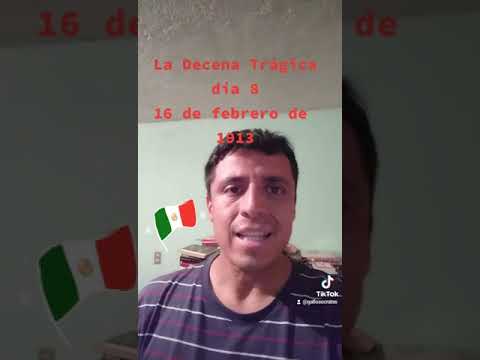
The Decena Trágica: Day 8 - A Historical Deep Dive

Hello and welcome to El Antroposofista, your premier source for insights into anthropology, archaeology, psychology, and history. Today, we delve into a pivotal moment in Mexican history: the eighth day of the Decena Trágica. This period, a brutal coup d'état that rocked Mexico City in February 1913, remains a critical subject for understanding the complexities of the Revolución Mexicana.

While the original content provided a brief mention and specific hashtags, our aim here is to expand this into a comprehensive historical analysis, exploring the socio-political dynamics, key figures, and lasting impact of this tumultuous week. We will not only contextualize the events but also reflect on how historical study, even of intense periods like this, contributes to our broader understanding of world history and the human condition.

Introduction: The Crucible of the Decena Trágica

The Decena Trágica, a ten-day period of intense fighting and political upheaval in Mexico City, represents a critical inflection point during the Mexican Revolution. Occurring between February 9th and 19th, 1913, this event was not an isolated incident but rather the culmination of deep-seated political rivalries and military ambitions.

This blog post, originally tagged with #shorts and focusing on Day 8, will expand significantly on that narrow scope. We will explore the historical context, the unfolding of events on that specific day, the motivations of the key players, and the broader implications from anthropological, archaeological, and sociological viewpoints. Our goal is to provide a historically informed yet accessible account.

Setting the Stage: Precursors to the Coup

To understand Day 8, we must first grasp the preceding events. The Decena Trágica was sparked by the betrayal of President Francisco I. Madero by General Victoriano Huerta, whom Madero had trusted. Huerta, in league with Félix Díaz (nephew of former dictator Porfirio Díaz) and Bernardo Reyes, conspired to overthrow Madero's government.

The coup began with the "Plan de Tacubaya," a manifesto that declared Madero's government illegitimate. This ignited a violent confrontation in the heart of the capital, pitting Madero's loyalist forces against the rebel army. The ensuing days were characterized by intense street fighting, artillery bombardments, and a desperate struggle for control of the city.

The international dimension was also significant, with the US ambassador Henry Lane Wilson actively meddling in Mexican affairs, further destabilizing the situation. This complex interplay of internal dissent and external pressure set the stage for the brutal events that were about to unfold.

Day Eight: The Escalation of Conflict

By Day 8 of the Decena Trágica, Mexico City had transformed into a war zone. The initial days saw sporadic but fierce fighting, primarily around the National Palace and the Ciudadela military base. However, by this point, the conflict had intensified dramatically.

General Huerta's forces, demonstrating strategic prowess and ruthlessness, had begun to gain the upper hand. They systematically bombarded the National Palace, where Madero and his loyal supporters, including Vice President Pino Suárez, were cornered. The shelling was relentless, causing widespread destruction and civilian casualties.

Reports from the time describe scenes of chaos: families fleeing their homes, improvised hospitals overwhelmed with wounded, and the constant roar of artillery. The air was thick with smoke and the palpable tension of a regime on the brink of collapse. This day marked a significant turn towards the inevitable downfall of Madero's presidency.

The relentless bombardment of the National Palace on this day signaled the desperate straits President Madero found himself in. Control of the capital was slipping away, and the fate of his government hung precariously in the balance.

Archaeological analysis of the battle sites, though challenging due to subsequent urban development, can still reveal the intensity of the fighting through residual ballistics and structural damage in older buildings.

Architects of the Uprising: Leaders and Their Motives

The Decena Trágica was orchestrated by a few key figures, each driven by distinct ambitions:

  • General Victoriano Huerta: The primary antagonist. A seasoned military man, Huerta felt sidelined by Madero and harbored his own aspirations for power. He saw the coup as an opportunity to seize control and restore what he believed was necessary order.
  • Félix Díaz: A claimant to power and nephew of the ousted dictator Porfirio Díaz. He sought to return to the old regime's style of governance, believing it offered stability.
  • General Bernardo Reyes: Though initially hesitant, Reyes eventually joined the conspiracy, seeking to leverage his military reputation for political gain.
  • President Francisco I. Madero: The besieged president. A reformer and idealist, Madero struggled to consolidate his power amidst military disloyalty and political opposition. His belief in democratic principles ultimately contributed to his vulnerability.

Understanding the motivations of these individuals is crucial for a nuanced interpretation of the events. It wasn't simply a military coup; it was a complex web of personal ambition, political ideology, and military strategy.

Societal Impact and Citizenry

The Decena Trágica had profound immediate and long-term societal implications. The violence and instability directly impacted the lives of ordinary citizens in Mexico City. Displacement, loss of life, and economic disruption were rampant.

From a sociological perspective, this event highlighted the fragility of citizenship and governance in times of intense political conflict. The trust placed in leadership was shattered, leading to widespread disillusionment and a further polarization of society. The conflict also underscored the power dynamics between the military and civilian leadership, a recurring theme in Latin American history.

The role of the women and men caught in the crossfire, tending to the wounded, and trying to maintain some semblance of normalcy, offers a vital lens through which to view the human cost of such political struggles. Their resilience and adaptation provide a counterpoint to the grand narratives of generals and presidents.

An Anthropological Perspective on Conflict

Anthropology offers invaluable tools for analyzing conflicts like the Decena Trágica. Beyond the political machinations, we can examine the cultural underpinnings of the violence. What belief systems, social structures, and historical narratives contributed to the willingness of individuals to engage in such brutal conflict?

The concept of honor, loyalty, and betrayal plays a significant role in understanding the actions of military leaders and soldiers. Furthermore, examining the rituals of warfare, the symbols of power (like the National Palace itself), and the ways in which different social groups experienced and interpreted the violence provides a richer, more holistic picture.

From an anthropological viewpoint, the Decena Trágica can be seen as a dramatic manifestation of competing cultural logics and power structures vying for dominance within a specific historical and geographical context.

Studying such events helps us understand the construction of national identity and the enduring legacies of revolutionary periods. The anthropological approach emphasizes lived experience and the symbolic meanings embedded within conflict.

DIY Practical Guide: Analyzing Historical Documents

To truly engage with history, direct interaction with primary sources is essential. Here's a practical guide to analyzing historical documents related to events like the Decena Trágica:

  1. Identify the Document Type: Is it a letter, a diary entry, a government decree, a newspaper article, or a photograph? Each type offers different insights and biases.
  2. Determine the Source: Who created the document? What was their position, affiliation, and potential bias? Consider the author's background, motivations, and intended audience.
  3. Contextualize the Document: When and where was it created? What were the prevailing political, social, and economic conditions at that time? Understanding the historical backdrop is crucial.
  4. Analyze the Content: What information does the document convey? Pay attention to explicit statements, implied meanings, tone, and language used. Look for key names, dates, places, and events.
  5. Corroborate with Other Sources: No single document tells the whole story. Compare the information in your document with other primary and secondary sources to verify facts and gain a more comprehensive understanding. Look for common themes and discrepancies.
  6. Evaluate Reliability and Bias: Assess the document's credibility. Is it firsthand or secondhand information? Is the author trying to persuade, inform, or conceal something? Be critical of the information presented.
  7. Formulate Your Interpretation: Based on your analysis, what conclusions can you draw about the event or period the document pertains to? How does it contribute to our understanding of the broader historical narrative?

Engaging with primary sources firsthand, even through digital archives, provides a unique connection to the past and fosters critical thinking skills applicable far beyond historical study. This practical approach empowers you to become an active participant in historical inquiry, moving beyond passive consumption of information.

Frequently Asked Questions

Q1: What was the main outcome of the Decena Trágica?
A1: The primary outcome was the overthrow and subsequent assassination of President Francisco I. Madero, leading to Victoriano Huerta's usurpation of power and the installation of a military dictatorship, further complicating the Mexican Revolution.

Q2: How long did Victoriano Huerta's regime last?
A2: Huerta's dictatorship lasted approximately 17 months, from February 1913 until July 1914, when he was forced to resign due to mounting opposition from revolutionary factions and international pressure.

Q3: What is the significance of Day 8 of the Decena Trágica?
A3: Day 8 was particularly significant due to the intensified shelling of the National Palace, demonstrating Huerta's increasing military advantage and signaling the imminent collapse of Madero's government. It was a period of brutal escalation.

Q4: How did international powers react to the Decena Trágica?
A4: The United States, under Ambassador Henry Lane Wilson, played a controversial role, seemingly tacitly supporting the coup. Other international powers largely observed the events unfold, concerned about stability and foreign investments.

Q5: Can archaeological evidence confirm events from the Decena Trágica?
A5: While urban development in Mexico City has obscured much of the original battlefield, archaeological methods can potentially identify sites of intense conflict through recovered ballistics, structural damage in older buildings, and unearthed artifacts related to the military engagements.

Conclusion: Echoes of the Past

The Decena Trágica, and specifically its eighth day, serves as a stark reminder of the fragility of political stability and the devastating human cost of power struggles. It was a moment where idealism clashed violently with ruthless ambition, forever altering the course of Latin American history.

By examining this period through the lenses of history, anthropology, and sociology, we gain a deeper appreciation for the complex interplay of individual agency, societal structures, and historical contingency. The events of February 1913 continue to resonate, informing our understanding of governance, conflict, and the enduring quest for a more just society.

We invite you to share your thoughts and reflections in the comments below. How do historical events like the Decena Trágica shape our understanding of present-day political dynamics?

If you found this analysis insightful, we encourage you to explore more on our blog and consider supporting our work through exclusive NFTs, available in our store.

Visit our official blog for the latest news: El Antroposofista Official Blog

Goya Awards 2023: A Deep Dive into "Labordeta, a Man Without Further Ado" - More Than Just a Documentary Film

The recent Goya Awards ceremony celebrated cinematic achievements, and among the accolades was the recognition of "Labordeta, a Man Without Further Ado" as the Best Documentary Film. This award is more than a mere nod to a film; it signifies a profound acknowledgment of the power of documentary storytelling to capture the essence of a significant historical and cultural figure. For those interested in the intersection of anthropology, history, and the psychology of public figures, this film offers a rich tapestry for analysis.

At El Antroposofista, we believe in delving deeper, not just reporting news but dissecting its significance. The victory of "Labordeta, a Man Without Further Ado" at the Goya Awards 2023 presents a unique opportunity to explore the life and impact of Emilio Aragón, a figure whose influence extended far beyond his artistic endeavors, touching upon social and political landscapes.

A Figure of Significance

Emilio Aragón, the subject of the award-winning documentary, was not merely an entertainer; he was a cultural icon whose career spanned decades, leaving an indelible mark on Spanish society. His multifaceted career as a musician, composer, and conductor, coupled with his significant philanthropic work, positions him as a compelling subject for academic inquiry. This documentary, by securing a Goya, invites a renewed examination of his legacy.

The very title, "Labordeta, a Man Without Further Ado," suggests a direct, unembellished portrayal. This approach is crucial for documentary filmmaking, aiming to present an authentic glimpse into the subject's life and contributions. The recognition by the Goya Awards validates this method and underscores the film's success in achieving its narrative goals.

We will explore how this film can be viewed through the lenses of anthropology, history, and psychology, offering insights into the construction of public personas, the socio-historical context of an artist's life, and the very nature of influence.

The Sociopolitical Landscape of Aragon's Life

To truly understand Emilio Aragón, one must situate him within his historical context. Born in the mid-20th century, his life and career unfolded against a backdrop of significant social and political transformations in Spain. From the latter years of the Franco regime to the transition to democracy and into the 21st century, Aragón's journey mirrored the nation's evolution.

His early involvement in music, particularly his foray into jazz and later his work with orchestras, placed him at the forefront of cultural shifts. The documentary likely delves into how these external forces shaped his artistic output and public image. Examining this period through a historical perspective allows us to appreciate the challenges and opportunities he encountered.

"Understanding a public figure requires understanding the era that shaped them. It's a dialectical relationship where the individual influences their time, and the time, in turn, molds the individual."

The film's success at the Goya Awards suggests it effectively communicates this complex interplay. It bridges the gap between personal biography and collective history, making it a valuable resource for anyone studying modern Spanish history and culture.

An Anthropological View of Public Persona

From an anthropological standpoint, Emilio Aragón's life offers a fascinating case study in the construction and maintenance of a public persona. How does an individual become a widely recognized and respected figure? What are the cultural markers and social performances involved?

Documentaries like this one provide rich ethnographic data. They capture not only the individual's actions but also the societal reception and interpretation of those actions. We can analyze the symbols, rituals, and narratives associated with Aragón, understanding how they contributed to his cultural significance.

The concept of the "cultural hero" or "icon" is central here. Aragón, through his art and public engagement, embodied certain values and aspirations that resonated with a broad audience. The documentary likely explores the ways in which his identity intersected with broader cultural trends and societal expectations. This aligns with studies on Latin American or Spanish cultural figures and their role within their societies.

Furthermore, the film's exploration of his immigrant background, if present, adds another layer of anthropological interest, touching upon themes of identity, assimilation, and cultural hybridity. The challenges and triumphs associated with navigating different cultural spheres are often central to the narratives of influential figures.

The Psychology of an Icon

The psychology behind public life is a complex and endlessly intriguing subject. "Labordeta, a Man Without Further Ado" offers a potential window into the mind of an artist who navigated the pressures of fame, public scrutiny, and personal ambition.

What drives an individual to dedicate their life to artistic expression and public service? How does one cope with widespread recognition and the inherent expectations that come with it? The documentary may shed light on Aragón's motivations, resilience, and perhaps even his vulnerabilities.

Analyzing the psychological dimensions could involve examining:

  • The development of his artistic talents and motivations.
  • His response to criticism and public opinion.
  • The psychological impact of his philanthropic endeavors.
  • The persona he projected versus his private self, if discernible.

The film's ability to capture these nuances is likely a key factor in its critical acclaim. It allows viewers to connect with the human aspect of a public figure, fostering empathy and a deeper understanding.

Deconstructing the Documentary Form

Beyond its subject matter, the film's technical and narrative execution is paramount, especially given its Best Documentary win at the Goya Awards. Documentary filmmaking is an art form that requires careful consideration of structure, pacing, and perspective.

We can analyze how "Labordeta, a Man Without Further Ado" utilizes archival footage, interviews, and perhaps reenactments to construct its narrative. The editing choices, the musical score (especially relevant given Aragón's musical background), and the directorial vision all contribute to the film's overall impact.

The HD quality often associated with modern documentaries ensures a level of visual fidelity that enhances the viewing experience. This attention to detail is crucial for a film aiming to provide a comprehensive portrait of its subject. The use of infographics or visual data, while less common in pure biographical documentaries, could have been employed to illustrate specific aspects of Aragón's career or influence.

This award encourages us to consider the ethical dimensions of documentary filmmaking: how to portray a subject respectfully while maintaining journalistic integrity. The film’s success suggests it navigated these complexities effectively.

DIY: Analyzing a Public Figure's Impact

Inspired by the critical examination of "Labordeta, a Man Without Further Ado," this section provides a practical guide for analyzing the impact of any prominent public figure. This is a skill valuable for students of anthropology, history, psychology, and sociology.

  1. Identify the Subject and Their Sphere of Influence: Choose a public figure (politician, artist, scientist, activist) and clearly define their primary field of work and impact (e.g., music, politics, social change).
  2. Research Their Historical Context: Delve into the significant historical events, social norms, and political climate during the subject's active period. Use reputable historical sources, encyclopedias, and academic journals.
  3. Analyze Their Public Persona and Narrative: Examine how the figure presented themselves to the public. Look for recurring themes, key messages, and public statements. Consider media portrayals and how they contributed to their image. What narratives were constructed around them?
  4. Explore Sociocultural Significance: Assess their impact on society and culture. Did they influence trends, challenge norms, or inspire movements? Consider anthropological concepts like cultural symbols, rituals, and values. Look at works like Pierre Bourdieu's on cultural capital for deeper insights.
  5. Investigate Psychological Dimensions: Research their motivations, perceived personality traits, and psychological challenges. While direct psychological diagnosis is impossible from afar, analyze public accounts of their behavior, decision-making processes, and potential psychological drivers for their actions.
  6. Examine Their Legacy: How is the figure remembered today? What is their lasting impact? Are there controversies or debates surrounding their legacy? This involves looking at contemporary discussions and academic analyses of their work and life.
  7. Consider the Medium of Documentation: If analyzing a documentary or biography, critically assess the filmmaker's or author's choices. How does the medium shape our understanding? Are there biases present? This aligns with the study of data presentation and infographics, where visual representation can influence perception.

By following these steps, you can develop a nuanced and comprehensive understanding of any public figure, moving beyond superficial recognition to a deeper, analytical appreciation.

Frequently Asked Questions

Q1: Who is Emilio Aragón, the subject of the documentary?
A1: Emilio Aragón was a renowned Spanish musician, conductor, composer, and philanthropist, widely recognized for his significant contributions to Spanish culture and his humanitarian work.

Q2: What does "Labordeta, a Man Without Further Ado" signify in the context of Spanish cinema?
A2: The film's Goya Award for Best Documentary Film signifies critical acclaim for its in-depth portrayal of Emilio Aragón's life and legacy, highlighting the power of documentary storytelling in capturing significant cultural and historical figures.

Q3: How can this documentary be relevant to anthropological or historical studies?
A3: The film offers rich insights into the socio-historical context of 20th and 21st century Spain, the construction of public personas, and the cultural impact of influential figures, making it a valuable resource for interdisciplinary academic study.

Q4: Does the film focus on specific aspects of Aragón's career?
A4: While specific details would depend on the film's content, documentaries often explore a figure's artistic journey, their personal life, their engagement with societal issues, and their lasting legacy. Given Aragón's background, his musical career and philanthropic activities are likely central themes.

Conclusion and Final Reflection

The Goya Award for "Labordeta, a Man Without Further Ado" serves as a powerful reminder of the enduring significance of well-crafted documentary films. It not only honors the life and work of Emilio Aragón but also invites us, as students of culture and society, to engage critically with the figures who shape our world.

By applying the analytical frameworks of anthropology, history, and psychology, we can move beyond simple admiration to a profound understanding of the complex interplay between individuals, their times, and their legacies. We encourage you to seek out this film and consider its narrative through these lenses. What aspects of Aragón's life resonate most with you? How do you see his impact reflected in contemporary society?

Juanmi Esteban's Comeback: Injury, Documentary, and the Road to IRONMAN World Championship

Introduction: The Resilience of an Athlete

Welcome back to El Antroposofista, your nexus for deep dives into anthropology, archaeology, psychology, and history. Today, we shift our focus from the grand narratives of civilizations to the compelling personal journeys of individuals. Our subject is Juanmi Esteban, an athlete whose recent experiences highlight the profound interplay of physical challenge, personal narrative, and the unwavering pursuit of monumental goals.

Esteban is preparing for his return to elite competition, with a firm commitment to competing in the IRONMAN World Championship (IMWC). This journey is not merely about physical recovery; it's a testament to human resilience, strategic planning, and the power of storytelling through documentary filmmaking. We will explore his path, drawing parallels to broader anthropological concepts of ritual, perseverance, and the construction of identity in the face of adversity.

The Journey Through Adversity: Injury and Resilience

The path to the IMWC is arduous for any athlete. For Juanmi Esteban, this path has been recently complicated by injury. This setback, however, serves as a critical juncture, not an endpoint. In anthropological terms, injury can be seen as a form of 'liminality' – a state of being betwixt and between, stripped of former status and on the cusp of a new one. The recovery process is akin to a ritual, involving specific practices and a transformation of self.

This period of recovery demands immense psychological fortitude. The discipline required to rehabilitate mirrors the self-control needed in endurance sports. It calls upon psychological strategies that are fundamental to sports psychology, focusing on goal setting, positive self-talk, and visualizing success. The meticulous nature of physical therapy and training adjustments requires a form of 'DIY' (Do It Yourself) engagement with one's own physical and mental state.

"The body is a temple, but also a battlefield. It's in moments of vulnerability, like injury, that we truly discover the strength of our spirit and the effectiveness of our recovery strategies."

Documentary: Capturing the Human Spirit

To document this challenging phase and his ambitious comeback, a documentary is in the works. This is more than just a film; it's an act of narrative construction. In anthropology and history, we understand that human experience is often best understood through stories. These narratives shape our understanding of ourselves and our place in the world.

The documentary will likely explore several key themes relevant to our fields:

  • Identity Reconstruction: How does an athlete redefine themselves after a significant injury?
  • Ritual and Practice: The daily grind of training and therapy as a modern form of ritual.
  • Community and Support: The role of coaches, family, and fans in the recovery process.
  • The Pursuit of the Extraordinary: Examining the motivations behind aiming for an event like the IRONMAN World Championship.

This cinematic exploration provides a valuable case study for understanding how personal challenges are framed and interpreted, influencing both the individual's journey and the audience's perception. It’s a way of making abstract concepts of resilience and determination tangible.

The Comeback Strategy: Targeting the IMWC

Esteban's declaration to return to the IMWC is a strategic statement of intent. The IRONMAN World Championship is an unparalleled test of human endurance, requiring mastery over multiple disciplines: swimming, cycling, and running, culminating in a marathon. Achieving this requires meticulous planning and execution.

From a archaeological and historical perspective, the training regimens for such events echo ancient practices of physical preparation for warfare or arduous journeys. The dedication to perfecting each segment – from open-water swimming techniques to pacing strategies for the marathon – is a form of applied science and personal engineering.

The comeback strategy involves:

  • Phased Rehabilitation: Gradual increase in training intensity.
  • Nutritional Optimization: Fueling the body for extreme demands.
  • Mental Conditioning: Building psychological resilience for race day.
  • Strategic Event Selection: Potentially competing in qualifying races to regain form.

This structured approach underscores the blend of physical prowess and strategic thinking essential for elite athletic performance.

"Success in endurance sports is not just about having the strongest muscles, but the most resilient mind. The mental game is where the real victory is often forged, long before the finish line."

DIY Athlete Mindset: Cultivating Resilience

The journey of an athlete like Juanmi Esteban offers valuable lessons that extend beyond the realm of sports. The "Do It Yourself" aspect is paramount in cultivating the mindset needed to overcome significant challenges. Here’s how to apply principles of athlete resilience to your own life:

  1. Define Your "IMWC": Identify a significant, long-term goal in your personal or professional life. This provides direction and purpose.
  2. Break It Down (The Training Plan): Divide your ultimate goal into smaller, manageable steps. What are the weekly or monthly targets that will lead you there? Think of these as your training sessions.
  3. Embrace the 'Injury' (Setbacks): When faced with obstacles or failures, view them not as defeats, but as opportunities for learning and adaptation. Analyze what went wrong and adjust your strategy.
  4. Develop Your Recovery Protocol: Just as an athlete needs a recovery plan, you need strategies to bounce back from setbacks. This might include seeking advice, rest, or re-evaluating your approach.
  5. Build Your Support Network: Identify individuals who can offer encouragement, advice, or practical help. This could be mentors, friends, or family members.
  6. Practice Mental Rehearsal: Visualize yourself successfully overcoming challenges and achieving your goals. This mental training can build confidence and prepare you for difficult moments.
  7. Focus on Consistent Effort: Like daily training, consistent small efforts towards your goal are more effective than sporadic bursts of intense activity.

Frequently Asked Questions

What is the significance of the IRONMAN World Championship?

The IRONMAN World Championship in Kailua-Kona, Hawaii, is widely considered the pinnacle event in long-distance triathlon. It represents the ultimate test of human endurance, speed, and mental toughness, bringing together the world's best elite athletes and age-group competitors.

How do athletes typically recover from major injuries?

Recovery is a multi-faceted process involving physical therapy, gradual reintroduction to training, proper nutrition, adequate rest, and significant psychological adjustment. Athletes often work with a team of specialists, including doctors, physiotherapists, and sports psychologists.

What role does documentary filmmaking play in understanding human experience?

Documentaries offer a powerful medium for exploring complex human experiences, challenges, and triumphs. They provide insights into individual journeys, cultural phenomena, and historical events, often fostering empathy and deeper understanding by presenting real-life narratives.

Can the principles of athletic training be applied to other areas of life?

Absolutely. Concepts like goal setting, discipline, perseverance, strategic planning, and resilience, honed through athletic training, are directly transferable to academic pursuits, career development, personal projects, and overcoming life's general adversities.

Juanmi Esteban's journey is a compelling narrative of athletic ambition, the harsh realities of injury, and the transformative power of dedicated recovery and storytelling. As he gears up for his return, his story reminds us that the human spirit, when combined with rigorous planning and unwavering determination, can indeed overcome significant obstacles. We will continue to follow his progress with keen interest.

```