Mostrando las entradas para la consulta interview techniques ordenadas por fecha. Ordenar por relevancia Mostrar todas las entradas

Anthropological Insights: Unveiling Human Societies Through History and Practice

Welcome to "El Antroposofista," your intellectual sanctuary dedicated to the profound exploration of anthropology, archaeology, psychology, and history. In a world increasingly driven by rapid change and complex interconnectedness, understanding the roots of human societies and behaviors has never been more critical. This blog is designed to be a beacon for those seeking a deeper, more nuanced comprehension of the human experience, moving beyond superficial trends to uncover enduring patterns and emergent phenomena. We strive to provide rigorous analysis, historical context, and practical applications, bridging the gap between academic inquiry and everyday life.

Introduction: The Pillars of Human Understanding

Anthropology, in its broadest sense, is the study of humanity. It is a discipline that seeks to understand the totality of human existence, past and present, and in all its diversity. Our journey at "El Antroposofista" is built upon four foundational pillars: history, archaeology, and psychology, all viewed through the lens of anthropological inquiry. These fields, while distinct, are deeply intertwined, each offering unique perspectives that enrich our understanding of what it means to be human. From the grand narratives of civilizations to the intimate details of individual psyches and the tangible remnants of ancient peoples, we explore the multifaceted tapestry of human culture and society.

The Fabric of Time: History as an Anthropological Lens

History provides the temporal framework for understanding human societies. It chronicles the rise and fall of civilizations, the evolution of social structures, the development of ideologies, and the impact of key events on human populations. For the anthropologist, historical records are not merely accounts of past occurrences; they are invaluable datasets offering insights into cultural change, societal organization, belief systems, and the very trajectory of human development. By examining historical trends, we can identify patterns of continuity and discontinuity, understand the forces that shape cultural adaptation, and appreciate the long-term consequences of human actions.

The study of historical events, such as the First World War or the complex dynamics of Mexican immigration, allows us to dissect the interplay of political, economic, and social factors that influence human migration, conflict, and cooperation. Understanding the Spanish Conquest, for instance, reveals profound shifts in indigenous cultures, economies, and social hierarchies, laying the groundwork for the diverse societies of Latin America today. Likewise, tracing the evolution of concepts like citizenship throughout different historical epochs sheds light on changing notions of belonging, rights, and responsibilities within societies.

"History is a gallery of pictures in which there are few originals and a great many copies." - Voltaire

This quote, though perhaps cynical, highlights the anthropological imperative to look beyond mere narratives and analyze the underlying structures, motivations, and recurring themes that shape historical accounts. It is through this critical examination that we can glean genuine insights into the human condition across time.

Unearthing the Past: Archaeology's Dialogue with Anthropology

Archaeology complements historical inquiry by providing direct, tangible evidence of past human life. Through meticulous excavation and analysis of material remains—tools, structures, artifacts, and human remains—archaeologists reconstruct the daily lives, technological capabilities, social organizations, and belief systems of ancient peoples. This physical evidence is crucial for understanding societies that left no written records or for corroborating and challenging historical accounts.

The work of archaeologists allows us to explore ancient civilizations like those of Mesoamerica, revealing their sophisticated urban planning, agricultural techniques, and complex religious practices. The interpretation of ancient rituals through pottery shards, burial sites, and temple structures offers a window into their worldview and social order. Furthermore, archaeological findings can illuminate aspects of human evolution and migration patterns that predate recorded history, providing context for contemporary human diversity. The study of early human settlements, for example, helps us understand the development of agriculture and settled societies, a fundamental shift in human history.

The convergence of archaeological and historical data is particularly powerful when examining periods of significant cultural transition, such as the shift from hunter-gatherer societies to agrarian ones, or the impact of early European exploration on indigenous populations across continents.

The Inner Landscape: Psychology's Contribution to Anthropology

While history and archaeology provide the external context and material evidence of human existence, psychology delves into the internal world—the mind, behavior, and emotional experiences of individuals and groups. Psychological theories offer frameworks for understanding cognition, motivation, social interaction, identity formation, and the development of cultural norms and values. How do individuals learn their culture? What drives social conformity or rebellion? How are identities, including cultural identity, constructed and maintained?

Anthropological psychology, a subfield that bridges these disciplines, examines how psychological processes are shaped by culture and how cultural practices influence psychological well-being. Concepts such as cultural relativism and cultural sensitivity are essential for understanding psychological phenomena across different societies. Moreover, psychological insights are vital for comprehending complex social issues like racism, prejudice, and intergroup conflict, exploring the cognitive and emotional underpinnings of these phenomena. The study of mental health across diverse cultural contexts reveals the intricate ways in which societal structures and beliefs impact individual psychological states.

"The unexamined life is not worth living." - Socrates

This Socratic dictum resonates deeply within anthropological inquiry, urging us to critically examine not only external societal structures but also our own internal motivations, biases, and the psychological underpinnings of our beliefs and behaviors.

DIY Anthropology: Practical Applications for Everyday Life

The principles of anthropology, history, and psychology are not confined to academic ivory towers; they offer practical tools for navigating our complex world. This section provides a guide to applying these disciplines in your own life, fostering a more informed and engaged perspective.

Guide Pratique DIY: Conducting a Mini-Ethnographic Interview

Ethnography, a cornerstone of anthropological research, involves immersing oneself in a culture or community to understand its practices and beliefs from an insider's perspective. You can apply basic ethnographic principles to better understand individuals or groups within your own social sphere.

  1. Define Your Objective: What specific aspect of a person's or group's experience do you want to understand? For example, understanding a colleague's work process, a family member's perspective on a tradition, or a friend's experience with a particular hobby.
  2. Identify Your Subject(s): Choose someone willing to share their experiences and with whom you can establish a rapport. Ensure you respect their privacy and consent.
  3. Prepare Open-Ended Questions: Frame questions that encourage detailed responses, avoiding yes/no queries. Think about "How?", "Why?", "What was it like?", "Can you describe...?" For instance, instead of "Do you like your job?", ask "What are the most rewarding aspects of your work?" or "Can you walk me through a typical day?". Incorporate questions that touch upon historical context ("How has your approach to X changed over time?") and psychological motivations ("What drives your interest in Y?").
  4. Active Listening: Pay close attention to what is being said, both verbally and non-verbally. Show genuine interest, maintain eye contact (where culturally appropriate), and nod to indicate understanding. Avoid interrupting.
  5. Take Notes (or Record with Permission): If possible and with explicit consent, take notes or record the conversation. This allows you to focus on listening rather than writing. If you can't record, jot down key phrases and ideas immediately afterward.
  6. Observe the Context: Pay attention to the environment in which the conversation takes place. How does the setting influence the interaction?
  7. Reflect and Analyze: After the interview, review your notes. What themes emerged? What surprised you? How does this conversation deepen your understanding of the individual or group? Connect your observations to broader anthropological concepts, historical parallels, or psychological principles. For example, did their explanation of a tradition reflect historical influences? Did their motivations align with known psychological theories?
  8. Follow Up (Optional): If appropriate, you might share a brief summary of your understanding and ask for clarification or confirmation, demonstrating respect for their perspective.

This simple exercise, while not a substitute for formal ethnographic fieldwork, can significantly enhance your interpersonal understanding and observational skills, making you a more empathetic and insightful observer of human behavior.

Frequently Asked Questions

Q1: What is the primary goal of anthropology?
A1: The primary goal of anthropology is to understand the diversity of human societies and cultures, both past and present, and to explore the commonalities and differences in human experience across time and space.

Q2: How does archaeology contribute to anthropology?
A2: Archaeology provides the material evidence of past human life, allowing anthropologists to reconstruct ancient societies, behaviors, and environments, especially for periods lacking written records.

Q3: Can I study anthropology without a formal academic background?
A3: Absolutely. "El Antroposofista" is dedicated to making anthropological insights accessible. By reading widely, observing the world around you critically, and engaging with resources like this blog, you can develop a strong understanding of anthropological concepts.

Q4: What is the relationship between psychology and anthropology?
A4: Psychology focuses on individual mental processes and behavior, while anthropology studies cultural and social influences. Anthropological psychology examines how culture shapes the mind and how psychological processes contribute to cultural phenomena.

Q5: What does "DIY Anthropology" mean in practice?
A5: "DIY Anthropology" refers to applying anthropological principles, observational skills, and analytical methods to everyday life situations to gain deeper insights into human behavior, social dynamics, and cultural contexts without needing formal research tools.

Conclusion: Embracing the Anthropological Journey

Our exploration of anthropology, interwoven with the insights of history and psychology, reveals a rich and complex understanding of humanity. The disciplines we explore are not static bodies of knowledge but dynamic fields that continually evolve, offering new perspectives on enduring human questions. By adopting an anthropological mindset—one that values curiosity, critical thinking, empathy, and a deep appreciation for diversity—we can navigate our world with greater wisdom and understanding. We encourage you to continue this journey with us, to question, to learn, and to apply these invaluable insights to your own life. Visit our official blog for the latest news and in-depth articles:

El Antroposofista Official Blog

If you find value in our work and wish to support our mission, consider exploring our exclusive NFTs, offering a unique way to collaborate and engage with our content.

``` ```json { "@context": "http://schema.org", "@type": "FAQPage", "mainEntity": [ { "@type": "Question", "name": "What is the primary goal of anthropology?", "acceptedAnswer": { "@type": "Answer", "text": "The primary goal of anthropology is to understand the diversity of human societies and cultures, both past and present, and to explore the commonalities and differences in human experience across time and space." } }, { "@type": "Question", "name": "How does archaeology contribute to anthropology?", "acceptedAnswer": { "@type": "Answer", "text": "Archaeology provides the material evidence of past human life, allowing anthropologists to reconstruct ancient societies, behaviors, and environments, especially for periods lacking written records." } }, { "@type": "Question", "name": "Can I study anthropology without a formal academic background?", "acceptedAnswer": { "@type": "Answer", "text": "Absolutely. \"El Antroposofista\" is dedicated to making anthropological insights accessible. By reading widely, observing the world around you critically, and engaging with resources like this blog, you can develop a strong understanding of anthropological concepts." } }, { "@type": "Question", "name": "What is the relationship between psychology and anthropology?", "acceptedAnswer": { "@type": "Answer", "text": "Psychology focuses on individual mental processes and behavior, while anthropology studies cultural and social influences. Anthropological psychology examines how culture shapes the mind and how psychological processes contribute to cultural phenomena." } }, { "@type": "Question", "name": "What does \"DIY Anthropology\" mean in practice?", "acceptedAnswer": { "@type": "Answer", "text": "\"DIY Anthropology\" refers to applying anthropological principles, observational skills, and analytical methods to everyday life situations to gain deeper insights into human behavior, social dynamics, and cultural contexts without needing formal research tools." } } ] }

Anthropology's Roots: A Deep Dive into Human Societies and Their Histories

Welcome to El Antroposofista, a dedicated space for exploring the intricate tapestry of human existence. This blog serves as a nexus for deep dives into anthropology, archaeology, psychology, and history, offering insights that connect our past to our present. We aim to demystify complex subjects and present them in an accessible yet academically rigorous manner, fostering a richer understanding of the human condition.

The study of humanity is a vast and multidisciplinary endeavor. Anthropology, in particular, seeks to understand the diversity of human life across time and space. It examines our biological origins, our cultural variations, and the social structures we have built. Coupled with archaeology, which unearths the material remains of past societies, we gain a tangible connection to those who came before us, piecing together narratives from fragmented evidence.

This exploration is intrinsically linked to psychology, which delves into the human mind and behavior, and history, which chronicles the events, people, and societal changes that have shaped our world. By integrating these fields, we can construct a more holistic picture of what it means to be human, from the earliest hominids to the complexities of modern globalized societies.

Introduction: The Pillars of Human Understanding

At El Antroposofista, our mission is to provide a comprehensive overview of the disciplines that illuminate the human experience. We believe that understanding our collective past and the diverse ways humans live is crucial for navigating the present and shaping a more informed future. This blog is a testament to that belief, offering analytical articles, historical retrospectives, and practical guides.

The fields of anthropology, archaeology, psychology, and history are not isolated silos; they are deeply interconnected. Anthropology provides the theoretical framework for understanding cultural diversity, archaeology offers empirical evidence of past lifeways, psychology explains the individual and group behaviors within these contexts, and history weaves these elements into chronological narratives of change and continuity.

We are committed to bringing you high-quality content that is both informative and engaging. Whether you are a student, a seasoned academic, or simply a curious individual, you will find valuable insights here. Our approach emphasizes critical analysis and a deep appreciation for the complexities of human societies throughout time.

The Anthropological Lens: Unpacking Culture and Society

Anthropology is the holistic study of humankind. It encompasses biological, cultural, and linguistic anthropology, providing a broad perspective on human origins, behavior, and societies. We examine how cultures develop, adapt, and interact, exploring everything from kinship systems and religious beliefs to economic practices and political structures.

Understanding cultural diversity is a cornerstone of anthropological inquiry. It involves appreciating different worldviews, social norms, and value systems without imposing one's own cultural biases. This perspective is essential for fostering respect and inclusivity in an increasingly interconnected world. It also sheds light on phenomena such as immigration and citizenship, examining the complex social dynamics involved.

From examining ancient tribal structures to analyzing contemporary urban social dynamics, anthropological methods provide tools for understanding the nuances of human interaction. The concept of cultural relativism encourages us to view beliefs and practices within their own cultural context, a vital skill for researchers and global citizens alike.

"The study of anthropology is the study of ourselves in all our varieties." - Clifford Geertz

Our articles will delve into specific cultural traditions, explore linguistic variations, and discuss the impact of globalization on local communities. We aim to highlight the richness and complexity of human societies, emphasizing the shared humanity that underlies our differences.

Archaeological Discoveries: Whispers from the Past

Archaeology acts as our primary window into prehistory and the undocumented past. By excavating and analyzing material culture—artifacts, structures, and ecofacts—archaeologists reconstruct the lifeways of ancient peoples. This discipline provides concrete evidence for understanding early human settlements, technological advancements, and societal organization.

Through rigorous archaeological methods, we can date ancient sites, identify trade routes, and even infer dietary habits and health conditions of past populations. Sites ranging from the ancient Mesopotamian cities to the pre-Columbian civilizations of the Americas offer invaluable data for anthropological and historical research.

The interpretation of these archaeological findings often involves collaboration with other disciplines, including history and paleoanthropology. The quest to understand ancient civilizations requires careful analysis of pottery shards, architectural remains, and burial sites, each telling a unique story about the people who created them. This field is crucial for understanding the long arc of human evolution and societal development.

We will feature discussions on significant archaeological sites, groundbreaking discoveries, and the theoretical debates within the field. Understanding our material past is fundamental to understanding the full scope of human history and cultural heritage.

Psychological Perspectives: The Inner Landscape

Psychology offers critical insights into the human mind, behavior, and emotions. It explores the biological underpinnings of our actions, the development of personality, and the social influences that shape our thoughts and feelings. Understanding individual and collective psychology is vital for comprehending societal dynamics and historical events.

From cognitive processes to social behaviors, psychology helps us understand why humans act the way they do. This includes exploring phenomena like group dynamics, decision-making, and the formation of identity, which are all relevant to anthropological and historical studies. The study of human behavior is complex and multifaceted.

We will explore how psychological principles apply to historical contexts, such as understanding the motivations behind conflicts, the impact of leadership on societies, or the psychological effects of social change. The interplay between individual minds and broader societal trends is a constant theme in our analysis.

"The unexamined life is not worth living." - Socrates

Our content will touch upon various branches of psychology, including social psychology, cognitive psychology, and evolutionary psychology, demonstrating their relevance to understanding human societies across time and cultures.

Historical Narratives: Charting the Course of Civilization

History provides the chronological framework for understanding human development. It is the study of past events, societies, cultures, and ideas, offering lessons and context for the present. By examining historical narratives, we can trace patterns of change, continuity, and the impact of key figures and movements.

At El Antroposofista, we delve into diverse historical periods and regions, from the dawn of civilization to contemporary global politics. We aim to present nuanced interpretations of historical events, challenging simplistic accounts and highlighting the complexities of human agency and structural forces.

Topics will range from the causes of major conflicts like the First World War to the social and cultural transformations during periods of immigration and cultural exchange. Understanding historical trends is crucial for informed analysis of current events and future possibilities.

We will emphasize the importance of primary sources, critical analysis of historical data, and the ongoing debates among historians. Our goal is to foster a deeper appreciation for the richness and dynamism of human history.

DIY Research Guide: Tracing Your Ancestral Footprints

Understanding your own family history can be a deeply rewarding experience, offering personal connections to broader historical and anthropological trends. This guide provides a basic framework for beginning your genealogical research, a practical application of historical research methods.

  1. Start with What You Know: Begin by gathering information from living relatives. Interview parents, grandparents, aunts, and uncles. Ask about names, dates (birth, marriage, death), places of residence, occupations, and any family stories or traditions. Document everything meticulously.
  2. Organize Your Findings: Use a consistent system to record your data. This could be a dedicated genealogy software program, a spreadsheet, or even a detailed notebook. Create family group sheets and a pedigree chart to visualize your lineage. Ensure you note the source of each piece of information.
  3. Utilize Online Resources: Many websites offer access to digitized historical records. Explore platforms like Ancestry.com, FamilySearch, MyHeritage, and national archives websites. These often contain census records, birth/marriage/death certificates, immigration manifests, and military records. You may need a subscription for some services, but many offer free trials or access to public records.
  4. Explore Vital Records and Civil Registrations: Focus on official documents. Birth, marriage, and death certificates are foundational. Look for records specific to the regions or countries where your ancestors lived. These documents often list parents' names, occupations, and places of birth.
  5. Investigate Census Records: Census data, collected periodically by governments, can provide snapshots of your ancestors' households at specific times, including names, ages, occupations, and places of birth for all household members.
  6. Consider Immigration and Naturalization Records: If your ancestors immigrated, passenger lists and naturalization papers can be invaluable. They often contain information about their origins, arrival dates, and intended destinations. This is particularly relevant for topics related to immigration and citizenship.
  7. Look for Church and Cemetery Records: Many religious institutions kept meticulous records of baptisms, marriages, and burials. Cemetery records can provide dates of death and burial, and sometimes even birth dates and family relationships.
  8. Consider DNA Testing: While not a replacement for traditional research, DNA tests can provide ethnicity estimates and connect you with living relatives who share your DNA, potentially unlocking new avenues for research. Ensure you understand the privacy implications of these services.
  9. Collaborate and Share: Connect with other researchers, join genealogical societies, and engage in online forums related to your family's regions or surnames. Sharing your findings and collaborating can often lead to breakthroughs. Remember to always cite your sources and be aware of potential inaccuracies in historical records or family lore.

Frequently Asked Questions

What is the core focus of anthropology?

The core focus of anthropology is the holistic study of humankind, examining human biology, culture, and language across time and space. It seeks to understand the diversity of human societies and their origins.

How does archaeology contribute to our understanding of human history?

Archaeology contributes by unearthing and interpreting the material remains of past human activities. This provides tangible evidence of ancient civilizations, technological advancements, social structures, and daily life, often filling gaps where written records are absent.

Why is psychology important in the study of history and anthropology?

Psychology is important because it offers insights into human motivations, behaviors, and cognitive processes. Understanding the individual and collective mind helps explain social phenomena, decision-making in historical contexts, and cultural practices studied in anthropology.

Can I apply the research methods discussed to my own family history?

Absolutely. The DIY Research Guide outlines fundamental methods for genealogical research, which are direct applications of historical research techniques. Exploring your family history connects you directly to anthropological and historical studies.

What are some key concepts in understanding cultural diversity?

Key concepts include cultural relativism (understanding practices within their context), cultural exchange, globalization's impact on local cultures, and the importance of inclusivity and respect for diverse cultural traditions.

Conclusion: The Enduring Quest for Understanding

The study of anthropology, archaeology, psychology, and history is a continuous journey of discovery. Each discipline offers a unique lens through which to view the human experience, and their convergence provides the most profound understanding. At El Antroposofista, we are dedicated to illuminating these connections, encouraging critical thought, and fostering a deeper appreciation for the complexity and richness of human societies.

We invite you to engage with our content, explore the past through the eyes of those who study it, and perhaps even begin your own journey of discovery, whether through academic pursuit or personal research. The story of humanity is vast, and there is always more to learn and understand.

For further exploration and the latest news in these fields, we encourage you to visit our official blog: El Antroposofista Blog.


The Monumental Journey of Tláloc: From Texcoco to the National Museum of Anthropology

Introduction: The Enduring Presence of Tláloc

Hello and welcome to El Antroposofista, your source for in-depth information across the fields of anthropology, archaeology, psychology, and history. Today, we delve into a fascinating narrative that bridges these disciplines: the monumental relocation of the Tláloc monolith. This colossal sculpture, a powerful representation of the Mesoamerican rain deity, embarked on a significant journey from its original location in San Miguel Coatlinchán, State of Mexico, to its current esteemed position within the National Museum of Anthropology. This historical undertaking serves as a compelling case study in cultural heritage management, the logistical challenges of moving immense artifacts, and the enduring significance of pre-Hispanic deities in contemporary Mexican identity.

Historical Context: Tláloc, Lord of the Rain

Tláloc, a name that resonates through the annals of Mesoamerican history, was one of the most revered deities in the pantheon of various indigenous cultures, particularly the Aztecs and their predecessors. His dominion over rain, water, lightning, and thunder made him a figure of immense power and importance, directly influencing the agricultural cycles upon which these civilizations depended. Societies that relied heavily on rainfall for their sustenance accorded Tláloc a place of utmost respect, often accompanied by elaborate rituals and offerings aimed at securing his favor and averting his wrath, which could manifest as devastating droughts or floods.

The worship of Tláloc was central to the survival and prosperity of many Mesoamerican societies, reflecting a deep spiritual connection to the natural forces that governed their lives.

Understanding Tláloc requires an appreciation for the intricate cosmology of cultures like the Mexica (Aztec). He was not merely a god of water but a complex entity associated with fertility, mountain springs, and even the underworld (Mictlán) in certain contexts. His iconography, often featuring distinctive goggle-like eyes and fangs, is instantly recognizable to anyone familiar with pre-Hispanic art. The presence of such massive sculptures dedicated to him underscores the scale of organized labor and religious devotion in these ancient societies.

The Challenge of Relocation: A Monumental Undertaking

The decision to move a colossal stone sculpture like the Tláloc monolith is never undertaken lightly. These artifacts, often weighing many tons, present formidable logistical and engineering challenges. The sheer mass of the sculpture necessitates specialized equipment, extensive planning, and a multidisciplinary team of experts. Beyond the physical demands, the relocation of such significant cultural objects also involves complex considerations regarding preservation, historical context, and community relations.

In the case of the Tláloc monolith, the move from its resting place in San Miguel Coatlinchán to the National Museum of Anthropology in Mexico City was not just a transfer of an object but a negotiation between past and present, between local heritage and national curation. Such transfers often spark debate about ownership, stewardship, and the best way to ensure an artifact's long-term survival and accessibility for scholarly research and public appreciation. The process highlights the critical role of anthropology and archaeology in understanding and managing cultural heritage.

The Epic Journey: From Coatlinchán to Chapultepec

The journey of the Tláloc monolith from San Miguel Coatlinchán is a story etched in the history of Mexican cultural preservation. In the mid-1960s, as preparations were underway for the construction of the new National Museum of Anthropology, the decision was made to relocate the monumental Tláloc sculpture. This was no small feat; the monolith, carved from a single massive stone, weighs an estimated 168 tons and stands over 7 meters tall.

The relocation effort was a monumental engineering project. It involved the construction of a custom-designed trailer with more than 200 wheels, requiring extensive road reinforcement and careful route planning to navigate the distance to Chapultepec Park in Mexico City. The operation, which took place in April 1964, was closely monitored by the public and scientific communities alike. This dramatic event itself became a subject of study, offering insights into the relationship between indigenous heritage, state initiatives, and public perception. The successful transfer ensured that this significant piece of Mesoamerican culture could be preserved and studied in a controlled environment, accessible to a wider audience.

Symbolic Significance: Tláloc's Role in Mesoamerican Culture

The enduring presence of Tláloc, both historically and in contemporary consciousness, speaks volumes about his pivotal role in the Mesoamerican worldview. As the god of rain, he was intrinsically linked to the very sustenance of life. His blessings could bring forth bountiful harvests, ensuring the survival and prosperity of communities. Conversely, his displeasure could result in devastating droughts, leading to famine and societal hardship.

This duality—the life-giving and destructive potential of water—made Tláloc a figure of immense respect and awe. Rituals, ceremonies, and even sacrifices were dedicated to appeasing him and securing his favor. The massive scale of sculptures like the one relocated reflects the profound importance attributed to this deity. Even today, Tláloc remains a potent symbol of Mexico's rich indigenous heritage, a reminder of the complex spiritual beliefs that shaped ancient civilizations and continue to resonate in certain cultural practices.

The iconography of Tláloc, with his characteristic goggle eyes and reptilian or jaguar-like features, is a powerful visual testament to the sophisticated artistic and religious traditions of pre-Hispanic Mexico.

Research and Preservation: The Role of Anthropology and Archaeology

The journey and ultimate placement of the Tláloc monolith within the National Museum of Anthropology highlight the crucial roles of anthropology and archaeology. These disciplines are not merely academic pursuits; they are vital for understanding, interpreting, and preserving humanity's past. The study of such artifacts provides invaluable data for reconstructing the social structures, religious beliefs, and technological capabilities of ancient civilizations.

Anthropologists and archaeologists engage in meticulous documentation, analysis, and conservation efforts. For the Tláloc monolith, this involved understanding its geological origin, the techniques used in its carving, and its original context. The museum setting, facilitated by these disciplines, allows for controlled environmental conditions to prevent degradation and enables scholarly research. Furthermore, it provides an educational platform for the public to connect with their heritage, fostering a deeper appreciation for the complexities of human history and cultural evolution.

We invite you to visit our official blog to check the latest current news in these fields: El Antroposofista Blog.

DIY Anthropology Fieldwork: Documenting Local Heritage

While moving a monolith is beyond the scope of most individuals, the spirit of anthropological inquiry can be applied to documenting local heritage in accessible ways. This practical guide outlines how you can contribute to understanding and preserving the cultural narratives within your own community, akin to how the Tláloc monolith's story is preserved.

  1. Identify a Local Point of Interest: Choose a historical site, a significant landmark, a local tradition, or even an object of communal importance within your town or neighborhood. This could be an old building, a public sculpture, a traditional festival, or a long-standing local business.
  2. Conduct Preliminary Research: Utilize available resources such as local libraries, historical societies, municipal archives, and online resources like historical newspaper archives or anthropological studies related to your region. Gather basic facts: when was it built/established? Who was involved? What is its purpose or significance?
  3. Gather Oral Histories: Engage with members of your community who have firsthand knowledge or long-standing memories related to your chosen point of interest. Conduct informal interviews (with permission, of course). Ask open-ended questions about their experiences, perceptions, and the history they associate with the subject. Record these conversations (with consent) for later reference.
  4. Document Visually: Take photographs or videos of the site, object, or event. Capture details, context, and scale. If documenting a tradition or festival, try to capture the atmosphere, the participants, and key moments.
  5. Analyze and Synthesize: Review your research and interview notes. Identify key themes, narratives, and historical connections. How does this local point of interest connect to broader historical or cultural trends? What makes it unique or significant to your community?
  6. Compile and Share: Organize your findings into a coherent narrative. This could be a written report, a photo essay, a short documentary video, or even a presentation for a local group. Sharing your findings contributes to the collective memory and understanding of your community's heritage, much like the museum preserves and presents the story of Tláloc.

This hands-on approach allows you to engage directly with anthropological concepts and contribute to the documentation of cultural heritage, no matter how small the scale.

Frequently Asked Questions

What is the significance of the Tláloc monolith?

The Tláloc monolith is a monumental sculpture representing the Mesoamerican god of rain, water, and fertility. It is significant for its immense size, artistic merit, and the deep religious and cultural importance of Tláloc in ancient civilizations like the Aztec empire. Its relocation to the National Museum of Anthropology highlights its status as a key piece of Mexican cultural heritage.

How much does the Tláloc monolith weigh?

The Tláloc monolith is estimated to weigh approximately 168 tons (around 152 metric tons).

When was the Tláloc monolith moved to the National Museum of Anthropology?

The monolith was moved in April 1964, during the preparations for the opening of the new National Museum of Anthropology in Mexico City.

What challenges were involved in moving the Tláloc monolith?

The primary challenges were the immense weight and size of the sculpture. Moving it required specialized engineering, including the construction of a custom heavy-duty trailer, reinforcement of roads, and careful logistical planning to transport it from San Miguel Coatlinchán to the museum in Mexico City.

Conclusion and Final Reflection

The narrative of the Tláloc monolith is far more than just the story of moving a large stone. It is a powerful illustration of how monumental art serves as a conduit to understanding ancient civilizations, their beliefs, and their relationship with the natural world. The journey from San Miguel Coatlinchán to the National Museum of Anthropology is a testament to human ingenuity in overcoming significant engineering challenges, but more importantly, it signifies the deliberate effort to preserve and present vital pieces of cultural heritage for future generations. As scholars of anthropology, archaeology, and history, we recognize that such artifacts are not mere relics; they are living connections to our collective past, offering continuous insights into the human experience. The enduring reverence for figures like Tláloc underscores the profound and often mystical ways in which societies have sought to understand and appease the forces that shape their existence.

If you enjoyed this exploration, we encourage you to engage with our community in the comments section below. Share your thoughts on cultural heritage, monumental art, or your own experiences with local historical preservation.

If you like what I do and want to collaborate, I invite you to visit our store to buy cheap and exclusive NFTs: El Antroposofista NFTs.

``` ```json { "@context": "https://schema.org", "@type": "FAQPage", "mainEntity": [ { "@type": "Question", "name": "What is the significance of the Tláloc monolith?", "acceptedAnswer": { "@type": "Answer", "text": "The Tláloc monolith is a monumental sculpture representing the Mesoamerican god of rain, water, and fertility. It is significant for its immense size, artistic merit, and the deep religious and cultural importance of Tláloc in ancient civilizations like the Aztec empire. Its relocation to the National Museum of Anthropology highlights its status as a key piece of Mexican cultural heritage." } }, { "@type": "Question", "name": "How much does the Tláloc monolith weigh?", "acceptedAnswer": { "@type": "Answer", "text": "The Tláloc monolith is estimated to weigh approximately 168 tons (around 152 metric tons)." } }, { "@type": "Question", "name": "When was the Tláloc monolith moved to the National Museum of Anthropology?", "acceptedAnswer": { "@type": "Answer", "text": "The monolith was moved in April 1964, during the preparations for the opening of the new National Museum of Anthropology in Mexico City." } }, { "@type": "Question", "name": "What challenges were involved in moving the Tláloc monolith?", "acceptedAnswer": { "@type": "Answer", "text": "The primary challenges were the immense weight and size of the sculpture. Moving it required specialized engineering, including the construction of a custom heavy-duty trailer, reinforcement of roads, and careful logistical planning to transport it from San Miguel Coatlinchán to the museum in Mexico City." } } ] }

The Tsimane' Way of Life: An Anthropological and Historical Deep Dive

Welcome to El Antroposofista, your dedicated space for exploring the intricate tapestry of anthropology, archaeology, psychology, and history. This post delves into the profound depths of the Tsimane' people, an indigenous community whose lives offer invaluable insights into human adaptation, cultural persistence, and the complex relationship between humanity and its environment. Our exploration is framed by a significant documentary project focused on the Pachene community, nestled within the vibrant heart of the Bolivian Amazon.

Introduction: Unveiling the Tsimane'

The Tsimane' people, particularly those of the Pachene community in Bolivia, represent a living testament to the enduring human spirit in one of Earth's most challenging yet biodiverse ecosystems. Their traditional way of life, deeply intertwined with the Amazon rainforest, provides a unique lens through which to examine societal structures, health practices, and cultural continuity. This exploration is intrinsically linked to vital initiatives such as the Proyecto de Defensa de los Pueblos Indígenas Aislados y en Extrema Vulnerabilidad (Project for the Defense of Isolated and Extremely Vulnerulnerable Indigenous Peoples), highlighting the critical need to understand and protect these communities.

At El Antroposofista, we are committed to bridging academic rigor with accessible knowledge. This article aims to dissect the Tsimane' experience through the multifaceted perspectives of history, anthropology, archaeology, and psychology, offering a comprehensive overview for enthusiasts and scholars alike.

Historical Context: Indigenous Resilience in the Amazon

The history of indigenous peoples in the Amazon basin is a narrative of resilience against centuries of external pressures, from colonial exploitation to modern-day encroachment. The Tsimane', like many other Amazonian groups, have navigated these challenges by maintaining distinct cultural identities and socio-political systems. Their history is not merely a record of survival but a dynamic process of adaptation and resistance.

Understanding the Tsimane' historical trajectory requires acknowledging the broader patterns of interaction between indigenous populations and various external forces, including missionaries, rubber tappers, and later, state development projects. The ongoing research, often facilitated through documentary efforts and academic partnerships like the one leading to the Pachene film, plays a crucial role in documenting and preserving this rich historical heritage.

The Tsimane' way of life offers a powerful counterpoint to many of the assumptions embedded in Western modernity, demonstrating alternative models of community and environmental stewardship.

The isolation and territorial integrity of groups like the Tsimane' are paramount. Their history is marked by a deep understanding of their environment, a knowledge system honed over generations. This knowledge is not static; it evolves in response to changing circumstances, showcasing an active engagement with their historical and ecological context.

Anthropological Perspective: Culture, Society, and Health

From an anthropological standpoint, the Tsimane' present a fascinating case study in social organization, kinship systems, and belief structures. Their society is often characterized by relative egalitarianism and strong communal ties, with decision-making processes that emphasize consensus.

Research on Tsimane' health has yielded remarkable insights. Studies have indicated exceptionally low levels of cardiovascular disease, attributed to their traditional diet, active lifestyle, and lack of exposure to certain modern environmental factors. This aspect of Tsimane' life is of particular interest to medical anthropologists and public health researchers, offering potential lessons for global health challenges.

The cultural practices of the Tsimane', including their rituals, ceremonies, and oral traditions, are vital components of their identity. These elements are not merely relics of the past but active forces shaping their present and future. The transmission of cultural knowledge across generations ensures the continuity of their unique worldview.

Key aspects of Tsimane' social and cultural life include:

  • Kinship Systems: Understanding the intricate web of family relations that forms the bedrock of their society.
  • Subsistence Strategies: Examining their deep connection to the land through hunting, fishing, and small-scale agriculture.
  • Belief Systems: Exploring their spiritual connection to the natural world and the cosmos.
  • Health and Longevity: Analyzing the factors contributing to their remarkable health outcomes.

Archaeological Connections: Tracing Ancestral Roots

While direct archaeological evidence from the deep past of the Tsimane' themselves may be challenging to pinpoint due to the environmental conditions of the Amazon, the broader archaeological record of the region offers crucial context. The Amazon basin has a long and complex history of human settlement, dating back thousands of years.

Archaeological findings in South America, including evidence of early agricultural societies, sophisticated earthworks, and ancient trade networks, paint a picture of a continent that was far from being a pristine wilderness before European arrival. These discoveries underscore the deep historical roots of indigenous cultures in the region, including those ancestral to the Tsimane'.

The archaeological evidence suggests that Amazonia was home to diverse and complex societies long before colonial contact, challenging simplistic notions of indigenous peoples as static or historically inert.

Understanding the archaeological landscape helps us appreciate the millennia of human adaptation and innovation that preceded the current Tsimane' way of life. It provides a tangible link to their ancestors and the enduring legacy of human presence in the Amazon.

Psychological Insights: Cognitive Adaptations and Well-being

The field of psychology, particularly in its anthropological and evolutionary branches, can offer insights into the Tsimane' cognitive frameworks and emotional lives. Their immersion in a natural environment, coupled with their specific social structures, likely shapes their psychological experiences in ways distinct from industrialized societies.

Research into Tsimane' cognition might explore areas such as spatial reasoning, environmental knowledge acquisition, and the psychological impact of their communal living arrangements. The relatively low incidence of stress-related psychological disorders observed in some studies of the Tsimane' may be linked to their lifestyle, social support systems, and their philosophical outlook on life.

Considerations from a psychological perspective:

  • Environmental Psychology: How their deep connection with the rainforest influences their mental state and perception.
  • Social Psychology: The impact of communal living and strong kinship bonds on individual well-being.
  • Cognitive Anthropology: The study of how their cultural practices and environment shape their ways of thinking and knowing.

Guía Práctica DIY: Técnicas Básicas de Entrevista Etnográfica

Engaging with human cultures requires sensitivity and skill. For those interested in anthropological research, learning to conduct effective interviews is fundamental. Here’s a basic guide inspired by the principles of ethnographic fieldwork:

  1. Define Your Objective: Clearly state what you aim to learn. For instance, understanding Tsimane' farming practices or their views on a particular tradition.
  2. Build Rapport: Approach individuals with respect and humility. Spend time observing and engaging in casual conversation before asking direct questions. Showing genuine interest in their lives is crucial.
  3. Prepare Open-Ended Questions: Frame questions that encourage detailed responses, avoiding simple yes/no answers. For example, instead of "Do you like farming?", ask "Could you tell me about your experience with farming?"
  4. Listen Actively: Pay close attention to what is being said, both verbally and non-verbally. Nod, maintain eye contact (culturally appropriate), and use verbal cues to show you are engaged.
  5. Be Flexible: Allow the conversation to flow naturally. The interviewee might introduce topics or provide insights you hadn't considered. Be ready to deviate from your prepared questions if a valuable learning opportunity arises.
  6. Take Notes (or Record): If possible and with explicit consent, take notes or record the interview. This allows you to capture details accurately. Ensure ethical considerations regarding privacy and consent are paramount.
  7. Follow Up: If certain points need clarification, don't hesitate to ask politely. Phrases like "Could you explain that further?" or "I want to make sure I understood correctly, you mentioned..." are helpful.
  8. Express Gratitude: Always thank the interviewee for their time and willingness to share their knowledge.

Frequently Asked Questions

What is the primary focus of the documentary on the Tsimane' people?

The documentary focuses on the Tsimane' community of Pachene in the Bolivian Amazon, highlighting their traditional way of life as part of an initiative to defend isolated and extremely vulnerable indigenous peoples.

What makes the Tsimane' diet significant from a health perspective?

Studies suggest the Tsimane' have very low rates of cardiovascular disease, which is partly attributed to their traditional diet, high physical activity levels, and limited exposure to modern environmental pollutants and processed foods.

How does archaeology connect to the study of contemporary indigenous groups like the Tsimane'?

Archaeology provides the deep historical context for understanding the long-term human presence and adaptation in regions like the Amazon, offering insights into the ancestral roots and historical trajectories of groups like the Tsimane'.

What are some key challenges faced by the Tsimane' people today?

Like many indigenous groups, the Tsimane' face challenges related to land rights, resource encroachment, cultural preservation in the face of external influences, and access to healthcare and education that respects their cultural identity.

Can I collaborate with El Antroposofista?

Yes, you can support the work of El Antroposofista by visiting their store to acquire exclusive NFTs, as mentioned in the original content.

The Tsimane' way of life is a profound subject that continues to offer invaluable lessons about human resilience, cultural diversity, and our relationship with the natural world. Their story, amplified by efforts like the Pachene documentary and scholarly discourse, enriches our collective understanding of humanity.

We invite you to continue this conversation in the comments below. What aspects of Tsimane' culture or life resonate most with you? How can we better support indigenous communities worldwide?

```

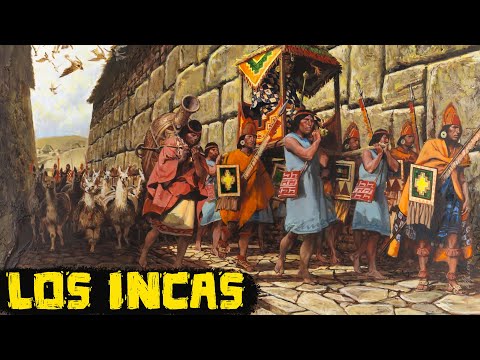
The Inca Empire: South America's Majestic Civilization – A Deep Dive into History and Anthropology

Introduction: Unveiling the Inca Legacy

Hello and welcome to El Antroposofista, the blog dedicated to exploring the fascinating realms of anthropology, archaeology, psychology, and history. Today, we embark on a journey to the heart of South America to explore one of history's most remarkable empires: the Incas. Their sophisticated civilization, known as Tahuantinsuyu ("Land of the Four Quarters"), left an indelible mark on the Andean landscape and continues to captivate our imaginations. This exploration delves into the historical context, sociopolitical structures, economic ingenuity, cultural achievements, and lasting legacy of this extraordinary ancient society, drawing upon archaeological evidence and anthropological perspectives.
The Inca Empire, at its zenith, was the largest empire in pre-Columbian America, characterized by its advanced administrative system, monumental architecture, and profound understanding of its environment.

The Inca Empire: A Historical Overview

Emerging from humble beginnings in the Cusco valley around the 12th century CE, the Inca Empire experienced a meteoric rise, particularly during the 15th and early 16th centuries. Under a succession of powerful rulers, or Sapa Incas, their dominion expanded rapidly through military conquest, strategic alliances, and assimilation. The empire’s territorial reach eventually encompassed a vast swathe of western South America, from modern-day Ecuador and Colombia down to Chile and Argentina, incorporating diverse peoples and landscapes. This expansion was facilitated by a highly organized military and an effective administrative system capable of integrating conquered territories.

Sociopolitical Organization: The Pillars of Tahuantinsuyu

The genius of the Inca Empire lay in its meticulous sociopolitical organization. At its apex was the Sapa Inca, a divine ruler considered a descendant of the sun god Inti. The empire was divided into four administrative regions, or *suyus*, each governed by a high-ranking official. A complex bureaucracy managed the vast territory, ensuring efficient communication, labor mobilization, and resource distribution. The *quipu*, a system of knotted cords, served as their primary method of record-keeping, an ingenious solution in the absence of a written script. Social stratification was rigid, with distinct classes including nobility, administrators, artisans, and a large peasant population responsible for agricultural labor. The concept of the *ayllu*, a traditional community or kinship group, formed the bedrock of social organization, fostering cooperation and collective responsibility.
The Inca administrative system was a masterpiece of logistical and social engineering, capable of managing a diverse empire spanning thousands of kilometers.

The Ingenious Economic System: Reciprocity and Redistribution

The Inca economy operated on principles of reciprocity and redistribution, rather than a monetary system. Labor was a key commodity, organized through the *mita*, a system of mandatory public service that involved constructing roads, bridges, agricultural terraces, and other public works. Agricultural productivity was maximized through sophisticated techniques like terracing and advanced irrigation systems, enabling the cultivation of crops like maize and potatoes in challenging mountain environments. Goods produced were stored in state warehouses and redistributed to communities during times of need, to support the military, or to fund state projects. This system ensured that the population was generally well-fed and that the state could undertake ambitious infrastructure projects.

Cultural Achievements: Art, Religion, and Innovation

The Incas were master builders and engineers. Their most iconic achievement is Machu Picchu, a breathtaking citadel set high in the Andes, demonstrating unparalleled skill in stonemasonry. Other notable architectural feats include the intricate road network (the Qhapaq Ñan), suspension bridges, and well-planned urban centers like Cusco. Their religious beliefs were centered around a pantheon of gods, with Inti (the sun god) holding a preeminent position. Elaborate ceremonies and rituals were integral to Inca life, often tied to agricultural cycles. Inca artistry is evident in their fine textiles, gold and silver work, and pottery, often featuring geometric patterns and zoomorphic motifs.

Archaeological Insights: Unearthing the Past

Archaeology plays a crucial role in understanding the Inca Empire, particularly given their lack of a written language. Excavations at numerous sites across the Andes have revealed the sophistication of Inca urban planning, agricultural technology, and burial practices. Discoveries of ceremonial sites, administrative centers, and residential areas provide invaluable data on daily life, social hierarchy, and religious customs. The preservation of many Inca sites, due to the arid climate and high altitude, allows archaeologists to study their construction techniques and settlement patterns in remarkable detail. These findings constantly refine our understanding of this complex civilization, adding layers to historical accounts.
Archaeological evidence allows us to move beyond textual accounts and directly engage with the material remains of the Inca civilization, offering a tangible connection to their past.

Enduring Legacy and Modern Influence

Despite the Spanish conquest in the 16th century, the legacy of the Inca Empire endures. Many Quechua-speaking communities in the Andes today maintain cultural traditions and agricultural practices that have roots in the Inca era. Their architectural marvels continue to inspire awe and attract visitors from around the globe, contributing significantly to the tourism sector of Peru and neighboring countries. The Inca Empire serves as a potent symbol of indigenous achievement and resilience in South America, influencing national identities and historical narratives. Their sophisticated understanding of ecology and sustainable practices remains relevant in contemporary discussions about environmental stewardship.

DIY Guide: Mapping Your Ancestral Trails (Inca-Inspired Approach)

While we may not possess the intricate *quipu* system, we can adopt an Inca-inspired approach to understanding our own heritage and family history. This practical guide outlines steps to begin mapping your ancestral trails:
  1. Identify Your Known Ancestors: Start with yourself and work backward. List your parents, grandparents, and great-grandparents, noting their full names, birth dates, and places of birth. This forms the initial layer of your family tree.
  2. Gather Existing Documentation: Collect any birth certificates, marriage licenses, death certificates, old letters, photographs, or family Bibles. These documents are like precious Inca records, offering vital clues and names.
  3. Interview Living Relatives: Speak with older family members. Ask them about family stories, migration patterns, occupations, and significant life events. Record these conversations (with permission) – these oral histories are invaluable, much like the oral traditions that sustained Inca knowledge.
  4. Utilize Online Genealogy Resources: Explore reputable genealogy websites (like Ancestry.com, FamilySearch, etc.). Search for census records, immigration manifests, and vital records that may contain information about your ancestors.
  5. Connect the Dots and Visualize: Begin to build a family tree chart. You can use online tools, software, or even plain paper. As you gather information, look for patterns, recurring names, and geographical connections, mirroring how the Incas organized their vast territory.
  6. Research Historical Context: Understand the historical periods and locations where your ancestors lived. What were the major events? What was daily life like? This context, much like studying the history of Latin America, enriches your understanding.
  7. Consider DNA Testing (Optional): While not a traditional method, DNA tests can provide insights into ethnic origins and connect you with distant relatives, offering another layer of discovery.

Frequently Asked Questions

What was the primary reason for the Inca Empire's rapid expansion?

The Inca Empire's rapid expansion was driven by a combination of factors, including a highly organized and disciplined military, effective administrative strategies for integrating conquered peoples, and a strong leadership that fostered loyalty and expansionist ambitions.

How did the Incas manage such a vast territory without a written script?

The Incas utilized the *quipu*, a sophisticated system of knotted cords, for record-keeping, accounting, and transmitting information. Coupled with a highly structured bureaucracy and a network of messengers (*chasquis*), they effectively managed their empire.

What were the most significant architectural achievements of the Incas?

The most significant architectural achievements include Machu Picchu, the extensive Qhapaq Ñan road system, numerous fortified sites (like Sacsayhuamán), sophisticated terracing for agriculture, and monumental stonework characterized by precisely cut and fitted stones without mortar.

Did the Inca Empire have any contact with other major civilizations outside of South America?

There is no archaeological or historical evidence to suggest that the Inca Empire had direct contact with major civilizations outside of South America, such as those in Europe, Asia, or Africa, prior to the arrival of the Spanish.

What is the most lasting impact of the Inca civilization today?

The most lasting impact is seen in the cultural traditions of Quechua-speaking populations in the Andes, their agricultural techniques (like terracing), and their monumental architectural sites, which are UNESCO World Heritage sites and major tourist attractions.

Conclusion and Final Reflection

The Inca Empire stands as a testament to human ingenuity, organizational prowess, and the capacity for monumental achievement. From their sophisticated administration and economic systems to their breathtaking architectural feats and enduring cultural heritage, the Incas forged a civilization that profoundly shaped the Andean region. Studying them not only illuminates a significant chapter in world history but also offers valuable lessons in societal organization, resource management, and cultural resilience. Their story, pieced together through history and archaeology, continues to inspire and educate, reminding us of the remarkable achievements of past civilizations.

The Unseen Influence: How Anthropological Lenses Reframe Social Dynamics and DIY Intellectualism

Welcome to El Antroposofista, your portal into the intricate worlds of anthropology, archaeology, psychology, and history. In this exploration, we delve beyond the surface, seeking to understand the underlying currents that shape human societies and individual experiences. Our aim is to equip you not just with knowledge, but with the tools to critically engage with and even reconstruct aspects of these disciplines through a DIY (Do It Yourself) intellectual and practical approach.

The Anthropological Imperative: Understanding the 'Why'

The search for meaning and connection is a fundamental human drive. Within the academic sphere, this quest often leads us to fields like anthropology, archaeology, psychology, and history. These disciplines, while distinct, offer complementary lenses through which we can examine the human condition. Anthropology, in particular, provides a holistic framework for understanding human societies and their development. It asks not just *what* humans do, but *why* they do it, exploring the complex interplay of culture, biology, and environment.

Our core intention in these articles is to satisfy a deep-seated curiosity—a desire to comprehend the multifaceted nature of humanity. This isn't merely about absorbing facts; it's about developing a critical perspective that can be applied to various contexts. We aim to foster an environment where rigorous academic inquiry meets accessible knowledge, encouraging readers to become active participants in their learning journey.

The human mind is not a vessel to be filled, but a fire to be kindled.

By integrating semantically related terms and concepts from these fields—such as cultural relativism, social structures, behavioral patterns, and material evidence—we build a rich tapestry of understanding. Our focus is on entities like the concept of culture itself, the methodological approaches of ethnocentrism and participant observation, and the theoretical contributions of figures like Franz Boas and Claude Lévi-Strauss.

Unearthing Societal Blueprints: A Historical Perspective

History provides the chronological backbone for understanding human development. By examining past events, social formations, and technological advancements, we gain context for present-day realities. From the intricate empires of antiquity to the societal shifts of the modern era, historical analysis reveals patterns of continuity and change.

Understanding concepts like the Neolithic Revolution, the rise and fall of civilizations, and the impact of industrialization are crucial. These historical markers help us grasp the evolution of social hierarchies, economic systems, and belief structures. The study of history is, in essence, the study of human agency and its consequences across time.

The digital age has revolutionized how we access and process historical data. Tools and methodologies previously confined to academic institutions are now more readily available, encouraging a more democratized approach to historical research. The ability to cross-reference sources, analyze digitized archives, and utilize mapping technologies has opened new avenues for inquiry, echoing the spirit of our DIY approach.

The Psyche in Society: Intertwined Realities

Psychology complements anthropological and historical perspectives by focusing on the individual mind and behavior. How do societal norms influence individual identity? How do personal experiences shape collective consciousness? These are the questions that bridge psychology with other social sciences.

Key concepts such as cognitive biases, social learning theory, and the impact of environmental factors on mental well-being are integral. Exploring the work of psychologists like B.F. Skinner on behaviorism or Sigmund Freud on the unconscious mind offers profound insights into human motivation and action.

Understanding the psychological underpinnings of social phenomena is critical. Whether examining phenomena like groupthink, the dynamics of conformity, or the roots of prejudice, psychology provides essential explanatory power. This knowledge is not just theoretical; it has practical applications in areas ranging from education to conflict resolution.

Decoding the Past: Lessons from Material Culture

Archaeology offers a unique pathway to understanding past human behavior through the excavation and analysis of physical remains. Artifacts, structures, and landscapes serve as tangible evidence of how people lived, worked, and interacted.

The methodology of archaeology involves meticulous excavation, documentation, and interpretation. Concepts such as stratigraphy, typology, and site analysis are fundamental to reconstructing past lifeways. Each shard of pottery, each stone tool, can tell a story about technology, trade, diet, and social organization.

Material culture is a silent witness to human history, speaking volumes when deciphered correctly.

From the grand monuments of ancient Egypt to the subtle traces of hunter-gatherer camps, archaeology provides irrefutable data that complements written records or fills gaps where none exist. The ongoing advancements in dating techniques and remote sensing continue to refine our understanding of the past, making archaeology a dynamic and ever-evolving field.

The Power of 'Do It Yourself' in Academia

The "Do It Yourself" (DIY) ethos extends far beyond crafting or home repair; it represents a powerful intellectual paradigm. It encourages active engagement, critical thinking, and hands-on learning. In the context of anthropology, history, psychology, and archaeology, a DIY approach empowers individuals to become creators of knowledge, not just consumers.

This means questioning established narratives, seeking out primary sources, attempting to replicate historical methods, or even conducting small-scale studies in your own community. It’s about deconstructing complex ideas and rebuilding them in a way that fosters deeper understanding. For instance, instead of just reading about cartography, one might attempt to create their own historical map based on primary accounts.

Embracing DIY intellectualism also involves leveraging available resources, whether they are digital archives, public lectures, or community events. It’s about resourcefulness and initiative. This approach is particularly valuable in making complex academic subjects more accessible and relevant to everyday life. It connects the abstract theories to concrete practices, fostering a more robust and lasting comprehension.

DIY Fieldwork: Conducting a Mini Ethnographic Study

Ethnography, the cornerstone of anthropological fieldwork, involves immersing oneself in a community to understand its culture. While professional ethnography requires extensive training and time, a simplified DIY approach can provide valuable insights into social dynamics within your immediate environment.

  1. Define Your Scope: Choose a specific, observable social setting or group. This could be a local park during different times of day, a specific online forum, a regular community gathering, or even the interactions within a particular workplace or classroom. Keep it small and manageable.
  2. Formulate Research Questions: What do you want to understand? Examples: "How do people interact in this space?" "What unwritten rules seem to govern behavior here?" "How is information shared or exchanged?"
  3. Observe and Record: Discreetly observe the chosen setting. Take detailed field notes. Record behaviors, interactions, language used (without identifying individuals), and the physical environment. Note your own observations and initial interpretations. Think about using your smartphone camera sparingly and ethically for environmental context, not people (unless explicit consent is obtained).
  4. Identify Patterns: Review your notes. Look for recurring behaviors, common themes, or significant deviations from expected norms. What social structures or roles appear to be at play?
  5. Consider Interviewing (Optional & with Consent): If appropriate and ethical for your chosen setting, consider asking open-ended questions to a few individuals about their experiences or observations within that context. Always seek explicit consent to record or quote them, and ensure anonymity.
  6. Analyze and Interpret: Synthesize your observations and any interview data. What conclusions can you draw regarding your research questions? How do your findings reflect broader anthropological concepts (e.g., social norms, ritual behavior, community formation)? Be mindful of your own biases and the limitations of your study.
  7. Document Your Findings: Write a brief report summarizing your methodology, observations, analysis, and conclusions. Acknowledge the limitations of your DIY study.

This exercise in participant observation and data collection, even on a small scale, provides practical experience in ethnographic methods and enhances critical observation skills. It's a direct application of anthropological principles.

Frequently Asked Questions

Frequently Asked Questions

Q1: What is the primary goal of combining anthropology, archaeology, psychology, and history?
A1: The primary goal is to achieve a comprehensive and nuanced understanding of the human experience by examining its cultural, historical, psychological, and material dimensions from multiple perspectives.

Q2: How does the 'Do It Yourself' (DIY) approach benefit learning in these fields?
A2: The DIY approach promotes active learning, critical engagement, and deeper comprehension by encouraging individuals to apply concepts, reconstruct practices, and generate their own insights, moving beyond passive information reception.

Q3: Is it possible to conduct meaningful ethnographic research without formal training?
A3: While professional ethnography requires rigorous training, a simplified DIY approach, focusing on specific, observable settings and ethical data collection, can offer valuable personal insights and practical experience in observational methods.

Q4: What is the role of semantic SEO in academic blogging?
A4: Semantic SEO ensures that content is not only keyword-rich but also contextually relevant, covering related entities and topics. This helps search engines understand the depth and breadth of the subject matter, attracting readers with specific academic interests.

Conclusion: Empowering the Inquisitive Mind

The exploration of anthropology, archaeology, psychology, and history offers a profound journey into the complexities of human existence. By adopting a critical, inquisitive, and particularly a DIY intellectual mindset, we can move beyond passive consumption of information to become active participants in understanding our world.

The insights gained from these disciplines, coupled with practical methodologies, equip us to better navigate our social landscapes, appreciate diverse cultural expressions, and critically assess historical trajectories. We encourage you to continue exploring these fascinating fields, to question, to learn, and to apply knowledge in meaningful ways. Share your thoughts and experiences in the comments below – let's build a community of curious minds.