Mostrando las entradas para la consulta streaming ordenadas por fecha. Ordenar por relevancia Mostrar todas las entradas

La Cumbia: Un Viaje Enciclopédico por la Diversidad y Evolución de un Género Latinoamericano

Introducción a la Cumbia: Raíces y Ritmo

La cumbia, un género musical intrínsecamente latinoamericano, emerge de las profundidades de la historia y la cultura de Colombia, pero su eco resuena con una potencia inusitada a lo largo y ancho del continente. Su ritmo, inconfundiblemente contagioso, y la armoniosa interacción de instrumentos emblemáticos como la tambora, el acordeón y la guitarra, configuran una experiencia auditiva que trasciende la mera escucha para convertirse en una invitación visceral al movimiento.

Este género no es un ente monolítico; por el contrario, se manifiesta en una constelación de estilos, cada uno tejiendo hilos sonoros que reflejan la intrincada y rica diversidad de las distintas regiones de América Latina. Comprender la cumbia es, en esencia, emprender un fascinante viaje musical que desentraña la identidad, las fusiones y la profunda conexión cultural que este género ha logrado establecer.

Un Mosaico Sonoro: Diversos Estilos de Cumbia

Cumbia Colombiana: La Matriz Original

Nuestro periplo sonoro inicia en la tierra natal de la cumbia: Colombia. La cumbia colombiana es la fuente primigenia, reconocida por la complejidad de sus ritmos y la profundidad poética de sus letras. Cada compás es un eco de la historia y el alma de Colombia, impregnado de una pasión que se desborda y una alegría contagiosa que define su esencia. Representa un espejo sonoro de la identidad nacional.

Cumbia Mexicana: Fusión y Tradición

Al cruzar fronteras, la cumbia se reinventa. La cumbia mexicana se erige como un vibrante testimonio de la fusión cultural. Incorpora de manera magistral elementos de la música tradicional mexicana, creando una experiencia auditiva distintiva. Esta amalgama de influencias se percibe en cada nota, ofreciendo a los oyentes una perspectiva única y profundamente arraigada en el sentir mexicano.

"La cumbia es un lenguaje universal que habla directamente al corazón, uniendo culturas a través de su ritmo inconfundible."

Cumbia Peruana: Aires Andinos y Costeños

En los vastos paisajes de los Andes y la costa peruana, la cumbia peruana irrumpe con fuerza, resonando con la opulencia de la herencia cultural del país. Sus melodías poseen la cualidad mágica de encantar y transportar al oyente a través de escenarios naturales impresionantes, desde las cumbres andinas hasta la brisa marina de la costa.

Cumbia Chilena: Energía y Vibra

La efervescente escena musical chilena también acoge y transforma la cumbia. La cumbia chilena se distingue por una audaz fusión de ritmos locales, integrando la energía y la vitalidad intrínsecas de la nación. Es una expresión artística que captura la esencia dinámica y el espíritu indomable de Chile.

Cumbia Argentina: Identidad y Melodía

Profundizando en el Cono Sur, la cumbia argentina, cuyas raíces se entrelazan con la música folclórica del país, forja un vínculo profundo y conmovedor con la identidad nacional. Sus tonos melódicos, a menudo cargados de sentimiento, y su ritmo enérgico, resultan irresistibles para aquellos que anhelan sumergirse en la riqueza de la música latinoamericana.

Cumbia Boliviana: Ecos Indígenas

Bolivia, tierra de contrastes geográficos y culturales, aporta su propia versión a este género. La cumbia boliviana se enriquece al mezclarse con profundas influencias indígenas, dando lugar a una fusión sonora verdaderamente única. Es una manifestación auténtica de la vasta diversidad cultural que caracteriza al altiplano y las tierras bajas bolivianas.

Cumbia Ecuatoriana: Ritmo y Raíces Afro

En la franja costera de Ecuador, la cumbia ecuatoriana despliega su encanto particular. Se distingue por un ritmo más relajado y una conexión palpable con las ricas raíces afroecuatorianas, invitando al oyente a dejarse llevar por la magia evocadora de su música.

Cumbia Venezolana: Caribe y Fiesta

Venezuela añade su característico matiz a la cumbia, infundiéndola con vibrantes elementos tropicales y caribeños. La cumbia venezolana se presenta como una auténtica celebración de la alegría desbordante y la vitalidad que definen la cultura caribeña y la idiosincracia venezolana.

Cumbia Centroamericana: Unión Regional

En el corazón geográfico de América Central, la cumbia centroamericana actúa como un crisol, fusionando influencias provenientes de toda la región. Este estilo se erige como un testimonio musical poderoso de la diversidad cultural que, de manera intrínseca, define a esta subregión del continente.

Cumbia Norteña: Fronteras Musicales

En la vasta extensión del norte de América Latina, la cumbia norteña hunde sus raíces en la música tradicional mexicana, especialmente en los ritmos de banda y norteño. Su ritmo pegajoso, a menudo acompañado de letras emotivas y narrativas, la consolida como un tesoro musical apreciado en México y más allá.

La Cumbia en Constante Transformación

La cumbia es un organismo vivo, un género musical que no se conforma con el pasado, sino que se proyecta hacia el futuro en una evolución musical constante. Nuevos estilos y subgéneros emergen continuamente, impulsando a la cumbia hacia cimas creativas inexploradas. La fusión de géneros, la experimentación audaz y la búsqueda incansable de la innovación son las fuerzas motrices que alimentan esta metamorfosis perpetua, asegurando su relevancia y vitalidad a través del tiempo.

Artistas contemporáneos continúan explorando territorios sonoros, incorporando elementos de la música electrónica, el rock, el pop e incluso géneros más tradicionales de otras latitudes. Esta capacidad de adaptación y reinvención es clave para entender la longevidad y la omnipresencia de la cumbia en el panorama musical latinoamericano.

"Cada nueva fusión, cada experimento rítmico, es una capa más en la rica tapicería de la cumbia, un género que sabe mirar al futuro sin olvidar sus orígenes."

Baile, Conexión y Comunidad: Más Allá de la Música

La cumbia trasciende su condición de mero género musical para convertirse en un poderoso catalizador de unión, celebración y cohesión social. En fiestas, eventos comunitarios y reuniones familiares a lo largo de toda América Latina, la cumbia actúa como un imán cultural, congregando a personas de diversos orígenes. El baile se convierte en un lenguaje compartido, un vehículo para la expresión colectiva y el fortalecimiento de los lazos comunitarios.

Su popularidad es innegable; la cumbia ha conquistado los corazones de millones, cruzando barreras geográficas y sociales. Desde las bulliciosas calles de Bogotá hasta las soleadas playas de Acapulco, la cumbia impregna la vida cotidiana, resonando en cada rincón donde la cultura latinoamericana florece. Es un fenómeno musical que define y celebra la identidad colectiva.

El impacto de la cumbia se extiende a la preservación y difusión de la diversidad cultural. Al incorporar elementos de diferentes tradiciones, cada variante regional de la cumbia actúa como un guardián sonoro de su herencia, ofreciendo al mundo una ventana a las particularidades de cada cultura.

Guía Práctica DIY: Creando tu Propia Playlist de Cumbia Regional

Sumérgete de lleno en la experiencia cumbiera creando tu propia selección musical curada. Esta guía te ayudará a explorar y disfrutar la diversidad de la cumbia latinoamericana.

  1. Define tu Enfoque: Decide si quieres explorar un país específico (ej. "Cumbias Colombianas Esenciales"), una región (ej. "Lo Mejor de la Cumbia Centroamericana") o una temática (ej. "Cumbias para Bailar Lento").
  2. Investiga Artistas Clave: Comienza buscando los artistas más representativos de cada estilo. Por ejemplo, para la cumbia colombiana, piensa en Lucho Bermúdez o Pérez Prado (aunque más sonero, su influencia es palpable). Para la cumbia mexicana, busca a Celso Piña o Rigo Tovar.
  3. Explora Plataformas Digitales: Utiliza servicios de streaming como Spotify, YouTube Music o Apple Music. Busca listas de reproducción ya existentes con términos como "Cumbia Peruana Tradicional", "Cumbia Argentina Chicha" o "Grandes Éxitos de Cumbia". Estas te darán un punto de partida excelente.
  4. Descubre Fusiones y Subgéneros: No te limites a la cumbia "pura". Investiga la "chicha" peruana, la cumbia villera argentina, o la cumbia electrónica. Estas fusiones amplían enormemente el espectro sonoro. Puedes usar etiquetas como FusiónMusical y EvoluciónMusical para encontrar contenido relacionado.
  5. Incorpora Instrumentación Característica: Presta atención a los instrumentos. Busca temas donde el acordeón sea protagonista (típico de la cumbia colombiana y argentina), la tambora marque el ritmo, o donde se integren instrumentos andinos como la quena o la charango (común en la cumbia andina/peruana).
  6. Varía el Ritmo y el Estado de Ánimo: Asegúrate de incluir tanto cumbias rápidas y alegres, ideales para bailar, como cumbias más lentas y melódicas, perfectas para escuchar y disfrutar. Piensa en la etiqueta RitmoAlegre y RitmoCaribeño.
  7. Organiza y Etiqueta tu Playlist: Una vez que tengas una buena selección, organiza tu playlist por país, artista o estado de ánimo. ¡Añade una descripción que refleje el viaje musical que has creado!

Preguntas Frecuentes

¿Cuál es el origen exacto de la cumbia?

La cumbia tiene sus raíces más profundas en las comunidades afrodescendientes de la Costa Caribe de Colombia. Nació de la fusión de influencias indígenas (ritmos y danzas), africanas (percusión y estructura rítmica) y españolas (instrumentación melódica y estructura armónica).

¿Cómo ha evolucionado la cumbia a lo largo del tiempo?

La cumbia ha experimentado una notable evolución a través de la fusión cultural y la incorporación de nuevos instrumentos y estilos musicales. Pasó de ser un género regional colombiano a adaptarse y transformarse en cada país latinoamericano, integrando elementos del rock, pop, electrónica, jazz y música folclórica local, dando lugar a innumerables subgéneros.

¿Por qué la cumbia es tan popular en las celebraciones y fiestas latinoamericanas?

Su ritmo cadencioso y repetitivo es intrínsecamente bailable, invitando a la participación colectiva y generando un ambiente festivo y de alegría. La cumbia es un vehículo para la expresión social y la celebración de la identidad, conectando a las personas a través del movimiento y la música.

¿Cuál es el papel de la cumbia en la identidad cultural de América Latina?

La cumbia es un elemento central y unificador en la identidad cultural de América Latina. Sirve como un nexo que une a personas de diversas procedencias, regiones y clases sociales. Cada variante nacional o regional de la cumbia es una expresión de orgullo y pertenencia, reflejando la historia y las particularidades de cada comunidad.

¿Qué hace que la cumbia sea un género musical en constante evolución?

La cumbia se mantiene viva y relevante gracias a la constante experimentación de los artistas, quienes la fusionan con tendencias musicales contemporáneas y la adaptan a nuevos contextos. La apertura a la incorporación de nuevas influencias y la reinterpretación de sus elementos tradicionales aseguran su dinamismo y su capacidad para conectar con nuevas generaciones.

En conclusión, la cumbia es mucho más que un simple género musical; representa un vibrante tapiz tejido con los hilos de la historia, la diversidad y la identidad de América Latina. Su capacidad innata para adaptarse, fusionarse y evolucionar, sin perder jamás la esencia de su ritmo contagioso, la consagra como un fenómeno musical único y profundamente arraigado en el alma del continente. Es un testimonio sonoro de la resiliencia cultural y la alegría compartida.

El Declive de los Supermercados Tradicionales: Un Análisis Antropológico y Sociológico de las Nuevas Tendencias de Consumo

La estructura del consumo moderno se encuentra en un estado de transformación perpetua. Durante décadas, la figura del supermercado se erigió como el epicentro de la provisión de bienes de consumo, un pilar inamovible en la vida cotidiana de la mayoría de las sociedades. Sin embargo, las evidencias y análisis contemporáneos, a menudo reflejados en producciones documentales como la mencionada "El declive de los supermercados | DW Documental", sugieren un cambio de paradigma. Este artículo se adentra en las raíces antropológicas, sociológicas e históricas de este fenómeno, desentrañando las causas subyacentes y explorando las emergentes configuraciones de mercado que buscan redefinir la relación entre el productor, el distribuidor y el consumidor.

Introducción: El Fin de una Era

La prominencia de los supermercados, caracterizada por su vasta oferta y la estandarización de la experiencia de compra, ha definido el paisaje comercial durante gran parte del siglo XX y principios del XXI. No obstante, un análisis retrospectivo y prospectivo revela una erosión gradual de su hegemonía. Este declive no es un fenómeno abrupto, sino la culminación de tendencias multifacéticas que alteran las dinámicas de poder en la cadena de suministro y las expectativas del consumidor. Comprender este proceso requiere una mirada antropológica que observe las prácticas sociales de consumo, una perspectiva sociológica que analice las estructuras de mercado y las relaciones de poder, y un contexto histórico que sitúe la evolución del comercio minorista.

El Cambio en los Hábitos de Compra: La Era Digital y el Consumidor Consciente

La transformación digital ha reconfigurado radicalmente los comportamientos de compra. La comodidad y la accesibilidad que ofrece el comercio electrónico han desplazado una parte significativa de la actividad comercial del espacio físico al virtual. Plataformas en línea, con sus algoritmos predictivos y su capacidad para ofrecer una experiencia hiperpersonalizada, desafían la uniformidad inherente a la oferta de los supermercados tradicionales.

Paralelamente, ha emergido un consumidor cada vez más informado y consciente. La preocupación por la salud, el bienestar y la sostenibilidad ha catalizado una demanda creciente de productos orgánicos, de proximidad y con certificaciones éticas. Este consumidor ya no se satisface únicamente con la disponibilidad y el precio; busca transparencia en el origen de los alimentos, valora las prácticas de producción respetuosas con el medio ambiente y prioriza el apoyo a las economías locales. Los supermercados, a menudo atados a cadenas de suministro globales y a modelos de negocio masificados, luchan por adaptarse a estas exigencias cada vez más específicas y demandantes.

"El consumidor moderno ya no es un mero receptor pasivo de ofertas; se ha convertido en un actor informado, crítico y exigente, cuya decisiones de compra reflejan valores más allá de la simple transacción económica."

La Saturación del Mercado y la Competencia Heterogénea

La expansión masiva de las cadenas de supermercados en las últimas décadas, particularmente en economías desarrolladas y en vías de desarrollo, ha conducido a una saturación del mercado. La competencia interna entre grandes superficies ha llevado a estrategias de diferenciación a menudo superficiales, centradas en guerras de precios o en la ampliación del surtido, sin abordar las demandas cualitativas de un sector creciente de la población.

Esta saturación ha creado un caldo de cultivo fértil para la aparición de modelos de negocio alternativos. Han surgido con fuerza:

  • Tiendas de descuento: Ofrecen productos básicos a precios muy competitivos, atrayendo a consumidores sensibles al precio.
  • Tiendas de conveniencia: Ubicadas estratégicamente en zonas urbanas y residenciales, satisfacen necesidades inmediatas con horarios amplios.
  • Mercados de agricultores: Conectan directamente a los productores con los consumidores, garantizando frescura y apoyando la economía local.
  • Tiendas especializadas: Centradas en nichos específicos como productos orgánicos, sin gluten, veganos o productos gourmet.

Esta heterogeneidad en la oferta fragmenta el mercado tradicional del supermercado, obligando a estas grandes superficies a repensar su propuesta de valor.

Nuevas Vías de Consumo: Tiendas Orgánicas y a Granel

La creciente conciencia sobre la salud personal y la salud planetaria ha impulsado el auge de modelos de negocio enfocados en la sostenibilidad. Las tiendas de productos orgánicos, que ofrecen alimentos cultivados sin pesticidas ni fertilizantes sintéticos, han experimentado un crecimiento exponencial. Estas tiendas no solo satisfacen la demanda de productos más saludables, sino que a menudo se posicionan como defensoras de la agricultura sostenible y del comercio justo, estableciendo relaciones más directas y transparentes con los productores locales.

Otra alternativa que gana terreno es el concepto de tiendas a granel. Estos establecimientos permiten a los consumidores adquirir productos (desde alimentos secos hasta productos de limpieza) en la cantidad exacta que necesitan, utilizando sus propios envases reutilizables. Este modelo combate activamente el desperdicio de embalajes y reduce la generación de residuos, alineándose con los principios de la economía circular y la reducción del impacto ambiental. La filosofía detrás de estas tiendas resuena con un segmento creciente de la población que busca minimizar su huella ecológica.

"La revolución del consumo a granel no es solo una tendencia de mercado, es un manifiesto contra la cultura del descarte y un paso firme hacia modelos de vida más conscientes y respetuosos con los recursos finitos del planeta."

El Auge del Comercio Electrónico y la Conveniencia Digital

La infraestructura digital ha permitido el desarrollo de soluciones de comercio electrónico que van más allá de la simple venta en línea. Los servicios de entrega de alimentos a domicilio, que se han consolidado y diversificado, ofrecen una conveniencia sin precedentes, especialmente para aquellos con estilos de vida acelerados o con limitaciones de movilidad. Plataformas que agregan ofertas de diversos establecimientos o que se asocian directamente con productores permiten a los consumidores acceder a una gama más amplia de productos, a menudo con la promesa de una entrega rápida y eficiente.

Este modelo digital no solo compite en conveniencia, sino que también puede ofrecer una mayor personalización. Mediante el análisis de datos de compra, estas plataformas pueden sugerir productos, recetas o planes de alimentación adaptados a las preferencias y necesidades individuales de cada usuario. Esta capacidad de adaptación contrasta con la experiencia más genérica que suelen ofrecer los grandes supermercados.

Guía Práctica DIY: Organizando tu Despensa Sostenible

Adaptarse a un consumo más consciente y sostenible puede comenzar desde casa. Aquí te presentamos una guía paso a paso para organizar tu despensa de manera que fomente la reducción de residuos y el consumo inteligente:

  1. Inventario y Planificación: Antes de comprar, revisa lo que ya tienes. Haz una lista de los productos esenciales y planifica tus comidas semanales para evitar compras impulsivas y desperdicio de alimentos.
  2. Recipientes Reutilizables: Invierte en recipientes de vidrio o acero inoxidable de diferentes tamaños. Estos son ideales para almacenar productos a granel como legumbres, cereales, frutos secos, harinas y especias.
  3. Compra a Granel Inteligente: Busca tiendas que ofrezcan productos a granel. Lleva tus propios recipientes previamente pesados. Adquiere solo la cantidad que necesitas para evitar que los productos se echen a perder.
  4. Almacenamiento Óptimo: Organiza tu despensa por categorías (conservas, secos, latas, etc.). Utiliza las etiquetas para identificar fácilmente el contenido y la fecha de caducidad o consumo preferente. Coloca los productos con fecha de caducidad más cercana al frente (método FIFO: First In, First Out).
  5. Maximiza la Vida Útil: Investiga las mejores formas de almacenar diferentes tipos de alimentos. Por ejemplo, las patatas y cebollas se conservan mejor en lugares frescos y oscuros, pero separadas entre sí. Las hierbas frescas pueden durar más tiempo si se guardan en un vaso con agua en la nevera.
  6. Repostería y Cocina Casera: Considera preparar tus propios panes, yogures, o snacks. Esto no solo reduce el embalaje, sino que te permite controlar los ingredientes, optando por opciones más saludables y económicas.
  7. Rotación y Consumo Consciente: Mantén un registro de lo que usas y lo que necesitas reponer. Fomenta el consumo de los alimentos que llevan más tiempo en tu despensa.

Preguntas Frecuentes

¿Por qué los supermercados tradicionales están perdiendo popularidad?

Están perdiendo popularidad debido a cambios en los hábitos de consumo, como el auge de las compras en línea, una mayor demanda de productos orgánicos y frescos, y la competencia de modelos de negocio alternativos como tiendas de descuento y mercados de agricultores. La saturación del mercado y la dificultad para adaptarse rápidamente a las nuevas exigencias del consumidor también son factores clave.

¿Qué son las tiendas a granel y por qué están creciendo?

Las tiendas a granel permiten comprar productos sin envases, en la cantidad deseada. Su crecimiento se debe a una mayor conciencia ambiental y al deseo de reducir el desperdicio de embalajes y plásticos. Ofrecen una alternativa más sostenible y a menudo más económica.

¿Es el comercio electrónico una amenaza directa para los supermercados físicos?

Sí, lo es. El comercio electrónico ofrece conveniencia, personalización y acceso a una gama más amplia de productos, compitiendo directamente con los supermercados físicos. Sin embargo, muchos supermercados están desarrollando sus propias estrategias de venta online para mitigar este impacto.

¿Qué papel juega la salud y la sostenibilidad en el declive de los supermercados?

Juegan un papel crucial. Los consumidores están cada vez más preocupados por el origen de sus alimentos, buscando opciones orgánicas, locales y producidas de manera sostenible. Los supermercados tradicionales, con sus cadenas de suministro a menudo extensas y menos transparentes, tienen dificultades para satisfacer plenamente estas demandas.

¿Existen ejemplos históricos de industrias que hayan declinado de manera similar?

Sí. La industria de la fotografía analógica frente a la digital, la industria de la música en formato físico frente al streaming, o la industria de las enciclopedias impresas frente a las plataformas digitales son ejemplos claros de cómo la tecnología y los cambios en el comportamiento del consumidor pueden llevar al declive de modelos de negocio establecidos.

Conclusión: Hacia un Futuro de Consumo Personalizado y Consciente

El declive de los supermercados tradicionales no es el fin del comercio minorista, sino una evolución necesaria. Refleja una profundización en la relación entre el consumidor y los bienes que adquiere, marcada por una mayor exigencia en cuanto a calidad, origen, impacto ambiental y experiencia de compra. Las nuevas alternativas, desde las tiendas especializadas hasta las plataformas de comercio electrónico, no solo compiten por la cuota de mercado, sino que también redefinen las expectativas del consumidor.

Este panorama invita a una reflexión antropológica sobre cómo nuestras prácticas de consumo moldean nuestras sociedades y ecosistemas. La tendencia hacia un consumo más informado, personalizado y consciente parece imparable. Para los actores establecidos en la industria, la clave residirá en su capacidad de adaptación, innovación y en su habilidad para conectar con los valores emergentes de una ciudadanía cada vez más preocupada por su salud y la del planeta. Las organizaciones que prioricen la transparencia, la sostenibilidad y una auténtica conexión con el consumidor estarán mejor posicionadas para prosperar en este nuevo paradigma.

"El futuro del comercio no reside en la uniformidad masiva, sino en la personalización inteligente y en la conexión ética con el origen de lo que consumimos."

Te invitamos a compartir tus reflexiones y experiencias en la sección de comentarios. ¿Cuáles son tus alternativas preferidas al supermercado tradicional? ¿Cómo crees que evolucionará el panorama del consumo en los próximos años?

The Untold Stories: A Deep Dive into the Life and Legacy of René Farrait

Introduction: Beyond the Pop Star

The world of entertainment often presents a curated reality, a shimmering facade behind which complex lives unfold. René Farrait, a name synonymous with the explosive success of Menudo, embodies this duality. While the public remembers the infectious rhythms and youthful energy, a deeper exploration reveals a narrative rich with personal evolution, professional challenges, and the enduring impact of a global phenomenon. This article aims to move beyond the headlines and the manufactured image, offering an academic yet accessible analysis of Farrait's journey, framed through the lenses of anthropology, sociology, and history.

We delve into the socio-cultural context that birthed and sustained such a group, the psychological pressures of early fame, and the anthropological significance of the fandom and the star persona. Furthermore, we will explore how historical events and societal shifts have shaped Farrait's post-Menudo career and his current role as a vocal coach, demonstrating a commitment to mentorship and artistic development. This exploration is not merely a biographical sketch but an intellectual endeavor to understand the broader implications of celebrity culture and the human journey within it.

The Golden Age of Latin Pop: A Cultural Phenomenon

The 1980s marked a pivotal era for Latin American music on the global stage. Groups like Menudo were not just musical acts; they were cultural ambassadors, breaking language barriers and forging a new identity for Latin pop music. This period saw an unprecedented surge in the international appeal of Spanish-language music, driven by catchy melodies, synchronized choreography, and a carefully crafted image of youthful innocence and talent.

Menudo's success was a product of its time, capitalizing on the burgeoning international music market and the growing influence of media. The group's constant rotation of members, a unique strategy to maintain youthfulness, became a defining characteristic, contributing to its mystique and longevity. This innovative approach to artist management, while effective, also raises questions about the pressures placed upon young performers.

The phenomenon of Menudo transcended music; it was a social and cultural force that reflected and shaped the aspirations of a generation across the Americas.

Understanding Menudo's place in history requires acknowledging the broader context of post-dictatorship transitions in Latin America, the rise of transnational media corporations, and the growing demand for diverse cultural products. Farrait's early experiences are intrinsically linked to these historical currents.

Fame, Identity, and the Latin American Experience

The sociological implications of being part of a global sensation like Menudo are profound. For young individuals, often scouted and immersed in the industry at an early age, the construction of identity becomes a complex interplay between their authentic selves and the public persona demanded by fame. Farrait's transition from teen idol to adult artist highlights this challenge.

Sociologists often analyze celebrity culture as a mirror reflecting societal values, desires, and anxieties. The intense scrutiny, the adoration of fans, and the constant performance create a unique social environment. Farrait's journey can be examined through the lens of **social mobility** and the **commodification of youth**. His later career choices, particularly his role as a coach on "La Voz Senior," suggest a desire to mentor and impart his hard-won knowledge, perhaps offering a different path for aspiring artists than the one he initially experienced.

The impact of such fame extends beyond the individual, influencing broader perceptions of Latin American talent and contributing to evolving notions of **cultural identity** in a globalized world. The legacy of Menudo, and by extension Farrait, is woven into the fabric of 20th-century popular culture.

Rituals of Stardom and the Construction of Persona

From an anthropological perspective, the world of pop music fandom and celebrity culture can be viewed as a modern manifestation of rituals and symbolic systems. The performances, the fan interactions, the merchandise – all these elements constitute a complex symbolic landscape.

The creation of a pop star persona involves a deliberate construction of symbols, narratives, and performances. René Farrait, like other members of Menudo, underwent a process of **rites of passage**, moving from relative obscurity to intense public visibility. The group's musical numbers, dance routines, and even their fashion choices served as symbolic markers, reinforcing their collective identity and appealing to their target demographic.

The fan base itself engages in **collective effervescence**, a term coined by Émile Durkheim, where shared emotional experiences create a sense of unity and belonging. The passionate devotion to Menudo exemplifies this sociological and anthropological concept. Understanding these dynamics helps us appreciate the profound connection between artists and their audiences.

The ability to adapt and evolve, as seen in Farrait's transition to vocal coaching, speaks volumes about personal resilience and a deep understanding of the artistic journey.

Furthermore, the **anthropology of media** reveals how platforms like television, and now digital streaming, shape our perceptions of reality and influence cultural norms. Farrait's presence on "La Voz Senior" demonstrates the enduring power of these media in shaping and reshaping careers.

DIY: Deconstructing Media Narratives

Understanding how media shapes our perception of public figures is a crucial skill in the digital age. This section offers a practical guide to critically analyze interviews and documentaries about celebrities, such as René Farrait, empowering you to form your own informed opinions.

  1. Identify the Primary Source: Determine who is producing the content. Is it a news outlet, a fan-made documentary, a personal blog, or an official channel? Each source has its own potential biases and objectives. For example, a blog post by "El Antroposofista" aims for academic rigor, while a personal interview might focus on emotional resonance.
  2. Analyze the Narrative Framing: Pay attention to how the story is told. What aspects of the subject's life are emphasized? What is omitted? Look for recurring themes, keywords, and emotional appeals. Consider how the original title, with its use of emojis and sensational language ("SECRETOS jamas REVELADOS"), frames the narrative.
  3. Examine Visual and Auditory Cues: In video content, observe the editing style, the music choice, the camera angles, and the tone of voice. Are they designed to evoke sympathy, excitement, or suspicion? These elements are powerful tools in shaping viewer perception.
  4. Cross-Reference Information: Never rely on a single source. Compare the information presented with other credible accounts. Look for corroboration of facts, dates, and events. For instance, researching René Farrait's career milestones on established music history sites can provide a factual baseline.
  5. Recognize Commercial Interests: Be aware that many media productions, even those seemingly focused on information, have commercial goals. This could include promoting a product (like NFTs, as mentioned in the original context), a show, or an upcoming project.
  6. Deconstruct Language: Analyze the word choices. Are they neutral and objective, or are they loaded with emotional connotations? Words like "secretos" or "nunca revelados" are designed to pique curiosity but may overstate the actual content.
  7. Consider the 'Why': Ask yourself why this story is being told now. Is there a new project being promoted? Is it an anniversary? Understanding the timing can offer insights into the motivations behind the narrative.

Frequently Asked Questions

Q1: Who is René Farrait and why is he significant?

René Farrait is a former member of the highly successful 1980s Puerto Rican boy band Menudo. He is significant for his role in one of the most influential musical groups of its era, which achieved global fame and left a lasting impact on Latin pop music and youth culture.

Q2: What is "La Voz Senior" and what is Farrait's role in it?

"La Voz Senior" is a television singing competition for senior contestants. René Farrait participates as a vocal coach, mentoring and guiding the older aspiring singers, demonstrating his continued involvement in the music industry and his commitment to artistic development.

Q3: What were the main challenges faced by members of Menudo?

Members of Menudo often faced intense pressure due to the demanding performance schedule, the constant need to maintain a youthful image (with a policy of member rotation), rigorous training, and the psychological impact of early and extreme fame, often starting in their early teens.

Q4: How has René Farrait's career evolved since Menudo?

Since his time in Menudo, Farrait has pursued a solo career, engaged in various musical projects, and more recently, transitioned into roles such as a vocal coach on television shows like "La Voz Senior." This evolution showcases a transition from performer to mentor, applying his extensive experience to nurture new talent.

The journey of individuals like René Farrait offers a compelling case study for understanding the dynamics of fame, the evolution of cultural industries, and the enduring human capacity for adaptation and reinvention. His story, viewed through academic lenses, reveals much about the societies and times that shaped him, and the mark he, in turn, has left on them. We encourage further exploration and discussion on these multifaceted topics.

```

Frequently Asked Questions

  1. Q1: Who is René Farrait and why is he significant?
    René Farrait is a former member of the highly successful 1980s Puerto Rican boy band Menudo. He is significant for his role in one of the most influential musical groups of its era, which achieved global fame and left a lasting impact on Latin pop music and youth culture.
  2. Q2: What is "La Voz Senior" and what is Farrait's role in it?
    "La Voz Senior" is a television singing competition for senior contestants. René Farrait participates as a vocal coach, mentoring and guiding the older aspiring singers, demonstrating his continued involvement in the music industry and his commitment to artistic development.
  3. Q3: What were the main challenges faced by members of Menudo?
    Members of Menudo often faced intense pressure due to the demanding performance schedule, the constant need to maintain a youthful image (with a policy of member rotation), rigorous training, and the psychological impact of early and extreme fame, often starting in their early teens.
  4. Q4: How has René Farrait's career evolved since Menudo?
    Since his time in Menudo, Farrait has pursued a solo career, engaged in various musical projects, and more recently, transitioned into roles such as a vocal coach on television shows like "La Voz Senior." This evolution showcases a transition from performer to mentor, applying his extensive experience to nurture new talent.

Unveiling the Legacy: Roman Cabrera's Documentary on Los Ángeles Negros and the Upcoming Netflix Bioseries

Introduction: The Enduring Echo of Los Ángeles Negros

The vibrant tapestry of Latin American music history is woven with threads of iconic bands whose melodies and lyrics have transcended generations. Among these luminous constellations, Los Ángeles Negros shine with a particularly enduring brilliance. Their distinctive romantic style and poignant ballads have left an indelible mark on popular culture. In this exploration, we delve into the work of Roman Cabrera, the director and producer behind a documentary that seeks to immortalize the legacy of this legendary group. Furthermore, we celebrate the exciting confirmation of an upcoming bioseries destined for the streaming giant Netflix, promising a new wave of appreciation for their contributions to music and society.

This investigation transcends mere music criticism; it is an exercise in cultural anthropology and historical inquiry. By examining Cabrera's directorial approach and the broader impact of Los Ángeles Negros, we gain insight into the societal narratives, emotional landscapes, and evolving artistic expressions that define a significant era.

Welcome to El Antroposofista, your portal to understanding the intricate dimensions of anthropology, archaeology, psychology, and history. We strive to illuminate the human story through rigorous analysis and engaging content. For the latest updates and groundbreaking news in these fields, we encourage you to explore our official blog at https://ift.tt/oGDdAlU.

Analyzing Roman Cabrera's Vision: The Documentary

Roman Cabrera's documentary endeavors to capture the essence of Los Ángeles Negros, moving beyond a simple biographical recount to explore the cultural and emotional resonance of their music. As a director and producer, Cabrera likely faced the challenge of distilling decades of musical evolution, personal anecdotes, and the collective memory associated with the band into a cohesive and compelling narrative. The documentary format itself, a cornerstone of historical and anthropological study, allows for a multi-faceted portrayal, potentially incorporating archival footage, interviews with band members, and contemporary analyses.

The success of such a project hinges on its ability to connect with both long-time admirers and new audiences. It requires a deep understanding of the band's artistic journey, from their early innovations in the romantic ballad genre to their sustained popularity. Cabrera's work, therefore, serves not only as a tribute but also as a valuable artifact for understanding the cultural impact of popular music in Latin America. The meticulous selection of interviewees, the choice of visual language, and the narrative arc all contribute to the anthropological weight of the film.

"Documentaries about musical groups often become crucial bridges connecting past artistic achievements with present-day audiences, fostering a deeper appreciation for their historical context."

The inclusion of terms like 'director' and 'producer' highlights the specific roles within the media production landscape, underscoring the careful crafting involved. This process is akin to archaeological excavation, where each element is unearthed, analyzed, and placed within its proper stratum to reveal a larger picture.

The Historical and Anthropological Significance of Los Ángeles Negros

Los Ángeles Negros emerged during a pivotal period in Latin American social and cultural history. Their music, characterized by its emotional intensity and romantic themes, resonated deeply with audiences navigating rapid societal changes, including evolving ideas of love, relationships, and identity. From an anthropological perspective, their songs can be analyzed as reflections of collective sentiments, providing insights into the values, aspirations, and anxieties of the time.

The band's influence extends beyond their musical prowess. They became cultural touchstones, their melodies accompanying significant life events for millions. Understanding their impact requires examining the social dynamics of the era, including the role of music in shaping national and regional identities, and the ways in which popular culture can act as both a mirror and a catalyst for social change. The enduring appeal of their music suggests a timeless quality to the emotions they articulated, a testament to their ability to tap into universal human experiences.

The term 'bioseries' itself speaks to a modern narrative form that seeks to dramatize and interpret lives, often for a global audience. The announcement of a Netflix production indicates the significant cultural capital that Los Ángeles Negros continue to possess in the 21st century. This phenomenon is a subject of interest for scholars of Antropología and Historia, as it demonstrates the lasting power of cultural artifacts and artistic legacies.

Their contribution to the genre of romantic music is undeniable, influencing countless subsequent artists and solidifying a particular sonic and lyrical tradition. This influence is a key area of study when considering their place within the broader narrative of Latin American music history, a topic often explored through Arqueología of sound and cultural impact.

From Screen to Stream: The Netflix Bioseries

The confirmation of a Los Ángeles Negros bioseries on Netflix marks a significant milestone, promising to introduce their story to a new generation of viewers worldwide. This venture into biographical drama suggests a recognition of the band's substantial cultural legacy and their potential to captivate a global audience accustomed to compelling life stories. The platform's reach offers an unprecedented opportunity to disseminate their music and narrative beyond traditional borders.

Producing a bioseries involves extensive research and creative interpretation. The creators will need to navigate historical accuracy with dramatic storytelling, potentially drawing from Cabrera's documentary as a foundational source or inspiration. Such projects often delve into the complexities of the artists' lives, their creative processes, and the societal contexts that shaped their careers. This approach aligns with the principles of Psicología and Sociología Digital, as it examines how individual narratives are constructed and consumed in the digital age.

"The transition of a musical legacy from documentary to a high-production bioseries underscores its enduring relevance and broad appeal in contemporary media landscapes."

The potential impact of this Netflix production cannot be overstated. It could reignite interest in their discography, spur academic research, and cement their status as cultural icons for decades to come. This narrative arc—from musical pioneers to documentary subjects and finally to a global streaming event—is a compelling case study in cultural preservation and dissemination.

DIY: Tracing the Cultural Footprint of a Musical Phenomenon

Understanding the cultural impact of a musical group like Los Ángeles Negros can be approached through a structured analytical process. This section offers a practical guide, inspired by anthropological and historical research methods, to help you trace the footprint of such a phenomenon.

  1. Define Your Scope: Decide which aspect of the band's legacy you want to focus on. This could be their lyrical themes, musical innovations, geographic spread of influence, or specific historical periods.
  2. Gather Primary Sources: Collect the band's music (albums, singles). If possible, seek out interviews with band members or their contemporaries. This is akin to an archaeologist collecting artifacts.
  3. Collect Secondary Sources: Research existing documentaries (like Roman Cabrera's), biographies, academic articles, and reputable news reports about Los Ángeles Negros. Pay attention to critical analyses and historical contextualizations. This parallels consulting historical texts and previous scholarly works.
  4. Analyze Lyrical Content: Transcribe and analyze the lyrics of key songs. Identify recurring themes, emotions, and social commentaries. Consider the language used and its potential cultural significance. This involves linguistic analysis, a key component of Cultura y Lenguaje.
  5. Map Cultural Diffusion: Investigate where and when the band gained popularity. Look for evidence of their music being played in different regions, its incorporation into local media, or its influence on local artists. Tools like Mapas can be invaluable here.
  6. Identify Social Correlations: Research the historical and social context during the band's peak popularity. How did their music align with or challenge prevailing social norms, political climates, or economic conditions? Understanding this requires knowledge of Estructura Social and historical events.
  7. Document Fan Engagement: Explore how fans interacted with the band and their music. This could involve looking at fan forums (if available for historical periods), fan art, or anecdotal evidence of concerts and their impact. This touches upon Comunidad Antropológica dynamics.
  8. Synthesize Findings: Compile your observations into a coherent analysis. Consider how your findings contribute to understanding the band's legacy and their place in the broader cultural narrative. This step is crucial for any rigorous Aprendizaje process.

This hands-on approach allows for a deeper, personal engagement with the subject matter, transforming passive consumption into active intellectual exploration. It's a method applicable to many areas of historical and cultural study, embodying the spirit of DIY scholarship.

Frequently Asked Questions

What is the primary focus of Roman Cabrera's documentary on Los Ángeles Negros?

Roman Cabrera's documentary aims to capture the essence and enduring legacy of the band Los Ángeles Negros, exploring their musical contributions, cultural impact, and personal stories beyond a simple biographical account.

Why is Los Ángeles Negros considered historically and anthropologically significant?

Their music reflected and influenced societal changes in Latin America, touching on universal themes of love and relationships during a transformative era. Their songs became cultural touchstones, offering insights into collective sentiments and evolving identities.

What does the announcement of a Netflix bioseries signify?

It signifies the band's substantial and continuing cultural relevance, offering an opportunity to introduce their story and music to a new, global audience through a widely accessible streaming platform.

How can one practically trace the cultural footprint of a musical phenomenon like Los Ángeles Negros?

This can be done through a DIY approach involving collecting primary and secondary sources, analyzing lyrical content, mapping cultural diffusion, correlating music with social contexts, documenting fan engagement, and synthesizing findings into a comprehensive analysis.

Conclusion: The Unfolding Narrative

The work of Roman Cabrera in documenting the life and times of Los Ángeles Negros, coupled with the forthcoming Netflix bioseries, represents a powerful moment in the preservation and dissemination of cultural heritage. It underscores how music can serve as a vital lens through which we understand history, anthropology, and the shared human experience. The enduring appeal of Los Ángeles Negros, amplified by these contemporary media endeavors, ensures that their melodies will continue to echo, inspiring and resonating with audiences for generations to come.

This narrative serves as a reminder of the profound connections between art, history, and identity. We invite you to share your thoughts and reflections in the comments below, and to continue exploring the rich tapestry of human culture with us here at El Antroposofista.

Stranger at the Gate: An Oscar-Nominated Documentary's Anthropological Significance

Introduction: Unveiling the Documentary's Core

The Academy Award-nominated short documentary Stranger at the Gate presents a profound and often uncomfortable narrative that transcends its cinematic accolades. This film, a powerful exploration of the human condition through the lens of radicalization and redemption, offers a rich tapestry for analysis within the disciplines of anthropology, sociology, and history. It compels us to examine the intricate pathways of individual transformation, the societal forces that shape belief systems, and the enduring capacity for change. This article delves into the documentary's thematic depth, employing an anthropological framework to unpack its significance, exploring its historical echoes, and offering practical insights for critical engagement with such narratives.

The central intention behind this analysis is to illuminate the documentary's value not merely as a piece of filmmaking, but as a case study in human behavior, cultural influence, and the complex interplay between personal history and broader sociopolitical currents. By dissecting the film's narrative, characters, and underlying themes, we aim to provide readers with a deeper understanding of the mechanisms of radicalization and the potential for de-radicalization, aligning with a search intent focused on understanding complex social phenomena through an academic lens.

Historical and Sociopolitical Context

The narrative of Stranger at the Gate is deeply embedded within a historical and sociopolitical landscape marked by recurring patterns of ideological extremism and subsequent shifts in perspective. The film focuses on Richard McKinney, a former Marine who intended to carry out a terrorist attack on a mosque in Flint, Michigan, only to be deterred by the community's unexpected kindness and compassion. This narrative arc is not without historical precedent. Throughout history, societies have grappled with individuals espousing violent ideologies, often fueled by fear, misinformation, or a sense of alienation.

From the zealousness of religious crusades to the political fervor of revolutionary movements and the modern manifestations of extremist groups, the path from alienation to targeted violence is a recurring theme. The documentary, however, pivots to a less frequently explored trajectory: the potential for profound personal transformation in the face of grace. This aspect resonates with historical accounts of individuals who, after perpetuating violence or harboring hateful beliefs, have undergone significant ideological changes, often spurred by personal encounters that challenge their preconceived notions.

The film implicitly touches upon the broader discourse surrounding immigration and national identity that has characterized recent decades, particularly in Western nations. The rise of anti-immigrant sentiment and the scapegoating of minority groups can create fertile ground for radical ideologies. Stranger at the Gate offers a counter-narrative, showcasing a community's response that directly challenges the "us vs. them" mentality that often underpins such hate-fueled movements. Understanding this context is crucial for appreciating the documentary's power and its timely message.

An Anthropological Lens on Displacement and Identity

From an anthropological perspective, Stranger at the Gate serves as a compelling micro-study of identity formation, social integration, and the impact of community on individual belief systems. The film implicitly explores how individuals construct their identities, drawing upon personal experiences, group affiliations, and prevailing cultural narratives. McKinney's journey from a radicalized operative to someone seeking solace and reconciliation highlights the malleability of identity and the potential for profound shifts when confronted with alternative social frameworks.

The community depicted in the film, primarily Muslim immigrants and refugees, embodies a powerful example of counter-cultural influence. Their response to McKinney—offering him food, conversation, and ultimately, forgiveness—directly confronted his dehumanizing ideology. This act of radical empathy can be analyzed through anthropological concepts of reciprocity and social cohesion. In many cultures, especially those that have experienced displacement and marginalization, strong community bonds and mutual support systems are paramount for survival and well-being. The film showcases how these bonds can become a force for healing and transformation, not just for the recipients of kindness, but also for the givers.

"The unexpected kindness of the mosque community became the catalyst for McKinney's internal reckoning, challenging the very foundations of his hateful worldview."

Furthermore, the documentary touches upon themes of belonging and alienation, central concerns in anthropological research. McKinney's initial radicalization can be understood as a response to feelings of displacement and a search for identity and purpose. The mosque community, in turn, represents a space of belonging that, despite McKinney's initial intentions, ultimately offers him a path toward reintegration and atonement. This dynamic underscores how social structures and interpersonal relationships play a critical role in shaping individual trajectories and fostering a sense of shared humanity.

The concept of "culture shock" can also be inverted here. McKinney, armed with a preconceived hostile narrative about the Muslim community, experiences a profound "culture shock" not of fear, but of compassion. This encounter forces him to re-evaluate his "in-group" biases and the "out-group" stereotypes he had internalized. Such encounters are vital for breaking down prejudicial barriers and fostering intercultural understanding, a core tenet of anthropological inquiry.

Filmic Analysis: Narrative and Visual Tropes

Stranger at the Gate, as a documentary short, employs specific narrative and visual strategies to convey its powerful message. The film masterfully juxtaposes McKinney's initial violent intentions with the serene and welcoming atmosphere of the mosque. This contrast is not merely aesthetic; it is a deliberate narrative device designed to highlight the stark difference between McKinney's internal landscape of hatred and the external reality of the community he intended to harm.

The pacing of the film is crucial. It allows ample time for McKinney's story to unfold, providing context for his radicalization without excusing his actions. The interviews with McKinney are direct and unflinching, forcing the viewer to confront the disturbing mindset of a potential terrorist. Simultaneously, the film interweaves the perspectives of the mosque members, whose accounts of kindness and forgiveness offer a powerful counterpoint. This dual narrative structure creates dramatic tension and emotional resonance.

Visually, the documentary likely utilizes intimate close-ups during interviews, fostering a sense of connection and empathy with the subjects. The use of archival footage or reenactments (if any) would further flesh out McKinney's past, while observational footage of the mosque community would emphasize their daily lives and their inclusive practices. The editing plays a vital role in shaping the viewer's perception, carefully guiding them through McKinney's transformation. The nomination for an Academy Award speaks to the film's effectiveness in achieving its emotional and thematic goals through skillful cinematic craft.

"The film's power lies not just in recounting a disturbing intention, but in documenting the unexpected human response that rerouted a path of violence towards one of potential redemption."

The documentary challenges conventional portrayals of both victims and perpetrators of violence. It refrains from painting McKinney as a purely evil entity, instead presenting him as a complex individual whose trajectory was shaped by a confluence of personal and societal factors. Similarly, it showcases the resilience and humanity of a community often stereotyped in negative ways. This nuanced approach is a hallmark of effective documentary filmmaking aiming for genuine insight rather than simplistic condemnation.

DIY Practical Guide: Deconstructing Documentary Ethics

Engaging critically with documentaries like Stranger at the Gate requires an understanding of the ethical considerations involved in filmmaking, especially when dealing with sensitive subjects like terrorism and radicalization. This guide provides a step-by-step approach to analyzing the ethical dimensions of such a film.

  1. Identify the Central Narrative and Intention:
    • What is the primary story the documentary aims to tell?
    • What is the filmmaker's apparent goal or message? Is it to inform, persuade, evoke emotion, or provoke thought?
    • Consider the potential biases inherent in the chosen narrative focus.
  2. Analyze Subject Representation:
    • How are the main subjects (e.g., Richard McKinney, the mosque community) portrayed? Are they given agency and voice?
    • Are there power imbalances between the filmmaker and the subjects? How might this affect the representation?
    • Consider the ethical implications of showing potentially disturbing content (e.g., McKinney's intentions). Was consent obtained appropriately?
  3. Examine the Role of Community:
    • How does the film depict the interaction between the individual and the community?
    • Are the community members presented as monolithic, or do their individual perspectives emerge?
    • Consider the ethical responsibility of portraying a specific community accurately and respectfully, especially one that may be subject to prejudice.
  4. Evaluate Filmic Techniques for Impact:
    • How do editing, cinematography, and sound design contribute to the film's emotional impact and message?
    • Are these techniques used to manipulate the viewer's emotions or to foster genuine understanding?
    • Consider if any visual or narrative choices might inadvertently reinforce stereotypes, even unintentionally.
  5. Reflect on the Broader Societal Implications:
    • What societal issues does the documentary bring to light (e.g., radicalization, immigration, empathy, redemption)?
    • What are the potential real-world consequences of the film's release and reception? Could it inspire understanding or further division?
    • Consider the filmmaker's responsibility in presenting complex issues and their potential impact on public discourse.

By applying these steps, you can move beyond a passive viewing experience to become a more critical and informed consumer of documentary narratives, appreciating the ethical considerations that underpin the powerful stories filmmakers bring to the screen.

Frequently Asked Questions

What is the main subject of Stranger at the Gate?

The documentary chronicles the story of Richard McKinney, a former Marine who intended to commit a terrorist attack on a mosque in Flint, Michigan, and the unexpected response from the community that led to his change of heart.

Why was the film nominated for an Oscar?

Its nomination likely stems from its powerful and timely narrative exploring themes of radicalization, empathy, and redemption, delivered through compelling filmmaking and a deeply human story.

What anthropological themes are present in the documentary?

Key themes include identity formation, the impact of community on individual belief systems, alienation versus belonging, and the power of intercultural encounters to challenge prejudice.

Is the documentary based on a true story?

Yes, Stranger at the Gate is based on the real-life experiences of Richard McKinney and the community of the mosque he targeted.

Where can I watch Stranger at the Gate?

Information on availability can often be found through film databases, streaming service guides, or the film's official distribution channels. As a short documentary, it may be available on platforms specializing in short films or through specific journalistic outlets that featured it.

Conclusion: The Enduring Resonance of "Stranger at the Gate"

Stranger at the Gate stands as more than just an Oscar-nominated film; it is a vital ethnographic document, a testament to the transformative power of human connection, and a somber reflection on the pathways of extremism. Through its unflinching gaze, the documentary compels us to confront uncomfortable truths about societal divisions and individual vulnerabilities, while simultaneously offering a beacon of hope through the profound example of a community's grace.

From an academic standpoint, the film provides fertile ground for exploring the intersection of anthropology, sociology, and history. It invites analysis of identity construction under duress, the mechanisms of radicalization, and the potent force of empathy in deconstructing hateful ideologies. The practical insights derived from dissecting its narrative and ethical framework equip viewers with the tools to critically engage with similar narratives, fostering a more nuanced understanding of complex human behaviors.

The enduring resonance of Stranger at the Gate lies in its ability to challenge simplistic dichotomies of good versus evil, perpetrator versus victim. It underscores that human beings are complex, capable of profound darkness and equally profound light. The film's ultimate message is one of possibility—the possibility of change, of understanding, and of a shared humanity that can, even in the face of dire intentions, find a pathway toward reconciliation. We encourage further discussion on the themes presented here and invite your reflections in the comments below.

La Profundidad Oscura: Explorando el Mercado de la Deep Web desde una Perspectiva Antropológica y Social

Introducción: Cartografiando lo Invisible

En la era digital, la superficie de la información es solo la punta de un iceberg colosal. Bajo la aparente transparencia de la red que conocemos y utilizamos diariamente, yace la Deep Web, un vasto territorio digital menos explorado y comprendido por el usuario común. Este espacio, a menudo asociado con el misterio y la clandestinidad, es el objeto de fascinación y, a la vez, de cautela. Desde una perspectiva interdisciplinaria que abarca la antropología, la sociología y la historia, este análisis se propone desentrañar la naturaleza de la Deep Web, no solo como un repositorio de información o un mercado negro digital, sino como un fenómeno social y cultural complejo.

La Entidad Principal: Deep Web y su Naturaleza Socio-Digital

La entidad central de nuestro análisis es la Deep Web. A diferencia de la World Wide Web (o "Surface Web"), que es indexada por motores de búsqueda convencionales como Google, la Deep Web comprende todas aquellas páginas y contenidos que requieren autenticación, software específico o que están deliberadamente ocultos. Se estima que la Deep Web constituye la vasta mayoría del contenido total de internet, un porcentaje que supera el 90%, mientras que la Surface Web apenas representa un pequeño fragmento. Esta desproporción nos obliga a reconsiderar nuestra comprensión de la información y su acceso en el mundo contemporáneo. El concepto de "red profunda" es crucial, ya que encapsula la idea de capas de acceso y visibilidad.

Explorar la Deep Web implica utilizar herramientas específicas, siendo Tor (The Onion Router) una de las más conocidas y accesibles para navegar de forma anónima. La propia arquitectura de Tor, que enruta el tráfico a través de múltiples nodos voluntarios, crea un entorno de privacidad y seguridad relativa, fundamental para las transacciones y comunicaciones que tienen lugar en este ámbito.

Mercancías Peculiares: ¿Qué se Vende en la Deep Web?

La pregunta fundamental que surge al considerar la Deep Web es: ¿qué se puede comprar allí? Las respuestas a esta interrogante a menudo rozan lo bizarro y lo ilícito. Si bien es cierto que la Deep Web alberga mercados para bienes y servicios ilegales —desde drogas y armas hasta datos robados y servicios de hacking—, la diversidad de lo que se ofrece es considerablemente mayor de lo que la imaginación popular suele concebir.

Podemos encontrar:

  • Datos Personales y Credenciales: Bases de datos de tarjetas de crédito robadas, información de acceso a cuentas bancarias, credenciales de redes sociales y correos electrónicos.
  • Software y Herramientas Digitales: Malware avanzado, kits de explotación, software para eludir medidas de seguridad, y servicios de hacking a la carta.
  • Documentos Falsificados: Pasaportes, licencias de conducir, certificados y otros documentos oficiales de alta calidad.
  • Contenido Prohibido o Controvertido: Información que, por diversas razones legales o éticas, no está disponible en la Surface Web.
  • Mercancías Físicas Ilícitas: Drogas, armas, componentes electrónicos restringidos, y otros bienes cuya venta está prohibida o fuertemente regulada.
  • Servicios Peculiares: Desde servicios de "asesinato a sueldo" (a menudo fraudes, pero la oferta existe) hasta servicios de consultoría o asistencia en actividades ilícitas.

Es importante recalcar que, al igual que en cualquier mercado, la Deep Web no está exenta de fraudes. Muchas ofertas, especialmente las más escandalosas, son trampas diseñadas para engañar a compradores incautos.

La Deep Web es un reflejo, a menudo distorsionado, de las demandas y deseos existentes en la sociedad, amplificados por el anonimato y la falta de regulación directa.

Dimensión Antropológica: Patrones de Comportamiento y Estructuras Sociales

Desde la antropología, la Deep Web se presenta como un nuevo campo de estudio etnográfico. Las interacciones, las transacciones y la formación de comunidades dentro de este espacio revelan patrones de comportamiento humano sorprendentemente análogos a los observados en sociedades físicas. La necesidad de establecer confianza, de crear sistemas de reputación (incluso si son rudimentarios), y de desarrollar códigos de conducta son aspectos antropológicos fundamentales.

Los usuarios de la Deep Web forman subculturas con sus propios jergas, rituales y jerarquías. El anonimato, aunque atractivo, también fomenta comportamientos que en el mundo físico serían socialmente inaceptables. Sin embargo, la presencia de estructuras de mercado, la especialización de roles (vendedores, compradores, intermediarios, auditores de seguridad) y la búsqueda de satisfacción de necesidades (legítimas o no) son universales antropológicos. Comprender la diversidad humana implica también examinar estas manifestaciones digitales, por oscuras que parezcan.

Dimensión Sociológica: Mecanismos de Mercado y Regulación Informal

La sociología nos ayuda a entender la Deep Web como un sistema social con sus propios mecanismos de mercado y, en cierta medida, de autorregulación. A pesar de la ausencia de una autoridad centralizada y de un marco legal formal, emergen ciertas dinámicas que intentan mantener un equilibrio. Los sistemas de calificación y retroalimentación, aunque vulnerables a la manipulación, son esenciales para la supervivencia de los vendedores y la seguridad de los compradores.

La propia arquitectura tecnológica, como el uso de criptomonedas (Bitcoin, Litecoin, entre otras) para transacciones, proporciona un grado de pseudonimato y dificulta el rastreo. Esto crea un sistema de oferta y demanda operando en la sombra, influenciado por factores como la seguridad, la fiabilidad percibida y, por supuesto, el precio. La formación de "mercados" dentro de la Deep Web, como Silk Road en su momento, demuestra la capacidad de las comunidades para organizar la actividad económica, incluso en los márgenes de la legalidad.

La estructura social se manifiesta en la forma en que se forman los acuerdos, la persistencia de las transacciones y la manera en que se gestionan las disputas, a menudo a través de intermediarios o "escrow" digitales.

Dimensión Histórica: La Evolución de los Mercados Clandestinos Digitales

La historia de la Deep Web como mercado es relativamente reciente, pero sus raíces se hunden en la larga tradición de los mercados negros y clandestinos que han existido a lo largo de la historia humana. Desde el contrabando en rutas comerciales antiguas hasta los mercados negros que surgieron en tiempos de guerra o prohibición, la necesidad humana de adquirir bienes y servicios no disponibles o prohibidos siempre ha encontrado un cauce.

La llegada de internet y, posteriormente, de la encriptación y el anonimato digital, proporcionó un nuevo escenario para estas actividades. La aparición de foros y, eventualmente, de mercados más estructurados en la Deep Web, representa la evolución natural de estos fenómenos a la era digital. Plataformas como The Hidden Wiki han servido históricamente como directorios, guiando a los usuarios hacia otros sitios. El estudio de esta evolución nos permite observar cómo la tecnología no solo facilita nuevas formas de interacción, sino que también redefine las estructuras sociales y económicas existentes.

El mercado de la Deep Web no es un fenómeno aislado; es una manifestación digital de tendencias y necesidades históricas que siempre han buscado expresiones, sin importar las barreras.

Taller Práctico DIY: Navegación Segura y Ética en la Red Profunda

Para aquellos interesados en comprender la Deep Web desde una perspectiva de investigación o curiosidad informada, es fundamental adoptar un enfoque de seguridad y ética. Navegar en la Deep Web sin las precauciones adecuadas puede exponerlo a riesgos significativos. Aquí presentamos una guía paso a paso para una exploración responsable:

  1. Instalar y Configurar un Navegador de Anonimato: Descargue e instale el navegador Tor desde su sitio web oficial (torproject.org). Asegúrese de descargarlo únicamente de fuentes confiables para evitar versiones comprometidas.
  2. Utilizar una Red Privada Virtual (VPN): Antes de abrir Tor, conecte su dispositivo a una VPN de confianza. Esto añade una capa adicional de seguridad, ocultando su dirección IP real incluso de su proveedor de servicios de internet (ISP).
  3. Mantener el Software Actualizado: Asegúrese de que su sistema operativo, su VPN y el navegador Tor estén siempre actualizados a sus últimas versiones para protegerse contra vulnerabilidades conocidas.
  4. Evitar Descargas y Ejecutables: Bajo ninguna circunstancia descargue o ejecute archivos, scripts o programas de sitios de la Deep Web. Estos son vectores comunes de malware.
  5. No Compartir Información Personal: Nunca revele su identidad real, datos de contacto, o cualquier información que pueda identificarlo.
  6. Ser Escéptico Ante las Ofertas: Recuerde que la Deep Web es un terreno fértil para estafas. Desconfíe de ofertas demasiado buenas para ser verdad, especialmente aquellas que solicitan pagos por adelantado sin garantías claras.
  7. Limitar la Exploración a Directorios Conocidos y Seguros: Utilice sitios como "The Hidden Wiki" (busque enlaces .onion confiables) o directorios de investigación académica que catalogan sitios de interés, evitando hacer clic en enlaces aleatorios.
  8. Desconectar y Limpiar Historial: Una vez que haya terminado su sesión, cierre el navegador Tor y su VPN. Considere la posibilidad de eliminar el historial de navegación y las cookies, aunque Tor está diseñado para minimizar el rastro.

Este taller práctico busca empoderar al lector con el conocimiento necesario para interactuar con la Deep Web de manera informada y segura, priorizando siempre la precaución y la ética. La exploración debe ser un acto de aprendizaje, no de imprudencia.

Preguntas Frecuentes

¿Es ilegal acceder a la Deep Web?
El acceso a la Deep Web en sí mismo no es ilegal en la mayoría de las jurisdicciones. Lo que puede ser ilegal son las actividades que se realizan en ella, como la compra de bienes ilícitos o el acceso a contenido prohibido. Utilizar herramientas como Tor de forma responsable para la investigación o la navegación informativa es generalmente legal.

¿Qué diferencia hay entre Deep Web, Dark Web y Surface Web?
La Surface Web es lo que conocemos y es indexado por buscadores como Google. La Deep Web incluye todo lo que no está indexado, como bases de datos, intranets, contenido protegido por contraseña, etc. La Dark Web es una pequeña porción de la Deep Web que requiere software específico (como Tor) para acceder y está intencionalmente oculta, a menudo utilizada para actividades anónimas.

¿Es posible ser rastreado en la Deep Web?
Si bien Tor y las VPNs están diseñadas para ofrecer anonimato, no son infalibles. Errores del usuario (como compartir información personal), vulnerabilidades en el software, o técnicas avanzadas de rastreo por parte de agencias de inteligencia, pueden comprometer el anonimato. La seguridad en la Deep Web es un esfuerzo continuo.

¿Por qué la Deep Web es tan grande?
La gran mayoría de la información en internet no está diseñada para ser pública. Esto incluye correos electrónicos privados, bases de datos de empresas, registros médicos, contenido de plataformas de streaming protegidas, archivos privados en la nube, y mucho más. Todo esto conforma la Deep Web.

Conclusión: Reflexiones Finales sobre la Frontera Digital

La exploración de la Deep Web nos confronta con una realidad compleja y a menudo inquietante del paisaje digital. Lejos de ser un simple catálogo de actividades ilícitas, representa un ecosistema digital multifacético donde se manifiestan aspectos de la naturaleza humana que van desde la innovación y la búsqueda de conocimiento hasta la criminalidad y la evasión.

Desde una perspectiva antropológica, sociológica e histórica, la Deep Web es un campo de estudio fascinante que nos obliga a reevaluar nuestras nociones de privacidad, comunidad, comercio y poder en la era digital. La capacidad de las sociedades humanas para adaptarse y crear estructuras, incluso en los entornos más opacos, es un testimonio de su resiliencia y su ingenio. Al final, comprender la Deep Web no es solo entender las transacciones oscuras, sino reconocer la complejidad inherente a la interacción humana mediada por la tecnología, una frontera que continúa expandiéndose y desafiando nuestra comprensión del mundo.

``` ```json { "@context": "https://schema.org", "@type": "FAQPage", "mainEntity": [ { "@type": "Question", "name": "¿Es ilegal acceder a la Deep Web?", "acceptedAnswer": { "@type": "Answer", "text": "El acceso a la Deep Web en sí mismo no es ilegal en la mayoría de las jurisdicciones. Lo que puede ser ilegal son las actividades que se realizan en ella, como la compra de bienes ilícitos o el acceso a contenido prohibido. Utilizar herramientas como Tor de forma responsable para la investigación o la navegación informativa es generalmente legal." } }, { "@type": "Question", "name": "¿Qué diferencia hay entre Deep Web, Dark Web y Surface Web?", "acceptedAnswer": { "@type": "Answer", "text": "La Surface Web es lo que conocemos y es indexado por buscadores como Google. La Deep Web incluye todo lo que no está indexado, como bases de datos, intranets, contenido protegido por contraseña, etc. La Dark Web es una pequeña porción de la Deep Web que requiere software específico (como Tor) para acceder y está intencionalmente oculta, a menudo utilizada para actividades anónimas." } }, { "@type": "Question", "name": "¿Es posible ser rastreado en la Deep Web?", "acceptedAnswer": { "@type": "Answer", "text": "Si bien Tor y las VPNs están diseñadas para ofrecer anonimato, no son infalibles. Errores del usuario (como compartir información personal), vulnerabilidades en el software, o técnicas avanzadas de rastreo por parte de agencias de inteligencia, pueden comprometer el anonimato. La seguridad en la Deep Web es un esfuerzo continuo." } }, { "@type": "Question", "name": "¿Por qué la Deep Web es tan grande?", "acceptedAnswer": { "@type": "Answer", "text": "La gran mayoría de la información en internet no está diseñada para ser pública. Esto incluye correos electrónicos privados, bases de datos de empresas, registros médicos, contenido de plataformas de streaming protegidas, archivos privados en la nube, y mucho más. Todo esto conforma la Deep Web." } } ] }

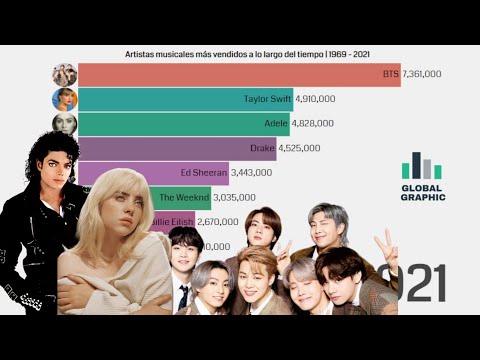
The Enduring Allure of Global Music: A Cross-Generational Analysis of Popularity (1969-2021)

Welcome to El Antroposofista, your dedicated portal into the fascinating realms of anthropology, archaeology, psychology, and history. In our continuous pursuit of understanding the human experience across time and cultures, we often find ourselves drawn to phenomena that transcend geographical boundaries and generational divides. Music, as a universal language and a potent cultural artifact, stands as a prime example. This post delves into the evolving landscape of global music popularity, charting the trajectory of the most influential artists from the late 1960s to the early 2020s.

Introduction: Music as a Cultural Barometer

Music is far more than mere entertainment; it is a profound reflection of societal values, technological advancements, and shifting cultural paradigms. From the protest anthems of the 1960s to the digitally disseminated sounds of today, popular music has consistently served as a cultural barometer, indicating prevailing moods, aspirations, and anxieties. This extensive analysis aims to identify and contextualize the most popular musical artists globally between 1969 and 2021, employing an interdisciplinary lens that draws upon anthropology, sociology, and history.

Understanding musical popularity requires a nuanced approach. It's not simply about sales figures, but about cultural resonance, enduring influence, and the ability of artists to connect with audiences across diverse backgrounds and eras. This exploration will navigate through the decades, highlighting key artists and movements that have shaped the global soundscape.

The Shifting Sands of Stardom: Historical Eras of Influence

The period under review, 1969-2021, is a tapestry woven with significant social, political, and technological changes that invariably impacted the music industry and artist popularity.

  • The Late 1960s and 1970s: The Golden Age of the Album. This era saw the rise of artists who defined rock, funk, and soul. Albums were major cultural statements, and artists like The Beatles (though their peak influence arguably predates 1969, their continued impact was undeniable), Led Zeppelin, Pink Floyd, Stevie Wonder, and Marvin Gaye dominated the charts and cultural discourse. Their music often tackled complex themes, reflecting the social upheavals of the time.
  • The 1980s: The MTV Revolution and Pop Superstars. The advent of music television transformed artist promotion and visibility. Artists like Michael Jackson, Madonna, and Prince became global phenomena, leveraging visual media to amplify their music. Pop, rock, and the burgeoning hip-hop genre vied for dominance.
  • The 1990s: Diversification and the Rise of Alternative and Hip-Hop. While pop continued to thrive with acts like the Spice Girls and NSYNC, the 90s also saw the mainstreaming of alternative rock (Nirvana, Pearl Jam) and the ascendance of hip-hop as a dominant cultural force (Tupac Shakur, The Notorious B.I.G., Dr. Dre).
  • The 2000s: Digitalization and Genre Blending. The internet began to reshape music consumption. Artists like Eminem, Beyoncé, and Coldplay achieved massive success. Genre lines blurred further, with pop artists incorporating hip-hop and R&B elements, and vice-versa.
  • The 2010s to Early 2020s: Streaming Dominance and Globalized Pop. Streaming platforms became the primary mode of music consumption, leading to a more fragmented yet globally interconnected music market. Artists like Drake, Taylor Swift, Ed Sheeran, and K-Pop acts like BTS achieved unprecedented international reach, demonstrating the power of digital distribution and social media engagement.
The evolution of music popularity is intrinsically tied to the evolution of communication technologies and the broader socio-political climate. What resonates with a generation is often a product of its time.

Unpacking the Data: Sources and Analytical Framework

Our analysis relies on data compiled from authoritative sources, primarily the IFPI Global Music Report and the Recording Industry Association of America (RIAA), supplemented by historical music industry archives and musicological studies. While direct comparative sales data across all five decades can be challenging due to evolving industry metrics (from vinyl and cassettes to CDs and digital downloads/streaming), we focus on artists who consistently demonstrated:

  • Chart Performance: Sustained presence and high rankings on major national and international music charts.
  • Sales and Streaming Figures: Significant physical sales, digital downloads, and streaming numbers relevant to their era.
  • Cultural Impact: Influence on subsequent artists, fashion, social movements, and broader cultural discourse.
  • Longevity: The ability to maintain relevance and popularity across multiple years or decades.

From an anthropological perspective, we examine music as a form of cultural expression and identity formation. Sociologically, we consider the industry structures, technological influences, and audience reception. Historically, we place these artists within their specific temporal and geopolitical contexts.

DIY Cultural Analysis: Tracking Musical Influence in Your Community

Understanding broader trends is fascinating, but how do these manifest locally? You can conduct a mini-ethnographic study within your own community or social circle. Here’s a practical guide:

  1. Define Your Scope: Decide whether you're focusing on a specific age group, a neighborhood, a workplace, or your online social network.
  2. Prepare Your Questions: Develop a short, open-ended questionnaire. Examples:
    • "What artists or bands have had a significant impact on your musical taste over the years?"
    • "Which artists do you feel best represent the music of the 1970s, 80s, 90s, 2000s, and 2010s-2020s?"
    • "Are there any artists whose music you feel has transcended their generation?"
    • "How do you discover new music today compared to how you did in the past?"
  3. Gather Your Participants: Engage friends, family, colleagues, or online acquaintances. Explain your project briefly and ensure they understand it’s for informal analysis.
  4. Conduct Informal Interviews or Surveys: Ask your prepared questions. Encourage detailed responses. You can do this in person, via email, or through social media polls.
  5. Record and Analyze Your Findings: Note down the artists mentioned most frequently. Look for patterns related to specific decades, genres, or cultural backgrounds. Consider how participants describe the *impact* of the music (e.g., "it defined my youth," "it helped me through a tough time," "it makes me feel connected").
  6. Reflect on the Data: Compare your findings to the broader trends discussed in this article. Are there local heroes who gained national/global fame? Are there global artists who are particularly beloved in your specific community? What does this tell you about the interplay between global trends and local cultural contexts?

This hands-on approach offers valuable insights into how music functions at a micro-level, complementing large-scale industry reports. It’s a practical application of anthropological and sociological inquiry.

Genre Evolution and Artist Dominance

The artists who achieved peak popularity often did so by either mastering an existing popular genre or by pioneering a new one. The transition from the vinyl era, dominated by rock and soul, to the CD era, which saw the rise of pop and hip-hop, and finally to the streaming era, characterized by algorithmic curation and a blending of global sounds, reflects profound shifts.

  • Rock and Roll's Legacy: Artists like The Rolling Stones, Queen, and AC/DC maintained significant popularity across decades, demonstrating the enduring appeal of rock music.
  • The Pop Phenomenon: From ABBA in the 70s to Britney Spears in the late 90s/early 00s, and later Lady Gaga and Justin Bieber, pop artists consistently captured mass audiences through catchy melodies, relatable themes, and strong visual branding.
  • The Hip-Hop Hegemony: The genre's journey from underground movement to global powerhouse is one of the most significant narratives of this period. Artists like Jay-Z, Kanye West, and Drake not only achieved massive commercial success but also profoundly influenced fashion, language, and popular culture.
  • R&B's Smooth Transition: Artists like Whitney Houston, Mariah Carey, and R. Kelly (despite later controversies) defined R&B in the late 20th century, with successors like Usher and Chris Brown carrying the torch into the 21st.
  • The K-Pop Wave: The unprecedented global success of groups like BTS and BLACKPINK signifies a major shift, highlighting the power of dedicated fanbases, sophisticated digital marketing, and a unique blend of music, performance, and visual aesthetics that resonates worldwide.
The 'popular' is not static. It is a dynamic construct shaped by technological affordances, cultural dialogues, and the potent charisma of performers who manage to tap into the collective consciousness.

Cross-Cultural Impact and Global Reach

The concept of a "global superstar" has become increasingly attainable in the digital age. While artists from North America and Europe historically dominated international charts, the period has witnessed a significant diversification of origins.

Latin Music's Ascendancy: Artists like Shakira, Ricky Martin, and more recently, figures like Bad Bunny and J Balvin, have brought Latin music genres (reggaeton, Latin trap, cumbia) to the forefront of global charts, demonstrating a powerful cross-cultural appeal that transcends language barriers.

The K-Pop Phenomenon: As mentioned, BTS is a prime example of a non-Western act achieving truly global superstardom, topping charts in the US and Europe and selling out stadiums worldwide. This success is built on a foundation of high-quality production, compelling artistry, and sophisticated fan engagement strategies.

African Music's Global Footprint: Afrobeats artists like Burna Boy and Wizkid have gained significant international traction, influencing global pop trends and collaborating with major Western artists. This reflects a growing recognition and appreciation of diverse musical traditions.

These trends underscore a move towards a more globalized music market, where cultural boundaries are increasingly permeable, and artists from diverse backgrounds can achieve widespread recognition. This phenomenon is a key area of study within anthropology and sociology.

Conclusion: The Enduring Power of Melody and Message

From the stadium-filling rock gods of the 70s to the digitally native global pop stars of today, the artists who achieve enduring popularity do so by mastering their craft, connecting with audiences on an emotional level, and often, by encapsulating the spirit of their times. The data from 1969 to 2021 reveals a fascinating evolution: a shift from genre-specific dominance to a more hybridized, globally interconnected music scene. Technology has democratized distribution but also intensified competition, making the sustained success of artists like Taylor Swift, Drake, and BTS all the more remarkable.

As we continue to navigate the complexities of the 21st century, music remains a vital cultural force, a source of identity, and a powerful medium for shared human experience. The study of popular music offers invaluable insights into the dynamics of culture, society, and history, reminding us that beneath the surface of catchy tunes lie deep reflections of who we are and where we are going.

Frequently Asked Questions

Q1: How is "popularity" measured across different eras (e.g., vinyl vs. streaming)?

A1: Measuring popularity across eras is complex. For the vinyl/cassette/CD era, metrics relied heavily on physical sales, radio airplay, and chart positions. The digital age incorporates downloads and, crucially, streaming figures, which provide a continuous measure of engagement. While direct comparisons are imperfect, we analyze artists based on their dominance within their respective technological and market contexts, focusing on sustained chart success, cultural impact, and sales/consumption volume relevant to their time.

Q2: Why are artists like The Beatles, despite peaking before 1969, still relevant in this analysis?

A2: The Beatles' influence extended far beyond 1969. Their catalog continued to sell exceptionally well, their musical innovations shaped subsequent generations of artists, and their cultural impact remained profound throughout the analyzed period. When considering enduring popularity and influence, their legacy is undeniable even if their active recording career concluded earlier.

Q3: How much does cultural background influence an artist's global popularity?

A3: Historically, artists from Western countries (particularly the US and UK) have had a more direct path to global dominance due to industry structures and market access. However, recent decades have seen a significant rise in artists from Latin America, South Korea, and Africa achieving massive international success. This indicates a growing global appetite for diverse musical influences and the power of digital platforms to bypass traditional gatekeepers, allowing artists' cultural backgrounds to become a point of connection rather than a barrier.

Q4: Are there any "forgotten" artists from the past who were incredibly popular in their time?

A4: Absolutely. The music industry is vast, and many artists who were household names in their respective decades may not have achieved the same long-term iconic status as others. For instance, in the disco era, acts like Donna Summer or Bee Gees were monumental, and while still recognized, their consistent chart dominance waned compared to the 70s. Similarly, many one-hit wonders or artists popular within specific niche genres achieved immense contemporary fame that might be overshadowed by later, more enduring acts in broad historical surveys.

If you enjoy our explorations into cultural phenomena, consider visiting our store for exclusive NFTs, a venture that merges digital art with the appreciation of cultural artifacts. Your support fuels our continued research and content creation.

For more insights, remember to check out our other blogs covering diverse topics. Stay connected with the latest in anthropology, archaeology, psychology, and history.