Mostrando las entradas para la consulta symbolism ordenadas por fecha. Ordenar por relevancia Mostrar todas las entradas

Odyssey on the High Seas: An Anthropological and Historical Analysis of Vigilancia Aduanera's Operations

Introduction: Beyond the Headlines

The documentary "Odyssey on the High Seas," produced by El País in collaboration with the Servicio de Vigilancia Aduanera (Spanish Customs Surveillance Service), offers a compelling glimpse into the high-stakes world of maritime law enforcement. While ostensibly a report on the apprehension of figures like Sito Miñanco, this narrative transcends a simple news report. From an anthropological, sociological, and historical perspective, it serves as a rich source for understanding the intricate interplay of power, culture, economics, and human behavior in the often-invisible struggle against illicit maritime activities. This article aims to dissect the documentary's content, not just as a record of events, but as a case study for applying rigorous academic inquiry to real-world operations, emphasizing practical analytical approaches.

Historical and Sociological Context of Maritime Surveillance

Maritime surveillance is not a modern phenomenon. Throughout history, the control of sea lanes has been paramount for trade, defense, and the projection of power. The establishment of customs and the need for enforcement agencies like the Vigilancia Aduanera are deeply rooted in the evolution of statehood and the development of international commerce. Sociologically, these operations highlight the societal constructs of legality and illegality, the enforcement of norms, and the social stratification that often underpins criminal enterprises operating across borders. Understanding the historical trajectory of maritime law enforcement, from ancient piracy to modern drug trafficking, provides a crucial backdrop for appreciating the complexity of current operations.

The challenges faced by agencies like the Vigilancia Aduanera are multifaceted, involving not only technical prowess but also an understanding of evolving criminal strategies. The historical context reveals a continuous cat-and-mouse game between enforcement and illicit actors, each adapting to new technologies and geopolitical shifts. For instance, the rise of globalized trade has inadvertently created new avenues for smuggling, necessitating sophisticated interdiction techniques. This historical dimension is vital for comprehending the persistent relevance of such surveillance services.

The sea has always been a frontier, a space of both immense opportunity and profound risk. Maritime surveillance is the state's attempt to impose order and extract value from this dynamic environment.

An Anthropological Lens on Maritime Law Enforcement

Anthropology offers a unique perspective by examining the cultural practices, social structures, and symbolic meanings embedded within maritime enforcement. This includes understanding the subcultures of seafarers, the operational cultures of law enforcement agencies, and the social networks that facilitate illicit activities. The documentary, by showcasing the operational environment and the individuals involved, provides raw material for analyzing:

  • Rituals and Practices: The daily routines, protocols, and specific actions undertaken by the Vigilancia Aduanera officers.
  • Social Organization: The hierarchical structures within the agency, the teamwork dynamics, and the relationships with other governmental bodies.
  • Symbolism: The significance of vessels, equipment, uniforms, and the very act of interdiction as symbols of state authority and control.
  • Cultural Adaptation: How criminal organizations adapt their methods and logistics in response to enforcement pressures, reflecting a dynamic cultural evolution within illicit economies.

From an antropología perspective, the documentary becomes a window into a specific occupational culture, revealing norms, values, and unspoken rules that govern the actions of those involved in maritime security. Examining these aspects helps us move beyond a purely legalistic or strategic analysis to understand the human elements at play.

Applying Archaeological Principles to Data Analysis

While seemingly disparate, archaeological methodologies offer powerful frameworks for analyzing the vast amounts of data generated by maritime surveillance. Archaeology is fundamentally about reconstructing past human behavior from material remains and contextual information. In this context, the "material remains" can be considered the data logs, sensor readings, intercepted communications, and physical evidence gathered during operations. The principles include:

  • Contextualization: Understanding where and when data points were recorded is crucial. A single data point is meaningless without its surrounding context – the time of day, the location, the weather, the type of vessel, etc.
  • Stratigraphy (Layering of Information): Similar to excavating layers of soil, analyzing data chronologically or by operational phase can reveal patterns and evolution. Early warning signs might be buried beneath subsequent events.
  • Association: Identifying correlations between different data sets – e.g., a specific vessel signature appearing in proximity to known smuggling routes during certain weather conditions.
  • Pattern Recognition: Using techniques akin to identifying tool use or settlement patterns to detect anomalies, habitual routes, or modus operandi of illicit actors.

The application of these principles allows for a more systematic and rigorous analysis of surveillance data, moving beyond reactive responses to proactive intelligence gathering.

DIY Data Analysis: Reconstructing Operational Narratives

For those interested in applying these analytical frameworks, a "Do It Yourself" approach to data reconstruction can be illuminating. While access to real-time surveillance data is restricted, we can simulate the process using publicly available information or hypothetical scenarios. This practical exercise sharpens analytical skills and deepens understanding.

Taller Práctico DIY: Reconstructing a Hypothetical Maritime Interdiction Scenario

  1. Define the Objective: Imagine you are tasked with analyzing potential smuggling routes in a specific maritime region (e.g., the Mediterranean Sea or the coast of a particular country).
  2. Gather Contextual Data: Collect publicly available information on:
    • Major shipping lanes and ports in the region.
    • Known patterns of illicit activities (e.g., drug trafficking, human smuggling) based on news reports or open-source intelligence (OSINT).
    • Environmental factors: prevailing winds, currents, typical weather patterns throughout the year.
    • Geopolitical factors: maritime borders, areas of increased patrol activity.
  3. Create a Hypothetical Timeline: Based on your gathered data, construct a plausible timeline of a smuggling operation. For example:
    • Day 1: Vessel departs from a known source port under normal conditions.
    • Day 2: Vessel deviates from standard shipping lanes during nighttime hours.
    • Day 3: Vessel approaches a rendezvous point, potentially with smaller craft, in a remote area.
    • Day 4: Suspicious transfer or offloading occurs; vessel resumes a course towards a destination port, possibly altering its identification signals.
  4. Identify Data "Signatures": For each stage of your hypothetical timeline, list the types of data that would be critical for surveillance:
    • AIS (Automatic Identification System) data: Tracking vessel movements, speed, and course. Look for anomalies like unexpected stops or course changes.
    • Radar data: Detecting vessels that may not be transmitting AIS.
    • Satellite imagery: Visual confirmation of vessel activity, potential transfers, or unusual gatherings.
    • Interdicted communications: Analyzing radio traffic or other signals for coded language or suspicious exchanges.
    • Physical evidence: If an interdiction occurs, analyzing cargo manifests, vessel modifications, or crew statements.
  5. Simulate Analysis: Imagine you receive fragmented pieces of this data. How would you piece them together? What questions would you ask? For instance, if you see a vessel loitering in an unusual area, you'd cross-reference its AIS data with radar logs and look for any intercepted communications around that time. Apply the archaeological principles:
    • Context: Was this loitering in a known smuggling hotspot?
    • Association: Were other suspicious vessels nearby at the same time?
    • Stratigraphy: Did this behavior follow a pattern observed over previous days or weeks?
  6. Draw Conclusions (Hypothetical): Based on your simulated analysis, formulate a hypothesis about the vessel's activities and suggest potential next steps for enforcement. This exercise hones your ability to think critically about data and operational intelligence, mirroring the analytical challenges faced by real-world agencies.

This practical approach, grounded in the principles of archaeology and data analysis, allows individuals to engage with the complexities of maritime surveillance in a hands-on manner.

The Psychology of Interdiction and Enforcement

The documentary likely touches upon the psychological dimensions for both the enforcers and the enforced. For the Vigilancia Aduanera officers, the work demands immense psychological resilience, discipline, and the ability to make split-second decisions under pressure. This involves:

  • Stress Management: Operating in dangerous environments, facing potential threats, and dealing with the ethical complexities of their work.
  • Decision-Making Under Uncertainty: Assessing risks and making critical choices based on incomplete information.
  • Team Cohesion: The importance of trust and communication within operational teams.

Conversely, understanding the psychology of those engaged in illicit activities is also crucial for effective psychology and enforcement strategies. This might include analyzing risk-taking behaviors, motivations (economic, social, or coercion), and the psychological impact of capture and incarceration.

The psychology of deterrence and apprehension is as vital as the technology and tactics employed. Understanding human motivation is key to dismantling criminal networks.

Frequently Asked Questions

What is the primary role of the Servicio de Vigilancia Aduanera?

The Spanish Customs Surveillance Service (Servicio de Vigilancia Aduanera) is a law enforcement agency responsible for preventing and combating smuggling, fraud, and other economic crimes, particularly those involving customs duties and taxes. They also play a significant role in fighting drug trafficking and other organized crime activities, often operating at sea.

How does archaeology relate to analyzing surveillance data?

Archaeology provides methods for reconstructing past human activity from fragmented evidence. Applying these principles to surveillance data involves contextualizing information, identifying associations between different data points, and recognizing patterns over time, much like an archaeologist analyzes artifacts and their strata to understand ancient societies.

What are some key anthropological insights into maritime law enforcement?

Anthropology can reveal the cultural practices, social structures, occupational subcultures, and symbolic meanings associated with maritime law enforcement and illicit activities. It helps understand the human element, the norms, values, and behaviors of individuals and groups involved.

Can ordinary individuals practice "DIY data analysis" in this context?

While access to classified operational data is impossible, individuals can practice analytical skills by reconstructing hypothetical scenarios using publicly available information (shipping manifests, news reports, weather data) and applying logical reasoning and pattern recognition, similar to the methods used in archaeological interpretation.

What psychological factors are important in maritime interdiction?

Key psychological factors include the high-pressure decision-making and stress management required of enforcement officers, as well as understanding the motivations and risk-taking behaviors of individuals involved in illicit maritime activities.

Conclusion: A Call for Interdisciplinary Understanding

"Odyssey on the High Seas" is more than a documentary; it's a complex social phenomenon that invites a multidisciplinary approach. By applying the rigorous analytical tools of anthropology, sociology, history, archaeology, and psychology, we can gain a far deeper appreciation for the challenges and intricacies of maritime surveillance. The "DIY" aspect underscores that these analytical skills are not solely the domain of academics but can be cultivated by anyone interested in understanding the hidden workings of our world. The continued success of agencies like the Vigilancia Aduanera relies not only on cutting-edge technology but also on a profound understanding of human behavior and historical context, knowledge that can be actively pursued and applied.

We encourage further exploration into the cultural and historical dimensions of law enforcement and the application of analytical techniques to complex datasets. Your thoughts and insights are invaluable in the comments section below.

The Art of the Archive: A DIY Guide to Understanding Historical Documents

Introduction: Unearthing the Past Through Text

Welcome to El Antroposofista, your dedicated space for exploring the rich tapestries of anthropology, archaeology, psychology, and history. In this in-depth article, we delve into the fascinating world of historical documents, not just as static relics of the past, but as dynamic conduits of human thought, societal structures, and cultural evolution. Our aim is to transform the way you perceive and interact with historical texts, moving beyond passive consumption to active, critical engagement. By blending academic rigor with practical application, we will equip you with the tools and understanding necessary to decipher the past through its written remnants.

Decoding the Reader's Quest: What Do We Seek in Historical Texts?

The primary search intent behind exploring historical documents is multifaceted, encompassing a desire for knowledge, understanding, and connection. Readers are often driven by a quest to:

  • Uncover factual narratives: To learn about specific events, people, and timelines.
  • Grasp historical causality: To understand *why* things happened the way they did.
  • Interpret societal values and beliefs: To gain insight into the minds and cultures of past populations.
  • Trace the evolution of ideas: To see how concepts, philosophies, and social norms have changed over time.
  • Connect with ancestral heritage: For personal genealogical and cultural exploration.
  • Develop critical thinking skills: To analyze sources and construct informed arguments.

This article is structured to address each of these intentions, providing a comprehensive framework for analyzing historical texts from interdisciplinary perspectives.

The Document as an Entity: Core Concepts and Their Interconnections

At the heart of our exploration lies the historical document itself, which can be treated as a primary entity. Understanding this entity requires engaging with key concepts such as primary sources, secondary sources, provenance, contextualization, and interpretation. Semantically related keywords that will naturally emerge include archival research, paleography, codicology, textual criticism, historical linguistics, discourse analysis, and the specific fields of historical anthropology, historical sociology, and archaeological documentation.

We will explore how these concepts intertwine, for instance, how the provenance of a primary source (like a diary or official decree) directly impacts its reliability when used to construct a secondary source (a historical monograph). The very act of creating and preserving these documents reflects underlying social structures and cultural practices, making them invaluable objects of study for anthropology and sociology.

Historical Context: The Bedrock of Interpretation

No historical document can be understood in isolation. Its meaning is inextricably linked to the time, place, and circumstances of its creation. This necessitates a deep dive into the historical context. Key elements include:

  • The author's background: Their social standing, education, biases, and intended audience.
  • The socio-political climate: The prevailing political systems, major conflicts, economic conditions, and dominant ideologies.
  • Cultural norms and values: The accepted beliefs, customs, and social hierarchies of the era.
  • Technological advancements: The tools and methods available for communication and record-keeping (e.g., the impact of the printing press vs. handwritten manuscripts).

For example, interpreting a legal document from the 17th century requires understanding the prevailing concepts of justice, property rights, and the role of the monarchy, which differ vastly from modern interpretations. Examining the impact of the Year 1939, often referred to as Annus Mirabilis in certain contexts, requires understanding the escalating tensions leading up to World War II.

"To understand the past, we must first understand the world in which it existed." - Paraphrased from historical method principles.

A Sociological Perspective: Power, Discourse, and Social Structures

From a sociological viewpoint, historical documents are not neutral records but are often imbued with power dynamics and reflect dominant discourses. Authors, consciously or unconsciously, reproduce and reinforce existing social structures and hierarchies. Analyzing these texts through a sociological lens allows us to:

  • Identify power brokers and their influence.
  • Examine representations of different social classes, genders, and ethnic groups.
  • Understand how language itself shapes social reality and constructs identities.
  • Trace the evolution of social institutions and norms.

Consider Pierre Bourdieu's concepts of cultural capital and habitus. How might the language and content of a historical document reveal the author's social background and the implicit rules governing their society? Examining documents related to immigration, for instance, can reveal societal attitudes towards newcomers, patterns of integration, and the negotiation of citizenship.

The study of sociology offers critical tools for understanding how texts shape and are shaped by society. Insights from authors like Victor Turner, particularly his work on communitas and liminality, can help us interpret documents related to social transitions, rituals, or periods of upheaval.

Anthropological Insights: Culture, Symbolism, and Human Experience

Anthropology brings a unique perspective, focusing on culture, symbolism, and the lived human experience. When analyzing historical documents, anthropologists look for:

  • Cultural meanings: The symbolic significance of words, objects, and actions described.
  • Ritualistic practices: Evidence of ceremonies, traditions, and belief systems.
  • Everyday life: Glimpses into the daily routines, struggles, and joys of ordinary people.
  • Belief systems and worldviews: The underlying assumptions about the nature of reality, the divine, and humanity's place in the cosmos.

For example, analyzing folklore, myths, or religious texts provides direct insight into the cultural heritage and worldviews of a society. Even seemingly mundane administrative documents can reveal cultural assumptions about kinship, labor, or resource management. Understanding the diversidad cultural reflected in these documents is key.

The anthropology of text encourages us to see documents not just as information carriers, but as cultural artifacts, pregnant with layers of meaning. Exploring concepts like anti-structure can help us understand texts emerging from periods of social change or challenge.

"The archive is not a neutral repository; it is a constructed space, reflecting the power structures and biases of the society that created it." - Michel Foucault (paraphrased)

DIY Archive: Building Your Personal Historical Research Toolkit

Engaging directly with historical documents can be incredibly rewarding. Here’s a practical guide to building your own 'DIY Archive' for personal exploration, whether through digitized collections or local historical societies.

  1. Define Your Focus: What historical period, region, or theme interests you most? Starting with a manageable scope is crucial. For example, you might focus on local town records, family correspondence, or historical newspaper clippings related to a specific event like the First World War.
  2. Identify Potential Sources:
    • Online Archives: Websites like the National Archives, university digital libraries, and historical society portals offer vast digitized collections. Look for resources related to Anthropology or Archaeology.
    • Local Institutions: Check your local library, historical society, or museum for physical archives.
    • Genealogical Websites: Sites like Ancestry.com or FamilySearch can provide access to vital records, census data, and personal documents.
  3. Develop a System for Organization: Whether digital or physical, a clear system is essential.
    • Digital: Create folders named by source type, date, or subject. Use consistent naming conventions for files (e.g., `[Date]_[SourceType]_[BriefDescription].pdf`).
    • Physical: Use acid-free folders and boxes. Label them clearly.
  4. Learn Basic Document Analysis Techniques:
    • Identify Provenance: Who created the document? When? Where? Why?
    • Assess Type of Source: Is it a letter, diary, government report, newspaper article, photograph, etc.?
    • Analyze Content Critically: What information does it contain? What biases might be present? What does it *not* say?
    • Cross-Reference: Compare the document with other sources to verify information and gain a more complete picture. This is where knowledge of data analysis, even in a historical context, becomes valuable.
  5. Transcribe and Annotate (If Applicable): For handwritten documents, consider transcribing them. Add annotations explaining difficult terms, identifying people or places, and noting your own analytical thoughts. This step bridges the gap between raw data and interpretive understanding. This is akin to a DIY approach to historical research.
  6. Practice Digital Preservation: If working with physical documents, consider scanning them to create digital backups. Ensure your digital files are backed up regularly on multiple devices or cloud storage.
  7. Engage with the Community: Share your findings (respectfully) with local historical groups, online forums, or academic communities. Discussing your research can provide new insights and help refine your analysis. Remember the importance of cultural respect when dealing with sensitive historical materials.

By following these steps, you can move from simply reading about history to actively participating in its reconstruction, much like an archaeology enthusiast unearthing artifacts.

Frequently Asked Questions

What is the difference between a primary and secondary source?

A primary source is a firsthand account or direct evidence concerning a topic, created by someone with direct personal knowledge during the time period being studied (e.g., diaries, letters, original photographs, government documents). A secondary source interprets and analyzes primary sources, offering an explanation or commentary on a historical event or topic (e.g., history textbooks, scholarly articles, biographies written long after the subject's death).

How can I determine the reliability of a historical document?

Reliability is assessed by considering the document's provenance (origin), the author's potential biases, the intended audience, the corroboration with other sources, and the internal consistency of the information. No source is perfectly objective, so critical evaluation is always necessary.

What are the ethical considerations when working with historical documents, especially those involving sensitive topics like immigration or past injustices?

Ethical considerations are paramount. This includes respecting the privacy of individuals (especially in more recent documents), avoiding sensationalism, acknowledging the perspectives of marginalized groups often underrepresented or misrepresented in historical records, and handling materials with care to preserve them for future generations. It also involves being mindful of the potential for historical documents to perpetuate harmful stereotypes if not analyzed critically.

Can digital tools enhance my ability to analyze historical documents?

Yes, digital tools can be incredibly powerful. Options include Optical Character Recognition (OCR) for converting scanned text into searchable formats, data visualization tools for analyzing patterns in large datasets (like census records), and digital annotation platforms. These tools can significantly speed up research and reveal connections previously difficult to spot.

What role does historical linguistics play in document analysis?

Historical linguistics is crucial for understanding the nuances of meaning in older documents. Language evolves over time; words change their meanings, grammar shifts, and dialects vary. Understanding historical linguistics helps researchers accurately interpret the vocabulary, syntax, and idiomatic expressions used in historical texts, preventing anachronistic interpretations.

Conclusion: The Enduring Relevance of the Written Word

Historical documents are far more than dusty relics; they are vibrant windows into the past, offering invaluable insights into the human condition. By applying the analytical frameworks from anthropology, sociology, and history, and by embracing a proactive, 'Do It Yourself' approach, we can unlock their rich potential. Whether you are a seasoned academic or an enthusiastic novice, the journey of deciphering these texts is a profoundly rewarding intellectual adventure. The ability to critically engage with the written word across time is not merely an academic exercise; it is a fundamental skill for understanding our present and shaping our future. We encourage you to continue exploring, questioning, and connecting with the past through its enduring textual legacy.

For further exploration into specific historical periods and methodologies, we recommend visiting our related posts on History, Anthropology, and the intricacies of Data analysis in research.

Aida Victoria Merlano: A Socio-Historical and Anthropological Dissection of a Public Persona

Introduction: Unpacking the Merlano Phenomenon

The figure of Aida Victoria Merlano represents more than just a public personality; she is a nexus of complex socio-historical, anthropological, and psychological dynamics. Emerging from a politically charged environment in Colombia, her life story, marked by scandal, political intrigue, and a constant negotiation with public perception, offers a rich tapestry for academic inquiry. This article seeks to dissect the multifaceted dimensions of her persona, moving beyond sensationalism to provide a rigorous analysis grounded in the principles of anthropology, sociology, and history. We will explore the socio-political landscape that shaped her trajectory, analyze her public performance through an anthropological lens, examine the sociological implications of her narrative, and delve into the psychological underpinnings of her interaction with the media and the public.

The intention behind this exploration is to provide readers with a framework for understanding how public figures, particularly those entangled with political power and societal controversy, can be analyzed through academic disciplines. We aim to satisfy the search intent of individuals interested in the intersection of politics, media, and social sciences, offering insights into the construction of public identity, the mechanisms of power, and the cultural narratives that surround such figures.

Historical and Political Context: The Merlano Dynasty

To understand Aida Victoria Merlano, one must first contextualize her within the intricate political history of the Colombian Caribbean coast, particularly Barranquilla. Her mother, Aida Merlano Rebolledo, was a prominent politician whose career was ultimately overshadowed by corruption charges and a dramatic escape from justice. This familial legacy is not merely background noise; it is a foundational element in the narrative surrounding Aida Victoria. The "Merlano brand" is inextricably linked to political power, influence, and, subsequently, scandal.

The region itself has a unique socio-political identity, often characterized by strong patronage networks, a complex interplay between established elites and emerging forces, and a history where political participation has been both a source of empowerment and a breeding ground for corruption. Analyzing this context requires an understanding of Colombian political history, the dynamics of regional power structures, and the specific events that propelled the Merlano name into national consciousness. Examining historical accounts and journalistic investigations into the careers of both mother and daughter provides critical data for this analysis.

The political landscape of the Colombian coast has historically been fertile ground for figures who master the art of local influence and personal charisma, often navigating the gray areas between legitimate political engagement and illicit activities.

Understanding the evolution of political participation and corruption in Colombia is crucial. This includes examining legislation, electoral cycles, and major corruption scandals that have shaped the nation's political discourse. The rise and fall of political dynasties offer insights into the persistence of certain power structures and the challenges of democratic governance.

An Anthropological Lens: Identity, Symbolism, and Performance

From an anthropological perspective, Aida Victoria Merlano's public persona can be viewed as a form of cultural performance. Her online presence, her media appearances, and her interactions with her followers are not simply spontaneous expressions but carefully curated displays of identity. This performance often involves the strategic use of symbolism – fashion, language, lifestyle choices – to construct a particular image. Is she projecting resilience, defiance, or perhaps a blend of inherited political legitimacy and modern celebrity?

Anthropology of media and AntropologíaVirtual explore how individuals leverage digital platforms to forge identities and communities. Merlano's case exemplifies the blurring lines between personal life and public performance in the digital age. Her narrative taps into archetypal themes of the fallen dynasty, the defiant daughter, and the modern influencer, all of which resonate within broader cultural frameworks.

Key anthropological concepts to consider include:

  • Performance and Dramaturgy: Analyzing her public acts as a form of theater, where she plays a role for her audience.
  • Symbolic Capital: Examining how she utilizes symbols (brands, fashion, language) to accrue social and cultural value.
  • Identity Construction: Investigating the processes through which she builds and maintains her public identity, particularly in relation to her family's history.
  • Ritual and Spectacle: Identifying elements of ritual and spectacle in her public appearances and online content.

By applying these concepts, we can gain a deeper appreciation for the cultural meanings embedded in her public life, moving beyond a simple recounting of events to an interpretation of the symbolic exchanges at play.

Sociological Analysis: Power, Social Stratification, and Public Perception

Sociologically, Aida Victoria Merlano's story highlights critical issues of power, social stratification, and the dynamics of public opinion. Her position as the daughter of a controversial politician grants her a certain level of inherited social capital, yet her own trajectory involves navigating distinct paths and challenges. How does her social class background influence her opportunities and her public image? How does the public perception of her family's past affect how her actions are interpreted?

The concept of EstructuraSocial is central here. The Merlano family occupies a specific niche within the Colombian social hierarchy, and their interactions with institutions (political, legal, media) reveal broader patterns of power and inequality. The intense media scrutiny she faces can also be seen as a reflection of societal anxieties and judgments regarding political corruption, female agency, and the performative nature of celebrity.

Furthermore, analyzing the sociological dimensions requires understanding:

  • Social Stratification: How class, family background, and political connections influence access to power and public attention.
  • Public Opinion and Media Influence: The role of media in shaping narratives and perceptions around public figures. The use of social media by Merlano to bypass traditional media gatekeepers is a key area of study.
  • The Sociology of Scandal: Examining how scandals involving public figures are processed and understood by society.
  • Gender and Power: How gender roles and expectations intersect with political ambition and public visibility.

The media's portrayal of Aida Victoria often oscillates between sympathizer and critic, mirroring the polarized views within society itself. Understanding these sociological forces helps decode the complex reactions she elicits.

The public's fascination with figures like Aida Victoria Merlano often stems from a vicarious engagement with narratives of power, downfall, and redemption, reflecting deeper societal structures and values.

Her story is a case study in how individuals can leverage or struggle against inherited social positions, demonstrating the persistent influence of family legacy and political networks in societies like Colombia. This connects to broader discussions on inmigracion patterns and ciudadania in the context of political participation and social mobility.

Psychological Dimensions: The Persona and Public Scrutiny

Psychologically, the constant public scrutiny faced by Aida Victoria Merlano can have profound effects. The pressure to maintain a public persona, to respond to criticism, and to navigate legal challenges can take a significant toll. Her online interactions, particularly the engagement with followers and detractors, offer a window into the psychological dynamics of parasocial relationships and the impact of constant digital surveillance.

The concept of the "persona" in psychology, particularly as explored in psychology, is relevant here. How does the public persona she cultivates differ from her private self, and what are the psychological implications of this performance? Furthermore, understanding the psychological motivations behind public fascination with scandal and celebrity is key. This delves into aspects of voyeurism, identification, and the human tendency to be drawn to dramatic narratives.

Considerations include:

  • Self-Presentation Theory: How individuals manage the impressions they make on others.
  • Media Psychology: The psychological effects of media consumption, including fascination with celebrity and scandal.
  • Coping Mechanisms: The psychological strategies individuals employ to deal with intense public pressure and legal adversity.
  • The Role of Social Media: The psychological impact of constant connectivity, validation-seeking, and online conflict.

Her ability to maintain an active online presence amidst significant personal and legal challenges suggests a degree of psychological fortitude, or at least a strategic approach to managing her public image and interactions.

DIY Practical Guide: Deconstructing Media Narratives

Understanding complex public figures like Aida Victoria Merlano involves critically analyzing the media surrounding them. This practical guide offers a step-by-step approach to deconstructing media narratives, a valuable skill for anyone interested in anthropology, journalism, or critical thinking.

  1. Identify the Source: Determine where the information is coming from. Is it a reputable news outlet, a tabloid, a social media post, or an official statement? Note the potential biases of each source. Consider using tools that analyze media bias.
  2. Analyze the Framing: How is the story presented? What language is used? Are there loaded words or emotional appeals? For example, is Merlano described as a "controversial figure," a "political scion," or a "social media influencer"? Each framing carries different implications.
  3. Examine the Evidence: What facts are presented? Are they supported by verifiable evidence, or are they based on hearsay, speculation, or anonymous sources? Look for corroboration from multiple independent sources. This aligns with the importance of data in academic research.
  4. Identify Omissions: What information is *not* being presented? Are there important contextual details, alternative perspectives, or inconvenient facts being left out? This is where historical context and anthropological understanding become crucial.
  5. Assess the Tone and Bias: Is the reporting neutral, sympathetic, or critical? Look for patterns in the narrative that suggest a particular agenda or viewpoint. Even seemingly objective reporting can have subtle biases.
  6. Consider the Visuals: If the report includes images or videos, how are they used? Do they enhance the narrative, evoke a specific emotion, or manipulate perception? Visuals can be powerful tools in media construction.
  7. Compare and Contrast: Read or watch multiple reports on the same event or figure from different sources. Compare their approaches, key points, and conclusions to form a more balanced understanding. This is akin to cross-referencing historical documents.
  8. Synthesize and Conclude: Based on your analysis, form your own informed opinion. Acknowledge the complexities and uncertainties, rather than accepting a single narrative at face value. This reflects the critical analysis expected in anthropology and history.

By applying these steps, you can move from passive consumption of media to active, critical engagement, enhancing your ability to understand figures and events like those surrounding Aida Victoria Merlano.

Frequently Asked Questions

What is the primary significance of the Merlano family's political history in understanding Aida Victoria?

The political history of the Merlano family, particularly the controversies surrounding Aida Merlano Rebolledo, provides the essential context for understanding Aida Victoria's public persona. It shapes her inherited social capital, the public's initial perception of her, and the narrative expectations placed upon her, influencing her public interactions and the media's framing of her life.

How can anthropological concepts like performance and symbolism be applied to Aida Victoria Merlano?

Anthropological concepts help analyze her public image as a constructed performance. Her choices in fashion, language, and online content can be viewed as symbolic acts that build a specific identity. Understanding these performances allows us to interpret the cultural meanings she projects and how they resonate with her audience, much like analyzing rituals or symbolic exchanges in other cultural contexts.

What sociological issues are raised by Aida Victoria Merlano's public life?

Her life raises sociological questions about power structures, social stratification, the influence of family legacy, the role of media in shaping public opinion, and the dynamics of scandal. Her experiences highlight how individuals navigate societal hierarchies and how public figures are subjected to intense scrutiny, reflecting broader societal values and anxieties.

In what ways does the DIY guide on deconstructing media narratives relate to academic study?

The DIY guide directly relates to academic study by equipping individuals with critical thinking skills essential for research in fields like anthropology, sociology, and history. It mirrors the academic process of source evaluation, bias detection, evidence assessment, and narrative analysis, enabling a more rigorous and informed understanding of complex subjects, including public figures and historical events.

Conclusion: The Enduring Significance of the Merlano Case

Aida Victoria Merlano is a compelling figure whose narrative transcends simple celebrity gossip. Her story is deeply interwoven with the political fabric of Colombia, the dynamics of inherited status, and the modern complexities of public identity in the digital age. By applying the analytical tools of anthropology, sociology, and history, we can move beyond sensationalism to appreciate the intricate layers of her public life. Her trajectory serves as a potent case study for understanding the construction of personas, the mechanisms of power and influence, and the enduring impact of familial legacy on individual destinies within a specific socio-historical context. The ongoing scrutiny and public fascination surrounding her underscore the powerful role that media and public perception play in shaping contemporary narratives, making her a subject of continued academic interest and a testament to the enduring relevance of the social sciences in interpreting our complex world.

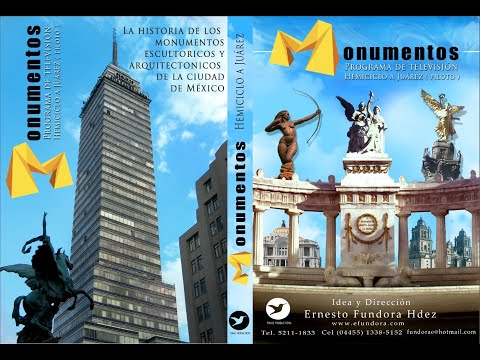
Analyzing the Hemiciclo a Benito Juárez: A Historical and Anthropological Deep Dive

In the vast tapestry of human endeavor, monumental architecture serves as a potent lens through which we can examine history, culture, and the very essence of societal values. The Hemiciclo a Benito Juárez in Mexico City, a structure steeped in historical significance, offers a compelling case study for such an examination. This article delves into the historical context, symbolic representations, and the enduring legacy of this monument, drawing upon principles of anthropology, archaeology, and history to provide a comprehensive understanding.

Historical Context: The Era of Juárez

To truly appreciate the Hemiciclo a Benito Juárez, one must first understand the monumental figure it commemorates and the tumultuous period he navigated. Benito Juárez (1806-1872) was a Zapotec indigenous lawyer and politician who became President of Mexico. His presidency was defined by the Reform Wars and the Second Mexican Empire, a period of intense conflict and nation-building. Juárez championed liberal reforms, emphasizing secularization, federalism, and the rule of law. His leadership was instrumental in establishing a modern, secular Mexican state, often referred to as the Restored Republic.

The construction and dedication of monuments like the Hemiciclo are not mere acts of commemoration; they are deliberate interventions in the historical narrative. They serve to solidify a particular interpretation of the past, elevate certain figures to national icons, and imbue citizens with a shared sense of identity and purpose. The era in which the Hemiciclo was conceived and built is crucial for understanding its intended message.

"Monuments are not erected to perpetuate indifference, but to inspire."

The Hemiciclo, therefore, stands as a testament to Juárez's enduring influence and the values he represented. It is a physical manifestation of the national identity he helped forge, a beacon for subsequent generations seeking to understand their historical roots.

Architectural Symbolism and Design

The architectural design of the Hemiciclo a Benito Juárez is replete with symbolic meaning, carefully crafted to evoke specific emotions and reinforce national ideals. While the 2012 documentary teaser focuses on the monument, a deeper analysis of its form, materials, and placement reveals layers of intended communication.

The very shape of a hemicircle can symbolize inclusivity and the cyclical nature of history. The materials used, often stone and bronze, speak to durability, permanence, and the gravitas of the figure honored. The inscriptions, allegorical sculptures, and surrounding landscape all contribute to a complex semiotic system designed to convey a unified message of national pride, justice, and the triumph of liberal ideals.

The placement of the Hemiciclo within the urban fabric of Mexico City is also significant. Often situated in prominent public spaces, these monuments become focal points for civic life, sites of pilgrimage, and anchors for collective memory. Their visibility ensures their role in shaping public perception and reinforcing national narratives.

The documentary "MONUMENTOS" directed by Ernesto Fundora in 2012 likely explores these visual narratives, inviting viewers to engage with the monument not just as a physical structure, but as a repository of historical and cultural meaning. Such documentaries play a vital role in contemporary **archaeology** and **history**, offering accessible insights into complex subjects.

An Anthropological Perspective: Identity and Citizenship

From an anthropological standpoint, the Hemiciclo a Benito Juárez is more than just stone and mortar; it is a cultural artifact that reflects and shapes notions of identity and **citizenship**. Monuments are powerful tools in the construction of collective identity, helping to define who 'we' are as a nation by celebrating specific historical figures and events.

Benito Juárez, as an indigenous president, represents a crucial turning point in Mexican history, embodying the struggle for equality and the recognition of diverse cultural heritage. The Hemiciclo can thus be seen as a symbol of national reconciliation and the ideal of a pluralistic society. It prompts questions about belonging, **immigration**, and the rights and responsibilities associated with **citizenship**.

The monument can also be analyzed through the lens of ritual and performance. Public ceremonies, protests, and celebrations often take place at such sites, transforming them into spaces of active engagement with history and politics. The very act of visiting and interacting with a monument is a form of participation in the ongoing cultural dialogue.

"Monuments are physical anchors for intangible collective memories."

Understanding the Hemiciclo anthropologically requires examining how it influences social structures, political discourse, and the lived experiences of individuals within Mexico. It speaks to the ongoing negotiation of national identity in a complex and dynamic world.

An Archaeological Approach: Unearthing Layers of Meaning

While often associated with ancient ruins, the principles of **archaeology** can be fruitfully applied to contemporary structures like the Hemiciclo a Benito Juárez. An archaeological approach involves a meticulous examination of the monument's context, construction, and evolution over time. This includes analyzing:

  • Construction materials and techniques: Understanding the provenance of materials and the methods used can reveal economic conditions, technological capabilities, and artistic influences of the period.
  • Inscriptions and iconography: Deciphering textual and visual symbols provides direct insight into the creators' intentions and the prevailing ideologies.
  • Spatial relationships: The monument's location relative to other significant sites, its orientation, and its integration into the urban landscape offer clues about its purpose and symbolic importance.
  • Later modifications and interpretations: How the monument has been altered, used, or reinterpreted over time by different groups can reveal shifts in societal values and historical understanding.

The 2012 documentary serves as a form of archival research, capturing a specific moment in the monument's life. By studying such records, future researchers can gain a deeper appreciation for its historical trajectory. This layered approach allows us to 'excavate' the deeper meanings embedded within the structure.

DIY Analysis: Deciphering Monumental Narratives

Engaging with monuments in an informed manner is a skill that can be cultivated. This section provides a practical guide, a "Do It Yourself" approach, to analyzing monumental structures like the Hemiciclo a Benito Juárez, drawing on principles from **anthropology**, **archaeology**, and **history**.

  1. Research the Commemorated Figure and Era: Before visiting or analyzing a monument, thoroughly research the individual or event it honors. Understand the historical context, key achievements, and challenges faced during their time. For the Hemiciclo, this means delving into the life and presidency of Benito Juárez and the turbulent 19th century in Mexico. Utilize resources from reputable historical societies, academic journals, and encyclopedias.
  2. Observe Architectural and Artistic Elements: Pay close attention to the monument's physical characteristics. Note its size, shape, materials, and artistic style. Are there statues, reliefs, or inscriptions? What do these elements depict? Consider the symbolism: does the material suggest permanence? Does the posture of a statue convey authority or contemplation?
  3. Analyze Inscriptions and Textual Data: Read all inscriptions carefully. These often provide direct statements about the monument's purpose and the values it represents. Look for dates, names, quotes, and dedications. Compare these texts with historical records to identify any discrepancies or ideological leanings.
  4. Consider the Spatial Context: Where is the monument located? Is it in a public square, a park, or near other significant buildings? The placement is rarely accidental. It often indicates the monument's importance within the community and its intended visibility. How does the surrounding environment contribute to the monument's message?
  5. Investigate its History of Use and Interpretation: How has the monument been used over time? Has it been a site for protests, celebrations, or national ceremonies? Have there been controversies or debates surrounding it? Understanding its reception and reinterpretation by different generations offers critical insights into its evolving significance. Look for news archives, academic papers, or even tourist accounts.
  6. Connect to Broader Themes: Relate your analysis to larger concepts in anthropology, archaeology, and history, such as national identity, **citizenship**, power, memory, and cultural heritage. How does this specific monument contribute to our understanding of these universal human experiences? For instance, how does the Hemiciclo speak to Mexico's **diversidad cultural** and the role of indigenous figures in national narratives?

By following these steps, you can move beyond a superficial glance to a deeper, more critical appreciation of monumental history and its place in our world. This practical engagement fosters a more profound understanding of the **data** and narratives embedded in our built environment.

Frequently Asked Questions

Q1: What is the primary historical significance of the Hemiciclo a Benito Juárez?
A1: The Hemiciclo commemorates Benito Juárez, a pivotal figure in Mexican history who led the country through significant liberal reforms and wars, establishing a secular republic. The monument symbolizes his legacy and the ideals of justice and rule of law he championed.

Q2: How can an anthropological perspective illuminate the Hemiciclo?
A2: Anthropology helps us understand the Hemiciclo as a cultural artifact that shapes and reflects national identity, **citizenship**, and social values. It highlights how monuments contribute to collective memory and national narratives, particularly in a diverse country like Mexico.

Q3: What kind of archaeological methods could be applied to studying the Hemiciclo?
A3: Archaeological methods would involve analyzing construction materials, iconography, inscriptions, and the monument's spatial context. Examining its history of use and later interpretations also contributes to an archaeological understanding of its evolving significance.

Q4: What is the role of documentaries like the one by Ernesto Fundora in understanding monuments?
A4: Documentaries offer a visual and narrative exploration of monuments, often highlighting their historical context, architectural details, and symbolic meanings. They serve as valuable resources for public education and can spark further research and critical engagement with such historical sites.

Conclusion

The Hemiciclo a Benito Juárez in Mexico City transcends its function as a mere landmark. It stands as a powerful nexus of history, culture, and national identity. Through an interdisciplinary approach—integrating insights from **anthropology**, **archaeology**, and **history**—we can unlock the profound layers of meaning embedded within its structure. The monument serves not only to honor a transformative leader but also to continuously engage citizens with the foundational principles of their nation: justice, reform, and the enduring pursuit of a cohesive and equitable society.

The exploration of such monuments, whether through academic study or practical DIY analysis, enriches our understanding of the past and its impact on the present. As we continue to navigate the complexities of our globalized world, the lessons offered by these enduring structures remain profoundly relevant, reminding us of the power of collective memory and the continuous dialogue between history and identity.

The Unfolding Saga of South Park: An Anthropological and Historical Deep Dive

The enduring legacy of South Park, Comedy Central's animated satire, extends far beyond its often-controversial humor. Since its debut in 1997, the show has evolved into a potent lens through which we can examine contemporary society, dissecting cultural shifts, political discourse, and the very fabric of human interaction. This exploration delves into the historical trajectory and anthropological significance of South Park, positioning it not merely as entertainment, but as a critical commentary on the modern world.

The Genesis of Satire: Early Days and Cultural Context

To understand South Park's enduring appeal, one must first consider its cultural milieu at the time of its inception. The late 1990s in the United States were a period of burgeoning digital culture, a shifting media landscape, and a growing cynicism towards established institutions. Creators Trey Parker and Matt Stone tapped into this zeitgeist with a raw, often offensive, yet undeniably prescient brand of humor. Their early episodes, characterized by crude animation and outrageous premises, immediately polarized audiences and critics.

This initial shock value, however, masked a sophisticated understanding of societal hypocrisies. The show's creators utilized the seemingly simple setting of a small Colorado town and its quartet of foul-mouthed fourth-graders—Stan Marsh, Kyle Broflovski, Eric Cartman, and Kenny McCormick—to tackle complex issues. Kenny's frequent deaths, for instance, became a recurring motif, often reflecting a societal desensitization to violence and tragedy. The show's early reliance on rapid production cycles allowed it to comment on current events with an immediacy rarely seen in television.

"The animation style itself was revolutionary for its time, intentionally crude to mimic cutout animation, which further emphasized the show's subversive nature and its rejection of polished, mainstream entertainment."

The show's initial impact was significant, sparking debates about taste, censorship, and the role of satire in public discourse. It was a bold statement against the perceived complacency of late 20th-century television, carving out a unique space for adult-oriented animation that was unafraid to push boundaries.

A Mirror to Society: The Show's Transformative Arc

Over its extensive run, South Park has demonstrated a remarkable capacity for evolution, mirroring and often anticipating societal changes. While the core characters and their dynamics have remained relatively consistent, the show's thematic concerns have broadened considerably. What began as often juvenile and scatological humor has matured into sharp, topical satire that dissects everything from technological advancements and social media trends to political polarization and global pandemics.

The transition from its early years to the 21st century marked a significant shift. As the internet became more pervasive and social media platforms rose to prominence, South Park increasingly focused on the impact of these technologies on human behavior and societal structures. Episodes tackling topics like online privacy, the spread of misinformation, and the cult of online celebrity highlight the show's adaptability and its keen observation of contemporary life.

Furthermore, South Park has shown an uncanny ability to adapt its format and narrative style. While traditional episodic storytelling remains, the show has also experimented with longer story arcs, especially in its later seasons, allowing for deeper exploration of its characters and themes. The introduction of characters like Randy Marsh's alter-ego, Lorde, or the exploration of fictional cryptocurrency, Tegridy Farms, showcases Parker and Stone's continued willingness to engage with and satirize new cultural phenomena.

Anthropological Insights: Ritual, Symbolism, and Social Commentary

From an anthropological perspective, South Park offers a rich tapestry of cultural analysis. The town of South Park itself can be viewed as a microcosm of American society, complete with its own rituals, belief systems, and social hierarchies. The recurring characters, their interactions, and their often-outlandish schemes provide case studies in human behavior, group dynamics, and the construction of identity.

The show frequently employs symbolism to convey its messages. Cartman, for instance, embodies the darker aspects of human nature—selfishness, prejudice, and a Machiavellian drive for power—making him a fascinating, albeit disturbing, character study. Kyle's frequent moralizing and Stan's more grounded reactions represent the internal conflicts many individuals face when navigating complex social issues.

Moreover, South Park often satirizes religious and political rituals, exposing their absurdities and the blind faith that often accompanies them. Episodes dealing with cults, political campaigns, and the rituals of fandom highlight how societies create meaning and order through shared practices, even when those practices appear irrational to outsiders. The show's willingness to challenge sacred cows across the political and religious spectrum is a hallmark of its anthropological approach.

"The town's reactions to recurring crises, from alien invasions to extraterrestrial sperm, often mirror real-world societal responses to perceived threats, highlighting collective anxieties and coping mechanisms."

The show also implicitly explores concepts of social constructionism, demonstrating how perceptions, beliefs, and norms are created and maintained through social interaction. The often-absurd resolutions to complex problems presented in the show serve to underscore the subjective nature of reality and the power of collective agreement.

DIY Analysis: Deconstructing a South Park Episode

Engaging with South Park critically can be a rewarding intellectual exercise. Here’s a guide to help you analyze an episode from an anthropological and historical perspective:

  1. Select an Episode: Choose an episode that tackles a specific social or political issue that interests you. Consider recent episodes for topical relevance or older ones for historical context.
  2. Identify the Central Conflict: What is the main problem or dilemma the characters face? What societal issue does it represent?
  3. Analyze Character Motivations: Examine the actions and dialogue of the main characters. What drives them? How do their personalities (e.g., Cartman's selfishness, Kyle's morality) influence the conflict's resolution?
  4. Recognize Satirical Targets: What institutions, ideologies, or cultural trends is the episode mocking? Is it political figures, social media phenomena, celebrity culture, or public figures?
  5. Deconstruct Symbolism and Motifs: Are there recurring symbols, running gags (like Kenny's deaths), or specific visual elements used to convey meaning? How do these contribute to the episode's message?
  6. Trace Historical Parallels: Does the episode reference or allude to historical events, figures, or social movements? How does it connect contemporary issues to past ones?
  7. Evaluate the Resolution: How is the conflict ultimately resolved? Is it neat and tidy, or does it reflect the messy, unresolved nature of real-world issues? What is the final message or takeaway?
  8. Consider the Animation and Humor: How does the intentionally crude animation style contribute to the show's satire? How is humor used to deliver its critical commentary?

Applying these steps can transform passive viewing into an active, analytical engagement with the show's deeper meanings. This method draws on techniques used in anthropology and archaeology for interpreting cultural artifacts and practices.

Cultural Impact and Enduring Relevance

The cultural impact of South Park is undeniable. It has influenced a generation of comedians, writers, and artists, proving that animation could be a vehicle for sophisticated social critique. Its willingness to court controversy has often sparked important conversations about freedom of speech, political correctness, and the boundaries of satire. The show's ability to remain relevant for over two decades speaks volumes about its creators' insight into the human condition and the perpetual cycle of societal foibles.

The "DIY" spirit inherent in its early production methods and its ongoing willingness to tackle new topics without fear of reprisal continues to resonate. As society continues to grapple with new technologies, political shifts, and cultural debates, South Park remains a vital, if often uncomfortable, mirror reflecting our world back at us. Its long-term historical significance lies not just in its longevity, but in its consistent ability to provoke thought and laughter in equal measure, offering a unique anthropological record of late 20th and early 21st-century life.

"In an era saturated with media, South Park's distinct voice cuts through the noise, offering a refreshing, albeit abrasive, perspective that encourages viewers to question the status quo."

The show's consistent engagement with issues of citizenship, identity, and social responsibility, even through its most outlandish scenarios, ensures its place in discussions about contemporary culture and its historical trajectory. It is a testament to the power of satire as a tool for social observation and commentary.

Frequently Asked Questions

What is the primary anthropological significance of South Park?

South Park serves as a modern ethnographic record, using satire to dissect societal rituals, belief systems, social hierarchies, and human behavior. It offers a critical lens on cultural norms, hypocrisies, and the construction of identity within contemporary society.

How has South Park evolved since its inception?

Initially characterized by crude animation and shock humor, the show has evolved to tackle more complex, topical issues, including technological advancements, political polarization, and global events. Its narrative structures have also become more sophisticated, incorporating longer story arcs and diverse thematic explorations.

Can South Park be considered a historical document?

Yes, South Park can be viewed as a historical document of its time. By reflecting and commenting on prevailing social, political, and cultural trends from 1997 to the present, it provides valuable insights into the anxieties, debates, and absurdities of the late 20th and early 21st centuries.

What makes South Park's satire effective from a historical perspective?

Its effectiveness lies in its immediacy, its willingness to offend, and its creators' astute observation of human nature and societal patterns. By satirizing current events and enduring human flaws, the show achieves a timeless relevance that allows historical parallels to be drawn easily.

Is there a practical application for analyzing South Park academically?

Absolutely. Analyzing South Park episodes can be a valuable exercise for students of anthropology, sociology, and history. It provides a relatable and engaging medium for learning about critical thinking, satire, cultural critique, and the deconstruction of media messages. The "DIY Analysis" section offers a framework for such study.

El Charro: A Documentary Exploration of Tradition, Identity, and Heritage

Welcome to El Antroposofista, your premier destination for insights into the interconnected worlds of anthropology, archaeology, psychology, and history. Today, we delve into a fascinating cultural phenomenon through the lens of documentary filmmaking, specifically examining the recent release, Cuestión de Charros.

Introduction: Unveiling the Charro

The term "Charro" evokes a rich tapestry of cultural symbolism, deeply rooted in the Iberian Peninsula and extending its influence across various traditions. Often associated with equestrian skill, distinctive attire, and a profound sense of national identity, the charro represents more than just a historical figure; they embody a living heritage. The documentary Cuestión de Charros, available for viewing on www.likehorses.tv, offers a compelling exploration of this multifaceted identity, particularly within the context of Salamanca, Spain. This article aims to provide an academic analysis of the themes presented in the documentary, connecting them to broader anthropological, historical, and sociological perspectives.

Our exploration will not only dissect the cultural significance of the charro but also investigate their historical evolution and the enduring impact of this tradition. We will consider how such cultural archetypes are preserved, transmitted, and sometimes transformed across generations. Furthermore, we will engage with the practical aspects of understanding one's own heritage, offering a DIY approach to tracing familial and cultural roots.

The Cultural Significance of the Charro

The charro is a complex figure, intrinsically linked to the agrarian and equestrian traditions of Spain, particularly in regions like Salamanca. Anthropologically speaking, the charro serves as a potent symbol of cultural identity, encapsulating values such as bravery, honor, skill, and a deep connection to the land. The attire itself – the wide-brimmed hat (sombrero), the embroidered jacket (chaquetilla), and the distinctive boots (botines) – is not merely clothing but a visual language that communicates social status, regional affiliation, and adherence to tradition. This visual semiotics is a critical area of study in anthropology, revealing how material culture reflects and reinforces social structures and beliefs.

Sociologically, the charro tradition plays a role in community cohesion and the maintenance of social order. Festivals, competitions, and gatherings centered around charrería provide spaces for social interaction, reinforcing group identity and shared values. The rituals and practices associated with charrería, from horsemanship displays to specific social etiquette, contribute to a distinct subculture. Examining these practices allows us to understand the dynamics of tradition in modern society and how cultural forms persist despite societal changes. The concept of citizenship and belonging can be deeply intertwined with participation in such cultural expressions, fostering a sense of collective identity that transcends individual differences.

The charro is more than a rider; he is a custodian of a cultural legacy, a living embodiment of historical practices and enduring values that define a significant part of Spanish heritage.

Analyzing 'Cuestión de Charros'

Cuestión de Charros promises to offer a nuanced perspective on the charro identity. By focusing on Salamanca, the documentary likely highlights regional specificities and the contemporary relevance of this tradition. From an archaeological and historical standpoint, such documentaries are invaluable. They often incorporate visual evidence that can complement scholarly research, offering glimpses into the material culture and lived experiences of charros throughout different eras. The use of infographics within documentaries can also help to visualize complex historical timelines or demographic data related to cultural practices.

The film's title itself, "Cuestión de Charros" (A Matter of Charros), suggests an inquiry into the defining characteristics and essence of being a charro. This invites an analysis that moves beyond superficial representations to explore the deeper socio-historical and psychological dimensions. What does it mean to identify as a charro today? How are these identities formed and maintained in an increasingly globalized world? These questions are central to contemporary sociology and psychology, particularly in the study of identity formation and cultural transmission.

The documentary's release on a dedicated platform like www.likehorses.tv also speaks to the niche but passionate audience interested in equestrian and traditional Spanish culture. This accessibility is crucial for cultural preservation and dissemination, allowing a wider audience to engage with the subject matter. For those interested in the practical aspects of cultural understanding, it underscores the importance of diverse media in learning about history and traditions.

Historical Roots and Evolution

The origins of the charro are deeply intertwined with the history of Spain, particularly the equestrian practices that evolved from the Middle Ages onwards. Early forms of cattle ranching and the need for skilled riders to manage livestock laid the groundwork for the charro archetype. Over centuries, these practical skills were refined and became associated with specific social strata and cultural expressions. The conquest of the Americas, for instance, saw the transplantation of Spanish equestrian traditions, which evolved into distinct forms in Latin America, such as the Mexican charrería.

Understanding the evolution of the charro requires examining various historical periods. From the feudal estates to the large haciendas, the role of the mounted worker was pivotal. The development of distinct charro attire also reflects changing economic conditions, available materials, and aesthetic preferences. This historical trajectory is a rich field for history scholars, offering insights into land ownership, labor practices, and the formation of regional identities. The concept of citizenship, too, has evolved, and understanding how individuals identified with their roles within broader national or regional frameworks is key.

The charro tradition, while rooted in historical necessity, has transformed into a powerful symbol of cultural pride and a vital element in the ongoing narrative of Spanish heritage.

Studying the charro also provides a lens through which to view broader historical themes like social stratification, the relationship between humans and animals, and the endurance of traditional practices in the face of modernization. The data and narratives presented in documentaries like Cuestión de Charros can offer valuable supplementary material for academic study, bridging the gap between textual records and visual representations of the past.

DIY Exploration: Tracing Your Heritage

For those inspired by the documentary to explore their own heritage, a DIY approach can be incredibly rewarding. Understanding one's ancestral connections, whether directly related to equestrian traditions or not, involves a process of research and discovery. Here’s a step-by-step guide to beginning your journey:

  1. Start with Family Interviews: Begin by speaking with older relatives. Ask about family history, significant events, occupations, places of origin, and any traditions or stories they remember. Record these conversations (with permission) to capture details accurately.
  2. Gather Existing Documents: Look for birth certificates, marriage licenses, death records, old letters, diaries, photographs, and family Bibles. These documents often contain crucial dates, names, and locations. Even seemingly insignificant items can hold clues.
  3. Explore Online Genealogy Resources: Utilize reputable online platforms and databases (e.g., Ancestry.com, FamilySearch, MyHeritage). These sites offer access to vast collections of digitized records and often provide tools for building your family tree. Be mindful of potential costs and the accuracy of user-submitted data.
  4. Research Local and National Archives: Visit or contact local historical societies, archives, and libraries in the areas where your ancestors lived. National archives often hold census records, immigration manifests, military records, and land deeds. Consider how concepts like citizenship and immigration played roles in your ancestors' lives.
  5. Investigate Cultural Connections: If your ancestors came from a specific cultural background (like the Spanish charro tradition, or any other cultural group), research the history, customs, and social structures of that group. Understanding the broader context can illuminate your family's specific experiences. Look for historical context related to tags like #españa or relevant regions.
  6. Consider DNA Testing (with Caution): Genetic testing can provide insights into ethnic origins and connect you with distant relatives. However, interpret these results with an understanding of their limitations and privacy implications.
  7. Document and Verify: As you gather information, meticulously document your sources. Cross-reference information from multiple sources to ensure accuracy. Family stories are valuable, but official records provide concrete evidence.

Engaging in this process can deepen your understanding not only of your personal lineage but also of the broader historical and anthropological forces that shaped the lives of your ancestors.

Frequently Asked Questions

What is the primary focus of the documentary 'Cuestión de Charros'?
The documentary focuses on the cultural significance, traditions, and identity associated with the "charro," particularly within the region of Salamanca, Spain.
Where can I watch 'Cuestión de Charros'?
The documentary is available for viewing on www.likehorses.tv.
What is the anthropological significance of the charro?
Anthropologically, the charro serves as a symbol of cultural identity, embodying values like bravery and honor, and reflecting the deep connection to land and equestrian traditions. Their attire and practices are forms of visual and ritualistic communication within their cultural group.
How does the charro tradition relate to history?
The charro tradition has historical roots in medieval Spain, evolving through centuries of agrarian and equestrian practices. It is linked to the history of land management, social structures, and the cultural exchange between Spain and the Americas.
Can I trace my own family heritage related to such traditions?
Yes, you can trace your heritage through methods such as interviewing family members, researching historical documents, utilizing online genealogy resources, and exploring archives. This process is often referred to as a DIY approach to genealogy.

Conclusion and Final Reflections

Cuestión de Charros appears to be a significant contribution to understanding the enduring legacy of the charro. By examining this cultural archetype, we gain valuable insights into the interplay of tradition, identity, and history. The charro represents a powerful example of how specific cultural practices can encapsulate broader societal values and historical narratives. From an academic perspective, documentaries like this provide rich material for analysis across anthropology, history, and sociology, offering visual and contextual depth to scholarly research.

As we encourage our readers to engage deeply with the fields covered by El Antroposofista, we also invite you to explore your own connections to history and culture. The DIY guide provided is a starting point for anyone interested in uncovering their own unique heritage. We believe that understanding the past, both broadly and personally, is crucial for navigating the complexities of the present and shaping a more informed future.

We welcome your thoughts and discussions in the comments below. How do you perceive the significance of cultural traditions like the charro in the modern world? Have you undertaken your own heritage research?

For further exploration into related fields, you can visit our official blog for the latest news:

https://ift.tt/gezPpVQ

If you wish to support our work and acquire unique NFTs, please visit our store.

```

Assassination Attempts in Argentina: A Historical and Anthropological Analysis

Welcome to El Antroposofista, a space dedicated to the deep exploration of anthropology, archaeology, psychology, and history. In this article, we delve into a critical and often overlooked aspect of Argentine history: the attempts at assassination that have shaped its political and social landscape. Beyond the mere recounting of events, we seek to understand the underlying socio-historical currents, the psychological profiles of the actors involved, and the broader anthropological implications of political violence.

Introduction

Argentina, a nation rich in cultural tapestry and complex historical narratives, has not been immune to the extreme manifestations of political conflict. Assassination attempts, far from being isolated incidents, represent critical junctures that have profoundly influenced the trajectory of its history. This analysis aims to dissect these events not just as political acts, but as anthropological phenomena, revealing insights into power dynamics, societal anxieties, and the enduring human quest for political change, however extreme the methods employed. We will examine the historical context, the actors involved, and the societal reverberations, offering a nuanced understanding of these pivotal moments.

Historical Context of Political Violence in Argentina

The history of Argentina is marked by periods of intense political polarization, social upheaval, and ideological struggle. From the turbulent caudillo era to the 20th-century Peronist movements and subsequent military dictatorships, the nation has grappled with deep-seated divisions. Political violence, including assassination attempts, has often served as a stark symptom of these unresolved tensions.
"Political violence is rarely a spontaneous eruption; it is often the culmination of sustained ideological conflict and the breakdown of institutional dialogue."
Understanding these attempts requires situating them within broader historical currents, such as: * **Early Republic Instability**: The struggle for national consolidation post-independence was fraught with conflict between federalists and unitarians, often involving assassinations of key political figures. * **The Rise of Peronism**: The mid-20th century saw intense political mobilization and counter-mobilization, creating fertile ground for political extremism. * **The "Dirty War"**: The period of state terrorism in the 1970s and 1980s, while characterized by mass disappearances, also included targeted assassinations and political repression. These historical phases provide the backdrop against which specific assassination attempts must be analyzed. For a deeper understanding of these periods, consult resources on Historia Latinoamericana and Sociología.

Key Assassination Attempts and Their Significance

While numerous incidents could be cited, several assassination attempts stand out for their impact on Argentine history: * **The Assassination of Juan Domingo Perón (1953)**: Although Perón was not killed, this event, occurring during a period of intense political turmoil and opposition to his government, highlighted the deep divisions within Argentine society and the willingness of some factions to resort to extreme measures. The incident contributed to the escalating political climate of the era. * **The Attempt on President Isabel Perón (1975)**: This event, occurring during a period of heightened political violence and instability, underscored the fragility of democratic institutions and the pervasive threat of political extremism. * **The Attempt on Pope John Paul II in Buenos Aires (1987)**: While not strictly an Argentine aiming to harm a domestic leader, this incident, though ultimately unsuccessful and carried out by a foreigner, had significant symbolic weight within Argentina, touching upon national identity and security. The security implications of such events are crucial for understanding Seguridad Turística. Each of these events, and many others, can be viewed through an anthropological lens, revealing societal anxieties, the construction of political "enemies," and the symbolic power attributed to leaders. Examining the Derechos Indígenas and their historical struggles for recognition also provides context for understanding marginalized groups resorting to radical actions.

The Political Actor: Psychology and Ideology

Understanding *why* individuals or groups undertake assassination attempts requires delving into their psychological profiles and ideological frameworks. This is where Psicología and Antropología intersect powerfully. Factors to consider include: * **Ideological Radicalization**: The process by which individuals adopt extreme beliefs that justify violence. This can be influenced by political rhetoric, social alienation, or group dynamics. * **Psychological Motivations**: Beyond ideology, personal grievances, a desire for recognition, or a sense of righteous mission can play a role. * **Social and Cultural Milieu**: The broader societal acceptance or condemnation of political violence can shape an individual's propensity to act. The concept of Antiestructura, as explored by Victor Turner, can sometimes be relevant in understanding groups operating outside established norms.
"The assassin often sees themselves not as a criminal, but as a necessary agent of historical change, acting on behalf of a perceived greater good."
Exploring figures like Albert Einstein, though in a different context, highlights how profound belief systems can drive individuals to monumental actions, albeit constructive ones in his case.

Societal Impact and Collective Memory

Assassination attempts leave indelible marks on the collective memory of a nation. They can: * **Intensify Political Division**: Such acts often harden stances and deepen animosity between political factions. * **Lead to Repression or Reform**: Governments may respond with increased security measures, political crackdowns, or, conversely, with reforms aimed at addressing the root causes of discontent. * **Shape Historical Narratives**: The way these events are remembered, debated, and taught influences national identity and future political discourse. The study of Arqueología can sometimes shed light on how societies memorialize or obscure past conflicts. The way societies process traumatic political events is a key area of anthropological study. Examining how Cultura Indígena groups have historically navigated conflict and remembrance can offer comparative perspectives.

DIY Analysis: Decoding Political Symbolism

Understanding the symbolic dimension of political acts, including assassination attempts, is crucial. This section offers a basic framework for how one might approach this from a DIY perspective, drawing on anthropological and semiotic tools.

Practical Guide DIY: Analyzing Political Imagery

This guide helps you break down and interpret the visual or symbolic elements associated with a political event or figure.
  1. Identify the Core Event/Figure: Clearly define the assassination attempt or political figure you wish to analyze. What are the basic facts? Who were the main actors?
  2. Gather Visual/Textual Data: Collect images, symbols, slogans, speeches, or any other relevant material associated with the event or the actors involved. This could include photographs, flags, emblems, propaganda posters, or key quotes.
    • For historical events, archives and museums are excellent resources.
    • For contemporary events, news media and social media provide abundant material.
  3. Identify Recurring Symbols: Look for symbols that appear repeatedly. Are there national flags, religious icons, specific colors, animals, or abstract shapes? Consider their conventional meanings and potential alternative interpretations within the specific cultural context. For example, the use of specific animals in national emblems can be traced through Antropología and heraldry.
  4. Analyze Color Symbolism: Colors often carry deep cultural meanings (e.g., red for revolution or blood, white for purity or surrender, green for nature or Islam). Research the specific connotations of colors within Argentine culture and the broader political movements involved.
  5. Examine Iconography of Actors: How are the perpetrators and victims portrayed? Are they depicted as heroes, villains, martyrs, or monsters? Analyze the visual language used to construct these images.
  6. Consider Context and Association: How are symbols used in relation to each other? What historical events or ideologies are they referencing? For instance, referencing historical figures or events can lend legitimacy or invoke particular sentiments.
  7. Formulate Interpretations: Based on your analysis, propose interpretations of the symbolic meanings. What messages were the creators of these symbols trying to convey? How might different audiences have received these messages? Does the symbolism align with or subvert established norms?
  8. Compare and Contrast: If possible, compare the symbolism used in different assassination attempts or by different political factions within Argentina. This can reveal shifts in ideology or strategy over time. Understanding historical Inmigración patterns can also shed light on diverse symbolic influences.
This DIY approach allows for a more critical engagement with historical events, moving beyond factual recall to a deeper understanding of the cultural and symbolic dimensions of political conflict.

Frequently Asked Questions

Q1: What was the most significant assassination attempt in Argentine history? A1: Defining "most significant" is subjective and depends on the criteria used. However, the assassination attempt on Juan Domingo Perón in 1953 and the broader context of violence during the "Dirty War" period are often cited as having had profound and lasting impacts on Argentine politics and society. Q2: How did political violence impact Argentine democracy? A2: Political violence, including assassination attempts, has historically weakened democratic institutions in Argentina by fostering polarization, eroding trust in political processes, and creating environments where authoritarian solutions are perceived as necessary by some factions. Q3: Are there anthropological theories that help explain political assassination? A3: Yes, theories from political anthropology, social psychology, and the study of collective violence offer frameworks. Concepts like "structural violence," "ritualized violence," and analyses of identity politics and group radicalization are relevant. The work of scholars like Pierre Bourdieu on symbolic violence is also pertinent. Q4: How does collective memory influence the understanding of these events today? A4: Collective memory shapes how past assassination attempts are remembered and interpreted, influencing contemporary political discourse and national identity. Debates over historical memory often reflect ongoing societal divisions and political struggles. Examining how events are commemorated, for instance through monuments or public holidays, offers insights into Patrimonio Cultural.

Conclusion

The history of assassination attempts in Argentina is a somber yet crucial chapter that reveals much about the nation's political struggles, societal fault lines, and the enduring complexities of power. By analyzing these events through the lenses of history, anthropology, and psychology, we gain a more profound understanding of the forces that have shaped the country. These acts serve as stark reminders of the fragility of peace and the critical importance of fostering inclusive political dialogue, robust democratic institutions, and a shared commitment to non-violent conflict resolution. The legacy of these attempts continues to resonate, making their study essential for comprehending Argentina's past, present, and future.