Mostrando las entradas para la consulta ethnography ordenadas por relevancia. Ordenar por fecha Mostrar todas las entradas

The Ethnographic Workshop: Unveiling the Craft of Ethnography with Eduardo Restrepo

Welcome to El Antroposofista, your gateway to the intricate realms of anthropology, archaeology, psychology, and history. Today, we embark on a profound exploration into the foundational aspects of ethnographic research, guided by the insights of Eduardo Restrepo. This session delves into the very essence of ethnographic work, aiming to demystify its processes and illuminate its significance in understanding the human condition. Our intention is to provide a comprehensive overview for those seeking a deep, academic understanding of ethnographic methodologies, while also offering practical considerations for aspiring researchers.

Introduction: The Core of Ethnography

Ethnography, at its heart, is a qualitative research method characterized by the immersive study of people in their natural environments. It seeks to understand behaviors, beliefs, and social structures from the insider's perspective. This approach, pioneered and refined over decades, is not merely about observing; it is about participating, engaging, and deeply comprehending the nuances of human cultures and societies. Eduardo Restrepo's work, particularly his contributions to understanding Antropología, provides a critical lens through which to examine these foundational principles.

The primary search intent behind exploring ethnography is to grasp its methodologies, its theoretical underpinnings, and its practical applications. Readers are likely seeking to understand how to conduct ethnographic research, how it differs from other qualitative methods, and its historical trajectory within the social sciences, particularly within Antropología and Sociología.

Historical Roots and Evolution of Ethnography

The origins of modern Antropología are inextricably linked to the development of ethnographic methods. Early anthropological endeavors, often conducted during colonial periods, laid some of the groundwork, though frequently with significant ethical shortcomings and biased perspectives. Figures like Bronisław Malinowski revolutionized the field by advocating for long-term, immersive fieldwork, emphasizing participant observation as the cornerstone of data collection.

This shift moved ethnography away from armchair speculation towards direct engagement with communities. Over time, the discipline has evolved, grappling with issues of representation, power dynamics, and reflexivity. Contemporary ethnography acknowledges the researcher's positionality and the subjective nature of knowledge production. The theoretical frameworks of scholars like Pierre Bourdieu and Victor Turner have profoundly influenced how ethnographers interpret social phenomena, focusing on concepts such as habitus, field, and the performative aspects of social life.

The goal of ethnography is not simply to describe, but to explain the cultural logic that underpins human actions and beliefs, revealing the intricate tapestry of social life from within.

Methodological Foundations: Beyond Observation

Ethnography is far more than passive observation. It encompasses a suite of interconnected methods designed to gather rich, contextualized data. Key among these are:

  • Participant Observation: The hallmark of ethnography, involving active participation in the daily lives and activities of the group being studied.
  • Interviews: From informal conversations to semi-structured and in-depth interviews, these are crucial for understanding individual perspectives, motivations, and interpretations.
  • Life Histories: Collecting detailed narratives of individuals' lives to understand personal experiences within broader social and historical contexts.
  • Genealogical Method: Particularly in kinship studies, this involves mapping familial relationships to understand social structures.
  • Archival Research: Examining historical documents, records, and artifacts to provide diachronic depth to ethnographic findings.

The entity central to this discourse is "ethnography" itself, with semantically related terms including fieldwork, participant observation, qualitative research, cultural immersion, anthropological fieldwork, and ethnographic methods. These concepts are interwoven throughout the study of Antropología and Sociología.

The Practitioner's Toolkit: Essential Skills

Successful ethnographic fieldwork demands a specific set of skills and dispositions. Researchers must cultivate:

  • Observational Acuity: The ability to notice subtle details, behaviors, and interactions that might otherwise be overlooked.
  • Active Listening: Paying close attention not only to what is said but also to how it is said, and what remains unsaid.
  • Empathy and Cultural Sensitivity: The capacity to understand and appreciate perspectives different from one's own, respecting diverse cultural norms.
  • Flexibility and Adaptability: Fieldwork is inherently unpredictable; researchers must be able to adapt to changing circumstances and unexpected challenges.
  • Rigor in Note-Taking: Meticulous and systematic recording of observations, conversations, and reflections is paramount.
  • Analytical Thinking: The ability to synthesize diverse data points, identify patterns, and develop coherent interpretations.

The practice of DIY research is essential here. Even novice researchers can begin honing these skills through dedicated practice, perhaps starting with local communities or accessible social groups.

The ethnographic approach demands a commitment to understanding the 'emic' perspective – the viewpoint of the insider – while maintaining the critical 'etic' perspective of the external observer.

Ethical Considerations in Fieldwork

The ethical dimension of ethnographic research is of paramount importance. Researchers must navigate complex issues related to:

  • Informed Consent: Ensuring participants fully understand the research purpose, their role, and how their data will be used.
  • Anonymity and Confidentiality: Protecting the identities of participants and the sensitive information they share.
  • Power Dynamics: Being mindful of the inherent power imbalance between researcher and researched, and actively working to mitigate potential exploitation.
  • Reciprocity: Considering how to give back to the community that has hosted the research, beyond the academic output.
  • Researcher's Positionality: Reflecting on how one's own background, biases, and identity influence the research process and findings.

The work of Antropología, especially concerning inmigración or ciudadania in new contexts, highlights the critical need for ethical engagement.

Ethical fieldwork is not an afterthought; it is an integral component of rigorous and responsible ethnographic practice.

DIY Practical Guide: Crafting Effective Field Notes

Developing strong field note-taking habits is crucial for any aspiring ethnographer. Here’s a guide to get you started:

  1. Choose Your Medium: Decide whether you prefer a physical notebook, a digital document, or a combination. Ensure it’s accessible and reliable.
  2. Record Immediately: Write down observations as soon as possible after they occur. Memories fade and change rapidly.
  3. Be Descriptive: Capture sensory details – what did you see, hear, smell, taste, and touch? Describe the environment, people's appearances, and their actions.
  4. Document Conversations: Record direct quotes accurately whenever possible. Note the context of the conversation and who was involved.
  5. Note Your Reflections: Include your own thoughts, feelings, interpretations, and questions. This is your 'analytic memo' section. Distinguish clearly between observations and interpretations.
  6. Date and Time Stamp: Always record the date and time of your observations and entries.
  7. Use Clear Headings: Organize your notes by location, date, or theme to make them easier to navigate later.
  8. Be Consistent: Develop a routine for taking and reviewing your notes regularly. This consistency is key to building a rich dataset.

Consistent practice with these steps can significantly enhance your ability to capture meaningful data, a core skill for anyone interested in Arqueología or Historia as well.

Frequently Asked Questions

What is the primary goal of ethnography?

The primary goal of ethnography is to provide a detailed, in-depth understanding of a particular group or community from the perspective of its members, exploring their culture, social structures, and behaviors within their natural setting.

How does ethnography differ from other qualitative research methods?

Ethnography is distinguished by its emphasis on immersive, long-term fieldwork, participant observation, and the holistic study of a culture or social group in its natural environment. While other methods like interviews or surveys can be part of ethnography, they are not typically the sole focus and are conducted within the broader context of immersion.

Is ethnographic research always conducted in remote locations?

No, ethnography can be conducted in a wide variety of settings, including urban environments, online communities, workplaces, and institutions. The key is immersion in a particular social or cultural group, regardless of its geographical location.

What are the main ethical challenges in ethnographic research?

Key ethical challenges include obtaining informed consent, ensuring anonymity and confidentiality, navigating power dynamics between the researcher and participants, and dealing with sensitive or potentially harmful information. Researchers must constantly reflect on their responsibilities to the communities they study.

Conclusion: The Enduring Relevance of Ethnography

Ethnography, as illuminated through the lens of scholars like Eduardo Restrepo, remains an indispensable tool for understanding the complexities of human societies. It offers a powerful methodology for generating rich, nuanced data that quantitative approaches often miss. By prioritizing immersion, empathy, and rigorous observation, ethnographers provide invaluable insights into diverse cultural worlds. For those drawn to the intricate study of humanity, embracing ethnographic principles offers a pathway to deeper knowledge and more profound understanding.

We encourage you to continue exploring these fascinating fields. For further insights into the world of Antropología and related disciplines, we invite you to visit our official blog for the latest news and analysis.

``` ```json { "@context": "https://schema.org", "@type": "FAQPage", "mainEntity": [ { "@type": "Question", "name": "What is the primary goal of ethnography?", "acceptedAnswer": { "@type": "Answer", "text": "The primary goal of ethnography is to provide a detailed, in-depth understanding of a particular group or community from the perspective of its members, exploring their culture, social structures, and behaviors within their natural setting." } }, { "@type": "Question", "name": "How does ethnography differ from other qualitative research methods?", "acceptedAnswer": { "@type": "Answer", "text": "Ethnography is distinguished by its emphasis on immersive, long-term fieldwork, participant observation, and the holistic study of a culture or social group in its natural environment. While other methods like interviews or surveys can be part of ethnography, they are not typically the sole focus and are conducted within the broader context of immersion." } }, { "@type": "Question", "name": "Is ethnographic research always conducted in remote locations?", "acceptedAnswer": { "@type": "Answer", "text": "No, ethnography can be conducted in a wide variety of settings, including urban environments, online communities, workplaces, and institutions. The key is immersion in a particular social or cultural group, regardless of its geographical location." } }, { "@type": "Question", "name": "What are the main ethical challenges in ethnographic research?", "acceptedAnswer": { "@type": "Answer", "text": "Key ethical challenges include obtaining informed consent, ensuring anonymity and confidentiality, navigating power dynamics between the researcher and participants, and dealing with sensitive or potentially harmful information. Researchers must constantly reflect on their responsibilities to the communities they study." } } ] }


The Unseen Influence: How Anthropological Lenses Reframe Social Dynamics and DIY Intellectualism

Welcome to El Antroposofista, your portal into the intricate worlds of anthropology, archaeology, psychology, and history. In this exploration, we delve beyond the surface, seeking to understand the underlying currents that shape human societies and individual experiences. Our aim is to equip you not just with knowledge, but with the tools to critically engage with and even reconstruct aspects of these disciplines through a DIY (Do It Yourself) intellectual and practical approach.

The Anthropological Imperative: Understanding the 'Why'

The search for meaning and connection is a fundamental human drive. Within the academic sphere, this quest often leads us to fields like anthropology, archaeology, psychology, and history. These disciplines, while distinct, offer complementary lenses through which we can examine the human condition. Anthropology, in particular, provides a holistic framework for understanding human societies and their development. It asks not just *what* humans do, but *why* they do it, exploring the complex interplay of culture, biology, and environment.

Our core intention in these articles is to satisfy a deep-seated curiosity—a desire to comprehend the multifaceted nature of humanity. This isn't merely about absorbing facts; it's about developing a critical perspective that can be applied to various contexts. We aim to foster an environment where rigorous academic inquiry meets accessible knowledge, encouraging readers to become active participants in their learning journey.

The human mind is not a vessel to be filled, but a fire to be kindled.

By integrating semantically related terms and concepts from these fields—such as cultural relativism, social structures, behavioral patterns, and material evidence—we build a rich tapestry of understanding. Our focus is on entities like the concept of culture itself, the methodological approaches of ethnocentrism and participant observation, and the theoretical contributions of figures like Franz Boas and Claude Lévi-Strauss.

Unearthing Societal Blueprints: A Historical Perspective

History provides the chronological backbone for understanding human development. By examining past events, social formations, and technological advancements, we gain context for present-day realities. From the intricate empires of antiquity to the societal shifts of the modern era, historical analysis reveals patterns of continuity and change.

Understanding concepts like the Neolithic Revolution, the rise and fall of civilizations, and the impact of industrialization are crucial. These historical markers help us grasp the evolution of social hierarchies, economic systems, and belief structures. The study of history is, in essence, the study of human agency and its consequences across time.

The digital age has revolutionized how we access and process historical data. Tools and methodologies previously confined to academic institutions are now more readily available, encouraging a more democratized approach to historical research. The ability to cross-reference sources, analyze digitized archives, and utilize mapping technologies has opened new avenues for inquiry, echoing the spirit of our DIY approach.

The Psyche in Society: Intertwined Realities

Psychology complements anthropological and historical perspectives by focusing on the individual mind and behavior. How do societal norms influence individual identity? How do personal experiences shape collective consciousness? These are the questions that bridge psychology with other social sciences.

Key concepts such as cognitive biases, social learning theory, and the impact of environmental factors on mental well-being are integral. Exploring the work of psychologists like B.F. Skinner on behaviorism or Sigmund Freud on the unconscious mind offers profound insights into human motivation and action.

Understanding the psychological underpinnings of social phenomena is critical. Whether examining phenomena like groupthink, the dynamics of conformity, or the roots of prejudice, psychology provides essential explanatory power. This knowledge is not just theoretical; it has practical applications in areas ranging from education to conflict resolution.

Decoding the Past: Lessons from Material Culture

Archaeology offers a unique pathway to understanding past human behavior through the excavation and analysis of physical remains. Artifacts, structures, and landscapes serve as tangible evidence of how people lived, worked, and interacted.

The methodology of archaeology involves meticulous excavation, documentation, and interpretation. Concepts such as stratigraphy, typology, and site analysis are fundamental to reconstructing past lifeways. Each shard of pottery, each stone tool, can tell a story about technology, trade, diet, and social organization.

Material culture is a silent witness to human history, speaking volumes when deciphered correctly.

From the grand monuments of ancient Egypt to the subtle traces of hunter-gatherer camps, archaeology provides irrefutable data that complements written records or fills gaps where none exist. The ongoing advancements in dating techniques and remote sensing continue to refine our understanding of the past, making archaeology a dynamic and ever-evolving field.

The Power of 'Do It Yourself' in Academia

The "Do It Yourself" (DIY) ethos extends far beyond crafting or home repair; it represents a powerful intellectual paradigm. It encourages active engagement, critical thinking, and hands-on learning. In the context of anthropology, history, psychology, and archaeology, a DIY approach empowers individuals to become creators of knowledge, not just consumers.

This means questioning established narratives, seeking out primary sources, attempting to replicate historical methods, or even conducting small-scale studies in your own community. It’s about deconstructing complex ideas and rebuilding them in a way that fosters deeper understanding. For instance, instead of just reading about cartography, one might attempt to create their own historical map based on primary accounts.

Embracing DIY intellectualism also involves leveraging available resources, whether they are digital archives, public lectures, or community events. It’s about resourcefulness and initiative. This approach is particularly valuable in making complex academic subjects more accessible and relevant to everyday life. It connects the abstract theories to concrete practices, fostering a more robust and lasting comprehension.

DIY Fieldwork: Conducting a Mini Ethnographic Study

Ethnography, the cornerstone of anthropological fieldwork, involves immersing oneself in a community to understand its culture. While professional ethnography requires extensive training and time, a simplified DIY approach can provide valuable insights into social dynamics within your immediate environment.

  1. Define Your Scope: Choose a specific, observable social setting or group. This could be a local park during different times of day, a specific online forum, a regular community gathering, or even the interactions within a particular workplace or classroom. Keep it small and manageable.
  2. Formulate Research Questions: What do you want to understand? Examples: "How do people interact in this space?" "What unwritten rules seem to govern behavior here?" "How is information shared or exchanged?"
  3. Observe and Record: Discreetly observe the chosen setting. Take detailed field notes. Record behaviors, interactions, language used (without identifying individuals), and the physical environment. Note your own observations and initial interpretations. Think about using your smartphone camera sparingly and ethically for environmental context, not people (unless explicit consent is obtained).
  4. Identify Patterns: Review your notes. Look for recurring behaviors, common themes, or significant deviations from expected norms. What social structures or roles appear to be at play?
  5. Consider Interviewing (Optional & with Consent): If appropriate and ethical for your chosen setting, consider asking open-ended questions to a few individuals about their experiences or observations within that context. Always seek explicit consent to record or quote them, and ensure anonymity.
  6. Analyze and Interpret: Synthesize your observations and any interview data. What conclusions can you draw regarding your research questions? How do your findings reflect broader anthropological concepts (e.g., social norms, ritual behavior, community formation)? Be mindful of your own biases and the limitations of your study.
  7. Document Your Findings: Write a brief report summarizing your methodology, observations, analysis, and conclusions. Acknowledge the limitations of your DIY study.

This exercise in participant observation and data collection, even on a small scale, provides practical experience in ethnographic methods and enhances critical observation skills. It's a direct application of anthropological principles.

Frequently Asked Questions

Frequently Asked Questions

Q1: What is the primary goal of combining anthropology, archaeology, psychology, and history?
A1: The primary goal is to achieve a comprehensive and nuanced understanding of the human experience by examining its cultural, historical, psychological, and material dimensions from multiple perspectives.

Q2: How does the 'Do It Yourself' (DIY) approach benefit learning in these fields?
A2: The DIY approach promotes active learning, critical engagement, and deeper comprehension by encouraging individuals to apply concepts, reconstruct practices, and generate their own insights, moving beyond passive information reception.

Q3: Is it possible to conduct meaningful ethnographic research without formal training?
A3: While professional ethnography requires rigorous training, a simplified DIY approach, focusing on specific, observable settings and ethical data collection, can offer valuable personal insights and practical experience in observational methods.

Q4: What is the role of semantic SEO in academic blogging?
A4: Semantic SEO ensures that content is not only keyword-rich but also contextually relevant, covering related entities and topics. This helps search engines understand the depth and breadth of the subject matter, attracting readers with specific academic interests.

Conclusion: Empowering the Inquisitive Mind

The exploration of anthropology, archaeology, psychology, and history offers a profound journey into the complexities of human existence. By adopting a critical, inquisitive, and particularly a DIY intellectual mindset, we can move beyond passive consumption of information to become active participants in understanding our world.

The insights gained from these disciplines, coupled with practical methodologies, equip us to better navigate our social landscapes, appreciate diverse cultural expressions, and critically assess historical trajectories. We encourage you to continue exploring these fascinating fields, to question, to learn, and to apply knowledge in meaningful ways. Share your thoughts and experiences in the comments below – let's build a community of curious minds.

Deciphering Cultural Anthropology: A Foundational Exploration for the Modern Scholar

The concept of "Virtual Universe" or "Universo Virtual" hints at the burgeoning digital realms that increasingly intersect with our understanding of human culture. This exploration delves into the foundational principles of Cultural Anthropology, offering a comprehensive guide for scholars, students, and enthusiasts seeking to grasp the intricate tapestry of human societies. From the historical roots of the discipline to its contemporary applications, this article aims to illuminate the core tenets of cultural understanding and provide practical insights for its application.

Introduction: The Essence of Cultural Anthropology

Cultural Anthropology, at its heart, is the study of human societies and cultures and their development. It is a field deeply concerned with understanding the vast diversity of human lifeways, beliefs, practices, and social structures across the globe and throughout history. This discipline seeks to answer fundamental questions about what it means to be human by examining the myriad ways societies organize themselves, create meaning, and interact with their environments.

The original content touches upon the availability of didactic material and video lessons from institutions like Universo Virtual. This underscores the academic nature of the subject matter. Our goal here is to expand upon these resources, providing a more in-depth, intellectually rigorous, and practically oriented exploration, suitable for a blog that bridges academic discourse with accessible knowledge.

Historical Context and Key Thinkers

The roots of Cultural Anthropology can be traced back to the Enlightenment and the burgeoning interest in comparative cultures during the age of exploration. Early anthropologists, often working within colonial frameworks, laid the groundwork for systematic study, even as their methodologies and perspectives were later critiqued and refined.

Key figures like **Franz Boas**, often considered the "Father of American Anthropology," emphasized fieldwork, cultural relativism, and the historical particularity of each culture. His work challenged prevailing notions of cultural evolutionism, which posited a linear progression of societies from "savage" to "civilized." Boas’s students, including **Alfred Kroeber** and **Ruth Benedict**, further developed these ideas, with Benedict’s seminal work Patterns of Culture exploring the concept of cultural configurations.

"Culture is that complex whole which includes knowledge, belief, art, morals, law, custom, and any other capabilities and habits acquired by man as a member of society." – Edward Burnett Tylor

Later, thinkers such as **Bronisław Malinowski** championed participant observation as a core ethnographic method, living among the people he studied to gain an intimate understanding of their lives. **Claude Lévi-Strauss**, a key figure in structural anthropology, applied structuralist linguistics to cultural phenomena, seeking universal underlying structures in myths, kinship systems, and social organization.

More contemporary anthropologists like **Clifford Geertz**, with his emphasis on "thick description" and the interpretation of cultural symbols, and **Pierre Bourdieu**, who introduced concepts like "habitus" and "field," have continued to shape the discipline, moving towards more nuanced and critical analyses of power, social reproduction, and meaning-making.

Core Concepts: Culture, Society, and Human Diversity

Understanding cultural anthropology necessitates a firm grasp of its central concepts:

  • Culture: This refers to the shared learned behaviors, beliefs, values, norms, symbols, and artifacts that characterize a group or society. It is not innate but acquired through socialization and is dynamic, constantly evolving.
  • Society: While often used interchangeably with culture, society specifically refers to a group of people who occupy a particular territory and share a common culture, interacting through established social relationships and institutions.
  • Ethnocentrism vs. Cultural Relativism: Ethnocentrism is the tendency to view one's own culture as superior and to judge other cultures by one's own standards. Cultural relativism, a cornerstone of anthropological thought, is the principle that an individual's beliefs and activities should be understood by others in terms of that individual's own culture. It encourages suspending judgment to understand a culture from its members' perspectives.
  • Cultural Diversity: This is the recognition and respect for the variety of cultural expressions found around the world. Anthropology celebrates this diversity as a testament to human adaptability and creativity.
  • Ethnography and Ethology: Ethnography is the systematic study of people and cultures, typically involving direct observation and interaction. Ethology, while often associated with animal behavior, in a broader human context, relates to the study of cultural characteristics.

The original prompt mentions #Inmigracion and #Ciudadania, highlighting how anthropological concepts are vital for understanding contemporary societal challenges. Examining migration patterns, acculturation processes, and the formation of new citizenships requires an anthropological lens.

Methodologies in Cultural Anthropology

The anthropological toolkit is diverse, with fieldwork being its hallmark. Key methodologies include:

  • Participant Observation: The anthropologist immerses themselves in the daily lives of the community being studied, participating in their activities while observing their behaviors and interactions. This provides rich, contextual data.
  • Interviews: Structured, semi-structured, or unstructured conversations with individuals or groups to gather information, perspectives, and personal narratives.
  • Genealogical Method: A technique used to understand kinship structures and descent systems, crucial in many societies where family ties form the basis of social organization.
  • Archival Research: Examining historical documents, records, and other written materials to understand past cultural practices and societal changes.
  • Surveys and Questionnaires: Used for gathering quantitative data from larger populations, often to supplement qualitative fieldwork.

The mention of #data and #infographics in the original tags points towards the increasing integration of quantitative methods and visual representations in anthropological research, making complex findings more accessible.

"The anthropologist's task is not to judge, but to understand. Understanding requires immersion, empathy, and a commitment to seeing the world through the eyes of others." – Adapted from Malinowski's principles

Practical Applications and Contemporary Relevance

Cultural Anthropology is far from an abstract academic pursuit. Its insights are crucial for navigating our increasingly interconnected and diverse world:

  • International Development: Understanding local customs, beliefs, and social structures is vital for designing effective and culturally sensitive development programs.
  • Business and Marketing: Cross-cultural communication, consumer behavior analysis, and understanding global markets all benefit from anthropological expertise.
  • Healthcare: Addressing health disparities requires understanding cultural beliefs about illness, healing, and healthcare access.
  • Education: Developing culturally responsive pedagogy and understanding diverse learning styles is essential.
  • Policy Making: Informing social policies, immigration strategies, and multicultural initiatives with a deep understanding of human behavior and societal dynamics.

The original prompt's tags like #chicas, #mujeres, #hombres, and #Género highlight the critical role of anthropology in analyzing gender roles, social inequalities, and identity formation across different cultural contexts. Similarly, #DIY speaks to the practical application of anthropological thinking in everyday life.

We are dedicated to providing comprehensive information. For the latest in anthropology, archaeology, psychology, and history, visit our official blog: El Antroposofista Official Blog.

Furthermore, to support the creation of such content and unique digital artifacts, consider exploring our curated collection of exclusive NFTs. Your collaboration helps us continue to explore and share knowledge:

DIY Guide: Conducting Basic Ethnographic Observation

Engaging with cultural understanding doesn't require a formal degree. You can begin developing your ethnographic observation skills right where you are. This guide outlines the fundamental steps for conducting simple, informal ethnographic observation.

  1. Choose Your Setting: Select a public place where people interact – a park, a café, a public square, a bus stop, or even a specific online community forum.
  2. Define Your Focus (Optional but Recommended): Decide what you want to observe. Are you interested in how people interact? How they use their phones? How they queue? Having a loose focus can help, but remain open to unexpected observations.
  3. Observe Actively and Passively: Spend time simply watching. Notice body language, interactions, the environment, and any recurring patterns. Try to be as unobtrusive as possible. This is passive observation.
  4. Take Notes (Discreetly): Use a small notebook or a notes app on your phone. Jot down key observations, dialogues you overhear (without focusing on specific individuals in a way that invades privacy), behaviors, and your own initial reflections or questions. Use descriptive language.
  5. Record Contextual Details: Note the time of day, the weather, the general atmosphere, and the demographics of the people present (e.g., age range, apparent social groupings). This context is crucial for interpretation.
  6. Reflect on Your Observations: After your observation period, review your notes. What patterns did you notice? What surprised you? What questions arose? Try to interpret the *meaning* behind the behaviors you observed, considering potential cultural norms at play. Avoid making definitive judgments; focus on understanding possibilities.
  7. Compare and Contrast (Over Time): If possible, revisit the same setting at different times or observe different settings. This helps identify variations and commonalities, refining your understanding of the context.
  8. Consult Reliable Sources: If your observations lead you to specific cultural groups or practices, seek out reputable anthropological texts, academic articles (like those available through JSTOR or Google Scholar), or well-researched documentaries to gain broader context and understanding. Remember to engage with sources critically.

This hands-on approach cultivates observational skills and a deeper appreciation for the complexities of human interaction, aligning with the spirit of #DIY and #learning.

Frequently Asked Questions

What is the primary goal of Cultural Anthropology?

The primary goal is to understand the diversity of human cultures, their development, and their underlying principles, promoting cross-cultural understanding and challenging ethnocentric viewpoints.

Is Cultural Anthropology the same as Sociology?

While both study human societies, Cultural Anthropology traditionally focuses on qualitative, in-depth fieldwork (ethnography) and understanding culture as a central organizing principle. Sociology often employs a wider range of quantitative methods and may focus more on social structures, institutions, and contemporary social problems within specific societies, often Western ones.

What is cultural relativism, and why is it important?

Cultural relativism is the principle of understanding a culture's beliefs and practices from within its own context, without judgment based on one's own cultural standards. It is crucial for objective anthropological analysis and fosters respect for human diversity.

How can I learn more about a specific culture?

Begin by seeking out reputable academic sources such as books by anthropologists specializing in that region, peer-reviewed articles, university-level courses (like those mentioned from Universo Virtual), and well-researched documentaries. Always approach information critically and be aware of potential biases.

"The study of anthropology is a journey into the heart of humanity itself, revealing both our shared essence and our breathtaking diversity." – A concluding thought from El Antroposofista

Conclusion and Final Reflection

Cultural Anthropology offers an indispensable framework for comprehending the multifaceted nature of human experience. By delving into the historical evolution of its thought, understanding its core concepts, mastering its methodologies, and recognizing its practical applications, we equip ourselves to navigate an increasingly complex global landscape. The discipline is not merely descriptive; it is transformative, encouraging empathy, critical thinking, and a profound respect for the myriad ways humans create meaning and social order.

Whether through formal academic study, engaging with resources like those from Universo Virtual, or applying observational skills in your daily life, the pursuit of understanding human culture is a rewarding and essential endeavor. We invite further exploration and discussion in the comments section below.

The Anthropological Lens: Deconstructing Law and Society

Welcome to El Antroposofista, your premier online destination for in-depth exploration into the interconnected realms of anthropology, archaeology, psychology, and history. We are dedicated to shedding light on the intricate tapestry of human existence, past and present.

This post delves into a critical, yet often overlooked, intersection: the anthropological perspective on the very fabric of our legal systems. Law, far from being a static set of universal principles, is a dynamic cultural construct, deeply embedded within the societies that create and uphold it. Understanding its origins, evolution, and diverse manifestations requires an anthropological approach that transcends formal legal doctrine to examine its lived realities and cultural underpinnings.

Introduction: Law as a Cultural Phenomenon

The intention of this article is to illuminate how anthropological inquiry can fundamentally reshape our understanding of law. Rather than viewing law solely through the lens of jurisprudence or political science, we propose an approach that prioritizes cultural context, social practices, and the lived experiences of individuals within legal frameworks. This means examining not just the statutes and court decisions, but also the informal norms, customary practices, and power dynamics that influence how law is created, interpreted, and applied across different societies and historical periods.

The entity at the core of this exploration is the anthropology of law. This subfield investigates law as a product of human culture, exploring its diverse forms, from formal state legislation to unwritten customary rules governing indigenous communities. We will weave in semantically related keywords such as legal pluralism, customary law, social control, legal anthropology, ethnography of law, and the works of key thinkers who have contributed to this interdisciplinary dialogue.

The Historical Roots of Law and Anthropology

The relationship between anthropology and law is as old as the discipline itself. Early anthropologists, in their attempts to understand diverse societies, inevitably encountered systems of order and dispute resolution that operated outside the Western legal tradition. Figures like Bronisław Malinowski, through his fieldwork in the Trobriand Islands, provided seminal studies on the "primitive law" of non-state societies. His work, particularly in Crime and Custom in Savage Society (1926), demonstrated that even in seemingly "savage" societies, complex systems of social norms, reciprocal obligations, and mechanisms for maintaining order were deeply intertwined with daily life and social relationships.

Malinowski's ethnographic approach, focusing on empirical observation of actual behavior rather than abstract legal codes, was revolutionary. He argued that social order was maintained not solely by coercion, but by a pervasive system of reciprocity and social pressure. This perspective challenged prevailing evolutionary theories that posited a linear progression from "savage" to "civilized" forms of law, emphasizing instead the functional equivalence of legal mechanisms across different cultural contexts.

"The native 'law' is the sum of the 'rules of conduct' which are normally considered binding by a given native society, and therefore are usually observed by the members of that society; the enforcement of these rules by the society forms the subject of the present study." - Bronisław Malinowski

This foundational work set the stage for future anthropological investigations into law, paving the way for a deeper appreciation of the diversity of legal thought and practice globally. It underscored the idea that law is not merely a set of rules, but a social process, embedded in the cultural logic and social structures of a community.

Comparative Legal Systems: An Anthropological View

Anthropology excels at comparative analysis, and its approach to law is no exception. By studying diverse legal traditions—from the highly formalized legal systems of nation-states to the unwritten customary laws of indigenous groups, and the informal dispute resolution mechanisms within families or communities—anthropologists reveal the vast spectrum of human approaches to order and justice. This is the essence of legal pluralism, the concept that multiple legal systems can coexist within the same social space.

Consider the difference between state law and customary law. State law, typically codified and enforced by government institutions, often emphasizes individual rights and contractual obligations. Customary law, on the other hand, frequently focuses on community harmony, restorative justice, and the maintenance of social relationships. For instance, in many African societies, land tenure is governed not by state-issued deeds but by lineage-based inheritance and community consensus, demonstrating a powerful form of customary law that predates and often coexists with colonial or post-colonial legal structures. The study of these diverse systems requires methods like ethnography, where researchers immerse themselves in a community to understand its practices and norms from an insider's perspective.

Key thinkers like E. Adamson Hoebel, in his book The Law of Primitive Man (1954), further developed the anthropological study of law by defining it as a social norm that is enforced by a politically organized society. He meticulously analyzed the legal systems of various groups, highlighting how social structure, kinship, and political organization shaped their understanding and application of rules.

The anthropological lens encourages us to ask critical questions: How do different cultures define "justice"? What are the mechanisms of social control in societies without formal courts? How do legal systems reflect and reinforce existing power structures, social hierarchies, and inequalities? By examining these questions, we gain a more nuanced and critical understanding of our own legal systems.

The Social Functions of Law

Beyond dispute resolution, law serves a multitude of crucial social functions, a fact readily apparent through anthropological analysis. Law is a primary tool for social control, guiding behavior and deterring deviance through the establishment of rules and the threat of sanctions. It defines social roles, articulates collective values, and legitimizes political authority. Furthermore, legal systems play a significant role in the socialization process, teaching individuals about societal norms and expectations from a young age.

Anthropologists are interested in how law shapes and is shaped by social identity. For example, the legal recognition (or lack thereof) of indigenous land rights, minority group rights, or gender equality profoundly impacts the social standing and lived experiences of these groups. The struggle for civil rights in the United States, for instance, can be analyzed anthropologically as a contest over the definition of citizenship and belonging, with legal battles aimed at reshaping social norms and power structures. This connects to concepts like citizenship and the ongoing evolution of what it means to be a member of a political community.

The concept of legal pluralism becomes particularly relevant here. In many parts of the world, state law does not operate in a vacuum. It intersects with, and is often superseded by, religious laws, customary laws, and informal community-based justice systems. Understanding these interactions is crucial for grasping the full picture of how order is maintained and how disputes are resolved in practice. Visiting official blogs or academic archives related to Antropología can offer further insights into these complex dynamics.

Understanding the anthropological perspective on law isn't just academic; it can be applied to your own community. Here’s a practical guide to begin analyzing local legal customs:

  1. Identify a Specific Norm or Custom: Choose a common social norm or a specific customary practice within your community or a sub-group you belong to. This could be anything from how neighbors resolve boundary disputes to informal rules governing participation in local clubs or associations.
  2. Observe Behavior: Actively observe how people actually behave in relation to this norm. What are the common practices? How are disputes or deviations handled? Pay attention to informal interactions, conversations, and resolutions.
  3. Identify Sanctions and Rewards: What happens when the norm is followed? What are the consequences for violating it? Sanctions aren't always formal punishment; they can include social disapproval, ostracism, loss of reputation, or exclusion. Rewards can include social acceptance, cooperation, or community recognition.
  4. Consider the Underlying Values: What values does this norm or custom uphold? Does it prioritize community harmony, individual rights, fairness, tradition, or something else? Understanding the underlying values helps explain why the norm exists and how it functions.
  5. Research (If Possible): If applicable, research any historical or formal legal aspects related to the norm. Are there local ordinances, historical precedents, or documented customary practices? Compare the formal rules with the actual lived practices. You might find resources in local government archives or through community elders.
  6. Analyze Power Dynamics: Who benefits most from this norm? Who has the authority to interpret or enforce it? Are there any groups that are disadvantaged by it? Anthropological analysis always considers power relations.

This hands-on approach allows you to see how anthropological concepts like social control, legal pluralism, and cultural norms manifest in everyday life, providing a practical, "Do-It-Yourself" understanding of the anthropology of law.

Frequently Asked Questions

What is the main goal of the anthropology of law?
The main goal is to understand law as a cultural phenomenon, examining its diverse forms, social functions, and relationship with power and social structures across different societies and historical contexts.

How does legal anthropology differ from jurisprudence?
Jurisprudence typically focuses on the philosophy and theory of law within a specific legal system (often Western). Legal anthropology, conversely, takes a comparative and ethnographic approach, studying law in its broader social and cultural context, including non-Western and non-state societies.

What does "legal pluralism" mean in an anthropological context?
Legal pluralism refers to the existence of multiple legal systems (e.g., state law, customary law, religious law) within the same social field, and how individuals navigate and utilize these different normative orders in their lives.

Can studying the anthropology of law help me understand current social issues?
Absolutely. By revealing how legal systems are culturally constructed and how they interact with social inequalities, power dynamics, and cultural values, the anthropology of law provides critical insights into issues like inmigracion, ciudadania, indigenous rights, and gender equality.

Conclusion and Final Reflection

The anthropological perspective offers a vital counterpoint to purely formalistic or legalistic approaches to law. By grounding legal studies in the rich soil of human culture and social practice, it reveals law not as an abstract set of rules, but as a living, breathing, and often contested aspect of human social organization. It prompts us to look beyond the courtroom and the statute book to understand the myriad ways in which societies create order, manage conflict, and define justice.

As we continue to navigate an increasingly complex and interconnected world, the insights gleaned from the Antropología of law are more pertinent than ever. They equip us with the critical tools to deconstruct legal systems, understand cultural differences in normative frameworks, and appreciate the profound impact of law on human lives. We encourage you to continue exploring these themes and to share your own observations and reflections in the comments below.

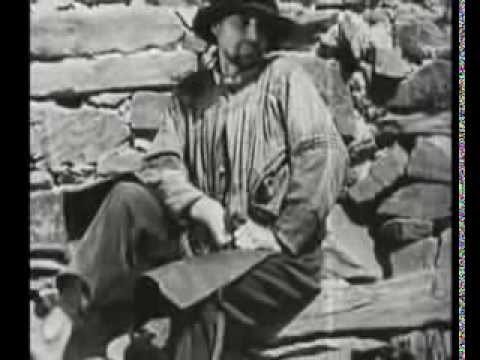
Unveiling "Las Hurdes: Land Without Bread" - Buñuel's Anthropological and Historical Gaze

Welcome to El Antroposofista, a space dedicated to the deep exploration of anthropology, archaeology, psychology, and history. Today, we embark on a journey into the stark realities depicted in Luis Buñuel's seminal 1933 documentary, "Las Hurdes: Land Without Bread" (Tierra sin pan). This film, a powerful ethnographic and historical document, transcends mere filmmaking to become a critical socio-anthropological statement on poverty, tradition, and the human condition in a remote corner of Spain.

Introduction: A Window into Las Hurdes

Luis Buñuel, a titan of surrealism and social critique, turned his lens towards the impoverished region of Las Hurdes in Extremadura, Spain, for his 1933 documentary. The film, originally titled "Las Hurdes: Land Without Bread," is a deliberately unsettling portrayal of extreme poverty, backwardness, and a life seemingly untouched by progress. Initially presented with a misleading narration suggesting a natural catastrophe, Buñuel's true intent was to expose the systemic neglect and suffering of its inhabitants. This documentary serves as a crucial artifact for understanding historical anthropology, offering a raw, albeit controversial, glimpse into a forgotten Spain.

Historical Context: Buñuel's Vision and Francoist Erasure

Produced during the turbulent Second Spanish Republic, "Las Hurdes" was a bold statement. Buñuel, an exile from Spain himself, aimed to shock the conscience of a nation grappling with its own identity and future. The film’s unvarnished depiction of hunger, disease, illiteracy, and archaic customs was so potent that the succeeding Franco regime attempted to suppress it, fearing it would tarnish Spain's image. The regime even commissioned counter-narratives and attempted to 'modernize' the region, seeking to erase the very realities Buñuel so starkly documented.

The region of Las Hurdes had long been a place of relative isolation. Its mountainous terrain and lack of infrastructure contributed to a cycle of poverty that Buñuel sought to break through sheer exposure. This act of cinematic intervention, while ethically debated, placed Las Hurdes on the international map, albeit through a lens of profound hardship. Understanding this historical backdrop is key to appreciating the film’s political and social implications.

Anthropological Analysis: The Spectacle of Poverty

From an anthropological perspective, "Las Hurdes" is a complex case study. Buñuel presents a society seemingly locked in a prehistoric state, where survival dictates every facet of life. The film meticulously documents:

  • Extreme Poverty: Barely edible food, rudimentary housing, and a constant struggle for sustenance.
  • Archaic Customs: Practices that appear baffling to an outsider, often born out of necessity and isolation.
  • Illness and Malnutrition: The visible toll of poor living conditions on the physical health of the inhabitants.
  • Lack of Education: A community largely illiterate, disconnected from the broader social and political advancements of the time.

The film’s ethnographic value lies in its detailed, almost clinical, observation. However, it’s crucial to acknowledge the ethical considerations surrounding Buñuel's portrayal. Critics have long debated whether the film exploits its subjects for artistic and political ends, or if it was a necessary, albeit harsh, form of advocacy. This tension between documentation and sensationalism is a recurring theme in ethnographic filmmaking and raises important questions for sociology and anthropology.

"The greatest tragedy is not the suffering, but the lack of hope and the resignation in the eyes of those who have known nothing else."

Buñuel’s deliberate choice to omit the original Spanish narration, replacing it with a more scientific, detached tone, further amplifies this critical distance. It forces the viewer to confront the visual evidence without the softening influence of empathetic storytelling, thereby intensifying the documentary's impact as a piece of social commentary.

Cinematic Social Commentary: Technique and Impact

Buñuel masterfully employed cinematic techniques to underscore his message. The stark, black-and-white cinematography, the almost surreal juxtapositions of suffering, and the jarring musical score all contribute to a sense of profound unease. He uses close-ups that reveal the physical manifestations of poverty and hardship, forcing the audience to look directly at the discomfort. The staged elements, such as the notorious censored scene involving roosters, hint at the lengths to which Buñuel would go to convey the 'unnatural' state of affairs he perceived.

The film’s legacy is intertwined with its controversial reception. It sparked national debate about rural poverty in Spain and contributed to state-led initiatives to improve conditions in Las Hurdes, though often with the underlying aim of asserting national unity and control. The film remains a powerful example of how cinema can function as a tool for social critique, a catalyst for change, and a lasting historical record.

For those interested in the technical aspects of filmmaking and its application in documenting social realities, exploring the DIY aspects of film analysis can be incredibly rewarding. Understanding how shots are composed, how narratives are constructed, and how editing influences perception are key skills for any budding ethnographer or historian.

DIY Workshop: Analyzing Documentary Ethnography

Analyzing a documentary like "Las Hurdes" offers a practical way to engage with anthropological and historical methodologies. Here’s a step-by-step guide to dissecting such a film:

  1. Contextual Research: Before viewing, research the filmmaker (Luis Buñuel), the historical period (Second Spanish Republic, 1930s Spain), and the specific region depicted (Las Hurdes). Understand the socio-political climate and any known controversies surrounding the film.
  2. Active Viewing: Watch the documentary with a critical eye. Take notes on recurring themes, visual motifs, the tone of the narration (if any), and the emotional impact of specific scenes. Pay attention to how the subjects are presented.
  3. Identify Key Themes: List the primary issues the film addresses. For "Las Hurdes," these include poverty, isolation, health, education, tradition, and social neglect.
  4. Analyze Cinematographic Techniques: Examine the use of camera angles, lighting, editing, sound, and music. How do these elements contribute to the film's overall message and emotional effect? For instance, note the use of close-ups on faces or the stark contrasts in lighting.
  5. Evaluate the Narrative Structure: How is the story told? Is there a clear protagonist? How does the filmmaker guide the audience's interpretation? Consider the impact of Buñuel's misleading initial framing and later corrections.
  6. Consider Ethical Implications: Reflect on the filmmaker's responsibility. Is the film exploitative, informative, or both? How might the subjects of the documentary have been affected by their portrayal? Compare Buñuel's approach to more contemporary ethnographic filmmaking practices.
  7. Connect to Broader Concepts: Relate the film's themes to broader concepts in anthropology (e.g., cultural relativism, ethnocentrism, social stratification) and history (e.g., rural depopulation, state intervention, historical documentaries as primary sources).
  8. Formulate Your Own Interpretation: Based on your analysis, develop your own informed opinion about the film's purpose, effectiveness, and legacy. What does it reveal about Spanish society at the time, and what can we learn from it today?

Frequently Asked Questions

Q1: Was "Las Hurdes: Land Without Bread" a factual representation of the region?
A1: While depicting genuine hardship, the film employed narrative devices, including a misleading initial narration and staged elements, to amplify its critique of social neglect. Buñuel sought to expose systemic poverty rather than providing a purely objective ethnographic record.

Q2: What was the impact of the film on Las Hurdes?
A2: The film brought international attention to the region's poverty, prompting some government intervention and development efforts, particularly during the Franco era, although the regime also sought to suppress the film itself.

Q3: Why is Luis Buñuel considered an important figure in documentary filmmaking?
A3: Buñuel’s innovative use of surrealist techniques, his unflinching social critique, and his willingness to challenge conventions made him a unique voice in documentary. "Las Hurdes" exemplifies his commitment to using film as a tool for social and political commentary.

Q4: How does "Las Hurdes" relate to modern ethnographic studies?
A4: The film remains a subject of discussion regarding the ethics of ethnographic representation. It highlights the ongoing debate about the balance between artistic license, social advocacy, and the respectful portrayal of subjects in documentary filmmaking.

Conclusion: Enduring Relevance

"Las Hurdes: Land Without Bread" is more than just a historical film; it is a profound anthropological statement that continues to resonate. Buñuel’s unflinching gaze forces us to confront the uncomfortable realities of poverty and societal neglect. By examining this work, we not only gain insight into a specific historical moment in Spain but also engage with timeless questions about representation, ethics, and the power of cinema to document and critique the human condition. Its enduring power lies in its ability to provoke thought and discussion, reminding us of the critical role history, anthropology, and psychology play in understanding our world.

``` ```json { "@context": "http://schema.org", "@type": "FAQPage", "mainEntity": [ { "@type": "Question", "name": "Was \"Las Hurdes: Land Without Bread\" a factual representation of the region?", "acceptedAnswer": { "@type": "Answer", "text": "While depicting genuine hardship, the film employed narrative devices, including a misleading initial narration and staged elements, to amplify its critique of social neglect. Buñuel sought to expose systemic poverty rather than providing a purely objective ethnographic record." } }, { "@type": "Question", "name": "What was the impact of the film on Las Hurdes?", "acceptedAnswer": { "@type": "Answer", "text": "The film brought international attention to the region's poverty, prompting some government intervention and development efforts, particularly during the Franco era, although the regime also sought to suppress the film itself." } }, { "@type": "Question", "name": "Why is Luis Buñuel considered an important figure in documentary filmmaking?", "acceptedAnswer": { "@type": "Answer", "text": "Buñuel’s innovative use of surrealist techniques, his unflinching social critique, and his willingness to challenge conventions made him a unique voice in documentary. \"Las Hurdes\" exemplifies his commitment to using film as a tool for social and political commentary." } }, { "@type": "Question", "name": "How does \"Las Hurdes\" relate to modern ethnographic studies?", "acceptedAnswer": { "@type": "Answer", "text": "The film remains a subject of discussion regarding the ethics of ethnographic representation. It highlights the ongoing debate about the balance between artistic license, social advocacy, and the respectful portrayal of subjects in documentary filmmaking." } } ] }

The Genesis of Understanding: A Deep Dive into the History and Practice of Anthropology

Hello and welcome to El Antroposofista, a space dedicated to unraveling the complexities of the human experience. In this article, we embark on a scholarly journey through the **history of anthropology**, exploring its intellectual roots, pivotal figures, and transformative methodologies. Our aim is to not only provide a comprehensive overview but also to connect these historical threads with contemporary understanding and practical application.

Introduction: The Quest to Understand Humanity

The human desire to comprehend ourselves and our diverse societies is as old as consciousness itself. Anthropology, as a formal academic discipline, is a relatively young field, but its intellectual lineage stretches back to the earliest human inquiries into the nature of existence, culture, and societal organization. This post delves into the rich **history of anthropology**, tracing its evolution from nascent observations in ancient civilizations to the sophisticated, multi-disciplinary science it is today. We will explore the key paradigms, influential scholars, and critical debates that have shaped our understanding of human diversity, social structures, and cultural practices. Understanding this history is not merely an academic exercise; it provides the foundational knowledge essential for critically analyzing contemporary human phenomena and for engaging with the world through a more informed and empathetic lens.

Early Roots: Antiquity and the Dawn of Anthropological Thought

The impulse to study other peoples and cultures can be found in the earliest historical records. Ancient Greek historians like **Herodotus** (c. 484–425 BCE) are often hailed as precursors to anthropology due to their detailed ethnographic accounts of the various peoples of the Mediterranean and beyond. In his "Histories," Herodotus described customs, social structures, and religious beliefs of diverse groups, attempting to explain differences rather than simply condemn them. This marks an early recognition of the importance of contextualizing human practices. Similarly, Roman thinkers such as **Tacitus** (c. 56–120 CE) provided valuable descriptions of Germanic tribes in his work "Germania," offering insights into their social organization, warfare, and customs. While often framed through a Roman lens, these accounts represent an early form of comparative ethnography. In the Islamic world, scholars like **Ibn Khaldun** (1332–1406) developed sophisticated theories of history and society, analyzing the rise and fall of empires and the impact of geography and social cohesion ("'asabiyyah") on human civilization. His "Muqaddimah" is a seminal work that anticipated many sociological and historical concepts. These early ethnographers and thinkers laid groundwork by observing, describing, and attempting to explain human difference, even if their methods were not systematized by modern academic standards.
Herodotus's approach, characterized by a curiosity about the customs of distant peoples and an attempt to understand their motivations, serves as an enduring example of the nascent ethnographic spirit.

The Enlightenment and the Seeds of Evolution

The Age of Enlightenment (17th-18th centuries) brought a renewed focus on reason, human nature, and societal progress. Philosophers began to theorize about the origins of society and the stages of human development. Thinkers like **John Locke** and **Jean-Jacques Rousseau** debated the concept of the "state of nature" and the social contract, exploring how societies might have formed and evolved. However, it was the 19th century that truly witnessed the formal emergence of anthropology as an academic discipline, heavily influenced by evolutionary theory. **Charles Darwin's** "On the Origin of Species" (1859) provided a biological framework that was soon adapted by early anthropologists to explain cultural development. **Lewis Henry Morgan** (1818–1881), in his "Ancient Society" (1877), proposed a unilinear model of cultural evolution, suggesting that all societies progressed through similar stages: savagery, barbarism, and civilization. This perspective, though now largely discredited for its ethnocentrism and rigid stages, was foundational in framing the study of cultural diversity within an evolutionary paradigm. **Edward Burnett Tylor** (1832–1917), often considered the father of modern anthropology in Britain, defined culture as "that complex whole which includes knowledge, belief, art, morals, law, custom, and any other capabilities and habits acquired by man as a member of society." His work, particularly "Primitive Culture" (1871), emphasized the importance of studying "survivals"—customs, beliefs, and practices that persisted from earlier stages of social evolution. These early evolutionary thinkers, despite their flaws, established the comparative method and the idea that human societies could be studied scientifically to understand their development and interconnectedness.

The Birth of Modern Anthropology: Functionalism and Structuralism

The late 19th and early 20th centuries saw a reaction against unilinear evolutionary theories, leading to the development of new schools of thought aimed at providing more nuanced explanations for cultural practices. **Historical Particularism**, championed by **Franz Boas** (1858–1942) in the United States, rejected the notion of universal evolutionary stages. Boas argued that each culture had its own unique historical trajectory and should be understood on its own terms. He emphasized fieldwork, direct observation, and the collection of detailed ethnographic data. Boas trained a generation of influential anthropologists, including Alfred Kroeber, Ruth Benedict, and Margaret Mead, who spread his relativistic and empirical approach. In Britain, **Functionalism** emerged, focusing on how social institutions and practices functioned to maintain social order and meet the needs of individuals. Key figures include: * **Bronisław Malinowski** (1884–1942), who stressed the importance of participant observation in his seminal work "Argonauts of the Western Pacific" (1922). He argued that cultural practices fulfilled basic human psychological and biological needs. * **A.R. Radcliffe-Brown** (1881–1955), who developed **Structural Functionalism**. He focused on how social structures (kinship systems, political organizations) contributed to the stability and continuity of society. Meanwhile, in France, **Structuralism**, pioneered by **Claude Lévi-Strauss** (1908–2009), offered a different analytical framework. Lévi-Strauss sought to uncover the universal underlying structures of the human mind that shape cultural phenomena. He analyzed myths, kinship systems, and other cultural elements by identifying binary oppositions (e.g., raw/cooked, nature/culture) as fundamental organizing principles. His work, such as "The Elementary Structures of Kinship" (1949), profoundly influenced not only anthropology but also linguistics, literary theory, and philosophy.
Boas's insistence on rigorous fieldwork and cultural relativism fundamentally shifted the methodology and ethical considerations within anthropology.

Cultural Relativism and the Postmodern Turn

The concept of **cultural relativism**, central to Boasian anthropology, posits that a person's beliefs, values, and practices should be understood based on that person's own culture, rather than be judged against the criteria of another. This principle became a cornerstone of anthropological ethics, encouraging an objective and non-judgmental approach to studying diverse cultures. However, cultural relativism has also faced criticism, particularly concerning its potential implications for universal human rights. The debate over how to reconcile cultural diversity with universal ethical standards remains a critical area of discussion. The late 20th century saw the rise of **Postmodernism** and **Post-structuralism**, which challenged many of the foundational assumptions of earlier anthropological thought. Influenced by thinkers like **Michel Foucault**, **Jacques Derrida**, and **Pierre Bourdieu**, postmodern anthropologists questioned notions of objective truth, universal structures, and the authority of the ethnographer. Key developments include: * **The Reflexive Turn**: Anthropologists became more aware of their own positionality, biases, and the impact of their presence on the communities they studied. Ethnographic writing became more self-conscious and often incorporated the voices and perspectives of informants. * **Focus on Power and Discourse**: Scholars began to analyze how power relations, language, and discourse shape cultural understandings and social realities. Bourdieu's concept of "habitus," for instance, explores how social structures are internalized by individuals and shape their practices and perceptions. * **Decolonization of Anthropology**: There has been a growing movement to decenter Western perspectives and to empower voices from formerly colonized societies to shape anthropological theory and practice. This era has led to a more fragmented yet richer landscape of anthropological inquiry, embracing a wider range of theoretical perspectives and a greater emphasis on lived experience and social justice. The field continues to grapple with issues of representation, ethics, and the very definition of culture in an increasingly interconnected world.

DIY Anthropology: Engaging with the Field Practically

While anthropology is a complex academic discipline, certain core principles and methods can be explored and applied through personal practice. Engaging in "DIY Anthropology" allows for a hands-on understanding of ethnographic principles, fostering critical observation and empathy.

Guide: Conducting a Basic Neighborhood Ethnography

This practical guide will walk you through the initial steps of observing and understanding a community environment using ethnographic principles.
  1. Define Your Focus (Research Question): Before you begin, formulate a question about your chosen neighborhood. For example: "How do local residents interact in public spaces?" or "What are the dominant cultural expressions evident in local businesses and street art?" A focused question will guide your observations.
  2. Select Your Observation Site(s): Identify public spaces within your neighborhood where you can observe people naturally interacting. This could include parks, community centers, local cafes, public transport hubs, or busy street corners. Choose locations that align with your research question.
  3. Develop an Observation Protocol: Create a simple checklist or notebook to guide your observations. Note down details such as:
    • Time and date of observation.
    • Demographics of observed individuals (age, gender, apparent group affiliations, if discernible).
    • Types of activities taking place.
    • Patterns of interaction (e.g., who talks to whom, body language, duration of interactions).
    • Environmental details (weather, sounds, smells, prominent visual elements).
    • Any notable cultural markers (language spoken, clothing, symbols).
  4. Practice Participant Observation (Ethically): Spend time in your chosen locations, not just observing but also participating in the everyday life of the neighborhood as unobtrusively as possible. If you visit a cafe, order a coffee and sit where you can observe. If you are in a park, perhaps read a book. The goal is to become a familiar, non-threatening presence. Always be mindful of privacy and avoid intrusive recording.
  5. Take Detailed Field Notes: After each observation session, immediately write down your detailed notes while the memories are fresh. Record not only objective observations but also your initial interpretations and reflections. Use descriptive language. What did you see, hear, smell, and feel?
  6. Initial Analysis: Look for Patterns and Themes: Review your field notes. What recurring behaviors or interactions do you notice? Are there common themes emerging related to your research question? For instance, do you see specific times of day when certain groups congregate? Are there common greetings or farewells?
  7. Consider Your Own Bias: Reflect on your own background and how it might influence your interpretations. Are you assuming certain things based on your own cultural understanding? This self-awareness is crucial in ethnographic work.
  8. Seek Informal Conversations (Optional and Ethical): If appropriate and you feel comfortable, you might engage in brief, informal conversations with people you observe. Start with simple, open-ended questions related to their activities or the neighborhood. Always be respectful and mindful of their willingness to engage.
This hands-on approach, even on a small scale, can provide invaluable insights into the methods and challenges of anthropological fieldwork. It cultivates a deeper appreciation for the complexities of human social life.

Frequently Asked Questions

What is the primary goal of anthropology?

The primary goal of anthropology is to understand human diversity in all its aspects – biological, social, cultural, and historical. It seeks to describe, explain, and interpret the similarities and differences between human societies worldwide.

Who is considered the father of American anthropology?

Franz Boas is widely regarded as the father of American anthropology due to his pioneering fieldwork, emphasis on cultural relativism, and his role in establishing anthropology as a rigorous academic discipline in the United States.

What is the difference between archaeology and anthropology?

While closely related, archaeology specifically studies past human cultures through the excavation and analysis of material remains (artifacts, structures, ecofacts). Anthropology is a broader field that encompasses archaeology, but also includes cultural anthropology, linguistic anthropology, and biological anthropology, all of which study living or recent human societies and their origins.

How has the internet influenced anthropology?

The internet has revolutionized anthropological research by providing access to vast digital archives, facilitating global communication and collaboration, and creating new objects of study (e.g., online communities, digital culture). It also presents challenges related to data access, privacy, and the ethics of digital ethnography.

What is cultural relativism and why is it important?

Cultural relativism is the principle that an individual's beliefs, values, and practices should be understood based on that person's own culture, rather than be judged against the criteria of another. It is crucial for promoting cross-cultural understanding, avoiding ethnocentrism, and conducting objective ethnographic research.

Conclusion: The Enduring Relevance of Anthropological Inquiry

The **history of anthropology** reveals a discipline constantly evolving, grappling with complex questions about what it means to be human. From the early observations of ancient travelers to the sophisticated theoretical debates of postmodernism, anthropology has consistently sought to understand the rich tapestry of human life. The foundational principle of **cultural relativism**, combined with rigorous ethnographic **fieldwork**, remains central to its practice. As our world becomes increasingly interconnected, yet also faces profound challenges, the anthropologically informed perspective—one that emphasizes empathy, critical thinking, and the appreciation of diversity—is more vital than ever. Whether through academic study or practical engagement, the journey to understand humanity is an ongoing and profoundly rewarding endeavor.
To truly understand humanity, we must first endeavor to understand each of its myriad manifestations, appreciating the unique historical and cultural contexts that shape every society.
We encourage you to explore further resources on anthropology and archaeology. For those interested in the practical application of these fields, consider delving into DIY ethnographic methods or exploring topics like immigration and citizenship through an anthropological lens. The journey into understanding human cultures is a continuous exploration, and we invite you to join the conversation.