Mostrando las entradas para la consulta historical ordenadas por relevancia. Ordenar por fecha Mostrar todas las entradas

Ukraine: Putin's Revenge and the Echoes of History

The intricate tapestry of geopolitical conflict is woven from threads of historical grievance, national identity, and the relentless pursuit of power. To understand contemporary struggles, we must delve into the depths of past events and the enduring legacies they leave behind.

Welcome to El Antroposofista, your dedicated portal to understanding the complex narratives of our world. This article delves into the third episode of our series on the history of Ukraine, focusing on the recent events that have gripped international attention and examining the motivations and historical context behind what many perceive as "Putin's Revenge."

Our exploration today is situated within the broader scope of anthropology, archaeology, psychology, and history. These disciplines are not mere academic pursuits; they are vital tools for deciphering the present. By understanding the deep-seated historical forces and psychological undercurrents that shape national actions, we can begin to grasp the complexities of international relations and the enduring impact of historical narratives on contemporary conflicts.

The Historical Tapestry of Ukraine and Russia

The relationship between Ukraine and Russia is one of profound historical entanglement, marked by periods of shared identity, subjugation, and fierce resistance. The very notion of Kyiv Rus' as a common historical cradle for both nations forms a cornerstone of Russian historical narratives, often interpreted as evidence of an inherent, unbreakable bond. However, this narrative frequently overlooks the distinct development of Ukrainian identity, language, and culture, particularly in the western regions, which have historically been influenced by Polish, Austro-Hungarian, and other European powers.

Throughout centuries, Ukraine has been a geopolitical battleground, subjected to the dominance of various empires, including the Polish-Lithuanian Commonwealth, the Russian Empire, and later, the Soviet Union. Each period left its imprint, fostering a complex and often contested sense of self.

  • The Russian Empire: While officially part of a unified state, distinct Ukrainian cultural expressions were often suppressed, with periods of Russification aimed at eroding national distinctiveness.
  • The Soviet Era: Despite initial periods of Ukrainization, the Soviet regime imposed a centralized control that, while providing a degree of national administrative structure, ultimately prioritized Moscow's authority. The Holodomor, the man-made famine of the 1930s, remains a deeply traumatic event in Ukrainian collective memory, viewed by many as an act of genocide orchestrated to break the Ukrainian peasantry and national spirit.
  • Post-Soviet Independence: Ukraine's re-emergence as an independent nation in 1991 was a watershed moment, yet it was immediately followed by ongoing struggles to solidify its sovereignty against persistent Russian influence and geopolitical pressures.

Understanding these historical layers is crucial to comprehending the current conflict. For many Ukrainians, their struggle is a fight for self-determination and a definitive break from historical patterns of external domination. For President Putin, the narrative is often framed through the lens of historical unity and the perceived betrayal of Russia's perceived sphere of influence.

Putin's Narrative: A Historical Reinterpretation

President Putin's public discourse and writings, particularly his essay "On the Historical Unity of Russians and Ukrainians" (2021), offer a direct insight into his perspective. This narrative frequently emphasizes the shared origins in Kyivan Rus' and posits that Ukrainians and Russians are essentially "one people." This perspective often downplays or dismisses Ukraine's independent statehood and distinct cultural evolution, viewing its westward leanings and aspirations for closer ties with Europe as a historical aberration or a Western-orchestrated manipulation.

From this viewpoint, the expansion of NATO eastward is perceived not as a defensive measure by sovereign nations, but as a direct threat to Russia's historical sphere of influence and security interests. The Maidan Revolution of 2014, which ousted a pro-Russian president, is often characterized in Kremlin-aligned media as an illegitimate, Western-backed coup rather than a genuine popular uprising demanding closer integration with Europe.

The concept of "historical revenge" is not merely a geopolitical slogan; it taps into deep-seated national narratives and a perceived historical injustice. For some, the collapse of the Soviet Union was not a liberation but a tragedy, a loss of superpower status and influence that they seek to redress.

This framing serves to legitimize actions aimed at reasserting Russian dominance, whether through political pressure, economic leverage, or, as seen in recent years, military intervention. It allows for the portrayal of Ukraine not as an independent nation with the right to choose its own destiny, but as a historically integral, albeit temporarily estranged, part of a greater Russian world.

The Psychology of Conflict and National Identity

The psychological dimensions of this conflict are profound and multifaceted. On the Ukrainian side, we observe a powerful resurgence of national identity, resilience, and a unified resolve in the face of aggression. The shared experience of invasion has forged a stronger sense of collective belonging and a determination to defend their sovereignty and way of life.

Conversely, the psychological underpinnings of the Russian action can be analyzed through several lenses:

  • Nostalgia for Empire: A yearning for the geopolitical status and influence Russia held during the Soviet era.
  • Nationalism and Revisionism: A potent nationalist ideology that seeks to reclaim perceived historical territories and correct what is viewed as the injustices of the post-Soviet order.
  • Security Dilemma: A genuine or perceived threat from Western expansion, leading to actions that, paradoxically, may further isolate Russia and strengthen the very alliances it opposes.
  • Authoritarian Psychology: The consolidation of power within an authoritarian system can lead to decision-making driven by a particular leader's worldview, historical interpretations, and a desire to maintain or expand control.

The role of propaganda and information warfare cannot be overstated. Both sides engage in shaping narratives to garner domestic and international support, often employing psychological tactics to demonize the adversary and galvanize their own populations. Understanding these psychological dynamics is key to grasping why historical grievances are weaponized and how national identities are mobilized in times of conflict.

An Anthropological View of Sovereignty and Belonging

From an anthropological perspective, the conflict over Ukraine is deeply rooted in contestations over sovereignty, territory, and belonging. It highlights how notions of nationhood are not static but are continually constructed, contested, and performed.

Ukraine's struggle for statehood can be seen as an assertion of its right to self-definition, a fundamental aspect of collective identity. This involves not just political independence but also the preservation and promotion of its unique cultural heritage, including its language, traditions, and historical memory. The anthropologist Victor Turner's concepts of "communitas" and "liminality" can offer insights into the unifying and transformative experiences of shared national struggle.

Russia's actions, conversely, can be interpreted as an attempt to impose a particular model of belonging, one where Ukrainian identity is subsumed within a larger, pan-Slavic or Eurasian narrative dominated by Moscow. This reflects a broader anthropological concern with how dominant powers seek to assimilate or subjugate minority identities, often by manipulating historical narratives and cultural symbols.

The archaeological dimension is also relevant, as the digging up and reinterpretation of historical sites and artifacts can be used to bolster national claims and historical narratives. For instance, claims regarding shared ancestry or territorial rights can be substantiated or challenged through archaeological evidence, making it a potent tool in geopolitical discourse.

The study of history and anthropology provides us with the critical tools to deconstruct these narratives and understand the human element behind geopolitical events. It allows us to move beyond simplistic explanations and appreciate the complex interplay of past traumas, present ambitions, and future aspirations that drive international affairs.

DIY: Analyzing Historical Grievances in Media

Understanding how historical grievances are presented and amplified in contemporary media is a crucial skill for navigating the modern information landscape. This practical guide will walk you through a basic approach to critically analyze media content concerning historical narratives in conflict zones.

  1. Identify the Source: Determine the origin of the media piece (e.g., state-sponsored news, independent journalist, social media post, academic analysis). Consider the potential biases inherent in the source. For example, analyzing a history documentary produced by a nation directly involved in a conflict requires a different critical approach than analyzing an article from a neutral academic journal.
  2. Pinpoint the Historical Narrative: What specific historical events, figures, or periods are being referenced? Is the narrative presented as objective fact, or is it a particular interpretation? Look for explicit claims about shared ancestry, historical injustices, or territorial rights.
  3. Analyze the Language and Tone: Pay close attention to the words used. Are they loaded with emotional connotations (e.g., "oppression," "betrayal," "brotherhood," "aggression")? Is the tone objective or persuasive? For instance, the use of terms like "reunification" versus "annexation" reveals a specific historical framing.
  4. Examine the Evidence Presented (or Omitted): What "proof" is offered to support the historical claims? Are primary sources cited? Are official documents or personal testimonies used? Crucially, what historical information is conspicuously absent? The omission of events like the Holodomor in certain Russian historical accounts of Ukraine is a significant example of selective narrative construction.
  5. Consider the Visuals: If the media includes images or videos, analyze their context and how they are used to evoke emotion or support the narrative. Old photographs, maps, or footage can be powerful tools for historical persuasion.
  6. Cross-Reference Information: Compare the narrative presented with information from multiple, diverse sources. Consult academic texts, reputable historical accounts, and analyses from different perspectives. This is where data and maps from various origins become invaluable. Accessing archival research, even if indirectly through secondary sources, can provide deeper context.
  7. Identify Potential Agendas: What might be the purpose behind presenting this particular historical narrative? Is it to justify current actions, rally support, demonize an enemy, or preserve a specific national identity? Understanding the geopolitical implications is key.

By actively engaging with media in this way, you move from being a passive consumer to a critical analyst, better equipped to understand the historical underpinnings of current events.

Frequently Asked Questions

What is the significance of Kyivan Rus' in the current conflict?

Kyivan Rus' is a medieval state considered by both Russians and Ukrainians as a foundational element of their respective histories. President Putin frequently invokes it to argue for the historical unity of the two peoples, suggesting Ukraine is an artificial construct separate from this shared heritage. Many Ukrainians, however, emphasize their distinct development following the fragmentation of Kyivan Rus', seeing it as a shared ancestor rather than proof of indivisible unity.

How does psychology play a role in justifying military action?

Psychological factors like nationalism, historical grievances, perceived threats, and collective memory are often manipulated to create a narrative that justifies aggression. Leaders may exploit existing fears or desires for past glory to gain public support for military actions, framing them as necessary for national security or historical correction.

What can archaeology tell us about the historical relationship between Ukraine and Russia?

Archaeology can provide tangible evidence of past settlements, cultural exchanges, and migrations. While archaeological findings can support narratives of shared history or distinct development, they are often subject to interpretation and can be used selectively to bolster specific political claims. For example, the interpretation of early Slavic settlements can be contentious.

What does "DIY" mean in the context of analyzing historical narratives?

"DIY" (Do It Yourself) in this context refers to the practice of independently researching, critically evaluating, and constructing your own understanding of historical narratives presented in the media, rather than passively accepting them. It involves actively seeking out diverse sources and applying critical thinking skills.

If you appreciate our in-depth analysis and wish to support our work, consider exploring our store for unique digital assets. We are committed to bringing you comprehensive information on anthropology, archaeology, psychology, and history. Visit our official blog for the latest news in these fields.

We also encourage you to explore our other blogs, covering a diverse range of topics to satisfy every curiosity.

If you found this analysis helpful, you might also be interested in related topics such as: #FirstWorldWar, #Geopolitics, #ColdWar, #Nationalism, and #HistoricalReinterpretation.

```

The Art of the Archive: A DIY Guide to Understanding Historical Documents

Introduction: Unearthing the Past Through Text

Welcome to El Antroposofista, your dedicated space for exploring the rich tapestries of anthropology, archaeology, psychology, and history. In this in-depth article, we delve into the fascinating world of historical documents, not just as static relics of the past, but as dynamic conduits of human thought, societal structures, and cultural evolution. Our aim is to transform the way you perceive and interact with historical texts, moving beyond passive consumption to active, critical engagement. By blending academic rigor with practical application, we will equip you with the tools and understanding necessary to decipher the past through its written remnants.

Decoding the Reader's Quest: What Do We Seek in Historical Texts?

The primary search intent behind exploring historical documents is multifaceted, encompassing a desire for knowledge, understanding, and connection. Readers are often driven by a quest to:

  • Uncover factual narratives: To learn about specific events, people, and timelines.
  • Grasp historical causality: To understand *why* things happened the way they did.
  • Interpret societal values and beliefs: To gain insight into the minds and cultures of past populations.
  • Trace the evolution of ideas: To see how concepts, philosophies, and social norms have changed over time.
  • Connect with ancestral heritage: For personal genealogical and cultural exploration.
  • Develop critical thinking skills: To analyze sources and construct informed arguments.

This article is structured to address each of these intentions, providing a comprehensive framework for analyzing historical texts from interdisciplinary perspectives.

The Document as an Entity: Core Concepts and Their Interconnections

At the heart of our exploration lies the historical document itself, which can be treated as a primary entity. Understanding this entity requires engaging with key concepts such as primary sources, secondary sources, provenance, contextualization, and interpretation. Semantically related keywords that will naturally emerge include archival research, paleography, codicology, textual criticism, historical linguistics, discourse analysis, and the specific fields of historical anthropology, historical sociology, and archaeological documentation.

We will explore how these concepts intertwine, for instance, how the provenance of a primary source (like a diary or official decree) directly impacts its reliability when used to construct a secondary source (a historical monograph). The very act of creating and preserving these documents reflects underlying social structures and cultural practices, making them invaluable objects of study for anthropology and sociology.

Historical Context: The Bedrock of Interpretation

No historical document can be understood in isolation. Its meaning is inextricably linked to the time, place, and circumstances of its creation. This necessitates a deep dive into the historical context. Key elements include:

  • The author's background: Their social standing, education, biases, and intended audience.
  • The socio-political climate: The prevailing political systems, major conflicts, economic conditions, and dominant ideologies.
  • Cultural norms and values: The accepted beliefs, customs, and social hierarchies of the era.
  • Technological advancements: The tools and methods available for communication and record-keeping (e.g., the impact of the printing press vs. handwritten manuscripts).

For example, interpreting a legal document from the 17th century requires understanding the prevailing concepts of justice, property rights, and the role of the monarchy, which differ vastly from modern interpretations. Examining the impact of the Year 1939, often referred to as Annus Mirabilis in certain contexts, requires understanding the escalating tensions leading up to World War II.

"To understand the past, we must first understand the world in which it existed." - Paraphrased from historical method principles.

A Sociological Perspective: Power, Discourse, and Social Structures

From a sociological viewpoint, historical documents are not neutral records but are often imbued with power dynamics and reflect dominant discourses. Authors, consciously or unconsciously, reproduce and reinforce existing social structures and hierarchies. Analyzing these texts through a sociological lens allows us to:

  • Identify power brokers and their influence.
  • Examine representations of different social classes, genders, and ethnic groups.
  • Understand how language itself shapes social reality and constructs identities.
  • Trace the evolution of social institutions and norms.

Consider Pierre Bourdieu's concepts of cultural capital and habitus. How might the language and content of a historical document reveal the author's social background and the implicit rules governing their society? Examining documents related to immigration, for instance, can reveal societal attitudes towards newcomers, patterns of integration, and the negotiation of citizenship.

The study of sociology offers critical tools for understanding how texts shape and are shaped by society. Insights from authors like Victor Turner, particularly his work on communitas and liminality, can help us interpret documents related to social transitions, rituals, or periods of upheaval.

Anthropological Insights: Culture, Symbolism, and Human Experience

Anthropology brings a unique perspective, focusing on culture, symbolism, and the lived human experience. When analyzing historical documents, anthropologists look for:

  • Cultural meanings: The symbolic significance of words, objects, and actions described.
  • Ritualistic practices: Evidence of ceremonies, traditions, and belief systems.
  • Everyday life: Glimpses into the daily routines, struggles, and joys of ordinary people.
  • Belief systems and worldviews: The underlying assumptions about the nature of reality, the divine, and humanity's place in the cosmos.

For example, analyzing folklore, myths, or religious texts provides direct insight into the cultural heritage and worldviews of a society. Even seemingly mundane administrative documents can reveal cultural assumptions about kinship, labor, or resource management. Understanding the diversidad cultural reflected in these documents is key.

The anthropology of text encourages us to see documents not just as information carriers, but as cultural artifacts, pregnant with layers of meaning. Exploring concepts like anti-structure can help us understand texts emerging from periods of social change or challenge.

"The archive is not a neutral repository; it is a constructed space, reflecting the power structures and biases of the society that created it." - Michel Foucault (paraphrased)

DIY Archive: Building Your Personal Historical Research Toolkit

Engaging directly with historical documents can be incredibly rewarding. Here’s a practical guide to building your own 'DIY Archive' for personal exploration, whether through digitized collections or local historical societies.

  1. Define Your Focus: What historical period, region, or theme interests you most? Starting with a manageable scope is crucial. For example, you might focus on local town records, family correspondence, or historical newspaper clippings related to a specific event like the First World War.
  2. Identify Potential Sources:
    • Online Archives: Websites like the National Archives, university digital libraries, and historical society portals offer vast digitized collections. Look for resources related to Anthropology or Archaeology.
    • Local Institutions: Check your local library, historical society, or museum for physical archives.
    • Genealogical Websites: Sites like Ancestry.com or FamilySearch can provide access to vital records, census data, and personal documents.
  3. Develop a System for Organization: Whether digital or physical, a clear system is essential.
    • Digital: Create folders named by source type, date, or subject. Use consistent naming conventions for files (e.g., `[Date]_[SourceType]_[BriefDescription].pdf`).
    • Physical: Use acid-free folders and boxes. Label them clearly.
  4. Learn Basic Document Analysis Techniques:
    • Identify Provenance: Who created the document? When? Where? Why?
    • Assess Type of Source: Is it a letter, diary, government report, newspaper article, photograph, etc.?
    • Analyze Content Critically: What information does it contain? What biases might be present? What does it *not* say?
    • Cross-Reference: Compare the document with other sources to verify information and gain a more complete picture. This is where knowledge of data analysis, even in a historical context, becomes valuable.
  5. Transcribe and Annotate (If Applicable): For handwritten documents, consider transcribing them. Add annotations explaining difficult terms, identifying people or places, and noting your own analytical thoughts. This step bridges the gap between raw data and interpretive understanding. This is akin to a DIY approach to historical research.
  6. Practice Digital Preservation: If working with physical documents, consider scanning them to create digital backups. Ensure your digital files are backed up regularly on multiple devices or cloud storage.
  7. Engage with the Community: Share your findings (respectfully) with local historical groups, online forums, or academic communities. Discussing your research can provide new insights and help refine your analysis. Remember the importance of cultural respect when dealing with sensitive historical materials.

By following these steps, you can move from simply reading about history to actively participating in its reconstruction, much like an archaeology enthusiast unearthing artifacts.

Frequently Asked Questions

What is the difference between a primary and secondary source?

A primary source is a firsthand account or direct evidence concerning a topic, created by someone with direct personal knowledge during the time period being studied (e.g., diaries, letters, original photographs, government documents). A secondary source interprets and analyzes primary sources, offering an explanation or commentary on a historical event or topic (e.g., history textbooks, scholarly articles, biographies written long after the subject's death).

How can I determine the reliability of a historical document?

Reliability is assessed by considering the document's provenance (origin), the author's potential biases, the intended audience, the corroboration with other sources, and the internal consistency of the information. No source is perfectly objective, so critical evaluation is always necessary.

What are the ethical considerations when working with historical documents, especially those involving sensitive topics like immigration or past injustices?

Ethical considerations are paramount. This includes respecting the privacy of individuals (especially in more recent documents), avoiding sensationalism, acknowledging the perspectives of marginalized groups often underrepresented or misrepresented in historical records, and handling materials with care to preserve them for future generations. It also involves being mindful of the potential for historical documents to perpetuate harmful stereotypes if not analyzed critically.

Can digital tools enhance my ability to analyze historical documents?

Yes, digital tools can be incredibly powerful. Options include Optical Character Recognition (OCR) for converting scanned text into searchable formats, data visualization tools for analyzing patterns in large datasets (like census records), and digital annotation platforms. These tools can significantly speed up research and reveal connections previously difficult to spot.

What role does historical linguistics play in document analysis?

Historical linguistics is crucial for understanding the nuances of meaning in older documents. Language evolves over time; words change their meanings, grammar shifts, and dialects vary. Understanding historical linguistics helps researchers accurately interpret the vocabulary, syntax, and idiomatic expressions used in historical texts, preventing anachronistic interpretations.

Conclusion: The Enduring Relevance of the Written Word

Historical documents are far more than dusty relics; they are vibrant windows into the past, offering invaluable insights into the human condition. By applying the analytical frameworks from anthropology, sociology, and history, and by embracing a proactive, 'Do It Yourself' approach, we can unlock their rich potential. Whether you are a seasoned academic or an enthusiastic novice, the journey of deciphering these texts is a profoundly rewarding intellectual adventure. The ability to critically engage with the written word across time is not merely an academic exercise; it is a fundamental skill for understanding our present and shaping our future. We encourage you to continue exploring, questioning, and connecting with the past through its enduring textual legacy.

For further exploration into specific historical periods and methodologies, we recommend visiting our related posts on History, Anthropology, and the intricacies of Data analysis in research.

The Forgotten Bonds: Unpacking "White Slavery" Through Historical and Anthropological Lenses

Introduction: The Ambiguity of a Loaded Term

The phrase "white slavery" immediately conjures images and evokes powerful, often conflicting, emotional responses. Historically, this term has been employed to describe a range of coercive labor practices, from the forced prostitution of European women to the indentured servitude of Europeans in colonial contexts, and even, in some appropriations, to conflate with narratives of chattel slavery experienced by people of African descent. This article aims to dissect the loaded nature of this term, moving beyond sensationalism to engage with its historical and anthropological complexities. By examining the intent behind its usage, the social structures it reflects, and the potential material evidence, we seek to foster a more nuanced and academically grounded understanding of these historical phenomena. The search for information on "white slavery" often stems from a desire to understand specific historical injustices, to explore the fluidity of labor and exploitation across different groups, and to reconcile historical narratives with contemporary social justice concerns.

Historical Context: The Shifting Sands of "White Slavery"

The concept of "white slavery" is not monolithic; its meaning and application have evolved significantly across time and geography. Initially, in the late 19th and early 20th centuries, the term gained traction in Western societies, particularly in Britain and the United States, to describe the perceived trafficking and forced prostitution of European women. This moral panic was fueled by anxieties about immigration, urbanization, and changing gender roles, often portraying vulnerable European women as victims needing protection from foreign syndicates or unscrupulous employers. This usage, however, often conveniently overlooked or minimized the experiences of non-European enslaved populations, creating a hierarchy of suffering. For instance, the brutal reality of chattel slavery, which predominantly affected people of African descent for centuries, was distinct in its legal status, dehumanization, and hereditary nature. Yet, the discourse surrounding "white slavery" sometimes inadvertently drew parallels or even attempted to equate the two, a move critically examined by scholars of antropología and historia. Furthermore, the term has been applied to other forms of coerced labor involving Europeans. Indentured servitude, a system where individuals contracted to work for a specified period in exchange for passage to a new land or to pay off a debt, saw many Europeans voluntarily enter into arduous labor agreements. However, the line between voluntary contract and de facto enslavement could become blurred, especially when laborers faced harsh conditions, abuse, or extended periods of service beyond the original agreement. This was particularly relevant in early colonial settlements in the Americas and Australia, where European laborers, including women and children, experienced extreme hardship.
The historical trajectory of the term "white slavery" reveals a complex interplay of social anxieties, moral crusades, and the selective application of victimhood, often serving to reinforce existing power structures rather than dismantle them.
The phenomenon of debt bondage, where individuals or families could be trapped in servitude for generations due to insurmountable debts, also existed within European populations across various historical periods. These instances, while distinct from the racialized chattel slavery of the Atlantic world, underscore the multifaceted nature of unfreedom and exploitation that the simplistic label "white slavery" attempts to encapsulate, albeit imperfectly.

Anthropological Lenses: Power, Agency, and Social Structures

From an anthropological perspective, understanding "white slavery" requires examining the underlying power dynamics, the concept of agency (or lack thereof), and the broader social structures that facilitated such practices. Anthropology helps us move beyond mere descriptions of events to analyze the cultural logics and social inequalities that make exploitation possible. Firstly, the concept of **power** is central. Who held the power to define, enforce, and profit from these forms of servitude? This often involved examining the roles of state institutions, economic elites, patriarchal family structures, and colonial administrations. The narrative of "white slavery" in the context of prostitution, for example, was often constructed by middle-class reformers who projected their own moral anxieties onto working-class or immigrant women, framing them as inherently vulnerable and in need of paternalistic intervention. Secondly, **agency** is a critical consideration. While victims of forced labor clearly lacked agency in significant ways, anthropological analysis also seeks to uncover forms of resistance, adaptation, and negotiation that individuals employed within constrained circumstances. Even within coercive systems, people found ways to maintain aspects of their identity, build solidarity, and resist total dehumanization. Examining narratives, legal records, and even material culture can offer glimpses into this resilience. Thirdly, **social structures** such as class, gender, and ethnicity played crucial roles in shaping who was susceptible to becoming a "victim" of "white slavery" and who perpetuated it. The term itself can be seen as a product of specific social and historical formations, reflecting anxieties about social mobility, the boundaries of respectability, and the perceived threats to dominant social orders. The very definition of "white" and its assumed vulnerability was a social construct that shifted over time, influenced by immigration patterns and racial ideologies.
Anthropology encourages us to deconstruct categories like "victim" and "perpetrator," recognizing the complex social contexts and power relations that define human experience, especially in situations of extreme exploitation.
The interplay of these elements—power, agency, and social structures—provides a framework for a more robust and critical analysis of historical accounts and discourses surrounding "white slavery," moving beyond simplistic victim-blaming or sensationalized narratives.

Archaeological Glimpses: Tracing the Material Remains

While "white slavery" primarily manifests in historical texts and social discourse, archaeology can offer complementary insights by examining the material culture associated with coerced labor and marginalized populations. Archaeological investigations can sometimes uncover evidence of living conditions, economic activities, and social interactions that written records might omit or misrepresent. For instance, in sites related to indentured servitude or penal colonies, archaeologists might uncover artifacts reflecting the daily lives of laborers: their tools, personal belongings, dietary remains, and the architecture of their living quarters. The condition and distribution of these artifacts can speak volumes about their labor, social status, and interaction with the environment. Excavations in historical brothels, for example, might reveal personal adornments, remnants of specific consumer goods, or architectural layouts that shed light on the working conditions and economic networks involved.
The material remains of everyday life, often overlooked in grand historical narratives, can provide tangible evidence of the experiences of those subjected to various forms of unfreedom.
Furthermore, archaeological techniques like radiocarbon dating and artifact analysis can help establish chronologies for these sites, confirming or challenging historical accounts of when and how these labor systems operated. While direct evidence of "slavery" in the form of distinct archaeological markers is rare, the subtle clues embedded in the landscape and in the artifacts recovered can contribute significantly to a more complete understanding of marginalized histories. Research into historical immigration patterns and the establishment of early communities, often drawing on both anthropology and archaeology, can further illuminate the contexts in which forms of coerced labor involving Europeans might have occurred.

DIY Praxis: Deconstructing Historical Narratives

Engaging with complex historical terms like "white slavery" can be an empowering exercise. This section offers a practical guide to critically analyze such concepts using principles of historical and anthropological inquiry. This is a "Do It Yourself" approach to intellectual deconstruction.
  1. Identify the Source and Context: When encountering the term "white slavery," first ask: Who is using this term? In what historical period? For what purpose? Is it from a contemporary news report, a historical text, a social media post, or an academic journal? Understanding the origin provides crucial context. For instance, a sensationalist blog post from the early 20th century will have a different intent than a peer-reviewed history article.
  2. Deconstruct the Definition: What specific phenomenon is being described as "white slavery"? Is it human trafficking for sexual exploitation, indentured servitude, debt bondage, or something else? Are different phenomena being conflated? Look for explicit definitions or infer the meaning from the surrounding text.
  3. Cross-Reference with Academic Literature: Use academic databases and reputable sources (like university libraries, history journals, anthropology publications) to find scholarly discussions on the specific historical period or practice mentioned. Search for terms like "indentured servitude," "human trafficking history," "forced labor history," and critically evaluate how academic discourse treats the phenomenon, often avoiding loaded terms or problematizing their use. For example, search for academic analyses of inmigración patterns and labor in specific eras.
  4. Analyze Power Dynamics: Consider the power relations involved. Who benefited from the described situation? Who was victimized? Were there specific social groups (based on class, gender, ethnicity, legal status) who were more vulnerable? This involves looking at the social structures of the time.
  5. Look for Nuance and Contradictions: Does the source acknowledge complexities, or does it present a simplistic, one-sided narrative? Are there dissenting voices or counter-arguments within the text or that you can find through further research? For instance, if the text discusses European indentured servants, does it also acknowledge the concurrent existence and different nature of chattel slavery?
  6. Consider the Term's Evolution: Research how the meaning and usage of "white slavery" have changed over time. This often involves tracing its appearance in moral panics, legal debates, and social reform movements. Understanding this evolution is key to grasping why the term is problematic today.
  7. Synthesize Your Findings: Formulate your own informed opinion based on your research. Avoid using the term uncritically. Instead, describe the specific historical practices with more precise terminology (e.g., "forced prostitution," "indentured servitude," "debt bondage") and contextualize them within their socio-historical frameworks. This analytical process mirrors how scholars in anthropology and history approach complex topics.

Frequently Asked Questions

What is the difference between "white slavery" and chattel slavery?

The term "white slavery" has been used historically to describe various forms of coercion, often focusing on the forced prostitution or indentured servitude of European individuals. Chattel slavery, predominantly experienced by people of African descent in the Americas, was a distinct system of hereditary, racialized ownership of human beings treated as property, with legal structures reinforcing this dehumanization. Scholars often critique the term "white slavery" for its potential to obscure or even equate these vastly different historical experiences of unfreedom.

Why is the term "white slavery" considered problematic?

The term is problematic because its historical usage has been inconsistent and often politically charged. It emerged during moral panics, particularly concerning the trafficking of European women, and its popularization sometimes served to distract from or minimize the severity of racialized chattel slavery. It can oversimplify complex exploitative practices and create a false equivalence of suffering, hindering a nuanced understanding of historical injustices.

What are more accurate terms to describe historical forced labor involving Europeans?

Depending on the specific historical context, more accurate terms include: indentured servitude, penal transportation, debt bondage, forced prostitution, and human trafficking. These terms are more precise and avoid the loaded connotations and potential for misinterpretation inherent in "white slavery."

Can archaeology provide evidence for "white slavery"?

While archaeology cannot directly prove the existence of a concept like "white slavery," it can provide material evidence of the living conditions, labor practices, and social realities of individuals subjected to forms of coerced labor, such as indentured servitude or penal transportation. Excavations of historical settlement sites, work camps, or urban quarters can offer tangible insights into the lives of marginalized populations.

Conclusion: Towards a Nuanced Understanding

The phrase "white slavery," despite its historical prevalence, serves as a potent reminder of how language can shape our understanding of past injustices. By engaging with its historical evolution, dissecting its use through anthropological lenses, and considering potential material evidence, we can move towards a more sophisticated and ethically grounded comprehension of coerced labor. Critically examining the intent behind such terminology, understanding the nuances of power dynamics and social structures, and employing precise language are essential scholarly practices. This approach allows us to acknowledge the suffering of all those subjected to unfreedom without resorting to potentially misleading or hierarchizing labels. The goal is not to erase historical accounts but to interpret them with the rigor and sensitivity that their complexity demands, fostering a more accurate and compassionate understanding of human history.

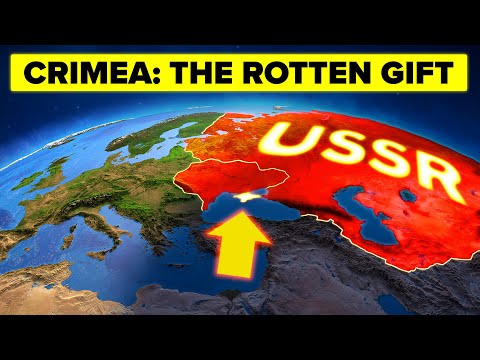
The Geopolitical Chessboard: Unpacking Russia's 1954 Transfer of Crimea to Ukraine

Introduction: A Historical Enigma

The annexation of Crimea by the Russian Federation in 2014 and the subsequent full-scale invasion of Ukraine in 2022 have thrust the peninsula into the global spotlight. Yet, the historical roots of Crimea's complex relationship with both Russia and Ukraine are deeply intertwined, stretching back centuries. The pivotal moment often cited as a precursor to these modern conflicts is the 1954 transfer of Crimea from the Russian Soviet Federative Socialist Republic (RSFSR) to the Ukrainian Soviet Socialist Republic (SSR). Ostensibly presented as a gesture of goodwill and a symbol of the fraternal bond between the "Russian people" and the "Ukrainian people," this administrative decision has become a flashpoint, fueling intense debate and diverging historical interpretations. This article delves into the intricate historical, political, and symbolic dimensions of this transfer, aiming to illuminate the multifaceted reasons behind a decision that continues to cast a long shadow over Eastern European geopolitics. We will explore the context of the Soviet Union at the time, the motivations of its leadership, and the enduring consequences for the region, drawing upon anthropological, historical, and geopolitical analyses.

The Historical Tapestry of Crimea

Crimea, a strategically vital peninsula jutting into the Black Sea, has been a crossroads of civilizations for millennia. Its fertile lands and advantageous position have attracted a diverse array of peoples, from the ancient Tauri and Scythians to the Greeks, Romans, Goths, and Byzantines. The peninsula became a significant center for the Golden Horde in the 13th century, leading to the eventual rise of the Crimean Khanate, a powerful Turkic state that endured for centuries as a vassal of the Ottoman Empire. The Crimean Khanate played a crucial role in the region's history, often engaging in raids into Muscovy and Poland-Lithuania. This historical dynamic set the stage for Russia's growing imperial ambitions. By the late 18th century, under Catherine the Great, the Russian Empire systematically dismantled the Khanate, formally annexing Crimea in 1783. This marked the beginning of a period of Russian dominance, characterized by the settlement of ethnic Russians and a significant demographic shift, often at the expense of the indigenous Crimean Tatar population. During the Soviet era, Crimea's strategic importance was further amplified. It served as a key naval base and a popular resort destination. However, its history also bore the scars of profound injustice. In 1944, under Joseph Stalin's regime, the entire Crimean Tatar population was forcibly deported to Central Asia, accused of collaboration with Nazi Germany. This act of ethnic cleansing, a grave human rights violation, fundamentally altered the peninsula's ethnic composition and left an indelible wound.

The 1954 Transfer: Khrushchev's Decree

The year 1954 marked a significant shift in Soviet leadership and policy. Nikita Khrushchev had emerged as the First Secretary of the Communist Party of the Soviet Union, consolidating his power after Stalin's death. It was during this period of flux and reform that the Presidium of the Supreme Soviet of the USSR issued a decree transferring Crimea from the RSFSR to the Ukrainian SSR on February 19, 1954. The official justification for this move was largely ceremonial and symbolic. The decree stated that the transfer was made "in consideration of the economic and cultural ties between Crimea and the Ukrainian SSR," and as a "gesture of the boundless trust and love of the Russian people towards the Ukrainian people." The fiftieth anniversary of the Treaty of Pereyaslav (1654), which brought Left-bank Ukraine under Russian protection, was cited as a historical context for this purported act of brotherhood.
The 1954 decree was presented as a symbol of unity, a testament to the enduring fraternal bonds within the Soviet family of nations.
However, the move was not universally welcomed within the Soviet hierarchy, and the precise motivations behind Khrushchev's decision remain a subject of considerable historical debate.

Soviet Motivations: Economic, Symbolic, and Political

Several interwoven factors likely contributed to Khrushchev's decision to transfer Crimea to Ukraine. * **Economic Reconstruction and Development:** Following the devastation of World War II and the subsequent deportation of the Crimean Tatars, Crimea faced significant economic challenges. The Ukrainian SSR, with its more developed industrial base and agricultural capacity, was seen as better equipped to manage and invest in the peninsula's economic recovery and development. Rebuilding infrastructure and integrating Crimea into a larger economic framework under Ukrainian administration might have been perceived as more efficient. * **Symbolic Reconciliation and Nationalities Policy:** The deportation of the Crimean Tatars was a stain on the Soviet regime. While the official narrative emphasized Russian-Ukrainian unity, the transfer could also be interpreted as a subtle attempt to appease Ukrainian national sentiments and to symbolically rectify past injustices by integrating Crimea more formally into Ukrainian SSR territory. It was a move that aligned with Khrushchev's broader, albeit complex, efforts to foster a sense of Soviet identity while still acknowledging distinct national republics. * **Khrushchev's Personal Influence and Administrative Convenience:** Khrushchev, having served in Ukraine for many years, possessed a deep understanding of its political landscape. The transfer might have been a pragmatic administrative decision aimed at simplifying governance or consolidating authority. Furthermore, as a Ukrainian party boss before rising to national prominence, Khrushchev may have seen this as a way to bolster his standing within the Ukrainian SSR and solidify his reformist image. * **Historical Revisionism and Geopolitical Positioning:** The 1654 Treaty of Pereyaslav, which marked the beginning of Russian influence over parts of Ukraine, was often invoked as a foundational moment of unity. The transfer in 1954 served to symbolically reinforce this historical narrative, projecting an image of enduring amity and shared destiny between the two nations. It was a move that subtly underscored Russia's historical claim and influence over Ukrainian territories.

Ukrainian and Russian Perspectives: Divergent Narratives

The interpretation of the 1954 transfer has evolved dramatically, particularly after the dissolution of the Soviet Union in 1991. From a **Ukrainian perspective**, initially, the transfer was largely accepted as a Soviet-era administrative demarcation. However, with Ukraine's independence and subsequent geopolitical tensions, the transfer has been viewed with increasing criticality. Some Ukrainian historians and politicians argue that the transfer was an arbitrary decision by Moscow that ignored the historical and ethnic realities of Crimea, particularly the plight of the deported Crimean Tatars. They highlight that the peninsula had strong historical ties to Russia and that its incorporation into Ukraine was primarily a consequence of Soviet administrative divisions, not organic historical or popular will. From a **Russian perspective**, the transfer has become a highly contentious issue. For many Russians, Crimea is historically and culturally Russian land, unjustly ceded to Ukraine by Khrushchev, who is often portrayed as indifferent or even hostile to Russian national interests. The 1954 decree is frequently cited as an illegitimate act of Soviet leadership that arbitrarily detached a Russian territory. This narrative gained significant traction following the 2014 annexation, with Russian authorities frequently referencing the 1954 transfer as a historical injustice that was being "rectified."
The differing interpretations of the 1954 transfer underscore the deep-seated historical grievances and competing national narratives that continue to shape the region.

Geopolitical Repercussions: A Long Shadow

The 1954 transfer, though seemingly a minor administrative act at the time, has had profound and lasting geopolitical repercussions. * **Post-Soviet Border Disputes:** When the Soviet Union dissolved, Crimea remained part of independent Ukraine. This became a source of contention with the Russian Federation, which harbored aspirations to reclaim the peninsula. The presence of the vital Black Sea Fleet base in Sevastopol further complicated matters. The subsequent disputes over Crimea's status, culminating in Russia's annexation in 2014, directly stemmed from the legacy of its Soviet-era transfer. * **Catalyst for Conflict:** The historical narrative surrounding the transfer, particularly the Russian emphasis on Crimea as "historically Russian," has been a significant ideological underpinning for Russia's aggressive actions in Ukraine. The 2014 annexation and the 2022 invasion can be seen, in part, as an attempt to reverse what Moscow perceives as the historical error of the 1954 transfer and to reassert Russian control over strategically vital territory. * **Ethnic Tensions and Crimean Tatar Rights:** The deportation and subsequent return of Crimean Tatars in the late 20th century added another layer of complexity. Their historical connection to Crimea and their experiences under Soviet rule have made their political and cultural status a critical element in the peninsula's ongoing saga. Russia's annexation has led to renewed concerns about the rights and freedoms of the Crimean Tatar community.

DIY Analysis: Deconstructing Historical Narratives

Understanding historical events like the 1954 Crimea transfer requires critical analysis of the sources and narratives presented. Here's a practical guide to help you deconstruct such complex historical events:
  1. Identify the Core Event: Clearly define the historical event you are examining. In this case, it is the 1954 transfer of Crimea from the RSFSR to the Ukrainian SSR.
  2. Gather Primary and Secondary Sources: Seek out original documents (decrees, speeches, letters) if possible. Consult reputable secondary sources such as academic books, peer-reviewed journal articles, and works by established historians specializing in Soviet history, Ukrainian history, and Russian history. Be wary of anecdotal evidence or highly biased accounts.
  3. Analyze Official Justifications: Examine the stated reasons for the event. For the 1954 transfer, the official justification was symbolic brotherhood. Question whether these stated reasons are sufficient or if they mask other underlying motivations.
  4. Investigate Underlying Motivations: Consider the political, economic, social, and strategic contexts of the time. Who were the key decision-makers? What were their objectives? What internal and external pressures might they have faced? In Crimea's case, think about Khrushchev's position, economic conditions, and Soviet nationalities policy.
  5. Compare Different National/Ethnic Perspectives: Recognize that historical events are often perceived differently by various groups. Compare the narratives from Russian, Ukrainian, and Crimean Tatar viewpoints. Look for convergences and divergences in their accounts and interpretations. This is where anthropological insights into cultural understanding become vital.
  6. Trace the Long-Term Consequences: Analyze how the event has influenced subsequent historical developments. How did the transfer impact the post-Soviet era? How has it been invoked in later political disputes? The geopolitical significance of Crimea's transfer is a prime example of how administrative decisions can have enduring consequences.
  7. Evaluate the Role of Symbolism and Propaganda: Understand how symbolic gestures and official narratives are used to shape public opinion and legitimize actions. The "boundless trust and love" rhetoric in the 1954 decree is a key example. Also consider how information from sources like infographics and documentaries (even those with specific slants) can be used to frame historical events.
  8. Seek Expert Opinions: Refer to analyses by respected scholars in fields like history, anthropology, and political science. Their expertise can provide crucial context and critical evaluation. For instance, understanding sociology helps analyze how these narratives are constructed and disseminated.

Frequently Asked Questions

Q1: When exactly was Crimea transferred to Ukraine? A1: Crimea was officially transferred from the Russian Soviet Federative Socialist Republic (RSFSR) to the Ukrainian Soviet Socialist Republic (SSR) by a decree of the Presidium of the Supreme Soviet of the USSR on February 19, 1954. Q2: Who was in charge of the Soviet Union when Crimea was transferred? A2: Nikita Khrushchev was the First Secretary of the Communist Party of the Soviet Union at the time of the transfer. Q3: Was the transfer a popular decision at the time? A3: The decision was made by the Soviet leadership and presented as a fraternal gesture. There is limited evidence of widespread public debate or plebiscites on the matter within the Soviet system at the time, as such decisions were typically top-down. Q4: How did the transfer affect the Crimean Tatar population? A4: The transfer occurred decades after the forced deportation of Crimean Tatars in 1944. While the official justification mentioned ethnic ties, the transfer itself did not directly address the historical injustice of the deportation. Crimean Tatars only began to return to Crimea in significant numbers in the late 1980s. Q5: Is the 1954 transfer the primary reason for the current conflict in Ukraine? A5: While the 1954 transfer is a significant historical event that has been heavily utilized in contemporary narratives and justifications for Russian actions, the current conflict is a result of a complex interplay of historical grievances, geopolitical ambitions, and contemporary political developments. The transfer serves as a key historical reference point for competing claims over Crimea's sovereignty.

Conclusion: Echoes of the Past

The transfer of Crimea in 1954 was an act shrouded in the complexities of Soviet governance, driven by a confluence of administrative convenience, symbolic politics, and potentially nascent geopolitical calculations. What was officially framed as a gesture of brotherly love has, over time, been reinterpreted through the prism of post-Soviet nationalisms and geopolitical rivalries. Understanding this event requires moving beyond simplistic narratives and engaging with the intricate historical tapestry of the region. From its ancient roots as a crossroads of cultures to its tumultuous 20th-century experiences under imperial and Soviet rule, Crimea's identity has been shaped by diverse forces. The 1954 transfer, while an internal Soviet administrative decision, inadvertently laid the groundwork for future territorial disputes and became a potent symbol in the ongoing struggle for national identity and sovereignty in Eastern Europe. As we continue to navigate the geopolitical landscape, examining such historical turning points, armed with rigorous analysis and an awareness of multiple perspectives, remains crucial for comprehending the present and shaping a more stable future. The echoes of the past, particularly concerning Crimea, continue to resonate profoundly.

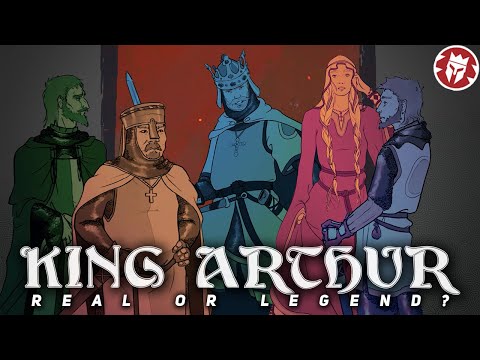
King Arthur: Unearthing the Historical Roots of a Legendary King

"The line between myth and history is often blurred, especially when dealing with figures as iconic as King Arthur."

Introduction: The Enduring Enigma of King Arthur

The legend of King Arthur, the chivalrous monarch of Camelot, the wielder of Excalibur, and the leader of the Knights of the Round Table, has captivated imaginations for centuries. Yet, beneath the layers of romance, magic, and heroism, lies a persistent question: Was King Arthur a real historical figure? This article delves into the historical and anthropological underpinnings of the Arthurian legend, exploring the historical roots that may have given rise to this enduring myth. We will navigate through the early medieval period, examining the socio-political landscape, the archaeological evidence, and the earliest literary mentions that contribute to our understanding of the potential historical Arthur.

Academic Search Intent

Readers seeking information on King Arthur typically exhibit a multi-faceted search intent rooted in historical, anthropological, and cultural inquiry. They are not merely looking for the romantic tales but are driven by a desire to understand the potential factual basis of the legend. This includes:

  • Historical Verification: Was King Arthur a real person? What evidence supports or refutes his existence?
  • Socio-Cultural Context: What was Britain like during the period Arthur is said to have lived?
  • Literary Evolution: How did the legend develop over time from early mentions to later romances?
  • Anthropological Significance: What does the enduring appeal of Arthur reveal about human needs for heroism, justice, and order?
  • Geopolitical Roots: How did the political landscape of post-Roman Britain influence the creation and spread of such legends?

This article aims to satisfy these intents by providing a rigorous examination of the available evidence and scholarly interpretations.

Entity and LSI Keywords

The central entity of this discussion is undoubtedly King Arthur. Semantically related keywords and concepts that enrich the analysis include: Arthurian legend, medieval history, historical documentary, Celtic king, post-Roman Britain, Gildas, Nennius, Annales Cambriae, archaeology, historical evidence, mythology, folklore, heroic age, Dark Ages, Camelot, Knights of the Round Table, Excalibur, Merlin, Britons, Saxons, Romano-British, Early Medieval Period, historical linguistics, and anthropology of myth. The inclusion of these terms ensures a comprehensive exploration of the subject.

The Historical Crucible: Post-Roman Britain

To understand the potential origins of the Arthurian legend, we must first situate ourselves in the tumultuous period of post-Roman Britain. Following the withdrawal of Roman legions around 410 CE, Britain entered a phase often termed the "Dark Ages." This era was characterized by political fragmentation, migration, and conflict, particularly between the indigenous Romano-British population and invading Anglo-Saxon tribes.

This period was a melting pot of cultures and a breeding ground for instability. Local chieftains and warlords vied for power in the absence of a centralized authority. It was within this fragmented landscape that a charismatic leader, capable of uniting disparate groups against external threats, could emerge – a figure ripe for later mythologization. The concept of a 'rex quidam' or 'worthy king' fighting against the Saxon advance is a recurring theme in early British historical consciousness.

"The societal upheaval and the need for a unifying figure during the Saxon invasions provided fertile ground for the seeds of the Arthurian myth to be sown."

The Earliest Mentions: Gildas, Nennius, and the Annales Cambriae

The earliest extant historical texts offer tantalizing, albeit brief, glimpses that might relate to an Arthurian figure. The monk Gildas, writing in the mid-6th century in De Excidio et Conquestu Britanniae (On the Ruin and Conquest of Britain), provides a contemporary, though critical, account of the period. While Gildas condemns the rulers of his time, he notably avoids mentioning any specific heroic warrior named Arthur. However, he does describe a significant British victory over the Saxons at the Battle of Mount Badon (c. 500 CE), a victory later associated with Arthur in subsequent traditions.

Much later, in the 9th century, the chronicle known as the Historia Brittonum, traditionally attributed to Nennius, presents the first direct association of Arthur with military leadership against the Saxons. It lists Arthur not as a king, but as a dux bellorum (leader of battles) who fought alongside the kings of the Britons. The Historia Brittonum attributes twelve battles to Arthur, culminating in the great victory atMount Badon. This text is crucial as it transforms a potential military leader into a heroic figure, laying the groundwork for future embellishments.

Further adding to the historical puzzle are the Annales Cambriae (Welsh Annals), dating from the 10th century. These annals record Arthur's presence at the Battle of Badon and also mention his final battle at Camlann, where both he and his enemy, Medraut (likely Mordred), fell. The brevity and dating of these sources make definitive conclusions difficult, but they establish a persistent tradition linking an Arthurian figure to critical battles in post-Roman Britain.

It is important to note that these early sources are often hagiographic or chronicle-based, aiming to record significant events or religious narratives rather than provide objective historical accounts in the modern sense. The figure of Arthur within them is nascent, far removed from the chivalric knight of later medieval romances.

Archaeological Glimmers: Beyond the Legend

Archaeological evidence directly identifying a historical King Arthur remains elusive. The 5th and 6th centuries in Britain were periods of significant upheaval, and identifying specific individuals through the archaeological record is exceptionally challenging. However, archaeological findings do provide context for the era in which the Arthurian figure is situated.

Discoveries at sites like Tintagel in Cornwall, with its 6th-century post-Roman occupation and imported pottery, hint at a level of trade and complexity that challenges the notion of a completely isolated "Dark Age." While no "Arthur's Sword" has been unearthed, ongoing excavations continue to shed light on the settlement patterns, fortifications, and material culture of Romano-British and early Anglo-Saxon societies. The existence of fortified hillforts and the remnants of substantial settlements indicate that powerful leaders and organized resistance were indeed part of the landscape.

The search for concrete archaeological proof is hampered by the nature of the evidence from this period and the vast timescale involved. The legend itself likely evolved over centuries, incorporating elements from various historical periods and oral traditions, making a single, identifiable archaeological signature unlikely.

An Anthropological Lens: Identity and Social Structures

From an anthropological perspective, the enduring power of the King Arthur legend speaks volumes about human psychology and societal needs. The archetype of the noble king, the quest for justice, the ideals of chivalry, and the tragic fall resonate deeply across cultures and time periods.

The legend can be seen as a way for societies to grapple with fundamental questions of leadership, loyalty, betrayal, and the cyclical nature of power. Arthur represents an ideal – a ruler who strives for fairness and order in a chaotic world. His court, particularly the Round Table, symbolizes egalitarianism and unity, a stark contrast to the often fractious political realities of the medieval period and, arguably, of any hierarchical society.

Furthermore, the story of Arthur's "once and future" return taps into messianic or redemptive themes present in many cultures. It offers hope that even in times of decline or oppression, a righteous leader will eventually emerge to restore justice and harmony. This universal appeal underscores the anthropological significance of myth-making as a means of cultural cohesion, value transmission, and existential exploration.

"The anthropological value of the Arthurian myth lies not in proving Arthur's historicity, but in understanding what the myth itself reveals about the enduring human aspirations for a just and ordered society."

DIY Practical Guide: Researching Local Legends

The process of exploring the historical kernels within local legends, much like researching King Arthur, can be a fascinating DIY intellectual endeavor. Here’s a step-by-step guide:

  1. Identify a Local Legend: Choose a well-known story, figure, or event from your region that seems to have a historical basis (e.g., a local hero, a ghost story tied to a specific building, a tale about the founding of a town).
  2. Initial Literature Review: Search for any existing books, articles, or folklore collections that discuss the legend. Look for primary sources mentioned, such as old newspapers, diaries, or official records.
  3. Consult Local Archives and Libraries: Visit your local library or historical society. They often house primary source documents, local histories, and oral history collections that might not be widely available.
  4. Examine Early Sources Critically: If possible, find the earliest known accounts of the legend. Assess their nature: are they personal testimonies, official records, or later retellings? Understand the author's potential biases or agenda.
  5. Cross-Reference with Broader Historical Context: Research the general historical period the legend belongs to. What were the major political, social, and economic events of that time? Does the legend align with or contradict established historical narratives?
  6. Look for Archaeological Connections: If the legend is tied to a specific place, research its archaeological history. Are there findings that corroborate elements of the story (e.g., evidence of battles, ancient settlements)?
  7. Analyze the Narrative Structure: How has the story evolved? Are there recurring themes or motifs? Compare different versions of the legend to identify core elements and later additions.
  8. Engage with Local Experts (If Possible): Historians, folklorists, or long-time residents with deep knowledge of local lore can offer valuable insights.
  9. Synthesize Findings: Based on your research, try to piece together a plausible historical context for the legend. Acknowledge the limitations of the evidence and distinguish between historical fact, plausible speculation, and pure myth.

Frequently Asked Questions

Was King Arthur a real historical person?

There is no definitive historical or archaeological evidence to confirm the existence of a historical King Arthur as depicted in later legends. However, many scholars believe the stories may be inspired by, or a composite of, real Romano-British leaders who fought against Saxon invaders in the 5th and 6th centuries.

What are the earliest written sources mentioning Arthur?

The earliest potential mentions appear in Gildas's De Excidio et Conquestu Britanniae (mid-6th century), though without naming Arthur. More direct associations come from the Historia Brittonum (9th century), attributed to Nennius, and the Annales Cambriae (10th century), which place Arthur at key battles like Mount Badon and Camlann.

How did the legend of King Arthur evolve?

The legend began with possible references to a war leader in early Welsh chronicles. Over centuries, particularly from the 12th century onwards with writers like Geoffrey of Monmouth, Chrétien de Troyes, and Sir Thomas Malory, the figure of Arthur was embellished with chivalric ideals, courtly romance, magical elements, and the famous Knights of the Round Table.

What is the significance of the Battle of Mount Badon in Arthurian legend?

The Battle of Mount Badon (circa 500 CE) was a significant victory for the Britons against the Anglo-Saxons. Early sources like Gildas mention it, and later traditions, particularly those associated with Nennius, attribute this victory to Arthur, cementing his role as a heroic defender of Britain.

Conclusion: The Legacy of the Once and Future King

While the definitive historical existence of King Arthur remains an open question, the legend's enduring power is undeniable. The journey from scant historical references in early Welsh chronicles to the sophisticated tapestry of chivalric romance woven by medieval authors is a testament to the human capacity for storytelling and myth-making. From an anthropological standpoint, Arthur embodies timeless ideals of leadership, justice, and the struggle for order against chaos.

Whether a single man or a composite hero, the figure of Arthur continues to inspire, provoke debate, and serve as a mirror reflecting our own societal values and aspirations. The quest to understand the historical roots of this legend is, in itself, a valuable pursuit, offering profound insights into the culture, politics, and psychology of early medieval Britain and the enduring human need for heroes.

We encourage you to explore the rich history and potential origins of King Arthur further. Share your thoughts and theories in the comments below!

Unveiling Hidden Earth: An Anthropological and Historical Exploration of Google Earth's Unseen Layers

The digital age has gifted us unprecedented access to global information. Google Earth, in particular, stands as a monumental achievement in rendering our planet accessible from the comfort of our homes. Yet, as this essay will explore, the seemingly complete digital map often serves as a palimpsest, concealing as much as it reveals. This exploration delves into the anthropological and historical significance of anomalies and hidden features discovered through Google Earth, treating the platform not merely as a navigational tool but as a rich archive of human endeavor, historical imprints, and enduring mysteries.

Introduction: The Digital Globe as a Palimpsest

Google Earth, a revolutionary service, offers an unparalleled window into the entirety of our planet. It transforms our relationship with geography, allowing for exploration without physical boundaries. However, when the whole world becomes the canvas, the unexpected invariably surfaces. This article aims to move beyond a simple cataloging of peculiar findings. Instead, it seeks to apply anthropological and historical lenses to interpret these digital discoveries. We will examine how these anomalies – be they unusual structures, unexplained formations, or historical remnants – provide insights into human activity, past events, and the ongoing, often invisible, processes shaping our world.

Historical Context: Cartography and the Drive to Map the Unknown

The human endeavor to map the world is as old as civilization itself. From ancient Babylonian clay tablets to Ptolemy's Geographia, cartography has always been a blend of empirical observation and speculative inference. Early maps were not just geographical tools but also cultural artifacts, reflecting worldviews, power structures, and the limits of knowledge. The age of exploration, fueled by a desire for trade, conquest, and knowledge, pushed the boundaries of these maps, charting coastlines and continents previously unknown to European powers.

"Mapmaking is not merely drawing lines on parchment; it is an act of ordering the world, of defining possession, and of projecting power." - A reflection on historical cartography.

The advent of aerial photography and satellite imagery in the 20th century represented a quantum leap in cartographic capabilities. Suddenly, large swathes of territory could be surveyed with unprecedented detail and speed. This technological advancement, while demystifying many of the Earth's surfaces, also introduced new layers of interpretation. Satellite imagery, like historical maps, is not a neutral representation but is subject to the technological biases of its creation, the political motivations behind its collection, and the interpretive frameworks of its users.

Google Earth: A Modern Atlas of Mysteries

Google Earth, building upon decades of geospatial data, has democratized access to this high-resolution visual information. It allows amateur investigators, historians, anthropologists, and the merely curious to explore landscapes with a detail previously reserved for intelligence agencies and academic researchers. This accessibility inevitably leads to the discovery of anomalies – features that defy immediate explanation within the familiar context of the digital map.

The intention behind exploring these "hidden" aspects of Google Earth is not to sensationalize but to engage in a form of digital ethnography and historical detective work. By analyzing these findings, we can:

  • Understand the spatial manifestations of historical events (e.g., Cold War remnants).
  • Investigate unexplained geological or man-made formations.
  • Consider the implications of pervasive surveillance technologies.
  • Appreciate the sheer diversity of human and natural phenomena across the globe.

Europe: Echoes of the Cold War in Hidden Relics

The geopolitical landscape of the 20th century, particularly the Cold War, left an indelible mark on the Earth's surface, many traces of which can still be detected via high-resolution satellite imagery. Europe, a central theater of this ideological conflict, offers numerous examples.

During the Cold War, vast military installations, secret bunkers, missile silos, and surveillance outposts were constructed, often in remote or concealed locations. These structures were designed for secrecy and operational readiness, and their aerial signatures can range from the obvious (e.g., sprawling airbases) to the subtly anomalous (e.g., unusually geometric clearings in forests, discreet access roads, or camouflaged underground facilities). Exploring these on Google Earth allows for a tangible connection to a period of intense global tension and technological competition. For instance, remnants of the Iron Curtain itself, or hidden listening posts, can sometimes be identified, offering silent testimony to a history that shaped the modern world.

The analysis of these sites requires an understanding of historical context. What appears as an anomaly to a casual observer might be a well-documented, albeit forgotten, piece of military infrastructure to a historian or military enthusiast.

Asia: A Continent of Enduring Mysteries

Asia, with its ancient civilizations, diverse geography, and vast, sometimes sparsely populated, regions, presents a rich tapestry of mysteries when viewed through the lens of Google Earth. From the Gobi Desert to the Siberian wilderness, unexpected patterns and structures emerge.

These findings can range from ancient archaeological sites that are only recognizable from an aerial perspective (such as geoglyphs or settlement outlines) to modern, unexplained constructions. For example, large-scale, often geometric, patterns observed in remote desert areas have fueled speculation about their purpose and origin. Are they modern art installations, military training grounds, or something else entirely? Anthropologically, these discoveries prompt questions about human intention, scale of operation, and the relationship between human societies and their environment.

The sheer size and demographic diversity of Asia mean that patterns identified here can represent a multitude of human activities – from traditional land use practices to secretive industrial or military projects. Understanding these requires cross-referencing visual data with historical accounts, local knowledge, and geological surveys.

Antarctica: Frozen Archives of Time

Antarctica, the Earth's least explored continent, holds a unique allure, particularly in its frozen state, which can preserve evidence for millennia. Google Earth imagery from this region has revealed features that spark intense debate and speculation.

These findings often involve unusual geological formations that, from a certain angle or resolution, can appear artificial. More intriguingly, there have been discoveries of what appear to be man-made structures or artifacts partially buried beneath the ice. These raise profound questions about Antarctica's past – its potential for human habitation in prehistoric eras, or the clandestine activities that may have occurred there more recently. The scientific community generally attributes most of these anomalies to natural geological processes or visual illusions caused by light and shadow on ice and snow. However, the persistent interest in these 'relics frozen in time' underscores humanity's fascination with the unknown and our drive to reconstruct historical narratives, even from the most challenging environments.

Africa: The Enduring Enigma of the Pyramids

Africa, a continent steeped in ancient history and monumental architecture, offers some of the most iconic and enduring mysteries visible on Google Earth. Foremost among these are the pyramids.

While the Great Pyramids of Giza are world-renowned, satellite imagery has revealed numerous other pyramid-like structures scattered across various African landscapes, some less known and in a more ruinous state. Anthropologically, the existence of multiple, widespread pyramid structures raises questions about shared cultural practices, technological diffusion, and the cosmological beliefs of ancient African societies. Their construction represents an immense feat of engineering and labor organization, pointing to sophisticated social structures and belief systems.

Beyond the pyramids, Africa's diverse environments – from vast deserts to dense rainforests – hide other secrets. Unexplained patterns in the landscape, ancient earthworks, and sites of historical significance are often brought to light by detailed satellite views. These discoveries serve as a powerful reminder that our understanding of Africa's rich past is still evolving, and that much remains to be uncovered.

The Americas: Perpetual Surveillance and Unseen Structures

The Americas, both North and South, present a unique set of Google Earth discoveries, often related to the continent's diverse human history and the pervasive nature of modern surveillance. From ancient ruins to contemporary installations, the landscape tells stories.

In South America, the Nazca Lines in Peru stand as a prime example of ancient geoglyphs only fully appreciated from high altitudes. Google Earth allows for detailed examination of these enigmatic figures, prompting ongoing anthropological and archaeological debate about their creators and purpose. Similarly, remnants of pre-Columbian cities and road networks, often overgrown or partially hidden by vegetation, are increasingly identified through advanced remote sensing.

In North America, the sheer density of infrastructure and surveillance has led to different kinds of discoveries. Unusual, large-scale modern constructions in remote areas, often associated with military or intelligence activities, frequently capture attention. These can range from hardened bunkers and radar installations to vast, seemingly deserted facilities whose purpose is not immediately clear from public records. The very act of mapping and monitoring the Earth so comprehensively, as Google Earth does, highlights themes of control, security, and the potential for hidden human endeavors operating just beneath the surface of everyday visibility.

"The ability to see the world from above has not only changed how we navigate but how we understand human impact and historical persistence on the landscape." - A reflection on geospatial technology.

DIY Guide: Basic Satellite Image Analysis for Historical Clues

Anyone can begin to explore the hidden layers of our world using publicly available tools. This guide outlines basic steps to analyze satellite imagery for potential historical or anthropological clues.

  1. Access Google Earth Pro: Download and install Google Earth Pro (free for desktop use). This version offers more advanced measurement and historical imagery tools than the web version.
  2. Identify Areas of Interest: Start with regions known for historical significance, unusual geological formations, or areas with sparse population density where man-made features might stand out. Consider areas with documented historical events (e.g., old battlefields, ancient trade routes).
  3. Examine "Historical Imagery": In Google Earth Pro, use the slider found under 'View' > 'Historical Imagery'. This allows you to browse through different satellite and aerial photos of the same location taken over time. Look for changes in the landscape, the appearance or disappearance of structures, or patterns that are not present in recent imagery.
  4. Utilize Measurement Tools: Use the 'Ruler' tool to measure distances and areas. This can help determine the scale of formations and compare them to known archaeological or military structures. Look for geometric regularity or unusual shapes that suggest human design rather than natural processes.
  5. Look for Contextual Clues: Cross-reference your findings with other sources. Search online for historical maps, archaeological reports, geological surveys, or local folklore related to the area you are examining. Tools like OpenStreetMap can provide additional layers of detail, including historical place names or mapped features not prominent in Google Earth.
  6. Document Your Findings: Take screenshots, note down coordinates (latitude and longitude), and record the dates of the historical imagery you are viewing. This systematic approach is crucial for any serious investigation.
  7. Consider Natural Explanations First: Remember that many anomalies are simply unusual geological formations, shadows, or atmospheric effects. Apply critical thinking and seek scientific explanations before jumping to extraordinary conclusions. A healthy skepticism is essential in this type of exploration.

Frequently Asked Questions

What is Google Earth?

Google Earth is a computer program that renders a 3D representation of the Earth based on satellite imagery, aerial photography, and GIS data. It allows users to explore geographic locations, view maps, and even navigate through 3D buildings and terrain.

Can anyone find "secrets" on Google Earth?

Yes, with the appropriate tools and a keen eye for detail, individuals can identify unusual or unexplained features on Google Earth. However, interpreting these findings requires critical analysis and often cross-referencing with historical, geological, and anthropological data.

Are the "hidden relics" of the Cold War still visible?

Many Cold War-era military installations, bunkers, and infrastructure remain on the landscape and are often visible via satellite imagery. While some have been dismantled or repurposed, their aerial signatures can still be detected, especially with historical imagery tools.

How can I verify unusual findings on Google Earth?

Verification typically involves comparing findings with multiple sources: historical aerial photos, older maps, academic research (archaeological, geological, historical), local reports, and, if possible, on-site investigation. It's also crucial to consider natural explanations.

What is the role of anthropology in analyzing Google Earth discoveries?

Anthropology helps interpret human activity, cultural patterns, and historical contexts behind the features observed. It provides frameworks for understanding why certain structures were built, how societies interacted with their environment, and the enduring legacy of past human endeavors visible on the digital landscape.

Conclusion: The Evolving Map of Human Understanding

Google Earth offers more than just a digital atlas; it is an evolving repository of our planet's surface, shaped by both natural processes and millennia of human activity. The "hidden" aspects we uncover are not necessarily conspiracies, but rather the traces of history, the subtle imprints of forgotten endeavors, and the vastness of landscapes that still hold mysteries. By applying anthropological and historical perspectives, we can transform our interaction with this technology from passive observation to active inquiry. Each anomaly, each pattern, is an invitation to learn, to question, and to deepen our understanding of the complex, layered reality of Earth and its inhabitants. The digital map is never truly complete; it is a continuous work in progress, mirroring our own ongoing quest for knowledge.