Mostrando las entradas para la consulta historical research ordenadas por relevancia. Ordenar por fecha Mostrar todas las entradas

The Art of the Archive: A DIY Guide to Understanding Historical Documents

Introduction: Unearthing the Past Through Text

Welcome to El Antroposofista, your dedicated space for exploring the rich tapestries of anthropology, archaeology, psychology, and history. In this in-depth article, we delve into the fascinating world of historical documents, not just as static relics of the past, but as dynamic conduits of human thought, societal structures, and cultural evolution. Our aim is to transform the way you perceive and interact with historical texts, moving beyond passive consumption to active, critical engagement. By blending academic rigor with practical application, we will equip you with the tools and understanding necessary to decipher the past through its written remnants.

Decoding the Reader's Quest: What Do We Seek in Historical Texts?

The primary search intent behind exploring historical documents is multifaceted, encompassing a desire for knowledge, understanding, and connection. Readers are often driven by a quest to:

  • Uncover factual narratives: To learn about specific events, people, and timelines.
  • Grasp historical causality: To understand *why* things happened the way they did.
  • Interpret societal values and beliefs: To gain insight into the minds and cultures of past populations.
  • Trace the evolution of ideas: To see how concepts, philosophies, and social norms have changed over time.
  • Connect with ancestral heritage: For personal genealogical and cultural exploration.
  • Develop critical thinking skills: To analyze sources and construct informed arguments.

This article is structured to address each of these intentions, providing a comprehensive framework for analyzing historical texts from interdisciplinary perspectives.

The Document as an Entity: Core Concepts and Their Interconnections

At the heart of our exploration lies the historical document itself, which can be treated as a primary entity. Understanding this entity requires engaging with key concepts such as primary sources, secondary sources, provenance, contextualization, and interpretation. Semantically related keywords that will naturally emerge include archival research, paleography, codicology, textual criticism, historical linguistics, discourse analysis, and the specific fields of historical anthropology, historical sociology, and archaeological documentation.

We will explore how these concepts intertwine, for instance, how the provenance of a primary source (like a diary or official decree) directly impacts its reliability when used to construct a secondary source (a historical monograph). The very act of creating and preserving these documents reflects underlying social structures and cultural practices, making them invaluable objects of study for anthropology and sociology.

Historical Context: The Bedrock of Interpretation

No historical document can be understood in isolation. Its meaning is inextricably linked to the time, place, and circumstances of its creation. This necessitates a deep dive into the historical context. Key elements include:

  • The author's background: Their social standing, education, biases, and intended audience.
  • The socio-political climate: The prevailing political systems, major conflicts, economic conditions, and dominant ideologies.
  • Cultural norms and values: The accepted beliefs, customs, and social hierarchies of the era.
  • Technological advancements: The tools and methods available for communication and record-keeping (e.g., the impact of the printing press vs. handwritten manuscripts).

For example, interpreting a legal document from the 17th century requires understanding the prevailing concepts of justice, property rights, and the role of the monarchy, which differ vastly from modern interpretations. Examining the impact of the Year 1939, often referred to as Annus Mirabilis in certain contexts, requires understanding the escalating tensions leading up to World War II.

"To understand the past, we must first understand the world in which it existed." - Paraphrased from historical method principles.

A Sociological Perspective: Power, Discourse, and Social Structures

From a sociological viewpoint, historical documents are not neutral records but are often imbued with power dynamics and reflect dominant discourses. Authors, consciously or unconsciously, reproduce and reinforce existing social structures and hierarchies. Analyzing these texts through a sociological lens allows us to:

  • Identify power brokers and their influence.
  • Examine representations of different social classes, genders, and ethnic groups.
  • Understand how language itself shapes social reality and constructs identities.
  • Trace the evolution of social institutions and norms.

Consider Pierre Bourdieu's concepts of cultural capital and habitus. How might the language and content of a historical document reveal the author's social background and the implicit rules governing their society? Examining documents related to immigration, for instance, can reveal societal attitudes towards newcomers, patterns of integration, and the negotiation of citizenship.

The study of sociology offers critical tools for understanding how texts shape and are shaped by society. Insights from authors like Victor Turner, particularly his work on communitas and liminality, can help us interpret documents related to social transitions, rituals, or periods of upheaval.

Anthropological Insights: Culture, Symbolism, and Human Experience

Anthropology brings a unique perspective, focusing on culture, symbolism, and the lived human experience. When analyzing historical documents, anthropologists look for:

  • Cultural meanings: The symbolic significance of words, objects, and actions described.
  • Ritualistic practices: Evidence of ceremonies, traditions, and belief systems.
  • Everyday life: Glimpses into the daily routines, struggles, and joys of ordinary people.
  • Belief systems and worldviews: The underlying assumptions about the nature of reality, the divine, and humanity's place in the cosmos.

For example, analyzing folklore, myths, or religious texts provides direct insight into the cultural heritage and worldviews of a society. Even seemingly mundane administrative documents can reveal cultural assumptions about kinship, labor, or resource management. Understanding the diversidad cultural reflected in these documents is key.

The anthropology of text encourages us to see documents not just as information carriers, but as cultural artifacts, pregnant with layers of meaning. Exploring concepts like anti-structure can help us understand texts emerging from periods of social change or challenge.

"The archive is not a neutral repository; it is a constructed space, reflecting the power structures and biases of the society that created it." - Michel Foucault (paraphrased)

DIY Archive: Building Your Personal Historical Research Toolkit

Engaging directly with historical documents can be incredibly rewarding. Here’s a practical guide to building your own 'DIY Archive' for personal exploration, whether through digitized collections or local historical societies.

  1. Define Your Focus: What historical period, region, or theme interests you most? Starting with a manageable scope is crucial. For example, you might focus on local town records, family correspondence, or historical newspaper clippings related to a specific event like the First World War.
  2. Identify Potential Sources:
    • Online Archives: Websites like the National Archives, university digital libraries, and historical society portals offer vast digitized collections. Look for resources related to Anthropology or Archaeology.
    • Local Institutions: Check your local library, historical society, or museum for physical archives.
    • Genealogical Websites: Sites like Ancestry.com or FamilySearch can provide access to vital records, census data, and personal documents.
  3. Develop a System for Organization: Whether digital or physical, a clear system is essential.
    • Digital: Create folders named by source type, date, or subject. Use consistent naming conventions for files (e.g., `[Date]_[SourceType]_[BriefDescription].pdf`).
    • Physical: Use acid-free folders and boxes. Label them clearly.
  4. Learn Basic Document Analysis Techniques:
    • Identify Provenance: Who created the document? When? Where? Why?
    • Assess Type of Source: Is it a letter, diary, government report, newspaper article, photograph, etc.?
    • Analyze Content Critically: What information does it contain? What biases might be present? What does it *not* say?
    • Cross-Reference: Compare the document with other sources to verify information and gain a more complete picture. This is where knowledge of data analysis, even in a historical context, becomes valuable.
  5. Transcribe and Annotate (If Applicable): For handwritten documents, consider transcribing them. Add annotations explaining difficult terms, identifying people or places, and noting your own analytical thoughts. This step bridges the gap between raw data and interpretive understanding. This is akin to a DIY approach to historical research.
  6. Practice Digital Preservation: If working with physical documents, consider scanning them to create digital backups. Ensure your digital files are backed up regularly on multiple devices or cloud storage.
  7. Engage with the Community: Share your findings (respectfully) with local historical groups, online forums, or academic communities. Discussing your research can provide new insights and help refine your analysis. Remember the importance of cultural respect when dealing with sensitive historical materials.

By following these steps, you can move from simply reading about history to actively participating in its reconstruction, much like an archaeology enthusiast unearthing artifacts.

Frequently Asked Questions

What is the difference between a primary and secondary source?

A primary source is a firsthand account or direct evidence concerning a topic, created by someone with direct personal knowledge during the time period being studied (e.g., diaries, letters, original photographs, government documents). A secondary source interprets and analyzes primary sources, offering an explanation or commentary on a historical event or topic (e.g., history textbooks, scholarly articles, biographies written long after the subject's death).

How can I determine the reliability of a historical document?

Reliability is assessed by considering the document's provenance (origin), the author's potential biases, the intended audience, the corroboration with other sources, and the internal consistency of the information. No source is perfectly objective, so critical evaluation is always necessary.

What are the ethical considerations when working with historical documents, especially those involving sensitive topics like immigration or past injustices?

Ethical considerations are paramount. This includes respecting the privacy of individuals (especially in more recent documents), avoiding sensationalism, acknowledging the perspectives of marginalized groups often underrepresented or misrepresented in historical records, and handling materials with care to preserve them for future generations. It also involves being mindful of the potential for historical documents to perpetuate harmful stereotypes if not analyzed critically.

Can digital tools enhance my ability to analyze historical documents?

Yes, digital tools can be incredibly powerful. Options include Optical Character Recognition (OCR) for converting scanned text into searchable formats, data visualization tools for analyzing patterns in large datasets (like census records), and digital annotation platforms. These tools can significantly speed up research and reveal connections previously difficult to spot.

What role does historical linguistics play in document analysis?

Historical linguistics is crucial for understanding the nuances of meaning in older documents. Language evolves over time; words change their meanings, grammar shifts, and dialects vary. Understanding historical linguistics helps researchers accurately interpret the vocabulary, syntax, and idiomatic expressions used in historical texts, preventing anachronistic interpretations.

Conclusion: The Enduring Relevance of the Written Word

Historical documents are far more than dusty relics; they are vibrant windows into the past, offering invaluable insights into the human condition. By applying the analytical frameworks from anthropology, sociology, and history, and by embracing a proactive, 'Do It Yourself' approach, we can unlock their rich potential. Whether you are a seasoned academic or an enthusiastic novice, the journey of deciphering these texts is a profoundly rewarding intellectual adventure. The ability to critically engage with the written word across time is not merely an academic exercise; it is a fundamental skill for understanding our present and shaping our future. We encourage you to continue exploring, questioning, and connecting with the past through its enduring textual legacy.

For further exploration into specific historical periods and methodologies, we recommend visiting our related posts on History, Anthropology, and the intricacies of Data analysis in research.

Anthropology's Roots: A Deep Dive into Human Societies and Their Histories

Welcome to El Antroposofista, a dedicated space for exploring the intricate tapestry of human existence. This blog serves as a nexus for deep dives into anthropology, archaeology, psychology, and history, offering insights that connect our past to our present. We aim to demystify complex subjects and present them in an accessible yet academically rigorous manner, fostering a richer understanding of the human condition.

The study of humanity is a vast and multidisciplinary endeavor. Anthropology, in particular, seeks to understand the diversity of human life across time and space. It examines our biological origins, our cultural variations, and the social structures we have built. Coupled with archaeology, which unearths the material remains of past societies, we gain a tangible connection to those who came before us, piecing together narratives from fragmented evidence.

This exploration is intrinsically linked to psychology, which delves into the human mind and behavior, and history, which chronicles the events, people, and societal changes that have shaped our world. By integrating these fields, we can construct a more holistic picture of what it means to be human, from the earliest hominids to the complexities of modern globalized societies.

Introduction: The Pillars of Human Understanding

At El Antroposofista, our mission is to provide a comprehensive overview of the disciplines that illuminate the human experience. We believe that understanding our collective past and the diverse ways humans live is crucial for navigating the present and shaping a more informed future. This blog is a testament to that belief, offering analytical articles, historical retrospectives, and practical guides.

The fields of anthropology, archaeology, psychology, and history are not isolated silos; they are deeply interconnected. Anthropology provides the theoretical framework for understanding cultural diversity, archaeology offers empirical evidence of past lifeways, psychology explains the individual and group behaviors within these contexts, and history weaves these elements into chronological narratives of change and continuity.

We are committed to bringing you high-quality content that is both informative and engaging. Whether you are a student, a seasoned academic, or simply a curious individual, you will find valuable insights here. Our approach emphasizes critical analysis and a deep appreciation for the complexities of human societies throughout time.

The Anthropological Lens: Unpacking Culture and Society

Anthropology is the holistic study of humankind. It encompasses biological, cultural, and linguistic anthropology, providing a broad perspective on human origins, behavior, and societies. We examine how cultures develop, adapt, and interact, exploring everything from kinship systems and religious beliefs to economic practices and political structures.

Understanding cultural diversity is a cornerstone of anthropological inquiry. It involves appreciating different worldviews, social norms, and value systems without imposing one's own cultural biases. This perspective is essential for fostering respect and inclusivity in an increasingly interconnected world. It also sheds light on phenomena such as immigration and citizenship, examining the complex social dynamics involved.

From examining ancient tribal structures to analyzing contemporary urban social dynamics, anthropological methods provide tools for understanding the nuances of human interaction. The concept of cultural relativism encourages us to view beliefs and practices within their own cultural context, a vital skill for researchers and global citizens alike.

"The study of anthropology is the study of ourselves in all our varieties." - Clifford Geertz

Our articles will delve into specific cultural traditions, explore linguistic variations, and discuss the impact of globalization on local communities. We aim to highlight the richness and complexity of human societies, emphasizing the shared humanity that underlies our differences.

Archaeological Discoveries: Whispers from the Past

Archaeology acts as our primary window into prehistory and the undocumented past. By excavating and analyzing material culture—artifacts, structures, and ecofacts—archaeologists reconstruct the lifeways of ancient peoples. This discipline provides concrete evidence for understanding early human settlements, technological advancements, and societal organization.

Through rigorous archaeological methods, we can date ancient sites, identify trade routes, and even infer dietary habits and health conditions of past populations. Sites ranging from the ancient Mesopotamian cities to the pre-Columbian civilizations of the Americas offer invaluable data for anthropological and historical research.

The interpretation of these archaeological findings often involves collaboration with other disciplines, including history and paleoanthropology. The quest to understand ancient civilizations requires careful analysis of pottery shards, architectural remains, and burial sites, each telling a unique story about the people who created them. This field is crucial for understanding the long arc of human evolution and societal development.

We will feature discussions on significant archaeological sites, groundbreaking discoveries, and the theoretical debates within the field. Understanding our material past is fundamental to understanding the full scope of human history and cultural heritage.

Psychological Perspectives: The Inner Landscape

Psychology offers critical insights into the human mind, behavior, and emotions. It explores the biological underpinnings of our actions, the development of personality, and the social influences that shape our thoughts and feelings. Understanding individual and collective psychology is vital for comprehending societal dynamics and historical events.

From cognitive processes to social behaviors, psychology helps us understand why humans act the way they do. This includes exploring phenomena like group dynamics, decision-making, and the formation of identity, which are all relevant to anthropological and historical studies. The study of human behavior is complex and multifaceted.

We will explore how psychological principles apply to historical contexts, such as understanding the motivations behind conflicts, the impact of leadership on societies, or the psychological effects of social change. The interplay between individual minds and broader societal trends is a constant theme in our analysis.

"The unexamined life is not worth living." - Socrates

Our content will touch upon various branches of psychology, including social psychology, cognitive psychology, and evolutionary psychology, demonstrating their relevance to understanding human societies across time and cultures.

Historical Narratives: Charting the Course of Civilization

History provides the chronological framework for understanding human development. It is the study of past events, societies, cultures, and ideas, offering lessons and context for the present. By examining historical narratives, we can trace patterns of change, continuity, and the impact of key figures and movements.

At El Antroposofista, we delve into diverse historical periods and regions, from the dawn of civilization to contemporary global politics. We aim to present nuanced interpretations of historical events, challenging simplistic accounts and highlighting the complexities of human agency and structural forces.

Topics will range from the causes of major conflicts like the First World War to the social and cultural transformations during periods of immigration and cultural exchange. Understanding historical trends is crucial for informed analysis of current events and future possibilities.

We will emphasize the importance of primary sources, critical analysis of historical data, and the ongoing debates among historians. Our goal is to foster a deeper appreciation for the richness and dynamism of human history.

DIY Research Guide: Tracing Your Ancestral Footprints

Understanding your own family history can be a deeply rewarding experience, offering personal connections to broader historical and anthropological trends. This guide provides a basic framework for beginning your genealogical research, a practical application of historical research methods.

  1. Start with What You Know: Begin by gathering information from living relatives. Interview parents, grandparents, aunts, and uncles. Ask about names, dates (birth, marriage, death), places of residence, occupations, and any family stories or traditions. Document everything meticulously.
  2. Organize Your Findings: Use a consistent system to record your data. This could be a dedicated genealogy software program, a spreadsheet, or even a detailed notebook. Create family group sheets and a pedigree chart to visualize your lineage. Ensure you note the source of each piece of information.
  3. Utilize Online Resources: Many websites offer access to digitized historical records. Explore platforms like Ancestry.com, FamilySearch, MyHeritage, and national archives websites. These often contain census records, birth/marriage/death certificates, immigration manifests, and military records. You may need a subscription for some services, but many offer free trials or access to public records.
  4. Explore Vital Records and Civil Registrations: Focus on official documents. Birth, marriage, and death certificates are foundational. Look for records specific to the regions or countries where your ancestors lived. These documents often list parents' names, occupations, and places of birth.
  5. Investigate Census Records: Census data, collected periodically by governments, can provide snapshots of your ancestors' households at specific times, including names, ages, occupations, and places of birth for all household members.
  6. Consider Immigration and Naturalization Records: If your ancestors immigrated, passenger lists and naturalization papers can be invaluable. They often contain information about their origins, arrival dates, and intended destinations. This is particularly relevant for topics related to immigration and citizenship.
  7. Look for Church and Cemetery Records: Many religious institutions kept meticulous records of baptisms, marriages, and burials. Cemetery records can provide dates of death and burial, and sometimes even birth dates and family relationships.
  8. Consider DNA Testing: While not a replacement for traditional research, DNA tests can provide ethnicity estimates and connect you with living relatives who share your DNA, potentially unlocking new avenues for research. Ensure you understand the privacy implications of these services.
  9. Collaborate and Share: Connect with other researchers, join genealogical societies, and engage in online forums related to your family's regions or surnames. Sharing your findings and collaborating can often lead to breakthroughs. Remember to always cite your sources and be aware of potential inaccuracies in historical records or family lore.

Frequently Asked Questions

What is the core focus of anthropology?

The core focus of anthropology is the holistic study of humankind, examining human biology, culture, and language across time and space. It seeks to understand the diversity of human societies and their origins.

How does archaeology contribute to our understanding of human history?

Archaeology contributes by unearthing and interpreting the material remains of past human activities. This provides tangible evidence of ancient civilizations, technological advancements, social structures, and daily life, often filling gaps where written records are absent.

Why is psychology important in the study of history and anthropology?

Psychology is important because it offers insights into human motivations, behaviors, and cognitive processes. Understanding the individual and collective mind helps explain social phenomena, decision-making in historical contexts, and cultural practices studied in anthropology.

Can I apply the research methods discussed to my own family history?

Absolutely. The DIY Research Guide outlines fundamental methods for genealogical research, which are direct applications of historical research techniques. Exploring your family history connects you directly to anthropological and historical studies.

What are some key concepts in understanding cultural diversity?

Key concepts include cultural relativism (understanding practices within their context), cultural exchange, globalization's impact on local cultures, and the importance of inclusivity and respect for diverse cultural traditions.

Conclusion: The Enduring Quest for Understanding

The study of anthropology, archaeology, psychology, and history is a continuous journey of discovery. Each discipline offers a unique lens through which to view the human experience, and their convergence provides the most profound understanding. At El Antroposofista, we are dedicated to illuminating these connections, encouraging critical thought, and fostering a deeper appreciation for the complexity and richness of human societies.

We invite you to engage with our content, explore the past through the eyes of those who study it, and perhaps even begin your own journey of discovery, whether through academic pursuit or personal research. The story of humanity is vast, and there is always more to learn and understand.

For further exploration and the latest news in these fields, we encourage you to visit our official blog: El Antroposofista Blog.


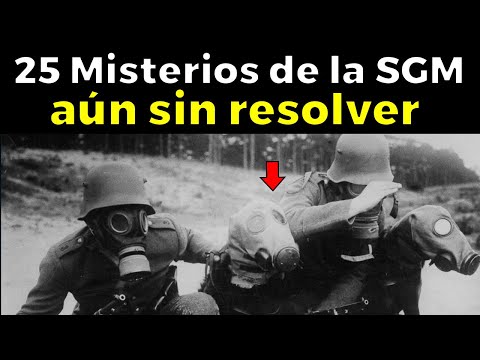
25 Unresolved Mysteries of World War II: A Historical and Anthropological Inquiry

Introduction: The Enduring Enigma of WWII

World War II, a global conflagration that reshaped the geopolitical landscape and left an indelible mark on human history, continues to captivate and perplex. Despite decades of intensive research, vast archives, and countless testimonies, a significant number of events, disappearances, and technological advancements from this era remain shrouded in mystery. This article delves into 25 such enigmas, moving beyond sensationalism to explore the historical, anthropological, and sociological dimensions that contribute to their enduring allure. We aim to not only present these unresolved questions but also to frame them within the context of how societies grapple with the unknown and how historical narratives are constructed and deconstructed.

Unveiling the Shadows: Key Unresolved Mysteries

The Second World War, a period characterized by unprecedented industrial-scale conflict and rapid technological innovation, generated numerous questions that still echo through historical discourse. From the fate of prominent figures and lost treasures to the precise capabilities of advanced weaponry and the motivations behind seemingly inexplicable decisions, the sheer scale of the war ensured that not all secrets could be unearthed. The following are just a selection of the myriad questions that continue to fuel speculation and research:

  • The ultimate fate of the Amber Room, a priceless historical artifact.
  • The precise nature and extent of Nazi esoteric and occult research, particularly concerning alleged advanced technologies.
  • The disappearance of key military assets and personnel, such as the USS Cyclops (though predating WWII, its disappearance serves as a historical parallel for unresolved maritime mysteries).
  • The true intentions and final actions of certain high-ranking officials in the war's closing stages.
  • The survival and post-war activities of prominent war criminals.
  • The location of numerous sunken vessels and their valuable cargo.
  • The veracity and implications of alleged secret peace negotiations.
  • The role and capabilities of experimental weaponry developed by all major powers.
  • The psychological impact and societal shifts precipitated by the war's most traumatic events.
  • The precise circumstances surrounding numerous unexplained aerial phenomena (UAPs) reported during the conflict.

Theoretical Frameworks: Anthropological and Historical Lenses

To approach these mysteries rigorously, we must employ a multidisciplinary perspective. Anthropology offers crucial tools for understanding human behavior under extreme duress, the formation of myths and legends, and the cultural significance attached to historical events. As Pierre Bourdieu elucidated in his work on social fields and habitus, the actions and beliefs of individuals and groups during wartime are shaped by complex social structures and ingrained dispositions.

From a historical standpoint, we must differentiate between verifiable facts, plausible hypotheses, and outright speculation. The absence of definitive evidence does not automatically validate extraordinary claims. Instead, it calls for critical assessment, rigorous sourcing, and an acknowledgment of the limitations of historical knowledge. The historia is not a static entity but a continuously reinterpreted narrative, influenced by new discoveries and evolving societal perspectives.

The human tendency to seek patterns and explanations, even in the face of profound uncertainty, is a fundamental aspect of our cognitive architecture. This drive is amplified during times of widespread trauma and upheaval, leading to the persistence of unresolved mysteries.

The antropología helps us understand this phenomenon by examining how societies construct meaning around historical enigmas. These mysteries often become focal points for collective identity, national pride, or cautionary tales, reflecting deeper cultural anxieties and aspirations.

Case Study 1: The Fate of the Amber Room

Perhaps one of the most famous treasures lost during the war is the Amber Room, a chamber adorned with amber panels, gold leaf, and mirrors, originally gifted by Prussia to Tsar Peter the Great of Russia in 1716. Looted by the Nazis from the Catherine Palace near Saint Petersburg in 1941, its last known location was Königsberg Castle (now Kaliningrad). Its subsequent disappearance has fueled countless theories, ranging from its destruction in Allied bombings to its hidden transport and eventual reassembly in an unknown location.

The search for the Amber Room highlights humanity's enduring fascination with lost riches and the unresolved consequences of wartime plunder. Archaeological expeditions and historical research continue to probe the ruins and archives of Eastern Europe, yet the treasure remains elusive.

Case Study 2: The Roanoke Colony Parallel? The Disappearance of the USS Cyclops

While the disappearance of the USS Cyclops in March 1918 predates World War II, its enigmatic vanishing serves as a potent historical parallel for maritime mysteries. This U.S. Navy collier disappeared with all 306 crew members aboard en route from Barbados to Baltimore, with no distress signals or wreckage ever found. The lack of any definitive explanation has led to numerous theories, including grounding, capsizing in a storm, or even enemy action, though the latter is unlikely given the timing.

This type of unexplained disappearance resonates with the mysteries of WWII, particularly regarding lost ships and submarines. The vastness of the oceans, combined with the chaos of wartime operations, meant that many vessels and their crews vanished without a trace, leaving behind only unanswered questions. The human element – the lost lives and the grief of families – is a crucial anthropological consideration in understanding why these mysteries persist in public consciousness.

Case Study 3: Advanced Technologies and Esoteric Pursuits

The war saw an unprecedented acceleration in technological development, from the atomic bomb to advanced jet aircraft. However, persistent rumors and theories suggest that some powers, particularly Nazi Germany, pursued technologies that bordered on the fantastical, fueled by esoteric beliefs and occult research. Allegations of flying discs (UFOs), advanced propulsion systems, and weapons derived from ancient or mystical sources continue to circulate.

From an arqueología perspective, the search for physical evidence of such advanced or secret projects is ongoing. Archaeologists and historians examine abandoned research facilities, decode technical documents, and analyze witness accounts. The allure of hidden Nazi technology taps into a deep-seated human fascination with the "what if," and the potential for discovering revolutionary, even otherworldly, scientific breakthroughs.

The intersection of science, secrecy, and mythology during WWII provides fertile ground for speculation. It challenges our understanding of the limits of human ingenuity and the potential influence of non-scientific belief systems on technological development.

DIY Intellectual Workshop: Analyzing Historical Mysteries

Engaging with historical mysteries requires a critical and structured approach. This DIY workshop outlines a process for analyzing such enigmas, blending psychology and historical methodology.

  1. Identify the Core Mystery: Clearly define what is unknown. What specific event, object, or person's fate is in question? For example, "What happened to the Amber Room after 1945?"
  2. Gather Primary and Secondary Sources: Collect all available historical documents, photographs, testimonies, and scholarly analyses related to the mystery. Prioritize primary sources (documents from the time, eyewitness accounts) but critically evaluate their reliability. Consult reputable secondary sources (academic books, peer-reviewed articles) that synthesize information and offer expert interpretations.
  3. Document Known Facts: List everything that is definitively known about the subject. Establish a timeline of events, identify key individuals involved, and map out locations. For the Amber Room, this would include its creation, donation, looting, and last known location.
  4. Analyze Competing Theories: Research the various hypotheses proposed to explain the mystery. Understand the evidence cited by proponents of each theory and the arguments against them. Be wary of theories lacking credible evidence or relying solely on speculation.
  5. Assess Evidence Quality: Evaluate the strength and reliability of the evidence supporting each theory. Is it firsthand testimony, hearsay, circumstantial evidence, or physical proof? Are there biases or agendas influencing the source?
  6. Identify Gaps in Knowledge: Pinpoint precisely where information is missing or contradictory. These gaps are the breeding ground for mystery and speculation. For the Amber Room, the gaps lie in the transition from its documented presence in Königsberg to its current absence.
  7. Apply Critical Thinking and Logic: Use deductive and inductive reasoning to assess the plausibility of different theories. Does a theory align with known historical context, technological capabilities of the era, and established historical patterns?
  8. Consider Anthropological and Psychological Factors: Explore why a particular theory is popular. Does it appeal to national pride, conspiracy thinking, or a desire for a satisfying narrative resolution? Understanding these human elements is key to grasping the persistence of mysteries.
  9. Formulate a Tentative Conclusion (or Acknowledge Uncertainty): Based on the available evidence, what is the most likely explanation? If no definitive conclusion can be reached, clearly state the limitations of current knowledge and the need for further research. It is often more intellectually honest to admit uncertainty than to embrace unsubstantiated theories.

This systematic approach, rooted in critical inquiry and a multidisciplinary understanding, allows for a more informed and nuanced engagement with the unresolved questions of history, moving beyond mere curiosity to genuine intellectual exploration. Remember, the journey of historical inquiry is often as important as the destination.

Frequently Asked Questions

What makes a WWII mystery "unresolved"?

A WWII mystery remains unresolved when there is a lack of definitive, widely accepted historical evidence to explain a particular event, disappearance, technological development, or outcome. This can be due to lost documentation, destruction of evidence, deliberate concealment, or simply the vastness and chaos of the conflict.

Are there any reliable sources for information on WWII mysteries?

Reliable sources include academic books and journals by historians specializing in WWII, official military archives, reputable historical documentaries, and established historical societies. It's crucial to critically evaluate sources and be wary of sensationalized accounts or conspiracy theories lacking credible evidence. For instance, exploring archives related to historia mundial can often shed light on specific events.

Why do people remain fascinated by WWII mysteries?

This fascination stems from several factors: the dramatic nature of the war, the human desire to understand the unknown, the appeal of lost treasures and secret technologies, and the ongoing impact of the war's events on the contemporary world. The psychological and sociología digital aspects of how these narratives persist are also significant.

Could some WWII mysteries be explained by advanced technology that was kept secret?

While WWII saw significant technological advancements, claims of highly advanced or extraterrestrial technologies remain largely unsubstantiated and fall into the realm of conspiracy theories. However, the historical record does show significant classified research, the full extent of which may not be publicly known. Investigating tecnología breakthroughs from the era, even those considered fringe at the time, can be illuminating.

Conclusion: The Perpetual Quest for Historical Truth

The 25 mysteries discussed, from lost treasures like the Amber Room to the persistent questions surrounding Nazi technological pursuits and unexplained disappearances, serve as potent reminders of the vastness and complexity of World War II. These enigmas are not mere historical curiosities; they are windows into the human condition under duress, the limits of our knowledge, and the enduring power of narrative.

As scholars of antropología, arqueología, and historia, we are called to approach these questions with intellectual rigor, a commitment to evidence-based analysis, and an awareness of the cultural and psychological factors that shape our understanding of the past. The quest for definitive answers is often ongoing, and in many cases, the mystery itself becomes a significant part of the historical legacy. Engaging with these unresolved questions encourages critical thinking and a deeper appreciation for the complexities of the human past.

historia antropologia arqueologia psicologia historia mundial tecnologia sociologia digital pierre bourdieu historia antropologia arqueologia psicologia historia mundial tecnologia sociologia digital historia historia historia mundial tecnologia

Unveiling Untold Narratives: A DIY Approach to Reconstructing Women's Contributions to History

Introduction: The Echo of Silenced Voices

Welcome to El Antroposofista, where we delve into the intricate tapestries of anthropology, archaeology, and psychology. Today, we confront a profound historical lacuna: the pervasive underrepresentation of women's contributions. Often relegated to the footnotes or entirely absent from mainstream historical accounts, the narratives of countless women have been systematically obscured. This post aims to illuminate these silenced voices, offering a framework not just for understanding this historical deficit, but for actively participating in its rectification through a DIY intellectual and practical approach.

Reclaiming the Narrative: Beyond Traditional Historiography

Traditional historiography, for centuries, has been dominated by male perspectives, focusing on political leaders, military conquests, and economic shifts—arenas historically more accessible to men. This has resulted in a skewed understanding of the past, where women's roles as innovators, caregivers, community builders, and agents of social change are frequently overlooked. The very act of writing history is a form of power, and for too long, this power has been concentrated in a way that marginalizes significant portions of human experience.

The rise of feminist historiography and critical theory has challenged these patriarchal frameworks, urging scholars to question whose stories are told and why. It's a call to move beyond a singular, often heroic, male-centric narrative and embrace a more polyphonic and nuanced understanding of the past. This involves not just adding women into existing historical structures, but fundamentally re-examining those structures themselves.

An Anthropological Perspective on Gendered Histories

From an anthropological viewpoint, history is not merely a chronicle of events but a constructed narrative deeply intertwined with cultural norms, social structures, and power dynamics. Anthropology helps us understand how gender roles have been socially and culturally constructed across different societies and time periods. It highlights that the silence surrounding women's history is not an accident but a product of societal biases that have historically devalued female experiences and contributions.

Examining cultural artifacts, kinship systems, and social rituals through an anthropological lens can reveal the hidden agency of women. For instance, understanding matrilineal societies or the economic importance of female-dominated trades offers crucial counterpoints to narratives that solely emphasize patriarchal power structures. The concept of cultural diversity is paramount here; what constitutes a significant historical contribution is itself a culturally defined notion.

"History is not merely a sequence of events, but the unfolding of a human drama. To ignore half the actors is to fundamentally misunderstand the play."

Archaeological Whispers: Unearthing Material Evidence

The field of archaeology offers tangible, material evidence that can corroborate and expand upon historical records, or even challenge them entirely. Archaeological datación methods and excavation techniques can unearth sites and artifacts that speak to the lives of ordinary people, including women, whose existence might not be recorded in written documents. Identifying tools used for domestic tasks, personal adornments, or even evidence of female participation in specialized crafts provides crucial insights.

For example, the discovery of women's burial sites with associated artifacts can reveal social status, occupation, and even evidence of warfare or extensive travel. The careful analysis of domestic spaces can illuminate the division of labor and the centrality of women in household economies. These material remnants serve as silent witnesses, demanding interpretation and integration into our broader historical understanding. Consider the investigation of ancient civilizations, where pottery shards or dwelling foundations can tell us as much about the daily lives of women as written texts, if not more.

The Psychology of Memory and Historical Representation

Psychology provides critical tools for understanding how collective memory is formed, maintained, and distorted. Psychological concepts such as cognitive biases, confirmation bias, and the social construction of reality help explain why certain narratives gain prominence while others fade. The cultural identity of societies is often built upon shared historical understandings, which can be resistant to revision, even when confronted with new evidence.

Furthermore, understanding the psychological impact of historical marginalization on individuals and communities is crucial. Recognizing how the silencing of women's histories has contributed to ongoing social inequalities is a vital step toward healing and reconciliation. The legacy of these historical omissions continues to shape contemporary perceptions of gender roles and opportunities.

"The absence of evidence is not evidence of absence. Our task is to actively seek out the evidence that has been overlooked or deliberately ignored."

DIY Historical Reconstruction: Empowering the Individual Researcher

Inspired by the "Do It Yourself" (DIY) ethos, we can empower ourselves to become active participants in reconstructing women's history. This isn't about replacing professional scholarship but complementing it by encouraging curiosity, critical inquiry, and hands-on investigation. The internet, with its vast digital archives and connecting capabilities, has become an invaluable tool for the amateur historian.

Guide: Tracing a Female Ancestor's Life Through Archival Research

  1. Define Your Scope: Start with a specific question or individual. For example, "What was my great-grandmother's role in the family business?" This provides focus.
  2. Gather Existing Information: Collect family documents, photographs, letters, and oral histories. Note down names, dates, places, and any anecdotal information.
  3. Explore Online Archival Databases: Utilize resources like ancestry.com, FamilySearch, national archives, and local historical societies. Search for vital records (birth, marriage, death certificates), census data, immigration records, and obituaries. Use variations of names and search broadly within a time frame. Many history sites now offer digitized documents.
  4. Investigate Local History Resources: If your ancestor lived in a specific town or city, explore its cultural heritage resources. Local libraries, historical societies, and university special collections often hold unique records like local newspapers, city directories, school yearbooks, and property records.
  5. Analyze Material Culture and Context: Consider the objects associated with your ancestor. What can clothing styles, household items, or tools tell us about their social class, occupation, and daily life? Research the historical context of the time and place they lived in. Were there specific economic opportunities or social limitations for women?
  6. Look for Less Obvious Records: Beyond official documents, search for mentions in business ledgers, church records, club memberships, or even legal disputes. Sometimes women are mentioned indirectly as beneficiaries, witnesses, or property owners.
  7. Conduct Oral History Interviews (If Applicable): If elderly relatives are still living, conduct structured interviews. Ask open-ended questions about family history, daily routines, significant events, and the roles of women in their community. Record these interviews (with permission) for future reference.
  8. Synthesize and Interpret: Piece together the information gathered. Be critical of the sources and acknowledge any gaps or ambiguities. Try to build a narrative that reflects the complexities of their life, not just a simple timeline. Consider how this individual story contributes to a broader understanding of women's experiences in that era. The goal is to reconstruct, however partially, a life story that might otherwise be lost.

This DIY approach fosters a deeper connection to the past and cultivates valuable research skills. It democratizes the process of historical inquiry, making it accessible to anyone with a curious mind and a willingness to dig.

Frequently Asked Questions

Q1: Why is it important to focus on women's history specifically?
A1: Focusing on women's history corrects historical inaccuracies and provides a more complete and nuanced understanding of human civilization. It reveals the diverse roles and contributions women have made across all spheres of life, which have often been systematically ignored.

Q2: Can I find reliable information about women in ancient history through DIY methods?
A2: While challenging, yes. You can access digitized primary sources, scholarly articles through academic databases (some offer free trials or open access), and interpret archaeological findings described in reputable publications. The key is critical evaluation of sources.

Q3: How can I ensure my research is objective and not biased?
A3: Acknowledge your own potential biases, cross-reference information from multiple sources, seek out diverse perspectives (including critiques of dominant narratives), and be transparent about the limitations of your research.

Q4: What is the role of digital archives in DIY historical research?
A4: Digital archives are indispensable. They provide access to digitized historical documents, photographs, maps, and even oral histories that were previously only available in physical archives, thus broadening the scope and accessibility of historical research for individuals.

Q5: How does understanding women's history contribute to contemporary issues?
A5: By understanding historical patterns of exclusion and resistance, we gain insights into the roots of contemporary gender inequalities and social justice issues. It informs efforts to promote gender equity and build more inclusive societies.

Conclusion: Weaving a Fuller Tapestry of Human Experience

The endeavor to uncover and reconstruct women's history is an ongoing, vital process. It requires a multidisciplinary approach, drawing on the insights of anthropology, archaeology, and psychology. By embracing a DIY spirit, we can move beyond passive consumption of historical narratives and become active agents in revealing the full spectrum of human experience. Each unearthed story, each corrected omission, contributes to a richer, more accurate, and ultimately more human understanding of our collective past. Let us continue to question, explore, and share the stories that have long been waiting to be told, weaving a more complete tapestry of history for generations to come.

Anthropological Archives: A Practical Guide to Preserving and Accessing Documentary Funds

The preservation and accessibility of historical documentation constitute a cornerstone of anthropological, archaeological, and historical research. These archival "funds," as they are often termed, are not mere repositories of the past but dynamic resources that fuel our understanding of human societies, cultures, and their evolution. This article delves into the critical importance of documentary archives, offers practical insights into their management, and outlines how researchers and enthusiasts alike can effectively engage with these invaluable collections.

Introduction: The Enduring Significance of Archives

In an era saturated with digital ephemera, the tangible records of human endeavor held within archives remain indispensable. The term "Fons documental" points to the very essence of archival work: the careful collection, organization, and preservation of materials that narrate our collective story. From ancient manuscripts to contemporary digital records, these funds provide the raw data for historical analysis, anthropological interpretation, and archaeological reconstruction. They are the bedrock upon which scholarly inquiry is built, offering unfiltered glimpses into past lives, societal structures, and cultural practices.

This exploration aims to demystify the world of archival research. We will examine the nature of documentary funds, discuss best practices for their preservation, and provide actionable steps for accessing and utilizing them for research. Furthermore, for those interested in personal preservation, a practical guide on creating and managing personal archives will be included.

Understanding Documentary Funds: More Than Just Paper

Documentary funds are not monolithic. They encompass a vast array of materials, each offering unique perspectives:

  • Manuscripts and Personal Papers: Diaries, letters, memoirs, and personal correspondence offer intimate insights into individual lives and societal attitudes.
  • Official Records: Government documents, legal proceedings, census data, and administrative records illuminate the workings of institutions and the evolution of governance.
  • Organizational Archives: Records from businesses, non-profits, and associations reveal patterns of economic activity, social movements, and community life.
  • Photographic and Audiovisual Materials: Photographs, films, audio recordings, and oral histories provide powerful visual and auditory evidence of past events and cultural expressions.
  • Digital Records: Increasingly, archives are incorporating born-digital materials, presenting new challenges and opportunities for preservation and access.

The concept of a "fund" often implies a coherent collection originating from a single source, such as an individual, family, or organization. This organic unity aids in contextualizing the information contained within. As scholars like Pierre Bourdieu have highlighted, understanding the social and historical context of a document is as crucial as the document itself.

"Archives are the memory of the world. Without them, we are adrift, disconnected from our past and uncertain about our future."

Archival Preservation: A Proactive Approach

The longevity of documentary funds depends on rigorous preservation strategies. Key aspects include:

  • Environmental Control: Maintaining stable temperature and humidity levels, minimizing exposure to light, and preventing pest infestation are crucial for the physical integrity of paper-based materials.
  • Handling Procedures: Researchers and archivists must follow strict protocols to avoid damage, such as using clean hands or gloves, supporting fragile documents, and avoiding folding or creasing.
  • Conservation and Restoration: Trained conservators can address existing damage, stabilize deteriorating materials, and, where appropriate, undertake restoration efforts.
  • Digital Preservation: For digital records, this involves ensuring format migration, data integrity checks, and secure storage to guard against obsolescence and data loss.

The International Council on Archives (ICA) provides extensive guidelines on archival best practices. Adhering to these standards ensures that these irreplaceable resources remain accessible for future generations.

"The meticulous work of archival preservation is a silent but vital contribution to the continuity of human knowledge. It requires dedication, expertise, and a profound respect for the past."

Access and Research: Unlocking Archival Potential

Accessing archival materials typically involves navigating catalogs, requesting items, and conducting research on-site or, increasingly, through digitized collections. Researchers must often demonstrate a legitimate need for access, particularly for sensitive or restricted materials.

Steps for Effective Archival Research:

  1. Identify Relevant Archives: Determine which institutions hold collections pertinent to your research topic. Utilize online databases, institutional websites, and scholarly networks. Consider archives in fields like anthropology, archaeology, and history.
  2. Consult Finding Aids: Once potential archives are identified, consult their finding aids or collection guides. These inventories provide detailed descriptions of the materials, helping you pinpoint relevant documents.
  3. Submit a Research Request: Follow the institution's procedures for requesting access. This may involve filling out forms, providing identification, and outlining your research project.
  4. Prepare for On-Site Research: If visiting in person, be aware of the archive's rules regarding note-taking, photography, and personal belongings.
  5. Engage Critically with Sources: Remember that archival documents are not objective truths. Analyze them within their historical context, considering the author's perspective, purpose, and potential biases.

The digital revolution has opened up vast possibilities. Many archives now offer online catalogs and digitized collections, making primary sources accessible globally. Platforms offering data sets and infographics derived from archival research also play a role in disseminating knowledge.

DIY Archival Practice: Personal Collections

The principles of archival management can be applied to personal collections, whether they are family heirlooms, personal writings, or research notes. This "DIY Archival Practice" empowers individuals to preserve their own histories.

  1. Identify and Gather Materials: Collect documents, photographs, letters, and other items that hold personal or historical significance. Consider items related to your family history, your own life experiences, or research projects.
  2. Organize and Catalog: Group related items together. Create a simple catalog or inventory listing each item, its date, origin, and a brief description. This helps in understanding the collection as a whole.
  3. Choose Appropriate Storage: Use acid-free folders, boxes, and sleeves to protect paper documents and photographs. Store them in a cool, dry, dark place, away from potential hazards like leaky pipes or direct sunlight.
  4. Handle with Care: Treat all materials gently. If items are fragile, consider digitizing them for easier access and preservation of the original.
  5. Consider Long-Term Preservation and Access: Think about who will inherit your collection and how they might access it. For significant collections, consider depositing them with a local historical society or archive, if appropriate.
"Your personal history is a vital thread in the larger tapestry of human experience. By curating your own archives, you contribute to that rich narrative."

Frequently Asked Questions

What is the difference between an archive and a library?

Libraries primarily collect published materials like books and journals, focusing on broad dissemination. Archives, on the other hand, collect unpublished primary source materials (manuscripts, records, etc.) and often focus on specific collections or subjects, emphasizing preservation and in-depth research.

How can I access digitized archival materials?

Many archives offer online catalogs with digitized collections. Websites of national archives, university libraries, and specialized historical societies are good starting points. Look for sections labeled "Digital Collections," "Online Archives," or similar.

Is it permissible to photograph archival documents for personal research?

Policies vary by institution. Some archives allow photography for personal research with certain restrictions (e.g., no flash photography), while others may only allow it for a fee or not at all, especially for fragile items or if copyright restrictions apply. Always check the archive's specific policies.

What are "primary sources" and "secondary sources"?

Primary sources are original materials from the time period being studied (e.g., letters, diaries, artifacts, government records). Secondary sources are interpretations or analyses of primary sources, created later (e.g., history books, scholarly articles).

How can I start a personal archive if I have limited space?

Focus on digitizing important items. Use high-resolution scanners or smartphone scanning apps. Organize digital files logically with clear naming conventions and store them securely on external hard drives and cloud storage services. Prioritize items that are most meaningful or historically significant.

In conclusion, documentary archives are indispensable resources for understanding the human past. Whether engaging with established institutions or curating personal collections, the principles of careful preservation, thoughtful organization, and critical analysis remain paramount. By valuing and actively utilizing these historical funds, we enrich our present and illuminate our future.

The Enigmatic Disappearances in Chile: Unraveling the Methods of the Missing

If you appreciate our in-depth explorations, consider supporting our mission by visiting our store to acquire unique and affordable NFTs. Your contribution fuels our commitment to uncovering historical and anthropological truths.

Welcome to El Antroposofista, your dedicated portal to the fascinating realms of anthropology, archaeology, psychology, and history. We are committed to bringing you comprehensive and up-to-date information on these vital fields of human understanding.

Our mission is to delve deep into the complexities of human societies, past and present, offering rigorous analysis and engaging narratives. From the intricacies of ancient civilizations unearthed by archaeology to the psychological underpinnings of social structures analyzed through psychology, we aim to illuminate the human experience.

Historical Context of Chilean Disappearances

The phenomenon of forced disappearances in Chile is a deeply painful chapter, primarily linked to the period of military dictatorship from 1973 to 1990. This era was marked by systematic human rights abuses, including arbitrary detentions, torture, and extrajudicial killings. The perpetrators, often state security forces or clandestine groups operating with state impunity, employed a strategy of "disappearing" individuals to instill fear and eliminate political opposition.

Understanding these disappearances requires situating them within the broader context of political repression and state-sponsored violence that swept across many Latin American nations during the latter half of the 20th century. These actions were not isolated incidents but part of a coordinated effort to consolidate power and suppress dissent. The methods employed were designed to leave no trace, making the search for truth and justice a monumental challenge for families and human rights organizations.

The impact of these disappearances extends far beyond the immediate victims, creating enduring trauma for families, communities, and the nation as a whole. The search for answers and accountability remains an ongoing process, deeply intertwined with the history and memory of Chile.

Archaeological Perspectives on Traces of the Past

While often associated with contemporary events, archaeology can offer unique insights into understanding the physical traces left behind by historical injustices. Forensic archaeology, a specialized branch, plays a crucial role in locating and analyzing clandestine burial sites, mass graves, and the physical evidence of repression. These sites, often hidden or deliberately obscured, can provide irrefutable proof of what transpired.

Archaeological methodologies, such as ground-penetrating radar (GPR), meticulous excavation techniques, and the analysis of soil strata, can help uncover buried remains and artifacts. Even in cases where bodies are not recovered, the geological and chemical signatures of disturbed earth can indicate human activity. The careful documentation and preservation of these sites are paramount for subsequent legal and historical investigations.

Furthermore, archaeological analysis of objects associated with victims – personal effects, clothing fragments, or tools – can help reconstruct individual lives and provide tangible connections to the past. This meticulous work contributes to building a more complete and verifiable historical record, vital for truth and reconciliation processes.

Psychological Dimensions of Loss and Memory

The psychological impact of forced disappearances is profound and multifaceted. For the families of the disappeared, the uncertainty and lack of closure can lead to chronic grief, anxiety, and post-traumatic stress disorder (PTSD). The absence of a definitive end – a death, a return, or a clear explanation – creates an open wound that is difficult to heal.

The psychological manipulation inherent in forced disappearance is a deliberate tactic. By making individuals vanish without a trace, regimes aim to instill a pervasive sense of fear and helplessness, undermining social cohesion and trust. The silence and complicity often imposed on the wider population through intimidation also contribute to a collective psychological burden.

From a psychology perspective, understanding memory formation, collective trauma, and coping mechanisms is essential. Efforts to preserve the memory of the disappeared, through memorialization, testimonies, and education, are crucial for psychological healing and for preventing future atrocities. These efforts also help to counter state-sponsored narratives that seek to erase or minimize these historical events.

Anthropological Frameworks for Understanding Societal Trauma

Anthropology provides critical frameworks for understanding the broader societal implications of events like forced disappearances. Concepts such as collective memory, social fragmentation, and the construction of identity become central to analyzing how such trauma reshapes a community or a nation.

Anthropologists examine how cultural practices, rituals, and symbolic expressions evolve in response to state violence. Memorials, monuments, and public commemorations are not merely acts of remembrance but are actively constructed sites where collective identity is negotiated and historical narratives are contested. The study of how families organize, advocate, and create support networks also falls within the purview of anthropological inquiry into social resilience.

Moreover, anthropological analysis can illuminate the role of indigenous communities and marginalized groups in these historical processes. Their unique perspectives, traditions, and struggles for justice offer invaluable insights into the diversity of human experience and resistance. Examining the anthropology of human rights allows us to understand the universal aspirations for dignity and accountability.

Investigating the Methods: A Critical Examination

The methods employed by perpetrators of forced disappearances were designed for maximum psychological impact and minimal accountability. These typically included:

  • Secret Detentions: Victims were often abducted from their homes or public spaces by plainclothes security agents or military personnel. They were then taken to clandestine detention centers, often military barracks or secret police facilities, where their detention was not officially acknowledged.
  • Denial of Due Process: Detainees were denied access to legal counsel, family visits, and medical attention. This isolation was a critical component of the psychological torture.
  • Use of Torture and Interrogation: Intense physical and psychological torture was systematically employed to extract information, break the victim's will, and instill terror.
  • Disposal of Remains: To prevent the discovery of evidence and deny families the right to mourn, the bodies of victims were often disposed of in ways that made identification impossible. This included mass burials in unmarked graves, burial at sea, or the incineration of remains.
  • Systematic Disinformation: Official narratives often denied the existence of political prisoners or claimed that disappeared individuals had fled the country or were responsible for their own demise.

Investigating these methods requires a multidisciplinary approach, combining historical research, forensic science, legal analysis, and the tireless efforts of human rights investigators and journalists. Each piece of evidence, whether a declassified document, a forensic finding, or a firsthand testimony, is crucial in piecing together the truth.

The silence surrounding these disappearances was a weapon in itself, amplifying the terror and making the search for truth a protracted and arduous battle against official obfuscation and deliberate erasure.

DIY Guide: Archival Research for Local History

For those interested in uncovering the history of their own communities, particularly concerning periods of unrest or specific events, engaging in archival research can be a rewarding, albeit challenging, endeavor. This guide provides basic steps to begin your own historical investigation:

  1. Identify Your Research Question: Clearly define what you want to learn. For instance, "What were the social impacts of political repression in my town between 1973-1990?" or "How did the local community respond to the economic changes of the 1980s?"
  2. Locate Potential Archives: Research where relevant historical documents might be held. This could include:
    • National Archives (e.g., Archivo Militar de Chile, if accessible and relevant to your topic).
    • Regional or Municipal Archives.
    • University Libraries and Special Collections.
    • Museums with relevant historical exhibits.
    • Human Rights Organizations' Archives (often hold testimonies, reports, and documentation related to state violence).
  3. Contact Archives in Advance: Before visiting, contact the archive to understand their collection scope, access policies, research hours, and any required appointments or identification.
  4. Prepare a List of Keywords: Based on your research question, create a list of relevant keywords, names, dates, and locations to use when searching catalogs or asking archivists for assistance.
  5. Systematic Document Review: Once in the archive, systematically review documents. Take detailed notes, including the source, date, author, and relevant content. Be aware of the physical condition of documents and handle them with care.
  6. Oral Histories: If possible and appropriate, supplement archival research with oral histories from individuals who lived through the period you are studying. Ensure ethical considerations are paramount, obtaining informed consent and respecting privacy.
  7. Synthesize and Analyze: After gathering information, organize your findings. Look for patterns, contradictions, and connections. Cross-reference information from different sources to build a more robust understanding.
  8. Document Your Sources: Maintain meticulous records of all sources consulted, whether primary documents, secondary literature, or oral interviews. This is crucial for academic integrity and allows others to verify your research.

Remember that archival research can be time-consuming and may require patience. However, the reward of uncovering forgotten narratives and contributing to a more complete historical record is immense.

Frequently Asked Questions

What is the primary period associated with forced disappearances in Chile?

The most intense period of forced disappearances in Chile occurred during the military dictatorship, from 1973 to 1990, under the regime of Augusto Pinochet.

What were the main methods used to make people disappear?

Methods included secret abductions, detention in clandestine centers, denial of legal rights, torture, and the clandestine disposal of bodies to prevent identification and mourning.

What is the role of forensic archaeology in these cases?

Forensic archaeology is crucial for locating and analyzing potential burial sites, excavating and identifying human remains, and recovering physical evidence that can prove repression occurred.

How do these events affect families psychologically?

Families often suffer from prolonged grief, anxiety, and PTSD due to the extreme uncertainty and lack of closure associated with a disappearance.

Where can one find more information on human rights during the Chilean dictatorship?

Reputable sources include the archives of human rights organizations (like the Museo Histórico Nacional or the Memoria Chilena digital library), academic studies, and reports from international human rights bodies.

The legacy of forced disappearances in Chile is a stark reminder of the fragility of human rights and the importance of vigilance. By understanding the historical context, the methods employed, and the enduring psychological and societal impacts, we can contribute to a future where such atrocities are not repeated. The quest for truth, justice, and memory is an ongoing commitment for Chile and for humanity.