Mostrando las entradas para la consulta history lessons ordenadas por relevancia. Ordenar por fecha Mostrar todas las entradas

Onfim: A Medieval Child's Voice Across 800 Years – Anthropology, History, and the Enduring Human Spirit

Hello there, esteemed readers, and welcome back to an exploration that bridges centuries! Humans, in their fundamental nature, have remained remarkably consistent throughout millennia. Today, we delve into the captivating world of a medieval child who lived 800 years ago, unearthing the enduring themes of time, history, and the human condition. His name was Onfim, a young boy from what is now Veliky Novgorod, whose scribbles on birch bark offer a poignant window into a distant past.

This journey will not only illuminate Onfim's life and the society he inhabited but also broaden our perspective by examining other examples of graffiti and artwork left by past peoples across the globe. Through these remnants, we can better understand the continuity of human expression and the timeless essence of our shared experiences. I trust you will find this exploration both enlightening and engaging.

Who Was Onfim?

Onfim was a young boy, likely between six and ten years old, living in the bustling city of Veliky Novgorod during the 12th century. While historical records of common individuals from this era are scarce, the discovery of over a thousand birch bark documents, many of them personal writings and drawings, has brought figures like Onfim out of obscurity. These artifacts provide an unprecedented glimpse into the daily lives, education, and inner worlds of medieval Rus' commoners.

He was not a prince, a warrior, or a clergyman whose deeds might be recorded in chronicles. Instead, Onfim represents the vast majority of the medieval population – ordinary people whose lives, though seemingly mundane, form the bedrock of history. His existence is primarily known to us through his own childish hand, etched onto pliable birch bark, a readily available writing material in the region.

The Novgorod Birch Barks: A Medieval Diary

The Novgorod birch bark documents are among the most significant archaeological finds in Eastern Europe. Unearthed primarily since the 1930s during excavations in archaeology digs within the ancient city of Novgorod, these fragile documents have miraculously survived for centuries due to the city's waterlogged soil, which prevented rapid decay.

These are not grand illuminated manuscripts or official decrees. Instead, they are personal letters, school exercises, receipts, love notes, and, most importantly for our understanding of childhood, drawings and attempts at writing by children like Onfim. They offer an intimate and unvarnished look at literacy, social interaction, and education in medieval society. The collection serves as an invaluable resource for anthropology and history, revealing details about the common populace that would otherwise be lost to time.

"The birch bark letters are a miracle of preservation, offering direct access to the thoughts and lives of people who left no other trace."

Onfim's Drawings and Writings: A Child's World

Onfim's contributions to the birch bark corpus are particularly striking. His writings reveal him as a student, grappling with the rudiments of literacy. Many of his messages are practice sessions, attempts to form letters and words, often accompanied by simple drawings. These are not sophisticated artworks but the spontaneous expressions of a young mind.

His drawings depict scenes familiar to a child of his time: horsemen, animals, fantastical creatures, and even what appear to be rudimentary games. One famous piece shows a knight, possibly Saint George, triumphing over a dragon – a common motif even then. Another depicts a game, possibly a form of race or competition, with figures lined up. His writings, though often misspelled and grammatically imperfect, contain messages like "Onfim is a bad boy… He beat me," suggesting a child's social world of playmates, rivalries, and playground disputes.

These scribbles, far from being trivial, are crucial data points for understanding medieval childhood. They show that children's concerns – play, friendships, minor conflicts, and learning – are universal and have transcended time. They humanize a period often viewed through the lens of grand historical events, reminding us that history is also made up of individual lives, even those of children.

Historical Context: Life in 12th-Century Novgorod

To truly appreciate Onfim's world, we must understand the environment in which he lived. Veliky Novgorod in the 12th century was a major political and economic center of Kievan Rus'. It was a republic, unique in its time for its relatively democratic governance, where a popular assembly (the Veche) played a significant role in decision-making. The city was a hub of trade, connecting Northern Europe with the Baltic Sea and the Byzantine Empire.

Society was stratified, but literacy, as evidenced by the birch barks, was not solely confined to the elite clergy or nobility. Merchants, artisans, and even children from families of modest means could receive some form of education. This widespread literacy allowed for the creation of the personal documents we find today. Onfim's existence, therefore, is situated within a dynamic and relatively sophisticated urban environment, where the tools of writing were accessible enough for a child to use them for personal expression and learning.

"The birch bark documents shatter the perception of medieval society as uniformly illiterate. They reveal a vibrant world of personal communication and learning."

Lessons from the Past: Graffiti as Historical Data

The birch bark writings of Novgorod, including Onfim's contributions, represent a form of ancient graffiti. Traditionally, historical analysis might focus on formal inscriptions, monumental texts, or official records. However, these "low-status" forms of inscription offer invaluable insights that are often missing from more formal sources.

Graffiti, whether from ancient Rome, medieval Novgorod, or even modern cities, provides direct, unmediated evidence of everyday life. It reveals social dynamics, linguistic evolution, popular beliefs, and personal sentiments. For researchers in anthropology, archaeology, and history, these seemingly ephemeral marks are rich repositories of data. They allow us to reconstruct the lives of ordinary people, understand the evolution of languages, and trace cultural practices that might otherwise remain undocumented.

By studying Onfim's scribbles alongside other examples of ancient and historical graffiti, we gain a more comprehensive and nuanced understanding of past societies. It highlights the importance of considering all forms of material culture and textual evidence when attempting to reconstruct the past. This approach underscores the interconnectedness of academic disciplines like psychology (understanding childhood development and expression), anthropology (cultural practices), and history (contextualizing events and lives).

DIY Archaeological Analysis: Deciphering Everyday Objects

While we may not have birch bark readily available, the principles behind deciphering Onfim's writings can be applied to analyzing other everyday objects or even modern-day ephemera. This section provides a practical guide to applying a similar analytical mindset.

  1. Select an "Artifact": Choose an object that shows signs of use, wear, or modification. This could be an old tool, a piece of pottery with markings, a worn book, or even a discarded flyer. For a more modern approach, consider analyzing personal social media posts or digital "graffiti" like comments sections (with ethical considerations in mind).
  2. Observe and Document: Carefully examine the object. Note its material, dimensions, color, texture, and any markings. If it's a textual artifact, document the script, spelling, and grammar. Take detailed photographs or sketches. Think like an archaeologist at a dig site, meticulously recording every detail.
  3. Identify Patterns and Anomalies: Look for recurring symbols, phrases, or usage patterns. Are there inconsistencies or unusual features? In Onfim's case, the repetition of letters and simple drawings was key. For other artifacts, consider how wear patterns might indicate how the object was held or used.
  4. Hypothesize Function and Context: Based on your observations, form hypotheses about the object's purpose, its owner, and the social or historical context in which it was used. Was it for work, play, communication, or ritual? Who might have created or used it? Consider the environment where you found or observed the artifact.
  5. Compare and Cross-Reference: If possible, compare your artifact and its analysis with known examples from similar periods or cultures. Use online resources, books, or academic databases to find similar objects or practices. This is akin to comparing Onfim's work with other birch bark documents or known medieval art. For modern digital artifacts, consider user community norms.
  6. Draw Conclusions (and Acknowledge Limitations): Summarize your findings. What can you reasonably conclude about the artifact and its context? Importantly, acknowledge the limitations of your analysis. Personal interpretations can be subjective, and incomplete evidence means your conclusions are often provisional. The goal is a well-reasoned interpretation, not absolute certainty.

Applying this DIY approach to everyday objects can foster a deeper appreciation for material culture and the stories embedded within seemingly ordinary items, enhancing your understanding of anthropology and history.

Frequently Asked Questions

Who was Onfim?
Onfim was a young boy, likely between six and ten years old, who lived in Veliky Novgorod in the 12th century. His life is known primarily through his writings and drawings on birch bark documents.
What are the Novgorod birch bark documents?
These are over a thousand fragile documents, mostly personal writings and drawings, discovered in Veliky Novgorod. They provide invaluable insights into the daily lives, education, and literacy of ordinary people in medieval Rus'.
What do Onfim's writings reveal?
His writings show him practicing his letters and words, drawing scenes of knights, animals, and games, and expressing childish thoughts and disputes. They demonstrate the universality of childhood concerns across centuries.
Why is Onfim's story important for anthropology and history?
Onfim's story, through the birch bark documents, provides rare direct evidence of a common medieval child's life. It humanizes history, offers insights into medieval literacy and education, and demonstrates the enduring nature of human expression, making it a vital resource for anthropology, history, and data analysis.

The voice of Onfim, a child of the 12th century, resonates across the ages, reminding us that the fundamental aspects of the human experience—curiosity, play, learning, and connection—remain remarkably constant. The birch bark documents from Novgorod, far from being mere historical curiosities, are testaments to the enduring spirit of humanity, offering scholars in anthropology, archaeology, and history a unique and intimate perspective on the lives of those who came before us. By examining such artifacts, we not only reconstruct the past but also gain a deeper understanding of ourselves.

Special thanks to Ida @ncdraw for bringing Onfim's story to light.

Music Used: I Don't See the Branches, I See the Leaves by Chris Zabriskie; What Does Anybody Know About Anything by Chris Zabriskie; God Be With You Till We Meet Again - Chris Zabriskie; But Enough About Me, Bill Paxton - Chris Zabriskie; Elf Meditation by Kevin Macleod.

Most of the images used belong to the Wikimedia Commons or the Novgorod Birch Bark database: Novgorod Birch Bark Database.

We invite you to visit our official blog to check the latest current news in these fields: El Antroposofista.

We also invite you to visit our other blogs, with themes for every taste: History, Learning, Data, Maps, Info, Anthropology, Archaeology, Psychology, HD, DIY.

``` ```json { "@context": "http://schema.org", "@type": "FAQPage", "mainEntity": [ { "@type": "Question", "name": "Who was Onfim?", "acceptedAnswer": { "@type": "Answer", "text": "Onfim was a young boy, likely between six and ten years old, who lived in Veliky Novgorod in the 12th century. His life is known primarily through his writings and drawings on birch bark documents." } }, { "@type": "Question", "name": "What are the Novgorod birch bark documents?", "acceptedAnswer": { "@type": "Answer", "text": "These are over a thousand fragile documents, mostly personal writings and drawings, discovered in Veliky Novgorod. They provide invaluable insights into the daily lives, education, and literacy of ordinary people in medieval Rus'." } }, { "@type": "Question", "name": "What do Onfim's writings reveal?", "acceptedAnswer": { "@type": "Answer", "text": "His writings show him practicing his letters and words, drawing scenes of knights, animals, and games, and expressing childish thoughts and disputes. They demonstrate the universality of childhood concerns across centuries." } }, { "@type": "Question", "name": "Why is Onfim's story important for anthropology and history?", "acceptedAnswer": { "@type": "Answer", "text": "Onfim's story, through the birch bark documents, provides rare direct evidence of a common medieval child's life. It humanizes history, offers insights into medieval literacy and education, and demonstrates the enduring nature of human expression, making it a vital resource for anthropology, history, and data analysis." } } ] }
Diogenes and Alexander the Great: A Philosophical Encounter and Its Enduring Lessons

The annals of history are replete with encounters that, while perhaps fleeting in duration, resonate through millennia, offering profound insights into the human condition, the nature of power, and the pursuit of wisdom. One such iconic meeting, recounted across various historical and philosophical traditions, is the famed encounter between Alexander the Great, the ambitious conqueror, and Diogenes of Sinope, the quintessential Cynic philosopher. This interaction, embedded within the broader narrative of Alexander's conquests, serves as a powerful case study for understanding the clash of worldviews, the dichotomy between material ambition and spiritual freedom, and the enduring relevance of Cynic philosophy.

Contextualizing the Encounter: Empires and Ascetics

To fully appreciate the significance of the Diogenes and Alexander encounter, it is crucial to situate it within its historical and philosophical milieu. Alexander, born in 356 BCE, was a product of Macedonian royalty, tutored by Aristotle, and driven by an insatiable desire to conquer the known world. By the time of his legendary meeting with Diogenes (circa 340 BCE), Alexander had already consolidated his power in Greece and was on the cusp of his eastward campaigns that would lead him to Persia, Egypt, and India. His life was a testament to the pursuit of glory, expansion, and the imposition of Hellenistic culture across vast territories.

In stark contrast stood Diogenes of Sinope (c. 412–323 BCE), a philosopher whose life was a radical experiment in self-sufficiency and rejection of societal conventions. Exiled from his hometown for defacing currency, Diogenes embraced a life of voluntary poverty, living in a ceramic jar (pithos) in the marketplace of Athens and later Corinth. He advocated for a life lived in accordance with nature, characterized by asceticism, radical honesty, and a profound disdain for wealth, status, and social norms. His "Cynicism" was not merely a philosophical doctrine but a performative critique of the perceived corruption and artifice of Athenian society.

The Legendary Meeting in Corinth

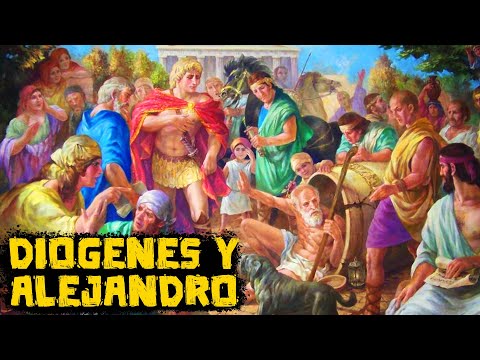
The most widely circulated account of the encounter, as recorded by figures like Plutarch and Diogenes Laërtius, places the meeting in Corinth. Legend has it that Alexander, having heard of the eccentric philosopher who lived in a tub, sought him out. Upon finding Diogenes basking in the sun, Alexander, surrounded by his retinue, approached and, in a gesture of supreme power and condescension, asked the philosopher if there was anything he desired.

"Stand out of my sun."

Diogenes' response, according to most accounts, was famously blunt: "Stand out of my sun." This simple, yet profound, retort has echoed through history as a potent symbol of the conflict between political power and philosophical freedom. Alexander, accustomed to deference and obedience, was reportedly taken aback, not by defiance, but by the sheer indifference of the philosopher to his might and grandeur. He is said to have exclaimed to his companions, "Truly, this is Alexander, if I were not Alexander, I would be Diogenes."

The tale highlights several key aspects of their respective philosophies:

  • Alexander's Ambition vs. Diogenes' Contentment: Alexander sought to conquer the world, driven by a desire for legacy and dominion. Diogenes, having seemingly "conquered" his own desires, found contentment in the simplest of existences, needing nothing more than the sun's warmth and his own self-sufficiency.
  • Power and Humility: Alexander, the embodiment of earthly power, approached Diogenes. Yet, it was Diogenes, the powerless beggar, who held the moral and philosophical high ground, eliciting a grudging respect from the conqueror.
  • The Nature of True Wealth: For Alexander, wealth was measured in territory, armies, and gold. For Diogenes, true wealth lay in freedom from material possessions and societal expectations, a state he termed autarkeia (self-sufficiency).

Interpretations and Philosophical Significance

The encounter between Alexander and Diogenes has been interpreted in numerous ways throughout history, each shedding light on different facets of Cynicism and the nature of greatness:

  • Cynicism as Radical Freedom: The story powerfully illustrates the Cynic ideal of freedom from external constraints. Diogenes' ability to dismiss the world's most powerful man with such ease demonstrates a liberation from the fear of authority and the desire for social approval. This resonates with the concept of understanding cultures by recognizing their diverse values regarding power and influence.
  • The Limits of Conquest: Alexander's encounter with Diogenes served as a poignant reminder that not all realms could be conquered by force. The inner citadel of the human mind and spirit, as exemplified by Diogenes, remained beyond his reach. This contemplation of limits is a recurring theme in world history and anthropology.
  • The Paradox of Greatness: Was Alexander truly "great" if he could not conquer the desires of his own heart or the indifference of a beggar? Conversely, was Diogenes' life truly fulfilling, or was it a mere ascetic withdrawal? The encounter prompts reflection on the very definitions of greatness and fulfillment, a core concern in psychology and philosophy.
  • A Socratic Legacy: Diogenes saw himself as a successor to Socrates, continuing his philosophical legacy through action rather than mere discourse. His ability to provoke thought through his lifestyle and sharp wit is a testament to this Socratic lineage. This connection underscores the long tradition of critical inquiry in ancient civilizations.

The story also serves as a foundational narrative within the study of archaeology and history, providing a vivid glimpse into the social dynamics and philosophical currents of the ancient Greek world. The very act of recounting and preserving such tales speaks to their enduring power in shaping our understanding of past societies and their foundational thinkers.

Guía Práctica DIY: Emulando la Autarkeia de Diógenes

While few might aspire to live in a jar, the core principle of Diogenes' philosophy – autarkeia, or self-sufficiency – offers valuable lessons for contemporary life. This practical guide explores how to cultivate aspects of this mindset in a modern context. It’s about identifying what truly serves your well-being and what are merely societal impositions.

  1. Mindful Consumption Audit: Begin by critically examining your possessions and consumption habits. Ask yourself: "Do I truly need this? Does it add genuine value to my life, or is it driven by external pressures (advertising, social comparison)?" Declutter your physical space, donating or selling items that no longer serve a purpose. This aligns with the DIY ethos of intentional living.
  2. Digital Detox and Boundaries: Diogenes rejected public life; we can achieve a similar detachment by setting strict boundaries with our digital lives. Schedule periods of complete disconnection from social media, news feeds, and non-essential online activities. Reclaim your time and mental space from constant digital stimulation.
  3. Cultivate Gratitude for Simplicity: Actively practice gratitude for the basic necessities you possess – shelter, food, clean water, health. Diogenes found joy in the sun; identify simple, free pleasures in your environment and consciously appreciate them.
  4. Question Societal Norms: Gently challenge conventional expectations in your own life. Do you feel compelled to pursue a certain career, lifestyle, or set of possessions due to societal pressure? Explore alternative paths that align more closely with your personal values and needs, even if they deviate from the norm. This requires intellectual bravery, a trait exemplified in the study of psychology.
  5. Develop Practical Skills: Diogenes was skilled in living with minimal resources. Enhance your own practical skills – cooking simple meals, basic repairs, gardening, or even just efficient time management. Self-reliance in practical matters fosters a sense of independence. Consider this a form of personal historical skill development.
  6. Embrace Constructive "Inconvenience": Occasionally, choose the less convenient option. Walk instead of driving short distances, prepare food from scratch instead of buying pre-packaged, or engage in activities that require more effort but yield greater satisfaction. This builds resilience and reinforces your capacity for self-direction.

The Enduring Legacy of the Encounter

The story of Alexander and Diogenes transcends its historical origins to become a timeless parable. It reminds us that true power is not always wielded by those who command armies, but often resides in the individual who masters their own desires and achieves inner freedom. This philosophical dialogue continues to inform discussions in anthropology, psychology, and history, encouraging us to question the metrics of success and the true meaning of a life well-lived.

The encounter serves as a crucial data point in understanding the diverse value systems that have shaped human societies. While Alexander pursued external expansion, Diogenes sought internal liberation, offering two distinct, yet equally compelling, visions of human potential. Their meeting, captured by the echoes of history, continues to challenge us to define our own values and the nature of our own pursuits.

"We are here to learn about Alexander and Diogenes, to understand the vast spectrum of human ambition and the profound depth of philosophical detachment. The lessons from their interaction are not confined to ancient Greece; they are woven into the fabric of our contemporary search for meaning and fulfillment."

This enduring narrative underscores the importance of data and historical accounts in piecing together the complex tapestry of human civilization, often visualized through historical maps and detailed information.

Frequently Asked Questions

What is the primary philosophical lesson from the encounter between Alexander and Diogenes?

The primary lesson revolves around the contrast between external power and ambition (Alexander) and internal freedom and self-sufficiency (Diogenes). Diogenes' famous retort, "Stand out of my sun," highlights that true power can lie in detachment from worldly desires and societal pressures, a state of profound independence that even the greatest conqueror could not command.

Is the story of Alexander and Diogenes historically accurate?

While the encounter is widely recounted by ancient biographers like Plutarch and Diogenes Laërtius, its precise historicity is debated among scholars. It is often viewed as a legendary anecdote that effectively encapsulates the Cynic philosophy and the contrasting personalities of the two figures, serving a philosophical and didactic purpose more than a purely factual one.

What does "Cynicism" mean in the context of Diogenes?

Diogenes' Cynicism was not about negativity or distrust of others, but rather a philosophical lifestyle advocating for a life lived in accordance with nature, characterized by extreme self-sufficiency (autarkeia), rejection of conventional desires (wealth, status, power), radical honesty, and a critique of societal norms through provocative actions and speech.

How can the principles of Diogenes' philosophy be applied today?

Modern applications include practicing mindful consumption, setting boundaries with technology, cultivating gratitude for simple things, questioning societal expectations, developing practical self-reliance skills, and embracing intentional inconvenience to build resilience and independence. This aligns with a DIY approach to personal well-being.

Why is this encounter still relevant in fields like anthropology and history?

The encounter provides a powerful illustration of divergent value systems, the nature of power, and the human quest for meaning. It offers a tangible example of how philosophical ideals can manifest in lived experience, contrasting with the grand narratives of conquest, thereby enriching our understanding of ancient societies and the enduring human condition studied in anthropology and history.

Conclusion

The legendary meeting between Alexander the Great and Diogenes the Cynic remains one of history's most compelling vignettes. It is a powerful narrative that transcends simple biography, offering enduring insights into the nature of power, the pursuit of wisdom, and the radical potential of human freedom. While Alexander sought to conquer the external world, Diogenes had already conquered his inner world, a feat that continues to inspire and provoke contemplation across disciplines from history and anthropology to psychology. The story serves as a perennial reminder that true wealth may not lie in dominion, but in the quiet strength of self-sufficiency and the unyielding pursuit of a life lived authentically, illuminated by the simple warmth of the sun.

``` ```json { "@context": "http://schema.org", "@type": "FAQPage", "mainEntity": [ { "@type": "Question", "name": "What is the primary philosophical lesson from the encounter between Alexander and Diogenes?", "acceptedAnswer": { "@type": "Answer", "text": "The primary lesson revolves around the contrast between external power and ambition (Alexander) and internal freedom and self-sufficiency (Diogenes). Diogenes' famous retort, \"Stand out of my sun,\" highlights that true power can lie in detachment from worldly desires and societal pressures, a state of profound independence that even the greatest conqueror could not command." } }, { "@type": "Question", "name": "Is the story of Alexander and Diogenes historically accurate?", "acceptedAnswer": { "@type": "Answer", "text": "While the encounter is widely recounted by ancient biographers like Plutarch and Diogenes Laërtius, its precise historicity is debated among scholars. It is often viewed as a legendary anecdote that effectively encapsulates the Cynic philosophy and the contrasting personalities of the two figures, serving a philosophical and didactic purpose more than a purely factual one." } }, { "@type": "Question", "name": "What does \"Cynicism\" mean in the context of Diogenes?", "acceptedAnswer": { "@type": "Answer", "text": "Diogenes' Cynicism was not about negativity or distrust of others, but rather a philosophical lifestyle advocating for a life lived in accordance with nature, characterized by extreme self-sufficiency (autarkeia), rejection of conventional desires (wealth, status, power), radical honesty, and a critique of societal norms through provocative actions and speech." } }, { "@type": "Question", "name": "How can the principles of Diogenes' philosophy be applied today?", "acceptedAnswer": { "@type": "Answer", "text": "Modern applications include practicing mindful consumption, setting boundaries with technology, cultivating gratitude for simple things, questioning societal expectations, developing practical self-reliance skills, and embracing intentional inconvenience to build resilience and independence. This aligns with a DIY approach to personal well-being." } }, { "@type": "Question", "name": "Why is this encounter still relevant in fields like anthropology and history?", "acceptedAnswer": { "@type": "Answer", "text": "The encounter provides a powerful illustration of divergent value systems, the nature of power, and the human quest for meaning. It offers a tangible example of how philosophical ideals can manifest in lived experience, contrasting with the grand narratives of conquest, thereby enriching our understanding of ancient societies and the enduring human condition studied in anthropology and history." } } ] }

Analyzing the Hemiciclo a Benito Juárez: A Historical and Anthropological Deep Dive

In the vast tapestry of human endeavor, monumental architecture serves as a potent lens through which we can examine history, culture, and the very essence of societal values. The Hemiciclo a Benito Juárez in Mexico City, a structure steeped in historical significance, offers a compelling case study for such an examination. This article delves into the historical context, symbolic representations, and the enduring legacy of this monument, drawing upon principles of anthropology, archaeology, and history to provide a comprehensive understanding.

Historical Context: The Era of Juárez

To truly appreciate the Hemiciclo a Benito Juárez, one must first understand the monumental figure it commemorates and the tumultuous period he navigated. Benito Juárez (1806-1872) was a Zapotec indigenous lawyer and politician who became President of Mexico. His presidency was defined by the Reform Wars and the Second Mexican Empire, a period of intense conflict and nation-building. Juárez championed liberal reforms, emphasizing secularization, federalism, and the rule of law. His leadership was instrumental in establishing a modern, secular Mexican state, often referred to as the Restored Republic.

The construction and dedication of monuments like the Hemiciclo are not mere acts of commemoration; they are deliberate interventions in the historical narrative. They serve to solidify a particular interpretation of the past, elevate certain figures to national icons, and imbue citizens with a shared sense of identity and purpose. The era in which the Hemiciclo was conceived and built is crucial for understanding its intended message.

"Monuments are not erected to perpetuate indifference, but to inspire."

The Hemiciclo, therefore, stands as a testament to Juárez's enduring influence and the values he represented. It is a physical manifestation of the national identity he helped forge, a beacon for subsequent generations seeking to understand their historical roots.

Architectural Symbolism and Design

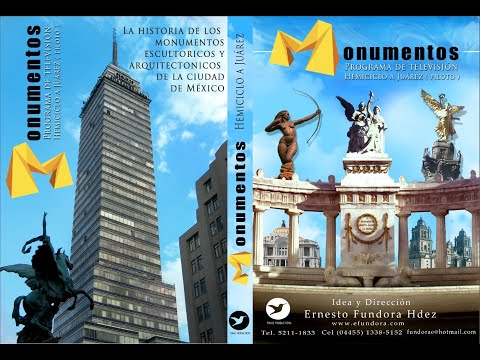
The architectural design of the Hemiciclo a Benito Juárez is replete with symbolic meaning, carefully crafted to evoke specific emotions and reinforce national ideals. While the 2012 documentary teaser focuses on the monument, a deeper analysis of its form, materials, and placement reveals layers of intended communication.

The very shape of a hemicircle can symbolize inclusivity and the cyclical nature of history. The materials used, often stone and bronze, speak to durability, permanence, and the gravitas of the figure honored. The inscriptions, allegorical sculptures, and surrounding landscape all contribute to a complex semiotic system designed to convey a unified message of national pride, justice, and the triumph of liberal ideals.

The placement of the Hemiciclo within the urban fabric of Mexico City is also significant. Often situated in prominent public spaces, these monuments become focal points for civic life, sites of pilgrimage, and anchors for collective memory. Their visibility ensures their role in shaping public perception and reinforcing national narratives.

The documentary "MONUMENTOS" directed by Ernesto Fundora in 2012 likely explores these visual narratives, inviting viewers to engage with the monument not just as a physical structure, but as a repository of historical and cultural meaning. Such documentaries play a vital role in contemporary **archaeology** and **history**, offering accessible insights into complex subjects.

An Anthropological Perspective: Identity and Citizenship

From an anthropological standpoint, the Hemiciclo a Benito Juárez is more than just stone and mortar; it is a cultural artifact that reflects and shapes notions of identity and **citizenship**. Monuments are powerful tools in the construction of collective identity, helping to define who 'we' are as a nation by celebrating specific historical figures and events.

Benito Juárez, as an indigenous president, represents a crucial turning point in Mexican history, embodying the struggle for equality and the recognition of diverse cultural heritage. The Hemiciclo can thus be seen as a symbol of national reconciliation and the ideal of a pluralistic society. It prompts questions about belonging, **immigration**, and the rights and responsibilities associated with **citizenship**.

The monument can also be analyzed through the lens of ritual and performance. Public ceremonies, protests, and celebrations often take place at such sites, transforming them into spaces of active engagement with history and politics. The very act of visiting and interacting with a monument is a form of participation in the ongoing cultural dialogue.

"Monuments are physical anchors for intangible collective memories."

Understanding the Hemiciclo anthropologically requires examining how it influences social structures, political discourse, and the lived experiences of individuals within Mexico. It speaks to the ongoing negotiation of national identity in a complex and dynamic world.

An Archaeological Approach: Unearthing Layers of Meaning

While often associated with ancient ruins, the principles of **archaeology** can be fruitfully applied to contemporary structures like the Hemiciclo a Benito Juárez. An archaeological approach involves a meticulous examination of the monument's context, construction, and evolution over time. This includes analyzing:

  • Construction materials and techniques: Understanding the provenance of materials and the methods used can reveal economic conditions, technological capabilities, and artistic influences of the period.
  • Inscriptions and iconography: Deciphering textual and visual symbols provides direct insight into the creators' intentions and the prevailing ideologies.
  • Spatial relationships: The monument's location relative to other significant sites, its orientation, and its integration into the urban landscape offer clues about its purpose and symbolic importance.
  • Later modifications and interpretations: How the monument has been altered, used, or reinterpreted over time by different groups can reveal shifts in societal values and historical understanding.

The 2012 documentary serves as a form of archival research, capturing a specific moment in the monument's life. By studying such records, future researchers can gain a deeper appreciation for its historical trajectory. This layered approach allows us to 'excavate' the deeper meanings embedded within the structure.

DIY Analysis: Deciphering Monumental Narratives

Engaging with monuments in an informed manner is a skill that can be cultivated. This section provides a practical guide, a "Do It Yourself" approach, to analyzing monumental structures like the Hemiciclo a Benito Juárez, drawing on principles from **anthropology**, **archaeology**, and **history**.

  1. Research the Commemorated Figure and Era: Before visiting or analyzing a monument, thoroughly research the individual or event it honors. Understand the historical context, key achievements, and challenges faced during their time. For the Hemiciclo, this means delving into the life and presidency of Benito Juárez and the turbulent 19th century in Mexico. Utilize resources from reputable historical societies, academic journals, and encyclopedias.
  2. Observe Architectural and Artistic Elements: Pay close attention to the monument's physical characteristics. Note its size, shape, materials, and artistic style. Are there statues, reliefs, or inscriptions? What do these elements depict? Consider the symbolism: does the material suggest permanence? Does the posture of a statue convey authority or contemplation?
  3. Analyze Inscriptions and Textual Data: Read all inscriptions carefully. These often provide direct statements about the monument's purpose and the values it represents. Look for dates, names, quotes, and dedications. Compare these texts with historical records to identify any discrepancies or ideological leanings.
  4. Consider the Spatial Context: Where is the monument located? Is it in a public square, a park, or near other significant buildings? The placement is rarely accidental. It often indicates the monument's importance within the community and its intended visibility. How does the surrounding environment contribute to the monument's message?
  5. Investigate its History of Use and Interpretation: How has the monument been used over time? Has it been a site for protests, celebrations, or national ceremonies? Have there been controversies or debates surrounding it? Understanding its reception and reinterpretation by different generations offers critical insights into its evolving significance. Look for news archives, academic papers, or even tourist accounts.
  6. Connect to Broader Themes: Relate your analysis to larger concepts in anthropology, archaeology, and history, such as national identity, **citizenship**, power, memory, and cultural heritage. How does this specific monument contribute to our understanding of these universal human experiences? For instance, how does the Hemiciclo speak to Mexico's **diversidad cultural** and the role of indigenous figures in national narratives?

By following these steps, you can move beyond a superficial glance to a deeper, more critical appreciation of monumental history and its place in our world. This practical engagement fosters a more profound understanding of the **data** and narratives embedded in our built environment.

Frequently Asked Questions

Q1: What is the primary historical significance of the Hemiciclo a Benito Juárez?
A1: The Hemiciclo commemorates Benito Juárez, a pivotal figure in Mexican history who led the country through significant liberal reforms and wars, establishing a secular republic. The monument symbolizes his legacy and the ideals of justice and rule of law he championed.

Q2: How can an anthropological perspective illuminate the Hemiciclo?
A2: Anthropology helps us understand the Hemiciclo as a cultural artifact that shapes and reflects national identity, **citizenship**, and social values. It highlights how monuments contribute to collective memory and national narratives, particularly in a diverse country like Mexico.

Q3: What kind of archaeological methods could be applied to studying the Hemiciclo?
A3: Archaeological methods would involve analyzing construction materials, iconography, inscriptions, and the monument's spatial context. Examining its history of use and later interpretations also contributes to an archaeological understanding of its evolving significance.

Q4: What is the role of documentaries like the one by Ernesto Fundora in understanding monuments?
A4: Documentaries offer a visual and narrative exploration of monuments, often highlighting their historical context, architectural details, and symbolic meanings. They serve as valuable resources for public education and can spark further research and critical engagement with such historical sites.

Conclusion

The Hemiciclo a Benito Juárez in Mexico City transcends its function as a mere landmark. It stands as a powerful nexus of history, culture, and national identity. Through an interdisciplinary approach—integrating insights from **anthropology**, **archaeology**, and **history**—we can unlock the profound layers of meaning embedded within its structure. The monument serves not only to honor a transformative leader but also to continuously engage citizens with the foundational principles of their nation: justice, reform, and the enduring pursuit of a cohesive and equitable society.

The exploration of such monuments, whether through academic study or practical DIY analysis, enriches our understanding of the past and its impact on the present. As we continue to navigate the complexities of our globalized world, the lessons offered by these enduring structures remain profoundly relevant, reminding us of the power of collective memory and the continuous dialogue between history and identity.

Anthropology's Roots: A Deep Dive into Human Societies and Their Histories

Welcome to El Antroposofista, a dedicated space for exploring the intricate tapestry of human existence. This blog serves as a nexus for deep dives into anthropology, archaeology, psychology, and history, offering insights that connect our past to our present. We aim to demystify complex subjects and present them in an accessible yet academically rigorous manner, fostering a richer understanding of the human condition.

The study of humanity is a vast and multidisciplinary endeavor. Anthropology, in particular, seeks to understand the diversity of human life across time and space. It examines our biological origins, our cultural variations, and the social structures we have built. Coupled with archaeology, which unearths the material remains of past societies, we gain a tangible connection to those who came before us, piecing together narratives from fragmented evidence.

This exploration is intrinsically linked to psychology, which delves into the human mind and behavior, and history, which chronicles the events, people, and societal changes that have shaped our world. By integrating these fields, we can construct a more holistic picture of what it means to be human, from the earliest hominids to the complexities of modern globalized societies.

Introduction: The Pillars of Human Understanding

At El Antroposofista, our mission is to provide a comprehensive overview of the disciplines that illuminate the human experience. We believe that understanding our collective past and the diverse ways humans live is crucial for navigating the present and shaping a more informed future. This blog is a testament to that belief, offering analytical articles, historical retrospectives, and practical guides.

The fields of anthropology, archaeology, psychology, and history are not isolated silos; they are deeply interconnected. Anthropology provides the theoretical framework for understanding cultural diversity, archaeology offers empirical evidence of past lifeways, psychology explains the individual and group behaviors within these contexts, and history weaves these elements into chronological narratives of change and continuity.

We are committed to bringing you high-quality content that is both informative and engaging. Whether you are a student, a seasoned academic, or simply a curious individual, you will find valuable insights here. Our approach emphasizes critical analysis and a deep appreciation for the complexities of human societies throughout time.

The Anthropological Lens: Unpacking Culture and Society

Anthropology is the holistic study of humankind. It encompasses biological, cultural, and linguistic anthropology, providing a broad perspective on human origins, behavior, and societies. We examine how cultures develop, adapt, and interact, exploring everything from kinship systems and religious beliefs to economic practices and political structures.

Understanding cultural diversity is a cornerstone of anthropological inquiry. It involves appreciating different worldviews, social norms, and value systems without imposing one's own cultural biases. This perspective is essential for fostering respect and inclusivity in an increasingly interconnected world. It also sheds light on phenomena such as immigration and citizenship, examining the complex social dynamics involved.

From examining ancient tribal structures to analyzing contemporary urban social dynamics, anthropological methods provide tools for understanding the nuances of human interaction. The concept of cultural relativism encourages us to view beliefs and practices within their own cultural context, a vital skill for researchers and global citizens alike.

"The study of anthropology is the study of ourselves in all our varieties." - Clifford Geertz

Our articles will delve into specific cultural traditions, explore linguistic variations, and discuss the impact of globalization on local communities. We aim to highlight the richness and complexity of human societies, emphasizing the shared humanity that underlies our differences.

Archaeological Discoveries: Whispers from the Past

Archaeology acts as our primary window into prehistory and the undocumented past. By excavating and analyzing material culture—artifacts, structures, and ecofacts—archaeologists reconstruct the lifeways of ancient peoples. This discipline provides concrete evidence for understanding early human settlements, technological advancements, and societal organization.

Through rigorous archaeological methods, we can date ancient sites, identify trade routes, and even infer dietary habits and health conditions of past populations. Sites ranging from the ancient Mesopotamian cities to the pre-Columbian civilizations of the Americas offer invaluable data for anthropological and historical research.

The interpretation of these archaeological findings often involves collaboration with other disciplines, including history and paleoanthropology. The quest to understand ancient civilizations requires careful analysis of pottery shards, architectural remains, and burial sites, each telling a unique story about the people who created them. This field is crucial for understanding the long arc of human evolution and societal development.

We will feature discussions on significant archaeological sites, groundbreaking discoveries, and the theoretical debates within the field. Understanding our material past is fundamental to understanding the full scope of human history and cultural heritage.

Psychological Perspectives: The Inner Landscape

Psychology offers critical insights into the human mind, behavior, and emotions. It explores the biological underpinnings of our actions, the development of personality, and the social influences that shape our thoughts and feelings. Understanding individual and collective psychology is vital for comprehending societal dynamics and historical events.

From cognitive processes to social behaviors, psychology helps us understand why humans act the way they do. This includes exploring phenomena like group dynamics, decision-making, and the formation of identity, which are all relevant to anthropological and historical studies. The study of human behavior is complex and multifaceted.

We will explore how psychological principles apply to historical contexts, such as understanding the motivations behind conflicts, the impact of leadership on societies, or the psychological effects of social change. The interplay between individual minds and broader societal trends is a constant theme in our analysis.

"The unexamined life is not worth living." - Socrates

Our content will touch upon various branches of psychology, including social psychology, cognitive psychology, and evolutionary psychology, demonstrating their relevance to understanding human societies across time and cultures.

Historical Narratives: Charting the Course of Civilization

History provides the chronological framework for understanding human development. It is the study of past events, societies, cultures, and ideas, offering lessons and context for the present. By examining historical narratives, we can trace patterns of change, continuity, and the impact of key figures and movements.

At El Antroposofista, we delve into diverse historical periods and regions, from the dawn of civilization to contemporary global politics. We aim to present nuanced interpretations of historical events, challenging simplistic accounts and highlighting the complexities of human agency and structural forces.

Topics will range from the causes of major conflicts like the First World War to the social and cultural transformations during periods of immigration and cultural exchange. Understanding historical trends is crucial for informed analysis of current events and future possibilities.

We will emphasize the importance of primary sources, critical analysis of historical data, and the ongoing debates among historians. Our goal is to foster a deeper appreciation for the richness and dynamism of human history.

DIY Research Guide: Tracing Your Ancestral Footprints

Understanding your own family history can be a deeply rewarding experience, offering personal connections to broader historical and anthropological trends. This guide provides a basic framework for beginning your genealogical research, a practical application of historical research methods.

  1. Start with What You Know: Begin by gathering information from living relatives. Interview parents, grandparents, aunts, and uncles. Ask about names, dates (birth, marriage, death), places of residence, occupations, and any family stories or traditions. Document everything meticulously.
  2. Organize Your Findings: Use a consistent system to record your data. This could be a dedicated genealogy software program, a spreadsheet, or even a detailed notebook. Create family group sheets and a pedigree chart to visualize your lineage. Ensure you note the source of each piece of information.
  3. Utilize Online Resources: Many websites offer access to digitized historical records. Explore platforms like Ancestry.com, FamilySearch, MyHeritage, and national archives websites. These often contain census records, birth/marriage/death certificates, immigration manifests, and military records. You may need a subscription for some services, but many offer free trials or access to public records.
  4. Explore Vital Records and Civil Registrations: Focus on official documents. Birth, marriage, and death certificates are foundational. Look for records specific to the regions or countries where your ancestors lived. These documents often list parents' names, occupations, and places of birth.
  5. Investigate Census Records: Census data, collected periodically by governments, can provide snapshots of your ancestors' households at specific times, including names, ages, occupations, and places of birth for all household members.
  6. Consider Immigration and Naturalization Records: If your ancestors immigrated, passenger lists and naturalization papers can be invaluable. They often contain information about their origins, arrival dates, and intended destinations. This is particularly relevant for topics related to immigration and citizenship.
  7. Look for Church and Cemetery Records: Many religious institutions kept meticulous records of baptisms, marriages, and burials. Cemetery records can provide dates of death and burial, and sometimes even birth dates and family relationships.
  8. Consider DNA Testing: While not a replacement for traditional research, DNA tests can provide ethnicity estimates and connect you with living relatives who share your DNA, potentially unlocking new avenues for research. Ensure you understand the privacy implications of these services.
  9. Collaborate and Share: Connect with other researchers, join genealogical societies, and engage in online forums related to your family's regions or surnames. Sharing your findings and collaborating can often lead to breakthroughs. Remember to always cite your sources and be aware of potential inaccuracies in historical records or family lore.

Frequently Asked Questions

What is the core focus of anthropology?

The core focus of anthropology is the holistic study of humankind, examining human biology, culture, and language across time and space. It seeks to understand the diversity of human societies and their origins.

How does archaeology contribute to our understanding of human history?

Archaeology contributes by unearthing and interpreting the material remains of past human activities. This provides tangible evidence of ancient civilizations, technological advancements, social structures, and daily life, often filling gaps where written records are absent.

Why is psychology important in the study of history and anthropology?

Psychology is important because it offers insights into human motivations, behaviors, and cognitive processes. Understanding the individual and collective mind helps explain social phenomena, decision-making in historical contexts, and cultural practices studied in anthropology.

Can I apply the research methods discussed to my own family history?

Absolutely. The DIY Research Guide outlines fundamental methods for genealogical research, which are direct applications of historical research techniques. Exploring your family history connects you directly to anthropological and historical studies.

What are some key concepts in understanding cultural diversity?

Key concepts include cultural relativism (understanding practices within their context), cultural exchange, globalization's impact on local cultures, and the importance of inclusivity and respect for diverse cultural traditions.

Conclusion: The Enduring Quest for Understanding

The study of anthropology, archaeology, psychology, and history is a continuous journey of discovery. Each discipline offers a unique lens through which to view the human experience, and their convergence provides the most profound understanding. At El Antroposofista, we are dedicated to illuminating these connections, encouraging critical thought, and fostering a deeper appreciation for the complexity and richness of human societies.

We invite you to engage with our content, explore the past through the eyes of those who study it, and perhaps even begin your own journey of discovery, whether through academic pursuit or personal research. The story of humanity is vast, and there is always more to learn and understand.

For further exploration and the latest news in these fields, we encourage you to visit our official blog: El Antroposofista Blog.


The Unseen Influence: How Anthropological Lenses Reframe Social Dynamics and DIY Intellectualism

Welcome to El Antroposofista, your portal into the intricate worlds of anthropology, archaeology, psychology, and history. In this exploration, we delve beyond the surface, seeking to understand the underlying currents that shape human societies and individual experiences. Our aim is to equip you not just with knowledge, but with the tools to critically engage with and even reconstruct aspects of these disciplines through a DIY (Do It Yourself) intellectual and practical approach.

The Anthropological Imperative: Understanding the 'Why'

The search for meaning and connection is a fundamental human drive. Within the academic sphere, this quest often leads us to fields like anthropology, archaeology, psychology, and history. These disciplines, while distinct, offer complementary lenses through which we can examine the human condition. Anthropology, in particular, provides a holistic framework for understanding human societies and their development. It asks not just *what* humans do, but *why* they do it, exploring the complex interplay of culture, biology, and environment.

Our core intention in these articles is to satisfy a deep-seated curiosity—a desire to comprehend the multifaceted nature of humanity. This isn't merely about absorbing facts; it's about developing a critical perspective that can be applied to various contexts. We aim to foster an environment where rigorous academic inquiry meets accessible knowledge, encouraging readers to become active participants in their learning journey.

The human mind is not a vessel to be filled, but a fire to be kindled.

By integrating semantically related terms and concepts from these fields—such as cultural relativism, social structures, behavioral patterns, and material evidence—we build a rich tapestry of understanding. Our focus is on entities like the concept of culture itself, the methodological approaches of ethnocentrism and participant observation, and the theoretical contributions of figures like Franz Boas and Claude Lévi-Strauss.

Unearthing Societal Blueprints: A Historical Perspective

History provides the chronological backbone for understanding human development. By examining past events, social formations, and technological advancements, we gain context for present-day realities. From the intricate empires of antiquity to the societal shifts of the modern era, historical analysis reveals patterns of continuity and change.

Understanding concepts like the Neolithic Revolution, the rise and fall of civilizations, and the impact of industrialization are crucial. These historical markers help us grasp the evolution of social hierarchies, economic systems, and belief structures. The study of history is, in essence, the study of human agency and its consequences across time.

The digital age has revolutionized how we access and process historical data. Tools and methodologies previously confined to academic institutions are now more readily available, encouraging a more democratized approach to historical research. The ability to cross-reference sources, analyze digitized archives, and utilize mapping technologies has opened new avenues for inquiry, echoing the spirit of our DIY approach.

The Psyche in Society: Intertwined Realities

Psychology complements anthropological and historical perspectives by focusing on the individual mind and behavior. How do societal norms influence individual identity? How do personal experiences shape collective consciousness? These are the questions that bridge psychology with other social sciences.

Key concepts such as cognitive biases, social learning theory, and the impact of environmental factors on mental well-being are integral. Exploring the work of psychologists like B.F. Skinner on behaviorism or Sigmund Freud on the unconscious mind offers profound insights into human motivation and action.

Understanding the psychological underpinnings of social phenomena is critical. Whether examining phenomena like groupthink, the dynamics of conformity, or the roots of prejudice, psychology provides essential explanatory power. This knowledge is not just theoretical; it has practical applications in areas ranging from education to conflict resolution.

Decoding the Past: Lessons from Material Culture

Archaeology offers a unique pathway to understanding past human behavior through the excavation and analysis of physical remains. Artifacts, structures, and landscapes serve as tangible evidence of how people lived, worked, and interacted.

The methodology of archaeology involves meticulous excavation, documentation, and interpretation. Concepts such as stratigraphy, typology, and site analysis are fundamental to reconstructing past lifeways. Each shard of pottery, each stone tool, can tell a story about technology, trade, diet, and social organization.

Material culture is a silent witness to human history, speaking volumes when deciphered correctly.

From the grand monuments of ancient Egypt to the subtle traces of hunter-gatherer camps, archaeology provides irrefutable data that complements written records or fills gaps where none exist. The ongoing advancements in dating techniques and remote sensing continue to refine our understanding of the past, making archaeology a dynamic and ever-evolving field.

The Power of 'Do It Yourself' in Academia

The "Do It Yourself" (DIY) ethos extends far beyond crafting or home repair; it represents a powerful intellectual paradigm. It encourages active engagement, critical thinking, and hands-on learning. In the context of anthropology, history, psychology, and archaeology, a DIY approach empowers individuals to become creators of knowledge, not just consumers.

This means questioning established narratives, seeking out primary sources, attempting to replicate historical methods, or even conducting small-scale studies in your own community. It’s about deconstructing complex ideas and rebuilding them in a way that fosters deeper understanding. For instance, instead of just reading about cartography, one might attempt to create their own historical map based on primary accounts.

Embracing DIY intellectualism also involves leveraging available resources, whether they are digital archives, public lectures, or community events. It’s about resourcefulness and initiative. This approach is particularly valuable in making complex academic subjects more accessible and relevant to everyday life. It connects the abstract theories to concrete practices, fostering a more robust and lasting comprehension.

DIY Fieldwork: Conducting a Mini Ethnographic Study

Ethnography, the cornerstone of anthropological fieldwork, involves immersing oneself in a community to understand its culture. While professional ethnography requires extensive training and time, a simplified DIY approach can provide valuable insights into social dynamics within your immediate environment.

  1. Define Your Scope: Choose a specific, observable social setting or group. This could be a local park during different times of day, a specific online forum, a regular community gathering, or even the interactions within a particular workplace or classroom. Keep it small and manageable.
  2. Formulate Research Questions: What do you want to understand? Examples: "How do people interact in this space?" "What unwritten rules seem to govern behavior here?" "How is information shared or exchanged?"
  3. Observe and Record: Discreetly observe the chosen setting. Take detailed field notes. Record behaviors, interactions, language used (without identifying individuals), and the physical environment. Note your own observations and initial interpretations. Think about using your smartphone camera sparingly and ethically for environmental context, not people (unless explicit consent is obtained).
  4. Identify Patterns: Review your notes. Look for recurring behaviors, common themes, or significant deviations from expected norms. What social structures or roles appear to be at play?
  5. Consider Interviewing (Optional & with Consent): If appropriate and ethical for your chosen setting, consider asking open-ended questions to a few individuals about their experiences or observations within that context. Always seek explicit consent to record or quote them, and ensure anonymity.
  6. Analyze and Interpret: Synthesize your observations and any interview data. What conclusions can you draw regarding your research questions? How do your findings reflect broader anthropological concepts (e.g., social norms, ritual behavior, community formation)? Be mindful of your own biases and the limitations of your study.
  7. Document Your Findings: Write a brief report summarizing your methodology, observations, analysis, and conclusions. Acknowledge the limitations of your DIY study.

This exercise in participant observation and data collection, even on a small scale, provides practical experience in ethnographic methods and enhances critical observation skills. It's a direct application of anthropological principles.

Frequently Asked Questions

Frequently Asked Questions

Q1: What is the primary goal of combining anthropology, archaeology, psychology, and history?
A1: The primary goal is to achieve a comprehensive and nuanced understanding of the human experience by examining its cultural, historical, psychological, and material dimensions from multiple perspectives.

Q2: How does the 'Do It Yourself' (DIY) approach benefit learning in these fields?
A2: The DIY approach promotes active learning, critical engagement, and deeper comprehension by encouraging individuals to apply concepts, reconstruct practices, and generate their own insights, moving beyond passive information reception.

Q3: Is it possible to conduct meaningful ethnographic research without formal training?
A3: While professional ethnography requires rigorous training, a simplified DIY approach, focusing on specific, observable settings and ethical data collection, can offer valuable personal insights and practical experience in observational methods.

Q4: What is the role of semantic SEO in academic blogging?
A4: Semantic SEO ensures that content is not only keyword-rich but also contextually relevant, covering related entities and topics. This helps search engines understand the depth and breadth of the subject matter, attracting readers with specific academic interests.

Conclusion: Empowering the Inquisitive Mind

The exploration of anthropology, archaeology, psychology, and history offers a profound journey into the complexities of human existence. By adopting a critical, inquisitive, and particularly a DIY intellectual mindset, we can move beyond passive consumption of information to become active participants in understanding our world.

The insights gained from these disciplines, coupled with practical methodologies, equip us to better navigate our social landscapes, appreciate diverse cultural expressions, and critically assess historical trajectories. We encourage you to continue exploring these fascinating fields, to question, to learn, and to apply knowledge in meaningful ways. Share your thoughts and experiences in the comments below – let's build a community of curious minds.

The Prestige Disaster: A Twenty-Year Retrospective—An Anthropological and Historical Analysis

The sinking of the oil tanker Prestige off the coast of Galicia, Spain, in November 2002, remains a pivotal moment in environmental history and a potent case study for understanding human responses to ecological crises. This disaster, which unleashed a devastating oil slick along the Iberian Peninsula's coastline, has left an indelible mark on the collective memory, prompting critical reflections across various academic disciplines. This article delves into the multifaceted repercussions of the Prestige disaster, examining it through the lenses of anthropology, sociology, and history, while also considering the enduring lessons learned and the practical applications for future crisis management.

The Prestige Disaster: A Lingering Shadow

Two decades on, the Prestige disaster continues to resonate, not merely as an environmental catastrophe but as a profound human event. The initial response, the long-term ecological damage, and the subsequent societal mobilization offer a rich tapestry for academic inquiry. This exploration seeks to move beyond a simple chronicle of events, aiming to synthesize the academic discourse surrounding the Prestige, highlighting its enduring relevance for understanding disaster response, environmental ethics, and the intricate relationship between humanity and the natural world. We will explore the immediate aftermath, the community's response, the governmental handling, and the lasting environmental and cultural scars.

Historical Context: A Maritime Tragedy Unfolds

The Prestige, a single-hull oil tanker, was sailing from Malta to Gibraltar carrying 77,000 tons of heavy fuel oil when it encountered a severe storm approximately 150 nautical miles off the coast of Galicia on November 13, 2002. The ensuing structural damage led to a desperate six-day saga of attempted towing, attempts to move the vessel further offshore, and eventual catastrophic sinking on November 19, 2002. The decision-making processes during these critical days have been subject to intense scrutiny, raising questions about risk assessment, emergency protocols, and the prioritization of safety over environmental protection.

The Prestige disaster was not just an environmental event; it was a profound societal shock, exposing vulnerabilities in maritime safety regulations and governmental crisis management.

This historical period was marked by increasing concerns over the safety of aging oil tankers, particularly those with single hulls, which were more susceptible to catastrophic failure. The Prestige incident, tragically, became the starkest illustration of these latent risks, forcing a global re-evaluation of maritime transport safety standards. The incident also highlighted the complex geopolitics of maritime disasters, as decisions regarding the ship's fate were made under immense pressure and with far-reaching implications.

Anthropological Perspectives: Community Resilience and Identity

From an anthropological standpoint, the Prestige disaster offers a compelling case study in community resilience and the shaping of collective identity. The affected coastal communities in Galicia, deeply intertwined with the sea for generations through fishing and maritime trade, faced an existential threat. The oil spill not only devastated their immediate livelihoods but also challenged their cultural heritage and sense of place.

The mobilization of thousands of volunteers, many of whom came from outside the affected regions, to clean up the oil slicks is a testament to human solidarity and the power of collective action. This voluntary effort, often dubbed "the white tide" (la marea blanca), became a powerful symbol of resistance against the perceived inaction and mismanagement of the authorities. Anthropologists have analyzed this phenomenon as a form of community resilience, where social bonds, shared values, and a common purpose enable societies to cope with and recover from adversity.

Furthermore, the disaster deeply impacted the cultural identity of Galicia. The sea is not merely an economic resource but a fundamental element of Galician culture, art, and folklore. The contamination of this sacred space engendered a profound sense of loss and a heightened awareness of environmental vulnerability. The subsequent efforts to restore the coastline and rebuild the fishing industry became intertwined with the reassertion of Galician identity and a demand for greater environmental stewardship.

Sociological Analysis: Governance, Protest, and Collective Action

The sociological analysis of the Prestige disaster centers on the interplay between governance, public response, and the dynamics of collective action. The initial handling of the crisis by Spanish authorities, characterized by confusion, perceived indecisiveness, and a delay in requesting international assistance, drew widespread criticism. This response fueled a powerful wave of public protest and demands for accountability.

The emergence of environmental movements and organizations in the wake of the Prestige spill underscores the growing influence of civil society in environmental governance. Groups like Greenpeace and various local associations played a crucial role in monitoring the situation, advocating for stricter regulations, and mobilizing public opinion. The disaster served as a catalyst for strengthening the environmental movement in Spain and beyond, highlighting the importance of citizen engagement in environmental protection.

The 'never again' (nunca máis) slogan, which became synonymous with the Prestige protests, encapsulated a collective demand for improved governance and a commitment to preventing similar future tragedies.

Sociologists have also examined the legal and political ramifications of the disaster, including the criminal proceedings against the ship's captain and former government officials. The pursuit of justice and accountability, while complex and protracted, is a critical aspect of post-disaster recovery, aiming to restore public trust and deter future negligence. The legal battles surrounding the Prestige underscored the challenges in assigning responsibility in international maritime incidents.

Environmental Impact and Long-Term Consequences

The environmental consequences of the Prestige disaster were severe and long-lasting. The 64,000 tons of oil that leaked into the Atlantic Ocean spread over approximately 1,700 km of coastline, primarily in Spain, but also affecting Portugal and France. The heavy fuel oil was particularly damaging, clinging to coastlines and marine ecosystems for extended periods.

Marine life suffered immensely. Thousands of seabirds perished, and numerous species of fish, shellfish, and marine mammals were directly impacted by the oil. The fishing industry, the economic backbone of many coastal communities, was paralyzed for months, leading to significant economic hardship and job losses. Beyond the immediate visible damage, concerns remain about the long-term effects on marine biodiversity, the food chain, and the overall health of the Atlantic ecosystem.

The cleanup operations were monumental, involving tens of thousands of volunteers and professionals. The methods employed, while necessary, also raised questions about their environmental impact. The disaster spurred advancements in oil spill response technologies and emergency preparedness protocols. It also intensified the debate about the risks associated with transporting fossil fuels via sea and the urgent need for a transition to cleaner energy sources.

Lessons Learned: Towards a More Resilient Future

The Prestige disaster provided invaluable, albeit tragic, lessons that continue to inform disaster management and environmental policy. Key takeaways include:

  • Improved Maritime Safety Regulations: The Prestige incident was a significant factor in the acceleration of measures to phase out single-hull oil tankers and improve ship construction and maintenance standards. International bodies like the International Maritime Organization (IMO) have since implemented stricter regulations.
  • Enhanced Crisis Communication and Coordination: The initial communication failures highlighted the need for clear, transparent, and timely information dissemination during crises. Effective coordination between local, national, and international agencies is paramount.
  • Strengthened Environmental Monitoring and Response: The disaster underscored the importance of robust systems for monitoring environmental risks and having well-rehearsed emergency response plans in place. Investment in cleanup technologies and trained personnel is crucial.
  • The Power of Citizen Engagement: The mobilization of volunteers demonstrated the critical role of civil society in disaster response and advocacy. Empowering communities and fostering a sense of shared responsibility can significantly enhance resilience.
  • Transition to Sustainable Energy: The Prestige disaster served as a stark reminder of the inherent risks associated with fossil fuel transportation and strengthened the arguments for transitioning towards renewable and sustainable energy sources.

DIY Practical Guide: Understanding Environmental Risk Assessment

Understanding environmental risk is crucial for proactive mitigation. While a full professional risk assessment is complex, here’s a simplified approach individuals and communities can consider:

  1. Identify Potential Hazards: List potential environmental threats specific to your location. For coastal communities, this might include oil spills, storms, or coastal erosion. For inland areas, it could be floods, industrial accidents, or pollution from nearby facilities.
  2. Assess Vulnerability: Determine what assets are at risk. This could be your home, local businesses, natural habitats, critical infrastructure (like water treatment plants), or cultural heritage sites. Consider the susceptibility of these assets to the identified hazards.
  3. Analyze Exposure: How likely is it that a hazard will occur, and what is the potential magnitude of its impact? For example, a community located near a major shipping lane is more exposed to the risk of an oil spill than an inland community.
  4. Evaluate Existing Preparedness: What measures are currently in place to prevent or respond to these hazards? This could include emergency services, warning systems, building codes, or individual preparedness kits.
  5. Determine Risk Level: Combine the likelihood of occurrence, the potential impact, and the existing preparedness measures to estimate the overall risk level (e.g., low, medium, high).
  6. Develop Mitigation and Response Strategies: Based on the risk level, identify actions to reduce the likelihood or impact of the hazard (mitigation) and plan how to respond if an event occurs (response). This could involve lobbying for better regulations, participating in community drills, or creating personal emergency plans.

Frequently Asked Questions

Q1: What caused the Prestige disaster?
A1: The Prestige, an oil tanker, suffered structural damage during a storm off the coast of Spain, leading to its sinking and the release of its cargo of heavy fuel oil. The exact cause of the initial damage remains a subject of debate, but the ship's single-hull design and the severe weather were contributing factors.

Q2: How much oil was spilled into the ocean?
A2: Approximately 64,000 tons of heavy fuel oil were spilled into the Atlantic Ocean. The ship was carrying 77,000 tons in total.

Q3: What were the long-term environmental effects?
A3: The oil slick contaminated over 1,700 km of coastline, devastating marine ecosystems, killing thousands of seabirds, and severely impacting the fishing industry for years. Long-term effects on biodiversity and marine health are still being studied.

Q4: What lessons were learned from the Prestige disaster?
A4: Key lessons include the need for stricter maritime safety regulations (especially regarding single-hull tankers), improved crisis communication and coordination, enhanced environmental monitoring, the importance of citizen engagement, and the urgency of transitioning to sustainable energy sources.

Q5: Has Spain recovered from the Prestige disaster?
A5: While significant efforts have been made to clean up the coastline and restore marine ecosystems, the Prestige disaster left deep environmental, economic, and social scars. The region has strived for recovery, but the memory and lessons of the catastrophe remain a crucial part of its history.

Conclusion and Final Reflection

The Prestige disaster stands as a somber monument to the consequences of human actions on the delicate balance of our planet. Its legacy is not merely one of ecological devastation but also a powerful narrative of human resilience, collective action, and the enduring quest for accountability. By examining this event through anthropological, sociological, and historical lenses, we gain a deeper understanding of the intricate connections between humanity, technology, and the environment. The "never again" spirit that emerged from the disaster continues to inspire efforts towards greater environmental protection, safer maritime practices, and a more sustainable future. The DIY guide on risk assessment offers a small step towards empowering individuals and communities to engage more actively in safeguarding their environments. The Prestige incident reminds us that our relationship with the natural world demands constant vigilance, ethical consideration, and a profound respect for the ecosystems that sustain us.

We invite you to share your thoughts and reflections on the Prestige disaster and its lessons in the comments section below. How has this event shaped your understanding of environmental responsibility?

Official Blog International Maritime Organization (IMO)