Mostrando las entradas para la consulta history resilience ordenadas por relevancia. Ordenar por fecha Mostrar todas las entradas

The Anthropology of Resilience: Understanding and Cultivating Inner Strength

Introduction: Beyond Physical Strength

In a world often fixated on outward appearances and aggressive posturing, the concept of strength can be narrowly defined. This article delves into a deeper understanding of resilience, moving beyond brute force or unyielding dominance to explore the multifaceted nature of inner fortitude. We aim to deconstruct the societal pressures that can lead to brittle displays of power and to illuminate pathways toward cultivating genuine, sustainable strength.

The intention behind this exploration is to satisfy a profound academic and personal curiosity regarding the anthropological, sociological, and historical underpinnings of human resilience. We seek to understand how societies, throughout history, have conceptualized and encouraged inner strength, and how individuals can practically engage with these concepts to foster their own robustness. This piece will serve as a comprehensive guide, drawing upon scholarly insights and offering actionable advice.

The Sociocultural Construction of Masculinity and Vulnerability

The notion that certain individuals, often men, might react with disproportionate anger to perceived slights or even mere observation, is a complex socio-cultural phenomenon. This behavior is frequently rooted in a fragile ego, a defensive mechanism built upon societal expectations of masculinity that equate stoicism and dominance with true strength.

From an anthropological perspective, such reactions can be viewed as performative displays intended to reinforce a threatened identity. The pressure to embody a certain hegemonic masculinity can create an internal conflict, where any perceived challenge to this constructed identity is met with aggression. This is not a sign of inherent strength, but rather a vulnerability masked by bluster. The individual feels compelled to project an image of unshakeable power to compensate for internal insecurities, ironically becoming the very 'weakest man' they might disdain.

"The fear of appearing weak often leads to acts that betray a profound lack of inner confidence. True strength lies not in the absence of fear, but in the ability to confront and manage it."

Societies often propagate narratives that link vulnerability with effeminacy, creating a dichotomy that is detrimental to holistic personal development. This binary thinking limits the emotional spectrum available to individuals, particularly men, and discourages the development of empathy, self-awareness, and genuine emotional resilience.

Historical Lenses on Resilience and Character

History offers a rich tapestry of examples illustrating various forms of resilience, both individual and collective. Rather than focusing solely on military might or political power, we can examine figures and movements that demonstrated remarkable fortitude in the face of adversity through wisdom, perseverance, and adaptability.

Consider the stoic philosophers of ancient Greece and Rome, who cultivated inner peace and resilience through reason and self-discipline, independent of external circumstances. Their writings, such as those by Marcus Aurelius, provide enduring insights into managing one's internal state regardless of external pressures.

In the realm of archaeology and historical anthropology, we find evidence of societies that prioritized communal support and interdependency as a cornerstone of resilience. The ability of groups to adapt to environmental challenges, social upheaval, or invasion often depended on their social cohesion and shared values, rather than the strength of any single individual.

"Throughout history, civilizations have risen and fallen, but the underlying human capacity for endurance, innovation, and compassion has remained a constant thread."

Studying these historical precedents allows us to understand that resilience is not a monolithic trait. It encompasses intellectual fortitude, emotional regulation, social connection, and the capacity for adaptation – qualities that can be learned and cultivated. The lessons from figures like Nelson Mandela, who endured decades of imprisonment without succumbing to bitterness, or the scientific perseverance exemplified by individuals like Marie Curie, offer profound models of enduring strength.

The Psychology of Inner Fortitude

The field of psychology provides critical frameworks for understanding the internal architecture of resilience. Concepts such as self-efficacy, grit, emotional intelligence, and post-traumatic growth are central to this discussion.

Self-efficacy, a term coined by Albert Bandura, refers to an individual's belief in their capacity to execute behaviors necessary to produce specific performance attainments. A strong sense of self-efficacy is a powerful predictor of resilience, enabling individuals to approach challenges with confidence rather than apprehension.

Grit, as defined by Angela Duckworth, is perseverance and passion for long-term goals. It involves sticking with your future, with work and life, for more than just a week (or a few months), and also for years, stretching resilience to its limit and beyond. This is about sustained effort and dedication.

Emotional intelligence, popularized by Daniel Goleman, encompasses the ability to perceive, understand, manage, and use emotions. Individuals high in emotional intelligence are better equipped to navigate complex social situations, manage stress, and maintain stable relationships, all of which contribute to their overall resilience.

Furthermore, the concept of post-traumatic growth highlights that individuals can experience positive psychological change after a significant life challenge. This demonstrates that resilience is not merely about surviving adversity but can also involve profound personal transformation and strengthening.

Understanding these psychological dimensions helps us recognize that inner strength is not an innate, fixed quality, but rather a dynamic capacity that can be developed through conscious effort and practice.

DIY Resilience: Practical Strategies for Cultivating Inner Strength

Building inner strength is an active, ongoing process. This practical guide offers a step-by-step approach to cultivating resilience in your daily life.

  1. Cultivate Self-Awareness:
    • Regularly practice mindfulness or meditation to observe your thoughts and emotions without judgment.
    • Keep a journal to track your reactions to stress, identify triggers, and understand your patterns of behavior.
    • Seek feedback from trusted friends or mentors about your interpersonal interactions and emotional responses.
  2. Develop Emotional Regulation Skills:
    • Practice deep breathing exercises or progressive muscle relaxation techniques when feeling overwhelmed.
    • Learn to reframe negative thoughts by challenging their validity and seeking alternative perspectives.
    • Engage in healthy emotional expression through creative outlets like art, music, or writing.
  3. Build a Strong Support Network:
    • Invest time and energy in nurturing relationships with family and friends who offer genuine support.
    • Join communities or groups that align with your interests and values, fostering a sense of belonging.
    • Don't hesitate to seek professional help from therapists or counselors when facing significant challenges.
  4. Foster a Growth Mindset:
    • View challenges not as insurmountable obstacles but as opportunities for learning and growth.
    • Embrace effort and persistence as pathways to mastery, rather than seeing them as indicators of inadequacy.
    • Learn from failures by analyzing what went wrong and identifying strategies for future success.
  5. Practice Self-Compassion:
    • Treat yourself with the same kindness and understanding you would offer a close friend facing difficulties.
    • Acknowledge that suffering and personal inadequacy are part of the shared human experience.
    • Be mindful of your thoughts and emotions, offering yourself comfort and reassurance rather than harsh self-criticism.
  6. Set Realistic Goals and Take Action:
    • Break down large goals into smaller, manageable steps to build momentum and confidence.
    • Focus on what you can control and take consistent action, even in small increments.
    • Celebrate your achievements, no matter how small, to reinforce positive behaviors and maintain motivation.

Frequently Asked Questions

Q1: How can I distinguish between genuine strength and aggressive posturing?
Genuine strength is characterized by calm confidence, empathy, and the ability to handle criticism constructively. Aggressive posturing, conversely, often involves defensiveness, anger, and a need to dominate or intimidate, stemming from insecurity.

Q2: Is resilience something you are born with, or can it be learned?
While some individuals may have a natural predisposition, resilience is largely a learned skill. It can be developed and strengthened through conscious effort, practice, and by adopting specific psychological and behavioral strategies.

Q3: How does social media impact our perception of strength and masculinity?
Social media often presents idealized and curated versions of masculinity, emphasizing dominance, physical prowess, and emotional suppression. This can create unrealistic expectations and exacerbate insecurities, contributing to the pressure to perform strength rather than cultivate it authentically.

Q4: What is the role of vulnerability in building inner strength?
Vulnerability is not the opposite of strength; it is often a prerequisite for it. Acknowledging and expressing vulnerability, seeking help, and admitting limitations are signs of emotional maturity and courage, forming the foundation for deeper resilience.

Conclusion: Embracing Enduring Strength

The journey to cultivating genuine inner strength is an ongoing exploration, deeply intertwined with our understanding of ourselves, our societies, and our history. Moving beyond the superficial performance of power, we find that true resilience lies in self-awareness, emotional intelligence, robust social connections, and a commitment to continuous growth. The anthropological, historical, and psychological lenses offered here provide a comprehensive framework for appreciating the multifaceted nature of fortitude.

By embracing practical strategies for self-cultivation and by challenging the narrow, often damaging, societal definitions of strength, we can empower ourselves and others to build an enduring inner resilience. The 'weakest man' is not the one who experiences fear or doubt, but the one who is so consumed by the pretense of unassailable power that they cannot acknowledge their own humanity and capacity for growth. Let us instead strive to be individuals who are adaptable, empathetic, and profoundly strong in the quiet, unwavering center of their being.


For more insights on these topics, explore our resources on anthropology, archaeology, and psychology.

```

13 Signs of a Resilient Mind: An Anthropological and Psychological Perspective

The concept of "toughness" extends beyond mere physical endurance; it deeply intersects with psychological resilience and adaptability, traits crucial for navigating the complexities of human societies across history and cultures. From an anthropological viewpoint, the ability to withstand adversity has been a cornerstone of survival and cultural persistence. In a world increasingly shaped by rapid change and multifaceted challenges, understanding the markers of a resilient mind is not just a matter of personal development but a vital lens through which to view societal well-being.

Introduction: Defining Mental Toughness

What does it truly mean to be a "tough person"? The popular understanding often leans towards stoicism or a lack of emotional vulnerability. However, a deeper examination, drawing from anthropology, sociology, and psychology, reveals that mental toughness—or resilience—is a far more nuanced and dynamic construct. It’s not about being emotionless, but about possessing the capacity to navigate life's inevitable adversities with fortitude, adaptability, and a persistent sense of purpose. This article delves into thirteen scientifically-backed indicators that suggest an individual possesses this invaluable trait, drawing parallels to historical human adaptability and the psychological frameworks developed to understand it.

Sign 1: Embracing Challenges as Opportunities

Mentally tough individuals do not shy away from difficulty; they see it as a natural part of life and an avenue for growth. This perspective aligns with anthropological observations of societies that have thrived by adapting to harsh environments or overcoming significant societal shifts. Instead of viewing obstacles as insurmountable barriers, they are reframed as chances to learn, innovate, and strengthen one's capabilities.

Sign 2: Unwavering Optimism

While not about naive positivity, a tough mindset is characterized by a fundamental belief in one's ability to influence outcomes and a general expectation that things will eventually work out. This outlook, as studied in social psychology, can be a powerful motivator, enabling individuals to persevere through difficult times. Historically, communities facing existential threats often relied on collective optimism and hope to sustain them.

Sign 3: Emotional Regulation

Toughness does not equate to suppressing emotions. Instead, it involves the ability to manage and control emotional responses, especially under stress. This means acknowledging feelings without being overwhelmed by them, allowing for rational decision-making. The capacity for emotional regulation is crucial for social cohesion and individual well-being, as explored in cultural anthropology.

"The ability to manage emotions is not about denying them, but about understanding their source and impact, and responding constructively."

Sign 4: Accepting What Cannot Be Changed

A key component of resilience is the wisdom to distinguish between what can be controlled and what cannot. Mentally tough individuals can accept uncontrollable circumstances without dwelling on them excessively. This acceptance is not passive resignation but a strategic move that frees up energy to focus on areas where agency is possible. This parallels historical narratives of communities adapting to natural disasters or political upheavals.

Sign 5: Proactive Problem-Solving

Rather than waiting for problems to resolve themselves or being paralyzed by them, resilient people take initiative. They actively seek solutions, brainstorm alternatives, and implement strategies to overcome challenges. This proactive stance is a hallmark of human ingenuity and has been vital for the development of tools, technologies, and social structures throughout history.

Sign 6: Resilience in the Face of Setbacks

Failure is not seen as a final destination but as a temporary detour. Mentally tough individuals bounce back from setbacks, learn from their mistakes, and continue moving forward. This "grit" is a significant predictor of success and is essential for personal and collective progress. The study of archaeology often reveals civilizations that collapsed and were later rebuilt, demonstrating this very principle.

Sign 7: Self-Awareness and Self-Control

Understanding one's strengths, weaknesses, thoughts, and behaviors is fundamental to mental toughness. This self-awareness, coupled with self-control, allows individuals to make conscious choices aligned with their values and goals, even when faced with temptation or adversity. This internal discipline has been lauded in philosophical traditions across cultures.

Sign 8: Strong Interpersonal Relationships

While individual resilience is important, robust social connections provide a critical support system. Mentally tough people often cultivate strong, healthy relationships, recognizing the value of community and mutual support. This aligns with the anthropological understanding of humans as fundamentally social beings, whose survival and well-being are deeply intertwined with their social networks.

Sign 9: Purpose and Meaning

Having a clear sense of purpose—a reason for being—provides direction and motivation during tough times. Resilient individuals often connect their actions to a larger goal or a deeply held value, which helps them endure hardship and maintain perspective. This search for meaning is a recurring theme in human history and philosophy, from ancient myths to modern existentialism.

Sign 10: Adaptability and Flexibility

The world is constantly changing. Mentally tough individuals are not rigidly attached to one way of doing things. They can adapt their plans, strategies, and perspectives in response to new information or changing circumstances. This flexibility is a key trait observed in successful species and societies throughout evolutionary and human history.

Sign 11: Taking Responsibility

Resilient individuals own their actions and their consequences. They avoid blaming others or external factors for their struggles and instead focus on what they can do to improve their situation. This sense of agency is critical for personal growth and for building trust within relationships and communities.

Sign 12: Continuous Learning and Growth

The journey of resilience is ongoing. Tough individuals understand that there is always more to learn and improve. They are open to feedback, seek new knowledge, and are committed to personal development. This commitment to lifelong learning is a driver of both individual and societal progress.

Sign 13: Inner Calm Amidst Chaos

Despite external pressures or internal turmoil, resilient people can often find a sense of inner calm. This doesn't mean they are unaffected by stress, but they possess techniques or a mindset that allows them to remain centered and composed. This inner peace can be a powerful anchor in turbulent times.

"The greatest glory in living lies not in never falling, but in rising every time we fall." - Nelson Mandela

DIY Workshop: Cultivating Your Inner Resilience

Developing mental toughness is a journey, not a destination. Here’s a practical guide to foster resilience:

  1. Identify Your Stressors: Keep a journal for a week to note down situations that trigger stress or negative emotions. Understanding your triggers is the first step to managing them.
  2. Reframe Negative Thoughts: When you catch yourself thinking negatively, challenge that thought. Ask yourself: Is this thought entirely true? Is there another way to look at this situation? Try to replace it with a more balanced or positive perspective. For example, instead of "I failed completely," try "This didn't work out as planned, but I learned X, Y, and Z for next time."
  3. Practice Mindfulness: Dedicate 5-10 minutes daily to mindfulness meditation. Focus on your breath, observe your thoughts without judgment, and ground yourself in the present moment. Apps like Calm or Headspace can guide you. This practice, rooted in ancient contemplative traditions, helps regulate emotional responses.
  4. Set Small, Achievable Goals: Break down larger tasks into smaller, manageable steps. Each small success builds confidence and momentum, reinforcing your belief in your ability to overcome challenges. This is akin to the iterative progress seen in archaeological fieldwork or the step-by-step development of cultural practices.
  5. Build Your Support Network: Actively nurture relationships with supportive friends, family, or colleagues. Schedule regular check-ins and be willing to share your struggles and triumphs. Consider joining groups or communities that share your interests, fostering a sense of belonging.
  6. Engage in Physical Activity: Regular exercise is a powerful stress reliever and mood booster. Find an activity you enjoy, whether it's walking, running, dancing, or yoga. This connects to the importance of physical well-being in maintaining psychological fortitude, a concept recognized across many indigenous cultures.
  7. Learn from Mistakes: After a setback, take time to reflect. What went wrong? What could you have done differently? What did you learn from the experience? Documenting these lessons can prevent repeating the same errors.
  8. Practice Self-Compassion: Treat yourself with the same kindness and understanding you would offer a friend facing difficulties. Acknowledge that everyone makes mistakes and experiences hardship.

Frequently Asked Questions

What is the difference between mental toughness and aggression?

Mental toughness is about controlled resilience and adaptability, focusing on overcoming challenges internally and constructively. Aggression, on the other hand, often involves hostility, impulsivity, and externalized conflict, which can be detrimental to long-term well-being and relationships.

Can mental toughness be learned or is it innate?

While some individuals may have a natural predisposition towards certain aspects of resilience, mental toughness is largely a skill that can be developed and strengthened through conscious practice, learning, and experience. It's a dynamic trait shaped by our environment and our choices.

How does culture influence the perception of mental toughness?

Cultural norms significantly shape how mental toughness is expressed and valued. Some cultures might emphasize stoicism and self-reliance, while others might highlight collective support and emotional expressiveness as signs of strength. Anthropological studies reveal diverse interpretations of resilience across different societies.

Is being mentally tough the same as being emotionless?

No, absolutely not. Being mentally tough involves understanding, processing, and regulating emotions effectively, not suppressing or ignoring them. It's about managing emotional responses to adversity in a way that allows for constructive action and problem-solving.

How can I tell if someone is mentally tough?

Observe their behavior in challenging situations: Do they persevere after setbacks? Do they maintain a generally optimistic outlook? Do they take responsibility for their actions? Can they adapt to change? These are key indicators, as discussed throughout this article.

In conclusion, the thirteen signs of a tough person offer a robust framework for understanding psychological resilience. These traits are not merely psychological curiosities but are deeply rooted in the human capacity for adaptation and survival, as evidenced by the long sweep of history and anthropology. By recognizing these indicators in ourselves and others, and by actively cultivating them through practical application, we can enhance our ability to navigate life's complexities with greater strength, wisdom, and purpose. This pursuit of inner resilience is an ongoing endeavor, a testament to the enduring human spirit.

```json { "@context": "https://schema.org", "@type": "FAQPage", "mainEntity": [ { "@type": "Question", "name": "What is the difference between mental toughness and aggression?", "acceptedAnswer": { "@type": "Answer", "text": "Mental toughness is about controlled resilience and adaptability, focusing on overcoming challenges internally and constructively. Aggression, on the other hand, often involves hostility, impulsivity, and externalized conflict, which can be detrimental to long-term well-being and relationships." } }, { "@type": "Question", "name": "Can mental toughness be learned or is it innate?", "acceptedAnswer": { "@type": "Answer", "text": "While some individuals may have a natural predisposition towards certain aspects of resilience, mental toughness is largely a skill that can be developed and strengthened through conscious practice, learning, and experience. It's a dynamic trait shaped by our environment and our choices." } }, { "@type": "Question", "name": "How does culture influence the perception of mental toughness?", "acceptedAnswer": { "@type": "Answer", "text": "Cultural norms significantly shape how mental toughness is expressed and valued. Some cultures might emphasize stoicism and self-reliance, while others might highlight collective support and emotional expressiveness as signs of strength. Anthropological studies reveal diverse interpretations of resilience across different societies." } }, { "@type": "Question", "name": "Is being mentally tough the same as being emotionless?", "acceptedAnswer": { "@type": "Answer", "text": "No, absolutely not. Being mentally tough involves understanding, processing, and regulating emotions effectively, not suppressing or ignoring them. It's about managing emotional responses to adversity in a way that allows for constructive action and problem-solving." } }, { "@type": "Question", "name": "How can I tell if someone is mentally tough?", "acceptedAnswer": { "@type": "Answer", "text": "Observe their behavior in challenging situations: Do they persevere after setbacks? Do they maintain a generally optimistic outlook? Do they take responsibility for their actions? Can they adapt to change? These are key indicators, as discussed throughout this article." } } ] }

The Epic Sweep of European History: An Annual Cartographic and Demographic Journey

Introduction

The continent of Europe, a cradle of diverse civilizations and a stage for millennia of human drama, presents a unique and compelling subject for historical inquiry. Its borders have been redrawn countless times, its populations have ebne and flowed, and its cultural landscapes have been sculpted by conquest, cooperation, and profound transformation. Understanding this intricate past requires more than just a chronological recounting of events; it demands a visualization of the tangible shifts in political geography and demographic realities.

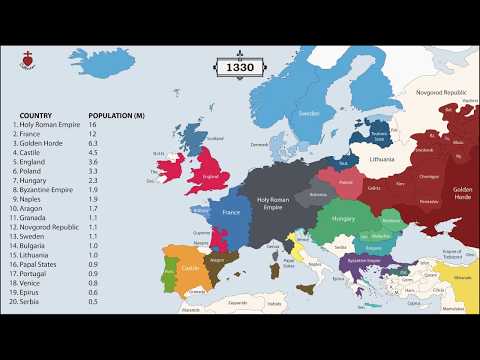
This exploration delves into the "The History of Europe: Every Year," a remarkable resource that offers an annual cartographic and demographic overview of the continent from 400 BC. This video transcends traditional historical narratives by providing a dynamic visual representation of Europe's ever-changing face, allowing us to grasp the scale and continuity of its historical trajectory in an unprecedented manner. We will dissect its methodologies, examine its implications across disciplines, and explore how such a resource can empower our own intellectual pursuits.

The Ever-Shifting Tapestry of Europe

Europe's historical narrative is not a monolithic entity but a complex mosaic of interconnected events, cultural exchanges, and political upheavals. From the fragmented successor states of the Roman Empire to the formation of powerful nation-states, the continent has been in a perpetual state of flux. This period, spanning from the classical era to the present day, witnessed the rise and fall of empires, the ebb and flow of religious influence, the birth of philosophical movements, and the dawn of industrial and technological revolutions.

The visual data presented in "The History of Europe: Every Year" serves as a powerful testament to this fluidity. It illustrates how territories consolidated and fractured, how populations migrated and settled, and how spheres of influence expanded and contracted. Each year represented is a snapshot in a continuous, dynamic process, revealing patterns of convergence and divergence that have shaped the modern European identity.

The ceaseless transformation of political boundaries and demographic concentrations provides a raw, visual grammar for understanding the very essence of European historical development.

Considering the vast scope of European history, it is crucial to recognize the interconnectedness of its regions. For instance, the events in the eastern Mediterranean had profound repercussions across the continent, influencing trade routes, cultural diffusion, and political alliances. Similarly, the exploration and colonization of new worlds by European powers dramatically reshaped not only the global landscape but also the internal dynamics and economic structures of the European states themselves.

Unveiling the Data: Sources and Methodology

The credibility and depth of any historical analysis hinge upon the rigor of its source material and the transparency of its methodology. "The History of Europe: Every Year" draws upon a foundation of established academic research, meticulously compiling data on both territorial extent and population figures.

For population statistics, the resource primarily relies on the seminal works of economists and historians who have dedicated their careers to reconstructing historical demographic data. The contributions of Angus Maddison, particularly his 2003 publication "Historical Statistics for the World Economy," are foundational. Maddison's extensive work provides estimates for population and economic output for numerous countries and regions throughout history, serving as a crucial benchmark for understanding long-term demographic trends.

Complementing Maddison's data is the "Atlas of World Population History" by Colin McEvedy and Richard Jones (1978). This atlas offers detailed population figures and analyses for various historical periods, providing a valuable cross-reference and filling in gaps where Maddison's data might be less granular. The inclusion of Tacitus.nu, a respected online resource for historical data, further bolsters the demographic accuracy.

The visualization of borders, a critical component of understanding political history, is attributed to dedicated creators who meticulously research and map these historical shifts. Resources like "The History of Europe: Every Year" by EmperorTigerstar (the creator of the original video) and related works such as "The History of the Middle East: Every Year" and "The History of Africa: Every Year" demonstrate a commitment to presenting these territorial changes with an annual resolution. This level of detail is essential for appreciating the nuanced evolution of European statehood.

The selection of music, often overlooked but vital for setting the tone, has also been carefully considered. The use of tracks like "Gladiator - The Battle Super Theme Song" by mrgice3 evokes a sense of epic scale and historical gravitas, enhancing the viewer's engagement with the unfolding narrative of European history.

The careful selection and citation of reputable sources are paramount for establishing the trustworthiness of historical visualizations, enabling viewers to engage with the data critically.

It is important to note the exclusions mentioned: vassal states and colonies are not included in the population counts. This methodological choice focuses the data on the core populations of sovereign or semi-sovereign entities, providing a clearer picture of the demographic weight of the primary political units within Europe itself. This specificity is crucial for comparative historical analysis.

DIY Intellectual: Deconstructing Historical Narratives

The wealth of information presented in "The History of Europe: Every Year" is not merely for passive consumption; it serves as a powerful tool for the intellectually curious individual aiming to construct their own understanding of historical processes. This section offers a guide on how to leverage such resources for a more active and analytical engagement with history, embodying the spirit of the DIY intellectual.

Guía Práctica DIY: Analizando la Evolución de un Estado Europeo Específico

  1. Selecciona tu Enfoque: Elige un país o región europea de interés particular (e.g., Francia, el Sacro Imperio Romano Germánico, las Islas Británicas).
  2. Navega por el Recurso Anual: Abre el video "The History of Europe: Every Year" y utiliza la barra de progreso o las funciones de velocidad para avanzar año por año, o para saltar a periodos históricos clave.
  3. Observa los Cambios Territoriales: Presta atención a cómo las fronteras de tu entidad seleccionada cambian. ¿Se expande? ¿Se contrae? ¿Se divide? Anota los años de cambios significativos. Investiga los eventos históricos que explican estas modificaciones (guerras, tratados, uniones dinásticas, etc.).
  4. Rastrea las Tendencias Demográficas: Observa cómo evoluciona la población de tu entidad a lo largo del tiempo. ¿Hay picos o caídas drásticas? Intenta correlacionar estos cambios con eventos históricos conocidos como plagas (e.g., la Peste Negra), migraciones masivas, períodos de prosperidad económica o hambrunas.
  5. Identifica Entidades Superpuestas o Anexadas: Nota cómo entidades más pequeñas (ducados, condados, reinos) pueden ser absorbidas por unidades más grandes, o cómo un imperio mayor puede fragmentarse en estados independientes. Esto te ayudará a comprender las dinámicas de poder y la formación de identidades políticas.
  6. Conecta con Otras Fuentes: Utiliza las fuentes citadas en el video (Angus Maddison, McEvedy & Jones) y otras investigaciones académicas para profundizar tu comprensión de los períodos que te interesan. Busca información sobre las causas subyacentes de los cambios territoriales y demográficos. Por ejemplo, podrías investigar el impacto de la Agresión Imperialista en la reconfiguración territorial de Europa.
  7. Formula tus Propias Hipótesis: Basándote en tus observaciones, desarrolla hipótesis sobre las relaciones causales entre eventos históricos, cambios territoriales y fluctuaciones demográficas. Por ejemplo, "¿En qué medida la expansión territorial de una potencia europea se correlacionó con un aumento sostenido de su población en los siglos posteriores?"
  8. Documenta tus Hallazgos: Mantén un registro detallado de tus observaciones y conclusiones. Esto puede ser un diario histórico, un documento de texto o incluso un mapa mental. La meta es construir un conocimiento activo y personalizado.

Este enfoque práctico permite pasar de la visualización pasiva a una participación activa en la construcción del conocimiento histórico, fomentando una comprensión más profunda y matizada del pasado europeo.

Sociological Echoes: Identity, Power, and Borders

From a sociological perspective, the visualization of shifting borders and populations in Europe offers a powerful lens through which to examine fundamental concepts such as identity, power, and the very construction of social reality. Borders are not merely lines on a map; they are social constructs that delineate belonging, define citizenship, and regulate movement, thereby shaping collective identities and social stratification.

The annual granularity of the data allows us to observe the dynamic interplay between state formation and the cultivation of national consciousness. As borders solidified or dissolved, so too did the narratives of shared history, language, and culture that bind populations together. The rise of nation-states, for instance, was intrinsically linked to the imposition of centralized administrative control and the standardization of cultural markers, often at the expense of regional or minority identities.

Borders, as dynamic social constructs, are potent instruments in the negotiation of power, delineating not only territories but also the very boundaries of inclusion and exclusion within societies.

Furthermore, population movements, whether voluntary migrations or forced displacements, have consistently reshaped the social fabric of Europe. These movements challenge established notions of belonging and can lead to both increased social cohesion through shared experiences and heightened social tension due to cultural friction. The historical data provides empirical grounding for understanding the long-term sociological consequences of such demographic shifts.

The concept of sovereignty, central to political sociology, is visually represented through the fluctuating sizes and influences of European states. Observing how certain entities expand their reach while others diminish underscores the ongoing struggle for power and dominance that has characterized European history. This cyclical pattern of consolidation and fragmentation offers insights into the enduring tensions between centripetal and centrifugal forces within societies.

The resource also indirectly touches upon issues of Estructura Social. Changes in population density, the rise and fall of urban centers, and the demographic impacts of conflict or prosperity all contribute to the evolution of social hierarchies and lived experiences. By tracing these patterns over time, sociologists can gain a more nuanced understanding of how macro-level historical forces interact with micro-level social realities.

An Anthropological View: Culture and Continuity

Viewing the historical sweep of Europe through an anthropological lens reveals enduring patterns of cultural transmission, adaptation, and resilience, even amidst the dramatic geopolitical shifts. While borders may change and populations may fluctuate, the underlying cultural logics, belief systems, and social practices often exhibit remarkable continuity or undergo gradual, transformative evolution.

Anthropology is concerned with the totality of the human experience, and a resource like "The History of Europe: Every Year" provides a macro-context for understanding how cultural phenomena manifest and interact across vast stretches of time. The formation and dissolution of states can influence the dissemination of languages, religious practices, and artistic styles. For example, the expansion of empires often facilitated the spread of their languages and cultural norms, as seen with the Conquista Española in the Americas, which had profound and lasting cultural impacts.

Moreover, the data can prompt anthropological questions about the nature of cultural identity itself. How do populations maintain a sense of shared IdentidadCultural when their political affiliations shift annually? This often points to deeper, more enduring cultural markers such as shared kinship systems, collective memory, or common folklore that transcend political boundaries. The concept of cultural regions, which may persist for centuries despite changing state borders, is a key area of anthropological study.

Beneath the flux of empires and the redrawing of maps lies a deeper current of human culture, characterized by shared rituals, enduring social structures, and the transmission of knowledge across generations.

The study of rituals, social organization, and the everyday lives of people—core anthropological concerns—can be contextualized by understanding the broader historical and demographic landscape. For instance, understanding the impact of widespread famine or plague on community structures requires appreciating the demographic pressures revealed by the data. Similarly, the persistence of certain Rituales or social customs in specific regions might be traced back to pre-state or pre-imperial eras.

From an anthropological standpoint, the "every year" resolution offers a granular view that can reveal subtle shifts in cultural practices or the gradual assimilation or resistance of external cultural influences. It encourages us to look beyond grand political narratives and consider the human scale of historical change, recognizing that culture is a dynamic, lived experience that adapts and endures.

Frequently Asked Questions

Q1: What is the primary focus of "The History of Europe: Every Year"?
A1: The primary focus is to visualize the annual changes in the borders and populations of European countries from 400 BC to the present day, offering a dynamic overview of the continent's geopolitical and demographic evolution.

Q2: Are vassal states and colonies included in the population counts?
A2: No, the resource explicitly states that vassal states and colonies are not included in the population counts. The figures pertain to the core populations of the primary political entities.

Q3: What academic disciplines can benefit from analyzing this resource?
A3: This resource is highly beneficial for historians, sociologists, anthropologists, geographers, political scientists, and anyone interested in understanding the long-term evolution of European societies, identities, and political structures. It aligns with the study of HistoriaMundial and Comprender Culturas.

Q4: How does this resource contribute to a DIY understanding of history?
A4: It allows individuals to actively explore historical trends, formulate their own hypotheses about cause and effect, and build a personalized understanding of European history by observing direct visual correlations between territorial changes, demographic shifts, and known historical events.

Conclusion: The Enduring Narrative of Europe

The journey through "The History of Europe: Every Year" is more than an academic exercise; it is an immersion into the very fabric of a continent's existence. By offering an annual visualization of its ever-shifting cartography and demographic landscape, this resource transforms abstract historical timelines into a tangible, dynamic narrative. It underscores the fluidity of political structures, the resilience of cultural identities, and the profound impact of human migration and interaction.

From the foundational demographic data compiled by scholars like Angus Maddison to the meticulous cartographic reconstructions, the resource stands as a testament to the power of synthesized historical inquiry. It invites us not merely to observe, but to analyze, question, and connect the dots—to engage in a "DIY intellectual" process that builds a richer, more nuanced understanding of how Europe became the continent it is today.

Ultimately, this annual sweep reveals that history is not a static collection of facts but a continuous, intricate dance of change and continuity. It challenges us to recognize the deep historical roots of contemporary European realities and inspires further exploration into the multifaceted disciplines of Antropología, Sociología, and history, fostering a deeper appreciation for the complex human story unfolding across this influential continent.

Link to the original video analysis Related: The History of Africa: Every Year

Sahara: A Child's Odyssey Through the Great Desert

Welcome to El Antroposofista, your premier destination for insightful exploration into the realms of anthropology, archaeology, psychology, and history. Today, we delve into the stark magnificence of one of the world's most iconic landscapes, drawing inspiration from the documentary "Sahara, An Odyssey in the Desert," originally featured on National Geographic.

Introduction: The Sahara Through Young Eyes

The vast, undulating dunes of the Sahara Desert hold an allure that has captivated human imagination for millennia. Often perceived as an empty, inhospitable void, it is, in reality, a crucible of life, culture, and profound historical narratives. This article expands upon the premise of the National Geographic documentary, "Sahara, An Odyssey in the Desert," by examining the experience through the insightful lens of a nine-year-old boy. His fresh perspective offers a unique entry point into understanding the complexities of this immense ecosystem and the human spirit's resilience within it.

The journey of a child into such an environment is not merely a physical passage; it is an intellectual and emotional odyssey. It invites us to reconsider our preconceptions and to appreciate the Sahara not just as a geographical feature, but as a dynamic stage for human history and anthropology. We will explore the documentary's themes, linking them to established academic discourse and offering practical takeaways for our readers.

Historical and Anthropological Significance of the Sahara

The Sahara is not a static entity. Its history is one of dramatic climatic shifts, migratory patterns, and the rise and fall of civilizations. From ancient rock art depicting lush savannahs to the trans-Saharan trade routes that connected sub-Saharan Africa with the Mediterranean world, the desert has been a thoroughfare and a homeland.

Anthropologically, the Sahara is a testament to human adaptability. Nomadic groups like the Tuareg have developed intricate social structures and survival strategies finely tuned to the desert's demands. Their culture, traditions, and languages offer invaluable insights into human adaptation and the concept of 'home' in extreme environments.

The Sahara Desert, far from being an empty space, is a repository of ancient human endeavor, a landscape shaped by both natural forces and the indelible mark of its inhabitants.

Understanding the civilizations that once thrived here, supported by now-vanished rivers and lakes, enriches our comprehension of environmental change and societal development. Archaeological endeavors continually unearth evidence of sophisticated societies, challenging simplistic notions of the past.

The Child's Journey: Lessons in Resilience and Perspective

A nine-year-old's perspective is often characterized by unfiltered observation and a capacity for wonder. In the context of the Sahara, this translates into a direct engagement with the environment's harsh realities and breathtaking beauty. The documentary likely showcases the child learning about:

  • The importance of water and shade
  • The unique flora and fauna adapted to arid conditions
  • The social dynamics of nomadic life
  • The sheer scale and silence of the desert

This immersive experience fosters a deep sense of resilience. Faced with challenges, a child's capacity to adapt and find joy in simple discoveries is profoundly instructive. It underscores the human ability to find meaning and connection even in the most seemingly desolate places.

The journey serves as a powerful metaphor for personal growth. The vastness of the desert can dwarf individual concerns, offering a unique opportunity for introspection and the development of a broader worldview. This aligns with psychological concepts of perspective-taking and the impact of environmental immersion on cognitive development.

DIY Practical Guide: Enhancing Your Observational Skills

Inspired by the documentary's focus on keen observation, let's develop a practical guide to sharpen your own observational skills, applicable whether you're studying a natural landscape, a historical artifact, or even social interactions. This is a "Do It Yourself" approach to deepening your understanding of the world around you.

  1. Choose Your Subject: Select something specific to observe – a plant, an animal, a piece of art, a social gathering, or even a particular historical document.
  2. Initial Impression (The 'Child's Eye'): Spend the first few minutes simply observing without judgment or analysis. What are your immediate feelings or thoughts? What strikes you visually, aurally, or emotionally? Record these raw impressions.
  3. Systematic Scan: Divide your subject into parts or aspects. If observing a landscape, focus on the sky, the ground, the textures, the colors, the light, and shadows. If observing a person, focus on body language, facial expressions, and attire.
  4. Sensory Engagement: Actively engage multiple senses (where appropriate and safe). What are the sounds? Are there any discernible smells? What are the textures? Note these down.
  5. Contextualization: Consider the environment or situation surrounding your subject. How does the context influence your perception? What historical, social, or environmental factors might be relevant?
  6. Question Everything: Formulate questions based on your observations. Why is this feature shaped this way? What might this symbol mean? What led to this situation? This fuels critical thinking.
  7. Seek Connections: Look for patterns, relationships, or contrasts within your observations and between your subject and broader concepts (e.g., connecting the desert's survival strategies to broader anthropological principles of adaptation).
  8. Reflect and Document: Review your notes. What did you discover? What surprised you? How has your understanding evolved? Documenting this process solidifies the learning and builds a foundation for future observations. This is a core practice in fields like ethnology and archaeology.

Echoes of the Past: Archaeological Discoveries in the Sahara

The Sahara is a treasure trove for archaeology. The arid conditions have preserved evidence of human activity spanning tens of thousands of years. Discoveries range from Paleolithic tools and Neolithic rock art—such as the famous figures at Tassili n'Ajjer, depicting scenes of hunting, herding, and daily life—to the remnants of ancient settlements and burial sites.

These findings provide crucial data for understanding prehistoric human behavior, migration patterns, and the environmental history of North Africa. They challenge the notion of the Sahara as a perpetually barren desert, revealing a dynamic past with diverse ecosystems and populations.

The sands of the Sahara conceal not just geological time but the intricate tapestry of human existence, waiting to be rediscovered through careful archaeological practice.

Studying these sites requires rigorous methodologies, often involving collaboration between archaeologists, geologists, and anthropologists. The continuous efforts to preserve and interpret this heritage are vital for understanding our collective human story.

The Psychological Landscape of the Desert

The desert environment exerts a unique psychological influence. Its vastness, silence, and extreme conditions can evoke feelings of awe, solitude, and even existential contemplation. For the child in the documentary, this immersion likely fostered a sense of self-reliance and a heightened awareness of the natural world.

From a psychology perspective, prolonged exposure to such environments can lead to:

  • Increased introspection: The lack of external distractions encourages self-reflection.
  • Heightened sensory perception: Survival often depends on noticing subtle environmental cues.
  • A sense of awe and insignificance: The sheer scale of the desert can put personal concerns into perspective.
  • Resilience and coping mechanisms: Learning to manage discomfort and uncertainty builds mental fortitude.

This phenomenon is explored in various studies on environmental psychology and the effects of wilderness experiences on mental well-being. The desert's starkness strips away the non-essential, allowing for a more fundamental connection with oneself and the environment.

Frequently Asked Questions

What is the primary anthropological significance of the Sahara Desert?

The Sahara is significant anthropologically due to its role as a crossroads for human migration, a stage for the development of unique survival strategies (e.g., nomadic cultures), and a repository of evidence for ancient civilizations that adapted to dramatic climatic shifts.

How does a child's perspective differ when experiencing the Sahara?

A child's perspective typically involves unfiltered observation, a capacity for wonder, and a more direct engagement with the immediate environment. This can lead to learning fundamental lessons about resilience, adaptation, and the beauty of simplicity, often with less preconceived bias than an adult might have.

What kind of archaeological evidence has been found in the Sahara?

Archaeological findings in the Sahara include Paleolithic and Neolithic tools, prehistoric rock art depicting diverse fauna and human activities, remnants of ancient settlements, burial sites, and evidence of past water systems, illustrating a much wetter and more populated past.

Can the desert environment have positive psychological effects?

Yes, the desert environment can foster positive psychological effects such as increased introspection, enhanced sensory awareness, a sense of awe, and the development of resilience and coping mechanisms due to its unique combination of vastness, silence, and challenging conditions.

Conclusion: An Enduring Legacy

The documentary "Sahara, An Odyssey in the Desert," particularly through the lens of a young observer, offers a powerful narrative about resilience, adaptation, and the profound connection between humanity and extreme environments. The Sahara, far from being a mere expanse of sand, is a living museum of history, a vibrant center of anthropology, and a challenging yet rewarding psychological landscape.

By examining the journey of a child, we are reminded of the fundamental human capacity to learn, adapt, and find beauty in the world. This perspective aligns with our mission at El Antroposofista: to foster a deeper, more nuanced understanding of the human experience across time and discipline. We encourage you to continue exploring these vital fields with us.

Juanmi Esteban's Comeback: Injury, Documentary, and the Road to IRONMAN World Championship

Introduction: The Resilience of an Athlete

Welcome back to El Antroposofista, your nexus for deep dives into anthropology, archaeology, psychology, and history. Today, we shift our focus from the grand narratives of civilizations to the compelling personal journeys of individuals. Our subject is Juanmi Esteban, an athlete whose recent experiences highlight the profound interplay of physical challenge, personal narrative, and the unwavering pursuit of monumental goals.

Esteban is preparing for his return to elite competition, with a firm commitment to competing in the IRONMAN World Championship (IMWC). This journey is not merely about physical recovery; it's a testament to human resilience, strategic planning, and the power of storytelling through documentary filmmaking. We will explore his path, drawing parallels to broader anthropological concepts of ritual, perseverance, and the construction of identity in the face of adversity.

The Journey Through Adversity: Injury and Resilience

The path to the IMWC is arduous for any athlete. For Juanmi Esteban, this path has been recently complicated by injury. This setback, however, serves as a critical juncture, not an endpoint. In anthropological terms, injury can be seen as a form of 'liminality' – a state of being betwixt and between, stripped of former status and on the cusp of a new one. The recovery process is akin to a ritual, involving specific practices and a transformation of self.

This period of recovery demands immense psychological fortitude. The discipline required to rehabilitate mirrors the self-control needed in endurance sports. It calls upon psychological strategies that are fundamental to sports psychology, focusing on goal setting, positive self-talk, and visualizing success. The meticulous nature of physical therapy and training adjustments requires a form of 'DIY' (Do It Yourself) engagement with one's own physical and mental state.

"The body is a temple, but also a battlefield. It's in moments of vulnerability, like injury, that we truly discover the strength of our spirit and the effectiveness of our recovery strategies."

Documentary: Capturing the Human Spirit

To document this challenging phase and his ambitious comeback, a documentary is in the works. This is more than just a film; it's an act of narrative construction. In anthropology and history, we understand that human experience is often best understood through stories. These narratives shape our understanding of ourselves and our place in the world.

The documentary will likely explore several key themes relevant to our fields:

  • Identity Reconstruction: How does an athlete redefine themselves after a significant injury?
  • Ritual and Practice: The daily grind of training and therapy as a modern form of ritual.
  • Community and Support: The role of coaches, family, and fans in the recovery process.
  • The Pursuit of the Extraordinary: Examining the motivations behind aiming for an event like the IRONMAN World Championship.

This cinematic exploration provides a valuable case study for understanding how personal challenges are framed and interpreted, influencing both the individual's journey and the audience's perception. It’s a way of making abstract concepts of resilience and determination tangible.

The Comeback Strategy: Targeting the IMWC

Esteban's declaration to return to the IMWC is a strategic statement of intent. The IRONMAN World Championship is an unparalleled test of human endurance, requiring mastery over multiple disciplines: swimming, cycling, and running, culminating in a marathon. Achieving this requires meticulous planning and execution.

From a archaeological and historical perspective, the training regimens for such events echo ancient practices of physical preparation for warfare or arduous journeys. The dedication to perfecting each segment – from open-water swimming techniques to pacing strategies for the marathon – is a form of applied science and personal engineering.

The comeback strategy involves:

  • Phased Rehabilitation: Gradual increase in training intensity.
  • Nutritional Optimization: Fueling the body for extreme demands.
  • Mental Conditioning: Building psychological resilience for race day.
  • Strategic Event Selection: Potentially competing in qualifying races to regain form.

This structured approach underscores the blend of physical prowess and strategic thinking essential for elite athletic performance.

"Success in endurance sports is not just about having the strongest muscles, but the most resilient mind. The mental game is where the real victory is often forged, long before the finish line."

DIY Athlete Mindset: Cultivating Resilience

The journey of an athlete like Juanmi Esteban offers valuable lessons that extend beyond the realm of sports. The "Do It Yourself" aspect is paramount in cultivating the mindset needed to overcome significant challenges. Here’s how to apply principles of athlete resilience to your own life:

  1. Define Your "IMWC": Identify a significant, long-term goal in your personal or professional life. This provides direction and purpose.
  2. Break It Down (The Training Plan): Divide your ultimate goal into smaller, manageable steps. What are the weekly or monthly targets that will lead you there? Think of these as your training sessions.
  3. Embrace the 'Injury' (Setbacks): When faced with obstacles or failures, view them not as defeats, but as opportunities for learning and adaptation. Analyze what went wrong and adjust your strategy.
  4. Develop Your Recovery Protocol: Just as an athlete needs a recovery plan, you need strategies to bounce back from setbacks. This might include seeking advice, rest, or re-evaluating your approach.
  5. Build Your Support Network: Identify individuals who can offer encouragement, advice, or practical help. This could be mentors, friends, or family members.
  6. Practice Mental Rehearsal: Visualize yourself successfully overcoming challenges and achieving your goals. This mental training can build confidence and prepare you for difficult moments.
  7. Focus on Consistent Effort: Like daily training, consistent small efforts towards your goal are more effective than sporadic bursts of intense activity.

Frequently Asked Questions

What is the significance of the IRONMAN World Championship?

The IRONMAN World Championship in Kailua-Kona, Hawaii, is widely considered the pinnacle event in long-distance triathlon. It represents the ultimate test of human endurance, speed, and mental toughness, bringing together the world's best elite athletes and age-group competitors.

How do athletes typically recover from major injuries?

Recovery is a multi-faceted process involving physical therapy, gradual reintroduction to training, proper nutrition, adequate rest, and significant psychological adjustment. Athletes often work with a team of specialists, including doctors, physiotherapists, and sports psychologists.

What role does documentary filmmaking play in understanding human experience?

Documentaries offer a powerful medium for exploring complex human experiences, challenges, and triumphs. They provide insights into individual journeys, cultural phenomena, and historical events, often fostering empathy and deeper understanding by presenting real-life narratives.

Can the principles of athletic training be applied to other areas of life?

Absolutely. Concepts like goal setting, discipline, perseverance, strategic planning, and resilience, honed through athletic training, are directly transferable to academic pursuits, career development, personal projects, and overcoming life's general adversities.

Juanmi Esteban's journey is a compelling narrative of athletic ambition, the harsh realities of injury, and the transformative power of dedicated recovery and storytelling. As he gears up for his return, his story reminds us that the human spirit, when combined with rigorous planning and unwavering determination, can indeed overcome significant obstacles. We will continue to follow his progress with keen interest.

```

Unveiling Ukraine's Defensive Arsenal: An Anthropological, Historical, and Sociological Perspective

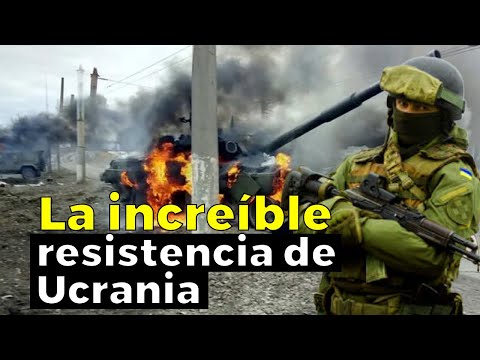
The ongoing conflict in Ukraine presents a complex geopolitical and humanitarian crisis, demanding analysis that extends beyond mere military strategy. From an anthropological viewpoint, warfare is a profound social phenomenon, shaped by historical grievances, cultural identities, and technological advancements. This article delves into the specific defensive capabilities employed by Ukraine, examining them not just as instruments of war, but as manifestations of historical resilience, societal mobilization, and the DIY spirit that underpins national defense. We will explore how historical precedents and sociological factors inform the deployment and effectiveness of these crucial assets in the face of Russian aggression.

Introduction: The Anthropological Lens on Warfare

The current geopolitical landscape is dramatically altered by the conflict in Ukraine. Beyond the immediate battlefield reports, understanding this war requires an interdisciplinary approach, drawing heavily from anthropology, history, and sociology. Warfare, at its core, is a human endeavor, reflecting deep-seated societal structures, historical narratives, and cultural values. Examining Ukraine's defensive capabilities through this lens allows us to appreciate the intricate interplay between technology, human agency, and the socio-historical context. This analysis moves beyond a simple cataloging of weapons to understand how these tools are integrated into a broader strategy of national survival, influenced by past struggles and present societal dynamics.

Historical Precedents and Ukrainian Resilience

Ukraine's history is marked by periods of struggle for sovereignty and resistance against external domination. This long trajectory of conflict has forged a unique national identity and a deep-seated resilience. The current defense efforts can be seen as a continuation of historical patterns of resistance, from earlier struggles against imperial powers to the enduring spirit of independence. Understanding these historical antecedents is crucial for grasping the tenacity and adaptability of the Ukrainian people in the face of overwhelming odds. The legacy of past conflicts informs the current strategies, emphasizing not just military might, but also the unwavering will to preserve national integrity. As historical accounts demonstrate, the fight for Ukrainian statehood has been a recurring theme, shaping its present-day resolve.
The long and often tumultuous history of Ukraine has instilled a profound sense of national identity and a remarkable capacity for resilience in its people.

Key Defensive Systems: Technology Meets Strategy

While a full enumeration of every weapon system is beyond the scope of this essay, we can identify key categories that have proven instrumental in Ukraine's defense. These systems are not merely tools but are integrated into a sophisticated strategy that leverages terrain, intelligence, and international support.
  • Advanced Anti-Tank Systems: The proliferation of portable anti-tank guided missiles (ATGMs) has significantly hampered armored assaults. Systems like the Javelin and NLAW, supplied by international partners, have demonstrated remarkable effectiveness, forcing Russian forces to adapt their tactics and increasing the cost of ground incursions.
  • Artillery and Rocket Systems: While Russia possesses a numerical advantage in artillery, Ukraine has strategically employed its own artillery and Multiple Launch Rocket Systems (MLRS), often with precision-guided munitions. The integration of modern Western systems like HIMARS has allowed for longer-range strikes against critical Russian logistics and command centers.
  • Air Defense Capabilities: Protecting airspace is paramount. Ukraine has deployed a layered air defense network, combining Soviet-era systems with increasingly sophisticated Western platforms. These systems are crucial for countering aerial bombardments and maintaining some degree of air superiority, vital for ground troop survival.
  • Drones and Unmanned Aerial Vehicles (UAVs): The widespread and innovative use of drones by Ukraine has been a defining feature of this conflict. From small commercial drones used for reconnaissance and artillery spotting to larger, combat-capable UAVs, these systems provide crucial real-time intelligence and strike capabilities, often at a fraction of the cost of traditional aircraft. This reflects a trend towards asymmetrical warfare where agility and adaptability are key.
  • Naval Capabilities: In the Black Sea, Ukraine has employed ingenuity to counter Russia's naval dominance. The successful use of naval drones and anti-ship missiles has demonstrated that even with limited resources, effective means can be found to challenge larger adversaries, safeguarding vital maritime routes.
The strategic integration of these diverse weapon systems, often combined with adaptable tactics, showcases Ukraine's capacity to leverage technology effectively within its defense framework.

Sociological Mobilization: The People's Defense

Beyond the sophisticated hardware, the Ukrainian defense is underpinned by an extraordinary level of societal mobilization. This phenomenon, deeply rooted in sociological principles, involves the entire population in the war effort.
  • Citizen Militias and Territorial Defense Forces: The rapid formation and integration of territorial defense units have been critical. These forces, comprised of reservists and volunteers, provide a distributed defense network, securing infrastructure and engaging in local resistance.
  • Logistical and Intelligence Support: Civilian networks have played a vital role in providing logistical support, intelligence gathering, and humanitarian aid. This broad-based participation highlights a unified national will to resist.
  • Information Warfare and Morale: The effective use of social media and communication channels by Ukrainian authorities and citizens has been instrumental in maintaining national morale and countering Russian disinformation campaigns. This digital engagement is a modern form of collective action.
The concept of the "citizen-soldier" is not new, but its scale and effectiveness in contemporary Ukraine are remarkable. This widespread participation demonstrates a societal commitment to defending the nation's sovereignty and territorial integrity.

DIY Defense Initiatives: Citizen Ingenuity

The spirit of "Do It Yourself" (DIY) is not confined to hobbyists; it has manifested powerfully in Ukraine's defense efforts. Faced with resource challenges and the need for rapid adaptation, Ukrainian citizens and engineers have demonstrated incredible ingenuity.
The application of DIY principles in defense involves rapid prototyping, modification of existing equipment, and the creative repurposing of civilian technology for military applications.

Guide to Understanding and Applying Citizen-Driven Defense Innovation

  1. Identify Critical Needs: Observe battlefield reports and local needs. Are there shortages in communication equipment, protective gear, or specialized tools? Document these requirements meticulously. This requires keen observation, similar to ethnographic fieldwork, to understand the practical challenges faced by defenders.
  2. Leverage Open-Source Technology: Explore readily available technologies. Drones, 3D printing, and communication systems are often accessible. Research how similar technologies have been repurposed in other conflict zones or adapted for civilian use. This draws on principles of technological appropriation and innovation.
  3. Prototype and Test: Design and build small-scale prototypes. This iterative process, central to the DIY ethos, allows for rapid testing and refinement. Engage with local defense units or knowledgeable individuals to provide feedback on the functionality and usability of the prototypes.
  4. Adapt and Scale: Once a design proves effective, focus on how to scale production. This might involve collaborating with local manufacturers, utilizing 3D printing farms, or organizing volunteer networks. The goal is to move from individual ingenuity to a distributed production model, mirroring the broader societal mobilization.
  5. Focus on Practicality and Maintainability: Ensure that any developed solutions are practical to use in the field and can be maintained or repaired with available resources. Complex systems requiring specialized parts are less effective in a decentralized, resource-constrained environment.
This approach allows for rapid adaptation and fills critical gaps that might not be immediately addressed by traditional military supply chains. It exemplifies how collective action and problem-solving at the grassroots level can significantly impact national defense.

Geopolitical Implications and International Support

The effectiveness of Ukraine's defensive strategies is intrinsically linked to international support. The supply of advanced weaponry, data and intelligence, and financial aid from a coalition of nations has been crucial. This geopolitical dimension transforms the conflict into a complex global interplay of alliances, economic pressures, and strategic considerations. The inclusion of Western military aid signifies a broader commitment to countering aggression and upholding international norms. Analyzing these foreign policy decisions and their impact on the ground requires an understanding of historical power dynamics and contemporary geopolitical alignments.

Frequently Asked Questions

What are the most significant weapon systems Ukraine has received from its allies?

Ukraine has received a variety of advanced weapon systems, including Javelin and NLAW anti-tank missiles, HIMARS rocket artillery systems, Stinger anti-aircraft missiles, and various other artillery pieces and armored vehicles.

How has the use of drones impacted the conflict?

Drones have provided Ukraine with crucial real-time intelligence, reconnaissance capabilities, and precision strike options, significantly enhancing its ability to detect and engage Russian forces, especially their logistics and command centers.

What role do ordinary citizens play in Ukraine's defense?

Ordinary citizens have been mobilized through territorial defense forces, volunteer networks for logistics and intelligence, and by contributing to DIY defense initiatives, demonstrating a broad societal commitment to national resistance.

What is the significance of historical resilience in Ukraine's defense efforts?

Ukraine's long history of struggling for sovereignty has fostered a strong national identity and a deep-seated resilience, which translates into a determined and adaptable defense strategy against external aggression.

How does the DIY spirit apply to Ukraine's defense?

The DIY spirit is evident in the innovative repurposing of civilian technology, rapid prototyping of new defense solutions, and citizen-led initiatives to meet specific battlefield needs, demonstrating grassroots ingenuity in overcoming resource limitations.

Conclusion and Final Reflection

The defense of Ukraine is a multifaceted phenomenon, encompassing advanced military technology, robust societal mobilization, and remarkable citizen ingenuity. By examining this conflict through the lenses of anthropology, history, and sociology, we gain a deeper appreciation for the complex factors at play. The resilience forged through centuries of historical struggle, combined with the innovative application of modern and even DIY defense measures, underscores the Ukrainian people's unwavering commitment to their sovereignty. As the conflict evolves, understanding these underlying dynamics remains crucial for comprehending the present and anticipating the future of this critical geopolitical event. The ongoing struggle serves as a powerful case study in national resistance and the enduring human spirit in the face of adversity.