Mostrando las entradas para la consulta Growth ordenadas por relevancia. Ordenar por fecha Mostrar todas las entradas

Economic Growth in Latin America: A Historical and Anthropological Perspective (1961-2021)

Welcome to El Antroposofista, your premier destination for in-depth explorations into the realms of anthropology, archaeology, psychology, and history. This post delves into the intricate tapestry of economic growth across Latin America from 1961 to 2021, offering not just statistical data but a socio-historical and anthropological interpretation of the trends that have shaped the region.

Introduction: Charting the Economic Landscape

Latin America, a region defined by its rich cultural diversity, complex historical trajectories, and significant socio-economic disparities, presents a compelling case study for understanding the dynamics of economic development. The period between 1961 and 2021 witnessed profound transformations, marked by cycles of growth, periods of severe crisis, and persistent challenges related to inequality, political stability, and external influences. This article aims to provide a nuanced analysis, moving beyond simple GDP figures to explore the underlying social, cultural, and historical factors that have influenced and been influenced by economic trends.

By synthesizing data from pivotal sources such as the World Bank and the International Monetary Fund (IMF), we will construct a narrative that respects the complexities of the region. Our approach integrates quantitative economic data with qualitative anthropological insights, offering a holistic understanding of development in Latin America.

"The economy is not merely a set of numbers; it is the product of human actions, social structures, and deeply embedded cultural values."

The Shifting Sands: Historical Context of Latin American Economies

To comprehend the economic trajectory of Latin America from the mid-20th century onwards, it is crucial to acknowledge its colonial legacy and the subsequent struggles for independence. The region's economies were historically shaped by extraction-based models, prioritizing the export of raw materials and agricultural products to global markets. This dependence created vulnerabilities to price fluctuations and limited the development of diversified industrial bases.

The post-World War II era saw various development strategies being adopted across the region, including import substitution industrialization (ISI). While ISI aimed to foster domestic industries and reduce reliance on foreign imports, it often led to inefficiencies, high production costs, and increased national debt. The Cold War also played a significant role, with geopolitical interests often influencing economic policies and fostering political instability in several nations. Understanding these historical underpinnings is vital for interpreting the economic data of the period 1961-2021.

The 1980s, often referred to as the "lost decade," were particularly challenging, characterized by the debt crisis, hyperinflation, and widespread economic contraction. This period forced many Latin American countries to adopt structural adjustment programs recommended by international financial institutions, leading to privatization, deregulation, and a greater integration into the global neoliberal economic order.

Analyzing the Data: Growth, Stagnation, and Crisis

The period under review presents a complex and often uneven picture of economic performance. Early decades, particularly the 1970s, saw periods of relatively robust growth in some countries, fueled by commodity booms and the expansion of state-led development projects. However, this growth was often accompanied by rising inflation and external debt.

The 1980s marked a severe downturn, with negative or stagnant growth rates across much of the region. The external debt crisis, exacerbated by rising international interest rates and falling commodity prices, crippled many economies. This decade underscored the inherent fragilities of economic models heavily reliant on external financing and commodity exports.

The 1990s offered a period of recovery and relative stability for some nations, driven by market-oriented reforms and increased foreign investment. However, this recovery was not uniform, and many countries continued to grapple with high levels of poverty and inequality. The early 21st century witnessed a commodity super-cycle, leading to a significant upswing in economic growth for many Latin American economies, particularly those exporting oil, minerals, and agricultural products.

More recently, the region has faced new challenges, including slowing global demand, political instability in key nations, and the profound impact of the COVID-19 pandemic. The pandemic led to unprecedented economic contractions, highlighting the ongoing vulnerabilities within Latin America's economic structures. The data from the World Bank and IMF serve as a crucial, albeit sometimes stark, record of these fluctuations.

"Economic indicators, while essential, only tell part of the story. They must be contextualized within the social fabric and historical experiences of a population."

An Anthropological Lens: Culture, Society, and Economic Outcomes

From an anthropological perspective, economic growth is not merely an aggregate measure but a lived experience deeply intertwined with social structures, cultural norms, and power dynamics. The patterns of economic development in Latin America cannot be fully understood without considering factors such as:

  • Social Stratification: Deep-rooted inequalities based on class, ethnicity, and gender have consistently shaped access to economic opportunities and the distribution of wealth. Indigenous communities and Afro-descendant populations, for instance, have often faced systemic marginalization, limiting their participation in and benefit from periods of economic expansion. This relates to our explorations in Antropología and Cultura Indígena.
  • Cultural Values and Practices: Societal values regarding work, consumption, saving, and entrepreneurship can influence economic behavior. The strong emphasis on community and kinship ties in many Latin American cultures, while a source of resilience, can also affect labor mobility and individualistic economic pursuits.
  • Political Culture and Governance: The prevalence of clientelism, corruption, and political instability in certain periods has hampered long-term economic planning and investment. Trust in institutions, a key component of social capital, plays a significant role in fostering a conducive environment for economic growth.
  • Migration and Urbanization: Large-scale migration, both internal and external, driven by economic disparities and seeking better opportunities, has reshaped demographic landscapes and labor markets across the region. This constant movement is a subject of keen interest in Antropología Virtual and Estadísticas.

These socio-cultural factors often act as mediators, amplifying or dampening the effects of economic policies and global trends. For example, periods of economic liberalization might yield vastly different outcomes depending on the existing social structures and cultural attitudes towards market mechanisms.

DIY Analysis: Tracing Local Economic Histories

While global and national data provide a broad overview, understanding economic change often requires a more granular, local perspective. This practical guide will help you begin to explore the economic history of your own community or a specific locality within Latin America.

  1. Identify a Specific Locality: Choose a town, city, or region that interests you. This could be your hometown, a place you have visited, or an area known for specific economic activities (e.g., agricultural regions, industrial centers, tourist destinations). Consider exploring resources related to Mapas and Distribución Geográfica.
  2. Gather Demographic Data: Seek out census data for your chosen locality over different time periods (e.g., 1960s, 1980s, 2000s). Look for changes in population size, age distribution, and levels of education. National statistical agencies (like INEGI in Mexico, or equivalent bodies in other countries) are excellent sources.
  3. Research Key Economic Activities: Identify the primary industries or economic drivers of the area during different periods. Were they agricultural, industrial, service-based, or tourism-focused? Look for historical records, local archives, newspaper articles, or academic studies that discuss these activities.
  4. Investigate Infrastructure Development: Examine changes in infrastructure over time. Were there significant investments in roads, railways, ports, telecommunications, or energy? These developments often reflect and influence economic priorities.
  5. Explore Social and Cultural Changes: Consider how economic shifts might have impacted social structures and cultural practices. Did new migration patterns emerge? Did community traditions change? Were there significant social movements related to economic conditions? Consult local historical societies or anthropological studies if available.
  6. Synthesize Findings: Draw connections between the demographic, economic, infrastructural, and social changes you have identified. How did historical events or national economic policies manifest at the local level? What were the unique challenges and successes of this specific place?

This DIY approach allows for a deeper appreciation of how broad economic trends translate into tangible realities for communities, bridging the gap between abstract data and lived experience, a core tenet of DIY intellectual engagement.

Persistent Challenges and Emerging Opportunities

Despite periods of growth, Latin America continues to face significant hurdles. High levels of income inequality remain a defining characteristic, hindering social mobility and fueling social unrest. Dependence on commodity exports leaves many economies vulnerable to global market volatility, as seen in recent years. Furthermore, challenges related to governance, corruption, and institutional weakness persist in several countries.

However, the region also possesses immense potential. A young and growing population, abundant natural resources, and increasing regional integration offer avenues for future development. The rise of the digital economy, growing interest in sustainable development, and the potential for diversification into higher-value industries present new opportunities. A deeper understanding, informed by both economic data and anthropological perspectives, is crucial for navigating these complex dynamics and fostering inclusive, sustainable growth. This aligns with our interest in Tecnología and Desarrollo Socioeconómico.

"The future economic prosperity of Latin America hinges not only on market forces but on its capacity to address deep-seated social inequalities and build resilient, equitable institutions."

Frequently Asked Questions

What were the main drivers of economic growth in Latin America during the 1970s?

The 1970s saw growth in some Latin American countries fueled by high commodity prices (particularly oil for some nations) and expansionary fiscal policies, often accompanied by increased external borrowing. However, this period also sowed the seeds for future crises due to rising inflation and debt levels.

How did the "lost decade" of the 1980s impact Latin American economies?

The 1980s were marked by a severe debt crisis, hyperinflation, and economic stagnation or contraction across much of the region. This forced many countries to implement austerity measures and structural adjustment programs, leading to significant social costs.

What is the role of anthropology in understanding economic growth?

Anthropology provides critical context by examining the social, cultural, and historical factors that influence economic behavior and outcomes. It helps us understand how economic policies are experienced by different social groups, the impact of cultural values on markets, and the persistent effects of inequality and historical power structures.

Are there significant differences in economic growth patterns among Latin American countries?

Yes, there are substantial differences. Countries like Chile and Mexico have often pursued different economic models and experienced varied growth trajectories. Resource-rich nations (e.g., Venezuela, Brazil) have been particularly susceptible to commodity price cycles, while others have focused more on manufacturing or services.

What are the key challenges for Latin American economies moving forward?

Major challenges include persistent income inequality, dependence on commodity exports, political instability, corruption, climate change impacts, and the need for greater investment in education and innovation to foster diversified, sustainable economic development.

If you are interested in further exploring these themes, we encourage you to visit our official blog for the latest news in Antropología, Arqueología, Psicología, and Historia. Explore our diverse range of topics, from historical events to the intricacies of human behavior.

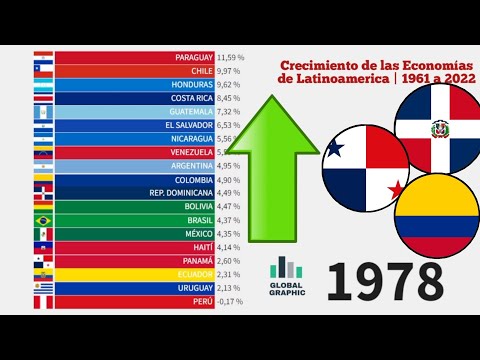
Latin American Economic Growth: A Historical and Anthropological Perspective (1961-2022)

The trajectory of economic development within Latin America is a complex tapestry woven from threads of history, anthropology, and sociology. From 1961 to 2022, the region has navigated periods of significant growth, sharp contractions, and transformative policy shifts. Understanding this evolution requires not just an analysis of macroeconomic indicators but also an appreciation of the underlying cultural, social, and political forces at play.

Introduction: The Macroeconomic Landscape

Latin America, a region of immense diversity and rich cultural heritage, has experienced a dynamic economic journey over the past six decades. The period between 1961 and 2022 encapsulates a broad spectrum of economic performance, influenced by global trends, internal policy choices, and enduring structural factors. This article delves into the macroeconomic data, but crucially, seeks to interpret these figures through the prisms of anthropology and sociology, recognizing that economic growth is intrinsically linked to societal structures, cultural values, and historical legacies.

The data, primarily sourced from the World Bank (1960-2020) and the International Monetary Fund (IMF) (2021-2022 projections), provides a quantitative foundation for this exploration. However, to truly grasp the "why" behind the numbers, we must engage with the human element – the lived experiences, cultural adaptations, and societal shifts that accompany economic change.

Historical Context: Cycles of Development and Dependency

The post-World War II era in Latin America was marked by various development models, often oscillating between import substitution industrialization (ISI) and more open, export-oriented economies. The early 1960s saw many nations embarking on ambitious ISI projects, aiming to foster domestic industries and reduce reliance on primary commodity exports. This period, however, often came with inherent challenges, including protectionist policies that could stifle innovation and create inefficiencies.

The debt crisis of the 1980s, often termed the "lost decade," represented a significant setback. Rising international interest rates and a sharp decline in commodity prices led many Latin American countries into severe debt distress. This era necessitated structural adjustment programs, often mandated by international financial institutions, which prioritized fiscal austerity, privatization, and trade liberalization.

"The economic history of Latin America is deeply intertwined with its colonial past and its position within the global capitalist system. Cycles of boom and bust, driven by commodity prices and external demand, have shaped development trajectories for centuries."

The 1990s and early 2000s witnessed a more market-oriented approach, with many countries embracing neoliberal policies. This era saw increased foreign investment and a reduction in inflation for some nations, but also led to rising inequality and social discontent in others. The anthropological perspective here is crucial, as these policy shifts had profound impacts on social stratification, cultural practices, and community structures.

An Anthropological Lens on Economic Transformation

From an anthropological standpoint, economic indicators are not merely abstract figures; they represent changes in daily life, social relations, and cultural values. For instance, a rise in GDP per capita might mask widening income disparities, impacting access to education, healthcare, and cultural expression for different segments of society. The concept of cultural adaptation is central when examining how communities respond to economic shifts.

Consider the impact of globalization and free trade agreements. While they may boost aggregate economic figures, they can also lead to the erosion of local economies, traditional livelihoods, and indigenous cultures. The introduction of new technologies and consumer goods can alter social hierarchies, family structures, and gender roles, as explored in studies of cultural change.

Furthermore, psychology plays a role in understanding consumer behavior, risk perception, and entrepreneurial spirit within different cultural contexts. The emphasis on individual achievement versus collective well-being, for example, can significantly influence economic participation and outcomes.

"Economic development is not just about accumulating wealth; it's about how that wealth is distributed, how it affects social cohesion, and how it is perceived and experienced by diverse populations within a society."

Analyzing the period from 1961 to 2022 reveals several key trends:

  • GDP Growth: While varying significantly year-on-year and by country, Latin America has seen periods of robust GDP expansion, particularly during commodity booms in the early 2000s. However, growth has often been volatile, subject to external shocks and domestic instability. The IMF projections for 2021-2022 indicate a post-pandemic recovery, though with ongoing challenges.
  • Inflation: Many Latin American countries struggled with high inflation, especially in the 1970s and 1980s. While significant progress has been made in stabilizing prices in many economies, inflationary pressures remain a concern in some.
  • Income Inequality: Despite periods of growth, income inequality has remained a persistent and defining characteristic of the region. Measures like the Gini coefficient often show higher levels of inequality compared to many developed economies, presenting a significant challenge for inclusive development. This disparity is a critical area for sociological and anthropological inquiry.
  • Poverty Reduction: Significant strides have been made in poverty reduction over the past two decades, driven by economic growth and targeted social programs. However, millions still live in poverty, particularly in rural and marginalized urban areas.
  • Trade and Investment: The region's integration into the global economy has increased, with a greater reliance on international trade and foreign direct investment. This integration brings both opportunities for growth and vulnerabilities to global market fluctuations.

The period also saw shifts in labor markets, with a move from predominantly agricultural economies to more service- and industry-based ones. The impact of immigration and emigration patterns on both sending and receiving countries is also a vital aspect of this economic narrative.

Challenges and Opportunities in the 21st Century

Looking ahead, Latin America faces a complex set of challenges and opportunities. Persistent issues include:

  • Inequality: Addressing deep-seated income and wealth inequality remains paramount for social stability and sustainable development.
  • Institutional Weakness: Corruption, political instability, and weak governance in some countries hinder effective economic policy implementation and investment.
  • Climate Change: The region's vulnerability to climate change impacts, from extreme weather events to resource scarcity, poses significant economic and social risks.
  • Technological Adaptation: Embracing digital transformation and innovation is crucial for remaining competitive in the global economy, requiring investment in education and infrastructure.

However, the region also possesses significant strengths:

  • Rich Natural Resources: Latin America is endowed with abundant natural resources, including minerals, agricultural potential, and renewable energy sources.
  • Demographic Dividend: A relatively young population in many countries offers potential for a demographic dividend if adequately educated and employed.
  • Cultural Diversity: The region's vibrant cultural tapestry is a source of creativity, innovation, and a unique global brand.
  • Growing Middle Class: An expanding middle class represents a significant consumer market and a driver of domestic demand.

DIY Analysis: Deconstructing Economic Narratives

To engage more deeply with the economic history of Latin America, you can adopt a DIY approach to analyzing information. This involves critically examining data and understanding its socio-cultural context.

  1. Source Verification: Always question the origin of economic data. Understand the methodologies used by institutions like the World Bank or IMF. Consider potential biases or limitations in their reporting. Look for alternative sources or cross-reference data points.
  2. Contextualize Indicators: Don't look at GDP or inflation in isolation. Research the historical period, the specific country's political climate, and major global events that might have influenced the numbers. For example, a spike in inflation might be linked to a political crisis or an external oil shock.
  3. Seek Qualitative Data: Supplement quantitative data with qualitative information. Read historical accounts, sociological studies, and anthropological research on the region. Explore news archives, documentaries, and personal testimonies to understand the human impact of economic policies.
  4. Compare and Contrast: Analyze economic trends across different Latin American countries. What commonalities exist? What unique factors shaped each nation's path? Compare these trends with other regions of the world to understand global economic dynamics.
  5. Identify Underlying Structures: Consider how historical factors like colonialism, land distribution, and social hierarchies continue to influence contemporary economic realities. Explore the role of trade agreements and international financial relationships.

By actively engaging with the information in this manner, you can move beyond superficial data points to a more nuanced and critical understanding of economic development.

Frequently Asked Questions

What were the main drivers of economic growth in Latin America in the early 2000s?

The early 2000s saw a significant commodity price boom, particularly for oil, minerals, and agricultural products, which are key exports for many Latin American nations. This, combined with improved macroeconomic management in some countries and global economic growth, led to a period of accelerated GDP expansion.

How has income inequality evolved in the region during this period?

While there were periods of slight improvement, income inequality has remained persistently high across much of Latin America. Although some social programs and economic growth cycles led to poverty reduction, the gap between the wealthiest and poorest segments of society has often widened or remained stagnant, posing a major challenge.

What is the role of anthropology in understanding economic data?

Anthropology provides a crucial lens for understanding the human dimension of economic activity. It examines how economic policies and trends affect social structures, cultural practices, family life, individual well-being, and community cohesion, offering insights that purely quantitative data might miss. It helps explain the "why" behind economic behaviors and outcomes.

The economic journey of Latin America from 1961 to 2022 is a testament to the region's resilience, complexity, and ongoing quest for sustainable and equitable development. While macroeconomic data offers a vital framework, it is through the combined perspectives of history, sociology, and anthropology that we can truly appreciate the profound human stories embedded within these numbers.

Sources: - World Bank (1960-2020) - IMF and April 2022 Projections (2021-2022)

For more insights, connect with us:

TikTok Channel: El Antroposofista TikTok

Personal Instagram: El Antroposofista Instagram

Official Blog: El Antroposofista Blog

If you find value in our work and wish to support us, consider exploring our store for exclusive NFTs:

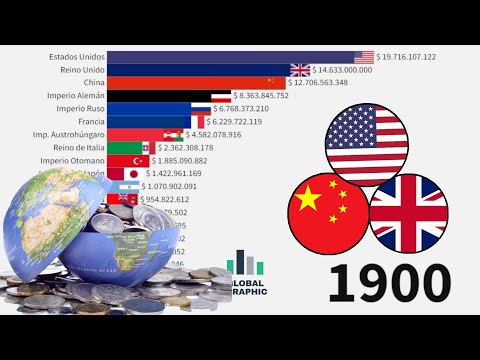
Global Economic Powerhouses: Nominal GDP Rankings from 1900 to 2030

In the dynamic landscape of global economics, understanding the shifts in economic power is crucial for grasping historical trajectories and anticipating future trends. This analysis delves into the nominal Gross Domestic Product (GDP) rankings of nations, charting their evolution from the dawn of the 20th century through projected data into the mid-21st century. By examining these figures, we can illuminate the rise and fall of economic empires, the impact of global events, and the underlying drivers of national prosperity.

Introduction: Charting Economic Hegemony

The 20th and early 21st centuries have witnessed unparalleled economic metamorphosis. Nations that once dominated the global stage have seen their influence wane, while others have experienced meteoric rises, reshaping international relations and power dynamics. Nominal GDP, a measure of the total value of goods and services produced within a country at current market prices, serves as a primary indicator of a nation's economic scale and, by extension, its global influence. This article aims to provide a comprehensive overview of these shifts, drawing upon a robust dataset that spans over 130 years.

We will explore the dominant economic powers at different junctures, identify key factors contributing to their ascent or decline, and consider the implications of these trends for the future. This examination is not merely an academic exercise; it is an attempt to understand the fundamental forces that shape human societies and their interactions on a global scale.

A Century of Economic Transformation (1900-2000)

At the dawn of the 20th century, the economic landscape was largely dominated by European powers and the burgeoning industrial might of the United States. The United Kingdom, with its vast colonial empire and established industrial base, held a preeminent position. However, the seeds of change were already sown. The United States, fueled by innovation and a rapidly expanding domestic market, was on an unstoppable trajectory towards economic supremacy.

The two World Wars, while devastating, dramatically reconfigured the global economic order. Europe's industrial heartlands were ravaged, weakening its established powers. Conversely, the United States emerged from both conflicts with its economy vastly expanded, its industrial capacity unmatched, and its currency, the US Dollar, becoming the de facto global reserve currency. By the mid-20th century, the US solidified its position as the world's largest economy by a significant margin.

Simultaneously, the seeds of future economic giants were being sown in Asia. Japan, following its post-WWII reconstruction and adoption of export-oriented economic policies, began its remarkable ascent. By the late 20th century, Japan had become the second-largest economy in the world, renowned for its technological prowess and manufacturing excellence. The latter half of the century also saw the gradual, yet persistent, growth of several developing nations, laying the groundwork for future economic diversification.

"Economic history is not simply a chronicle of numbers; it is a narrative of human ingenuity, societal organization, and the ceaseless pursuit of prosperity and power."

The Shifting Tides: Early 21st Century (2000-2020)

The turn of the millennium heralded a new era of economic globalization, characterized by rapid technological advancement and the increasing interconnectedness of markets. The most significant development of this period was the dramatic rise of China. Driven by massive investment, an enormous labor force, and a strategic integration into global supply chains, China's GDP experienced exponential growth, propelling it past Japan and eventually challenging the long-standing dominance of the United States.

This period also witnessed the continued economic development of other Asian economies, such as India and South Korea, further diversifying the global economic map. Emerging markets in Latin America and Africa began to show signs of robust growth, albeit with greater volatility. The global financial crisis of 2008 served as a stark reminder of the interconnectedness and inherent risks within the global financial system, leading to significant policy shifts and a re-evaluation of economic models.

Despite the rise of new economic powers, the United States maintained its position as the world's largest economy, demonstrating resilience and adaptability in the face of evolving global challenges. Its technological innovation, particularly in the digital sector, continued to be a significant driver of its economic strength.

Gazing into the Future: Projections to 2030

Forecasting economic trends is inherently complex, influenced by myriad unpredictable factors including geopolitical events, technological breakthroughs, and environmental changes. However, based on current trajectories and projections from institutions like the International Monetary Fund (IMF), several key trends are anticipated to shape the global economic landscape by 2030.

The continued growth of Asian economies is expected to be a dominant theme. China is projected to further consolidate its position, with some forecasts suggesting it may surpass the United States as the world's largest economy in nominal terms within the coming decade. India is also predicted to experience substantial growth, potentially becoming the third-largest economy globally. This eastward shift in economic gravity signals a profound restructuring of international trade, investment, and diplomatic relations.

The United States is expected to remain a formidable economic power, though its relative share of the global economy may continue to decline. Its strength will likely be increasingly anchored in innovation, technology, and high-value services. Other economies, such as those in Southeast Asia and parts of Africa, are also poised for growth, offering new opportunities and potential challenges in the global economic arena.

"The future of global economics is not a predetermined path but a confluence of ongoing trends and emergent possibilities, demanding constant vigilance and adaptive strategies."

Data Sources and Methodological Considerations

The data presented in this analysis is drawn from several reputable sources, each with its own temporal scope and methodology. The Maddison Project Database is a foundational resource for historical economic data, providing estimates of GDP per capita and GDP for nations from antiquity to the year 2018. For more recent periods, data from the World Bank and the International Monetary Fund (IMF) are indispensable. The World Bank offers comprehensive data from 1960 onwards, covering a wide range of economic indicators. The IMF, through its World Economic Outlook database, provides crucial data from 1980, including updated projections that allow us to peer into the near future.

It is important to acknowledge the inherent limitations of such data. Nominal GDP, while a direct measure of economic output, does not account for differences in the cost of living (purchasing power parity) or income inequality. Furthermore, historical data, especially from periods predating standardized statistical collection, relies on estimations and can be subject to revision. Projections, by their nature, are conditional and can be significantly altered by unforeseen events.

Despite these caveats, the aggregate trend lines derived from these sources offer invaluable insights into the long-term evolution of economic power. The consistency in data collection methodologies by major international organizations lends a high degree of trustworthiness to the broad patterns observed.

DIY Intellectual Toolkit: Analyzing Economic Shifts

Understanding the complex interplay of factors that drive economic change is a skill that can be honed through diligent practice. Here’s a practical approach to analyzing economic shifts yourself:

  1. Identify Key Metrics: Start by understanding the core indicators beyond nominal GDP. Research GDP per capita (economic output per person), Gini coefficient (income inequality), Human Development Index (HDI) (health, education, and standard of living), and foreign direct investment (FDI). These provide a more nuanced picture of a nation's economic health and societal well-being.
  2. Select a Timeframe and Nations: Choose a specific period (e.g., post-WWII, the last decade) and a few countries you wish to compare. Consider nations with contrasting economic trajectories (e.g., a rapidly growing economy vs. a developed but slower-growing one).
  3. Gather Data: Utilize resources like the World Bank Data portal, IMF Data, and the Maddison Project Database. Look for trends in your chosen metrics for your selected nations over your chosen timeframe.
  4. Research Contributing Factors: For significant shifts (e.g., a nation's rapid growth or decline), investigate the underlying causes. This might involve researching:
    • Government Policies: Trade agreements, fiscal policies, industrial strategies, investments in education and infrastructure.
    • Technological Advancements: Adoption of new technologies, innovation hubs, R&D spending.
    • Geopolitical Events: Wars, trade disputes, political stability, membership in international organizations.
    • Demographic Changes: Population growth, aging populations, migration patterns.
    • Resource Availability: Dependence on natural resources, shifts in global commodity prices.
  5. Visualize Trends: Create simple charts or graphs (even by hand or using basic spreadsheet software) to visually represent the data. This can help identify patterns and correlations more easily.
  6. Synthesize Findings: Draw conclusions about the relationships between different factors and economic performance. Formulate hypotheses about why certain countries succeeded while others faltered. For example, you might observe a correlation between investment in education and long-term economic growth.
  7. Connect to Broader Theories: Relate your findings to established economic theories (e.g., developmental economics, theories of globalization, comparative advantage). This enhances the intellectual depth of your analysis.

By actively engaging with the data and historical context, you can develop a deeper, more critical understanding of the forces shaping global economies.

Frequently Asked Questions

Q1: What is the difference between nominal GDP and GDP adjusted for Purchasing Power Parity (PPP)?
A1: Nominal GDP measures economic output at current market exchange rates, while GDP (PPP) adjusts for differences in the cost of living across countries, providing a potentially better comparison of living standards.

Q2: Why does the IMF provide projections for future GDP?
A2: Projections help governments, businesses, and international organizations make informed decisions about investments, policy planning, and resource allocation by offering an outlook based on current trends and assumptions.

Q3: How reliable are GDP projections, especially for developing countries?
A3: Projections are based on existing data and models, making them subject to change. They are generally less reliable for developing countries due to greater economic volatility, less robust data collection, and susceptibility to external shocks.

Q4: Besides GDP, what other indicators are important for assessing a country's economic strength?
A4: Key indicators include GDP per capita, unemployment rates, inflation rates, national debt, trade balance, foreign direct investment (FDI), and measures of income inequality and human development (like the HDI).

Conclusion: The Ever-Evolving Global Economy

The journey from 1900 to the projected landscape of 2030 is a testament to the dynamic and often unpredictable nature of global economic power. We have witnessed the transition of economic hegemony, the rise of new industrial titans, and the enduring influence of established economies adapting to new realities. The data underscores a clear trend: a gradual but persistent shift of economic gravity towards Asia, driven by the remarkable growth of nations like China and India.

While nominal GDP remains a primary metric for economic scale, a holistic understanding requires considering other factors such as PPP, human development, and technological innovation. The ability to adapt, innovate, and integrate into the global economy will continue to be paramount for national prosperity. As we move further into the 21st century, the interplay of economic forces, geopolitical developments, and technological advancements will undoubtedly continue to shape this ever-evolving global narrative.

"The global economy is a complex ecosystem, where past performance is indicative but not determinative of future outcomes. Understanding its historical currents is our best guide to navigating its future."

Further exploration into specific national economic histories and the impact of globalization on different regions would provide even deeper insights. We encourage our readers to engage with this data, conduct their own analyses, and contribute to the ongoing discourse on economic history and its implications for our shared future.

Raymond Kurzweil: The Transcendent Man and the Dawn of Singularity

Documentary (2009) based on Ray Kurzweil's seminal book, "The Singularity Is Near."

Hello and welcome to El Antroposofista, your portal to in-depth knowledge on anthropology, archaeology, psychology, and history. We are dedicated to dissecting the complexities of human civilization and its evolution.

This exploration delves into the visionary work of Raymond Kurzweil, a name synonymous with futurism and the relentless pursuit of technological advancement. His theories, particularly those surrounding the concept of the "Singularity," challenge our very understanding of progress and the future of humanity. The documentary, "Transcendent Man," offers a compelling visual narrative of Kurzweil's predictions and his profound impact on contemporary thought.

Introduction: The Visionary of Singularity

In the annals of futurism and technological forecasting, few figures loom as large as Raymond Kurzweil. His work, particularly encapsulated in "The Singularity Is Near," has ignited debates across academic disciplines, from anthropology and archaeology to psychology and history. This post aims to dissect Kurzweil's core arguments, explore the implications of his "Singularity" concept, and provide a framework for critically analyzing such future-oriented predictions.

The documentary "Transcendent Man" serves as an accessible entry point into Kurzweil's complex ideas, offering a narrative that is both intellectually stimulating and thought-provoking. We will examine how his theories resonate with broader trends in technological development and societal change.

Kurzweil's Thesis: Exponential Growth and Technological Revolution

At the heart of Kurzweil's vision lies the "Law of Accelerating Returns." This principle posits that technological progress is not linear but exponential. As technologies advance, they become more powerful and capable of driving further innovation at an ever-increasing pace. Kurzweil meticulously documents this phenomenon across various fields, including computing, genetics, and nanotechnology.

He argues that this exponential growth will lead to a dramatic transformation of human civilization within our lifetimes. This transformation is not merely about faster gadgets; it represents a fundamental shift in our capabilities, our biology, and potentially, our very definition of being human. Understanding this law is crucial to grasping the urgency and scope of Kurzweil's predictions.

"We are approaching a time when the power of artificial intelligence will be superior to human intelligence, and this will lead to a radical transformation of our existence." - Adapted from Ray Kurzweil's core ideas.

The Singularity Explained: When Machines Surpass Human Intelligence

The "Singularity," as Kurzweil defines it, is a hypothetical future point in time when technological growth becomes uncontrollable and irreversible, resulting in unfathomable changes to human civilization. The primary driver of this event is the emergence of artificial superintelligence (ASI)—machines that vastly exceed human cognitive abilities.

This isn't just about advanced AI; it's about the merger of biological and non-biological intelligence. Kurzweil envisions a future where humans can overcome biological limitations through nanotechnological interventions, genetic engineering, and advanced AI. The Singularity, therefore, represents not an end, but a radical new beginning for intelligent life.

The implications are vast, touching upon fields like sociology, where societal structures would inevitably be reshaped, and virtual anthropology, considering new forms of existence.

"Transcendent Man": A Glimpse into Kurzweil's World

The documentary "Transcendent Man" provides an intimate portrait of Raymond Kurzweil, exploring his personal journey, his intellectual inspirations, and the evolution of his groundbreaking theories. It features interviews with prominent figures in science and technology, offering diverse perspectives on Kurzweil's predictions.

The film visually represents complex concepts, making them more accessible to a general audience. It touches upon Kurzweil's background in computer science and his early work in pattern recognition, laying the groundwork for his later extrapolations on exponential growth. For those new to his work, the documentary is an excellent starting point to grasp the essence of his futurist vision.

"Kurzweil's predictions are not mere science fiction; they are carefully extrapolated trends based on rigorous data analysis." - A common sentiment surrounding "Transcendent Man."

Implications for Humanity: Longevity, Transhumanism, and the Future of Consciousness

Kurzweil's vision extends to profound changes in human longevity and the very nature of consciousness. He predicts that within decades, aging will be seen as a curable disease, and human lifespans could extend dramatically, potentially indefinitely, through technological means. This concept of radical life extension is a cornerstone of transhumanism—a philosophical and intellectual movement that advocates for the enhancement of the human condition through technology.

The ethical, social, and philosophical implications of such advancements are immense. How would societies cope with vastly extended lifespans? What would it mean for identity and continuity of consciousness when biological forms are augmented or replaced by technological ones? These are questions that intersect deeply with psychology and anthropology, forcing us to re-evaluate what it means to be human.

The potential for merging human consciousness with artificial intelligence opens up entirely new avenues of exploration for virtual anthropology and the study of digital existence. The concept of citizenship in a post-Singularity world is also a fascinating area for consideration.

Guía Práctica DIY: Deconstructing Futurist Predictions

Analyzing futurist predictions like those of Raymond Kurzweil requires a critical and systematic approach. This guide outlines steps to evaluate such forecasts, applying principles of anthropology and history. This is an exercise in intellectual DIY.

  1. Identify the Core Hypothesis: Clearly state the main prediction being made. For Kurzweil, this is the Singularity driven by exponential technological growth.
  2. Examine the Evidence Base: What data, trends, or historical patterns does the futurist cite? For Kurzweil, this includes historical data on computing power, Moore's Law, and advancements in genetics. Evaluate the reliability and scope of this data.
  3. Assess the Extrapolation Method: How is the current data projected into the future? Is it a linear projection, an exponential curve, or a more complex model? Consider the assumptions inherent in the extrapolation.
  4. Identify Underlying Assumptions: What unstated beliefs or values underpin the prediction? For example, Kurzweil's optimism assumes continued investment in R&D, societal acceptance of technological integration, and a lack of catastrophic global events that halt progress.
  5. Consider Counterarguments and Alternative Futures: What are the potential obstacles, limitations, or entirely different paths that development could take? Explore scenarios where progress stalls, reverses, or takes a different direction (e.g., societal collapse, ethical barriers).
  6. Evaluate Societal and Ethical Implications: Beyond the technical feasibility, how might the predicted future impact human society, culture, and individual lives? Engage with ethical considerations raised by the forecast.
  7. Consult Diverse Expert Opinions: Seek out critiques and analyses from experts in relevant fields who may hold different views or have alternative interpretations of the data. Look for scholarship in history, psychology, and anthropology that addresses technological futures.
  8. Distinguish Prediction from Possibility: Recognize that while a prediction might be based on plausible trends, it remains a possibility, not a certainty. Use tools of critical thinking to maintain a balanced perspective.
"Critical analysis is key. Applying frameworks from anthropology and history helps ground speculative futures in empirical understanding."

Frequently Asked Questions

Q1: What is the core idea behind Ray Kurzweil's "Singularity"?
A1: The Singularity is a hypothetical future point where technological growth, particularly in artificial intelligence, becomes so rapid and profound that it fundamentally alters human civilization beyond our current comprehension. It's driven by the principle of accelerating returns.

Q2: Is "The Singularity Is Near" a purely scientific prediction?
A2: While based on extrapolating technological trends like exponential growth in computing power, Kurzweil's work also incorporates philosophical considerations about consciousness, longevity, and the future of humanity. It's a blend of data-driven forecasting and speculative futurism.

Q3: What are the main concerns raised by Kurzweil's ideas?
A3: Concerns often revolve around the potential loss of human control over superintelligent AI, profound ethical dilemmas regarding human enhancement and longevity, societal disruption, and the very definition of human identity and consciousness.

Q4: How does anthropology contribute to understanding concepts like the Singularity?
A4: Anthropology provides frameworks for understanding culture, society, and human behavior. It helps analyze the potential societal impacts of radical technological change, how human identity might be perceived across different forms of existence (biological, digital, hybrid), and the ethical considerations of altering the human condition.

Q5: Where can I learn more about the concepts discussed in "Transcendent Man"?
A5: Besides the documentary itself, Ray Kurzweil's books, particularly "The Singularity Is Near" and "How to Create a Mind," offer extensive detail. Academic journals in fields like history, anthropology, psychology, and computer science also feature discussions and critiques of his theories.

We invite you to visit our official blog to check the latest current news in these fields: El Antroposofista Official Blog.

If you like what we do and want to collaborate, we invite you to visit our store to buy unique and exclusive NFTs.

Ignored Tags: #historia, #learning, #data, #infographics, #anthropology, #archaeology, #psychology, #HD, #DIY, #cita, #date, #inmigracion, #ciudadania, #pasaporte, #chicas, #mujeres, #hombres, #cita, #date

The journey into understanding the future is an ongoing anthropological and historical endeavor. We encourage you to engage with these ideas, critically assess them, and contribute to the discourse in the comments below.

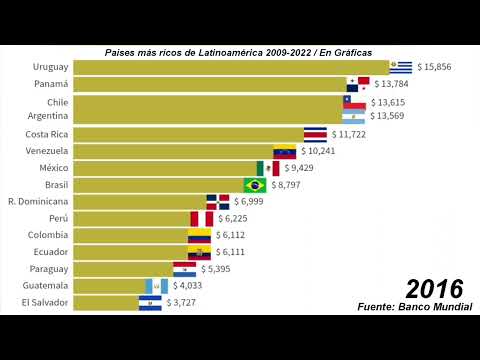
Latin America's Richest Nations (2009-2022): A GDP Nominal Per Capita Analysis with Visualizations

Welcome to El Antroposofista, your trusted source for in-depth explorations into the fascinating worlds of anthropology, archaeology, psychology, and history. Our mission is to bring clarity and accessible knowledge to complex subjects, fostering a deeper understanding of humanity and its past.

Today, we delve into a topic of significant economic and sociological interest: the economic landscape of Latin America. Specifically, we will analyze the Gross Domestic Product (GDP) nominal per capita of various nations within the region from 2009 to 2022. This metric, while not the sole indicator of well-being, offers a crucial lens through which to view economic performance and disparities. We will present this data through visual aids, making complex numerical information digestible and insightful.

Understanding GDP Nominal Per Capita

Gross Domestic Product (GDP) per capita is a fundamental economic indicator. It represents the total value of all goods and services produced within a country's borders in a specific time period, divided by the country's mid-year population. Nominal GDP per capita, specifically, is calculated using current market prices and does not account for inflation. This provides a snapshot of the average economic output per person in the most straightforward, unadjusted terms.

While useful for comparisons, it's important to acknowledge the limitations of nominal GDP per capita. It doesn't reflect the cost of living, income inequality, or purchasing power parity, which are crucial for a complete understanding of economic well-being. Nevertheless, it remains a vital metric for assessing the relative economic strength and productivity of nations.

Historical Context: Latin America's Economic Trajectory

Latin America, a region rich in natural resources and cultural diversity, has a complex economic history. Characterized by cycles of commodity booms and busts, periods of political instability, and varying degrees of industrialization, the region's economic performance has often been a subject of intense study and debate.

Historically, many Latin American economies have been heavily reliant on the export of primary goods, making them susceptible to global market fluctuations. In recent decades, there has been a concerted effort towards diversification and integration into the global economy, with varying degrees of success across different nations. The period between 2009 and 2022, encompassing the aftermath of the 2008 global financial crisis, a commodity supercycle, and more recent global disruptions, offers a particularly insightful timeframe for analysis.

"The economic narrative of Latin America is one of resilience and challenge, where external factors often intersect with internal policy decisions to shape its trajectory."

Understanding these historical underpinnings is essential for interpreting the data we will present. The influence of global economic trends, regional integration efforts, and national policy choices all play a significant role in shaping the GDP per capita of these nations.

Data Analysis: 2009-2022 GDP Nominal Per Capita

To provide a clear picture, we have compiled GDP nominal per capita data for key Latin American countries over the period 2009-2022. This analysis will highlight which nations have consistently ranked higher in terms of average individual economic output and how these rankings have evolved.

The chosen metric, nominal GDP per capita, serves as a proxy for the average economic contribution of each citizen. Countries with higher figures generally indicate a more robust economic activity per person, although it is crucial to remember this is an average and does not detail wealth distribution.

We will examine trends such as sustained growth, periods of stagnation, and the impact of global economic events on individual country performances. This offers a comparative perspective, allowing us to identify economic leaders and those facing greater challenges within the region.

Key Drivers and Challenges

Several factors contribute to the economic performance of Latin American nations. Understanding these drivers and challenges is key to interpreting the GDP figures.

  • Commodity Prices: Many Latin American economies are heavily dependent on the export of raw materials like oil, minerals, and agricultural products. Fluctuations in global commodity prices can significantly impact their GDP. A boom in prices generally leads to higher export revenues and GDP growth, while a bust can have the opposite effect.
  • Foreign Direct Investment (FDI): The inflow of capital from foreign investors is a crucial source of economic growth, job creation, and technological transfer. Policies that encourage FDI, such as political stability and favorable business environments, are vital.
  • Political Stability and Governance: Predictable political environments and effective governance are essential for economic development. Corruption, instability, and inconsistent policy-making can deter investment and hinder growth.
  • Economic Diversification: Nations that have successfully diversified their economies beyond primary commodities tend to be more resilient to external shocks. Developing sectors like manufacturing, technology, and services can create more stable economic bases.
  • Trade Policies and Integration: Regional trade agreements and integration into global markets can boost exports and economic activity. However, protectionist policies can sometimes limit growth opportunities.
  • Social and Environmental Factors: Issues such as income inequality, access to education and healthcare, and environmental sustainability also indirectly affect long-term economic potential and stability.
"The interplay of global market forces and domestic policy is a constant theme in the economic evolution of Latin America."

The period from 2009-2022 witnessed significant global events, including recovery from the financial crisis, a period of high commodity prices, and the onset of the COVID-19 pandemic, each leaving its mark on these drivers and, consequently, on national GDPs.

Visualizing the Data

Numbers alone can be daunting. To make this analysis more accessible, we present key data points in graphical format. These visualizations will allow for a quick comparison of economic performance across different countries and over time. We will focus on showing trends, identifying outliers, and highlighting periods of significant change.

While the original prompt implied the presence of specific charts, this section is dedicated to describing the *type* of visualization that would effectively communicate the data. Imagine line graphs showing individual country GDP per capita over the years, comparative bar charts for specific years, or heatmaps illustrating regional performance. Such visuals are indispensable for grasping the nuances of economic development in Latin America.

DIY Economic Data Analysis

Interested in conducting your own economic data analysis? The principles are transferable. Here’s a basic guide to getting started, using readily available resources. This approach draws on principles of data handling and analytical thinking, akin to archaeological or anthropological fieldwork, but applied to economic indicators.

  1. Define Your Research Question: What do you want to know? For example, "How has the GDP per capita of my country changed over the last decade?" or "Which neighboring countries have shown the most economic growth?"
  2. Identify Reliable Data Sources: Reputable sources are crucial for accuracy. Look for:
    • International Organizations: The World Bank, the International Monetary Fund (IMF), and the United Nations are excellent sources for global economic data.
    • National Statistical Agencies: Each country has its own agency responsible for collecting and publishing statistics (e.g., INEGI in Mexico, Banco Central do Brasil).
    • Academic Databases: University libraries often provide access to specialized economic databases.
  3. Gather Your Data: Navigate the websites of your chosen sources. Look for datasets related to your research question (e.g., GDP nominal per capita, population figures). Many sites allow you to download data in formats like CSV or Excel.
  4. Clean and Organize Your Data: Raw data is often messy. You might need to:
    • Ensure consistency in units and formats.
    • Handle missing values (decide whether to omit, estimate, or flag them).
    • Standardize country names if you are comparing multiple nations.
  5. Perform Basic Analysis: Use spreadsheet software (like Microsoft Excel, Google Sheets) or statistical tools (like R, Python with libraries such as Pandas and Matplotlib) to analyze the data.
    • Calculate Averages: Find the average GDP per capita for a country or a period.
    • Identify Trends: Plot the data over time using line graphs to see growth or decline.
    • Compare Countries: Use bar charts to compare GDP per capita across different nations at a specific point in time.
    • Calculate Growth Rates: Determine the percentage change in GDP per capita year-over-year.
  6. Interpret Your Findings: What do the numbers and visualizations tell you? Relate them back to your initial research question. Consider external factors that might explain the observed trends (e.g., political events, economic policies, global crises). This is where anthropological and historical context becomes invaluable.
  7. Present Your Results: If you wish, create simple charts and summaries to share your findings, much like this blog post aims to do.

Remember, economic analysis, like anthropology or archaeology, is about asking questions, gathering evidence, and interpreting findings to understand human behavior and societal structures. The principles of rigorous investigation are universal.

Frequently Asked Questions

What is the difference between nominal GDP and real GDP per capita?

Nominal GDP per capita is calculated using current prices, reflecting the value of goods and services at the prices prevailing in the period of measurement. Real GDP per capita, on the other hand, is adjusted for inflation, providing a measure of the volume of goods and services produced per person, offering a more accurate comparison of economic output over time.

Are there other important economic indicators besides GDP per capita?

Yes, absolutely. While GDP per capita is a key metric, other important indicators include the Human Development Index (HDI), inflation rates, unemployment rates, Gini coefficient (measuring income inequality), and the Consumer Price Index (CPI). These provide a more comprehensive picture of a nation's economic health and the well-being of its citizens.

Which Latin American country has the highest GDP nominal per capita historically?

Historically, countries like Uruguay and Chile have often vied for the top positions in Latin America regarding GDP nominal per capita among larger economies. However, smaller nations with specific economic structures, such as certain Caribbean islands or microstates, might show higher figures depending on the exact definition and data period. For the 2009-2022 period, consistent analysis of specific datasets is required for definitive ranking.

How can political stability affect GDP per capita?

Political stability is crucial for economic confidence. When a country is politically stable, it attracts more foreign and domestic investment, as businesses are more willing to commit resources in predictable environments. Instability, conversely, can lead to capital flight, decreased investment, and disruption of economic activities, negatively impacting GDP per capita.

What are the main challenges for economic growth in Latin America?

Major challenges include dependence on commodity exports, high levels of income inequality, persistent corruption, inadequate infrastructure, relatively low levels of innovation and R&D investment, and vulnerability to external economic shocks. Addressing these requires long-term, multifaceted strategies.

In conclusion, analyzing the GDP nominal per capita of Latin American nations between 2009 and 2022 reveals a dynamic economic landscape. While some countries have shown remarkable progress, others face persistent challenges rooted in historical, economic, and political factors. The data, when visualized and contextualized with insights from anthropology and history, provides a valuable foundation for understanding regional development and the ongoing pursuit of economic prosperity.

We encourage our readers to explore the data further, consider the multifaceted nature of economic indicators, and engage in thoughtful discussion. Your insights are what make El Antroposofista a vibrant intellectual community.

The Uncertain Trajectory: Russia's Economy in the Next Five Years

The intricate tapestry of global economics is perpetually woven with threads of uncertainty, and few national economies exemplify this more starkly than Russia's. For nearly two decades, following the tumultuous dissolution of the Cold War, Russia embarked on a determined path of recovery, steadily ascending from the economic depths. However, recent geopolitical shifts have abruptly reversed this trajectory, plunging the nation's economy back into a state of profound challenge. The extent to which Russia's future economic landscape will be reshaped is a matter of considerable debate and potential shock. This analysis delves into the multifaceted factors influencing Russia's economic outlook over the next five years, exploring the historical context, the impact of current events, and potential pathways forward.

Introduction: A Resurgent Russia Faces New Headwinds

The narrative of Russia's economy in the early 21st century was one of determined resurgence. Emerging from the protracted instability of the 1990s, the nation experienced a period of significant growth, driven primarily by high energy prices and a gradual integration into the global economy. This progress, however, has been profoundly disrupted by a confluence of external pressures and internal structural issues. Understanding the potential economic trajectory of Russia over the next five years necessitates a deep dive into these interwoven factors, moving beyond simplistic predictions to a nuanced assessment of its complex realities.

Historical Context: From Post-Soviet Recovery to Sanctioned Stagnation

The economic transition following the collapse of the Soviet Union in 1991 was fraught with challenges, including hyperinflation, a decline in industrial output, and widespread social dislocation. The late 1990s saw a severe financial crisis that further destabilized the nation. However, the turn of the millennium marked a turning point. Fueled by rising global oil and gas prices, Russia witnessed a remarkable economic recovery. This period saw improvements in living standards, a reduction in poverty, and increased foreign investment. This recovery, however, was largely built upon the export of raw materials, creating a persistent vulnerability to global commodity market fluctuations. The current geopolitical climate has severely curtailed this established model, forcing a critical re-evaluation of Russia's economic foundations.

Geopolitical Shocks and Their Economic Repercussions

The international response to Russia's geopolitical actions has been swift and severe. A comprehensive suite of sanctions imposed by Western nations and their allies has targeted key sectors of the Russian economy, including finance, technology, and energy. These measures aim to cripple Russia's ability to fund its military operations and to isolate it from global financial systems. The impact is multifaceted, leading to disruptions in supply chains, reduced access to critical technologies, and capital flight. Furthermore, the increased perceived risk associated with investing in Russia has deterred foreign direct investment, a crucial component of previous growth cycles.
"The imposition of sanctions represents a significant structural break, forcing Russia to pivot its economic strategy in ways that were previously considered unlikely, if not impossible."

Energy Dependence: A Double-Edged Sword

Russia's economy has historically been, and continues to be, heavily reliant on the export of oil and natural gas. This dependence has been a primary driver of its economic growth and a significant source of state revenue. However, it also renders the nation acutely vulnerable to global energy market volatility and political pressures. While high energy prices initially cushioned the impact of some sanctions, the long-term strategy of many nations to diversify away from Russian energy supplies poses a significant threat. Russia is compelled to seek new markets and renegotiate existing trade relationships, often under less favorable terms, while simultaneously facing pressure to invest heavily in domestic energy infrastructure and processing capabilities.

Domestic Challenges: Innovation, Demographics, and Infrastructure

Beyond external pressures, Russia faces considerable domestic challenges that will shape its economic future. A critical issue is the need to diversify its economy away from a reliance on raw materials. This requires significant investment in innovation, research and development, and the fostering of high-tech industries. However, a complex regulatory environment, a perceived lack of robust intellectual property protection, and the aforementioned sanctions have hampered these efforts. Demographics present another significant hurdle. Russia has faced declining birth rates and an aging population for years, leading to a shrinking workforce and increased pressure on social welfare systems. The ongoing geopolitical situation and potential emigration further exacerbate these demographic trends. Moreover, modernizing its infrastructure – from transportation networks to digital capabilities – remains a persistent challenge. While some progress has been made, substantial investment is needed to enhance efficiency, connectivity, and overall economic competitiveness.

Sanctions and Trade Reorientation

The landscape of international trade for Russia has been fundamentally altered. The sanctions regime has necessitated a significant reorientation of trade flows, with Russia increasingly looking towards non-Western partners, particularly in Asia. This shift involves developing new logistical routes, establishing alternative payment mechanisms, and adapting to different regulatory frameworks.
"The long-term success of this trade reorientation hinges on the ability of Russia to forge durable economic partnerships and to create value-added products that can compete in these new markets, moving beyond its traditional role as a primary commodity supplier."
This pivot is not without its own complexities. Many of these emerging markets are also seeking to diversify their own supply chains and may be hesitant to become overly reliant on Russia. The process is thus characterized by intricate negotiations and a gradual, rather than immediate, restructuring of global trade patterns. Examining historical instances of imperialism and its impact on economic dependencies can offer valuable insights into these dynamics.

DIY Economic Analysis: Assessing a Nation's Economic Health

To better understand the complexities of economic forecasting, consider applying a simplified analytical framework to assess a nation's economic health. This practical approach, drawing on principles from economics and sociology, can help demystify the indicators often discussed in news reports.
  1. Identify Key Economic Indicators: Research and understand core metrics such as Gross Domestic Product (GDP) growth rate, inflation rate, unemployment rate, balance of trade, and foreign direct investment. Look for reputable sources like international financial institutions or national statistical agencies. For instance, understanding GDP is fundamental.
  2. Analyze Sectoral Performance: Examine which sectors of the economy are driving growth or experiencing decline. Is the economy heavily reliant on a single sector (like energy for Russia), or is it diversified? Consider sectors like manufacturing, services, agriculture, and technology.
  3. Evaluate Fiscal and Monetary Policy: Investigate the government's fiscal policies (spending, taxation) and the central bank's monetary policies (interest rates, money supply). How are these policies aimed at influencing inflation, growth, and employment? Understanding the role of the central bank is crucial.
  4. Assess the Impact of External Factors: Consider how global economic trends, geopolitical events, international sanctions, and commodity prices affect the nation's economy. This requires an awareness of geopolitics and global trade dynamics.
  5. Consider Social and Demographic Trends: Analyze demographic shifts (population growth, age distribution, migration) and social factors (income inequality, education levels, social stability) as they all play a role in long-term economic sustainability. The concept of social mobility is often tied to economic opportunity.
  6. Look for Qualitative Information: Beyond numbers, seek qualitative data. This includes analyzing news reports from diverse sources, expert opinions, and historical trends to gain a more holistic understanding. For example, reading analyses from organizations focusing on anthropology can provide cultural context.
This DIY approach encourages critical thinking and a more informed perspective when evaluating economic forecasts.

Frequently Asked Questions

  • What is the primary driver of Russia's economy? Historically, Russia's economy has been heavily reliant on the export of oil and natural gas. While diversification efforts are underway, energy exports remain a significant contributor to its GDP and state revenue.
  • How have international sanctions affected Russia's economy? Sanctions have led to disruptions in financial markets, limited access to Western technology and goods, and have prompted a reorientation of trade towards non-Western partners. They have also increased the perceived risk for foreign investment.
  • What are the main challenges Russia faces in diversifying its economy? Key challenges include fostering innovation and high-tech industries, overcoming bureaucratic hurdles, protecting intellectual property, addressing demographic decline, and modernizing infrastructure, all of which are further complicated by the current sanctions regime.
  • What is the outlook for Russia's economy in the next five years? The outlook is uncertain and depends heavily on geopolitical developments, the effectiveness of its economic diversification strategies, and its ability to adapt to a changing global trade landscape. Projections vary significantly among analysts.

Conclusion: Navigating the Uncharted Waters of Russia's Economic Future

The economic future of Russia over the next five years presents a complex and dynamic picture. The nation stands at a critical juncture, grappling with the profound impacts of international sanctions and geopolitical realignments. Its historical reliance on energy exports, coupled with persistent domestic challenges related to innovation, demographics, and infrastructure, creates a landscape of considerable uncertainty. The forced reorientation of trade and the search for new economic partnerships will undoubtedly shape Russia's integration into the global economy. Whether the nation can successfully diversify its economic base, foster domestic innovation, and mitigate the effects of demographic shifts will be crucial determinants of its trajectory. As we continue to observe these developments from the perspectives of history, anthropology, and psychology, it is clear that Russia's economic path ahead will be one of adaptation and resilience in the face of unprecedented challenges.

The Unseen Architecture: Decoding Social Bonds for Enduring Relationships

In the intricate tapestry of human interaction, the threads that bind individuals together—especially in romantic or long-term partnerships—are often subtle, complex, and deeply rooted in anthropological and sociological principles. This exploration delves into the foundational elements that foster lasting connections, moving beyond superficial advice to uncover the underlying mechanisms of attraction, commitment, and mutual growth.

Welcome to El Antroposofista, a space dedicated to illuminating the multifaceted realms of anthropology, archaeology, psychology, and history. We are committed to providing in-depth analyses that transcend the ephemeral, offering insights into the enduring patterns of human behavior and societal structures. For the latest updates and discoveries, we encourage you to explore our official blog: El Antroposofista Official Blog.

At El Antroposofista, we believe in empowering our audience with knowledge that can be both intellectually stimulating and practically applicable. Understanding the dynamics of relationships is a core aspect of comprehending human sociality, and it's a field where anthropological insights can offer profound clarity.

"The quality of a relationship is not determined by its duration, but by its depth and the shared growth it fosters."

Introduction: Beyond Superficiality

The common adage suggesting a single, simple action can guarantee a relationship's permanence often overlooks the complex interplay of biological, psychological, and social factors that underpin human connection. In our quest to understand what truly makes relationships last, we must turn to the rigorous disciplines that study human behavior and societal structures. Anthropology, sociology, and psychology offer invaluable lenses through which to examine the architecture of enduring bonds.

The Anthropological Framework of Attraction and Bonding

From an anthropological perspective, attraction and pair-bonding are not merely romantic whims but have evolutionary roots. Early humans, like many species, developed mechanisms for forming stable partnerships to ensure the survival and successful rearing of offspring. This often involved cues related to health, resourcefulness, and social compatibility.

Key anthropological considerations include:

  • Resource Provision and Exchange: Historically, individuals who could provide or were perceived to provide resources (food, shelter, security) were more attractive partners. This principle extends beyond material wealth to include social capital, emotional support, and intellectual contributions.
  • Kin Selection and Social Networks: Our genes often favor partners who integrate well into our existing social networks and are accepted by our kin. This suggests that compatibility extends to broader social circles and family dynamics.
  • Cultural Norms and Rituals: While biological drives exist, cultural norms heavily shape how attraction is expressed and how bonds are formalized. Anthropologists study diverse cultural practices surrounding courtship, marriage, and commitment across the globe.

Understanding these deep-seated patterns allows us to appreciate that what draws people together initially might evolve into a more profound connection based on mutual respect and shared goals.

Sociological Dynamics: Building a Shared Life

Sociology shifts the focus from individual drives to the group dynamics and societal structures that influence relationships. The concept of social structure plays a crucial role in shaping relationship longevity.

Elements of sociological importance:

  • Shared Values and Goals: Relationships thrive when partners share fundamental values regarding family, career, lifestyle, and life purpose. Sociologists often examine how shared belief systems create cohesion.
  • Social Roles and Expectations: Societal expectations regarding gender roles, partnership responsibilities, and family structures can significantly impact relationship dynamics. Understanding and navigating these roles, whether conforming to or challenging them, is vital.
  • Social Mobility and Interdependence: The ability of partners to navigate life's transitions together—career changes, geographical moves, economic shifts—is a testament to their relational strength. Sociological studies often highlight the importance of interdependence and mutual support in overcoming life's challenges.
  • Conflict Resolution Patterns: How couples manage disagreements reveals much about their relational resilience. Sociological research often points to effective communication and negotiation strategies as key indicators of long-term success.
"A relationship is not a place to find yourself, but a place to lose yourself and find something greater."

The creation of a shared life, a collective identity forged through shared experiences and mutual investment, is a cornerstone of lasting partnerships.

Psychological Pillars of Enduring Relationships

Psychology delves into the internal states and interpersonal processes that sustain connection. Key psychological theories offer insights into emotional bonding, attachment styles, and personal growth within relationships.

Crucial psychological factors include:

  • Attachment Theory: Developed by John Bowlby and Mary Ainsworth, attachment theory posits that early childhood experiences with caregivers shape our adult relationship patterns. Secure attachment, characterized by trust and emotional availability, is often linked to healthier, more stable relationships.
  • Emotional Intelligence (EI): The ability to understand and manage one's own emotions, as well as recognize and influence the emotions of others, is paramount. High EI allows for empathy, effective communication, and constructive conflict resolution.
  • Mutual Respect and Admiration: Feeling seen, heard, and valued by one's partner is fundamental. Consistent displays of respect and genuine admiration contribute to a positive relational climate.
  • Personal Growth and Autonomy: While interdependence is important, healthy relationships also allow for individual growth, personal pursuits, and the maintenance of autonomy. Partners who support each other's individual development often experience a more vibrant, long-lasting connection.

Psychological well-being, both individual and shared, is the bedrock upon which enduring relationships are built.

DIY Relationship Toolkit: Cultivating Connection

While the concepts above are academic, their application can be practical. Here’s a guide to actively cultivate the elements of enduring relationships:

  1. Practice Active Listening:
    • Focus entirely on your partner when they speak.
    • Avoid interrupting; allow them to express themselves fully.
    • Reflect back what you hear: "So, if I understand correctly, you're saying..."
    • Validate their feelings, even if you don't agree with their perspective: "I can see why you feel that way."
  2. Schedule Dedicated "Connection Time":
    • Set aside regular time (daily or weekly) for undistracted conversation, free from phones or other diversions.
    • Engage in activities you both enjoy, fostering shared experiences.
    • Discuss not just daily logistics, but also dreams, fears, and aspirations.
  3. Express Appreciation Regularly:
    • Make a conscious effort to notice and acknowledge the positive things your partner does, no matter how small.
    • Verbalize your appreciation: "Thank you for making dinner," "I really appreciate you listening to me."
    • Show appreciation through actions: a thoughtful gesture, a helping hand.
  4. Develop a Shared Vision:
    • Have open conversations about your long-term goals and dreams, both individually and as a couple.
    • Identify areas of commonality and potential synergy.
    • Collaboratively create a vision for your future, whether it involves career, family, travel, or personal development.
  5. Practice Constructive Conflict Resolution:
    • Approach disagreements as a team solving a problem, rather than adversaries.
    • Focus on the issue at hand, not on personal attacks or past grievances.
    • Take breaks if emotions run too high, agreeing to revisit the conversation later.
    • Seek to understand your partner's perspective before defending your own.

Frequently Asked Questions

Q1: Is it possible to change an insecure attachment style?
A1: Yes, with self-awareness, conscious effort, and often through therapeutic support, individuals can work towards developing more secure attachment patterns in adulthood.

Q2: How important is shared humor in a relationship?
A2: Shared humor is highly important. It serves as a bonding agent, a stress reliever, and a powerful indicator of compatibility and a shared perspective on life.

Q3: What is the role of individual autonomy in long-term relationships?
A3: Individual autonomy is crucial. It allows partners to maintain their sense of self, pursue personal interests, and bring fresh energy and perspectives back into the relationship, preventing stagnation.

Q4: How can couples navigate significant life changes together?
A4: Open communication, mutual support, flexibility, and a shared commitment to the relationship's future are key. Viewing challenges as shared obstacles to overcome strengthens the bond.

Conclusion: The Art of Enduring Connection

The aspiration for a relationship that lasts is not achieved through a single trick or a superficial gesture. Instead, it is cultivated through a deep understanding and consistent application of anthropological, sociological, and psychological principles. By recognizing the evolutionary roots of bonding, the importance of shared social structures, and the pillars of psychological well-being, individuals can build connections that are not only resilient but also deeply fulfilling.

The "secret" to lasting relationships lies in the ongoing commitment to mutual understanding, respect, and growth. It is an art form practiced daily, a conscious effort to build bridges of empathy and shared experience. We invite you to continue this exploration in our comments section – what elements do you find most crucial for enduring connections?