Mostrando las entradas para la consulta Iran ordenadas por relevancia. Ordenar por fecha Mostrar todas las entradas

Unveiling Persia: A Deep Dive into Iranian Curiosities, Tribes, Customs, and Ways of Life

Iran, a land steeped in millennia of history and cradled by diverse geographies, offers a tapestry of experiences that captivates the academic and the curious alike. This post embarks on an intellectual expedition, moving beyond superficial portrayals to explore the profound intricacies of Iranian society, its rich cultural heritage, and the lived realities of its people. We will delve into fascinating curiosities, the unique characteristics of its various tribes, the deeply ingrained customs, and the multifaceted ways of life that define this ancient civilization.

Introduction: The Allure of Iran

Iran, historically known as Persia, is a civilization whose influence stretches across continents and epochs. Its strategic location at the crossroads of Asia and Europe has rendered it a vibrant crucible of cultural exchange, political intrigue, and artistic innovation. For scholars in anthropology, archaeology, history, and psychology, Iran presents an inexhaustible field of study, offering insights into human societal structures, belief systems, and the enduring impact of history on contemporary life. This exploration aims to provide a comprehensive yet accessible overview, fostering a deeper appreciation for the complexities and wonders of this remarkable nation.

A Glimpse into Iran's Storied Past

The history of Iran is a monumental narrative, beginning with the Elamite civilization and flourishing through the Achaemenid Empire, founded by Cyrus the Great. This era, renowned for its administrative prowess and architectural marvels like Persepolis, laid the groundwork for subsequent dynasties such as the Parthians and Sasanians. The influence of Zoroastrianism, one of the world's oldest monotheistic religions, permeated these early periods, shaping ethical and philosophical landscapes. The advent of Islam in the 7th century ushered in a new era, fostering a rich Islamic Golden Age characterized by advancements in science, philosophy, and art. The Safavid dynasty later consolidated Shia Islam as the state religion, a defining feature of modern Iran. Understanding this deep historical lineage is crucial for appreciating the nuances of contemporary Iranian identity and its interactions with the global community. The enduring legacy of empires like the Achaemenid and Sasanian continues to resonate, influencing art, literature, and national consciousness.

The Vibrant Cultural Tapestry

Iranian culture is a breathtaking mosaic, intricately woven from diverse threads of Persian, Turkic, Arab, and indigenous influences. The Persian language, Farsi, serves as the linguistic and cultural bedrock, boasting a literary tradition that includes epic poets like Ferdowsi, Hafez, and Rumi, whose works continue to be revered and studied globally. Art forms, from intricate Persian carpets and miniature paintings to classical music and calligraphy, reflect a profound aesthetic sensibility and a rich symbolic language. Festivals, such as Nowruz, the Persian New Year, celebrated with ancient rituals and family gatherings, underscore the deep connection to ancestral traditions. The concept of 'Taarof,' a complex system of social etiquette and politeness, offers a fascinating window into social interactions and the importance of hospitality in Iranian society.

"Hospitality is not merely a custom in Iran; it is a sacred duty, a reflection of a deep-seated cultural value that prioritizes the guest's comfort and well-being above all else."

The visual arts, particularly calligraphy and miniature painting, often incorporate complex symbolism rooted in both Islamic and pre-Islamic traditions. These art forms are not merely decorative but serve as vehicles for storytelling, philosophical expression, and spiritual contemplation.

Understanding Iran's Tribal Mosaic

Beyond the majority Persian population, Iran is home to a significant number of distinct tribes and ethnic groups, each with its own language, customs, and historical trajectory. The Qashqai, a nomadic Turkic people, are renowned for their elaborate tribal structure, colorful textiles, and seasonal migrations across the Zagros Mountains. The Kurds, primarily inhabiting western Iran, possess a rich cultural heritage and a distinct language, often characterized by strong community ties and a deep connection to their mountainous homeland. Other significant groups include the Azeris, Baluchis, Lurs, and various smaller communities, each contributing to the nation's demographic and cultural richness. Studying these tribal structures provides invaluable insights into pre-modern social organization and the dynamics of cultural persistence in the face of national integration.

The traditions surrounding marriage, rituals, and social hierarchies within these tribes offer a comparative perspective to studies on social stratification and kinship systems across different societies. The resilience of these distinct identities within a larger nation-state is a key area of interest for anthropological research.

Life in Contemporary Iran

Daily life in modern Iran is characterized by a dynamic interplay between tradition and modernity. While deeply rooted in religious and cultural customs, Iranian society is also marked by a young, educated populace that engages with global trends and technologies. Urban centers like Tehran, Isfahan, and Shiraz are bustling metropolises with modern infrastructure, vibrant cultural scenes, and a growing entrepreneurial spirit. Family remains the cornerstone of social life, with strong intergenerational bonds. The role of women in Iranian society is complex and evolving, with significant participation in higher education and various professional fields, albeit within a socio-legal framework that continues to be debated. Understanding the nuances of citizenship and social identity in contemporary Iran requires acknowledging these multifaceted realities. The influence of data and statistics on population trends and social mobility offers a quantitative lens to these observations.

"The Persian concept of 'Taarof' encapsulates a delicate balance of respect, humility, and social obligation, often manifesting in gestures of offering and refusing that can appear perplexing to outsiders but are integral to maintaining social harmony."

The educational system, particularly higher education, plays a crucial role in shaping the aspirations of younger generations. Fields such as engineering, medicine, and the humanities attract a significant number of students, reflecting a societal emphasis on intellectual development and professional achievement. Despite external pressures, a strong sense of national pride and cultural identity persists.

Navigating Iran: Key Destinations and Practices

For the intrepid traveler or the academic researcher, Iran offers a wealth of historical and cultural destinations. Isfahan, with its magnificent Naqsh-e Jahan Square, mosques, and palaces, is a testament to Safavid architectural grandeur. Shiraz is celebrated as the city of poets, housing the tombs of Hafez and Saadi, and is near the ancient ruins of Persepolis. Yazd, an ancient desert city, showcases unique indigenous architecture and Zoroastrian heritage. Tehran, the modern capital, provides a glimpse into contemporary Iranian life, with its museums, bustling bazaars, and vibrant arts scene. When visiting, understanding local customs, dress codes (particularly for women), and social etiquette is paramount. Respect for religious sites and adherence to local laws are essential for a positive and meaningful experience. The meticulous planning of travel, including obtaining necessary visas and understanding travel advisories, is a critical first step.

Engaging with locals, often characterized by their warmth and hospitality, can provide unparalleled insights into daily life and cultural perspectives. Learning a few basic Farsi phrases can significantly enhance interactions. Exploring the grand bazaars, not just for shopping but as vibrant social hubs, offers a sensory immersion into local commerce and community life.

DIY Intellectual: Deconstructing Symbols of Iranian Identity

This section offers a practical approach for the intellectually curious to engage with Iranian culture by analyzing its symbols. This DIY intellectual exercise can enhance understanding and appreciation.

  1. Identify a Key Symbol: Choose a potent symbol of Iranian identity. Examples include the Faravahar (ancient Zoroastrian symbol), the Lion and Sun motif, intricate carpet patterns, or specific architectural elements found in mosques and palaces.
  2. Research its Historical Origins: Utilize academic databases, historical texts, and reputable online encyclopedias to trace the symbol's evolution. Look for information related to its use in different historical periods and dynasties. For example, understanding the context of the Achaemenid use of certain motifs is vital.
  3. Analyze its Cultural Meanings: Explore how the symbol is interpreted in contemporary Iranian society. What does it represent to different groups (e.g., ethnic minorities, urban youth, religious scholars)? Consider its presence in art, literature, and national discourse.
  4. Examine its Socio-Political Significance: Investigate how the symbol has been employed or contested in political contexts, both internally and externally. Does it serve as a unifying national emblem, or has it been subject to reinterpretation or appropriation? This connects to discussions on citizenship and national identity.
  5. Compare and Contrast: If possible, compare the chosen symbol with similar motifs from neighboring cultures or historical periods. This comparative analysis, a cornerstone of anthropology, can reveal unique aspects of Iranian cultural expression.
  6. Document Your Findings: Create a personal synthesis of your research. This could be in the form of notes, a short essay, or a visual presentation. This process of synthesis solidifies your understanding and demonstrates the practical application of learning.

This exercise in critical analysis encourages a deeper engagement with the material, moving beyond passive consumption of information to active intellectual construction.

Frequently Asked Questions

What are the main ethnic groups in Iran?

The main ethnic groups in Iran include Persians, Azeris, Kurds, Lurs, Arabs, Baluchis, and Turkmen. Each group contributes to the rich cultural and linguistic diversity of the country.

Is it safe to travel to Iran?

Many sources indicate that Iran is generally a safe country for tourists, with low crime rates. However, travelers should always be aware of their surroundings, respect local laws and customs, and stay informed about any travel advisories issued by their home country. Travel safety is a significant consideration.

What is the significance of Nowruz?

Nowruz is the Persian New Year, marking the spring equinox. It is the most important festival in Iran, celebrated with ancient traditions, family gatherings, the exchange of gifts, and the symbolic setting of the Haft-Seen table. It represents renewal and the start of a new cycle.

How is the education system in Iran?

Iran has a well-developed education system with high literacy rates. Higher education is particularly emphasized, with numerous universities offering a wide range of disciplines. The country boasts a large number of graduates, especially in STEM fields.

What is 'Taarof'?

'Taarof' is a complex system of politeness and etiquette in Iran, involving offering and refusing, often to show humility and respect. It can lead to elaborate exchanges where hosts insist on offering hospitality and guests politely refuse multiple times before accepting. Understanding 'Taarof' is key to navigating social interactions.

Conclusion and Final Reflection

Iran is a land of profound contrasts and enduring legacies, a civilization that has shaped and been shaped by the grand sweep of history. From the echoes of ancient empires in Persepolis to the vibrant pulse of modern Tehran, from the intricate artistry of Persian carpets to the deep-seated traditions of its diverse tribes, the nation offers a compelling case study for anyone interested in anthropology, history, and sociology. The complexities of its culture, the resilience of its people, and the richness of its heritage invite continuous exploration and understanding. By engaging with its history, appreciating its cultural nuances, and understanding the lived realities of its inhabitants, we can move towards a more informed and nuanced perspective of this fascinating country.

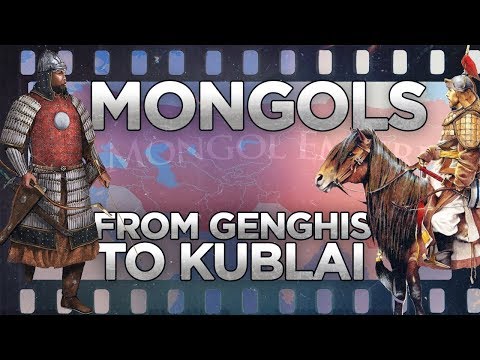
The Mongol Empire: A Deep Dive into Its Rise and Conquests (Genghis to Kublai)

The annals of history are replete with empires that have shaped the course of human civilization, but few loom as large or cast as long a shadow as the Mongol Empire. This vast dominion, forged in the crucible of nomadic steppe life and propelled by the relentless ambition of its leaders, fundamentally reshaped the geopolitical landscape of the 13th century and beyond. In this extensive exploration, we delve into the foundational years of the Mongol Empire, tracing its meteoric rise from the era of its founder, Genghis Khan, to the consolidation of power under his grandson, Kublai Khan. This article aims to provide a comprehensive overview for those seeking to understand the military, political, and cultural transformations that defined this pivotal period.

Introduction: The Genesis of an Empire

The story of the Mongol Empire is not merely one of military conquest; it is a narrative of exceptional leadership, strategic brilliance, and an unparalleled ability to adapt and integrate diverse cultures. Emerging from the ostensibly disparate tribes of the Eurasian steppe, the Mongols, under unified command, unleashed a force that swept across continents. This documentary and accompanying analysis focuses on the critical period of the empire's genesis and early expansion, covering the pivotal campaigns that laid the groundwork for one of history's largest contiguous land empires. We will examine the key figures, the significant battles, and the strategic objectives that characterized this transformative era.

Genghis Khan: The Architect of Unity

Born Temüjin around 1162 CE, Genghis Khan (meaning "universal ruler") rose from a precarious childhood marked by hardship and tribal conflict to become the supreme leader of the Mongol people. His genius lay not only in his military prowess but also in his capacity for political organization. He unified the fractious Mongol and Turkic tribes, not through brute force alone, but by implementing a meritocratic system, establishing a written script (the Uyghur-Mongolian script), and codifying laws known as the Yassa. This unification was the essential precursor to the empire's subsequent expansion. His vision was to create a lasting political entity, a stark departure from the ephemeral tribal confederations of the past.

The Mongol Empire was more than just a military machine; it was a complex socio-political entity that facilitated unprecedented cultural and technological exchange across Eurasia.

The Early Conquests: Forging a Path Through Asia

With the Mongols unified, their gaze turned outward. The early campaigns were directed towards neighboring sedentary societies, primarily the Jin Dynasty in Northern China, the Western Xia, and the Khwarazmian Empire in Central Asia. These conquests were characterized by brutal efficiency and innovative military tactics, including sophisticated siege warfare adapted from conquered peoples and highly mobile cavalry units capable of overwhelming numerically superior but less coordinated adversaries.

Key battles and campaigns during this foundational period include:

  • The Battle of Yehuling (1211): A decisive victory against the Jin Dynasty that opened the door for the conquest of northern China.
  • The Conquest of the Khwarazmian Empire (1219-1221): A devastating campaign that demonstrated Mongol military superiority in open warfare and siegecraft, stretching their dominion deep into Persia and Central Asia.
  • Subutai and Jebe's Great Raid (1221-1223): This reconnaissance-in-force saw two of Genghis Khan's most brilliant generals lead a cavalry army through the Caucasus and into Eastern Europe, culminating in the decisive Battle of Kalka River against a coalition of Rus' principalities and Kipchak forces. This raid provided invaluable intelligence about the lands and peoples to the west.

These early successes not only expanded the empire's territory but also instilled fear in potential enemies and attracted skilled individuals, from artisans to administrators, to the Mongol banner. The systematic nature of their campaigns, often involving the complete destruction of cities that resisted and the relocation of populations, ensured both the consolidation of conquered territories and the propagation of Mongol influence.

Succession and Continued Expansion

Upon the death of Genghis Khan in 1227, the question of succession arose. His third son, Ogedai Khan, was elected as the Great Khan. Under Ogedai's reign, the empire continued its relentless expansion. His reign saw the final subjugation of the Jin Dynasty, the invasion of the Rus' principalities and Eastern Europe (including the devastating Battles of Legnica and Mohi in 1241), and campaigns into the Southern Song Dynasty of China and towards the Middle East. The military genius of generals like Subutai and Jebe was instrumental in these successes, orchestrating campaigns across vast distances with remarkable coordination.

The empire was divided into khanates, ostensibly under the suzerainty of the Great Khan, but increasingly autonomous. The westernmost territories were largely governed by the Golden Horde, founded by Batu Khan (a grandson of Genghis), while the heartland of Central Asia remained under the Chagatai Khanate, led by Chagatai Khan. The Ilkhanate in Persia was founded by Hulagu Khan (another grandson), and the nascent Great Khanate in Mongolia and Northern China was initially overseen by Ogedai.

Kublai Khan: The Great Khan and the Yuan Dynasty

The mid-13th century saw internal strife and a succession crisis following the death of Ogedai and subsequent rulers. However, the empire's trajectory was re-energized by Kublai Khan, the fifth Great Khan, who reigned from 1260 to 1294. Kublai's ambition extended beyond military conquest; he sought to establish a stable, centralized administration and adopted many of the trappings of Chinese imperial rule. In 1271, he officially proclaimed the Yuan Dynasty, signaling a significant shift in the empire's identity.

Kublai Khan's reign was marked by:

  • The Conquest of the Southern Song Dynasty (completed 1279): This final conquest brought all of China under Mongol rule, a monumental achievement that integrated a vast and ancient civilization into the Mongol imperium.
  • Establishment of a Bureaucratic System: Kublai adopted and adapted Chinese administrative structures, employing both Mongols and, crucially, Chinese officials, fostering a period of relative stability and prosperity.
  • Failed Invasions of Japan (1274 and 1281) and Vietnam: These expeditions, though ultimately unsuccessful, highlight the continued ambition of the Mongol Empire to expand its influence, pushing the boundaries of maritime warfare.
  • Patronage of Arts and Sciences: Under Kublai, cities like Dadu (modern Beijing) flourished, becoming centers of trade, culture, and learning.

Kublai Khan represents a pivotal figure in Mongol history, bridging the gap between the nomadic conquerors and the rulers of a vast, settled empire. His efforts to Sinicize the Yuan Dynasty profoundly influenced the future of China.

The intricate web of trade routes, known collectively as the Silk Road, experienced a golden age under Mongol rule, facilitating the exchange of goods, ideas, and technologies between East and West.

The Enduring Legacy of the Mongol Empire

The Mongol Empire, despite its relatively short lifespan as a unified entity, left an indelible mark on world history. Its conquests facilitated the largest contiguous land empire ever known, connecting disparate regions and fostering unprecedented intercontinental exchange. The Pax Mongolica, a period of relative peace and stability across the empire, allowed for the safe passage of merchants, missionaries, and travelers, including figures like Marco Polo, whose accounts offered Europeans a glimpse into the exotic East. This exchange wasn't limited to goods; technologies, scientific knowledge, and even diseases, such as the Black Death, traversed the empire, impacting societies across continents.

From a sociological perspective, the Mongol Empire demonstrated the power of effective leadership and centralized organization in transforming nomadic societies into dominant political forces. Historically, their impact on the development of nation-states in Eastern Europe, the transformation of governance in China, and the spread of Islam in Central Asia are undeniable. The empire's legacy continues to be debated by historians, but its role in shaping the modern world is universally acknowledged.

Practical Guide DIY: Analyzing Historical Maps

Understanding the vast territorial expanse and strategic movements of the Mongol Empire is significantly aided by the study of historical maps. These visual representations offer invaluable insights into geopolitical boundaries, trade routes, and military campaigns. Here’s a practical guide to analyzing historical maps related to the Mongol era:

  1. Identify the Map's Scope and Time Period: Determine what region and time frame the map covers. For instance, a map focusing on Genghis Khan's early conquests will differ significantly from one depicting Kublai Khan's Yuan Dynasty. Look for dates or explicit mentions of rulers.
  2. Examine Key Geographical Features: Pay attention to rivers, mountains, deserts, and coastlines. These features often dictated the routes of conquest and the placement of settlements. For the Mongols, rivers like the Indus and Yangtze, and mountain ranges like the Altai, were crucial.
  3. Locate Major Cities and Capitals: Identify significant urban centers. For the Mongol Empire, cities like Karakorum (the early capital), Khanbaliq (Dadu/Beijing under Kublai), Samarkand, and Sarai (capital of the Golden Horde) are vital points of reference.
  4. Trace Routes of Conquest and Trade: Look for depicted military campaigns or trade routes (like the Silk Road). Note the direction and extent of these movements. Maps might show arrows indicating military advances or lines representing established trade networks.
  5. Analyze Political Boundaries and Territories: Observe how territories are demarcated. Understand which regions were under direct Mongol rule, which were tributary states, and which remained independent. Note the divisions into khanates.
  6. Consider the Mapmaker's Perspective: Be aware that historical maps can reflect the biases or knowledge limitations of their creators. Maps made by Europeans might emphasize different aspects than those made by scholars within the Mongol Empire or in conquered territories.
  7. Cross-Reference with Historical Texts: Always compare map information with written historical accounts to corroborate findings and gain a deeper understanding. For example, use the map to visualize the routes mentioned in battles like Kalka River or battles in Iran.

Frequently Asked Questions

What was the primary catalyst for the Mongol Empire's rapid expansion?

The primary catalyst was the unification of the disparate Mongol and Turkic tribes under Genghis Khan, transforming them from fragmented groups into a cohesive military and political force. His leadership, strategic brilliance, and the implementation of a meritocratic system were crucial.

What was the extent of the Mongol Empire at its peak?

At its peak in the late 13th century, the Mongol Empire was the largest contiguous land empire in history, stretching from Eastern Europe and the Levant across Asia to the Sea of Japan. It encompassed territories that today include China, Mongolia, Central Asia, parts of Russia, Persia, and the Indian subcontinent.

How did the Mongols govern their vast empire?

The Mongols employed a system that evolved over time. Initially, they relied on military governors and the Yassa law. Later, particularly under Kublai Khan, they adopted administrative structures from conquered civilizations, notably those of China (Yuan Dynasty), and established regional khanates with varying degrees of autonomy.

What was the significance of the Pax Mongolica?

The Pax Mongolica (Mongol Peace) was a period of relative stability across the empire. This peace facilitated safe travel and trade along the Silk Road, leading to significant cultural, technological, and economic exchange between East and West.

Did the Mongol Empire decline rapidly?

While the unified empire began to fragment into successor khanates in the late 13th and early 14th centuries, its influence persisted. The successor states, such as the Yuan Dynasty in China, the Golden Horde in Russia, and the Ilkhanate in Persia, continued for centuries, each leaving its own distinct historical legacy.

The rise of the Mongol Empire is a testament to human ambition, strategic acumen, and the transformative power of unification. From the steppes of Mongolia to the palaces of China, the legacy of Genghis Khan, Ogedai Khan, and Kublai Khan continues to fascinate and inform our understanding of history.