Mostrando las entradas para la consulta Rudolf Steiner ordenadas por relevancia. Ordenar por fecha Mostrar todas las entradas

Rudolf Steiner's Esoteric Pedagogy and the Waldorf Schools: An Anthropological and Historical Analysis

Introduction: The Enigma of Waldorf Education

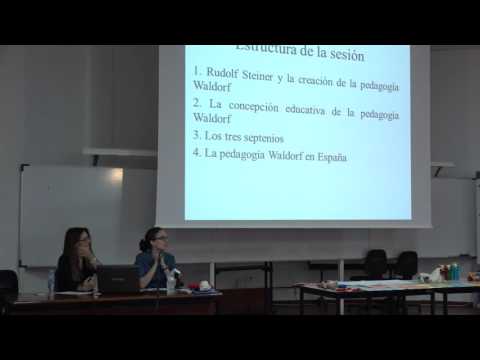
The pedagogical landscape is vast and varied, yet few educational philosophies have sparked as much enduring interest and debate as that developed by Rudolf Steiner and embodied in Waldorf schools. These institutions, often perceived as distinct from mainstream educational approaches, are rooted in a profound, albeit complex, philosophical system known as Anthroposophy. This article delves into the core tenets of Steiner's esoteric pedagogy, examining its historical origins, anthropological underpinnings, and sociological implications. We aim to provide a comprehensive overview for those seeking to understand the unique world of Waldorf education, moving beyond superficial descriptions to explore the intellectual architecture that supports its practices. The intention of this analysis is to satisfy the academic curiosity of readers interested in fields such as anthropology, history, sociology, and philosophy, offering a nuanced understanding of this influential educational movement.

The initial conceptualization of Waldorf education emerged in a period of significant societal upheaval, seeking to offer a counter-narrative to the industrialization and mechanization that characterized early 20th-century Europe. Rudolf Steiner, a prolific philosopher and mystic, posited that true human development required an understanding of the spiritual dimensions of existence, a concept he termed Anthroposophy. This esoteric worldview directly informed his approach to education, advocating for a curriculum and teaching methodology designed to nurture the child's holistic development – physical, emotional, intellectual, and spiritual.

Rudolf Steiner: The Architect of Anthroposophy

Rudolf Steiner (1861-1925) remains one of the most enigmatic and influential figures of the late 19th and early 20th centuries. A philosopher, social reformer, and esotericist, Steiner developed Anthroposophy, a comprehensive spiritual philosophy that seeks to bridge the perceived gap between spirit and matter, science and religion. Born in Austria, he initially pursued a rigorous academic path in science and philosophy, culminating in a doctorate in philosophy from the University of Rostock. His early work focused on interpreting the philosophical and scientific thought of his time, particularly the writings of Goethe.

However, Steiner's intellectual trajectory soon veered towards the spiritual. He claimed to possess clairvoyant abilities, which he viewed not as supernatural gifts but as developed faculties of perception accessible through dedicated training. This led him to establish the Anthroposophical Society in 1912, a global organization dedicated to the study and practice of Anthroposophy. Central to his teachings was the idea of human evolution as a multi-faceted process involving not only physical and psychological development but also spiritual progression.

"The spiritual world is not in opposition to the physical world; it is its foundation and upholds it." - Rudolf Steiner

Steiner's prolific output includes hundreds of lectures and numerous books covering a vast array of subjects, including education, medicine, agriculture, art, and social organization. His pedagogical theories, later formalized into the Waldorf curriculum, were revolutionary for their time, emphasizing the developmental stages of the child and advocating for an education that engaged the whole person, not just the intellect. The entity at the heart of this discussion is undoubtedly Rudolf Steiner, and his philosophical system, Anthroposophy, forms the bedrock upon which Waldorf education is built.

Anthroposophy as a Foundation for Pedagogy

Anthroposophy, in its essence, is a path of knowledge that seeks to understand the human being and the world through both scientific and spiritual inquiry. Steiner proposed that the human being is a complex entity composed of physical, etheric (life forces), astral (soul qualities), and ego (spiritual self) bodies, each developing at different stages of life. This understanding of human constitution is paramount in Waldorf pedagogy.

The Waldorf approach posits that a child's development unfolds in distinct seven-year cycles, or "epochs." Each epoch presents unique capacities and challenges that the educational process should address.

  • 0-7 years (Early Childhood): Focus on imitation, imaginative play, and sensory experiences. The physical body is developing rapidly, and learning is primarily through doing and experiencing.
  • 7-14 years (Elementary School): Emphasis on the awakening of feeling and imagination. The curriculum is presented through stories, art, music, and movement, fostering a love for learning and a connection to the subject matter.
  • 14-21 years (High School): Development of abstract thinking, critical judgment, and independent ideation. The curriculum becomes more academic and intellectually rigorous, encouraging students to form their own opinions and engage with complex ideas.

This developmental model, derived directly from Anthroposophical principles, dictates the content and methodology of Waldorf education. For instance, the avoidance of early formal academics, such as reading and writing, in favor of play and artistic activities during the first epoch, stems from Steiner's belief that it is crucial for healthy physical and soul development. The subsequent introduction of abstract concepts is carefully sequenced to align with the developing capacities of the adolescent. Key concepts that are semantically related include the four bodies of the human being, developmental epochs, and the principle of imitation.

The Waldorf Curriculum: A Holistic Approach

The Waldorf curriculum is renowned for its breadth and its integration of the arts and practical skills into academic subjects. It deliberately steers away from a purely utilitarian or examination-focused model, aiming instead to cultivate well-rounded, creative, and capable individuals.

Core subjects are taught not in isolation but are interwoven through a main lesson block system, where a particular subject is studied intensively for several weeks. This allows for deep immersion and thematic exploration.

  • Main Lessons: Typically cover subjects like history, science, mathematics, and literature, presented through storytelling, artistic activities, and practical projects.
  • Arts and Crafts: Music (singing, instrumental instruction), visual arts (drawing, painting, sculpting), handwork (knitting, sewing, woodworking), and eurythmy (a movement art developed by Steiner) are integral to the daily schedule.
  • Foreign Languages: Often introduced early and taught through song, verse, and play.
  • Eurythmy: A unique art form that aims to make speech and music visible through movement, connecting the physical and spiritual realms.
  • Practical Skills: Gardening, cooking, and various forms of crafts are emphasized to develop manual dexterity and an appreciation for the physical world.

The use of narrative and storytelling is a hallmark of Waldorf teaching, particularly in the elementary grades. Historical events, scientific phenomena, and mathematical concepts are often introduced through engaging stories, which Steiner believed were essential for stimulating the child's imagination and emotional engagement. This contrasts sharply with many conventional curricula that prioritize direct instruction and rote memorization. The work of Waldorf schools and the Waldorf curriculum are central entities here.

"The greatest challenge of childhood is to shape a happy human being." - Rudolf Steiner

The avoidance of standardized testing and grading, especially in the early years, is another distinguishing feature. Instead, teachers provide detailed narrative reports on student progress, emphasizing individual development over comparative ranking. This approach seeks to foster intrinsic motivation and a genuine love for learning, free from the pressures of external validation.

Historical Context: Waldorf Education in the Early 20th Century

The first Waldorf school was founded in 1919 in Stuttgart, Germany, in response to the profound social and economic dislocations following World War I. The world was grappling with the aftermath of industrialization, the rise of nationalism, and the perceived dehumanizing effects of modern society. In this milieu, Rudolf Steiner was invited by Emil Molt, the director of the Waldorf-Astoria cigarette factory, to establish a school for the children of the factory workers.

Steiner's educational philosophy was, in many ways, a direct response to these societal conditions. He sought to create an educational system that could counteract the fragmenting tendencies of modern life and nurture individuals capable of bringing about a more harmonious and spiritual future. The pedagogical principles he espoused were not merely academic but were intended to foster a holistic human development that would, in turn, contribute to social renewal. The founding of the first Waldorf school in Stuttgart is a key historical marker.

The early years of Waldorf education were marked by rapid growth and international interest, despite facing significant challenges, including the rise of Nazism. The Waldorf schools were temporarily closed by the Nazi regime in 1937, viewed as promoting an "un-German" and "alien" form of education. However, after World War II, the movement experienced a resurgence and spread globally. The post-war era saw a growing dissatisfaction with purely materialistic and scientific worldviews, creating fertile ground for Anthroposophical ideas and Waldorf education.

Understanding this historical context is crucial for appreciating the motivations behind Steiner's pedagogical innovations. The emphasis on creativity, holistic development, and spiritual inquiry can be seen as a deliberate counterpoint to the prevailing forces of industrialization and rationalism. Examining the early 20th century offers vital insights into the genesis of this educational philosophy.

Anthropological Perspectives on Waldorf Schools

From an anthropological standpoint, Waldorf schools can be examined as unique cultural institutions that transmit specific values, beliefs, and practices across generations. The core Anthroposophical worldview, with its emphasis on spiritual realities and developmental stages, shapes the very fabric of the Waldorf community.

Anthropologists might study the rituals and ceremonies that punctuate the Waldorf school year, such as seasonal festivals (e.g., Michaelmas, St. John's Day), which are imbued with symbolic meaning derived from Anthroposophy. These events serve not only as celebrations but also as pedagogical tools, reinforcing the connection between human life and natural cycles, as well as the spiritual underpinnings of existence. The role of the teacher in Waldorf education is also of significant anthropological interest. Teachers are not merely instructors but are seen as guides who work with the children's developmental stages, often staying with the same class for several years ("looping"). This creates a deep bond and allows for a more intimate understanding of each child's journey.

"The purpose of Waldorf education is to provide children with the foundation and inspiration to become free, morally responsible, and purpose-driven individuals." - Waldorf Education Worldwide

The concept of "holistic development" itself can be analyzed anthropologically as a particular cultural ideal for personhood. What constitutes a "well-rounded" individual is culturally defined, and Waldorf education offers a specific vision of this ideal, rooted in Steiner's spiritual cosmology. The relationship between the material world and the spiritual world, a central tenet of Anthroposophy, shapes the Waldorf understanding of reality and influences how children are taught to perceive and interact with their environment. This perspective aligns with broader anthropological inquiries into how societies construct meaning and transmit cultural knowledge.

Furthermore, the emphasis on arts and crafts can be viewed through the lens of cultural production and the transmission of embodied knowledge. Skills like knitting, woodworking, and drawing are taught not just for their practical utility but as ways of cultivating mindfulness, creativity, and a connection to the material world. Studying these practices offers insights into how a particular culture cultivates specific forms of human capacity and understanding, drawing on themes in anthropology and archaeology.

Sociological Implications of the Waldorf Model

Sociologically, Waldorf education presents several points of interest, particularly concerning social stratification, community formation, and the reproduction of cultural capital. While Waldorf schools are often perceived as accessible, research has indicated that they can sometimes be associated with higher socioeconomic strata, raising questions about equity and access.

The distinctive pedagogy and philosophy of Waldorf education can contribute to the formation of a distinct community among parents and educators who share a common set of values and beliefs. This can lead to strong parent involvement and a sense of collective purpose, but it may also create social boundaries between the Waldorf community and the broader society. The emphasis on a particular worldview, derived from Anthroposophy, can also be seen as a form of cultural capital that is transmitted within these schools, potentially shaping the future trajectories of their students.

The educational philosophy itself has wider sociological implications. By prioritizing holistic development, artistic expression, and a spiritual dimension, Waldorf education offers an alternative to the more technocratic and standardized approaches prevalent in many public education systems. This can foster critical thinking and creativity, potentially producing graduates who challenge conventional norms or pursue unconventional career paths. The curriculum's focus on imagination and inner life, as theorized by thinkers like Pierre Bourdieu in relation to habitus and cultural capital, can influence the ways students perceive the world and their place within it.

Moreover, the intentional integration of arts and practical skills challenges the traditional sociological divide between academic and vocational education. Waldorf schools implicitly argue for the intellectual and developmental value of artistic and manual pursuits, contributing to a broader discourse on the nature of knowledge and the aims of education in contemporary society. Examining these aspects provides a rich ground for understanding cultures and societal structures.

DIY Practical Guide: Observing Childhood Development Through a Waldorf Lens

While replicating a full Waldorf school environment at home is a significant undertaking, parents and educators can adopt certain principles and practices to observe and support child development in a Waldorf-inspired manner. This guide offers practical steps for creating a Waldorf-attuned experience, focusing on observation and fostering imaginative play.
  1. Create an Imaginative Play Environment: Designate a space for free play that encourages creativity. Use natural materials like wooden blocks, silk scarves, shells, and stones. Avoid overly prescriptive toys that dictate a specific way to play. Focus on open-ended materials that can be transformed into anything the child imagines.
  2. Engage in Rhythmic Activities: Establish daily and weekly rhythms. This could include consistent mealtimes, bedtime routines, and dedicated times for specific activities like storytelling, singing, or simple chores. Rhythm provides security and predictability for the child.
  3. Prioritize Imitation in Early Years: For younger children (0-7 years), provide opportunities for them to imitate practical activities. This could involve baking, gardening, cleaning, or simple crafts. Children learn by observing and doing, so involve them in real household tasks in an age-appropriate manner.
  4. Tell Stories with Vivid Imagery: Regularly tell fairy tales, folk tales, or create your own stories. Use expressive language and gestures to bring the narrative to life. Focus on stories that have clear moral structures and archetypal characters, which are central to Waldorf storytelling.
  5. Incorporate Nature and Seasonal Awareness: Connect children with the natural world through outdoor play, nature walks, and seasonal crafts. Celebrate seasonal festivals in simple ways to foster an understanding of natural cycles. Collect natural items like leaves, stones, and seeds for crafts or play.
  6. Observe and Document Development: Keep a journal to record observations of your child's play, their interests, their social interactions, and their developmental milestones. Focus on understanding their unique pace and capacities, rather than comparing them to external standards. This is a form of anthropological registration.
  7. Limit Early Screen Time: Waldorf education strongly advises against early exposure to electronic media, believing it can hinder imaginative development and sensory integration. Prioritize hands-on, sensory experiences over passive screen consumption.

By implementing these steps, one can begin to foster an environment that nurtures the qualities central to Waldorf education: imagination, creativity, a connection to nature, and a balanced approach to learning. This DIY approach draws inspiration from anthropology, psychology, and the practical wisdom of the DIY ethos.

Frequently Asked Questions

What is Anthroposophy?

Anthroposophy is a spiritual philosophy developed by Rudolf Steiner that seeks to understand the human being and the world through a combination of scientific inquiry and spiritual perception. It posits that the universe and human existence have spiritual dimensions that can be accessed through dedicated inner development.

What makes Waldorf education different from other schools?

Waldorf education is distinguished by its holistic approach, emphasizing the development of the whole child—head, heart, and hands. It follows a curriculum based on Steiner's understanding of child development in distinct seven-year stages, integrating arts, music, movement (eurythmy), and practical skills into academic learning, and often eschewing early formal academics and standardized testing.

Are Waldorf schools religious?

Waldorf schools are not affiliated with any specific religion, although they are based on Rudolf Steiner's spiritual philosophy, Anthroposophy. They aim to provide a non-denominational spiritual education that respects diverse beliefs and fosters a sense of the sacred in the world.

What is Eurythmy?

Eurythmy is a movement art developed by Rudolf Steiner that makes speech and music visible through gestures and bodily forms. It is taught in Waldorf schools as a way to enhance coordination, spatial awareness, and the integration of physical, emotional, and intellectual capacities.

Is Waldorf education suitable for all children?

Waldorf education aims to be inclusive, but its unique approach may resonate more strongly with certain children and families. It is best suited for those who value its emphasis on creativity, imagination, holistic development, and a slower-paced, rhythm-based learning environment.

For further exploration into related topics, consider visiting resources on anthropology and the history of alternative education movements.

Conclusion and Final Reflection

Rudolf Steiner's esoteric pedagogy, as manifested in Waldorf schools, offers a profound and distinct approach to education. By grounding its practices in the complex philosophical framework of Anthroposophy, it seeks to cultivate not merely knowledgeable students, but well-developed human beings capable of creative thought, moral responsibility, and a deep connection to the world around them. The historical context of its emergence—a Europe reeling from war and industrialization—highlights its intention as a force for social renewal and individual awakening.

From anthropological and sociological perspectives, Waldorf education presents a rich case study in cultural transmission, community formation, and the articulation of specific ideals of personhood. Its emphasis on developmental stages, imaginative learning, and the integration of arts and practical skills challenges conventional educational paradigms. While questions of access and the precise nature of its spiritual underpinnings remain subjects of ongoing discussion, the enduring global presence of Waldorf schools attests to the significant impact of Steiner's vision.

The "Do It Yourself" guide provided aims to bridge the gap between theoretical understanding and practical application, offering tangible ways to engage with Waldorf principles in everyday life. Ultimately, understanding Rudolf Steiner and the Waldorf movement requires an open mind, a willingness to explore unconventional ideas, and an appreciation for the intricate relationship between philosophy, spirituality, and pedagogy. The ongoing dialogue surrounding this educational philosophy underscores its relevance and its capacity to inspire alternative visions for human development.

If you found this analysis valuable and wish to delve deeper into the realms of anthropology, psychology, or history, we encourage you to explore our other posts and share your thoughts in the comments below.

Session 1: Foundational Anthroposophy - A Comprehensive Exploration

Welcome to El Antroposofista, your premier online resource dedicated to the multifaceted realms of anthropology, archaeology, psychology, and history. This foundational session delves into the core tenets of Anthroposophy, offering a rigorous yet accessible introduction to its principles and historical context. We aim to provide a deep understanding, moving beyond superficial definitions to explore the practical implications and intellectual lineage of this unique philosophical and spiritual movement.

Introduction to Anthroposophy

Anthroposophy, a term derived from the Greek words "anthropos" (human being) and "sophia" (wisdom), literally means "wisdom of the human being." It is a comprehensive philosophical and spiritual movement founded by the Austrian philosopher and esotericist Rudolf Steiner in the early 20th century. Far from being a rigid dogma, Anthroposophy presents itself as a path of knowledge intended to guide the individual towards a deeper understanding of the human being, the cosmos, and their interconnectedness. It seeks to bridge the perceived gap between the material and the spiritual, offering a framework for comprehending reality that integrates scientific observation with inner, spiritual perception.

This introductory session will lay the groundwork for understanding Anthroposophy. We will explore its origins, its founder, its fundamental principles, and its practical manifestations in fields such as education, agriculture, and medicine. Our objective is to equip you with the essential knowledge to engage with Anthroposophical ideas critically and to appreciate its potential impact on personal development and societal transformation.

Rudolf Steiner: The Visionary

At the heart of Anthroposophy lies the work of Rudolf Steiner (1861-1925). A prolific writer, lecturer, and thinker, Steiner developed a unique approach to understanding the spiritual nature of reality. His early academic work focused on philosophy and natural sciences, culminating in his doctoral thesis on Nietzsche. However, his interests soon extended into esoteric and spiritual realms, leading him to become a prominent figure in the Theosophical Society before breaking away to found his own movement.

Steiner's extensive body of work, encompassing over 6,000 lectures and numerous books, outlines a detailed cosmology and a path for human spiritual evolution. He posited that through specific methods of inner development, individuals could cultivate faculties of spiritual perception, allowing them to directly experience supersensible realities. This capacity, he believed, was not a relic of ancient mystery traditions but a potential that could be awakened in modern consciousness.

"The world is a spiritual reality, and the human being is the bridge between the physical and the spiritual." - A core sentiment in Rudolf Steiner's teachings.

His insights profoundly influenced various fields. The first Waldorf school, established in 1919 in Stuttgart, Germany, was a direct outcome of Steiner's pedagogical principles. Similarly, the Biodynamic agriculture movement and Anthroposophical medicine emerged from his lectures, all seeking to apply his holistic worldview to practical challenges.

Core Concepts and Principles

Anthroposophy is built upon several interconnected concepts that offer a unique lens through which to view human existence and the universe. Understanding these pillars is crucial for grasping the breadth of Steiner's vision:

  • The Fourfold Human Being: Steiner described the human being as comprising four interconnected levels: the physical body, the etheric body (life forces), the astral body (consciousness, soul forces), and the ego (spirit individuality). Each level has distinct functions and is subject to different laws.
  • The Threefold Social Order: Reflecting on societal structures, Steiner proposed a threefold division of social life: the spiritual-cultural realm (freedom in thinking and the arts), the rights-based realm (equality in the legal and political sphere), and the economic realm (fraternity in production and exchange). He believed a healthy society required the balanced and independent functioning of these three spheres.
  • Spiritual Research and Methods: Anthroposophy is not based on blind faith but on a call for rigorous spiritual research. Steiner described meditative practices and contemplative exercises designed to awaken higher cognitive faculties, allowing for direct experience of spiritual phenomena. This contrasts with traditional scientific methods focused solely on the material world.
  • Reincarnation and Karma: Like many esoteric traditions, Anthroposophy posits that the human soul undergoes a process of reincarnation, learning and evolving through multiple earthly lives. Karma, understood as the law of cause and effect operating across these lives, shapes individual destiny and the challenges faced.
  • The Evolution of Consciousness: Steiner viewed human evolution not merely as a biological process but as a development of consciousness, moving from ancient, instinctual spiritual awareness through the current intellectual age, towards a future stage of conscious spiritual self-awareness.

These concepts form an intricate web, illustrating Anthroposophy's holistic approach to understanding human life and its place within the cosmos. It is a system designed to foster a more complete and integrated understanding of reality.

Anthroposophy and the Scientific View

A frequent point of discussion is the relationship between Anthroposophy and contemporary science. Steiner was a scientist in his own right and deeply respected the achievements of empirical science. However, he argued that science, as it stood in his time, was limited to the observation and analysis of the physical world. He believed that the spiritual dimensions of reality could also be investigated, albeit through different methodologies.

Anthroposophy does not seek to replace natural science but to complement it by extending the scope of human knowledge. Steiner's "spiritual science" is presented as a rigorous discipline, demanding discipline, clarity of thought, and systematic practice from its adherents. It offers hypotheses and insights that, while not always immediately verifiable by conventional scientific instruments, can lead to profound understanding and practical innovation when applied thoughtfully.

"Science describes the physical world; spiritual science describes the spiritual world. Both are necessary for a complete understanding." - An interpretation of Steiner's comparative approach.

The challenge for many is to bridge the perceived divide between empirical evidence and spiritual experience. Anthroposophy encourages individuals to engage with its ideas critically, testing them not just intellectually but through their own inner experience and practical application. This dual approach is central to its ethos.

Practical Applications: Waldorf Education and Biodynamics

The theoretical framework of Anthroposophy has given rise to significant practical initiatives that have gained international recognition. Among the most prominent are:

  • Waldorf Education: Founded on Steiner's pedagogical principles, Waldorf schools aim to educate the whole child—head, heart, and hands. The curriculum is designed to unfold developmental stages, integrating academic learning with artistic activities, practical skills, and social-emotional development. The emphasis is on fostering creativity, critical thinking, and a lifelong love of learning, free from early-childhood testing pressures.
  • Biodynamic Agriculture: This form of organic farming, pioneered by Steiner in a series of lectures in 1924, views the farm as a self-sustaining organism. It emphasizes ecological balance, soil vitality, and cosmic rhythms. Biodynamic practitioners use specific preparations made from plants, minerals, and animal manure to enhance soil fertility and plant health, aiming for food of superior quality and vitality.
  • Anthroposophical Medicine: This approach complements conventional medicine by considering the human being in their spiritual, soul, and physical dimensions. It utilizes conventional diagnostic methods alongside Anthroposophical insights to develop therapeutic approaches, often employing remedies derived from nature and emphasizing artistic and movement therapies.

These fields demonstrate Anthroposophy's commitment to translating its philosophical insights into tangible contributions that address human needs and foster a more conscious and sustainable way of living.

DIY Contemplation: Cultivating Inner Awareness

Anthroposophy emphasizes the development of inner capacities. While advanced meditative practices require guidance, individuals can begin cultivating inner awareness through simple, accessible exercises. This DIY guide offers a starting point for developing observational skills and reflective practices.

  1. Mindful Observation Exercise:
    1. Choose a simple object (e.g., a leaf, a stone, a cup).
    2. Dedicate 5-10 minutes to observing it without judgment.
    3. Pay attention to its form, color, texture, and any subtle details you might usually overlook.
    4. After observation, write down your impressions. Focus on descriptive language rather than interpretation.
  2. Daily Reflection Practice:
    1. At the end of each day, take 5 minutes to mentally review the events.
    2. Identify one positive experience and one challenging experience.
    3. For each, reflect briefly on what you learned or how you might approach a similar situation differently in the future.
    4. Write down key insights or intentions for the next day.
  3. Cultivating Inner Speech Awareness:
    1. Throughout the day, briefly note the nature of your inner thoughts or self-talk. Are they critical, encouraging, distracting, or constructive?
    2. Without judgment, simply observe the patterns. The goal is to become more aware of your internal dialogue.
    3. Over time, this awareness can empower you to guide your thoughts more consciously.

These exercises are designed to build the foundation for a more conscious engagement with oneself and the world, a core aim of Anthroposophical practice.

Frequently Asked Questions

What is the primary goal of Anthroposophy?

The primary goal of Anthroposophy is to foster individual spiritual development and a deeper understanding of the human being's place in the cosmos. It aims to provide a path for knowing the spiritual world, thereby enriching and transforming the individual's life and contributing to society.

Is Anthroposophy a religion?

Anthroposophy is not a religion in the traditional sense, as it does not involve dogma or creed. While it acknowledges the spiritual dimensions of existence and draws from various spiritual traditions, it emphasizes individual research and experience over adherence to a specific religious framework. Rudolf Steiner himself described it as a "path of knowledge."

How does Anthroposophy relate to science?

Anthroposophy proposes a "spiritual science" that complements, rather than replaces, natural science. It argues that the methods of natural science are limited to the material world, and that spiritual phenomena can be investigated through specific meditative and contemplative practices, leading to a more complete understanding of reality.

What are the practical applications of Anthroposophy?

Key practical applications include Waldorf education, which focuses on the holistic development of the child; Biodynamic agriculture, an ecological approach to farming; and Anthroposophical medicine, which views health and illness within a broader spiritual, soul, and physical context.

Is Anthroposophy difficult to understand?

Anthroposophy's concepts can be complex and require dedicated study. Rudolf Steiner's extensive body of work covers a wide range of topics. However, its principles are often presented in a way that is intended to be accessible through dedicated personal effort and practice, with many resources available for newcomers.

Conclusion and Final Reflections

This foundational session has offered a glimpse into the rich landscape of Anthroposophy, tracing its origins with Rudolf Steiner, exploring its core concepts, and highlighting its practical outgrowths. Anthroposophy presents a compelling vision of human potential, grounded in the belief that spiritual realities are accessible through diligent inner work and disciplined observation.

As we navigate the complexities of the modern world, the holistic perspective offered by Anthroposophy—integrating the material and the spiritual, the individual and the social—provides valuable insights. Whether through its educational, agricultural, or medical applications, or through personal contemplative practice, Anthroposophy invites us to embark on a journey of deeper self-discovery and cosmic understanding. We encourage you to explore further, engage with its ideas critically, and perhaps even begin your own path of inner exploration.

We welcome your thoughts and questions in the comments below. If you found this exploration enlightening, consider visiting our store for exclusive NFTs or exploring our other blogs on related subjects.

Promoters: Colegio Waldorf Cali, Asofamilia Waldorf Cali.

If you like what I do and want to collaborate, I invite you to visit our store to buy cheap and exclusive NFTs.

We invite you to visit our official blog to check the latest current news in these fields: Comprender Culturas. We also invite you to visit our other blogs, with themes for every taste: History, Learning, Data, Maps, Info, Anthropology, Archaeology, Psychology, HD, DIY.

An Introduction to Anthroposophy: Wisdom for a Modern World

Hello and welcome to El Antroposofista, the blog dedicated to unraveling the intricate connections within the worlds of anthropology, archaeology, psychology, and history. In our ongoing exploration of human knowledge and experience, we often encounter fields that offer unique perspectives on our existence. Today, we delve into one such profound discipline: Anthroposophy.

While the terms "anthropology" and "anthroposophy" share a common root – the Greek word anthropos, meaning human – they represent distinct, though sometimes overlapping, intellectual and practical endeavors. This article aims to provide a clear and accessible introduction to Anthroposophy, exploring its origins, core tenets, and its relevance in contemporary life. We will examine how this esoteric philosophy, founded by Rudolf Steiner, seeks to foster a deeper understanding of the human being and the cosmos.

What is Anthroposophy?

At its essence, Anthroposophy is a spiritual philosophy that aims to understand the human being as a complex entity composed of physical, soul, and spiritual aspects. It posits that through specific methods of thinking and perception, individuals can develop their innate spiritual faculties and gain direct knowledge of the spiritual world. It is not a religion, though it acknowledges the spiritual dimensions of all religions, nor is it a dogma to be passively accepted. Instead, it is presented as a path of knowledge—a "science of the spiritual"—that encourages rigorous inner work and self-development.

The term "Anthroposophy" itself signifies "wisdom of the human being." This wisdom is not merely academic or intellectual; it is intended to be a living, applied knowledge that can inform and transform every aspect of life, from education and medicine to agriculture and the arts. It seeks to bridge the gap between the material and spiritual worlds, offering a holistic worldview that is both intellectually stimulating and practically applicable.

Anthroposophy seeks to develop the capacities of the human spirit, enabling individuals to perceive and engage with the spiritual realities that underlie the physical world.

For those interested in further exploration, the Rudolf Steiner Foundation offers extensive resources. It's important to note that Anthroposophy is a broad field, and understanding its nuances requires dedicated study and personal experience.

The Roots in Rudolf Steiner

Anthroposophy is inextricably linked to its founder, Rudolf Steiner (1861-1925). An Austrian philosopher, esotericist, and social reformer, Steiner developed a comprehensive worldview based on his own spiritual research and clairvoyant experiences. He presented his findings through lectures, writings, and the establishment of various practical initiatives.

Steiner's early academic work focused on philosophy and science, particularly his doctoral dissertation on Johann Wolfgang von Goethe's theories of perception. However, his path led him towards spiritual science. He was associated with various esoteric movements, eventually breaking away to form his own distinct path. In 1913, he founded the Anthroposophical Society, dedicated to studying the principles of Anthroposophy and fostering its practical applications.

Steiner's legacy is vast, encompassing:

  • Waldorf Education: A pedagogical approach that emphasizes the holistic development of the child—intellectual, artistic, and practical.
  • Anthroposophical Medicine: An extension of conventional medicine that incorporates spiritual insights into diagnosis and treatment.
  • Biodynamic Agriculture: A holistic and sustainable approach to farming that views the farm as a self-sustaining organism.
  • Eurythmy: An artistic movement art that makes speech and music visible.
  • Anthroposophical Architecture: A style that seeks to embody spiritual principles in building design.

The Casa Rudof Steiner in Barcelona is an example of an institution dedicated to promoting these principles through seminars, courses, and activities, demonstrating the tangible reach of Steiner's work.

Core Principles of Anthroposophy

Anthroposophy rests on several foundational principles that guide its understanding of the human being and the cosmos:

  • The Fourfold Human Being: Anthroposophy views the human being as comprising four distinct yet interconnected aspects: the physical body (the material organism), the etheric or life body (governing growth and vitality), the astral or soul body (seat of consciousness, emotions, and sensations), and the ego or spirit-man (the core of individuality and self-awareness).
  • Reincarnation and Karma: A central tenet is the belief in reincarnation, where the ego-soul complex enters new physical bodies over successive lifetimes. Karma, understood as the law of cause and effect, governs the unfolding of these lives, presenting challenges and opportunities for soul development.
  • Spiritual Hierarchies: Anthroposophy describes a cosmic order of spiritual beings or hierarchies that guide the evolution of the cosmos and humanity. These beings work through different spheres of reality, influencing natural laws and human consciousness.
  • The Evolution of Consciousness: Steiner described a long evolutionary process for both the Earth and humanity, marked by distinct stages. He emphasized that the current era, the Age of Consciousness Soul, is a critical period for humanity to develop free, conscious individuality and spiritual insight.
  • The Christ Impulse: Central to Steiner's later work is the concept of the "Christ Impulse," understood not as a sectarian dogma but as a cosmic event that infused Earth with spiritual forces, profoundly impacting human evolution and offering the possibility of spiritual rebirth and transformation.
The path of Anthroposophy is one of active engagement with the spiritual world, requiring disciplined thinking and conscious effort.

This path is often described as requiring the development of "clairvoyance," not in a sensationalistic sense, but as a cultivated capacity for perceiving subtle realities, akin to how we perceive the physical world with our ordinary senses. This is achieved through stages of imaginative, inspirational, and intuitive cognition.

Practical Applications: A DIY Approach

While Anthroposophy is a philosophical and spiritual path, its principles are intended to be applied practically. The spirit of "Do It Yourself" (DIY) intellectual and practical engagement is central. Instead of passively receiving information, practitioners are encouraged to actively cultivate their understanding and skills.

DIY Workshop: Developing Inner Perception Through Meditation

One fundamental practice in Anthroposophy is the cultivation of inner capacities through meditative exercises. Here's a simplified approach to a basic contemplative practice:

  1. Find a Quiet Space: Choose a time and place where you will not be disturbed. Sit comfortably with your spine straight but not rigid.
  2. Focus on Your Breath: Gently bring your attention to your breath. Observe the sensation of air entering and leaving your body without trying to control it. This helps calm the mind and anchor your awareness in the present moment.
  3. Practice the "Spiritual Exercise of Concentration": This exercise, often attributed to Steiner, involves focusing intently on a single object or idea. For example, focus on a simple object like a flower. Observe its form, color, and texture. Try to hold this clear image in your mind without letting other thoughts intrude. If your mind wanders, gently bring it back to the object.
  4. Cultivate Inner Speech: As you hold the image, try to "speak" to it internally. Ask questions about its nature, its life forces, its connection to the Earth. This is not about finding factual answers but about engaging in a thoughtful, imaginative dialogue.
  5. Develop the "Spiritual Exercise of Understanding": After concentration, the next step is to open your awareness to the 'meaning' or 'essence' of the object. Imagine the forces that brought the flower into being, its role in nature, its connection to the sun and soil. This moves from a focused image to a broader, empathetic understanding.
  6. Practice "Spiritual Exercise of Impression": In the final stage, aim to receive an 'impression' from the object. This is a more intuitive knowing, a sense of connection and understanding that transcends intellectual analysis. It's about allowing the essence of the flower to impress itself upon your consciousness.
  7. Conclude with Gratitude: Before returning to your daily activities, take a moment to reflect on the exercise and express gratitude for the experience.

Consistency is key. Even short, regular periods of practice can lead to significant development in inner perception and a deeper connection to the world around you. This practical exercise in focus and imaginative thinking is a direct application of Anthroposophical principles, encouraging the development of faculties beyond the purely intellectual.

To delve deeper into related fields that explore human development and understanding, you might find our articles on Comprender Culturas and Antropología Virtual insightful. These topics, while different, share the overarching goal of expanding our comprehension of human existence.

Frequently Asked Questions

Q: Is Anthroposophy a religion?
A: No, Anthroposophy is explicitly not a religion. While it acknowledges and respects all religious traditions and the spiritual dimensions of human life, it presents itself as a path of knowledge and self-development accessible to individuals of any or no religious affiliation.
Q: How can one begin studying Anthroposophy?
A: The best way to begin is by reading introductory texts by Rudolf Steiner, attending lectures or study groups, and exploring the practical initiatives inspired by Anthroposophy, such as Waldorf education or biodynamic farming. Personal practice, like the meditative exercises described, is also crucial.
Q: What is the relationship between Anthroposophy and science?
A: Anthroposophy presents itself as a "spiritual science" that complements, rather than contradicts, empirical science. It posits that conventional science studies the material world effectively, but Anthroposophy extends this by offering methods to investigate the spiritual realms, which it believes are also governed by knowable laws.

In conclusion, Anthroposophy offers a rich and multifaceted perspective on the human being and the cosmos. It invites us to look beyond the purely material, to cultivate our inner capacities, and to engage with the world in a more conscious and holistic manner. While it requires dedication and a willingness to explore the less tangible aspects of existence, its proponents believe it offers profound insights and practical guidance for navigating the complexities of modern life.

We encourage you to continue exploring these themes with us. Your insights and questions in the comments section are always welcome, fostering a collaborative learning environment.

Antroposofía y Teosofía: Explorando sus Orígenes, Fundadores y Manifestaciones Duales

Introducción: Un Vistazo a las Corrientes Espirituales

En el vasto panorama del pensamiento humano, ciertas corrientes espirituales y filosóficas han logrado capturar la imaginación y la devoción de innumerables buscadores de conocimiento. La Antroposofía y la Teosofía, dos de estas influyentes escuelas de pensamiento, a menudo se encuentran entrelazadas en el imaginario colectivo, compartiendo un terreno común en su indagación sobre la naturaleza de la realidad, la espiritualidad humana y el desarrollo interior. Este artículo se propone desentrañar las raíces de ambas disciplinas, presentar a sus figuras fundacionales y explorar las sutiles pero significativas diferencias y complementariedades en sus enfoques, con especial énfasis en la expresión de la dualidad femenina y masculina.

Helena Blavatsky y el Nacimiento de la Teosofía

La génesis de la Teosofía moderna se halla inseparablemente ligada a la figura carismática y enigmática de Helena Petrovna Blavatsky (1831-1891). Nacida en Ucrania, Blavatsky emprendió una vida de viajes y experiencias poco convencionales que, según sus propias narraciones, la llevaron a entrar en contacto con maestros espirituales en Oriente. Su obra magna, La Doctrina Secreta (1888), se convirtió en el pilar fundamental de la Teosofía, presentando un sistema cosmológico y antropológico complejo que buscaba reconciliar la ciencia, la religión y la filosofía. La intención de Blavatsky era presentar una 'sabiduría antigua' universal, subyacente a todas las religiones y filosofías del mundo, ofreciendo una visión del cosmos y del lugar del ser humano en él.

"La Teosofía no es una religión nueva, sino la exposición de una verdad filosófica y científica universal y antigua, que está en la base de todas las religiones, y que el hombre ha estado siempre en posesión de..."

— Helena Blavatsky, La Doctrina Secreta.

La Sociedad Teosófica: Un Legado Literario y Energético

En 1875, en Nueva York, Blavatsky, junto con Henry Steel Olcott y William Quan Judge, fundó la Sociedad Teosófica. Sus objetivos principales eran formar un núcleo de fraternidad universal de la humanidad sin distinción de raza, credo, sexo, casta o color; fomentar el estudio comparativo de religiones, filosofías y ciencias; e investigar las leyes inexplicadas de la Naturaleza y los poderes latentes en el hombre. Las obras de Blavatsky, incluyendo Isis sin Velo (1877) y La Doctrina Secreta, no solo plasmaron su pensamiento, sino que, según la tradición teosófica, transmitían una vibración energética particular. Se ha interpretado que la expresión de Blavatsky y su legado están intrínsecamente ligados a la energía femenina, manifestando cualidades de intuición, receptividad y una profunda conexión con lo arquetípico y lo misterioso.

Para comprender mejor el contexto histórico y la recepción de estas ideas, resulta útil explorar la historia mundial del siglo XIX, una época marcada por un renovado interés en el espiritualismo y las filosofías orientales en Occidente.

Rudolf Steiner y el Surgimiento de la Antroposofía

Si bien Rudolf Steiner (1861-1925) inicialmente colaboró con la Sociedad Teosófica, sus propias investigaciones y desarrollos lo llevaron a divergir y fundar su propio movimiento: la Antroposofía. Nacido en el Imperio Austrohúngaro, Steiner fue un filósofo, científico social y artista que desarrolló la Antroposofía como una "ciencia del espíritu". A diferencia de la Teosofía, que se basaba en gran medida en la tradición oriental y las revelaciones de Blavatsky, la Antroposofía se presenta como un camino de conocimiento accesible a través del desarrollo de facultades espirituales humanas inherentes. Steiner buscaba ofrecer un método para la investigación espiritual que fuera tan riguroso como la ciencia natural, pero aplicado a la esfera del espíritu.

La obra de Steiner es vasta y abarca desde la pedagogía (la educación Waldorf) y la agricultura biodinámica hasta el arte, la medicina y la arquitectura. Su enfoque enfatizaba la comprensión de las leyes espirituales que rigen el universo y la evolución humana, integrando lo material y lo espiritual en una visión holística.

La Sociedad Antroposófica: La Expresión de lo Masculino

La Sociedad Antroposófica fue fundada por Steiner en 1913 en Dornach, Suiza. Sus propósitos son similares en espíritu a los de la Teosofía en cuanto a la búsqueda del conocimiento y la fraternidad, pero con un énfasis particular en el desarrollo del pensamiento claro y el autoconocimiento a través de la meditación y la contemplación. Steiner describió el impulso antroposófico como una manifestación de lo masculino en el sentido de la acción decidida, el pensamiento lógico y la capacidad de dar forma y estructura al mundo espiritual y material. Su legado se caracteriza por la actividad constructiva y la aplicación práctica de sus ideas en diversas áreas de la vida humana.

"La Antroposofía no prescribe ninguna creencia, ninguna doctrina, ninguna norma ética o moral. Busca abrir caminos de investigación espiritual, para que cada ser humano pueda descubrir por sí mismo la verdad que resuena con su propia naturaleza."

— Adaptado de las enseñanzas de Rudolf Steiner.

La Dualidad Esencial: Energía Femenina y Masculina

La interacción entre la Teosofía y la Antroposofía, y sus respectivas figuras fundacionales, ofrece una fascinante perspectiva sobre la dualidad inherente en la expresión de la energía espiritual. Mientras que Blavatsky y la Teosofía a menudo se asocian con la energía femenina, simbolizada por la receptividad, la intuición y la conexión con el conocimiento arquetípico y las profundidades del inconsciente colectivo, Steiner y la Antroposofía se vinculan con la energía masculina, representada por la claridad del pensamiento, la acción consciente y la capacidad de estructurar y manifestar el conocimiento en el mundo. Ambas corrientes, lejos de ser excluyentes, se presentan como complementarias, reflejando la necesidad de integrar ambas polaridades para alcanzar una comprensión completa del ser humano y el cosmos.

Explorar estas dualidades nos invita a reflexionar sobre cómo estas fuerzas operan en el ámbito de la psicología humana y en la dinámica de las sociedades.

Genios de la Humanidad y la Sabiduría Compartida

La idea de que "todos los genios de la humanidad estudiaban Antroposofía y Teosofía" es una afirmación audaz que subraya la influencia profunda y extendida de estas corrientes de pensamiento. Si bien no se puede afirmar categóricamente que cada figura célebre haya sido un miembro activo o practicante devoto, es innegable que las ideas teosóficas y antroposóficas permearon círculos intelectuales y artísticos influyentes en el siglo XX. Muchos pensadores, artistas y científicos se vieron inspirados por sus visiones del universo, la conciencia y el potencial humano. La sed de conocimiento y la búsqueda de una comprensión más profunda de la realidad son impulsos universales que han unido a pensadores a lo largo de la historia, y tanto la Teosofía como la Antroposofía ofrecieron marcos conceptuales para explorar estas cuestiones existenciales.

Guía Práctica DIY: Analizando un Texto Filosófico Básico

Como parte de nuestro enfoque de "Hazlo Tú Mismo" intelectual, te invitamos a aplicar los principios de análisis crítico y comprensión profunda que hemos discutido. Aquí te presentamos una guía paso a paso para analizar un texto filosófico breve, similar a un extracto de las obras mencionadas:

  1. Selecciona un Texto Breve: Elige un pasaje corto (1-3 párrafos) de una obra filosófica o espiritual que te interese. Puede ser un extracto de Blavatsky, Steiner, o cualquier otro pensador.
  2. Primera Lectura General: Lee el texto una vez para obtener una idea general de su tema principal y su tono. No te detengas en las palabras desconocidas en este punto.
  3. Identifica la Entidad Central: ¿Cuál es el concepto, idea o argumento principal que el autor está tratando de comunicar? Anota las palabras clave y frases repetidas.
  4. Análisis de Estructura: Divide el texto en sus componentes lógicos. ¿Cuáles son las premisas, los argumentos y las conclusiones? Identifica las oraciones temáticas de cada párrafo.
  5. Investiga Terminología Clave: Busca el significado de términos técnicos o inusuales. Considera su contexto dentro de la obra y la corriente de pensamiento a la que pertenece (ej. "energía femenina", "ciencia del espíritu").
  6. Contextualización Histórica y Biográfica: Investiga brevemente sobre el autor y la época en que escribió el texto. ¿Cómo influyeron sus circunstancias en su obra? Puedes consultar recursos como la biografía de Helena Blavatsky o la de Rudolf Steiner.
  7. Deducción de la Intención del Autor: ¿Qué buscaba lograr el autor con este texto? ¿Informar, persuadir, inspirar, provocar?
  8. Reflexión Personal y Conexión: ¿Qué resonancia tiene este texto contigo? ¿Cómo se conecta con tus propias ideas o experiencias? ¿Qué preguntas te surgen?
  9. Síntesis y Conclusiones Propias: Resume tus hallazgos en tus propias palabras. Escribe una breve conclusión sobre lo que has aprendido del texto y su relevancia.

Este ejercicio, similar a los métodos de análisis utilizados en diversas disciplinas académicas, fomenta una comprensión más profunda y activa del material.

Preguntas Frecuentes

¿Cuál es la diferencia principal entre Antroposofía y Teosofía?

Aunque comparten raíces y un interés en la espiritualidad, la Teosofía se centra más en la sabiduría antigua y las tradiciones orientales, a menudo presentada a través de revelaciones. La Antroposofía, desarrollada por Rudolf Steiner, se presenta como una "ciencia del espíritu" que enfatiza el desarrollo de facultades humanas internas y la investigación rigurosa de realidades espirituales.

¿Es necesario ser miembro de la Sociedad Teosófica o Antroposófica para estudiar sus enseñanzas?

No, no es necesario ser miembro. Las enseñanzas de ambas corrientes están disponibles para cualquier persona interesada en estudiarlas y explorarlas por sí misma. La membresía es para quienes desean participar activamente en las actividades de las respectivas organizaciones.

¿Se consideran la Antroposofía y la Teosofía religiones?

Generalmente, no se definen a sí mismas como religiones. Ofrecen sistemas filosóficos, espirituales y de conocimiento. La Teosofía aspira a ser una verdad universal subyacente a las religiones, y la Antroposofía busca ser una ciencia del espíritu. Sin embargo, su estudio puede tener un profundo impacto espiritual en el individuo.

¿Qué significa la asociación de la Teosofía con la energía femenina y la Antroposofía con la masculina?

Esta asociación se basa en las cualidades que cada corriente tiende a enfatizar: la Teosofía, con su enfoque en la intuición, el misterio y el conocimiento arquetípico, se alinea con lo femenino. La Antroposofía, con su énfasis en el pensamiento claro, la estructura y la acción consciente, se asocia con lo masculino. Ambas son vistas como necesarias para una comprensión completa.

Conclusión y Reflexión Final

La Antroposofía y la Teosofía representan dos importantes vertientes en la búsqueda humana de significado y conocimiento espiritual. Ambas, nacidas de figuras visionarias y fundadoras de organizaciones dedicadas, ofrecen perspectivas profundas sobre la naturaleza del universo y el potencial del ser humano. La exploración de la dualidad entre la energía femenina y masculina, manifestada a través de sus fundadores y sus respectivas escuelas de pensamiento, nos invita a considerar la complementariedad de las fuerzas en la creación y la evolución. Al comprender sus orígenes y desarrollos, y al aplicar métodos de análisis rigurosos, podemos no solo apreciar su legado intelectual, sino también integrar sus enseñanzas en nuestra propia búsqueda de sabiduría.

Invitamos a nuestros lectores a compartir sus propias reflexiones y experiencias en la sección de comentarios. ¿Han explorado alguna vez estas corrientes de pensamiento? ¿Qué resonancia encuentran en la dualidad femenina y masculina dentro de estas filosofías?

El Dinero, el Poder y la Antroposofía: Un Análisis Histórico y Antropológico

Introducción: Desvelando la Conexión

La antroposofía, una corriente espiritual y filosófica fundada por Rudolf Steiner a principios del siglo XX, a menudo se asocia con enfoques holísticos en educación, agricultura y medicina. Sin embargo, su influencia y las estructuras que ha generado en el mundo moderno son objeto de un análisis más profundo, especialmente cuando consideramos las dinámicas del dinero y el poder. Este artículo se propone desentrañar las complejas interconexiones entre estas esferas, explorando cómo los principios antroposóficos han interactuado, y en ocasiones colisionado, con los sistemas financieros y las estructuras de autoridad.

Desde una perspectiva antropológica y sociológica, examinar la antroposofía a través del prisma del dinero y el poder nos permite comprender mejor la manifestación de movimientos espirituales en sociedades contemporáneas. No se trata solo de una cuestión teórica; la propia existencia y expansión de organizaciones antroposóficas, desde escuelas Waldorf hasta comunidades biodinámicas, requiere financiación, gestión y, por ende, la navegación en aguas de poder e influencia. Este análisis pretende ofrecer una visión matizada, combinando el rigor académico con la comprensión de las realidades prácticas.

Raíces y Principios de la Antroposofía

La antroposofía, cuyo término deriva del griego *anthropos* (humano) y *sophia* (sabiduría), se presenta como una "ciencia espiritual" que busca comprender la naturaleza humana y el cosmos a través de métodos intuitivos y contemplativos, complementando la ciencia empírica. Rudolf Steiner (1861-1925), su principal exponente, desarrolló un corpus extenso de obras que abarcan desde la cosmogonía y la reencarnación hasta aplicaciones prácticas en pedagogía (la famosa educación Waldorf), agricultura biodinámica, arte y medicina. La antroposofía postula la existencia de un mundo espiritual accesible a través del desarrollo de facultades psíquicas superiores.

La visión antroposófica del ser humano lo concibe como un ser cuatrimembrado: cuerpo físico, etérico (o vital), astral y el "yo". Este enfoque holístico busca no solo el desarrollo intelectual, sino también el emocional, espiritual y social. Las escuelas Waldorf, por ejemplo, enfatizan el aprendizaje a través del arte, el movimiento y la imaginación, retrasando la enseñanza académica formal hasta edades más tardías para permitir un desarrollo más orgánico. La agricultura biodinámica, por su parte, considera la granja como un organismo vivo, aplicando principios de sostenibilidad y conexión cósmica en la producción de alimentos.

"La antroposofía busca tender un puente entre el mundo de la ciencia materialista y el mundo de la espiritualidad, ofreciendo una cosmovisión que integre ambas dimensiones de la realidad."

El legado de Steiner se expandió rápidamente tras su muerte, dando lugar a diversas organizaciones y movimientos en todo el mundo. La Sociedad Antroposófica, fundada en 1913, sigue siendo el principal vehículo de difusión de sus ideas, promoviendo conferencias, publicaciones y actividades en diversas áreas. La influencia de sus conceptos, a pesar de ser a menudo esotérica, ha permeado campos tan dispares como la arquitectura y la crítica social.

La Intrincada Relación entre Dinero y Poder

Desde una perspectiva histórica y sociológica, la relación entre dinero y poder es una constante en la organización de las sociedades humanas. El dinero, como medio de intercambio, reserva de valor y unidad de cuenta, no es meramente una herramienta económica; es un vehículo a través del cual se acumula y ejerce el poder. El control sobre los recursos financieros confiere la capacidad de influir en decisiones políticas, moldear la opinión pública y estructurar las relaciones sociales.

El estudio del poder, abordado por pensadores como Max Weber, lo define como la probabilidad de imponer la propia voluntad en una relación social, incluso contra una resistencia. El dinero es una de las fuentes primarias de este poder, permitiendo la financiación de campañas políticas, la creación de lobbies, la inversión en medios de comunicación y el control de industrias clave. Las élites económicas, al poseer grandes fortunas, a menudo ejercen una influencia desproporcionada en la toma de decisiones, lo que plantea interrogantes sobre la equidad y la representatividad en los sistemas democráticos.

Históricamente, la acumulación de riqueza ha estado intrínsecamente ligada a la consolidación de estructuras de poder, desde los imperios antiguos financiados por el comercio y la tributación hasta las corporaciones multinacionales modernas que influyen en la política global. La historia está repleta de ejemplos donde la expansión de imperios o la consolidación de regímenes se basaron en la capacidad de movilizar recursos económicos.

Antroposofía en el Ámbito Financiero y de Poder

La antroposofía, si bien se centra en el desarrollo espiritual, no opera en un vacío. La creación y el mantenimiento de sus instituciones, como las numerosas escuelas Waldorf o las empresas de productos biodinámicos, requieren una gestión financiera. Aquí es donde entra en juego la interacción con el dinero y el poder, a menudo de maneras no explícitas en su doctrina principal. Las organizaciones antroposóficas han desarrollado sus propias estructuras económicas, incluyendo bancos éticos y fondos de inversión.

Ejemplos notables incluyen el Banco GLS en Alemania, fundado sobre principios éticos inspirados en la antroposofía, que busca financiar proyectos socialmente responsables y sostenibles. Estos bancos éticos pretenden ofrecer una alternativa a la banca tradicional, alineando las operaciones financieras con valores humanistas y espirituales. Sin embargo, incluso en este ámbito, la gestión de fondos, la inversión y la toma de decisiones implican el ejercicio de cierto grado de poder económico.

Desde una perspectiva antropológica, la forma en que los seguidores de la antroposofía abordan el dinero revela mucho sobre su cosmovisión. La idea de una economía basada en "los tres miembros" (esfera económica, jurídica y espiritual) propone una reorganización social donde cada ámbito tenga su autonomía y función específica. El dinero, en esta visión, no debe ser un fin en sí mismo, sino una herramienta al servicio del desarrollo humano y espiritual. No obstante, la práctica de generar y gestionar recursos financieros para sostener sus movimientos y obras plantea desafíos inherentes a cualquier organización en el mundo moderno.

"La antroposofía no rehúye el mundo material, sino que busca transformarlo desde una perspectiva espiritual. Esto inevitablemente la conecta con las realidades del dinero y las estructuras de poder."

La expansión de la antroposofía a nivel global ha implicado la creación de redes internacionales, la construcción de centros culturales y educativos, y el desarrollo de proyectos de investigación. Cada una de estas iniciativas requiere capital y una estructura organizativa, lo que inevitablemente genera dinámicas de poder y de toma de decisiones. La pregunta no es si la antroposofía interactúa con el dinero y el poder, sino cómo lo hace y con qué consecuencias.

Críticas y Debates en Torno a la Antroposofía y el Poder

A pesar de su enfoque espiritual, la antroposofía no ha estado exenta de críticas y debates, especialmente en lo que respecta a sus estructuras y su influencia. Algunos críticos señalan que, si bien Steiner abogaba por una reorganización social tripartita, la realidad de las instituciones antroposóficas a menudo refleja jerarquías y estructuras de poder más convencionales. El propio Steiner, como figura fundacional, ejerce una autoridad intelectual que algunos perciben como dogmática.

En el ámbito de la psicología y la crítica social, se ha cuestionado la naturaleza de la autoridad en los movimientos antroposóficos. Si bien se promueve el desarrollo individual, la adhesión a los principios de Steiner puede, en algunos casos, desalentar el pensamiento crítico independiente, creando una dependencia intelectual hacia las enseñanzas del fundador. La idea de un "mundo espiritual" accesible solo a través de métodos específicos puede ser interpretada como elitista o excluyente.

Además, las prácticas comerciales y financieras asociadas a la antroposofía han sido objeto de escrutinio. La gestión de fondos, la propiedad de tierras y la operación de empresas, si bien necesarias, pueden generar controversias. Por ejemplo, la acumulación de capital, incluso con intenciones éticas, puede ser vista con recelo por quienes critican la concentración de poder económico. La antropología nos enseña a observar cómo los sistemas de creencias y las prácticas sociales interactúan y, a veces, reproducen las estructuras de desigualdad existentes en la sociedad.

"Es crucial distinguir entre los ideales espirituales de la antroposofía y la forma en que estos se implementan en estructuras organizativas y financieras concretas en el mundo real."

La historia de movimientos espirituales y filosóficos a menudo muestra una tensión inherente entre sus aspiraciones trascendentes y su necesidad de operar dentro de las realidades materiales del mundo. La antroposofía, con su ambición de transformar la sociedad desde sus cimientos, no es una excepción. El análisis de sus modelos económicos y de sus estructuras de poder es fundamental para una comprensión completa de su impacto.

Guía Práctica DIY: Analizando Fuentes sobre Antroposofía y Poder

Para aquellos interesados en profundizar en la relación entre la antroposofía, el dinero y el poder, un enfoque "Hazlo Tú Mismo" puede ser muy revelador. La arqueología del conocimiento implica desenterrar y examinar críticamente las fuentes disponibles. Aquí presentamos una guía práctica para realizar un análisis básico:

  1. Identifica la Fuente: Determina el tipo de documento que estás analizando (un libro de Steiner, un artículo sobre escuelas Waldorf, un informe financiero de una organización antroposófica, un documental, etc.). Considera el autor, la fecha de publicación y el contexto histórico.
  2. Busca la Entidad Principal: Identifica claramente el concepto central (antroposofía) y las entidades relacionadas (Rudolf Steiner, escuelas Waldorf, bancos éticos, Sociedad Antroposófica).
  3. Analiza el Lenguaje y la Terminología: Presta atención al vocabulario utilizado. ¿Se emplean términos especializados de la antroposofía? ¿Cómo se describen el dinero, el poder, la economía o las estructuras sociales? Busca palabras clave semánticamente relacionadas (LSI) que puedan indicar el enfoque del texto. Por ejemplo, términos como "karma", "reencarnación", "desarrollo espiritual" junto con "inversión", "financiación", "liderazgo" o "control".
  4. Contextualiza la Información: Investiga las intenciones del autor. ¿Es un seguidor de la antroposofía que busca promoverla, un crítico que busca exponer sus fallos, o un académico que realiza un análisis neutral? Utiliza herramientas de búsqueda semántica para encontrar publicaciones relacionadas y contrastar perspectivas.
  5. Identifica Estructuras de Poder y Financieras: Busca menciones explícitas o implícitas sobre cómo se financian las organizaciones antroposóficas. ¿Hay referencias a donaciones, inversiones, membresías, venta de productos o servicios? ¿Cómo se toman las decisiones? Busca enlaces a la etiqueta ComunidadAntropológica para entender las dinámicas grupales.
  6. Evalúa la Verificabilidad: ¿Las afirmaciones se basan en evidencia empírica, especulación, o enseñanzas dogmáticas? Busca referencias cruzadas y corrobora la información con fuentes externas, incluyendo aquellas etiquetadas como HistoriaMundial o CienciasSociales.
  7. Considera el "Hazlo Tú Mismo" Intelectual: Reflexiona sobre cómo podrías aplicar estos principios de análisis a otras corrientes de pensamiento o movimientos sociales. ¿Qué herramientas y métodos te permiten comprender mejor la relación entre ideología, economía y poder en cualquier contexto?

Preguntas Frecuentes

¿Qué es la antroposofía y quién la fundó?

La antroposofía es una filosofía espiritual fundada por Rudolf Steiner a principios del siglo XX. Busca comprender la naturaleza humana y el universo a través de métodos contemplativos y una "ciencia espiritual".

¿Cómo se relaciona la antroposofía con el dinero y el poder?

Aunque la antroposofía se centra en el desarrollo espiritual, sus organizaciones y actividades (escuelas, agricultura biodinámica, etc.) requieren financiación y gestión, lo que la conecta con las esferas del dinero y el poder. Existen bancos éticos y fondos de inversión inspirados en sus principios.

¿Existen críticas hacia la antroposofía en relación con estas esferas?

Sí, algunas críticas señalan la posible rigidez jerárquica de sus estructuras, el potencial para la dependencia intelectual y las controversias en torno a la gestión financiera y la acumulación de capital, incluso cuando se persiguen fines éticos.

¿Qué son las escuelas Waldorf?

Las escuelas Waldorf son instituciones educativas fundadas sobre los principios pedagógicos de la antroposofía, que enfatizan un desarrollo integral del niño a través del arte, el movimiento y la imaginación.

¿Son las prácticas financieras de la antroposofía diferentes de la banca tradicional?

Algunas iniciativas, como los bancos éticos, buscan diferenciarse de la banca tradicional al priorizar la financiación de proyectos socialmente responsables y sostenibles, alineándose con los valores antroposóficos, aunque la gestión financiera inherente sigue implicando dinámicas de poder.

Conclusión: Una Mirada Crítica y Reflexiva

El análisis de la antroposofía en relación con el dinero y el poder revela la complejidad inherente a cualquier movimiento que aspira a transformar la sociedad. Si bien los principios de Rudolf Steiner ofrecen una visión holística y espiritual, su implementación en el mundo real inevitablemente la expone a las dinámicas del poder económico y las estructuras organizativas. Las escuelas Waldorf, la agricultura biodinámica y las iniciativas financieras éticas son testimonios de esta interacción.

Como académicos y curiosos intelectuales, nuestra tarea es examinar estas conexiones con rigor y matiz. No se trata de desestimar los ideales espirituales de la antroposofía, sino de comprender cómo se manifiestan en la práctica, reconociendo tanto sus logros como los debates y críticas que suscitan. La exploración de estas interconexiones nos enriquece, ofreciendo una visión más completa de cómo las ideas influyen y son influenciadas por el mundo material y sus sistemas de autoridad. Te invitamos a continuar esta conversación en los comentarios, aportando tus propias perspectivas y reflexiones.

Anthroposophy and the Art of Self-Directed Intellectual Cultivation: A DIY Guide to Deepening Understanding

In an era saturated with readily available information, the pursuit of genuine intellectual growth and a profound understanding of oneself and the world can feel like an elusive quest. This article delves into the realm of Antroposofía, not merely as a philosophical system, but as a potent framework for self-directed intellectual and practical cultivation. We will explore its core tenets, historical context, and, crucially, how to translate its principles into actionable practices through a "Do It Yourself" (DIY) approach, fostering a deeper engagement with knowledge and life itself.

Introduction: The Quest for Deeper Understanding

The initial impetus for exploring a topic often stems from a desire to comprehend complex human interactions and the subtle influences that shape our perceptions and behaviors. While the original phrasing might have touched upon superficial aspects of interpersonal dynamics, our focus here transcends that scope. We pivot towards a more profound, anthropological and sociological inquiry, guided by the wisdom embedded within Anthroposophy. This discipline, founded by Rudolf Steiner, offers a path for individuals to cultivate their inner capacities and engage with the world through a heightened consciousness, emphasizing the development of the spiritual dimension of human existence. Our aim is to demystify this approach, making it accessible and applicable to anyone seeking a more rigorous and meaningful way to learn and grow.

Historical Context: The Roots of Anthroposophy

Anthroposophy emerged in the early 20th century from the work of Rudolf Steiner, a philosopher, mystic, and social reformer. It evolved from his extensive studies in spiritual science and his engagement with movements such as Theosophy. Steiner sought to establish a scientific methodology for exploring the spiritual realms, believing that human beings possess latent capacities for perceiving higher realities. This was not intended as a replacement for conventional science but as a complementary approach, aiming to provide a more holistic understanding of humanity, nature, and the cosmos. The development of Anthroposophy was deeply intertwined with societal changes, artistic movements, and educational innovations of the time, seeking to offer spiritual insights for practical application in all areas of life.

"The external world is a manifestation of the spiritual world, just as the spiritual world is the inner essence of the external world." - A paraphrase of a core Anthroposophical tenet.

Core Principles of Anthroposophical Study

At its heart, Anthroposophy posits that human beings are not merely physical beings but possess a complex constitution encompassing physical, etheric, astral, and egoic bodies. Understanding these components is key to unlocking one's full potential. The practice involves:

  • Spiritual Research: Developing inner faculties (imagination, inspiration, intuition) to perceive supersensible realities.
  • Holistic View: Recognizing the interconnectedness of all phenomena – the physical, the psychological, and the spiritual.
  • Inner Development: Cultivating moral and ethical capacities through exercises designed to strengthen character and consciousness.
  • Reincarnation and Karma: Understanding life as a continuous process of development across multiple lifetimes, guided by karmic principles.
  • Esoteric Pedagogy: Applying these principles to education, fostering the holistic development of the child. This led to movements like Waldorf Education.

These principles encourage a journey of self-discovery and a more conscious engagement with the world. The study of Anthroposophy is fundamentally a process of inner work, aiming to bring the spiritual aspects of existence into conscious awareness and practical life.

DIY Intellectual Cultivation: Applying Anthroposophical Principles

The "Do It Yourself" (DIY) spirit is central to the Anthroposophical path. It’s about taking personal responsibility for one's intellectual and spiritual development, rather than passively receiving information. This involves a conscious effort to:

  • Engage Critically with Information: Not just accepting what is presented, but questioning, reflecting, and seeking deeper understanding. This aligns with the anthropological drive to understand the origins and implications of knowledge systems.
  • Develop Inner Observation: Paying attention to one's thoughts, feelings, and inner experiences, much like a scientist observes phenomena in a laboratory.
  • Seek Connections: Recognizing how different fields of knowledge and aspects of life are interconnected. For instance, understanding the history of a concept can illuminate its present-day relevance.
  • Practice Mindfulness: Being present in the moment, observing without immediate judgment, and cultivating a receptive attitude towards learning.

This DIY approach transforms learning from a passive activity into an active, creative process of self-discovery and world-appreciation. It requires dedication and consistent effort, much like mastering any practical skill.

"The path of Anthroposophy is not one of blind faith, but of inner research and conscious development." - A summary of the active stance required.

Practical Workshop: Developing Inner Clarity

One of the foundational practices in Anthroposophy is the development of inner clarity and concentration. This is a skill that can be cultivated through simple, regular exercises. Here's a DIY approach to begin this process:

  1. Choose a Simple Object: Select an everyday object, such as a leaf, a stone, or a cup.
  2. Focused Observation (5-10 minutes): Sit comfortably and observe the object intensely. Pay attention to its form, color, texture, and any other sensory details. Try to see it as if for the first time, without preconceived notions.
  3. Mental Impression (5 minutes): Close your eyes and try to recall the object vividly in your mind. Focus on creating a clear mental image.
  4. Writing or Drawing (10-15 minutes): After recalling the image, open your eyes and either write down a detailed description of the object or draw it as accurately as possible from memory. Focus on capturing the essential qualities you observed.
  5. Reflection: Consider what it was like to observe, to remember, and to recreate. Did you notice any new details? Did your perception change? This self-reflection is crucial for intellectual growth.

This exercise, repeated daily, helps to strengthen focus, memory, and the ability to form clear mental pictures, which are foundational for more advanced spiritual perception. It's a tangible way to practice the "Do It Yourself" principle of inner development.

DIY Application: Observing the Natural World

Anthroposophy places immense value on the study of nature as a gateway to understanding deeper spiritual principles. A DIY approach to observing nature can be incredibly rewarding:

  1. Regular Nature Walks: Dedicate time each week to walk in a natural setting – a park, a forest, or even your own garden.
  2. Focused Observation: Instead of just strolling, choose one specific aspect of nature to observe closely during each walk. This could be the way a plant grows, the behavior of an insect, the formation of clouds, or the flow of water.
  3. Document Your Findings: Keep a nature journal. Sketch what you see, write down your observations, and note any questions that arise. This active recording process deepens your engagement. Think of it as performing your own anthropological or archaeological fieldwork on a micro-scale.
  4. Connect to Broader Concepts: Research the plant or animal you observed. Look for its role in the ecosystem, its historical significance, or its symbolism in different cultures. This links your personal observation to a wider web of knowledge.
  5. Reflect on Processes: Consider the processes of growth, decay, adaptation, and transformation you witness. How do these natural cycles mirror or contrast with human development?

This hands-on engagement with the natural world, guided by Anthroposophical principles of interconnectedness, can lead to profound insights and a greater appreciation for the life forces at play. It’s a practical manifestation of the Anthroposophical goal to see the spirit in nature.

Frequently Asked Questions

Q1: Is Anthroposophy a religion?

A1: No, Anthroposophy is not a religion. While it explores spiritual realities and human spiritual development, it is presented as a path of knowledge and inner development that is independent of any specific religious dogma. Rudolf Steiner himself emphasized that it is a path accessible to individuals of all religious backgrounds.

Q2: How does Anthroposophy differ from other spiritual or philosophical paths?

A2: Anthroposophy distinguishes itself through its emphasis on developing specific cognitive faculties (imagination, inspiration, intuition) as tools for spiritual research, its holistic view of human constitution, and its practical applications in fields like education (Waldorf), agriculture (biodynamics), and medicine.

Q3: Can anyone practice Anthroposophy, or does it require special abilities?

A3: Anthroposophy is presented as a path accessible to all. It involves specific exercises and contemplative practices designed to cultivate the inner capacities needed for spiritual perception over time. It is a developmental path, not a prerequisite of having advanced abilities from the outset.

Q4: What are the practical benefits of engaging with Anthroposophy?

A4: Engaging with Anthroposophy can lead to enhanced self-awareness, a deeper understanding of human relationships and societal dynamics, a more meaningful connection with nature, and practical tools for personal growth and ethical living. It encourages a more conscious and purposeful approach to life.

Conclusion: Embarking on the Path of Self-Transformation

The journey through Anthroposophy is fundamentally a personal and transformative endeavor. By embracing a DIY approach to intellectual cultivation, we move beyond passive consumption of information to actively engaging with the world and our inner selves. The principles of spiritual research, holistic understanding, and inner development, coupled with practical exercises like focused observation and nature study, offer a robust framework for anyone seeking deeper knowledge and personal growth. This path invites us to become conscious co-creators of our reality, fostering a richer, more meaningful existence. We encourage you to explore these practices, integrate them into your life, and discover the profound potential for self-transformation that lies within.