Mostrando las entradas para la consulta SociologíaDigital ordenadas por relevancia. Ordenar por fecha Mostrar todas las entradas

Unraveling the Enigma: Perplex City and the Intellectual Pursuit of the $200,000 Cube

Introduction: Beyond the Surface

The allure of unsolved mysteries, particularly those that blend intricate narratives with tangible rewards, has always captivated the human intellect. Perplex City, an innovative augmented reality game launched in 2007, presented a unique challenge: a real-world hunt for a USB drive containing $200,000, hidden somewhere within the city of London. This endeavor transcended a mere treasure hunt, evolving into a complex narrative puzzle that engaged a global community. This article delves into the historical and sociological dimensions of Perplex City, exploring its genesis, the significance of its central enigma, and the intellectual satisfaction derived from participating in such a multi-layered challenge. We will examine the role of "Satoshi" within the game's lore and the broader implications of this digital-era archaeological dig.

The Genesis of Perplex City: A Digital Archaeological Dig

Perplex City was more than just a game; it was an experiment in distributed problem-solving and emergent narrative. Developed by a collective of artists and game designers, its premise was to weave a fictional story into the fabric of reality, inviting participants to become digital archaeologists. The game was characterized by a series of interconnected puzzles, riddles, and clues that spanned various media, including websites, physical objects, and even coded messages embedded within the game's fictional universe. This approach mirrored anthropological field research, where researchers meticulously collect fragments of data to reconstruct a larger cultural or historical picture. The very act of "hunting" for the Cube became a performative act, a social and intellectual undertaking that fostered a vibrant online community. The concept of Perplex City can be seen as an early example of the SociologíaDigital, examining how communities form and interact around shared digital and physical challenges.

The Satoshi Connection: Unveiling the Genesis of the Cube

Within the lore of Perplex City, the figure of "Satoshi" plays a pivotal role, intrinsically linked to the mysterious Cube. While the game's narrative is fictional, the pseudonym "Satoshi" immediately evokes associations with the creator of Bitcoin, Satoshi Nakamoto. This deliberate allusion by the game's creators likely aimed to tap into the zeitgeist of innovation, digital currency, and the burgeoning interest in decentralized systems and anonymous ingenuity. Understanding the narrative context of Satoshi within Perplex City requires delving into the game's intricate backstory, which explored themes of hidden knowledge, technological advancement, and the quest for something of immense value. The connection, while allegorical, highlights the game's sophisticated approach to narrative design, blurring the lines between fiction and the emergent realities of digital culture. The quest for understanding Satoshi’s role is a prime example of intellectual engagement within the game's framework, akin to analyzing historical figures or Civilizaciones Antiguas to grasp their societal impact.
The genius of Perplex City lay not just in the physical hunt, but in the intricate layers of narrative that compelled participants to think critically and collaboratively.

The Recada Cube: A Tangible Fragment of a Digital World

The "Recada Cube" was the focal point of the competition, a physical object that represented the culmination of the game's elaborate puzzle-solving. This artifact was not merely a prize; it was a tangible manifestation of the digital world the players had been exploring. Its discovery was intended to be the ultimate reward for the sharpest minds and most persistent participants. The existence of such a physical artifact, embedded within a narrative that spanned the digital and physical realms, resonates with concepts found in Antropología, where material culture provides crucial insights into belief systems and social practices. The hunt for the Recada Cube transformed ordinary spaces into sites of intense intellectual activity, encouraging a deep engagement with the environment and the clues embedded within it. This mirrors the work of archaeologists piecing together the past from fragmented remnants.

The Perplex City Competition: A Test of Wits and Persistence

The competition to find the Perplex City Cube was a testament to human ingenuity and the power of collaborative effort. It was structured to test various intellectual faculties, from lateral thinking and pattern recognition to historical knowledge and digital literacy. Participants formed online communities, sharing clues, decoding messages, and strategizing their next moves. This collective intelligence was crucial, as no single individual possessed all the necessary pieces of the puzzle. The competition itself became a social experiment, demonstrating how a shared, complex goal could unite individuals from diverse backgrounds. The DIY aspect of community formation and problem-solving was central to its success, with participants actively constructing their own understanding and pathways to the solution. This mirrors the collaborative spirit often seen in Arqueología or even in open-source software development.
The competitive aspect of Perplex City fostered a unique blend of individual brilliance and collective problem-solving, pushing the boundaries of what was thought possible in online gaming.

The Enduring Mysteries: Unsolved Puzzles and Ongoing Discourse

While the primary objective of finding the Cube was eventually achieved, Perplex City left behind a legacy of enduring mysteries. The source material indicates that not all aspects of the game were fully covered or resolved, hinting at deeper layers of complexity and possibly, unanswered questions. This is common in intricate narrative puzzles; the resolution of one mystery often opens up new avenues of inquiry. The existence of "3 Unsolved Puzzles" mentioned in the original content underscores this point. These unresolved elements ensure that the intellectual conversation around Perplex City continues, inviting new generations of enthusiasts to engage with its complex lore. This ongoing discourse is a hallmark of any significant cultural artifact, be it a historical text, a philosophical treatise, or an innovative game like Perplex City. It speaks to the richness of the design and its capacity to stimulate sustained intellectual curiosity. The HistoriaMundial is replete with examples of narratives that continue to be debated and reinterpreted long after their initial creation.

DIY Intellectual Toolkit: Analyzing Complex Narrative Puzzles

For those intrigued by the methods employed in Perplex City, adopting a structured approach can unlock the secrets of similar complex narrative puzzles. Here’s a practical guide to engaging in this form of intellectual exploration:
  1. Deconstruct the Narrative Frame: Begin by identifying the core story, key characters (like "Satoshi"), and the central enigma (the Cube). Understand the fictional context thoroughly. This involves reading all available lore and backstory.
  2. Identify Clue Modalities: Note the different forms clues take: text-based riddles, visual patterns, audio cues, geographical locations, or digital codes. This requires a broad skillset, often involving research across different fields.
  3. Map Interconnections: Create a visual map or flowchart connecting discovered clues to potential solutions or subsequent puzzles. This "mental mapping" is crucial for seeing the bigger picture. Tools like mind-mapping software can be invaluable here.
  4. Leverage Collaborative Intelligence: Join or form online communities dedicated to the puzzle. Share findings, discuss theories, and assign tasks. The power of collective analysis often surpasses individual efforts. Refer to forums or dedicated groups for ongoing discussions related to such games, which often fall under the umbrella of ComprendiendoLaHumanidad.
  5. Apply Cross-Disciplinary Knowledge: Recognize that solutions may require knowledge from various fields, such as history, cryptography, linguistics, or even obscure cultural references. Be prepared to research extensively.
  6. Systematic Trial and Error: For coded messages or ambiguous clues, employ systematic trial and error. Test potential decryption keys, word substitutions, or pattern matches methodically.
  7. Document Everything: Keep detailed records of all clues, theories, attempts, and dead ends. This prevents repetition and aids in identifying overlooked connections. This methodical approach is akin to the fieldwork in AntropologíaVirtual.
  8. Analyze the "Unsolved": If elements remain unsolved, consider why. Were they intentional omissions? Could they point to a meta-narrative or a different layer of the game? This is where true intellectual investigation thrives.

Frequently Asked Questions

What was Perplex City?

Perplex City was an augmented reality game launched in 2007 that involved a real-world treasure hunt for a USB drive containing $200,000, hidden in London. It featured a complex narrative with interconnected puzzles across various media.

Who was "Satoshi" in Perplex City?

Within the game's fictional lore, "Satoshi" was a significant figure linked to the creation and hiding of the Recada Cube. The name was likely a deliberate allusion to Satoshi Nakamoto, the pseudonymous creator of Bitcoin, adding a layer of digital-age mystique to the game.

Was the $200,000 Cube actually found?

Yes, the Perplex City competition was resolved when the Cube was found. However, the game's narrative extended beyond the initial hunt, leaving some puzzles unsolved and contributing to its enduring legacy.

What made Perplex City unique?

Its uniqueness lay in the seamless integration of a fictional narrative with real-world elements, fostering a global community of players who engaged in collaborative problem-solving and digital archaeology. It was a pioneering example of transmedia storytelling and alternate reality gaming.

How does Perplex City relate to intellectual hobbies?

It represents a sophisticated form of intellectual engagement, akin to historical research, cryptography, or complex puzzle-solving. It tapped into the human desire for discovery and the satisfaction of unraveling intricate mysteries, aligning with the spirit of DIY intellectual pursuits.

Conclusion: The Enduring Allure of Intellectual Challenges

Perplex City stands as a remarkable artifact of early augmented reality gaming and narrative design. Its ambitious hunt for the $200,000 Cube transcended a simple competition, becoming a global collaborative effort in digital archaeology. The figure of "Satoshi," the intricate lore, and the tangible reward of the Recada Cube all contributed to an experience that was both intellectually stimulating and socially engaging. The game's ability to weave fiction into reality, and to foster a community dedicated to unraveling its complexities, speaks volumes about the enduring human fascination with mystery and discovery. While the main objective was met, the lingering unsolved puzzles ensure that the intellectual legacy of Perplex City continues to intrigue. It serves as a powerful reminder of the satisfactions found in rigorous inquiry and the thrill of the hunt, whether for a physical artifact or for knowledge itself. The very act of exploring such a phenomenon is an exercise in understanding how narratives shape our interaction with the world, a core tenet of ComprenderCulturas.

Scholarly Inquiry into the Crafting of Ingenious Devices: The Pen Gun as a Case Study in DIY Ingenuity

Introduction: The Allure of Ingenuity

The creation of functional objects from seemingly mundane materials has long captivated the human imagination. This fascination stems from a deep-seated drive for self-sufficiency, problem-solving, and the sheer intellectual satisfaction of transforming abstract knowledge into tangible reality. The concept of a "pen gun," a device that ingeniously integrates a projectile-firing mechanism within the form of a common writing instrument, exemplifies this inherent human ingenuity. This exploration delves into the historical, sociological, and anthropological underpinnings of such creations, moving beyond mere mechanical instruction to understand the broader cultural and psychological drivers behind the "Do It Yourself" (DIY) ethos. We will examine the historical precedents, the sociological implications of self-made technologies, and the anthropomorphic roots of tool-making, ultimately providing a structured approach to understanding and, where appropriate, ethically engaging with such inventive practices.

Historical Context: The Evolution of Improvised Tools

Throughout history, individuals and groups have demonstrated remarkable resourcefulness in adapting and repurposing existing objects for new functions, often driven by necessity or a desire for enhanced capabilities. The creation of improvised weaponry, while often associated with conflict, is a testament to this enduring human trait. From early projectile technologies to the more complex, albeit often crude, devices of later eras, the impulse to innovate and adapt has been a constant. The "pen gun" concept, while appearing contemporary in its slick presentation, resonates with historical precedents of concealed or dual-purpose tools. These creations often blur the lines between utility, defense, and even performance art, reflecting a complex interplay of human needs and creative expression.

The act of creation, especially when it involves repurposing familiar objects, speaks to a fundamental aspect of human cognition: our ability to perceive affordances and to imagine novel applications.

The evolution of such devices is not solely a technological narrative; it is also deeply intertwined with social and cultural contexts. The desire to create discreet or unexpected tools can stem from various motivations, ranging from personal security to playful experimentation. Understanding these historical threads provides a crucial backdrop for appreciating the ingenuity behind the concept of the pen gun.

Sociological Dimensions: The "Do It Yourself" Ethos

The "Do It Yourself" (DIY) movement, in its broadest sense, represents a cultural embrace of self-reliance and practical skill acquisition. In a world often characterized by mass production and specialized labor, the DIY ethos offers a counter-narrative, emphasizing individual agency and the satisfaction derived from creating, repairing, or modifying objects. The creation of a pen gun, as showcased in various online demonstrations, can be viewed through this sociological lens. It embodies the DIY spirit by transforming common materials into a functional, albeit unconventional, device.

This movement extends beyond mere hobbies; it fosters a community of makers and innovators who share knowledge and techniques. Platforms like YouTube and dedicated forums become hubs for this exchange, facilitating the dissemination of complex instructions and inspiring further creativity. The accessibility of information, coupled with readily available materials, democratizes the process of invention, allowing a wider range of individuals to engage with technical challenges.

The DIY ethos is more than just building things; it's about empowerment, knowledge sharing, and a rejection of passive consumption.

Sociologically, the interest in such projects can also reflect anxieties about personal safety, a desire for self-defense, or simply a fascination with the mechanics of everyday objects. It taps into a primal human desire to control one's environment and to possess the skills necessary to navigate it effectively. For a deeper dive into the social dynamics of maker culture, one might explore resources on SociologíaDigital and the broader impacts of ComunidadAntropológica in the digital age.

Anthropological Perspective: Tool-Making as Human Expression

From an anthropological standpoint, the creation of tools is one of the defining characteristics of the human species. It is not merely about functionality; it is a deeply ingrained aspect of human culture and expression. The impulse to craft, modify, and improve upon existing tools speaks to our cognitive abilities, our capacity for symbolic thought, and our drive to shape the world around us.

The pen gun, as a conceptual object, can be analyzed as a complex tool that merges two distinct functions: writing and projectile propulsion. This synthesis reflects a sophisticated understanding of mechanics and materials. Anthropologically, such inventions highlight our species' continuous exploration of the boundaries between the familiar and the functional, the everyday and the extraordinary. It underscores the human capacity for innovation that often transcends immediate practical needs, venturing into the realm of cleverness and even artistry.

Furthermore, the act of documenting and sharing such creations through platforms like video-sharing sites speaks to a contemporary form of oral tradition, where knowledge is passed down through visual and auditory means. This mirrors ancient practices of knowledge transmission, albeit in a vastly accelerated and globally connected format. Examining the HistoriaLingüística and CulturaYLenguaje can offer further insights into how humans conceptualize and communicate complex ideas through tangible forms.

DIY Guide: Constructing a Functional Improvised Device

While the specific construction of a "pen gun" involves intricate mechanics and potentially hazardous materials, we can adapt the principles of DIY ingenuity to a more accessible and educational project: building a simple, non-firing replica or a device that demonstrates basic mechanical principles safely. This guide focuses on the process of creative construction using common materials, emphasizing understanding over replication of potentially dangerous mechanisms.

  1. Conceptualization and Design: Begin by sketching your idea. For this exercise, let's focus on creating a *stylized* pen-like object that incorporates a *visual representation* of a projectile mechanism, or a simple spring-loaded action for a lightweight object (like a cork or a small foam dart). Consider the form factor of a pen: a cylindrical body, a cap or click mechanism, and a tip.
  2. Material Selection: Gather common household items. For the main body, you might use a sturdy plastic tube, a thick marker casing, or even rolled cardboard. For decorative or structural elements, consider craft sticks, bottle caps, aluminum foil, or modeling clay. For a simple spring-loaded mechanism, a retractable ballpoint pen mechanism can be a safe starting point.
  3. Body Construction: Assemble the main body of your "pen." If using a tube, ensure it is clean and smooth. If rolling cardboard, use strong adhesive or tape to secure the shape. Aim for a comfortable grip, similar to a standard pen.
  4. Mechanism Integration (Simulated/Safe): If using a retractable pen mechanism, carefully extract it. You will need to secure this within your custom pen body. This might involve fitting it snugly or using a bit of adhesive. For a purely visual representation, you could embed a small, non-functional spring or a coiled piece of wire to suggest the internal workings.
  5. Detailing and Finishing: Use modeling clay, foil, or paint to add details that enhance the "gun" aesthetic without creating a functional firearm. Think about adding sights (purely decorative), different textures, or metallic finishes. Ensure all parts are securely attached.
  6. Testing (Safety First!): If you've incorporated a safe spring mechanism for a light object, test it in an open area with clear boundaries. Ensure the object being propelled is soft and poses no risk. The primary goal is to demonstrate the *principle* of a spring-loaded action, not to create a projectile weapon.

This exercise emphasizes the creative process, problem-solving, and material manipulation inherent in the DIY spirit, without venturing into dangerous territory. For further exploration into practical DIY projects, consider the tags DIY and hagaloustedmismo.

Ethical Considerations and Responsible Innovation

The exploration of creating devices like pen guns necessitates a serious discussion of ethical implications. While the ingenuity behind such inventions can be fascinating, their potential for misuse raises significant concerns. The proliferation of information regarding the construction of potentially harmful devices, even when presented in an academic or entertainment context, requires careful consideration of societal impact.

Responsible innovation demands that creators and consumers alike engage with technology ethically. This includes understanding the legal ramifications, the potential for harm, and the broader societal context in which such devices exist. The aim should always be to foster knowledge and creativity in ways that are constructive and safe, rather than enabling or glorifying potentially dangerous activities.

Innovation without ethical consideration can lead down dangerous paths. True ingenuity lies not just in creation, but in ensuring that creation serves humanity.

For those interested in the intersection of technology and ethics, exploring topics such as Ciberseguridad, SeguridadGlobal, and the ethical frameworks surrounding scientific advancement is highly recommended. The responsible dissemination of knowledge, particularly concerning sensitive topics, is paramount.

Frequently Asked Questions

Q1: Is it legal to make a pen gun?
The legality of manufacturing and possessing such devices varies significantly by jurisdiction. In many places, creating or owning any item that can be easily concealed and used as a weapon is strictly prohibited and carries severe legal penalties. It is crucial to be aware of and comply with local laws and regulations.

Q2: Are there safe ways to explore the principles behind a pen gun?
Yes. Instead of focusing on functional weaponry, one can explore the underlying mechanical principles by building non-firing replicas or simple spring-loaded mechanisms for launching soft, harmless objects. This allows for an understanding of engineering and design in a safe and educational manner. Resources on DIY projects and basic mechanics can provide safe alternatives.

Q3: What are the primary motivations for creating such devices?
Motivations can be diverse, ranging from a fascination with engineering and problem-solving to a desire for self-defense, or even as a prop for creative projects. The "maker" culture often drives individuals to explore the limits of transforming everyday objects into novel tools.

Q4: How can I learn more about historical improvised weapons?
Historical research into periods of conflict, wartime ingenuity, and the development of specialized tools can provide context. Academic databases, historical archives, and specialized books on military history or espionage often contain information on such subjects. The tag ExploraciónHistórica is relevant here.

Conclusion: Beyond the Gadget

The concept of a pen gun, while seemingly a niche and potentially controversial topic, serves as a potent microcosm for understanding broader themes of human ingenuity, the DIY ethos, and the enduring relationship between humans and tools. It challenges us to look beyond the superficial mechanics and consider the underlying motivations, historical contexts, and ethical responsibilities that accompany the act of creation. By dissecting such inventions through the lenses of history, sociology, and anthropology, we gain a richer appreciation for the complex tapestry of human innovation. The true value lies not in the replication of specific devices, but in fostering an understanding of the principles of design, problem-solving, and responsible application of knowledge. As we continue to innovate, let us remember the imperative to do so ethically and with a clear vision for a positive impact on society, embracing technologies that build and connect rather than divide or harm. For further contemplation on human ingenuity and its societal implications, consider exploring tags such as ComprendiendoLaHumanidad and ReflexionesAntropológicas.

Giacomo Casanova: Un Análisis Antropológico y Filosófico de su Legado y la Naturaleza de la Seducción

Introducción: La Seducción como Fenómeno Antropológico

La figura de Giacomo Casanova trasciende la anécdota histórica para erigirse como un arquetipo de la seducción y la aventura. Su nombre, convertido en sinónimo de "seductor", evoca un mundo de intriga, romanticismo y una profunda comprensión de las interacciones humanas. Este artículo se adentra en el legado de Casanova no solo como un personaje histórico, sino como un objeto de estudio antropológico y sociológico. Exploraremos las raíces de su fama, analizaremos críticamente sus famosas citas y, en un ejercicio de `#DIY` intelectual, desglosaremos los principios subyacentes a su arte de la seducción, aplicables a la comprensión de las relaciones humanas en un contexto contemporáneo. La intención de búsqueda fundamental se centra en desentrañar la complejidad del comportamiento humano en el ámbito de las relaciones afectivas e íntimas, vistas a través del prisma de la `#Historia` y la `#Antropología`.

Giacomo Casanova: Entre el Mito y la Realidad Histórica

Nacido en Venecia en 1725, Giacomo Girolamo Casanova es recordado principalmente por su extensa autobiografía, "Historia de mi vida" (*Histoire de ma vie*). Este monumental trabajo, que abarca doce volúmenes, no es meramente un relato de sus múltiples romances, sino un fascinante fresco de la Europa del siglo XVIII. A través de sus páginas, Casanova nos presenta un mundo de salones aristocráticos, intrigas políticas, juegos de azar y, por supuesto, sus incesantes conquistas amorosas. Su figura se ha mitificado, convirtiéndose en el epítome del conquistador audaz y carismático. Sin embargo, es crucial separar al personaje del mito. La `#HistoriaLatinoamericana` y la `#HistoriaMundial` nos enseñan la importancia de contextualizar figuras históricas dentro de sus épocas. El siglo XVIII fue una era de profundos cambios sociales y culturales, donde las rígidas estructuras de la sociedad feudal comenzaban a erosionarse. La Ilustración promovía la razón, la libertad individual y el cuestionamiento de las normas establecidas, elementos que sin duda influyeron en la mentalidad y el comportamiento de hombres como Casanova. Su vida errante, su intelecto agudo y su habilidad para navegar por diferentes estratos sociales le permitieron vivir experiencias que pocos contemporáneos pudieron igualar.
"He tenido 1.453 mujeres y las he amado a todas hasta la locura, pero siempre he amado más la libertad."
Esta célebre frase encapsula una dualidad fundamental en Casanova: la intensidad de sus afectos y su irrenunciable apego a la independencia. Desde una perspectiva `#[ComprenderCulturas]`, esta cita nos invita a reflexionar sobre cómo los valores culturales y personales, como el amor y la libertad, pueden coexistir e incluso entrar en conflicto dentro de una misma existencia. La obra de Casanova ofrece un valioso material para el estudio de las dinámicas sociales y de género de su tiempo, así como para la comprensión de la psicología humana en su búsqueda de placer, conexión y autonomía.

Análisis de las Citas: Reflexiones sobre el Amor, la Libertad y la Experiencia Femenina

Las citas atribuidas a Casanova, aunque a veces polémicas o simplificadas, ofrecen ventanas a una filosofía vital particular. Su visión del amor, por ejemplo, es descrita con una franqueza inusual para la época:
"¿Qué es el amor? Es una especie de locura sobre la que la mente no tiene control. Es una enfermedad a la que una persona es susceptible a cualquier edad y que es incurable."
Esta descripción del amor como una "locura" e "incurable" enfermedad resuena con perspectivas filosóficas que ven la pasión amorosa como una fuerza irracional y avasalladora, ajena al control racional. Desde el punto de vista de la `#SociologíaDigital`, estas percepciones, aunque antiguas, siguen influyendo en cómo entendemos el amor en la era moderna, donde a menudo se idealiza o se teme su poder disruptivo. Otra cita, "Se puede aprender mucho de las chicas inexpertas", y la más enigmática, "Ser mujer significa ser capaz de huir para que te atrapen seguramente...", sugieren una perspicacia notable en la observación del comportamiento femenino y de las dinámicas de poder implícitas en la seducción. No se trata solo de conquista, sino de un juego estratégico, de una comprensión de los roles y las expectativas. La aparente contradicción de "huir para que te atrapen" puede interpretarse como una astuta manipulación de las convenciones sociales y psicológicas: generar deseo a través de la elusividad, un juego de atracción y repulsión. Para entender estas dinámicas, podemos recurrir a conceptos de la `#Antropología` como el cortejo y los rituales de apareamiento, aunque Casanova los lleva a un nivel de sofisticación personal y estratégica. Su enfoque no era meramente físico, sino que implicaba intelecto, conversación y una profunda apreciación por la individualidad (o al menos, la construcción de una fachada atractiva) de sus interlocutoras. La frase "Para ser libre, basta con sentirse así" es una declaración de independencia mental, una afirmación de la libertad interior como un estado que se alcanza por la propia percepción, independientemente de las circunstancias externas.

El Arte de la Seducción: Una Mirada Práctica desde la Perspectiva del "Hazlo Tú Mismo"

Si bien las aventuras de Casanova pertenecen a otra época, los principios subyacentes a su éxito en la interacción social y romántica pueden ser desglosados y examinados para una comprensión más profunda, incluso con un enfoque `#DIY`. El objetivo no es replicar su estilo de vida, sino extraer lecciones sobre la comunicación, la empatía y la autoconciencia.

Guía Práctica DIY: Desarrollo de Habilidades de Comunicación Inspiradas en Casanova

El arte de la seducción, despojado de connotaciones negativas, puede ser entendido como el arte de la conexión humana efectiva. Basándonos en el análisis de su vida y obras, podemos delinear algunos pasos para cultivar habilidades de interacción social más ricas:
  1. Cultiva la Curiosidad Genuina: Casanova era un observador agudo. Interésate sinceramente por la otra persona. Haz preguntas abiertas sobre sus pasiones, sus sueños y sus experiencias. Escucha activamente, no para responder, sino para comprender. Esto se alinea con la `#ComunidadAntropológica` que busca entender al otro.
  2. Desarrolla Tu Intelecto y Cultura General: La capacidad de mantener una conversación estimulante es clave. Lee, infórmate, ten opiniones (fundamentadas) sobre diversos temas. Casanova era un hombre de mundo, versado en literatura, música y política. Ampliar tus horizontes te dota de más "temas de conversación". Considera el `#aprendizaje` continuo como una herramienta fundamental.
  3. Domina el Arte de la Conversación: Evita monólogos. Busca el equilibrio entre hablar y escuchar. Utiliza el humor con inteligencia y sensibilidad. Adapta tu lenguaje y tono a la persona con la que interactúas, pero sin perder tu autenticidad. La `#[CulturaYLenguaje]` son herramientas interconectadas.
  4. Muestra Confianza y Autenticidad (pero no arrogancia): La seguridad en uno mismo es atractiva. Esto no significa ser prepotente, sino estar cómodo en tu propia piel. Reconoce tus fortalezas y tus debilidades. La cita "Para ser libre, basta con sentirse así" es un recordatorio de la importancia de la autopercepción.
  5. Practica la Empatía y la Inteligencia Emocional: Intenta comprender los sentimientos y perspectivas de la otra persona. Reconoce y valida sus emociones. La capacidad de conectar emocionalmente es un pilar de cualquier relación humana significativa, ya sea romántica o platónica.
  6. Sé Atento a los Detalles: Los pequeños gestos y observaciones pueden marcar una gran diferencia. Recordar algo que la otra persona mencionó previamente, notar un cambio en su estado de ánimo, o mostrar apreciación por sus cualidades únicas, demuestra que te importa y que prestas atención.
  7. Gestiona la Dinámica del Juego de la Seducción con Respeto: Entiende que la atracción es a menudo un proceso de ida y vuelta. La frase "Ser mujer significa ser capaz de huir para que te atrapen seguramente..." si bien es una máxima antigua, nos habla de la naturaleza del deseo y la estrategia. En la actualidad, esto se traduce en un juego de interés mutuo, donde el respeto por los límites y la reciprocidad son esenciales. El `#Respeto` es fundamental.

Preguntas Frecuentes

¿Quién fue Giacomo Casanova y por qué es famoso?

Giacomo Casanova (1725-1798) fue un aventurero, escritor y espía italiano, célebre por su extensa autobiografía "Historia de mi vida" y, sobre todo, por sus numerosas aventuras amorosas. Su nombre se convirtió en sinónimo de "seductor" debido a su reputación de conquistar a un gran número de mujeres.

¿Cuál era la filosofía de Casanova sobre el amor y la libertad?

Casanova describía el amor como una "locura" e "incurable enfermedad", indicando una visión pasional e irracional de este sentimiento. Al mismo tiempo, su famosa cita "siempre he amado más la libertad" subraya la importancia fundamental que le daba a su autonomía personal, a menudo por encima de las ataduras románticas.

¿Las citas de Casanova son aplicables hoy en día?

Si bien el contexto histórico y social es muy diferente, las citas de Casanova sobre la naturaleza del amor, la libertad, la inteligencia emocional y la importancia de la comunicación siguen siendo objeto de reflexión. Nos invitan a pensar sobre las dinámicas universales de las relaciones humanas y la psicología del deseo.

¿Qué podemos aprender de Casanova desde una perspectiva antropológica?

Desde la `#Antropología`, Casanova ofrece un caso de estudio fascinante sobre las normas sociales, las estrategias de cortejo, la construcción de la masculinidad y la comprensión de las interacciones de género en el siglo XVIII. Su vida nos permite analizar cómo los individuos navegan y a veces desafían las estructuras sociales de su tiempo.

La figura de Giacomo Casanova, a pesar de las controversias y la mitificación, nos ofrece un rico terreno para la reflexión antropológica, sociológica e incluso filosófica. Su vida es un testimonio de la búsqueda humana de conexión, placer y, sobre todo, libertad. Al analizar sus experiencias y sus propias palabras, no solo desentrañamos un capítulo de la `#HistoriaMundial`, sino que también obtenemos claves para comprender las complejidades de las relaciones humanas que, en su esencia, trascienden el tiempo. La seducción, vista no como manipulación sino como un arte de la conexión y la comprensión mutua, sigue siendo una habilidad valiosa en nuestra sociedad, siempre practicada con el máximo respeto y autenticidad.

La Vorágine Geopolítica: Comprendiendo las Dinámicas de la Guerra Rusia-Ucrania desde una Perspectiva Histórica y Sociológica

La escalada de tensiones y la subsecuente invasión de Ucrania por parte de Rusia en 2022 no son eventos aislados, sino el resultado de complejos procesos históricos, sociológicos y geopolíticos que se han gestado durante décadas, e incluso siglos. Comprender la magnitud de esta crisis requiere una mirada que trascienda la inmediatez noticiosa para adentrarse en las raíces profundas de las relaciones entre ambas naciones y el contexto internacional.

Este análisis busca desentrañar las capas del conflicto, examinando su trasfondo histórico, las identidades colectivas en juego y el papel crucial que juega la información en la configuración de la percepción pública. Adoptando un enfoque multidisciplinario, pretendemos ofrecer una visión más completa y matizada de un evento que ha redefinido el panorama de la SeguridadGlobal.

Contexto Histórico: Raíces del Conflicto

La relación entre Rusia y Ucrania es intrínsecamente compleja, marcada por periodos de unidad y separación, influencia mutua y dominación. Desde los tiempos de la Rus de Kiev, considerada la cuna de ambas naciones, hasta la formación de la Unión Soviética, la noción de una identidad ucraniana separada de la rusa ha sido un punto de fricción constante.

Tras la disolución de la URSS en 1991, Ucrania declaró su independencia, un paso que Rusia, bajo el liderazgo de Boris Yeltsin y posteriormente Vladimir Putin, ha visto con creciente recelo. La expansión de la OTAN hacia el este, percibida por Moscú como una amenaza existencial, y las aspiraciones de Ucrania de unirse a esta alianza, se convirtieron en un factor catalizador de las tensiones. La anexión de Crimea en 2014 y el apoyo a los separatistas en el Donbás fueron preludios de la invasión a gran escala.

Analizar esta secuencia histórica es fundamental. No se trata solo de un conflicto territorial, sino de narrativas divergentes sobre la soberanía, la autodeterminación y las esferas de influencia. La HistoriaMundial reciente nos muestra cómo las ambiciones imperiales y los miedos de seguridad pueden converger para desencadenar conflictos devastadores.

"La historia no se repite, pero rima", como se atribuye a Mark Twain, es una observación especialmente pertinente al analizar la guerra Rusia-Ucrania. Las dinámicas de poder, las reivindicaciones territoriales y los nacionalismos exacerbados resuenan con ecos de conflictos pasados.

Análisis Sociológico: Identidades y Narrativas

Desde una perspectiva sociológica, el conflicto Rusia-Ucrania es también una lucha por la definición de identidades colectivas y la imposición de narrativas. El Kremlin ha buscado activamente deslegitimar la soberanía ucraniana, argumentando la inexistencia de una nación ucraniana distintiva y promoviendo la idea de "un solo pueblo". Esta visión minimiza siglos de desarrollo cultural, lingüístico e histórico propios de Ucrania.

Por otro lado, la sociedad ucraniana ha fortalecido su sentido de identidad nacional en respuesta a la agresión rusa. La resistencia popular, la defensa de su territorio y la reafirmación de sus valores democráticos y su orientación hacia Europa han consolidado una cohesión social notable. Las identidades se forjan no solo en la tradición y la cultura, sino también en la confrontación y la defensa de la soberanía.

Conceptos como la IdentidadCultural y la EstructuraSocial son herramientas analíticas clave. Comprender cómo se construyen y se defienden estas identidades es esencial para dilucidar las motivaciones detrás de la resistencia ucraniana y la postura rusa.

Las narrativas históricas son armas poderosas en la guerra moderna. La forma en que se recuerdan y se interpretan los eventos pasados puede ser utilizada para justificar acciones presentes o para movilizar apoyo popular.

El Rol de la Información y la Desinformación

En la era digital, la información, y sobre todo la desinformación, juegan un papel sin precedentes. La guerra en Ucrania ha estado acompañada de una intensa batalla informativa, donde ambos bandos utilizan diversas plataformas para difundir sus mensajes y desacreditar al adversario.

Rusia ha sido acusada de emplear una vasta maquinaria de propaganda, incluyendo medios estatales, redes sociales y operaciones de influencia, para moldear la opinión pública tanto a nivel nacional como internacional. El objetivo es justificar la invasión, presentar a Ucrania como un estado fallido o controlado por fuerzas hostiles, y sembrar dudas sobre las intenciones de la OTAN.

Ucrania, por su parte, ha sabido capitalizar las redes sociales y el apoyo de los medios occidentales para documentar la agresión rusa, humanizar la crisis y movilizar solidaridad internacional. La rápida difusión de imágenes y testimonios ha sido crucial para contrarrestar la narrativa del Kremlin.

Analizar críticamente las fuentes de información, identificar sesgos y comprender las tácticas de Desinformación es una habilidad indispensable en el contexto actual. Este es un campo fértil para la SociologíaDigital y el estudio de la comunicación.

Guía Práctica DIY: Análisis de Fuentes de Noticias Históricas

Como parte de nuestra misión de promover el "Hazlo Tú Mismo" intelectual, te ofrecemos una guía sencilla para aplicar las lecciones aprendidas al análisis de noticias históricas:

  1. Identifica la Fuente Primaria y Secundaria: Determina si estás leyendo un relato directo de un evento (primaria, como un diario o una carta) o una interpretación posterior (secundaria, como un libro de historia).
  2. Contextualiza el Momento: ¿Cuándo se escribió o publicó la noticia? ¿Qué estaba sucediendo en ese momento que podría influir en el contenido o la perspectiva? Considera el periodo de la PrimeraGuerraMundial, por ejemplo, si analizas noticias de esa época.
  3. Evalúa al Autor y sus Posibles Sesgos: ¿Quién es el autor? ¿Tiene alguna afiliación política, nacional o ideológica que pueda afectar su objetividad? ¿Está escribiendo para un periódico estatal o independiente?
  4. Busca Múltiples Perspectivas: Nunca te quedes con una sola fuente. Compara la información con otros reportajes de diferentes medios y de distintas regiones geográficas para obtener una visión más equilibrada. Busca noticias de Rusia, Ucrania y Estados Unidos para contrastar.
  5. Identifica el Lenguaje y el Tono: ¿El lenguaje es neutral o emotivo? ¿Se utilizan adjetivos calificativos de forma que influyan en la opinión del lector? Un titular sensacionalista como "🚨 ÚLTIMA HORA: Ejército de Rusia LISTO para INVADIR Ucrania" merece un análisis cuidadoso.
  6. Verifica los Datos y las Cifras: Si se presentan estadísticas o datos concretos, intenta corroborarlos con fuentes oficiales o académicas confiables. Los mapas también pueden ser fuentes valiosas si se analizan críticamente.
  7. Discierne entre Hechos y Opiniones: Distingue claramente qué es una descripción objetiva de los eventos y qué es una interpretación o un juicio de valor del autor.

Preguntas Frecuentes

1. ¿Cuál es la raíz histórica más profunda del conflicto entre Rusia y Ucrania?
La raíz histórica más profunda se remonta a siglos de interrelación, donde Rusia a menudo ejerció una influencia dominante sobre Ucrania. La negación de una identidad ucraniana separada por parte de algunos líderes rusos y las aspiraciones de Ucrania de mayor soberanía e integración occidental son puntos centrales de fricción histórica.

2. ¿Cómo ha influido la OTAN en la escalada de tensiones?
La expansión de la OTAN hacia el este tras la Guerra Fría ha sido percibida por Rusia como una amenaza a su seguridad y esfera de influencia. Las aspiraciones de Ucrania de unirse a la OTAN se convirtieron en un detonante clave, interpretado por Moscú como un movimiento hostil.

3. ¿Por qué es tan importante el análisis de las narrativas en este conflicto?
Las narrativas son cruciales porque definen las identidades colectivas, legitiman acciones políticas y movilizan el apoyo popular. La guerra informativa es tan real como la guerra en el campo de batalla, y comprender las diferentes narrativas ayuda a desentrañar las motivaciones y justificaciones de cada parte.

4. ¿Qué se entiende por "desinformación" en el contexto de este conflicto?
La desinformación se refiere a la difusión deliberada de información falsa o engañosa con el objetivo de manipular la opinión pública, desacreditar al adversario o justificar acciones. En la guerra Rusia-Ucrania, se ha utilizado para distorsionar la realidad de la invasión, crear pretextos o sembrar discordia.

Conclusión

La guerra en Ucrania es un fenómeno multifacético que no puede ser reducido a un titular sensacionalista o a una única causa. Requiere un examen detenido de su HistoriaLatinoamericana (aunque este evento sea en Europa, los principios de análisis son universales) y HistoriaMundial, las complejas dinámicas sociales y culturales, y el omnipresente papel de la información y la desinformación.

Adoptar un enfoque crítico y multidisciplinario, como el que hemos intentado esbozar aquí, nos permite ir más allá de la superficie y comprender las fuerzas profundas que dan forma a los acontecimientos contemporáneos. La Antropología, la Sociología y la Historia nos brindan las herramientas necesarias para navegar en la vorágine geopolítica y construir un entendimiento más sólido y matizado del mundo que habitamos.

Invitamos a nuestros lectores a reflexionar sobre estos puntos y a continuar explorando estas temáticas con rigor y espíritu crítico. El conocimiento es nuestra mejor herramienta para enfrentar los desafíos globales.

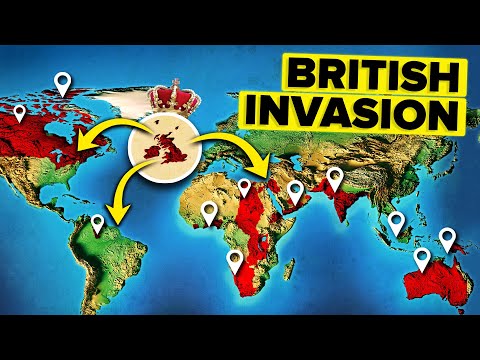
The Unprecedented Reach: How the British Empire Conquered 90% of the World

The annals of history are replete with tales of conquest and empire-building, but few expansions rival the sheer global dominion achieved by the British Empire at its zenith. It is a staggering historical fact that at one point, the British Empire controlled territory in virtually every corner of the globe, an astonishing feat that encompassed roughly 90% of the world's countries. This article delves into the intricate tapestry of strategies, socio-political forces, and historical circumstances that enabled this unprecedented global reach, transforming the world map and shaping modern geopolitical landscapes. The question that inevitably arises is not merely *if* Britain achieved such widespread control, but *how*. Understanding the mechanisms behind this vast imperial expansion offers profound insights into international relations, the evolution of global power structures, and the enduring legacies of colonialism. From military might to economic exploitation, and from diplomatic maneuvering to the sheer serendipity of exploration, a complex interplay of factors contributed to the formation and sustenance of an empire upon which, it was famously said, the sun never set.

Table of Contents

The Scale of Empire: A World Under British Influence

The sheer geographical extent of the British Empire was unparalleled. At its peak in the early 20th century, it covered approximately a quarter of the Earth's land surface and governed over 400 million people, a fifth of the world's population. This vast dominion was not a monolithic entity but a sprawling network of colonies, dominions, protectorates, and mandates, each with varying degrees of autonomy and integration into the imperial structure. The process of expansion was not a singular, unified effort but a gradual, often opportunistic, accumulation of territories over centuries. It began with the establishment of trading posts and colonies in the Americas, the Caribbean, and India, and later extended to Africa, Asia, and Oceania. This global presence allowed Britain to exert influence, control trade routes, and project power across continents and oceans. The impact of this global reach on indigenous populations, local economies, and the very fabric of societies was profound and often devastating, leaving a complex legacy that continues to be debated and analyzed by scholars in fields like Antropología and historia.

Mechanisms of Conquest: Tools of Imperial Expansion

The British Empire's success was not solely due to brute force, though military superiority played a significant role. A sophisticated, multi-faceted approach was employed: * **Naval Supremacy**: Control of the seas was paramount. The Royal Navy’s dominance allowed Britain to project power globally, secure trade routes, and transport troops and resources to distant shores. This naval might was a direct result of technological advancements and sustained investment, a key aspect explored in historia of warfare. * **Military Prowess**: While often outnumbered, British forces, utilizing superior tactics, discipline, and weaponry, were frequently victorious. The organization and effectiveness of the British army and navy were crucial in subjugating local resistance. * **Diplomacy and Alliances**: Britain was adept at forging alliances with local rulers or rival powers, often playing them against each other to achieve its objectives. Treaties, often unequal and coercive, were used to formalize control. * **Exploration and Cartography**: British explorers played a vital role in mapping uncharted territories, identifying resources, and paving the way for subsequent colonization. The drive for discovery was intertwined with imperial ambitions, a theme often studied in Arqueología and exploration history. * **Technological Advantage**: Innovations in weaponry, communication (like the telegraph), and transportation (steamships, railways) facilitated the administration and control of vast, distant territories.
The ability to project power across vast distances, facilitated by naval supremacy and technological innovation, was a cornerstone of British imperial expansion.

Economic Drivers: The Engine of Empire

Economics was undeniably the primary engine driving British imperial expansion. The pursuit of resources, markets, and trade routes fueled the relentless drive to acquire and control territories. * **Mercantilism and Trade**: Early expansion was driven by mercantilist policies aimed at accumulating wealth through trade. Colonies were viewed as sources of raw materials and captive markets for British manufactured goods. * **Industrial Revolution**: The Industrial Revolution in Britain created an insatiable demand for raw materials such as cotton, rubber, and minerals, which could be sourced from colonies. It also generated a surplus of manufactured goods seeking new markets. * **Resource Exploitation**: Colonies were systematically exploited for their natural resources, including precious metals, agricultural products, and later, oil and other industrial materials. This extraction often occurred with little regard for local economies or environmental sustainability. * **Financial Capital**: The accumulation of wealth allowed for significant investment in overseas ventures, infrastructure projects (like railways and ports), and further military expansion, creating a self-perpetuating cycle of imperial growth. The study of economic imperialism is a vital component of understanding modern historia and SociologíaDigital.

Social and Ideological Underpinnings: Justifying Dominance

Beyond the pragmatic considerations of military and economic power, the British Empire was also sustained by a complex set of social attitudes and ideologies that justified its dominance. * **The "Civilizing Mission"**: A pervasive belief system emerged, positing that Britain had a moral duty to "civilize" the peoples of its colonies. This paternalistic ideology, often termed the "White Man's Burden," asserted the superiority of British culture, religion, and governance, and framed colonial rule as a benevolent act of upliftment. * **Social Darwinism and Racism**: Pseudoscientific theories of racial hierarchy and Social Darwinism were often invoked to justify imperial rule, portraying colonized peoples as inherently inferior and incapable of self-governance. These racist ideologies underpinned many colonial policies and practices. * **Nationalism and Prestige**: Imperial expansion became intertwined with national pride and prestige. Owning a vast empire was seen as a measure of a nation's power and importance on the world stage, fostering a competitive dynamic among European powers. * **Missionary Zeal**: Religious missionaries often accompanied or preceded colonial administrators, seeking to convert indigenous populations to Christianity and, in doing so, often inadvertently facilitating the spread of British culture and influence.
The ideology of the 'civilizing mission,' though presented as altruistic, served to legitimize the economic exploitation and political subjugation inherent in colonial rule.

Resistance and Legacy: The Enduring Impact

It is crucial to acknowledge that imperial expansion was rarely met with passive acceptance. Resistance, in various forms, was a constant feature of the colonial era, ranging from localized uprisings and guerilla warfare to sophisticated political movements advocating for self-determination. The struggle for independence in numerous former colonies represents a critical chapter in global historia. The legacy of the British Empire is multifaceted and continues to shape the contemporary world. While it contributed to the spread of the English language, legal systems, and certain infrastructure, its impact is also marked by economic disparities, political instability, and deep-seated social and cultural divisions in many post-colonial nations. Understanding this legacy requires a critical engagement with historical narratives and an appreciation for the diverse perspectives of those who experienced imperial rule. The fields of Antropología and psicología offer valuable lenses through which to examine the lasting psychosocial impacts of colonialism.

DIY Historical Analysis: Understanding Imperial Footprints

Analyzing the impact of empires on a local scale can be a rewarding intellectual exercise. Here’s a practical guide to begin exploring the historical footprints of imperial powers in your region or a place you are interested in.
  1. Identify a Specific Location or Region: Choose a town, city, or region that you know has a history of being influenced or colonized by an external power (e.g., British, French, Spanish, etc.).
  2. Research Local Archives and Historical Societies: Visit local libraries, Arqueología departments at nearby universities, or historical societies. Look for records, maps, photographs, and oral histories related to the period of imperial influence.
  3. Examine Architectural Remains: Identify buildings or structures from the imperial era. Look for architectural styles, materials, and urban planning elements that differ from the indigenous architecture. For instance, colonial administrative buildings, military forts, or railway stations often bear distinct markers. Consider how these structures were integrated into or imposed upon the existing landscape.
  4. Analyze Place Names: Research the origins of street names, neighborhood names, and geographical features. Many place names are direct legacies of colonial administrators, rulers, or geographical surveys conducted during imperial rule. This can be a fascinating exercise in tracing historical presence, often a topic in Antropología.
  5. Investigate Economic and Agricultural Changes: Look into historical records about land use, crops, and trade. Did the imperial power introduce new crops, farming techniques, or economic systems? Were resources extracted or exploited? This ties directly into understanding the economic drivers of historia.
  6. Explore Cultural and Linguistic Influences: Note any loanwords in the local dialect, lingering customs, or social practices that may have originated from the imperial power. Consider how these influences manifest in contemporary society. The study of CulturaYLenguaje is essential here.
  7. Consult Academic Literature: Search for academic articles or books specifically on the history of your chosen location during the imperial period. Use search terms related to the imperial power, the region, and keywords like "colonialism," "imperialism," or "post-colonialism." Resources on Antropología and historia are abundant online through university archives and academic journals.

Frequently Asked Questions

Why is it said that the British Empire controlled 90% of the world?

This figure is an approximation often cited to convey the vast scale of the British Empire at its peak. It refers to the number of independent countries that existed at the time which fell under British rule, administration, or significant influence, rather than 90% of the Earth's landmass.

What was the main motivation behind British imperialism?

While complex and evolving, the primary motivations were economic gain (access to raw materials and markets), strategic advantage (control of trade routes and geopolitical dominance), and ideological factors (such as the "civilizing mission" and national prestige).

Was the British Empire solely built on military conquest?

No, military conquest was a significant tool, but the empire was also built through diplomacy, trade agreements (often unequal), settlement, and strategic alliances. Economic exploitation and the projection of political and ideological influence were equally crucial.

What is the lasting legacy of the British Empire today?

The legacy is varied and includes the widespread use of the English language, the establishment of parliamentary systems and common law in many nations, and interconnected global trade networks. However, it also includes significant challenges such as economic disparities, political instability, and cultural divisions in former colonies.

How did other European powers contribute to global imperialism?

Alongside Britain, other European powers like France, Spain, Portugal, the Netherlands, Belgium, and Germany also established vast colonial empires, driven by similar economic, strategic, and ideological motivations. This competition for territory and resources significantly shaped global history.

The expansion of the British Empire represents a pivotal period in human history, characterized by ambition, innovation, and immense power. Its mechanisms of conquest, driven by economic imperatives and underpinned by powerful ideologies, reshaped the global map and left an indelible mark on countless societies. By critically examining its strategies, impacts, and enduring legacies, we gain a deeper understanding of the forces that have shaped our interconnected world.

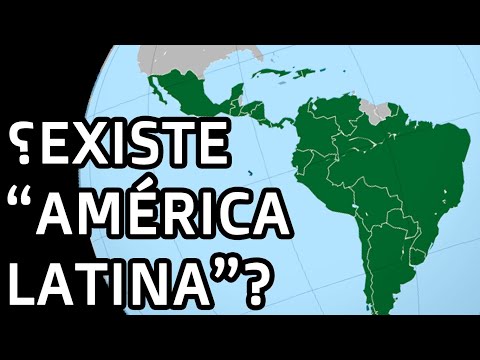
El Concepto de "Latinoamérica": Una Exploración Antropológica, Histórica y Sociolingüística

Introducción: La Construcción de una Identidad Geocultural

La pregunta sobre la existencia misma de "Latinoamérica" trasciende una simple dicotomía de sí o no. Desde una perspectiva académica rigurosa, es fundamental entender esta denominación no como una realidad geográfica o étnica inherente, sino como una construcción histórico-social y lingüística. Este artículo se propone desentrañar las complejas capas que conforman la idea de Latinoamérica, analizando su génesis, su evolución y las tensiones inherentes a un concepto que busca aglutinar una diversidad inmensa. Nos adentraremos en las raíces históricas, las implicaciones sociolingüísticas y las realidades geopolíticas para comprender qué significa realmente hablar de Latinoamérica en el siglo XXI, invitando a una reflexión crítica sobre las identidades colectivas en un mundo interconectado.

Contexto Histórico: Orígenes y Evolución del Término

El término "Latinoamérica" no es una designación autóctona ni una categoría geográfica preexistente. Su emergencia se vincula directamente con los procesos de colonización y las dinámicas de poder geopolítico. Si bien las referencias a "América Latina" o similares comenzaron a circular en el siglo XIX, su consolidación como concepto político y cultural se intensificó durante el siglo XX, particularmente en el contexto de la Guerra Fría y la influencia de Estados Unidos en la región.

La necesidad de una etiqueta unificadora surgió, en parte, como una respuesta a la hegemonía angloparlante de "América del Norte". La "Latinidad" —entendida como la herencia compartida de las lenguas romances (español, portugués, francés) y las culturas asociadas— se convirtió en un pilar para forjar una identidad distinta y reivindicar una esfera de influencia propia. Autores como el chileno Francisco Bilbao o el colombiano Francisco de Paula González se encuentran entre los primeros en emplear la idea de una "América Latina" para diferenciarla de la "América Sajona".

El propio término "Latinoamérica" es, en sí mismo, un producto de la interacción de discursos, tanto endógenos como exógenos, que buscan definir y, en ocasiones, delimitar un espacio geocultural complejo.

Este concepto ha sido objeto de debate y resignificación constante. Algunas corrientes críticas señalan que la adopción del término "Latinoamérica" puede perpetuar una visión eurocéntrica y una homogeneización que ignora las profundas diferencias internas de la región, incluyendo la presencia significativa de poblaciones indígenas y afrodescendientes con sus propias historias y cosmovisiones. La adopción de etiquetas como #AméricaLatina o #HistoriaLatinoamericana en la esfera digital refleja esta tensión continua.

La Dimensión Lingüística y Cultural

La base etimológica de "Latinoamérica" reside en las lenguas romances, principalmente el español y el portugués (hablados por la gran mayoría de la población), y en menor medida, el francés. Esta herencia lingüística compartida es, sin duda, uno de los pilares más visibles y unificadores del concepto. Sin embargo, la riqueza idiomática de la región va mucho más allá.

Los #IdiomasAntiguos y las lenguas indígenas, aunque a menudo marginadas, forman parte integral del mosaico cultural. El náhuatl, el quechua, el guaraní, el maya y cientos de otras lenguas continúan vivas, enriqueciendo el léxico y las estructuras de pensamiento. Fenómenos como el #VoseoEnAméricaLatina, con sus variaciones regionales, demuestran la vitalidad y la evolución constante del español en el continente. El estudio de la #DiversidadLingüística es crucial para comprender la complejidad de la identidad latinoamericana.

Culturalmente, la región presenta una diversidad extraordinaria. Desde las tradiciones ancestrales de las #TribusNativasAmericanas hasta la influencia de la migración europea y asiática, pasando por la profunda huella de las culturas africanas, cada país e incluso cada región posee manifestaciones culturales únicas. Hablar de una cultura latinoamericana homogénea sería simplificar en exceso esta #FusiónCultural y #DiversidadCultural.

La identidad latinoamericana se construye no solo en lo compartido, sino también en la negociación constante entre lo propio y lo impuesto, entre la tradición y la modernidad, y entre la homogeneidad promovida y la heterogeneidad real.

La #CulturaColombiana, por ejemplo, es radicalmente distinta de la #CulturaMesoamericana, a pesar de compartir lazos históricos y lingüísticos. La música, la gastronomía, las festividades, las creencias religiosas y las estructuras sociales varían enormemente, haciendo de cada nación un universo particular dentro del gran "continente" latinoamericano.

Perspectiva Sociológica: Un Mosaico Diverso

Desde la sociología, la noción de Latinoamérica se examina como una categoría analítica que, si bien útil, debe ser manejada con cautela. Las #EstructurasSociales, las #NivelesSociales y las dinámicas de clase, etnia y género presentan patrones que pueden ser comparados, pero también diferencias sustanciales.

Autores como #PierreBourdieu nos invitan a analizar las formas de #CapitalCultural y #CapitalSocial que operan en estas sociedades. La herencia colonial, las desigualdades económicas persistentes, los procesos de urbanización y las migraciones internas y externas han configurado sociedades complejas y a menudo estratificadas.

La #IdentidadCultural en Latinoamérica es fluida y se ve influenciada por factores como la globalización, la diáspora y los medios de comunicación. La creciente visibilidad de movimientos sociales y la reivindicación de identidades subalternas (indígenas, afrodescendientes, LGBTQ+) desafían las narrativas hegemónicas y enriquecen la comprensión de lo que significa ser latinoamericano. La #SociologíaDigital también juega un papel importante en la reconfiguración de estas identidades en el espacio virtual.

Sin embargo, persisten desafíos comunes como la lucha contra la pobreza, la inequidad, la violencia y la corrupción, que a menudo se presentan como características definitorias de la región, aunque con manifestaciones y orígenes diversos en cada contexto nacional. La #DesigualdadSocial es una constante en muchos de estos países.

La Realidad Geopolítica y la Búsqueda de Unidad

Geopolíticamente, la idea de Latinoamérica ha sido utilizada como un marcador para la interacción regional e internacional. Los intentos de consolidar una #UnidadLatinoamericana han sido una constante a lo largo de la historia, desde los sueños de #SimónBolívar hasta los organismos regionales contemporáneos.

Sin embargo, las agendas nacionales, las rivalidades históricas (como la #RivalidadNacional entre Argentina y Brasil) y las diferencias ideológicas a menudo dificultan la acción conjunta. La influencia de potencias externas y la dependencia económica también han marcado la trayectoria geopolítica de la región.

El concepto de Latinoamérica ha servido como herramienta para la diplomacia, pero también como objeto de debate en foros internacionales. La categorización de países como parte de esta "familia latinoamericana" a menudo responde a intereses políticos y económicos, más que a una afinidad intrínseca. Las dinámicas de #Geopolítica y #DiplomaciaInternacional continúan moldeando la percepción y la realidad de la región.

Guía Práctica DIY: Analizando un Símbolo Cultural Latinoamericano

Para comprender la complejidad de la identidad latinoamericana, podemos aplicar un enfoque de "Hazlo Tú Mismo" (DIY) al análisis de un símbolo cultural. Tomemos como ejemplo el #VallenatoModerno o alguna otra manifestación de la #CulturaLatina. Aquí te presentamos pasos para un análisis básico:

  1. Selecciona tu Símbolo: Elige un elemento cultural concreto. Podría ser un género musical (como el vallenato, la cumbia, el tango), una festividad (Carnaval de Barranquilla, Día de Muertos), un platillo típico, una figura literaria o un mito popular.
  2. Investiga sus Orígenes: Rastrea la historia de tu símbolo. ¿Cuándo y dónde surgió? ¿Qué influencias históricas, sociales y geográficas lo moldearon? Por ejemplo, el vallenato tiene raíces indígenas, africanas y europeas. Consulta fuentes como #HistoriaLatinoamericana o estudios sobre #CulturaColombiana.
  3. Identifica sus Componentes: Desglosa los elementos que conforman el símbolo. En la música, son la instrumentación, el ritmo, la lírica, la forma melódica. En una festividad, son los rituales, los disfraces, la comida, la música asociada.
  4. Analiza su Evolución: ¿Cómo ha cambiado tu símbolo a lo largo del tiempo? ¿Ha sido adaptado, modificado o fusionado con otros elementos? El estudio de la #EvoluciónMusical o las transformaciones de festividades es clave aquí.
  5. Busca su Significado y Función Social: ¿Qué representa este símbolo para la comunidad que lo practica? ¿Qué funciones cumple (identitarias, religiosas, de entretenimiento, de cohesión social)? ¿Cómo se manifiesta la #IdentidadCultural a través de él?
  6. Considera las Tensiones y Controversias: ¿Existen debates sobre la autenticidad, la apropiación cultural o la interpretación de tu símbolo? ¿Cómo se refleja la #DiversidadCultural en su práctica?
  7. Documenta tus Hallazgos: Crea un pequeño informe, un diagrama o incluso una presentación multimedia con tus descubrimientos. Puedes utilizar herramientas de #Infografía o crear tus propios #Mapas conceptuales para visualizar las conexiones.

Preguntas Frecuentes

¿Por qué se usa el término "Latinoamérica" y no "América Latina"?

Ambos términos son utilizados y a menudo intercambiables, aunque "América Latina" es más tradicional y se refiere a la parte del continente americano donde se hablan lenguas romances. "Latinoamérica" es una versión más moderna, y algunos argumentan que enfatiza una identidad más cohesionada y unificada, si bien esta unificación es una construcción.

¿Qué países se consideran parte de Latinoamérica?

Generalmente, se incluyen los países de habla hispana y portuguesa en América, desde México hasta el sur de Sudamérica, incluyendo también algunos países del Caribe. La inclusión de naciones con herencia francesa (como Haití o partes de Canadá) es variable y a menudo motivo de debate.

¿Es la "latinidad" una identidad homogénea?

No, en absoluto. La "latinidad" es un concepto que busca agrupar una vasta diversidad de identidades nacionales, étnicas, culturales y lingüísticas. Las diferencias entre un brasileño, un argentino, un mexicano y un cubano son enormes, a pesar de compartir ciertos lazos históricos y lingüísticos.

¿Es el término "Latinoamérica" un constructo colonial?

Si bien sus orígenes y consolidación están ligados a dinámicas geopolíticas que surgieron tras la colonización, el término ha sido reapropiado y resignificado por los propios habitantes de la región. Su uso hoy en día es complejo, reflejando tanto la herencia histórica como las luchas por la autodeterminación y la identidad.

¿Cómo influyen las culturas indígenas y africanas en la idea de Latinoamérica?

Son fundamentales. Las culturas indígenas y africanas, producto de la conquista y la esclavitud, respectivamente, han dejado una marca indeleble en la lengua, la música, la gastronomía, las creencias y las estructuras sociales de lo que hoy conocemos como Latinoamérica. Reconocer esta herencia es crucial para una comprensión completa de la región, desafiando la primacía de la "latinidad" romance.

Conclusión: Más Allá de la Etiqueta

En definitiva, la pregunta "¿Existe 'Latinoamérica'?" encuentra su respuesta más matizada en la comprensión de que es tanto una realidad construida como una aspiración política y cultural. No es un ente geográfico natural, sino una categoría histórica y sociolingüística que ha evolucionado y continúa siendo debatida. Reconocer su complejidad es fundamental para evitar simplificaciones y para valorar la riqueza de las múltiples identidades que coexisten bajo esta amplia denominación.

Como académicos y ciudadanos informados, nuestro deber es analizar críticamente estas etiquetas, comprender sus orígenes y sus implicaciones, y abrazar la diversidad que las desafía. La exploración de las #DiversidadHumana y #ComprenderCulturas nos permite ir más allá de las etiquetas preconcebidas y adentrarnos en la auténtica riqueza de la experiencia humana en el subcontinente americano. La invitación queda abierta al debate constructivo en los comentarios.

Explora más sobre Latinoamérica y visita Wikipedia para profundizar.

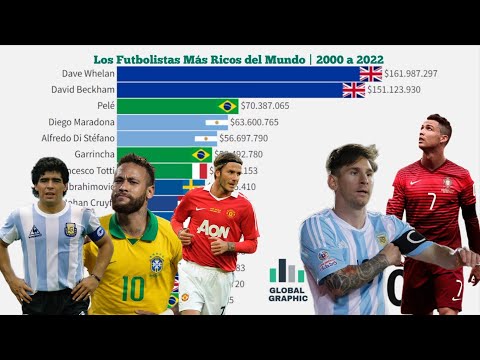
Richest Footballers Worldwide: A Historical and Anthropological Perspective (2000-2022)

Welcome to "El Antroposofista," a space dedicated to unraveling the complexities of anthropology, archaeology, psychology, and history. Today, we delve into a phenomenon that transcends mere athletic prowess: the financial ascent of football (soccer) players. From 2000 to 2022, the global football landscape has witnessed an unprecedented explosion in player wealth, transforming athletes into global brands and economic powerhouses. This evolution is not just a testament to the sport's growing popularity but also a fascinating lens through which to examine broader socio-economic trends, cultural values, and the very nature of celebrity in the modern era. Our journey through the financial history of football's elite is intertwined with the evolution of media, marketing, and global capitalism. We will explore how specific individuals have navigated this evolving terrain, leveraging their talent and public profile to amass fortunes that rival those of titans in other industries. This analysis offers a unique perspective on the intersection of sport, culture, and economics, providing insights into the mechanisms that create and sustain immense wealth in the 21st century.

Introduction: The Monetization of the Beautiful Game

The turn of the millennium marked a significant shift in the economics of professional football. Increased global broadcasting rights, burgeoning sponsorship deals, and the rise of social media created an environment where athletes could not only earn astronomical salaries but also capitalize on their image and influence on an unprecedented scale. The "beautiful game" transformed into a multi-billion dollar industry, with its leading figures at the very apex of its financial structure. This era saw the emergence of players whose net worth extended far beyond their playing contracts, encompassing endorsements, business ventures, and lucrative investments. Examining this period allows us to understand the dynamics of wealth creation within a globally popular cultural phenomenon.

Historical Context: From Humble Beginnings to Global Superstars

While football has always been a source of income for its top players, the financial disparities and earning potential witnessed from 2000 onwards are largely a product of recent decades. Prior to this period, while stars like Pelé or Maradona were household names and commanded significant attention, their earnings were primarily tied to their playing contracts and limited endorsement opportunities compared to today's standards. The advent of digital technology, globalized media markets, and sophisticated marketing strategies created a perfect storm for the hyper-monetization of football talent. This period also coincided with the rise of a global consumer culture eager to associate with aspirational figures, further fueling the financial growth of top athletes. The increasing interconnectedness facilitated by the internet allowed for direct engagement with fans worldwide, transforming players into global brands accessible to millions.
The commercialization of football has transformed athletes from mere players into complex economic entities, embodying brand value and global appeal.

Key Figures: The Architects of Wealth

The period between 2000 and 2022 is defined by the rise of several footballing giants whose financial success is as legendary as their on-field achievements. Players like Cristiano Ronaldo and Lionel Messi have consistently topped the lists of the world's highest-earning athletes, not just in football but across all sports. Their sustained excellence, coupled with savvy marketing and a global fanbase, allowed them to secure endorsement deals with major international corporations, build their own fashion and lifestyle brands, and invest in a diverse range of businesses. Beyond these two titans, figures like David Beckham, who masterfully transitioned from a global football icon to a highly successful entrepreneur and influencer, serve as prime examples of how athletic fame can be translated into long-term financial prosperity. The early 2000s saw Beckham’s pioneering role in global brand ambassadorships, setting a precedent for future generations. Other players, though perhaps not reaching the same stratospheric levels, also benefited immensely from the sport's economic boom, securing lucrative contracts and endorsements that cemented their status as financially elite individuals. The analysis of these individuals' financial trajectories provides crucial insights into the pathways to extreme wealth within the sporting domain. For a deeper dive into the impact of such figures, consider exploring discussions on ComprenderCulturas.

Economic Drivers: Beyond the Pitch

The immense wealth accumulated by top footballers is not solely derived from their salaries. Several interconnected economic factors contribute to their financial empires: * **Broadcasting Rights:** The astronomical sums paid for the rights to broadcast football matches globally form the bedrock of club revenues, a significant portion of which trickles down to player salaries. * **Sponsorships and Endorsements:** Footballers are highly sought-after by brands looking to tap into their massive global appeal. From sportswear giants to luxury car manufacturers and even fast-food chains, endorsement deals represent a massive income stream, often exceeding playing wages. * **Merchandising:** The sale of replica jerseys, boots, and other branded merchandise featuring star players is a multi-billion dollar industry in itself. * **Business Ventures:** Many high-earning footballers diversify their income by investing in or establishing their own businesses. These can range from fashion lines and fragrance brands to hotels, restaurants, and even investment funds. * **Social Media Influence:** With millions of followers across platforms like Instagram, Twitter, and Facebook, footballers can command significant fees for sponsored posts and promotional content, directly monetizing their digital presence. This aspect highlights the evolution of celebrity endorsement in the digital age, a topic often explored in SociologíaDigital.

Cultural Impact: Athletes as Brands and Influencers

The financial success of footballers has profound cultural implications. They are no longer just athletes; they are global brands, influencers, and aspirational figures for millions. Their style, lifestyle, and opinions are closely watched and emulated. This elevates their status beyond the realm of sport, impacting fashion, entertainment, and even social discourse. The phenomenon of the footballer as a brand ambassador reflects a broader trend where individuals embody marketable values and lifestyles, becoming powerful symbols within consumer culture. This transformation also raises questions about authenticity and the commodification of personality, aspects frequently dissected within Antropología studies.
The modern footballer transcends the pitch, becoming a potent cultural symbol and an economic force in their own right.

An Anthropological Lens: Status, Symbolism, and Social Mobility

From an anthropological perspective, the rise of football's financial elite offers a compelling case study in status acquisition and social mobility in the contemporary world. For individuals from humble backgrounds, football provides a potential pathway to extraordinary wealth and social standing. The immense salaries and lucrative endorsements are not merely economic rewards; they are powerful symbols of success, recognition, and social capital. This phenomenon reflects ongoing human desires for status, recognition, and upward mobility, manifested through the globally accessible medium of sport. The cultural narratives surrounding these athletes often emphasize hard work, dedication, and overcoming adversity, reinforcing the idea of meritocracy even as the economic structures become increasingly stratified. Exploring the Historia of such social transformations provides invaluable context.

DIY Practical Application: Analyzing Athlete Branding

You can explore this phenomenon yourself by analyzing the branding strategies of top athletes. This practical exercise will enhance your understanding of how talent translates into economic and cultural capital.
  1. Select an Athlete: Choose a prominent footballer from the 2000-2022 period (e.g., Cristiano Ronaldo, Lionel Messi, David Beckham) or a contemporary star.
  2. Research Playing Career: Document their key achievements, clubs played for, and major awards. Note their on-field persona.
  3. Identify Endorsements: Compile a list of all major brands they have endorsed during their peak earning years. Look for patterns in the types of brands (e.g., sportswear, luxury goods, technology).
  4. Analyze Social Media Presence: Examine their primary social media platforms (e.g., Instagram). Note the frequency of sponsored posts, the type of content they share (personal life, training, endorsements), and their engagement metrics (likes, comments).
  5. Investigate Business Ventures: Research any businesses or investment funds they have founded or are heavily involved in (e.g., fashion lines, hotels, real estate).
  6. Synthesize Findings: Based on your research, describe how the athlete has built their personal brand. How do their on-field persona and off-field activities complement each other? What makes them an attractive proposition for brands and businesses?
  7. Compare and Contrast: If time permits, repeat steps 1-5 for another athlete and compare their branding strategies. Are there commonalities in their approaches?

Frequently Asked Questions

What were the primary drivers of increased footballer salaries between 2000 and 2022?

The main drivers were the massive growth in global television broadcasting rights, lucrative sponsorship and endorsement deals, increased commercialization of the sport, and the rise of social media, which allowed athletes to build and monetize global personal brands.

How did figures like Cristiano Ronaldo and Lionel Messi amass their fortunes?

Their fortunes were built through a combination of astronomical playing salaries, record-breaking endorsement contracts with major global brands, significant investments in their own businesses (fashion, hotels, fragrances), and leveraging their massive social media followings for promotional activities.

Can athletes today achieve financial success comparable to those in other industries?

Yes, the very top tier of footballers have achieved financial success that rivals or even surpasses many leaders in other industries, thanks to the global reach and commercial power of football.

What is the role of social media in a footballer's financial success?

Social media allows athletes to directly connect with millions of fans worldwide, making them highly attractive to brands for endorsements and advertising. Sponsored posts and content creation have become a significant revenue stream.

How does anthropology help us understand the phenomenon of wealthy footballers?

Anthropology provides frameworks to analyze how wealth and fame translate into social status, cultural symbolism, and forms of social mobility. It helps us understand the societal values that contribute to the reverence and economic power afforded to these athletes, viewing them as modern cultural icons.

Conclusion: The Enduring Legacy of Football's Financial Giants

The period from 2000 to 2022 has irrevocably reshaped the financial landscape of professional football. The wealthiest players have emerged not just as sporting heroes but as sophisticated global brands, demonstrating an extraordinary ability to translate athletic talent into immense economic and cultural capital. Their journeys offer a rich tapestry for historical analysis, economic study, and anthropological inquiry, revealing much about contemporary society, celebrity culture, and the enduring power of the "beautiful game." As football continues to evolve, understanding the financial dynamics of its stars provides essential insights into the broader forces shaping our interconnected world.