Mostrando las entradas para la consulta heraldry ordenadas por relevancia. Ordenar por fecha Mostrar todas las entradas

The Esoteric Symbolism of Ukrainian Battalion Insignia: An Anthropological and Historical Deep Dive

Welcome to El Antroposofista, your nexus for understanding the intricate tapestry of anthropology, archaeology, psychology, and history. Today, we embark on a fascinating exploration into a realm often overlooked yet profoundly significant: the symbolism embedded within the insignia of Ukrainian military battalions. This examination transcends mere identification, delving into the historical, cultural, and psychological underpinnings that shape these visual identifiers.

Introduction: Beyond the Patch

Military insignia are far more than decorative elements; they are condensed narratives, potent symbols that communicate identity, ideology, and history. For Ukrainian battalions, particularly in recent times, these symbols have become crucial markers of resistance, national identity, and individual belonging. Understanding their design, evolution, and adoption offers a unique window into the socio-political landscape of Ukraine, drawing upon anthropological insights into group formation, historical precedents in vexillology, and psychological principles of affiliation.

The search for the meaning behind these emblems reflects a deeper human need to understand belonging and purpose. It taps into the **intentión de búsqueda académica** of individuals seeking to contextualize contemporary conflicts within broader historical and cultural frameworks. By dissecting these symbols, we engage with a form of visual ethnography, revealing layers of meaning that resonate with historical memory and contemporary aspirations.

This exploration is semantically rich, touching upon keywords such as: Ukrainian military symbols, battalion insignia, vexillology, national identity, anthropology of conflict, historical symbolism, cultural markers, and psychology of affiliation. We will also refer to key concepts like collective memory, ethno-nationalism, and visual rhetoric.

Historical Roots of Military Symbolism

The practice of using distinctive symbols for military units is ancient. From the Roman aquila (eagle standard) to the banners of medieval knights and the regimental badges of colonial armies, these emblems have served critical functions. They fostered unit cohesion, provided battlefield recognition, and symbolized the honor and traditions of the group.

Historically, these symbols often drew from:

  • Mythology and Religion: Invoking divine protection or legendary heroes.
  • Heraldry: Utilizing established symbols of nobility and lineage.
  • Local Flora and Fauna: Representing the geographical origin or characteristics of the unit.
  • Abstract Geometric Designs: Conveying specific virtues like strength or vigilance.

The evolution of military symbolism closely mirrors broader societal changes, including the rise of nationalism, technological advancements in warfare, and the increasing importance of mass mobilization. The insignia of the early 20th century, for instance, often reflected the burgeoning nationalistic fervor that characterized the period leading up to World War I, a conflict profoundly impacting Ukraine's historical trajectory.

"Symbols are the primal elements of understanding. They condense complex realities into forms that resonate deeply with the collective psyche."

Analyzing Ukrainian Insignia: A Multifaceted Approach

Ukrainian military insignia, particularly those adopted by volunteer battalions and more recently integrated into the broader armed forces, present a complex mosaic. They often blend traditional Slavic motifs with modern political and ideological currents. An anthropological lens helps us understand how these symbols function within specific social contexts, reinforcing group boundaries and fostering a sense of shared purpose.

Key elements commonly found include:

  • The Tryzub (Trident): Ukraine's national coat of arms, a powerful symbol of statehood and historical continuity, often incorporated in various forms.
  • Cossack Motifs: References to the historical Cossack Hetmanate, evoking themes of freedom, martial prowess, and self-governance.
  • Orthodox Christian Imagery: Crosses, halos, and depictions of saints, reflecting the dominant religious identity.
  • Animal Symbolism: Wolves (strength, ferocity), eagles (vision, power), bears (resilience), and mythical creatures.
  • Geometric and Abstract Designs: Often conveying specific tactical roles or ideological leanings.

The adoption and adaptation of these symbols are not static. They evolve in response to conflict dynamics, political shifts, and external influences. Examining their changes over time, especially since 2014, provides crucial insights into Ukraine's ongoing struggle for sovereignty.

Case Studies: Deconstructing Specific Insignia

Let's examine a few hypothetical (or representative) examples to illustrate the analytical process. Please note that actual insignia designs are diverse and can change rapidly.

  1. The "Wolf's Hook" Battalion: Often features a stylized wolf head, sometimes incorporating a runic symbol resembling the "Algiz" or "Wolfsangel."
    • Anthropological Interpretation: The wolf signifies ferocity and pack unity. The potential use of runic elements, particularly those with historical associations (though sometimes controversial), may point towards nationalist ideologies or a desire to invoke ancient warrior traditions. This requires careful contextualization within the specific unit's ideology and historical background.
    • Historical Context: Wolf imagery has long been associated with warriors across various cultures. The "Wolfsangel" has a complex history, appearing in medieval seals and later adopted by some far-right groups, necessitating a nuanced approach to its interpretation in contemporary Ukrainian contexts.
  2. The "Cossack's Fury" Brigade: Typically displays a Zaporozhian Cossack figure, often with a saber, against a backdrop of the Ukrainian flag or wheat fields.
    • Anthropological Interpretation: This is a clear evocation of Ukraine's historical martial identity. The Cossack represents freedom, defiance, and the spirit of self-determination, resonating deeply with national consciousness.
    • Historical Context: The legacy of the Zaporozhian Sich is central to Ukrainian national identity. This symbol directly links the current struggle to a revered historical past, drawing strength and legitimacy from it.
  3. The "Guardian of the East" Unit: Might feature a stylized shield or fortress, possibly incorporating elements of Orthodox Christianity, like a specific cross design.
    • Anthropological Interpretation: The shield/fortress symbolizes defense, protection, and territorial integrity. The religious elements underscore a defense of traditional values and faith, often framed as a spiritual battle.
    • Historical Context: This type of symbolism is common in defensive forces throughout history, emphasizing steadfastness and the protection of homeland and faith.
"Each patch is a micro-history, a condensed manifesto written in the language of symbols."

DIY Guide: Decoding Symbolism in Your Local Context

Understanding symbolism isn't limited to military contexts. You can apply these analytical skills to symbols you encounter daily. Here’s a practical guide:

  1. Identify the Symbol: Clearly observe the visual elements. What shapes, figures, colors, or text are present?
  2. Contextualize: Where do you see this symbol? (e.g., a company logo, a community flag, a political campaign). Who uses it? What is the nature of the organization or group?
  3. Research Historical Roots: Investigate the origins of the symbol. Does it draw from ancient traditions, national history, religious iconography, or specific cultural movements? Use resources like encyclopedias, historical archives, and reputable online databases. For example, researching the history of the symbolism of specific animals or geometric shapes can be enlightening.
  4. Analyze Color Meanings: Colors often carry specific cultural or psychological connotations (e.g., red for passion/danger, blue for trust/calm, green for nature/growth). Research these associations within the relevant cultural context.
  5. Consider the Designer's Intent (If Known): If information about the creator or the reasoning behind the symbol's design is available, incorporate it into your analysis. Look for official statements or historical accounts.
  6. Look for Related Symbols: Does the symbol appear alongside others? How do they interact? Examining a set of related symbols (like a family crest or a corporate branding suite) can reveal deeper meanings. For instance, understanding the heraldry of a region might unlock the meaning of its symbols.
  7. Interpret Group Affiliation: How does the symbol seem to unite or define a particular group? What values or identities does it appear to promote? Consider how these symbols foster a sense of 'us' versus 'them'.
  8. Document Your Findings: Keep notes, take pictures, and synthesize your observations. Compare your interpretation with others if possible, engaging in a form of informal anthropology.

The Psychological Impact of Insignia

Beyond their communicative function, military insignia have a profound psychological impact. They serve as powerful tools for:

  • Building Cohesion: Shared symbols foster a sense of belonging and solidarity, crucial for morale and performance in high-stress environments.
  • Instilling Pride: Associating with a unit's emblem can evoke pride in history, achievements, and shared values.
  • Creating Identity: Insignia help individuals define themselves as part of a collective, reinforcing their role within the group.
  • Psychological Warfare: Opposing forces may use or misinterpret symbols to demoralize or demonize, highlighting their potent psychological weight.

The visual language of these symbols taps into archetypal imagery, making them universally understood on a subconscious level. This makes them potent tools for both internal group reinforcement and external signaling.

Conclusion: A Living Lexicon of Identity

The insignia of Ukrainian battalions are more than mere patches; they are vibrant, evolving expressions of history, identity, and ideology. By applying the analytical tools of anthropology, history, and psychology, we can begin to decipher the complex narratives they convey. These symbols serve as a visual lexicon, articulating the struggles, aspirations, and historical consciousness of the groups who proudly wear them.

Understanding this visual language is essential for anyone seeking a deeper comprehension of contemporary conflicts and the enduring human need for belonging and symbolic representation. It underscores the power of visual rhetoric in shaping collective identity and historical memory. For further exploration into related topics, consider delving into the history of national flags or the archaeology of ancient emblems.

Frequently Asked Questions

What is the primary function of military insignia?

Military insignia primarily serve to identify units, foster cohesion among members, symbolize traditions and history, and instill a sense of pride and belonging.

How has the symbolism in Ukrainian military insignia evolved?

Symbolism has evolved from drawing heavily on historical Ukrainian symbols like the Tryzub and Cossack motifs to incorporating newer designs reflecting specific unit identities, sometimes referencing broader ideological currents, especially since the events of 2014.

Are all symbols used by Ukrainian battalions officially recognized?

While many insignia are officially recognized as part of the Ukrainian Armed Forces or National Guard, some historical volunteer battalions may have developed their own unique, unofficial insignia that later gained prominence or were integrated.

Can analyzing insignia provide insights into a group's ideology?

Yes, the choice of symbols, colors, and motifs can offer significant clues about a group's historical influences, political leanings, cultural values, and self-perceived identity. However, interpretation requires careful contextualization and awareness of potential ambiguities.

Where can I learn more about military symbolism?

Reputable sources include academic journals on military history and anthropology, specialized books on vexillology and heraldry, museum archives, and online encyclopedias focused on military history and symbolism.


The Basilisk: The Serpent King Who Killed with a Gaze - A Mythological Bestiary

Introduction: Unveiling the Deadly Gaze

Welcome to El Antroposofista, your premier destination for insightful explorations into the realms of anthropology, archaeology, psychology, and history. In this installment, we turn our attention to a creature that has slithered through the annals of mythology, instilling fear and fascination for centuries: the Basilisk. Often depicted as the King of Serpents, its very gaze was said to be lethal. This article delves into the mythological origins, symbolic significance, and historical perceptions of this formidable beast, inviting you to understand its enduring presence in human culture.

Our intention is to provide a comprehensive academic yet accessible understanding of the Basilisk, addressing the search intent of individuals interested in cryptozoology, mythological creatures, ancient lore, and the symbolic representation of fear and power across cultures. We will weave in semantically related keywords such as Serpent King, lethal gaze, mythological bestiary, classical mythology, and medieval bestiaries, all while maintaining a rigorous academic tone.

The Ancient Roots of the Basilisk

The genesis of the Basilisk is a complex tapestry woven from threads of ancient Greek, Roman, and later medieval European folklore. While its most popularized image solidified during the Middle Ages, its conceptual precursors can be traced back to antiquity. The Greek historian Ctesias, in his work *Indica* (c. 400 BCE), described a similar creature in India—a small serpent with potent venom capable of killing instantly.

Pliny the Elder, in his monumental *Naturalis Historia* (c. 77 CE), provides one of the most detailed early accounts. He describes the Basilisk as a king of serpents, originating from the North African province of Cyrenaica, distinguishing it from other snakes by a small, crown-like mark or spot on its head, a feature that likely contributed to its moniker "Basilis" (from the Greek *basileus*, meaning king).

"The Basilisk... is a native of the province of Cyrenaica. It is not larger than a foot in length; and this little animal, the writers make, is the most potent of all venomous things. It destroys not only by its poison, but by its look, and by its smell."

These early descriptions laid the groundwork, emphasizing its diminutive size yet unparalleled deadliness. The notion of a "king" of serpents, the deadly gaze, and the potent venom became foundational elements that subsequent mythographers would elaborate upon.

Symbolism and Metaphor: More Than Just a Monster

Beyond its literal terrifying attributes, the Basilisk serves as a potent symbol within various cultural contexts. Its association with a deadly gaze speaks to primal fears of the uncontrollable, the unseen threat that can strike from a distance. In a sociological context, the Basilisk can be interpreted as a personification of destructive forces, whether they be plague, pestilence, or the insidious nature of evil.

During the medieval period, the Basilisk became a Christian symbol of heresy and the Antichrist. Its ability to kill with a look or its breath mirrored the perceived spiritual danger posed by false doctrines and those who propagated them. The snake itself is a recurring motif in religious and mythological narratives, often representing temptation, knowledge, or chthonic power. The Basilisk, as the apex predator of serpents, amplified these connotations.

Furthermore, the Basilisk's supposed weakness—the crowing of a rooster, the scent of rue, or the reflection of its own gaze in a mirror—illustrates a broader theme in mythology: the idea that even the most formidable powers have vulnerabilities. This narrative trope provides a crucial element of hope and agency, suggesting that evil, no matter how potent, can be confronted and overcome.

Historical Accounts and Perceptions

Medieval bestiaries, such as the *Physiologus*, played a crucial role in solidifying the Basilisk's image. These illustrated compendiums of animals, real and mythical, often imbued their subjects with moral and theological significance. The Basilisk was frequently depicted as a small, serpent-like creature, sometimes with avian features, but always radiating an aura of deadly power.

Alchemists and philosophers also engaged with the myth of the Basilisk. The term "alchemical basilisk" referred to a highly corrosive substance or a volatile, poisonous vapor. The pursuit of the Philosopher's Stone sometimes involved symbolic references to conquering the Basilisk, representing the transmutation of base materials or the overcoming of dangerous, volatile elements in the alchemical process.

The cultural persistence of the Basilisk is remarkable. It appears in heraldry, literature, and art, often signifying death, destruction, or ultimate evil. Its legend highlights humanity's enduring fascination with the monstrous and its attempts to understand and articulate existential threats through symbolic narratives.

DIY Analysis: Decoding Mythological Creatures

Understanding how mythological creatures like the Basilisk are constructed and evolve offers valuable insights into cultural history and psychology. Here’s a practical guide to analyzing such figures:

  1. Identify Core Attributes: List the most prominent characteristics of the creature. For the Basilisk, these include: deadly gaze, serpent form, kingly status, potent venom, crown-like marking, and specific weaknesses.
  2. Research Early Mentions: Trace the earliest known historical or literary references to the creature. Examine works like Ctesias's *Indica* and Pliny the Elder's *Naturalis Historia*. Note variations in descriptions across different eras and cultures.
  3. Analyze Symbolism: Consider what these attributes might represent. What fears, desires, or social phenomena could the creature embody? In the Basilisk's case, think about:
    • The gaze: Fear of the unseen, judgment, passive destruction.
    • Serpent form: Chthonic power, temptation, primal energy, transformation.
    • "King" status: Apex predator, ultimate threat, embodiment of power.
    • Weaknesses: Hope, divine intervention, the triumph of the ordinary over the extraordinary.
  4. Contextualize within Culture: Explore how and why the creature was used by different societies. Was it a cautionary tale, a symbol of religious concepts, an explanation for natural phenomena, or a reflection of social anxieties? Consider its role in:
    • Ancient Greek and Roman natural history.
    • Medieval Christian theology (heresy, Antichrist).
    • Alchemical symbolism.
    • Later literature and popular culture.
  5. Examine Visual Representations: Look at artwork and illustrations depicting the creature throughout history. How has its appearance changed? Do these visual changes reflect shifts in cultural understanding or artistic conventions?
  6. Compare with Similar Myths: Identify other mythological creatures with similar attributes (e.g., creatures with deadly gazes, serpentine monsters). Understanding these parallels can reveal universal archetypes and cross-cultural influences.

By following these steps, you can systematically dissect the layers of meaning embedded within any mythological being, transforming simple folklore into a rich subject for anthropological and historical study.

Frequently Asked Questions

What is the origin of the Basilisk's name?

The name "Basilisk" comes from the Greek word basileus, meaning "king." This likely refers to a distinctive crown-like marking on its head, or its perceived status as the supreme ruler among serpents.

Were Basilisks real creatures?

There is no scientific evidence to suggest that Basilisks, as described in mythology, were real biological creatures. They are considered mythological beings, likely born from folklore, exaggerated tales of venomous snakes, and symbolic interpretations.

What were the weaknesses of the Basilisk?

According to legend, the Basilisk had several weaknesses, including the crowing of a rooster (which could kill it), the strong scent of rue, and its inability to withstand the reflection of its own deadly gaze in a mirror.

How did the Basilisk influence medieval thought?

In medieval Christian tradition, the Basilisk was often used as a symbol of heresy, the Antichrist, and the power of sin. Its deadly nature mirrored the perceived spiritual danger of false doctrines and evil influences.

We hope this exploration into the mythology of the Basilisk has been both informative and engaging. The study of such creatures offers profound insights into the human psyche, our fears, and our methods of making sense of the world. For more on the intersection of anthropology, archaeology, and psychology, continue to explore El Antroposofista.

Assassination Attempts in Argentina: A Historical and Anthropological Analysis

Welcome to El Antroposofista, a space dedicated to the deep exploration of anthropology, archaeology, psychology, and history. In this article, we delve into a critical and often overlooked aspect of Argentine history: the attempts at assassination that have shaped its political and social landscape. Beyond the mere recounting of events, we seek to understand the underlying socio-historical currents, the psychological profiles of the actors involved, and the broader anthropological implications of political violence.

Introduction

Argentina, a nation rich in cultural tapestry and complex historical narratives, has not been immune to the extreme manifestations of political conflict. Assassination attempts, far from being isolated incidents, represent critical junctures that have profoundly influenced the trajectory of its history. This analysis aims to dissect these events not just as political acts, but as anthropological phenomena, revealing insights into power dynamics, societal anxieties, and the enduring human quest for political change, however extreme the methods employed. We will examine the historical context, the actors involved, and the societal reverberations, offering a nuanced understanding of these pivotal moments.

Historical Context of Political Violence in Argentina

The history of Argentina is marked by periods of intense political polarization, social upheaval, and ideological struggle. From the turbulent caudillo era to the 20th-century Peronist movements and subsequent military dictatorships, the nation has grappled with deep-seated divisions. Political violence, including assassination attempts, has often served as a stark symptom of these unresolved tensions.
"Political violence is rarely a spontaneous eruption; it is often the culmination of sustained ideological conflict and the breakdown of institutional dialogue."
Understanding these attempts requires situating them within broader historical currents, such as: * **Early Republic Instability**: The struggle for national consolidation post-independence was fraught with conflict between federalists and unitarians, often involving assassinations of key political figures. * **The Rise of Peronism**: The mid-20th century saw intense political mobilization and counter-mobilization, creating fertile ground for political extremism. * **The "Dirty War"**: The period of state terrorism in the 1970s and 1980s, while characterized by mass disappearances, also included targeted assassinations and political repression. These historical phases provide the backdrop against which specific assassination attempts must be analyzed. For a deeper understanding of these periods, consult resources on Historia Latinoamericana and Sociología.

Key Assassination Attempts and Their Significance

While numerous incidents could be cited, several assassination attempts stand out for their impact on Argentine history: * **The Assassination of Juan Domingo Perón (1953)**: Although Perón was not killed, this event, occurring during a period of intense political turmoil and opposition to his government, highlighted the deep divisions within Argentine society and the willingness of some factions to resort to extreme measures. The incident contributed to the escalating political climate of the era. * **The Attempt on President Isabel Perón (1975)**: This event, occurring during a period of heightened political violence and instability, underscored the fragility of democratic institutions and the pervasive threat of political extremism. * **The Attempt on Pope John Paul II in Buenos Aires (1987)**: While not strictly an Argentine aiming to harm a domestic leader, this incident, though ultimately unsuccessful and carried out by a foreigner, had significant symbolic weight within Argentina, touching upon national identity and security. The security implications of such events are crucial for understanding Seguridad Turística. Each of these events, and many others, can be viewed through an anthropological lens, revealing societal anxieties, the construction of political "enemies," and the symbolic power attributed to leaders. Examining the Derechos Indígenas and their historical struggles for recognition also provides context for understanding marginalized groups resorting to radical actions.

The Political Actor: Psychology and Ideology

Understanding *why* individuals or groups undertake assassination attempts requires delving into their psychological profiles and ideological frameworks. This is where Psicología and Antropología intersect powerfully. Factors to consider include: * **Ideological Radicalization**: The process by which individuals adopt extreme beliefs that justify violence. This can be influenced by political rhetoric, social alienation, or group dynamics. * **Psychological Motivations**: Beyond ideology, personal grievances, a desire for recognition, or a sense of righteous mission can play a role. * **Social and Cultural Milieu**: The broader societal acceptance or condemnation of political violence can shape an individual's propensity to act. The concept of Antiestructura, as explored by Victor Turner, can sometimes be relevant in understanding groups operating outside established norms.
"The assassin often sees themselves not as a criminal, but as a necessary agent of historical change, acting on behalf of a perceived greater good."
Exploring figures like Albert Einstein, though in a different context, highlights how profound belief systems can drive individuals to monumental actions, albeit constructive ones in his case.

Societal Impact and Collective Memory

Assassination attempts leave indelible marks on the collective memory of a nation. They can: * **Intensify Political Division**: Such acts often harden stances and deepen animosity between political factions. * **Lead to Repression or Reform**: Governments may respond with increased security measures, political crackdowns, or, conversely, with reforms aimed at addressing the root causes of discontent. * **Shape Historical Narratives**: The way these events are remembered, debated, and taught influences national identity and future political discourse. The study of Arqueología can sometimes shed light on how societies memorialize or obscure past conflicts. The way societies process traumatic political events is a key area of anthropological study. Examining how Cultura Indígena groups have historically navigated conflict and remembrance can offer comparative perspectives.

DIY Analysis: Decoding Political Symbolism

Understanding the symbolic dimension of political acts, including assassination attempts, is crucial. This section offers a basic framework for how one might approach this from a DIY perspective, drawing on anthropological and semiotic tools.

Practical Guide DIY: Analyzing Political Imagery

This guide helps you break down and interpret the visual or symbolic elements associated with a political event or figure.
  1. Identify the Core Event/Figure: Clearly define the assassination attempt or political figure you wish to analyze. What are the basic facts? Who were the main actors?
  2. Gather Visual/Textual Data: Collect images, symbols, slogans, speeches, or any other relevant material associated with the event or the actors involved. This could include photographs, flags, emblems, propaganda posters, or key quotes.
    • For historical events, archives and museums are excellent resources.
    • For contemporary events, news media and social media provide abundant material.
  3. Identify Recurring Symbols: Look for symbols that appear repeatedly. Are there national flags, religious icons, specific colors, animals, or abstract shapes? Consider their conventional meanings and potential alternative interpretations within the specific cultural context. For example, the use of specific animals in national emblems can be traced through Antropología and heraldry.
  4. Analyze Color Symbolism: Colors often carry deep cultural meanings (e.g., red for revolution or blood, white for purity or surrender, green for nature or Islam). Research the specific connotations of colors within Argentine culture and the broader political movements involved.
  5. Examine Iconography of Actors: How are the perpetrators and victims portrayed? Are they depicted as heroes, villains, martyrs, or monsters? Analyze the visual language used to construct these images.
  6. Consider Context and Association: How are symbols used in relation to each other? What historical events or ideologies are they referencing? For instance, referencing historical figures or events can lend legitimacy or invoke particular sentiments.
  7. Formulate Interpretations: Based on your analysis, propose interpretations of the symbolic meanings. What messages were the creators of these symbols trying to convey? How might different audiences have received these messages? Does the symbolism align with or subvert established norms?
  8. Compare and Contrast: If possible, compare the symbolism used in different assassination attempts or by different political factions within Argentina. This can reveal shifts in ideology or strategy over time. Understanding historical Inmigración patterns can also shed light on diverse symbolic influences.
This DIY approach allows for a more critical engagement with historical events, moving beyond factual recall to a deeper understanding of the cultural and symbolic dimensions of political conflict.

Frequently Asked Questions

Q1: What was the most significant assassination attempt in Argentine history? A1: Defining "most significant" is subjective and depends on the criteria used. However, the assassination attempt on Juan Domingo Perón in 1953 and the broader context of violence during the "Dirty War" period are often cited as having had profound and lasting impacts on Argentine politics and society. Q2: How did political violence impact Argentine democracy? A2: Political violence, including assassination attempts, has historically weakened democratic institutions in Argentina by fostering polarization, eroding trust in political processes, and creating environments where authoritarian solutions are perceived as necessary by some factions. Q3: Are there anthropological theories that help explain political assassination? A3: Yes, theories from political anthropology, social psychology, and the study of collective violence offer frameworks. Concepts like "structural violence," "ritualized violence," and analyses of identity politics and group radicalization are relevant. The work of scholars like Pierre Bourdieu on symbolic violence is also pertinent. Q4: How does collective memory influence the understanding of these events today? A4: Collective memory shapes how past assassination attempts are remembered and interpreted, influencing contemporary political discourse and national identity. Debates over historical memory often reflect ongoing societal divisions and political struggles. Examining how events are commemorated, for instance through monuments or public holidays, offers insights into Patrimonio Cultural.

Conclusion

The history of assassination attempts in Argentina is a somber yet crucial chapter that reveals much about the nation's political struggles, societal fault lines, and the enduring complexities of power. By analyzing these events through the lenses of history, anthropology, and psychology, we gain a more profound understanding of the forces that have shaped the country. These acts serve as stark reminders of the fragility of peace and the critical importance of fostering inclusive political dialogue, robust democratic institutions, and a shared commitment to non-violent conflict resolution. The legacy of these attempts continues to resonate, making their study essential for comprehending Argentina's past, present, and future.

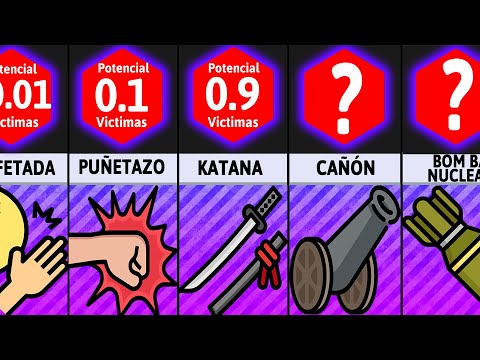
The Wronskian's Arsenal: A Socio-Historical Analysis of Destructive Potential

Introduction: Beyond Mere Destruction

The concept of "weapons" transcends the mere instruments of physical destruction; it encompasses tools and ideologies that have shaped human civilization through millennia of conflict and coexistence. This exploration delves into the diverse categories of weaponry, not just by their destructive potential, (HD), but by their profound impact on societal structures, cultural narratives, and the very trajectory of human history. From the sharpened flint of our ancestors to the sophisticated cyber-warfare of the digital age, understanding these instruments requires a multidisciplinary approach, weaving together insights from anthropology, archaeology, psychology, and history.

The intention behind examining these "most powerful weapons" is not to glorify violence but to foster a critical understanding of human conflict. We aim to dissect the underlying motivations, technological advancements, and societal consequences that have driven the creation and deployment of destructive capabilities. This analysis is informed by the data (data) and historical records available, providing a reference for educational and entertainment purposes.

Historical Context: The Evolution of Destructive Power

The story of human weaponry is intrinsically linked to the story of human societal development. Early hominids likely utilized simple tools—stones, clubs—for defense and hunting, laying the groundwork for more sophisticated implements. The advent of the archaeology revolution brought about new possibilities: the control of fire, the mastery of metallurgy, and the development of projectile weapons like bows and arrows. These innovations significantly amplified human capacity for both resource acquisition and intergroup conflict.

The Bronze Age and Iron Age marked further leaps, enabling the creation of more effective blades, armor, and siege engines. Military organization and strategy evolved in tandem, leading to the rise and fall of empires. Consider the Roman legions, whose disciplined formations and superior weaponry allowed for vast territorial expansion, or the impact of gunpowder in medieval warfare, fundamentally altering battlefield dynamics. Each technological **advancement** (data) represented not just a new tool, but a new chapter in human interaction, often written in blood.

"The history of human conflict is a testament to our ingenuity, both in creation and destruction. The very tools that built civilizations also served to dismantle them."

Further into the modern era, the Industrial Revolution accelerated this trend exponentially. Mass production techniques allowed for the creation of firearms on an unprecedented scale. The 20th century, in particular, witnessed the terrifying escalation of destructive power, culminating in the development of nuclear weapons—a stark reminder of humanity's capacity for self-annihilation. Understanding this historical arc is crucial for appreciating the **context** (history) of contemporary threats.

Socio-Economic Drivers of Weaponry

The development and proliferation of weapons are rarely driven by technological impulse alone. They are deeply embedded within socio-economic and political frameworks. The need for resources, territorial control, and the protection of economic interests have consistently fueled the arms race throughout history. For instance, the colonial expansion of European powers was facilitated by their military and naval superiority, allowing them to establish vast trading networks and exploit labor and resources across the globe.

Economic gain is often a powerful, albeit grim, motivator. The industries that produce and sell weapons—the military-industrial complex—represent a significant global economic sector. This economic incentive can create a self-perpetuating cycle, where the demand for new and more powerful weaponry is stimulated by existing stockpiles and perceived threats. The **data** (data) on global military spending offers a stark illustration of this phenomenon.

Furthermore, the distribution of wealth and resources within societies can influence the types of conflict that arise. Inequality, resource scarcity, and competition for economic dominance can all contribute to instability and the potential for armed confrontation. Analyzing these economic factors provides vital insights into the root causes of conflict, moving beyond superficial explanations. This is a key area of study in both sociology and anthropology.

Psychological Dimensions of Warfare

Beyond the material aspects of weaponry, the psychological underpinnings of conflict are equally significant. Understanding human behavior in the context of aggression, fear, and group identity is central to comprehending why weapons are created and used. The field of psychology offers valuable frameworks for this analysis.

Concepts such as in-group favoritism, out-group derogation, and the bystander effect play crucial roles in shaping attitudes towards war and the use of force. Propaganda and dehumanization tactics are often employed to desensitize populations to violence and to foster a collective will to fight. The psychological impact of witnessing or experiencing warfare, including trauma and post-traumatic stress, also has long-lasting societal repercussions.

"The most dangerous weapon is not the sword or the gun, but the mind that wields it with hatred and prejudice."

The inherent human capacity for both empathy and aggression is a complex duality. Studying the psychological triggers for violence, as well as the mechanisms for de-escalation and peacebuilding, is essential for mitigating conflict. This involves examining individual motivations, group dynamics, and the broader cultural narratives that shape our perceptions of threat and security.

Anthropological Perspectives on Conflict

From an anthropological standpoint, warfare and weaponry are viewed as cultural phenomena, deeply interwoven with a society's norms, values, and social structures. Different cultures develop distinct traditions of conflict, ranging from ritualized combat to total war, each reflecting their unique worldview and historical experiences. Studying ethnographic records and archaeological findings allows us to reconstruct these diverse patterns of human aggression.

Consider the symbolic significance of certain weapons within tribal societies—they may represent status, power, or spiritual connection, extending far beyond their practical utility. Rituals surrounding warfare, from preparation to post-conflict ceremonies, also offer insights into how societies manage and understand violence. The DIY ethos, while often associated with creation, can also be applied to understanding how societies have historically crafted their means of defense and offense using available resources and knowledge.

The study of cultural relativism is paramount here; judging past or present societies by contemporary ethical standards can obscure our understanding of their motivations and contexts. The goal is to comprehend, not condone, the role of weaponry in shaping human societies across the globe. This requires an open mind and a commitment to examining diverse cultural practices with respect.

The examination of maps detailing historical conflicts and the distribution of early human settlements also falls under the anthropological purview, helping us visualize the spatial dimensions of human interaction and conflict.

DIY Analysis: Deconstructing Weapon Symbolism

This section offers a practical guide to analyzing the symbolic meaning of weapons, applying an intellectual (DIY) approach. You can use these steps to better understand the cultural and historical significance of any weapon, from ancient artifacts to modern armaments.

  1. Identify the Weapon and its Context: Research the specific weapon you are interested in. Gather information about its historical period, geographical origin, and the society that produced and used it. Who made it? Who used it? Against whom was it used? What was the socio-political climate?
  2. Analyze Material and Craftsmanship: Examine the materials used (stone, bronze, iron, advanced composites) and the skill involved in its creation. Does the craftsmanship suggest a utilitarian object or a status symbol? Are there intricate designs or engravings? These details can reveal the value placed on the weapon.
  3. Determine Functionality and Application: How was the weapon designed to be used? Was it for hunting, defense, offense, or ritual? Understanding its practical function helps in interpreting its broader role within the society. Consider its range, impact, and ease of use.
  4. Investigate Symbolic Representations: Look for any accompanying myths, legends, or stories associated with the weapon. Does it have a name? Is it depicted in art, religious texts, or heraldry? These elements reveal the symbolic meanings attributed to it, such as power, protection, status, or divine favor.
  5. Explore Social and Cultural Meanings: How did the weapon influence social structures? Did it confer status upon its wielder? Did its presence or absence affect power dynamics within the community? Consider its role in rituals, ceremonies, or as a marker of identity.
  6. Compare and Contrast: If possible, compare the weapon with similar artifacts from different cultures or time periods. What similarities and differences emerge? This comparative analysis can highlight universal aspects of weaponry and the unique cultural interpretations of destructive potential.

By engaging in this analytical process, you can move beyond a superficial understanding of weapons and appreciate their complex integration into the tapestry of human history and culture.

Frequently Asked Questions

Q1: What is the primary focus of this analysis?
A1: This analysis focuses on understanding weapons not just by their destructive capability, but through their historical, socio-economic, psychological, and anthropological contexts.

Q2: Why is it important to study the "most powerful weapons"?
A2: Studying these weapons helps us comprehend the drivers of human conflict, technological evolution, and their profound impact on societal development and global history.

Q3: How does the DIY section contribute to the analysis?
A3: The DIY section provides a practical framework for readers to critically analyze the symbolism and cultural significance of weapons, encouraging active learning and deeper engagement with the subject matter.

Q4: Are there links to external sources for further information?
A4: Yes, this post includes links to reputable external resources and internal blog tags to facilitate further exploration into related topics such as weaponry on Britannica and key concepts in anthropology.

In conclusion, the study of the world's "most powerful weapons" is a vital endeavor for understanding the human condition. It compels us to confront the dual nature of human ingenuity—our capacity for creation mirrored by our potential for destruction. By integrating historical context, socio-economic drivers, psychological insights, and anthropological perspectives, we gain a more nuanced appreciation of how these instruments have shaped our past and continue to influence our present. The ongoing dialogue and critical examination of these complex issues are essential for navigating the future and fostering a more peaceful coexistence.

Armenia: A Deep Dive into Its Rich Tapestry of Curiosities, Customs, and History

Armenia, a land cradled at the crossroads of civilizations, offers a profound and captivating experience for those seeking to understand its unique place in history and culture. This post delves into the myriad curiosities that define Armenian life, from its ancient traditions and enduring customs to its breathtaking destinations and the very essence of its people. Welcome to El Antroposofista, your portal to the intertwined worlds of anthropology, archaeology, psychology, and history.

Unveiling Armenia's Past and Present

Armenia's story is one of resilience, faith, and an indelible cultural heritage. As one of the world's oldest civilizations, its landscapes are dotted with ancient monasteries, formidable fortresses, and evocative ruins that whisper tales of empires risen and fallen. Understanding Armenia requires an appreciation for its deep historical roots, its vibrant contemporary society, and the distinct worldview shaped by centuries of unique experiences.

A Cradle of Civilization

The history of Armenia is intrinsically linked to its strategic location in the Armenian Highlands, a region that has been a nexus of empires, trade routes, and cultural exchange for millennia. From the Urartian kingdom to its role in the Silk Road and its status as the first nation to adopt Christianity as its state religion in 301 AD, Armenia's historical narrative is rich and complex.

This long history has endowed Armenia with a unique cultural patrimony. The adoption of Christianity had a profound impact on its art, architecture, and social structures. The Armenian Apostolic Church remains a central pillar of national identity, influencing everything from daily life to national holidays and artistic expression. The development of the unique Armenian alphabet by Mesrop Mashtots in the early 5th century was a pivotal moment, safeguarding its language and fostering a distinct literary tradition.

The Armenian alphabet is not merely a system of writing; it is a testament to national preservation and intellectual achievement, born out of a desire to protect cultural and religious identity.

Throughout its history, Armenia has navigated the complex geopolitical landscapes of larger empires, including the Persian, Roman, Byzantine, Arab, Mongol, and Ottoman empires. Despite periods of foreign domination, Armenian identity and culture have consistently endured. The establishment of the First Republic of Armenia in 1918 and its subsequent incorporation into the Soviet Union, followed by its independence in 1991, are crucial chapters in its modern history, each leaving its mark on the nation's character and its people's outlook.

Cornerstones of Armenian Culture

Armenian culture is a vibrant mosaic of traditions, artistic expressions, and social customs. The concept of family (משפחה) is central, characterized by strong bonds, respect for elders, and communal support. Hospitality is a deeply ingrained virtue; guests are often treated with exceptional warmth and generosity, a practice reflecting ancient traditions of welcoming travelers and strangers.

Music and dance play a vital role in Armenian life, providing avenues for cultural expression and communal celebration. Traditional instruments like the duduk, a double-reed woodwind instrument, produce a hauntingly beautiful sound that is recognized globally as a symbol of Armenian musical heritage. Folk dances, often performed in vibrant, traditional attire, are a lively expression of community spirit and historical narrative. Cultural understanding requires an appreciation for these artistic forms.

Cuisine is another significant aspect of Armenian culture, heavily influenced by its agricultural landscape and historical trade connections. Dishes often feature fresh ingredients, grains, and a variety of herbs and spices. Staples include lavash (a thin, unleavened bread), khorovats (barbecue), and dolma (stuffed grape leaves or vegetables). The shared experience of preparing and enjoying meals is a fundamental social ritual.

The Armenian table is a symbol of abundance and community, where every dish tells a story of the land and its people.

The Armenian diaspora, scattered across the globe due to historical events and economic reasons, is another critical element of its cultural landscape. These communities have preserved Armenian traditions and language while integrating into their new societies, contributing to a global network of Armenian heritage. Their efforts in cultural preservation and advocacy are indispensable for the continuity of Armenian identity.

Must-Visit Destinations

Armenia offers a wealth of historical and natural attractions that draw visitors from around the world. Exploring these sites provides tangible connections to the nation's past and its enduring beauty.

  • Yerevan: The capital city is a dynamic blend of old and new. Visitors can explore Soviet-era architecture alongside modern cafes and art galleries. Key sites include the Cascade, the Matenadaran (repository of ancient manuscripts), and Republic Square.
  • Geghard Monastery: A UNESCO World Heritage site, this stunning monastic complex is carved directly into the side of a mountain. Its intricate architecture and spiritual atmosphere make it a truly unique destination. This site exemplifies the country's rich cultural heritage.
  • Lake Sevan: One of the largest freshwater lakes in the world at high altitudes, Lake Sevan offers breathtaking scenery and opportunities for recreation. The Sevanavank monastery, perched on a peninsula overlooking the lake, is a popular attraction.
  • Khor Virap Monastery: Offering iconic views of Mount Ararat, this monastery is a significant pilgrimage site. It is believed to be where Gregory the Illuminator was imprisoned for 13 years before he converted Armenia to Christianity.
  • Tatev Monastery: Accessible via the Wings of Tatev aerial tramway, the longest non-stop double-track cable car in the world, this ancient monastery complex is dramatically situated on a plateau.

Each destination offers a unique perspective on Armenia's geographical diversity and historical depth, from ancient religious sites to stunning natural landscapes. Understanding these locations is key to grasping the physical and spiritual geography of the nation.

DIY Understanding Armenian Traditions

Engaging with Armenian culture can be an enriching, hands-on experience. While visiting Armenia is ideal, there are ways to explore its traditions from anywhere, fostering a deeper connection and appreciation. This DIY section provides practical steps to delve into Armenian culture.

Guide Pratique DIY: Creating an Armenian Mezze Platter

A mezze platter is a fantastic way to experience the flavors of Armenian cuisine, often served as appetizers or a light meal. It encourages sharing and sampling various tastes, mirroring the communal aspect of Armenian dining.

  1. Select a Base: Choose a large platter or board. Start by arranging lavash or pita bread, either whole or cut into pieces.
  2. Include Dips and Spreads: Prepare or purchase traditional dips such as hummus (chickpea dip), muhammara (red pepper and walnut dip), or a simple yogurt dip with garlic and herbs.
  3. Add Vegetables: Arrange fresh or pickled vegetables. Good options include sliced cucumbers, tomatoes, radishes, bell peppers, and pickled onions or cauliflower.
  4. Incorporate Cheeses and Meats: Include pieces of Armenian string cheese (Reshteh Cheese), feta, or a soft goat cheese. For meat options, consider thinly sliced pastirma (cured beef) or kofta (spiced meatballs).
  5. Add Grains and Legumes: Incorporate small bowls of bulgur salad (tabbouleh) or lentil dishes.
  6. Don't Forget Flavor Enhancers: Add olives, a drizzle of olive oil, and a sprinkle of fresh herbs like parsley or mint.
  7. Presentation is Key: Arrange the items attractively, filling any gaps. The goal is a visually appealing and abundant display that invites guests to share and explore.

This DIY approach allows you to actively participate in experiencing Armenian culinary traditions. It's a delicious way to connect with a culture that values shared meals and vibrant flavors, echoing the spirit of anthropological exploration through sensory experience.

Frequently Asked Questions

What is the significance of Mount Ararat to Armenians?

Mount Ararat is a powerful national symbol for Armenians, deeply embedded in their history, culture, and identity, despite being located in modern-day Turkey. It is considered the spiritual homeland and is prominently featured in Armenian legends, literature, and heraldry.

What are some common Armenian customs related to hospitality?

Armenian hospitality is renowned. It is customary to offer guests food and drink, even if they arrive unannounced. Refusing hospitality can be considered impolite. Hosts often go to great lengths to ensure their guests feel comfortable and well-cared for.

What is the Armenian diaspora?

The Armenian diaspora refers to the communities of Armenians living outside of Armenia. This scattering is largely due to historical events, including massacres and forced exiles, particularly during the late 19th and early 20th centuries. These communities maintain their cultural heritage while integrating into societies worldwide.

Is Armenian a difficult language to learn?

Armenian is an Indo-European language with its own unique branch. It has a distinct alphabet and grammar. For speakers of Indo-European languages, some aspects may be familiar, but the unique vocabulary and grammatical structures present a challenge. However, with dedication, it is learnable, especially with the abundance of online resources and the strong linguistic communities.

Conclusion and Final Reflection

Armenia stands as a testament to the enduring power of culture and history. From its ancient monasteries to its warm hospitality and vibrant artistic traditions, the nation offers a rich tapestry of experiences for the curious traveler and the dedicated scholar alike. Its story is one of survival, adaptation, and the preservation of a unique identity against the tides of history. Engaging with Armenian culture, whether through visiting its historic sites, exploring its culinary traditions, or learning about its resilience, provides invaluable insights into the human experience and the diverse ways in which civilizations shape their world.

We invite you to continue this journey of discovery. Share your thoughts, experiences, or further curiosities about Armenia in the comments below.