Mostrando las entradas para la consulta john day ordenadas por relevancia. Ordenar por fecha Mostrar todas las entradas

Lilith: Exploring the Mythological First Wife of Adam Through Textual Analysis

Introduction: Unveiling Lilith

The figure of Lilith, often posited as Adam's first wife, occupies a shadowy yet persistent space in mythological and theological discourse. While absent from the canonical Hebrew Bible, her legend has evolved and proliferated through various extrabiblical texts, folklore, and later interpretations. This exploration delves into the historical and textual landscape surrounding Lilith, aiming to reconstruct her origins, trace her development, and understand her enduring significance. By engaging in a rigorous textual analysis, we seek to shed light on who Lilith was to the ancient authors and why her story continues to resonate.

The Elusive Origins of Lilith

The precise origin of Lilith is a subject of considerable scholarly debate. Unlike figures directly named and developed within the narrative framework of the Hebrew Bible, Lilith emerges from fragments, allusions, and later elaborations. Some scholars trace her potential roots to Mesopotamian demonology, particularly to the Sumerian and Akkadian lilītu, female night demons associated with wind, storms, and seduction.

The concept of female spirits or demons that prey on humanity, especially in the vulnerability of the night, is a recurring theme across ancient Near Eastern cultures, suggesting a possible shared cultural substrate from which Lilith's legend may have sprung.

Other theories propose an origin within Jewish folklore itself, perhaps as an allegorical or symbolic figure designed to address certain theological or social complexities. The scarcity of direct mentions in early biblical texts makes definitive pronouncements challenging, inviting a careful examination of indirect evidence and the evolution of her narrative over centuries.

Textual Analysis: Lilith in Ancient Sources

The most significant canonical reference that scholars connect to Lilith appears in the Book of Isaiah (34:14), describing the desolation of Edom:

"Wildcats shall meet with hyenas, and the wild goat shall cry to its kind; indeed, Lilith shall dwell there and find for herself a resting place." (Isaiah 34:14, ESV)

The Hebrew word translated as "Lilith" here is the singular form of lilin, a nocturnal demon. This passage, however, does not explicitly identify her as Adam's wife; it merely positions her as a creature inhabiting a desolate, forsaken land, indicative of ruin and chaos. This is a crucial point for understanding her initial conceptualization within the biblical worldview.

The development of Lilith as Adam's first wife primarily stems from later Jewish traditions, notably the Alphabet of Ben Sira, a medieval text (likely from the 8th-10th century CE). In this narrative, Lilith is created from the earth, simultaneously with Adam, and as an equal. This equality leads to conflict when she refuses to be subservient to him, particularly in sexual matters. She utters the ineffable name of God and flees Eden, eventually becoming a demonic figure who seduces men and harms infants. This story transforms Lilith from a mere nocturnal demon into a complex character embodying themes of equality, rebellion, and female agency, albeit framed within a demonological context.

Further textual exploration involves examining related concepts and figures that share Lilith's attributes or narrative arc. The Book of Adam and Eve (also known as the Life of Adam and Eve or the Apocalypse of Moses) provides an account of Adam and Eve's life after the Fall, and while Lilith is not named, the struggles and temptations described can be seen as resonating with the later Lilith legend. Scholars like Karel van der Toorn and Judit M. Blair have extensively analyzed these demonic figures and their place within ancient Israelite belief systems. The works of Mark S. Smith also offer valuable insights into the broader religious landscape of Canaan and ancient Israel, helping to contextualize the emergence of such figures.

The transformation of Lilith is a testament to the dynamic nature of textual interpretation and mythological development. What began as a vague reference to a nocturnal spirit evolved into a figure of profound symbolic weight within Jewish mysticism and folklore. Her association with Adam's first wife, therefore, is largely a product of post-biblical elaboration, providing an alternative narrative to the Genesis account and addressing questions of divine justice, human nature, and the perceived origins of evil.

Theological and Societal Implications

Lilith's narrative raises significant theological and societal questions. Her portrayal as an equal to Adam, who demands recognition of her autonomy, can be interpreted as an early, albeit demonic, articulation of feminist ideals. Her subsequent demonization can be seen as a societal mechanism for suppressing or condemning female independence and defiance within patriarchal structures.

The legend of Lilith serves as a fascinating lens through which to examine ancient gender roles, religious anxieties, and the human tendency to explain perceived evils or societal problems through mythological narratives.

Her enduring presence in popular culture, often depicted as a powerful, independent, and sometimes dangerous female entity, speaks to the archetype she represents. She embodies the untamed feminine, the outcast, and the primal forces that lie beyond societal control. Understanding her, therefore, involves appreciating not just her textual origins but also the psychological and cultural needs her myth has fulfilled across different eras.

Scholars like Richard Elliot Friedman, in his works on biblical authorship and history, offer frameworks for understanding how ancient texts were composed and how their narratives might reflect the sociopolitical contexts of their time. While Friedman's primary focus isn't Lilith, his methodologies are invaluable for approaching any ancient text critically. Similarly, explorations of Cultura Indígena or Mitología Nórdica can highlight universal themes in mythological creation and demonology that resonate with Lilith's story.

DIY Practical Guide: Decoding Ancient Texts

Engaging with ancient texts like those surrounding Lilith can be a rewarding intellectual pursuit. Here’s a practical guide for initiating your own textual analysis:

  1. Identify Your Primary Source(s): Begin with the most direct references, such as Isaiah 34:14. Then, move to key extrabiblical texts like the Alphabet of Ben Sira. Note which translations you are using, as word choices can significantly alter meaning.
  2. Contextualize the Text: Research the historical, cultural, and religious milieu in which the text was produced. Who were the authors? What were their likely beliefs and concerns? Consulting scholarly works (like those by John Day on Canaanite religion) can provide crucial background.
  3. Analyze Key Terminology: Focus on specific Hebrew or Aramaic words (like lilin). Use scholarly dictionaries (e.g., Dictionary of Deities and Demons in the Bible) and linguistic tools to understand their etymology and range of meanings in ancient usage.
  4. Trace Narrative Evolution: Compare different versions or retellings of the story. How does the character or concept change over time? Note the additions, omissions, and reinterpretations. The transition from a mere demon to Adam's wife is a prime example.
  5. Identify Thematic Connections: Look for recurring themes within the text and compare them to broader mythological or theological concepts. Does the text engage with ideas of creation, gender roles, good vs. evil, or divine justice?
  6. Synthesize and Conclude: Based on your analysis, formulate your own informed understanding of the figure or concept. Acknowledge the limitations of your research and identify areas for further study. Remember, as the original source material suggests, critical engagement and fact-checking are essential parts of the scholarly process.

Frequently Asked Questions

Q1: Is Lilith mentioned in the original Hebrew Bible (Old Testament)?
A1: The name "Lilith" appears only once, in Isaiah 34:14, where it refers to a nocturnal spirit or demon inhabiting desolate lands, not specifically as Adam's wife.

Q2: Where does the story of Lilith as Adam's first wife come from?
A2: The most prominent version of this story originates from the medieval Jewish text, the Alphabet of Ben Sira, which elaborates on earlier folkloric traditions.

Q3: Why is Lilith often portrayed as a demon?
A3: In later Jewish tradition, after refusing to be subservient to Adam and fleeing Eden, Lilith was associated with succubi, infant harm, and demonic forces, thus acquiring a demonological character.

Q4: What is the significance of Lilith today?
A4: Lilith continues to be a potent symbol in feminist theology, mythology, and popular culture, representing female independence, rebellion against patriarchal norms, and the archetype of the powerful, often feared, feminine figure.

Conclusion: The Enduring Enigma of Lilith

Lilith remains an enigmatic figure whose journey from a vague textual reference to a complex mythological character mirrors the evolution of religious and cultural thought. Her absence from the core biblical narratives paradoxically fuels the fascination surrounding her, allowing for a multitude of interpretations. Through careful Análisis de Textos and contextual understanding, we can appreciate the layers of meaning attributed to her across different traditions. The legend of Lilith challenges us to consider the complexities of creation, equality, and the enduring power of narratives that explore the boundaries of the divine and the demonic. Her story, far from being definitively closed, continues to invite critical engagement and reflection.

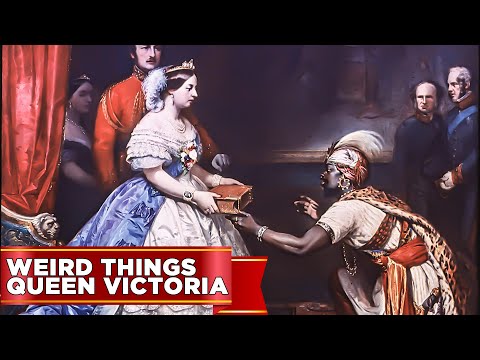
Unveiling the Extraordinary Life: Queen Victoria Beyond the Crown

While Queen Elizabeth II currently holds the esteemed title of the longest-reigning British monarch, history's gaze was once firmly fixed on Queen Victoria. Her reign, spanning an impressive 63 years and seven months as Queen of Britain and Ireland, left an indelible mark on the world, influencing trends and policies that resonate even today. Yet, beneath the familiar name and the weight of her legacy lies a tapestry of lesser-known facts, intriguing personal details, and historical curiosities. This exploration delves beyond the surface, uncovering the often-overlooked aspects of Queen Victoria's life, inviting a deeper understanding of the woman behind the crown and her profound impact on history and society.

Haters and Stalkers: The Shadows of the Crown

The immense public adoration for Queen Victoria did not shield her entirely from negativity. Throughout her reign, she faced a number of assassination attempts, highlighting the precariousness of even the most celebrated figures. These incidents reveal a more vulnerable side to the monarch, reminding us that power and public life often attract both fervent admirers and dangerous detractors. The persistence of these threats underscores the constant security challenges faced by public figures, a theme that continues to be relevant in contemporary society. Examining these historical instances can offer insights into the evolution of personal security and the psychological impact of constant threat.

"The weight of the crown is not to be trifled with; it is a burden that demands constant vigilance and resilience against the darker elements of public attention."

One notable figure was a man named Edward Oxford, who, at the tender age of 18, fired at the Queen and Prince Albert. While he was later found to be mentally unsound, the event sent shockwaves through the nation. Another persistent threat came from Robert Pate, who attempted to attack the Queen on multiple occasions, often with a cane. These incidents were not isolated events but part of a pattern that forced the royal household to continuously re-evaluate and enhance security measures. This historical context provides a fascinating lens through which to view the development of state security and the personal cost of public service.

An Enormous Legacy, Yet Certain Shortcomings

Queen Victoria's reign, the Victorian era, is synonymous with immense industrial, cultural, political, scientific, and military progress for Great Britain. The British Empire reached its zenith, covering a quarter of the globe. However, this era of expansion and innovation was also marked by significant social inequalities and the harsh realities of colonialism. While the era is celebrated for its advancements, it's crucial to acknowledge the exploitation and suffering that underpinned much of its grandeur.

Victoria's personal influence was substantial, yet her direct involvement in day-to-day governance was often mediated by her ministers. Her role as a constitutional monarch meant her power was largely symbolic and advisory, though her strong opinions and personal relationships with Prime Ministers like Lord Melbourne and Benjamin Disraeli certainly shaped political discourse. Understanding this dynamic is key to appreciating the evolving nature of monarchy and political power in the modern age.

Say Yes to the Dress: The Bridal Revolution

Perhaps one of Queen Victoria's most enduring and personally impactful contributions was her choice of wedding dress. On her marriage to Prince Albert in 1840, Victoria eschewed the traditional royal ermine and elaborate jewels for a relatively simple white satin gown trimmed with orange blossoms. This choice was revolutionary. Before Victoria, white was not the standard for wedding dresses; various colors were common. Her decision to wear white, combined with the widespread dissemination of her image through engravings and later, photography, popularized the white wedding dress as a symbol of purity and tradition, a trend that continues to dominate bridal fashion worldwide. This single sartorial choice demonstrates the immense power of public figures to shape cultural norms and traditions.

The orange blossoms, beyond being a decorative element, symbolized fertility and were a nod to Albert's German heritage, where they were traditional. The entire ensemble, including a modest veil, was a departure from the ostentatious displays often expected of royal weddings. This event wasn't just a personal celebration; it was a cultural moment that subtly redefined societal expectations for brides and weddings, illustrating how personal choices can cascade into widespread social phenomena.

Getting Down to Business: The Politics of Power

Queen Victoria ascended to the throne at the young age of 18. Her early years were heavily influenced by her mother, The Duchess of Kent, and her advisor, Sir John Conroy, a relationship she later described as a form of "servitude." Her determination to break free from this controlling influence was palpable from the moment she became queen. Her relationship with Lord Melbourne, the Whig Prime Minister, was particularly formative. He acted as a mentor, guiding her through the intricacies of parliamentary politics and constitutional duties during her initial years as monarch. This early tutelage was crucial in shaping her understanding of her role and responsibilities.

As her reign progressed, Victoria developed a more independent political voice. Her correspondence with various Prime Ministers reveals a shrewd and engaged monarch who was not afraid to express her opinions, often forcefully. She had strong views on foreign policy, colonial affairs, and domestic issues. Her famous clashes with William Gladstone, for instance, are well-documented, showcasing her tenacity and conviction. The dynamics between Victoria and her ministers offer a compelling case study in the workings of constitutional monarchy and the subtle yet significant influence a sovereign could wield.

Bloody Annoying: Health and Heredity

Queen Victoria was famously a carrier of hemophilia, a genetic blood disorder. While she herself did not suffer from the condition, she passed it on to at least three of her nine children, most notably her son Leopold, who died from complications related to the disorder. This genetic legacy had significant implications for the royal families of Europe, earning hemophilia the moniker "the royal disease." The spread of hemophilia through Victoria's descendants is a stark illustration of how genetic traits can traverse continents and influence the health and destinies of entire royal lineages, impacting alliances and succession lines across Europe.

"The unseen threads of heredity can weave patterns of both great strength and profound vulnerability through generations, impacting not just individuals but the very fabric of dynastic history."

Furthermore, Victoria suffered from significant health issues throughout her life, including persistent, debilitating pain and what is now believed to be severe depression, particularly after the death of Prince Albert. Her frequent use of the phrase "bloody annoying" in her diaries and letters, while seemingly anachronistic, reflects her struggles with physical discomfort and perhaps a frustration with the limitations imposed by her own body. These personal health battles, though often hidden from the public eye, provide a more human and relatable dimension to her formidable public persona.

‘Tis the Season: Royal Traditions and Innovations

Queen Victoria played a pivotal role in popularizing several traditions that we now consider quintessentially British or even globally recognized. For instance, the Christmas tree, a German tradition introduced to Britain by her husband, Prince Albert, was embraced enthusiastically by Victoria. Their first decorated Christmas tree in 1841, and subsequent celebrations, helped cement the tradition in British households. This adoption and promotion by the royal family turned a foreign custom into a national phenomenon, demonstrating the power of royal endorsement in shaping cultural practices. Her influence on Christmas traditions is a testament to how royal families can act as cultural conduits.

Additionally, the concept of the "season" in London, particularly for the upper classes, became more formalized and pronounced during her reign. While aristocratic social seasons pre-dated Victoria, they evolved into a distinct period of balls, parties, and official engagements, often occurring in the spring and early summer. This period was crucial for social networking, marriage negotiations, and political maneuvering. The royal family's presence and participation in these events lent them significant weight and cemented their place in the social calendar.

The Saddest Time of Year: Grief and Remembrance

The death of Prince Albert in 1861 at the age of 42 was a devastating blow to Queen Victoria, plunging her into a profound and prolonged period of mourning that lasted for the remaining 40 years of her life. She famously wore black for the rest of her reign, becoming an enduring symbol of widowhood. Her grief was not just a private sorrow; it profoundly impacted her public life and image. She withdrew from public view for extended periods, leading to criticism and the perception of a reclusive monarch.

To commemorate Albert, Victoria commissioned numerous monuments, including the Royal Albert Hall and the Albert Memorial in London. She also established Windsor Great Park as a memorial, planting trees and dedicating areas to his memory. Her commitment to preserving his legacy and her unwavering dedication to mourning transformed public expressions of grief and remembrance. This intense, long-lasting mourning is a powerful indicator of the depth of her personal loss and its enduring impact on her reign. It also reflects a shift in how public figures expressed and navigated profound personal tragedy.

Practical Guide DIY: Decoding Royal Portraits

Royal portraits are not merely artistic representations; they are meticulously crafted symbols of power, status, and ideology. Learning to "read" them can offer profound insights into the historical context and the sitter's intended message. Follow these steps to enhance your understanding:

  1. Identify the Artist and Period: Research the artist and the era in which the portrait was created. This will provide context for artistic conventions, symbolism, and the political climate. For instance, portraits from the Victorian era often convey a sense of stability and imperial might.
  2. Examine the Pose and Gaze: How is the sitter positioned? Are they looking directly at the viewer (confidence, engagement), or are they looking away (introspection, distant authority)? A regal, upright posture generally signifies power, while a more relaxed pose might suggest intimacy or a less formal presentation.
  3. Analyze the Clothing and Regalia: Royal attire is rich with symbolism. Look for crowns, sceptres, orbs, ermine trim, and specific colors, each carrying historical and cultural weight. White, as seen with Queen Victoria's wedding dress, could symbolize purity or new beginnings. Darker, richer fabrics often denoted wealth and status.
  4. Decipher Objects and Symbols: Are there specific objects in the portrait? A book might represent intellect, a globe signifies dominion, and flowers can symbolize virtues (e.g., orange blossoms for fertility). Consider what these objects communicate about the sitter's role or aspirations.
  5. Consider the Setting: Where is the sitter placed? Are they in a grand palace, a study, or outdoors? The background can reinforce themes of power (palace), intellect (study), or connection to the land (outdoors). Lavish interiors emphasize wealth and status.
  6. Look for Allegorical Elements: Sometimes, portraits incorporate allegorical figures or scenes that convey deeper messages about justice, victory, or the nation's prosperity. These require a more nuanced understanding of classical mythology or contemporary symbolism.
  7. Compare with Other Portraits: Viewing multiple portraits of the same individual or comparing them with contemporaries can reveal shifts in perception, political messaging, or personal presentation over time.

By applying these steps, you can move beyond simply admiring a portrait to actively interpreting the complex messages embedded within these historical documents. This analytical approach can be applied to understanding the visual rhetoric employed by rulers throughout history, including figures like Queen Victoria and even contemporary public figures.

Frequently Asked Questions

Was Queen Victoria really named Victoria?
No, her birth name was Alexandrina Victoria. She was named after her godfather, Tsar Alexander I of Russia, and her mother. However, she preferred to be known by her second name, Victoria, and officially reigned under it.
Did Queen Victoria have a large family?
Yes, Queen Victoria and Prince Albert had nine children: Victoria, Albert Edward, Alice, Alfred, Helena, Louise, Arthur, Leopold, and Beatrice. These children went on to marry into various European royal and noble families, earning Victoria the nickname "the grandmother of Europe."
How did Prince Albert die?
Prince Albert died on December 14, 1861, at Windsor Castle. The official cause of death was typhoid fever, though some historians speculate that other underlying health issues, possibly exacerbated by stress, may have contributed to his demise.
What was the significance of the term "Victorian Era"?
The Victorian Era refers to the period of Queen Victoria's reign (1837-1901). It is characterized by significant industrial, cultural, political, scientific, and military changes in the United Kingdom, including the peak of the British Empire's influence and major advancements in technology and social reform, alongside complex issues of poverty and colonialism.

Conclusion: The Enduring Reign of Victoria

Queen Victoria's life was far more than a historical footnote or a mere precursor to the modern British monarchy. Her nearly 64-year reign profoundly shaped the political, social, and cultural landscape of Britain and the world. From revolutionizing bridal fashion with her white wedding dress to inadvertently spreading hemophilia through European royal lines, her influence was both overt and subtle. Her personal struggles with grief, health, and societal expectations, coupled with her formidable political engagement, paint a complex portrait of a woman who navigated immense power and personal tragedy with remarkable resilience.

Understanding the lesser-known facets of her life—the assassination attempts, the personal health battles, the true impact of her name choice, and her role in popularizing traditions—allows for a richer appreciation of her historical significance. Queen Victoria remains a figure of immense historical fascination, her legacy a continuous source of study and reflection for historians, sociologists, and anyone interested in the intricate tapestry of human experience and the enduring power of monarchy. Her story serves as a powerful reminder that behind every historical era, there are individuals whose lives, marked by both triumph and tribulation, continue to shape our present.

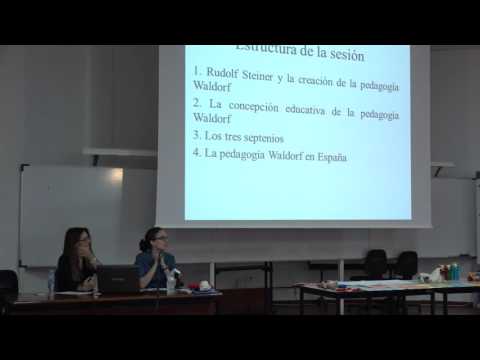
Rudolf Steiner's Esoteric Pedagogy and the Waldorf Schools: An Anthropological and Historical Analysis

Introduction: The Enigma of Waldorf Education

The pedagogical landscape is vast and varied, yet few educational philosophies have sparked as much enduring interest and debate as that developed by Rudolf Steiner and embodied in Waldorf schools. These institutions, often perceived as distinct from mainstream educational approaches, are rooted in a profound, albeit complex, philosophical system known as Anthroposophy. This article delves into the core tenets of Steiner's esoteric pedagogy, examining its historical origins, anthropological underpinnings, and sociological implications. We aim to provide a comprehensive overview for those seeking to understand the unique world of Waldorf education, moving beyond superficial descriptions to explore the intellectual architecture that supports its practices. The intention of this analysis is to satisfy the academic curiosity of readers interested in fields such as anthropology, history, sociology, and philosophy, offering a nuanced understanding of this influential educational movement.

The initial conceptualization of Waldorf education emerged in a period of significant societal upheaval, seeking to offer a counter-narrative to the industrialization and mechanization that characterized early 20th-century Europe. Rudolf Steiner, a prolific philosopher and mystic, posited that true human development required an understanding of the spiritual dimensions of existence, a concept he termed Anthroposophy. This esoteric worldview directly informed his approach to education, advocating for a curriculum and teaching methodology designed to nurture the child's holistic development – physical, emotional, intellectual, and spiritual.

Rudolf Steiner: The Architect of Anthroposophy

Rudolf Steiner (1861-1925) remains one of the most enigmatic and influential figures of the late 19th and early 20th centuries. A philosopher, social reformer, and esotericist, Steiner developed Anthroposophy, a comprehensive spiritual philosophy that seeks to bridge the perceived gap between spirit and matter, science and religion. Born in Austria, he initially pursued a rigorous academic path in science and philosophy, culminating in a doctorate in philosophy from the University of Rostock. His early work focused on interpreting the philosophical and scientific thought of his time, particularly the writings of Goethe.

However, Steiner's intellectual trajectory soon veered towards the spiritual. He claimed to possess clairvoyant abilities, which he viewed not as supernatural gifts but as developed faculties of perception accessible through dedicated training. This led him to establish the Anthroposophical Society in 1912, a global organization dedicated to the study and practice of Anthroposophy. Central to his teachings was the idea of human evolution as a multi-faceted process involving not only physical and psychological development but also spiritual progression.

"The spiritual world is not in opposition to the physical world; it is its foundation and upholds it." - Rudolf Steiner

Steiner's prolific output includes hundreds of lectures and numerous books covering a vast array of subjects, including education, medicine, agriculture, art, and social organization. His pedagogical theories, later formalized into the Waldorf curriculum, were revolutionary for their time, emphasizing the developmental stages of the child and advocating for an education that engaged the whole person, not just the intellect. The entity at the heart of this discussion is undoubtedly Rudolf Steiner, and his philosophical system, Anthroposophy, forms the bedrock upon which Waldorf education is built.

Anthroposophy as a Foundation for Pedagogy

Anthroposophy, in its essence, is a path of knowledge that seeks to understand the human being and the world through both scientific and spiritual inquiry. Steiner proposed that the human being is a complex entity composed of physical, etheric (life forces), astral (soul qualities), and ego (spiritual self) bodies, each developing at different stages of life. This understanding of human constitution is paramount in Waldorf pedagogy.

The Waldorf approach posits that a child's development unfolds in distinct seven-year cycles, or "epochs." Each epoch presents unique capacities and challenges that the educational process should address.

  • 0-7 years (Early Childhood): Focus on imitation, imaginative play, and sensory experiences. The physical body is developing rapidly, and learning is primarily through doing and experiencing.
  • 7-14 years (Elementary School): Emphasis on the awakening of feeling and imagination. The curriculum is presented through stories, art, music, and movement, fostering a love for learning and a connection to the subject matter.
  • 14-21 years (High School): Development of abstract thinking, critical judgment, and independent ideation. The curriculum becomes more academic and intellectually rigorous, encouraging students to form their own opinions and engage with complex ideas.

This developmental model, derived directly from Anthroposophical principles, dictates the content and methodology of Waldorf education. For instance, the avoidance of early formal academics, such as reading and writing, in favor of play and artistic activities during the first epoch, stems from Steiner's belief that it is crucial for healthy physical and soul development. The subsequent introduction of abstract concepts is carefully sequenced to align with the developing capacities of the adolescent. Key concepts that are semantically related include the four bodies of the human being, developmental epochs, and the principle of imitation.

The Waldorf Curriculum: A Holistic Approach

The Waldorf curriculum is renowned for its breadth and its integration of the arts and practical skills into academic subjects. It deliberately steers away from a purely utilitarian or examination-focused model, aiming instead to cultivate well-rounded, creative, and capable individuals.

Core subjects are taught not in isolation but are interwoven through a main lesson block system, where a particular subject is studied intensively for several weeks. This allows for deep immersion and thematic exploration.

  • Main Lessons: Typically cover subjects like history, science, mathematics, and literature, presented through storytelling, artistic activities, and practical projects.
  • Arts and Crafts: Music (singing, instrumental instruction), visual arts (drawing, painting, sculpting), handwork (knitting, sewing, woodworking), and eurythmy (a movement art developed by Steiner) are integral to the daily schedule.
  • Foreign Languages: Often introduced early and taught through song, verse, and play.
  • Eurythmy: A unique art form that aims to make speech and music visible through movement, connecting the physical and spiritual realms.
  • Practical Skills: Gardening, cooking, and various forms of crafts are emphasized to develop manual dexterity and an appreciation for the physical world.

The use of narrative and storytelling is a hallmark of Waldorf teaching, particularly in the elementary grades. Historical events, scientific phenomena, and mathematical concepts are often introduced through engaging stories, which Steiner believed were essential for stimulating the child's imagination and emotional engagement. This contrasts sharply with many conventional curricula that prioritize direct instruction and rote memorization. The work of Waldorf schools and the Waldorf curriculum are central entities here.

"The greatest challenge of childhood is to shape a happy human being." - Rudolf Steiner

The avoidance of standardized testing and grading, especially in the early years, is another distinguishing feature. Instead, teachers provide detailed narrative reports on student progress, emphasizing individual development over comparative ranking. This approach seeks to foster intrinsic motivation and a genuine love for learning, free from the pressures of external validation.

Historical Context: Waldorf Education in the Early 20th Century

The first Waldorf school was founded in 1919 in Stuttgart, Germany, in response to the profound social and economic dislocations following World War I. The world was grappling with the aftermath of industrialization, the rise of nationalism, and the perceived dehumanizing effects of modern society. In this milieu, Rudolf Steiner was invited by Emil Molt, the director of the Waldorf-Astoria cigarette factory, to establish a school for the children of the factory workers.

Steiner's educational philosophy was, in many ways, a direct response to these societal conditions. He sought to create an educational system that could counteract the fragmenting tendencies of modern life and nurture individuals capable of bringing about a more harmonious and spiritual future. The pedagogical principles he espoused were not merely academic but were intended to foster a holistic human development that would, in turn, contribute to social renewal. The founding of the first Waldorf school in Stuttgart is a key historical marker.

The early years of Waldorf education were marked by rapid growth and international interest, despite facing significant challenges, including the rise of Nazism. The Waldorf schools were temporarily closed by the Nazi regime in 1937, viewed as promoting an "un-German" and "alien" form of education. However, after World War II, the movement experienced a resurgence and spread globally. The post-war era saw a growing dissatisfaction with purely materialistic and scientific worldviews, creating fertile ground for Anthroposophical ideas and Waldorf education.

Understanding this historical context is crucial for appreciating the motivations behind Steiner's pedagogical innovations. The emphasis on creativity, holistic development, and spiritual inquiry can be seen as a deliberate counterpoint to the prevailing forces of industrialization and rationalism. Examining the early 20th century offers vital insights into the genesis of this educational philosophy.

Anthropological Perspectives on Waldorf Schools

From an anthropological standpoint, Waldorf schools can be examined as unique cultural institutions that transmit specific values, beliefs, and practices across generations. The core Anthroposophical worldview, with its emphasis on spiritual realities and developmental stages, shapes the very fabric of the Waldorf community.

Anthropologists might study the rituals and ceremonies that punctuate the Waldorf school year, such as seasonal festivals (e.g., Michaelmas, St. John's Day), which are imbued with symbolic meaning derived from Anthroposophy. These events serve not only as celebrations but also as pedagogical tools, reinforcing the connection between human life and natural cycles, as well as the spiritual underpinnings of existence. The role of the teacher in Waldorf education is also of significant anthropological interest. Teachers are not merely instructors but are seen as guides who work with the children's developmental stages, often staying with the same class for several years ("looping"). This creates a deep bond and allows for a more intimate understanding of each child's journey.

"The purpose of Waldorf education is to provide children with the foundation and inspiration to become free, morally responsible, and purpose-driven individuals." - Waldorf Education Worldwide

The concept of "holistic development" itself can be analyzed anthropologically as a particular cultural ideal for personhood. What constitutes a "well-rounded" individual is culturally defined, and Waldorf education offers a specific vision of this ideal, rooted in Steiner's spiritual cosmology. The relationship between the material world and the spiritual world, a central tenet of Anthroposophy, shapes the Waldorf understanding of reality and influences how children are taught to perceive and interact with their environment. This perspective aligns with broader anthropological inquiries into how societies construct meaning and transmit cultural knowledge.

Furthermore, the emphasis on arts and crafts can be viewed through the lens of cultural production and the transmission of embodied knowledge. Skills like knitting, woodworking, and drawing are taught not just for their practical utility but as ways of cultivating mindfulness, creativity, and a connection to the material world. Studying these practices offers insights into how a particular culture cultivates specific forms of human capacity and understanding, drawing on themes in anthropology and archaeology.

Sociological Implications of the Waldorf Model

Sociologically, Waldorf education presents several points of interest, particularly concerning social stratification, community formation, and the reproduction of cultural capital. While Waldorf schools are often perceived as accessible, research has indicated that they can sometimes be associated with higher socioeconomic strata, raising questions about equity and access.

The distinctive pedagogy and philosophy of Waldorf education can contribute to the formation of a distinct community among parents and educators who share a common set of values and beliefs. This can lead to strong parent involvement and a sense of collective purpose, but it may also create social boundaries between the Waldorf community and the broader society. The emphasis on a particular worldview, derived from Anthroposophy, can also be seen as a form of cultural capital that is transmitted within these schools, potentially shaping the future trajectories of their students.

The educational philosophy itself has wider sociological implications. By prioritizing holistic development, artistic expression, and a spiritual dimension, Waldorf education offers an alternative to the more technocratic and standardized approaches prevalent in many public education systems. This can foster critical thinking and creativity, potentially producing graduates who challenge conventional norms or pursue unconventional career paths. The curriculum's focus on imagination and inner life, as theorized by thinkers like Pierre Bourdieu in relation to habitus and cultural capital, can influence the ways students perceive the world and their place within it.

Moreover, the intentional integration of arts and practical skills challenges the traditional sociological divide between academic and vocational education. Waldorf schools implicitly argue for the intellectual and developmental value of artistic and manual pursuits, contributing to a broader discourse on the nature of knowledge and the aims of education in contemporary society. Examining these aspects provides a rich ground for understanding cultures and societal structures.

DIY Practical Guide: Observing Childhood Development Through a Waldorf Lens

While replicating a full Waldorf school environment at home is a significant undertaking, parents and educators can adopt certain principles and practices to observe and support child development in a Waldorf-inspired manner. This guide offers practical steps for creating a Waldorf-attuned experience, focusing on observation and fostering imaginative play.
  1. Create an Imaginative Play Environment: Designate a space for free play that encourages creativity. Use natural materials like wooden blocks, silk scarves, shells, and stones. Avoid overly prescriptive toys that dictate a specific way to play. Focus on open-ended materials that can be transformed into anything the child imagines.
  2. Engage in Rhythmic Activities: Establish daily and weekly rhythms. This could include consistent mealtimes, bedtime routines, and dedicated times for specific activities like storytelling, singing, or simple chores. Rhythm provides security and predictability for the child.
  3. Prioritize Imitation in Early Years: For younger children (0-7 years), provide opportunities for them to imitate practical activities. This could involve baking, gardening, cleaning, or simple crafts. Children learn by observing and doing, so involve them in real household tasks in an age-appropriate manner.
  4. Tell Stories with Vivid Imagery: Regularly tell fairy tales, folk tales, or create your own stories. Use expressive language and gestures to bring the narrative to life. Focus on stories that have clear moral structures and archetypal characters, which are central to Waldorf storytelling.
  5. Incorporate Nature and Seasonal Awareness: Connect children with the natural world through outdoor play, nature walks, and seasonal crafts. Celebrate seasonal festivals in simple ways to foster an understanding of natural cycles. Collect natural items like leaves, stones, and seeds for crafts or play.
  6. Observe and Document Development: Keep a journal to record observations of your child's play, their interests, their social interactions, and their developmental milestones. Focus on understanding their unique pace and capacities, rather than comparing them to external standards. This is a form of anthropological registration.
  7. Limit Early Screen Time: Waldorf education strongly advises against early exposure to electronic media, believing it can hinder imaginative development and sensory integration. Prioritize hands-on, sensory experiences over passive screen consumption.

By implementing these steps, one can begin to foster an environment that nurtures the qualities central to Waldorf education: imagination, creativity, a connection to nature, and a balanced approach to learning. This DIY approach draws inspiration from anthropology, psychology, and the practical wisdom of the DIY ethos.

Frequently Asked Questions

What is Anthroposophy?

Anthroposophy is a spiritual philosophy developed by Rudolf Steiner that seeks to understand the human being and the world through a combination of scientific inquiry and spiritual perception. It posits that the universe and human existence have spiritual dimensions that can be accessed through dedicated inner development.

What makes Waldorf education different from other schools?

Waldorf education is distinguished by its holistic approach, emphasizing the development of the whole child—head, heart, and hands. It follows a curriculum based on Steiner's understanding of child development in distinct seven-year stages, integrating arts, music, movement (eurythmy), and practical skills into academic learning, and often eschewing early formal academics and standardized testing.

Are Waldorf schools religious?

Waldorf schools are not affiliated with any specific religion, although they are based on Rudolf Steiner's spiritual philosophy, Anthroposophy. They aim to provide a non-denominational spiritual education that respects diverse beliefs and fosters a sense of the sacred in the world.

What is Eurythmy?

Eurythmy is a movement art developed by Rudolf Steiner that makes speech and music visible through gestures and bodily forms. It is taught in Waldorf schools as a way to enhance coordination, spatial awareness, and the integration of physical, emotional, and intellectual capacities.

Is Waldorf education suitable for all children?

Waldorf education aims to be inclusive, but its unique approach may resonate more strongly with certain children and families. It is best suited for those who value its emphasis on creativity, imagination, holistic development, and a slower-paced, rhythm-based learning environment.

For further exploration into related topics, consider visiting resources on anthropology and the history of alternative education movements.

Conclusion and Final Reflection

Rudolf Steiner's esoteric pedagogy, as manifested in Waldorf schools, offers a profound and distinct approach to education. By grounding its practices in the complex philosophical framework of Anthroposophy, it seeks to cultivate not merely knowledgeable students, but well-developed human beings capable of creative thought, moral responsibility, and a deep connection to the world around them. The historical context of its emergence—a Europe reeling from war and industrialization—highlights its intention as a force for social renewal and individual awakening.

From anthropological and sociological perspectives, Waldorf education presents a rich case study in cultural transmission, community formation, and the articulation of specific ideals of personhood. Its emphasis on developmental stages, imaginative learning, and the integration of arts and practical skills challenges conventional educational paradigms. While questions of access and the precise nature of its spiritual underpinnings remain subjects of ongoing discussion, the enduring global presence of Waldorf schools attests to the significant impact of Steiner's vision.

The "Do It Yourself" guide provided aims to bridge the gap between theoretical understanding and practical application, offering tangible ways to engage with Waldorf principles in everyday life. Ultimately, understanding Rudolf Steiner and the Waldorf movement requires an open mind, a willingness to explore unconventional ideas, and an appreciation for the intricate relationship between philosophy, spirituality, and pedagogy. The ongoing dialogue surrounding this educational philosophy underscores its relevance and its capacity to inspire alternative visions for human development.

If you found this analysis valuable and wish to delve deeper into the realms of anthropology, psychology, or history, we encourage you to explore our other posts and share your thoughts in the comments below.


The Maccabean Revolt: A Historical Deep Dive into the Anti-Hellenic Struggle and the Origins of Hanukkah

The story of Hanukkah, the Festival of Lights, resonates deeply within Jewish tradition, symbolizing resilience, faith, and the triumph of the few against the many. However, its origins are rooted in a tumultuous period of history marked by cultural clashes, religious persecution, and fierce warfare. This article delves into the Maccabean Revolt, an anti-Hellenic and anti-Seleucid uprising in Judea, exploring its historical context, key figures, major battles, and the lasting legacy that continues to be celebrated millennia later.

A World Under Hellenistic Influence

Following the conquests of Alexander the Great in the 4th century BCE, the Hellenistic world became a dominant force, spreading Greek culture, language, and political structures across vast territories. The Seleucid Empire, one of the successor states to Alexander's empire, controlled much of the Near East, including Judea. Initially, the relationship between the Jewish population and the Seleucid rulers was complex. While some Jewish elites adopted Hellenistic customs, a significant portion of the population sought to maintain their distinct religious and cultural identity.

The Seleucid kings, particularly Antiochus III the Great, often adopted a policy of relative tolerance towards the religious practices of their subjects. However, this began to shift dramatically under his successors. The pressure to assimilate, coupled with attempts to centralize power and extract resources, created simmering tensions within Judea. The desire to impose a unified Hellenistic identity on diverse populations ultimately sowed the seeds of conflict.

The Spark of Rebellion: Antiochus IV Epiphanes

The situation escalated significantly with the reign of Antiochus IV Epiphanes. Driven by a fervent desire to consolidate his empire and impose Hellenistic uniformity, Antiochus IV intensified the persecution of Jewish religious practices. This included the prohibition of circumcision, the observance of the Sabbath, and the study of the Torah. In a move that deeply desecrated the Second Temple in Jerusalem, Antiochus IV ordered the erection of an altar to Zeus within its precincts and sacrificed pigs, an act considered an abomination by Jewish law.

These actions were not merely political decrees; they were perceived as a direct assault on the core tenets of Judaism. The imposition of Hellenistic pagan practices was seen as an existential threat to the Jewish people and their covenant with God. This extreme persecution ignited widespread outrage and resistance, transforming simmering discontent into open rebellion.

"And they [the king's officers] went on Sunday morning, and sacrificed according to the king's decree upon the altar of burnt offering which was at Jerusalem." (1 Maccabees 1:54)

Judas Maccabeus and the Rise of the Maccabees

The rebellion found its leadership in the Hasmonean family, a priestly dynasty from Modi'in. When a Seleucid official attempted to force a Jewish elder, Mattathias, to sacrifice to a pagan idol, Mattathias refused and killed both the official and a collaborating Jew. This act of defiance marked the beginning of the história of the Maccabean Revolt. Mattathias, along with his five sons—John, Simon, Judas, Eleazar, and Jonathan—fled to the Judean wilderness, becoming fugitives and rallying supporters.

After Mattathias's death, his son Judas, known as "Maccabeus" (meaning "hammer" or "the hammerer"), took command. Judas proved to be an exceptional military leader. He organized his followers into an effective fighting force, capable of challenging the professional Seleucid armies. The term "Maccabees" became synonymous with this determined resistance against religious and cultural oppression.

The success of Judas Maccabeus and his brothers in rallying the Jewish people underscores the power of shared identity and religious conviction in the face of adversity. Their struggle for religious freedom is a pivotal moment in antropología and history, illustrating how cultural survival can become a powerful motivator for resistance.

Major Battles and Guerrilla Warfare

The Maccabean Revolt was characterized by a series of intense battles and campaigns of guerrilla warfare. The Seleucid forces, though often superior in numbers and military technology, struggled against the Maccabees' intimate knowledge of the terrain and their highly motivated fighting spirit. Judas Maccabeus employed effective tactics, utilizing the mountainous landscape to his advantage.

Notable battles include:

  • Battle of Wadi Haramia: A significant early victory for Judas, demonstrating the effectiveness of his leadership.
  • Battle of Beth Horon: A decisive victory where Judas ambushed and routed a larger Seleucid army led by Seron.
  • Battle of Emmaus: Another strategic victory against a Seleucid force, showing the growing strength and capability of the Maccabees.
  • Battle of Beth-Zur: A successful defense against the Seleucid general Lysias, further bolstering Maccabean morale.
  • Battle of Adasa: Judas Maccabeus tragically fell in battle against the forces of Bacchides, a setback for the revolt.
  • Battle of Elasa: Jonathan Maccabeus, Judas's brother, continued the fight, eventually securing a period of relative autonomy.

The Seleucid Empire, preoccupied with internal strife and external threats, found it increasingly difficult to suppress the persistent rebellion. The Maccabees' success lay not only in their military prowess but also in their ability to galvanize popular support. Their fight was not merely for territory but for the preservation of their way of life and their religious freedom.

"And they that were in Jerusalem and in the country of Judea, and Jonathan and his company, heard of the wicked deeds that had been done by the king's officers upon their countrymen." (1 Maccabees 1:36)

The Rededication of the Temple and the Miracle of the Oil

The turning point of the revolt came in 164 BCE when Judas Maccabeus and his forces successfully recaptured Jerusalem and the Second Temple. The desecrated Temple was cleansed, its pagan altar dismantled, and a new altar constructed. The rededication ceremony was a moment of profound spiritual significance for the Jewish people.

According to tradition, when the Maccabees sought to relight the Temple's menorah, they found only a small cruse of pure olive oil, enough for a single day. Miraculously, the oil burned for eight days, the time it took to procure and prepare fresh consecrated oil. This event is the basis for the central miracle of Hanukkah and explains why the festival is celebrated for eight nights.

This narrative, while imbued with miraculous elements, speaks to the deep desire for divine intervention and the symbolic importance of light and purity in the face of darkness and desecration. It encapsulates the essence of Hanukkah as a festival of hope and perseverance.

The Legacy of the Maccabees: Hanukkah and Beyond

The Maccabean Revolt ultimately led to the establishment of the Hasmonean kingdom, a period of Jewish independence that lasted for nearly a century before Roman intervention. The revolt and its outcome had profound implications for Jewish history, identity, and religious practice.

Hanukkah, commemorating the rededication of the Temple and the miracle of the oil, remains one of the most widely celebrated Jewish holidays. It serves as a reminder of the enduring struggle for religious freedom and the courage to stand against oppression. The themes of resistance, faith, and the triumph of light over darkness continue to resonate across cultures and generations.

The history of the Maccabees also offers valuable lessons for understanding the dynamics of cultural assimilation, religious persecution, and the formation of collective identity. It highlights how deeply held beliefs can fuel powerful movements for self-determination.

DIY Intellectual: Analyzing Historical Sources

To truly understand events like the Maccabean Revolt, it's crucial to engage with primary and secondary sources critically. Here's a practical approach:

  1. Identify Primary Sources: For the Maccabean Revolt, the Books of Maccabees (1 Maccabees and 2 Maccabees) are key primary sources. Note their authors, intended audiences, and potential biases.
  2. Consult Secondary Sources: Read analyses by reputable historians specializing in the Hellenistic period and ancient Jewish history. Look for academic books, peer-reviewed articles, and scholarly encyclopedias. For example, understanding the broader context of the Europan empires like the Seleucid is crucial.
  3. Compare and Contrast: Analyze different accounts of the same event. Do they agree on key details, dates, and motivations? Where do they diverge? For instance, compare the narrative in 1 Maccabees with that of 2 Maccabees, which offers a different perspective and includes more miraculous elements.
  4. Examine Evidence: What archaeological evidence exists to support or challenge the historical accounts? While direct archaeological evidence for specific battles might be scarce, evidence of Hellenistic presence and Jewish settlements in Judea during this period is abundant.
  5. Consider Interpretation: Recognize that history is not just a collection of facts but also an interpretation of those facts. Historians use various theoretical frameworks, drawing from fields like sociología and antropología, to understand the motivations, social structures, and cultural dynamics at play.
  6. Synthesize Findings: Formulate your own understanding based on the evidence and interpretations. Acknowledge the limitations and uncertainties in the historical record.

Frequently Asked Questions

What is the main significance of the Maccabean Revolt?

The Maccabean Revolt is significant for preserving Jewish religious and cultural identity against forced Hellenization, leading to a period of Jewish independence and forming the historical basis for the festival of Hanukkah.

Who were the Maccabees?

The Maccabees were a group of Jewish rebel warriors who fought against the Seleucid Empire in the 2nd century BCE. They were led by the Hasmonean family, notably Judas Maccabeus.

What is the connection between the Maccabean Revolt and Hanukkah?

Hanukkah commemorates the rededication of the Second Temple in Jerusalem by the Maccabees after its desecration by the Seleucids. The festival also celebrates the miraculous event where a small amount of oil for the Temple menorah lasted for eight days.

Were the Maccabees successful in the long term?

Yes, the Maccabees successfully drove out the Seleucids from Judea and established the Hasmonean dynasty, which ruled Judea as an independent kingdom for approximately a century.

How did Greek culture influence Judea during this period?

The Seleucid Empire actively promoted Hellenistic culture, including Greek language, philosophy, art, and religious practices. This assimilationist pressure created conflict with traditional Jewish society, ultimately triggering the revolt.

The Maccabean Revolt stands as a testament to the enduring human spirit in the face of oppression. It reminds us that cultural and religious identity can be powerful forces that shape history, inspiring movements for self-determination and resilience. The story of Judas Maccabeus and his followers continues to echo, urging us to reflect on the importance of faith, courage, and the fight for freedom.

Decoding Authentic Connection: 20 Indicators of Genuine Love and Their Sociological Roots

Introduction: The Unseen Architecture of Love

In the intricate tapestry of human relationships, the question of authenticity in affection perpetually surfaces. Are the emotions we feel, and those reciprocated by our partners, genuine reflections of deep connection, or merely fleeting echoes of superficial attachment? This inquiry resonates across disciplines, from the intimate sphere of psychology to the broader societal structures examined by anthropology and the historical precedents studied in history. Understanding the signs of genuine love is not merely an academic exercise; it is a vital tool for navigating the complexities of partnership, fostering healthier bonds, and building resilient relationships grounded in truth.

This article aims to delve beyond superficial indicators, exploring the multifaceted nature of authentic love. We will examine its sociological underpinnings, trace its historical evolution, and uncover its psychological foundations. Furthermore, we will provide a practical framework for self-assessment, empowering readers to critically evaluate the dynamics within their own relationships.

A Sociological Lens on Love and Authenticity

From a sociological standpoint, love is not solely an individualistic, private affair but a phenomenon deeply embedded within social structures, cultural norms, and historical contexts. The very definition and expression of romantic love have been shaped by societal expectations, economic imperatives, and the prevailing social order.

Consider the concept of the "love match" versus arranged marriages. Historically, many societies prioritized alliances, economic stability, and procreation over individual romantic sentiment. The rise of individualism and romantic love as a prerequisite for marriage is a relatively recent development, particularly in Western cultures. As history shows, social class, religious beliefs, and familial obligations often played a more significant role in partnership formation than personal affection.

Moreover, contemporary societies often present idealized versions of love through media, creating a "culture of romance" that can paradoxically lead to doubt and insecurity. The pressure to conform to these idealized notions can make individuals question the authenticity of their own experiences. Examining the sociological factors influencing our perceptions of love is crucial for distinguishing genuine connection from socially constructed expectations.

"The sociology of love reveals that what we often perceive as purely personal feelings are, in fact, heavily influenced by the social and cultural environments in which we are immersed."

The Shifting Sands of Romantic Ideals Through History

The historical trajectory of love and relationships offers invaluable insights into what constitutes authentic affection. The concept of romantic love as we understand it today is a relatively modern construct. In ancient Greece, for instance, relationships were often more pragmatic, with emphasis on procreation and social order. While concepts like eros (passionate love) existed, they were not necessarily the primary basis for enduring unions.

The medieval era, with its codes of chivalry and courtly love, introduced a more idealized, often unattainable, form of romantic devotion. This, however, was frequently distinct from the marriages of the nobility, which remained largely political and economic arrangements. It was during the Enlightenment and the subsequent rise of Romanticism that the individual's emotional experience and personal choice began to gain prominence as foundational elements of marriage and partnership.

Even within the last century, the emphasis has shifted. Early 20th-century marriages might have been more focused on companionship and shared responsibilities, while later decades saw a greater emphasis on self-fulfillment and emotional intimacy. Understanding these historical shifts helps us contextualize our current expectations and identify enduring markers of genuine connection that transcend specific cultural eras.

The exploration of historical records and sociological studies, much like the work undertaken in archaeology to uncover past societies, allows us to piece together the evolving narrative of human connection. This analytical approach, akin to data analysis, provides a richer understanding of the present.

Psychological Underpinnings: Attachment, Trust, and Vulnerability

Psychology offers critical frameworks for understanding the internal mechanisms that drive and sustain genuine love. Theories of attachment, developed by researchers like John Bowlby, posit that our early experiences with caregivers shape our patterns of relating in adulthood. Secure attachment, characterized by trust and comfort with intimacy, is often a strong indicator of a capacity for authentic love.

Conversely, insecure attachment styles (anxious, avoidant, or disorganized) can manifest as behaviors that mimic or undermine genuine affection. For instance, an anxiously attached individual might exhibit excessive neediness or jealousy, while an avoidantly attached person may struggle with emotional closeness and commitment. Recognizing these patterns, both in oneself and in a partner, is crucial.

Trust and vulnerability are also cornerstones of authentic love. Genuine trust involves a belief in the partner's reliability, integrity, and good intentions. Vulnerability, the willingness to be open and exposed emotionally, allows for deeper intimacy and connection. Partners who consistently demonstrate these qualities are more likely to be experiencing and fostering authentic love.

"Authentic love thrives on a foundation of secure attachment, mutual trust, and the courageous willingness to be vulnerable."

In essence, the psychological dimension of love involves understanding how our minds and emotional histories influence our capacity to give and receive genuine affection. This self-awareness is a key component in navigating relationship dynamics effectively.

DIY Practical Analysis: Decoding Relationship Dynamics

Distinguishing between genuine affection and superficiality requires careful observation and honest self-reflection. While a definitive list of "fake love signs" can be subjective, applying a structured approach can illuminate the quality of a relationship. This DIY guide encourages a critical yet compassionate assessment.

  1. Consistent Emotional Availability: Does your partner consistently offer emotional support, especially during difficult times? Genuine partners are present, not just during the good times but also when challenges arise.
  2. Active Listening and Validation: Do they listen attentively when you speak, making an effort to understand your perspective and validating your feelings, even if they don't agree? This indicates respect and genuine interest.
  3. Shared Future Vision: Do you both actively discuss and plan for a shared future, including long-term goals and aspirations? A lack of future orientation can signal a lack of commitment.
  4. Respect for Boundaries: Do they respect your personal space, time, and individual needs? Healthy relationships involve mutual respect for autonomy.
  5. Open Communication About Needs: Are both partners comfortable expressing their needs and desires openly and honestly, without fear of judgment or retribution?
  6. Demonstration of Effort: Do they consistently make an effort to nurture the relationship, engage in shared activities, and show appreciation? Love requires ongoing effort.
  7. Acceptance of Flaws: Do they accept you, including your imperfections, or do they constantly try to change you? Genuine love embraces the whole person.
  8. Support for Personal Growth: Do they encourage your individual pursuits, ambitions, and personal development? A supportive partner celebrates your successes.
  9. Conflict Resolution Skills: When disagreements arise, do you work together constructively to find solutions, or do you resort to blame, stonewalling, or contempt? Healthy conflict resolution is vital.
  10. Consistent Behavior: Is their behavior towards you consistent over time, or is it erratic and unpredictable, alternating between intense affection and coldness?
  11. Trust and Transparency: Is there an open and honest exchange of information, and do you feel a fundamental sense of trust in their actions and words?
  12. Sacrifice and Compromise: Are both partners willing to make reasonable sacrifices and compromises for the well-being of the relationship?
  13. Genuine Interest in Your Life: Do they ask about your day, your interests, and your well-being, and genuinely seem interested in the answers?
  14. Absence of Control or Manipulation: Are there any signs of controlling behavior, emotional manipulation, or attempts to isolate you from others? These are red flags for inauthentic dynamics.
  15. Public and Private Consistency: Is their behavior and affection towards you consistent both in private and in public settings?
  16. Apologies and Accountability: When mistakes are made, do they offer sincere apologies and take responsibility for their actions?
  17. Shared Values: While differences are natural, do you share core values regarding important life aspects such as family, ethics, and life goals?
  18. Feeling of Safety and Security: Do you feel emotionally and physically safe and secure in the relationship?
  19. Celebration of Milestones: Do they actively participate in and celebrate important moments and milestones in your life?
  20. Overall Sense of Well-being: Does the relationship generally contribute to your overall sense of happiness and well-being, or does it leave you feeling drained and insecure?

This structured approach, combining insights from psychology and sociological observations, offers a practical method for self-evaluation. Remember, no relationship is perfect, but consistent patterns of these positive indicators strongly suggest genuine affection.

Frequently Asked Questions

What are the most common signs of fake love?

Common signs often include inconsistency in behavior, lack of genuine interest in your life or feelings, avoidance of deep emotional connection, controlling tendencies, and a focus on superficial aspects rather than mutual support and growth. Often, individuals experiencing fake love report feeling insecure, drained, or invalidated.

How does societal pressure influence perceptions of love?

Societal pressures, often amplified by media, can create unrealistic expectations about romantic relationships. This can lead individuals to question the authenticity of their own experiences if they don't perfectly align with idealized portrayals. It can also pressure people into relationships they might not otherwise pursue, masking true feelings with performative affection.

Can historical context help us understand modern relationships?

Absolutely. Understanding how concepts of love, marriage, and partnership have evolved through history provides crucial context. For example, recognizing that romantic love as the primary basis for marriage is a modern development can help individuals de-idealize relationships and focus on more enduring qualities like commitment, respect, and shared values.

Is vulnerability always a sign of genuine love?

While vulnerability is a key component of authentic intimacy, it must be coupled with trust and reciprocity. Sharing vulnerabilities with someone who exploits them or consistently fails to reciprocate is not a sign of genuine love but can be a precursor to emotional harm. True vulnerability in a loving relationship fosters deeper connection and safety.

How can I use this information to improve my own relationships?

By understanding the sociological, historical, and psychological underpinnings of authentic love, you can gain a more nuanced perspective on your relationships. Use the DIY analysis guide for honest self-reflection, focusing on building secure attachments, fostering open communication, and prioritizing mutual respect and effort. This awareness empowers you to cultivate healthier, more genuine connections.

Conclusion: Building Bridges of Authentic Affection

The journey to understanding and experiencing authentic love is an ongoing process, informed by our interactions with the world around us and the internal landscapes we navigate. By integrating perspectives from anthropology, sociology, history, and psychology, we gain a more profound appreciation for the intricate architecture of genuine connection. The signs of true affection are not always grand gestures but are often found in the consistent, quiet demonstrations of respect, empathy, vulnerability, and shared commitment.

The practical framework provided encourages a proactive approach to relationship assessment, fostering self-awareness and enabling individuals to cultivate bonds built on a solid foundation of trust and authenticity. As we continue to explore the complexities of human connection, may we strive to build relationships that are not only passionate but also resilient, truthful, and deeply fulfilling. We invite you to share your thoughts and experiences in the comments below, continuing this vital conversation.

Deciphering Devotion: 13 Nuanced Indicators of Authentic Love Beyond Superficial Displays

Introduction: Beyond the Grand Gestures

The expression of love is a complex tapestry woven from individual experiences, cultural norms, and psychological underpinnings. While grand gestures and overt declarations often capture our attention, the subtler, more consistent actions can speak volumes about the depth and authenticity of a partner's affection. This exploration delves into the less conspicuous, yet profoundly significant, indicators that signal a partner's true love, even when words or dramatic displays are infrequent. Drawing from anthropological perspectives on relationship structures, historical understandings of partnership, and psychological insights into attachment theory, we aim to provide a comprehensive framework for recognizing genuine devotion.

A Historical and Anthropological Lens on Love

Throughout human history and across diverse cultures, the concept and expression of love have undergone continuous evolution. Anthropologically, early human societies often prioritized pragmatic bonds – alliances for survival, procreation, and resource management. While emotional connection was undoubtedly present, its overt expression may have been subsumed by functional necessities.

Historically, partnerships were frequently arranged for reasons of political alliance, economic stability, or social standing. The romanticized notion of love as the sole basis for marriage is a relatively recent phenomenon, gaining prominence with the rise of individualism and companionate marriage models. Even within these shifts, the ways in which love is communicated have varied dramatically. Some cultures emphasize duty, sacrifice, and shared responsibility as paramount expressions of love, while others prioritize passionate engagement and open emotional disclosure. Understanding this historical and cultural variability is crucial; what might be interpreted as a lack of affection in one context could be a profound expression of commitment in another.

The evolution of relationship dynamics mirrors the broader trajectory of human societal development, shifting from emphasis on external structures of alliance to internal states of emotional connection.

For instance, in many traditional societies, acts of service – providing for the family, ensuring its safety, and fulfilling one's role with diligence – were the primary language of love. This contrasts with modern Western ideals that often equate love with constant verbal affirmation and shared emotional vulnerability. Examining these differences allows us to appreciate the multifaceted nature of love's expression.

The Psychology of Attachment and Love Languages

Contemporary psychology offers valuable frameworks for understanding relational dynamics. Attachment theory, pioneered by John Bowlby, posits that early life experiences with caregivers shape our "attachment styles" in adult romantic relationships. Secure attachment, characterized by trust and comfort with intimacy, often leads to partners who express love through consistent support, reliability, and emotional availability.

Conversely, anxious or avoidant attachment styles can manifest in partners who struggle to express affection openly or consistently. An anxiously attached individual might seek constant reassurance, while an avoidantly attached person might withdraw or appear distant, even when they harbor deep feelings. Neither style negates the presence of love, but it significantly alters its expression.

Furthermore, the concept of "Love Languages," popularized by Gary Chapman, provides a useful lens. Recognizing that individuals give and receive love in different primary ways – through Words of Affirmation, Acts of Service, Receiving Gifts, Quality Time, and Physical Touch – can illuminate why a partner's actions might not align with our personal expectations of affection. A partner who consistently does chores (Acts of Service) might be expressing deep love, even if they are not verbally effusive (Words of Affirmation).

Understanding these psychological underpinnings helps us move beyond a singular definition of love and appreciate the diverse ways affection can be communicated. The subtle signs we will explore are often rooted in these fundamental psychological needs and expressions.

Decoding the Nuanced Signals: 13 Indicators of True Love

While a definitive checklist is impossible, several nuanced indicators, often overlooked, suggest a partner's deep and abiding love. These signs stem from a place of care, respect, and commitment, even if they lack ostentatious displays.

  1. Prioritizes Your Well-being: They genuinely care about your health, safety, and overall happiness, often making small sacrifices to ensure you are comfortable or protected.
  2. Listens Actively and Remembers Details: Beyond just hearing you, they truly listen, recall important details about your life, your preferences, and your concerns, and integrate this knowledge into their interactions.
  3. Supports Your Goals and Ambitions: They are your cheerleader, encouraging your personal and professional growth, even if it requires significant effort or change on their part.
  4. Shows Patience and Understanding: In moments of frustration, stress, or personal failing, they offer patience and understanding rather than immediate criticism or withdrawal.
  5. Respects Your Boundaries and Individuality: They value your autonomy, respect your personal space, opinions, and decisions, even when they differ from their own.
  6. Makes Time for You Consistently: Despite busy schedules, they make a consistent effort to spend quality time with you, prioritizing your presence in their life.
  7. Offers Genuine Apologies and Seeks Reconciliation: When they err, they offer sincere apologies and actively work towards resolving conflicts, valuing the relationship over ego.
  8. Demonstrates Vulnerability: They feel safe enough to share their own fears, insecurities, and true feelings with you, fostering a deeper sense of intimacy.
  9. Shows Appreciation for Small Things: They don't just acknowledge significant efforts but also appreciate the everyday gestures and qualities that make you who you are.
  10. Stands By You During Difficult Times: When life throws challenges your way, they are a steadfast presence, offering support, comfort, and practical assistance without wavering.
  11. Trusts You Implicitly: They demonstrate a fundamental belief in your integrity and intentions, avoiding unfounded jealousy or suspicion.
  12. Invests in Shared Future: They talk about and plan for a future that includes you, making decisions with the long-term health of the relationship in mind.
  13. Shows Empathy Towards Your Struggles: They can put themselves in your shoes, understanding and validating your emotional experiences, even if they don't fully comprehend the situation.

These actions, woven into the fabric of daily life, are powerful affirmations of love that often surpass fleeting declarations. They represent a conscious, ongoing commitment to nurturing the relationship and prioritizing the partner's well-being.

DIY Practical Guide: Cultivating Expressive Communication in Relationships

Recognizing these signs is the first step; actively fostering an environment where love can be clearly expressed and understood is the next. This practical guide focuses on enhancing communication, a cornerstone of any healthy relationship, drawing on principles of active listening and thoughtful expression.

  1. Schedule Dedicated "Connection Time": Set aside at least 15-30 minutes daily or several times a week for uninterrupted conversation. This could be during a meal, a walk, or before bed. Put away phones and minimize distractions.
  2. Practice Active Listening Techniques: When your partner speaks, focus entirely on them. Nod, maintain eye contact, and use verbal cues like "I see" or "Uh-huh." Avoid interrupting or formulating your response while they are still talking.
  3. Reflect and Summarize: Periodically paraphrase what you've heard to ensure understanding. For example, say, "So, if I understand correctly, you're feeling frustrated because..." This validates their feelings and clarifies their message.
  4. Identify and Articulate Your Own Love Language: Understand how you best give and receive love. This self-awareness allows you to communicate your needs more effectively to your partner.
  5. Learn and Speak Your Partner's Love Language: Pay attention to how your partner expresses affection and what they seem to value most. Make a conscious effort to express your love in *their* primary language, even if it's not your own natural inclination.
  6. Use "I" Statements for Feelings: When expressing concerns or emotions, frame them using "I" statements to avoid sounding accusatory. For example, instead of "You never listen," try "I feel unheard when..."
  7. Express Appreciation Regularly: Make it a habit to acknowledge and appreciate your partner's efforts, qualities, and presence. Be specific: "I really appreciated you making dinner tonight; it helped me relax after a long day."
  8. Initiate Conversations About the Relationship: Don't wait for problems to arise. Regularly check in about how you both are feeling about the relationship's dynamics and what could be improved.
  9. Practice Empathy Exercises: When your partner shares a difficulty, consciously try to imagine yourself in their situation. Acknowledge their feelings: "That sounds incredibly tough," or "I can see why you'd be upset."

Implementing these practices requires consistent effort and mutual commitment. However, by actively working on communication, you build a stronger foundation for recognizing and reinforcing the authentic expressions of love within your relationship.

Frequently Asked Questions

Q1: How can I differentiate between genuine love and mere habit or obligation?
A: Genuine love is often characterized by proactive care, enthusiasm for your well-being, and a willingness to make conscious choices that benefit the relationship. Obligation might manifest as routine actions performed without emotional investment or consideration for your preferences. Look for signs of genuine interest and proactive effort.

Q2: My partner is not very expressive verbally. Does this mean they don't love me?
A: Not necessarily. As discussed, people express love through different primary "languages." If your partner shows love through acts of service, quality time, or physical affection, they may be deeply in love even if they are not effusive with words. Understanding their communication style is key.

Q3: How important is it for partners to have the same "love language"?
A: It's not essential for partners to have identical love languages, but it is crucial that each partner understands and makes an effort to speak the other's primary love language. Mutual effort and understanding are more important than mirroring each other's expressions.

Q4: Can someone exhibit these signs without actually being in love?
A: While these signs are strong indicators, it's possible for individuals to perform caring actions out of habit, a sense of duty, or even manipulation. The key is to observe consistency over time, the presence of mutual respect, and the overall context of the relationship's health and emotional reciprocity.

Conclusion: The Enduring Architecture of Love

Love, in its most profound sense, is not merely a fleeting emotion but a sustained practice of commitment, care, and respect. The 13 indicators discussed offer a guide to recognizing this enduring devotion, moving beyond superficial assessments to appreciate the subtler, yet more powerful, expressions of a partner's affection. By integrating historical and anthropological insights with psychological understanding, we can develop a more nuanced appreciation for the diverse ways love manifests.

The DIY guide underscores that fostering a loving relationship is an active, ongoing endeavor. By cultivating open communication, practicing empathy, and consciously engaging with our partner's unique expressions of love, we build a resilient and authentic connection. Ultimately, true love is a testament to consistent action, mutual understanding, and the quiet, unwavering dedication that forms the architecture of lasting companionship.