Mostrando las entradas para la consulta Silk Road ordenadas por fecha. Ordenar por relevancia Mostrar todas las entradas

An In-Depth Anthropological Exploration of Asian Peoples and Races: A Scholarly Review

Introduction: Unveiling the Tapestry of Asian Identities

Asia, a continent of immense geographical and cultural diversity, presents a rich and complex landscape for anthropological inquiry. This exploration delves into the multifaceted concept of "peoples and races" within Asia, moving beyond simplistic classifications to understand the intricate interplay of historical, social, and cultural factors that shape identity. Our aim is to provide a scholarly yet accessible overview, drawing on anthropological, sociological, and historical perspectives to illuminate the nuanced realities of human diversity across this vast landmass.

We are living in an era where understanding human diversity is more crucial than ever. The blog "El Antroposofista" has consistently provided valuable insights into these domains, and this analysis aims to build upon that foundation. The intention of this post is to satisfy the academic curiosity of readers seeking a deep, evidence-based understanding of ethnic and racial categorizations in Asia, while also offering practical tools for personal intellectual engagement with the subject matter.

Historical and Anthropological Frameworks for Understanding Asia

The study of Asian peoples has a long and evolving history within anthropology. Early ethnographies often relied on colonial frameworks, leading to essentialist and hierarchical categorizations of race. However, the discipline has progressively moved towards more nuanced understandings, emphasizing the socially constructed nature of race and the fluidity of ethnic identities. Key figures in anthropology, such as Pierre Bourdieu and Victor Turner, have provided theoretical lenses for analyzing social structures, cultural practices, and the formation of group identities.

Historically, Asia has been a crucible of civilizations, migrations, and cultural exchanges. From the ancient Silk Road trade routes that facilitated intercontinental dialogue to the modern era's complex patterns of immigration and diasporas, the continent's demographic tapestry is a testament to millennia of human movement and interaction.

The concept of "race" itself is a historical and social construct, often used to categorize human populations based on perceived physical differences. Anthropologically, it is more productive to examine the cultural and genetic diversity that underlies these perceptions.

Understanding the history of humanity in Asia requires acknowledging the vastness of time scales, from early hominin migrations to the development of complex agricultural societies and early states. The archaeological record, alongside linguistic and genetic data, provides crucial evidence for reconstructing these ancient population movements and cultural developments.

Anthropological Approaches to Race and Ethnicity in Asia

In contemporary anthropology, the distinction between "race" and "ethnicity" is critical. While race has historically been used to denote supposed biological differences, ethnicity focuses on shared cultural practices, language, religion, and a sense of common ancestry. In Asia, these categories are often intertwined and highly localized.

Consider the vast array of ethnic groups across Asia, from the Han Chinese to the diverse indigenous peoples of Southeast Asia, the Indian subcontinent's myriad communities, and the nomadic traditions of Central Asia. Each represents a unique history of adaptation, cultural innovation, and social organization. The study of cultural diversity in Asia is an ongoing endeavor, challenging simplistic typologies.

Modern genetic research has further complicated traditional notions of race, revealing that genetic variation within so-called racial groups is often greater than variation between them. This scientific understanding reinforces the anthropological perspective that race is primarily a social construct, shaped by historical and political contexts. The exploration of human diversity is a core anthropological pursuit.

The Mosaic of Asian Cultures: A Deeper Look

Asia's cultural mosaic is perhaps its most striking feature. Religions originating in Asia, such as Buddhism, Hinduism, Islam, and Sikhism, have profoundly shaped societies across the continent and beyond. Linguistic diversity is equally staggering, with major language families like Indo-Aryan, Sino-Tibetan, and Austronesian encompassing hundreds of distinct languages and dialects.

Food, art, music, and social customs vary dramatically from one region to another. For instance, the vibrant musical traditions of Latin America have echoes in the fusion of global influences that characterize many contemporary Asian music scenes, reflecting a dynamic process of cultural exchange and adaptation. The study of culture and language is paramount to understanding these distinctions.

The persistence of distinct cultural identities, even amidst globalization and increased interconnectivity, highlights the enduring power of shared heritage and collective memory.

The concept of cultural identity is not static; it is constantly negotiated and redefined through social interaction, historical events, and external influences. This dynamic nature is particularly evident in regions with a long history of trade and migration.

Sociological Dimensions of Asian Societies

From a sociological standpoint, understanding Asian societies involves examining their social structures, economic systems, and political landscapes. Issues such as economic development, urbanization, and changing family structures are central to contemporary sociological research in Asia.

The impact of globalization on traditional social institutions, the rise of new social movements, and the dynamics of inclusion and exclusion within diverse societies are all fertile ground for sociological analysis. Examining these phenomena provides crucial context for understanding the lived experiences of people across the continent. The blog "El Antroposofista" often touches upon these themes through its exploration of digital sociology and its impact on society.

The study of demographic patterns, including population growth, aging, and migration, is also a key component of sociological research in Asia. These trends have significant implications for social policy, resource allocation, and the future development of societies.

DIY Practical Guide: Analyzing Ancestral Migrations

Understanding the deep historical migrations that shaped Asian populations can be an engaging intellectual exercise. This guide provides a simplified, hands-on approach to exploring ancestral movements, combining historical data with accessible genealogical principles.

  1. Define Your Scope: Choose a specific region or historical period in Asia you wish to investigate. For example, you might focus on the spread of Indo-European languages or the early human migrations out of Africa into Asia.
  2. Gather Historical Information: Utilize resources like historical atlases, academic texts on prehistory, and online encyclopedias to understand major historical events, trade routes (like the Silk Road), and known population movements.
  3. Explore Linguistic Connections: Research major language families present in your chosen region (e.g., Sino-Tibetan, Austronesian, Indo-Aryan). Significant linguistic similarities across geographical areas often indicate past contact and migration. You can find resources on language and culture online.
  4. Consult Archaeological Evidence: Look for summaries of key archaeological findings in your area of interest. Discoveries of similar tools, pottery styles, or settlement patterns across different regions can suggest shared origins or cultural diffusion. Websites focusing on archaeology are invaluable here.
  5. Examine Genetic Studies (Conceptual): While direct genetic testing is beyond a DIY scope, understand the concepts. Read articles explaining how geneticists trace human ancestry through DNA analysis, identifying patterns of migration and population admixture. Reputable science journals and educational sites often provide accessible summaries.
  6. Synthesize and Hypothesize: Based on the historical, linguistic, archaeological, and conceptual genetic data, formulate your own hypotheses about ancestral movements. Where did populations likely originate? How did they spread? What factors facilitated or hindered their movement? Document your findings and reasoning.

This practical approach allows for a more tangible engagement with the complex historical narratives of human settlement and dispersal in Asia.

Frequently Asked Questions

Q1: What is the difference between race and ethnicity in anthropological terms?
A1: In anthropology, "race" is largely considered a social construct based on perceived physical differences, often used to create hierarchies. "Ethnicity," on the other hand, refers to a shared sense of group identity based on cultural factors such as language, religion, traditions, and perceived common ancestry.

Q2: How has the understanding of race evolved in anthropology?
A2: Early anthropology often relied on biological determinism and hierarchical classifications. Modern anthropology emphasizes the social construction of race, the fluidity of identities, and the importance of cultural and historical contexts. Genetic research further supports the idea that biological racial categories are not scientifically valid.

Q3: Can I use my own DNA test results to trace Asian ancestry?
A3: Consumer DNA tests can provide indications of broad ancestral origins, often linking you to specific regions or populations within Asia. However, these tests provide a snapshot of recent ancestry and are not as detailed as comprehensive anthropological or genealogical studies. They are best viewed as a starting point for further research.

Q4: What are some key challenges in studying Asian populations anthropologically?
A4: Challenges include the sheer diversity of cultures and languages, the historical impact of colonialism on research, the complexity of distinguishing between biological and social factors, and the need for interdisciplinary approaches that integrate history, genetics, and linguistics.

Conclusion and Final Reflection

The exploration of "peoples and races" in Asia reveals a profound human story of diversity, adaptation, and cultural richness. By moving beyond simplistic categorizations and embracing the nuanced perspectives offered by anthropology, sociology, and history, we gain a deeper appreciation for the complexities of identity formation and human interaction. The DIY guide provided aims to empower readers to engage critically and practically with these themes, fostering a more informed understanding of our shared human past and present.

We encourage continued learning and dialogue. The vastness of Asia's human tapestry ensures that there is always more to discover and understand. Visit El Antroposofista's official blog for more in-depth analyses and current news in these fascinating fields.


Deconstructing the Dragon's Gambit: A Scholarly Analysis of China's Global Strategy

The assertion of a meticulously crafted, step-by-step plan by China to achieve global dominance is a narrative that has permeated geopolitical discourse, sparking intense debate and speculation. This analysis seeks to move beyond sensationalism and delve into the historical, sociological, and anthropological underpinnings of China's evolving role on the world stage. We will examine the strategic initiatives, ideological underpinnings, and infrastructural developments that contribute to this perception, while critically assessing the validity and potential implications of such a grand strategy.

Introduction: The Perceived Grand Strategy

The question of whether China is orchestrating a deliberate plan for global supremacy is not new. It is a complex assertion that requires careful unpacking. This article aims to dissect this notion by exploring the observable actions and stated intentions of the Chinese state, situating them within a broader historical and theoretical framework. Rather than accepting the premise at face value, we will investigate the evidence, analyze the underlying motivations, and consider the diverse interpretations offered by scholars across anthropology, sociology, and history. The objective is to provide a nuanced understanding of China's global engagement, moving beyond simplistic narratives of conquest towards a more comprehensive appreciation of its multifaceted influence.

"Understanding the trajectory of any major power requires an examination of its historical consciousness, its economic imperatives, and its cultural projections."

Historical Antecedents and Ideological Roots

To comprehend contemporary China's global posture, it is crucial to acknowledge its long and intricate history. Periods of imperial grandeur, followed by the "century of humiliation" and the subsequent revolutionary transformations, have profoundly shaped national identity and strategic thinking. The concept of the "Middle Kingdom" – a historical worldview where China saw itself as the cultural and political center of the world – continues to resonate, albeit in modified forms. Ideologically, the embrace of Marxist-Leninist principles, adapted with Chinese characteristics and later incorporating Deng Xiaoping's pragmatic reforms and Xi Jinping's "Chinese Dream," provides a foundational narrative for national rejuvenation and global influence. Understanding these historical and ideological underpinnings is key to interpreting China's actions, from its foreign policy pronouncements to its economic outreach.

The legacy of historical interactions with neighboring states and global powers informs current strategies. For instance, the unresolved territorial disputes in the Mar Caribe and the South China Sea are viewed by some analysts through the lens of historical tributary systems, while others emphasize modern geopolitical competition. The latter perspective is crucial when examining initiatives like the Belt and Road Initiative (BRI).

The Belt and Road Initiative: A Modern Silk Road?

Perhaps the most visible manifestation of China's global ambition is the Belt and Road Initiative (BRI). Launched in 2013, this ambitious undertaking involves massive infrastructure investments across Asia, Africa, Europe, and Latin America. Its stated goals include fostering connectivity, trade, and economic development. However, critics often interpret the BRI as a strategic tool to expand China's economic and political influence, creating dependencies and securing access to vital resources and markets.

The BRI encompasses a vast network of railways, roads, ports, and energy pipelines, effectively creating new trade routes and deepening economic ties. The anthropological dimension of the BRI lies in its potential to reshape cultural landscapes, facilitate people-to-people exchanges, and foster or sometimes clash with local traditions. Sociologically, it raises questions about global power dynamics, debt sustainability for participating nations, and the creation of new economic blocs.

"The BRI is more than just infrastructure; it is a projection of Chinese power and an attempt to reshape global economic architecture."

Examining the BRI requires considering diverse perspectives: the economic benefits for partner countries, the potential for debt traps, the environmental impact of large-scale projects, and the geopolitical implications of increased Chinese leverage. This aligns with the core tenets of anthropology, which emphasizes understanding human societies in their totality, including their economic, political, and cultural dimensions.

Technological Ascendancy and Digital Diplomacy

In the 21st century, technological prowess is a significant determinant of global influence. China has made substantial investments in areas such as artificial intelligence, 5G telecommunications, and renewable energy. The development and global deployment of technologies like Huawei's 5G infrastructure have raised concerns among Western nations regarding cybersecurity and potential espionage. This technological race is intrinsically linked to data control and the shaping of digital infrastructures worldwide.

China's approach to digital diplomacy and the promotion of its technological standards can be seen as a form of 'digital soft power'. This strategy aims to influence global norms and practices in the digital realm, potentially creating a bifurcated internet or a Chinese-centric digital ecosystem. The anthropological perspective here focuses on how technology mediates human interaction and shapes cultural practices, while sociology examines the power structures inherent in global technological governance.

Understanding China's role in technological advancement also requires looking at its approach to intellectual property and innovation, a topic that has been a source of contention in comercio relations.

An Anthropological Lens: Soft Power and Cultural Influence

Beyond economic and technological initiatives, China actively seeks to enhance its 'soft power' – the ability to attract and persuade through culture and values. This is evident in the proliferation of Confucius Institutes worldwide, aimed at promoting Chinese language and culture. From an anthropological standpoint, soft power involves the projection of cultural narratives, artistic expressions, and ideological frameworks that resonate with global audiences. It is about shaping perceptions and fostering goodwill.

However, the effectiveness and reception of such cultural outreach are complex. Critics often question whether these initiatives are genuine cultural exchanges or tools for ideological propagation. The study of cultural appropriation, syncretism, and resistance becomes relevant here, as global audiences engage with and interpret Chinese cultural offerings. The impact on diversidad cultural is a key area of anthropological inquiry.

The concept of "cultural confidence" promoted by Beijing suggests a desire to assert the distinctiveness and universality of Chinese civilization, a theme that echoes historical notions of cultural superiority.

Sociological Ramifications: Global Governance and National Identity

China's growing influence inevitably impacts the existing global order. Sociologically, this raises questions about the future of international institutions, the balance of power between nations, and the evolving nature of global governance. China's role in organizations like the UN, its promotion of alternative multilateral frameworks, and its increasing assertiveness in international affairs signal a potential shift in the global power structure. The rise of China challenges established norms and power dynamics, prompting adjustments from other global actors.

Furthermore, China's domestic narrative of national rejuvenation and its projection of a strong, unified national identity have sociological implications both within China and abroad. For its citizens, it fosters a sense of pride and collective purpose. For the global community, it raises questions about national sovereignty, the role of the state, and the potential for homogenization or fragmentation of global identities.

"The interplay between national aspirations and global integration defines the sociological landscape of the 21st century, with China playing an increasingly pivotal role."

DIY Analysis: Deconstructing Geopolitical Narratives

Engaging critically with geopolitical narratives requires analytical skills that can be cultivated. Here's a practical guide to deconstructing claims about global strategies:

  1. Identify the Source: Determine the origin of the narrative. Is it a news outlet, a think tank, a government statement, or social media? Consider the potential biases and agendas of the source.
  2. Analyze the Core Claim: What is the central assertion? In this case, it's that China has a step-by-step plan for world domination. Break down what "world domination" might entail in practical terms (economic control, political influence, military supremacy).
  3. Examine the Evidence Presented: What specific examples or data are used to support the claim? Look for concrete initiatives like the BRI, technological advancements, or diplomatic actions.
  4. Seek Corroborating and Contradictory Evidence: Consult diverse sources to find information that supports or refutes the claim. Are there alternative explanations for the observed actions? For instance, can infrastructure projects be seen as purely economic development rather than strategic expansion? Consult academic analyses on geopolítica and historia.
  5. Consider Underlying Assumptions and Ideologies: What are the implicit beliefs driving the narrative? Is it based on a zero-sum view of international relations, a fear of rising powers, or historical anxieties?
  6. Evaluate the Language Used: Pay attention to loaded terms, sensationalism, and emotional appeals. Are phrases like "plotting," "secretly," or "take over" used without qualification?
  7. Look for Nuance and Complexity: Real-world geopolitical strategies are rarely simple, monolithic plans. Acknowledge the multiple actors, competing interests, and unintended consequences involved.
  8. Formulate Your Own Informed Opinion: Based on your critical analysis, develop a nuanced understanding of the situation, distinguishing between observable actions, potential interpretations, and speculative claims.

By applying these steps, readers can move from passively consuming information to actively analyzing and understanding complex global issues. This aligns with the spirit of DIY intellectual engagement.

Frequently Asked Questions

Q1: Is China's global influence a new phenomenon?
A1: While China's current level of global influence is unprecedented in recent history, the nation has historically held significant regional and global sway. Periods of dynastic power and extensive trade networks demonstrate a long tradition of international engagement.

Q2: What is the primary difference between China's current strategy and historical empires seeking domination?
A2: Unlike traditional empires focused on territorial conquest and direct rule, China's modern approach emphasizes economic interdependence, infrastructure development (like the BRI), and technological integration. The aim appears to be influence and partnership rather than outright colonial control.

Q3: How do anthropology and sociology help us understand China's global strategy?
A3: Anthropology offers insights into cultural influence, soft power, and the impact of China's initiatives on local societies and traditions. Sociology analyzes the shifts in global power structures, international relations, and the societal implications of China's economic and technological expansion.

Q4: Are China's actions purely driven by economic interests?
A4: While economic interests are a major driver, national security concerns, ideological aspirations for global order, and historical notions of national prestige also play significant roles in shaping China's foreign policy and global engagement.

Conclusion: Navigating a Complex Global Landscape

The narrative of a step-by-step plan for world domination, while compelling, risks oversimplifying the intricate realities of China's global strategy. What we observe is a complex interplay of economic imperatives, technological advancement, historical consciousness, and evolving geopolitical ambitions. China's rise is reshaping global dynamics, but the nature and ultimate intent of this transformation remain subjects of ongoing scholarly and public debate. By applying rigorous analytical tools from anthropology, sociology, and history, we can move towards a more informed and nuanced understanding. It is through critical inquiry and a commitment to understanding diverse perspectives that we can best navigate the complexities of our interconnected world.

Kazakhstan: Unveiling the Soul of a Nomadic Heartland Through History and Anthropology

Welcome to El Antroposofista, a digital sanctuary dedicated to the intricate tapestry of human existence. Today, we embark on a profound journey to the heart of Central Asia, exploring the enigmatic land of Kazakhstan. This vast territory, often perceived through the lens of geopolitics, holds within its steppes and mountains a rich heritage of nomadic traditions, resilient cultures, and a history that echoes with the footsteps of ancient peoples. Our exploration will delve into the socio-cultural dynamics, historical underpinnings, and anthropological significance of this extraordinary nation, offering insights that transcend mere geographical boundaries.

Introduction: The Nomadic Soul

Kazakhstan, the ninth-largest country in the world, is a land defined by its vast open spaces, a testament to its deep-rooted nomadic heritage. For centuries, the Kazakh people have traversed these steppes, their lives intricately woven with the rhythm of the seasons and the movements of their herds. Understanding Kazakhstan requires an anthropological gaze that appreciates the enduring influence of this nomadic past on contemporary Kazakh identity, social structures, and cultural practices.

This exploration aims to provide a comprehensive yet accessible overview, drawing from historical records, anthropological studies, and geographical data. We will examine how the legacy of nomadism continues to shape modern Kazakhstan, even as the nation navigates the complexities of globalization and development. Our journey will uncover unique customs, fascinating traditions, and the resilient spirit of its people.

A Tapestry of Empires: Historical Context

The history of Kazakhstan is a sprawling narrative, marked by the passage of numerous peoples and empires. From the Scythians and Saks, known for their elaborate burial mounds and sophisticated craftsmanship, to the Turkic Khaganates and the Mongol Empire, these lands have been a crossroads of civilizations. The rise of the Kazakh Khanate in the 15th century represented a pivotal moment, solidifying a distinct Kazakh identity amidst the surrounding powers of Russia, China, and Persia.

The 19th and 20th centuries brought profound changes with the expansion of the Russian Empire and subsequent Soviet rule. This era witnessed forced sedentarization, collectivization, and significant demographic shifts, including deportations and the establishment of vast industrial complexes and military testing grounds. The collapse of the Soviet Union in 1991 ushered in a new era of independence, challenging Kazakhstan to forge its own path while reconciling with its complex past.

"The steppes of Kazakhstan have witnessed the ebb and flow of empires, each leaving an indelible mark on the land and its people. Understanding this historical layering is crucial for comprehending contemporary Kazakh society."

Cultural Anthropology: Nomadic Traditions and Modernity

At the core of Kazakh culture lies the enduring spirit of nomadism. Traditional life revolved around the aul, a mobile settlement, and the importance of the horse. Even as most Kazakhs now reside in urban centers, nomadic values such as hospitality, respect for elders, and a deep connection to nature persist.

Key cultural elements include the traditional dwelling, the yurt (or ger in Mongolian), a portable, round tent constructed from wooden poles and felt. Its circular design symbolizes cosmic unity, and its construction and disassembly were intricate communal activities. While not a daily dwelling for most today, the yurt remains a powerful symbol of Kazakh identity, often used for celebrations and cultural events.

Oral traditions, including epic poems and songs performed by zhirashis (storytellers) and akyñs (poets and singers), were vital for transmitting history, values, and wisdom. Music, particularly the haunting melodies of the dombra (a two-stringed lute), is central to Kazakh cultural expression.

The concept of kinship and tribal affiliation, historically paramount, continues to hold significance, influencing social networks and community ties, even in urban settings. Understanding these cultural nuances is essential for appreciating the social fabric of Kazakhstan.

Geography and Settlement Patterns

Kazakhstan's geography is as diverse as its history. Dominated by vast steppes, it also features mountain ranges (like the Altai and Tian Shan), deserts, and the significant Caspian and Aral Seas. This varied landscape has historically dictated settlement patterns, favoring nomadic pastoralism across the plains and more settled agricultural communities in river valleys and foothills.

The legacy of Soviet industrialization and the subsequent shift towards independence have reshaped settlement. While cities like Almaty and Nur-Sultan (Astana) are modern metropolises, many rural areas retain a connection to traditional lifestyles. The pattern of migration within the country and the interplay between urban and rural life offer a rich area for sociological study.

"The sheer scale of Kazakhstan's territory fosters a unique relationship with space, influencing everything from traditional livelihoods to modern infrastructure development."

Tribes and Social Structure

Historically, Kazakh society was organized into three major tribal confederations: the Great Horde (Uly Jüz), the Middle Horde (Orta Jüz), and the Lesser Horde (Kishi Jüz). These divisions were based on geographical regions and genealogical lineages. While formal tribal structures have diminished in the modern era, the sense of belonging to a particular jüz or clan can still influence social interactions and identity.

This social organization provided a framework for governance, resource management, and dispute resolution in the pre-colonial period. Anthropologists study how these historical affiliations continue to resonate in contemporary social networks and political dynamics, offering insights into the resilience of traditional social systems. Examining these structures is key to understanding anthropological frameworks in the region.

Iconic Places and Cultural Landmarks

Kazakhstan offers a wealth of destinations for the intrepid traveler and the curious scholar:

  • Almaty: The former capital, nestled against the Tian Shan mountains, is a vibrant cultural hub with tree-lined streets, bustling markets, and a rich museum scene.
  • Nur-Sultan (Astana): The futuristic capital, known for its avant-garde architecture, symbolizes Kazakhstan's modern aspirations.
  • Charyn Canyon: Often compared to the Grand Canyon, this natural wonder offers dramatic rock formations sculpted by wind and water.
  • Korgalzhyn Nature Reserve: A UNESCO World Heritage site, crucial for migratory birds, including flamingos.
  • Baikonur Cosmodrome: The world's first and largest operational space launch facility, a monument to human technological achievement.
  • Taraz and Turkestan: Cities rich in historical and archaeological significance, bearing remnants of the Silk Road era.

These sites are not merely tourist attractions; they are tangible links to Kazakhstan's past, from ancient trade routes and archaeological treasures to Soviet-era engineering marvels.

DIY Guide: Tracing Your Ancestral Routes

For those inspired by the rich lineage of Kazakhstan and its nomadic past, exploring one's own ancestral connections can be a profoundly rewarding intellectual and personal endeavor. This guide offers a basic framework for initiating your own genealogical research, drawing inspiration from ethnographic and historical methods.

  1. Define Your Research Scope: Start with what you know. Identify known ancestors, their approximate birthplaces, and time periods. Even fragments of information are valuable starting points.
  2. Gather Existing Family Records: Collect any documents, photographs, letters, or oral histories within your family. These are primary sources that can provide crucial clues and context. Interview older relatives, asking specific questions about their parents, grandparents, and where they lived.
  3. Utilize Online Genealogical Databases: Explore platforms like Ancestry.com, FamilySearch, or MyHeritage. While they may not have extensive records for Kazakhstan specifically, they offer tools and methodologies applicable to any genealogical search and can provide access to broader historical context.
  4. Investigate Historical Archives: For specific regions or ethnic groups, national archives (if accessible) or specialized archives related to migration, military service, or religious records can be invaluable. Consider resources related to historical migrations to and from Central Asia.
  5. Understand Nomenclatures and Naming Conventions: Research historical naming practices in Kazakhstan and Central Asia. Patronymics (based on the father's name) and the influence of tribal affiliations were common. Understanding these can help decipher records.
  6. Explore Academic and Anthropological Resources: Consult scholarly articles and books on Kazakh history, anthropology, and sociology. Understanding the broader social and historical context can help interpret your findings and identify potential record sources or areas of ancestral migration. Resources on nomadic societies and the impact of Soviet policies are particularly relevant.
  7. Connect with Communities: Engage with online forums, cultural organizations, or genealogical societies focused on Kazakh or Central Asian heritage. Others may share similar research goals or possess knowledge that can aid your quest.
  8. Document and Analyze Your Findings: Keep meticulous records of sources consulted, names, dates, and places. Cross-reference information and critically analyze the data, acknowledging any gaps or uncertainties. Treat your research as an ongoing learning process.

This DIY approach encourages a hands-on engagement with history and identity, mirroring the investigative spirit central to anthropology and archaeology.

Frequently Asked Questions

Q1: What is the most defining characteristic of Kazakh culture?
A: The enduring legacy of nomadic pastoralism remains a defining characteristic, influencing hospitality, social structures, and a deep connection to the land and its rhythms.

Q2: How has Soviet rule impacted Kazakh traditions?
A: Soviet policies led to significant changes, including forced sedentarization, collectivization, and the suppression of certain cultural practices. However, many core traditions and values have shown remarkable resilience and are being revived in modern Kazakhstan.

Q3: Are there still nomadic tribes in Kazakhstan?
A: While full-scale nomadic lifestyles are rare today, semi-nomadic practices persist in some rural areas, and the cultural identity associated with nomadism remains strong across the population.

Q4: What are some key cultural symbols of Kazakhstan?
A: The yurt (traditional dwelling), the dombra (musical instrument), and the eagle (symbolizing freedom and power) are prominent cultural symbols.

Conclusion: Echoes of the Steppe

Kazakhstan stands as a compelling case study in the enduring power of cultural heritage. Its history is a testament to the resilience of peoples who have adapted to vast landscapes and navigated the currents of global empires. From the echoes of nomadic traditions across the steppes to the modernist aspirations of its contemporary cities, Kazakhstan offers a rich terrain for anthropological, historical, and sociological inquiry.

By understanding its past, appreciating its cultural nuances, and acknowledging the deep connection between its people and their environment, we gain a more profound appreciation for this vital nation. The journey into the heart of Kazakhstan is a reminder that behind every geographical marker lies a complex human story, waiting to be discovered and understood.

Armenia: A Deep Dive into Its Rich Tapestry of Curiosities, Customs, and History

Armenia, a land cradled at the crossroads of civilizations, offers a profound and captivating experience for those seeking to understand its unique place in history and culture. This post delves into the myriad curiosities that define Armenian life, from its ancient traditions and enduring customs to its breathtaking destinations and the very essence of its people. Welcome to El Antroposofista, your portal to the intertwined worlds of anthropology, archaeology, psychology, and history.

Unveiling Armenia's Past and Present

Armenia's story is one of resilience, faith, and an indelible cultural heritage. As one of the world's oldest civilizations, its landscapes are dotted with ancient monasteries, formidable fortresses, and evocative ruins that whisper tales of empires risen and fallen. Understanding Armenia requires an appreciation for its deep historical roots, its vibrant contemporary society, and the distinct worldview shaped by centuries of unique experiences.

A Cradle of Civilization

The history of Armenia is intrinsically linked to its strategic location in the Armenian Highlands, a region that has been a nexus of empires, trade routes, and cultural exchange for millennia. From the Urartian kingdom to its role in the Silk Road and its status as the first nation to adopt Christianity as its state religion in 301 AD, Armenia's historical narrative is rich and complex.

This long history has endowed Armenia with a unique cultural patrimony. The adoption of Christianity had a profound impact on its art, architecture, and social structures. The Armenian Apostolic Church remains a central pillar of national identity, influencing everything from daily life to national holidays and artistic expression. The development of the unique Armenian alphabet by Mesrop Mashtots in the early 5th century was a pivotal moment, safeguarding its language and fostering a distinct literary tradition.

The Armenian alphabet is not merely a system of writing; it is a testament to national preservation and intellectual achievement, born out of a desire to protect cultural and religious identity.

Throughout its history, Armenia has navigated the complex geopolitical landscapes of larger empires, including the Persian, Roman, Byzantine, Arab, Mongol, and Ottoman empires. Despite periods of foreign domination, Armenian identity and culture have consistently endured. The establishment of the First Republic of Armenia in 1918 and its subsequent incorporation into the Soviet Union, followed by its independence in 1991, are crucial chapters in its modern history, each leaving its mark on the nation's character and its people's outlook.

Cornerstones of Armenian Culture

Armenian culture is a vibrant mosaic of traditions, artistic expressions, and social customs. The concept of family (משפחה) is central, characterized by strong bonds, respect for elders, and communal support. Hospitality is a deeply ingrained virtue; guests are often treated with exceptional warmth and generosity, a practice reflecting ancient traditions of welcoming travelers and strangers.

Music and dance play a vital role in Armenian life, providing avenues for cultural expression and communal celebration. Traditional instruments like the duduk, a double-reed woodwind instrument, produce a hauntingly beautiful sound that is recognized globally as a symbol of Armenian musical heritage. Folk dances, often performed in vibrant, traditional attire, are a lively expression of community spirit and historical narrative. Cultural understanding requires an appreciation for these artistic forms.

Cuisine is another significant aspect of Armenian culture, heavily influenced by its agricultural landscape and historical trade connections. Dishes often feature fresh ingredients, grains, and a variety of herbs and spices. Staples include lavash (a thin, unleavened bread), khorovats (barbecue), and dolma (stuffed grape leaves or vegetables). The shared experience of preparing and enjoying meals is a fundamental social ritual.

The Armenian table is a symbol of abundance and community, where every dish tells a story of the land and its people.

The Armenian diaspora, scattered across the globe due to historical events and economic reasons, is another critical element of its cultural landscape. These communities have preserved Armenian traditions and language while integrating into their new societies, contributing to a global network of Armenian heritage. Their efforts in cultural preservation and advocacy are indispensable for the continuity of Armenian identity.

Must-Visit Destinations

Armenia offers a wealth of historical and natural attractions that draw visitors from around the world. Exploring these sites provides tangible connections to the nation's past and its enduring beauty.

  • Yerevan: The capital city is a dynamic blend of old and new. Visitors can explore Soviet-era architecture alongside modern cafes and art galleries. Key sites include the Cascade, the Matenadaran (repository of ancient manuscripts), and Republic Square.
  • Geghard Monastery: A UNESCO World Heritage site, this stunning monastic complex is carved directly into the side of a mountain. Its intricate architecture and spiritual atmosphere make it a truly unique destination. This site exemplifies the country's rich cultural heritage.
  • Lake Sevan: One of the largest freshwater lakes in the world at high altitudes, Lake Sevan offers breathtaking scenery and opportunities for recreation. The Sevanavank monastery, perched on a peninsula overlooking the lake, is a popular attraction.
  • Khor Virap Monastery: Offering iconic views of Mount Ararat, this monastery is a significant pilgrimage site. It is believed to be where Gregory the Illuminator was imprisoned for 13 years before he converted Armenia to Christianity.
  • Tatev Monastery: Accessible via the Wings of Tatev aerial tramway, the longest non-stop double-track cable car in the world, this ancient monastery complex is dramatically situated on a plateau.

Each destination offers a unique perspective on Armenia's geographical diversity and historical depth, from ancient religious sites to stunning natural landscapes. Understanding these locations is key to grasping the physical and spiritual geography of the nation.

DIY Understanding Armenian Traditions

Engaging with Armenian culture can be an enriching, hands-on experience. While visiting Armenia is ideal, there are ways to explore its traditions from anywhere, fostering a deeper connection and appreciation. This DIY section provides practical steps to delve into Armenian culture.

Guide Pratique DIY: Creating an Armenian Mezze Platter

A mezze platter is a fantastic way to experience the flavors of Armenian cuisine, often served as appetizers or a light meal. It encourages sharing and sampling various tastes, mirroring the communal aspect of Armenian dining.

  1. Select a Base: Choose a large platter or board. Start by arranging lavash or pita bread, either whole or cut into pieces.
  2. Include Dips and Spreads: Prepare or purchase traditional dips such as hummus (chickpea dip), muhammara (red pepper and walnut dip), or a simple yogurt dip with garlic and herbs.
  3. Add Vegetables: Arrange fresh or pickled vegetables. Good options include sliced cucumbers, tomatoes, radishes, bell peppers, and pickled onions or cauliflower.
  4. Incorporate Cheeses and Meats: Include pieces of Armenian string cheese (Reshteh Cheese), feta, or a soft goat cheese. For meat options, consider thinly sliced pastirma (cured beef) or kofta (spiced meatballs).
  5. Add Grains and Legumes: Incorporate small bowls of bulgur salad (tabbouleh) or lentil dishes.
  6. Don't Forget Flavor Enhancers: Add olives, a drizzle of olive oil, and a sprinkle of fresh herbs like parsley or mint.
  7. Presentation is Key: Arrange the items attractively, filling any gaps. The goal is a visually appealing and abundant display that invites guests to share and explore.

This DIY approach allows you to actively participate in experiencing Armenian culinary traditions. It's a delicious way to connect with a culture that values shared meals and vibrant flavors, echoing the spirit of anthropological exploration through sensory experience.

Frequently Asked Questions

What is the significance of Mount Ararat to Armenians?

Mount Ararat is a powerful national symbol for Armenians, deeply embedded in their history, culture, and identity, despite being located in modern-day Turkey. It is considered the spiritual homeland and is prominently featured in Armenian legends, literature, and heraldry.

What are some common Armenian customs related to hospitality?

Armenian hospitality is renowned. It is customary to offer guests food and drink, even if they arrive unannounced. Refusing hospitality can be considered impolite. Hosts often go to great lengths to ensure their guests feel comfortable and well-cared for.

What is the Armenian diaspora?

The Armenian diaspora refers to the communities of Armenians living outside of Armenia. This scattering is largely due to historical events, including massacres and forced exiles, particularly during the late 19th and early 20th centuries. These communities maintain their cultural heritage while integrating into societies worldwide.

Is Armenian a difficult language to learn?

Armenian is an Indo-European language with its own unique branch. It has a distinct alphabet and grammar. For speakers of Indo-European languages, some aspects may be familiar, but the unique vocabulary and grammatical structures present a challenge. However, with dedication, it is learnable, especially with the abundance of online resources and the strong linguistic communities.

Conclusion and Final Reflection

Armenia stands as a testament to the enduring power of culture and history. From its ancient monasteries to its warm hospitality and vibrant artistic traditions, the nation offers a rich tapestry of experiences for the curious traveler and the dedicated scholar alike. Its story is one of survival, adaptation, and the preservation of a unique identity against the tides of history. Engaging with Armenian culture, whether through visiting its historic sites, exploring its culinary traditions, or learning about its resilience, provides invaluable insights into the human experience and the diverse ways in which civilizations shape their world.

We invite you to continue this journey of discovery. Share your thoughts, experiences, or further curiosities about Armenia in the comments below.

La Profundidad Oscura: Explorando el Mercado de la Deep Web desde una Perspectiva Antropológica y Social

Introducción: Cartografiando lo Invisible

En la era digital, la superficie de la información es solo la punta de un iceberg colosal. Bajo la aparente transparencia de la red que conocemos y utilizamos diariamente, yace la Deep Web, un vasto territorio digital menos explorado y comprendido por el usuario común. Este espacio, a menudo asociado con el misterio y la clandestinidad, es el objeto de fascinación y, a la vez, de cautela. Desde una perspectiva interdisciplinaria que abarca la antropología, la sociología y la historia, este análisis se propone desentrañar la naturaleza de la Deep Web, no solo como un repositorio de información o un mercado negro digital, sino como un fenómeno social y cultural complejo.

La Entidad Principal: Deep Web y su Naturaleza Socio-Digital

La entidad central de nuestro análisis es la Deep Web. A diferencia de la World Wide Web (o "Surface Web"), que es indexada por motores de búsqueda convencionales como Google, la Deep Web comprende todas aquellas páginas y contenidos que requieren autenticación, software específico o que están deliberadamente ocultos. Se estima que la Deep Web constituye la vasta mayoría del contenido total de internet, un porcentaje que supera el 90%, mientras que la Surface Web apenas representa un pequeño fragmento. Esta desproporción nos obliga a reconsiderar nuestra comprensión de la información y su acceso en el mundo contemporáneo. El concepto de "red profunda" es crucial, ya que encapsula la idea de capas de acceso y visibilidad.

Explorar la Deep Web implica utilizar herramientas específicas, siendo Tor (The Onion Router) una de las más conocidas y accesibles para navegar de forma anónima. La propia arquitectura de Tor, que enruta el tráfico a través de múltiples nodos voluntarios, crea un entorno de privacidad y seguridad relativa, fundamental para las transacciones y comunicaciones que tienen lugar en este ámbito.

Mercancías Peculiares: ¿Qué se Vende en la Deep Web?

La pregunta fundamental que surge al considerar la Deep Web es: ¿qué se puede comprar allí? Las respuestas a esta interrogante a menudo rozan lo bizarro y lo ilícito. Si bien es cierto que la Deep Web alberga mercados para bienes y servicios ilegales —desde drogas y armas hasta datos robados y servicios de hacking—, la diversidad de lo que se ofrece es considerablemente mayor de lo que la imaginación popular suele concebir.

Podemos encontrar:

  • Datos Personales y Credenciales: Bases de datos de tarjetas de crédito robadas, información de acceso a cuentas bancarias, credenciales de redes sociales y correos electrónicos.
  • Software y Herramientas Digitales: Malware avanzado, kits de explotación, software para eludir medidas de seguridad, y servicios de hacking a la carta.
  • Documentos Falsificados: Pasaportes, licencias de conducir, certificados y otros documentos oficiales de alta calidad.
  • Contenido Prohibido o Controvertido: Información que, por diversas razones legales o éticas, no está disponible en la Surface Web.
  • Mercancías Físicas Ilícitas: Drogas, armas, componentes electrónicos restringidos, y otros bienes cuya venta está prohibida o fuertemente regulada.
  • Servicios Peculiares: Desde servicios de "asesinato a sueldo" (a menudo fraudes, pero la oferta existe) hasta servicios de consultoría o asistencia en actividades ilícitas.

Es importante recalcar que, al igual que en cualquier mercado, la Deep Web no está exenta de fraudes. Muchas ofertas, especialmente las más escandalosas, son trampas diseñadas para engañar a compradores incautos.

La Deep Web es un reflejo, a menudo distorsionado, de las demandas y deseos existentes en la sociedad, amplificados por el anonimato y la falta de regulación directa.

Dimensión Antropológica: Patrones de Comportamiento y Estructuras Sociales

Desde la antropología, la Deep Web se presenta como un nuevo campo de estudio etnográfico. Las interacciones, las transacciones y la formación de comunidades dentro de este espacio revelan patrones de comportamiento humano sorprendentemente análogos a los observados en sociedades físicas. La necesidad de establecer confianza, de crear sistemas de reputación (incluso si son rudimentarios), y de desarrollar códigos de conducta son aspectos antropológicos fundamentales.

Los usuarios de la Deep Web forman subculturas con sus propios jergas, rituales y jerarquías. El anonimato, aunque atractivo, también fomenta comportamientos que en el mundo físico serían socialmente inaceptables. Sin embargo, la presencia de estructuras de mercado, la especialización de roles (vendedores, compradores, intermediarios, auditores de seguridad) y la búsqueda de satisfacción de necesidades (legítimas o no) son universales antropológicos. Comprender la diversidad humana implica también examinar estas manifestaciones digitales, por oscuras que parezcan.

Dimensión Sociológica: Mecanismos de Mercado y Regulación Informal

La sociología nos ayuda a entender la Deep Web como un sistema social con sus propios mecanismos de mercado y, en cierta medida, de autorregulación. A pesar de la ausencia de una autoridad centralizada y de un marco legal formal, emergen ciertas dinámicas que intentan mantener un equilibrio. Los sistemas de calificación y retroalimentación, aunque vulnerables a la manipulación, son esenciales para la supervivencia de los vendedores y la seguridad de los compradores.

La propia arquitectura tecnológica, como el uso de criptomonedas (Bitcoin, Litecoin, entre otras) para transacciones, proporciona un grado de pseudonimato y dificulta el rastreo. Esto crea un sistema de oferta y demanda operando en la sombra, influenciado por factores como la seguridad, la fiabilidad percibida y, por supuesto, el precio. La formación de "mercados" dentro de la Deep Web, como Silk Road en su momento, demuestra la capacidad de las comunidades para organizar la actividad económica, incluso en los márgenes de la legalidad.

La estructura social se manifiesta en la forma en que se forman los acuerdos, la persistencia de las transacciones y la manera en que se gestionan las disputas, a menudo a través de intermediarios o "escrow" digitales.

Dimensión Histórica: La Evolución de los Mercados Clandestinos Digitales

La historia de la Deep Web como mercado es relativamente reciente, pero sus raíces se hunden en la larga tradición de los mercados negros y clandestinos que han existido a lo largo de la historia humana. Desde el contrabando en rutas comerciales antiguas hasta los mercados negros que surgieron en tiempos de guerra o prohibición, la necesidad humana de adquirir bienes y servicios no disponibles o prohibidos siempre ha encontrado un cauce.

La llegada de internet y, posteriormente, de la encriptación y el anonimato digital, proporcionó un nuevo escenario para estas actividades. La aparición de foros y, eventualmente, de mercados más estructurados en la Deep Web, representa la evolución natural de estos fenómenos a la era digital. Plataformas como The Hidden Wiki han servido históricamente como directorios, guiando a los usuarios hacia otros sitios. El estudio de esta evolución nos permite observar cómo la tecnología no solo facilita nuevas formas de interacción, sino que también redefine las estructuras sociales y económicas existentes.

El mercado de la Deep Web no es un fenómeno aislado; es una manifestación digital de tendencias y necesidades históricas que siempre han buscado expresiones, sin importar las barreras.

Taller Práctico DIY: Navegación Segura y Ética en la Red Profunda

Para aquellos interesados en comprender la Deep Web desde una perspectiva de investigación o curiosidad informada, es fundamental adoptar un enfoque de seguridad y ética. Navegar en la Deep Web sin las precauciones adecuadas puede exponerlo a riesgos significativos. Aquí presentamos una guía paso a paso para una exploración responsable:

  1. Instalar y Configurar un Navegador de Anonimato: Descargue e instale el navegador Tor desde su sitio web oficial (torproject.org). Asegúrese de descargarlo únicamente de fuentes confiables para evitar versiones comprometidas.
  2. Utilizar una Red Privada Virtual (VPN): Antes de abrir Tor, conecte su dispositivo a una VPN de confianza. Esto añade una capa adicional de seguridad, ocultando su dirección IP real incluso de su proveedor de servicios de internet (ISP).
  3. Mantener el Software Actualizado: Asegúrese de que su sistema operativo, su VPN y el navegador Tor estén siempre actualizados a sus últimas versiones para protegerse contra vulnerabilidades conocidas.
  4. Evitar Descargas y Ejecutables: Bajo ninguna circunstancia descargue o ejecute archivos, scripts o programas de sitios de la Deep Web. Estos son vectores comunes de malware.
  5. No Compartir Información Personal: Nunca revele su identidad real, datos de contacto, o cualquier información que pueda identificarlo.
  6. Ser Escéptico Ante las Ofertas: Recuerde que la Deep Web es un terreno fértil para estafas. Desconfíe de ofertas demasiado buenas para ser verdad, especialmente aquellas que solicitan pagos por adelantado sin garantías claras.
  7. Limitar la Exploración a Directorios Conocidos y Seguros: Utilice sitios como "The Hidden Wiki" (busque enlaces .onion confiables) o directorios de investigación académica que catalogan sitios de interés, evitando hacer clic en enlaces aleatorios.
  8. Desconectar y Limpiar Historial: Una vez que haya terminado su sesión, cierre el navegador Tor y su VPN. Considere la posibilidad de eliminar el historial de navegación y las cookies, aunque Tor está diseñado para minimizar el rastro.

Este taller práctico busca empoderar al lector con el conocimiento necesario para interactuar con la Deep Web de manera informada y segura, priorizando siempre la precaución y la ética. La exploración debe ser un acto de aprendizaje, no de imprudencia.

Preguntas Frecuentes

¿Es ilegal acceder a la Deep Web?
El acceso a la Deep Web en sí mismo no es ilegal en la mayoría de las jurisdicciones. Lo que puede ser ilegal son las actividades que se realizan en ella, como la compra de bienes ilícitos o el acceso a contenido prohibido. Utilizar herramientas como Tor de forma responsable para la investigación o la navegación informativa es generalmente legal.

¿Qué diferencia hay entre Deep Web, Dark Web y Surface Web?
La Surface Web es lo que conocemos y es indexado por buscadores como Google. La Deep Web incluye todo lo que no está indexado, como bases de datos, intranets, contenido protegido por contraseña, etc. La Dark Web es una pequeña porción de la Deep Web que requiere software específico (como Tor) para acceder y está intencionalmente oculta, a menudo utilizada para actividades anónimas.

¿Es posible ser rastreado en la Deep Web?
Si bien Tor y las VPNs están diseñadas para ofrecer anonimato, no son infalibles. Errores del usuario (como compartir información personal), vulnerabilidades en el software, o técnicas avanzadas de rastreo por parte de agencias de inteligencia, pueden comprometer el anonimato. La seguridad en la Deep Web es un esfuerzo continuo.

¿Por qué la Deep Web es tan grande?
La gran mayoría de la información en internet no está diseñada para ser pública. Esto incluye correos electrónicos privados, bases de datos de empresas, registros médicos, contenido de plataformas de streaming protegidas, archivos privados en la nube, y mucho más. Todo esto conforma la Deep Web.

Conclusión: Reflexiones Finales sobre la Frontera Digital

La exploración de la Deep Web nos confronta con una realidad compleja y a menudo inquietante del paisaje digital. Lejos de ser un simple catálogo de actividades ilícitas, representa un ecosistema digital multifacético donde se manifiestan aspectos de la naturaleza humana que van desde la innovación y la búsqueda de conocimiento hasta la criminalidad y la evasión.

Desde una perspectiva antropológica, sociológica e histórica, la Deep Web es un campo de estudio fascinante que nos obliga a reevaluar nuestras nociones de privacidad, comunidad, comercio y poder en la era digital. La capacidad de las sociedades humanas para adaptarse y crear estructuras, incluso en los entornos más opacos, es un testimonio de su resiliencia y su ingenio. Al final, comprender la Deep Web no es solo entender las transacciones oscuras, sino reconocer la complejidad inherente a la interacción humana mediada por la tecnología, una frontera que continúa expandiéndose y desafiando nuestra comprensión del mundo.

``` ```json { "@context": "https://schema.org", "@type": "FAQPage", "mainEntity": [ { "@type": "Question", "name": "¿Es ilegal acceder a la Deep Web?", "acceptedAnswer": { "@type": "Answer", "text": "El acceso a la Deep Web en sí mismo no es ilegal en la mayoría de las jurisdicciones. Lo que puede ser ilegal son las actividades que se realizan en ella, como la compra de bienes ilícitos o el acceso a contenido prohibido. Utilizar herramientas como Tor de forma responsable para la investigación o la navegación informativa es generalmente legal." } }, { "@type": "Question", "name": "¿Qué diferencia hay entre Deep Web, Dark Web y Surface Web?", "acceptedAnswer": { "@type": "Answer", "text": "La Surface Web es lo que conocemos y es indexado por buscadores como Google. La Deep Web incluye todo lo que no está indexado, como bases de datos, intranets, contenido protegido por contraseña, etc. La Dark Web es una pequeña porción de la Deep Web que requiere software específico (como Tor) para acceder y está intencionalmente oculta, a menudo utilizada para actividades anónimas." } }, { "@type": "Question", "name": "¿Es posible ser rastreado en la Deep Web?", "acceptedAnswer": { "@type": "Answer", "text": "Si bien Tor y las VPNs están diseñadas para ofrecer anonimato, no son infalibles. Errores del usuario (como compartir información personal), vulnerabilidades en el software, o técnicas avanzadas de rastreo por parte de agencias de inteligencia, pueden comprometer el anonimato. La seguridad en la Deep Web es un esfuerzo continuo." } }, { "@type": "Question", "name": "¿Por qué la Deep Web es tan grande?", "acceptedAnswer": { "@type": "Answer", "text": "La gran mayoría de la información en internet no está diseñada para ser pública. Esto incluye correos electrónicos privados, bases de datos de empresas, registros médicos, contenido de plataformas de streaming protegidas, archivos privados en la nube, y mucho más. Todo esto conforma la Deep Web." } } ] }

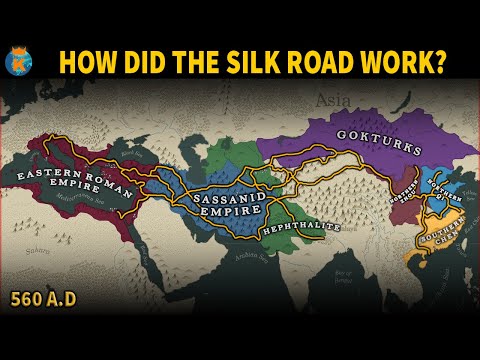
The Silk Road: Unraveling the Mechanics of an Ancient Global Network

Introduction: The Silk Road's Enduring Legacy

The Silk Road conjures images of vast caravans traversing arid deserts and treacherous mountain passes, laden with exotic goods. Yet, the reality of this ancient network was far more complex and profound than simple commerce. It was a dynamic artery of human connection, facilitating not only the exchange of tangible commodities but also the transmission of ideas, technologies, and cultures across continents. This article delves into the intricate workings of the Silk Road, exploring its historical context, the mechanics of its operation, the diverse array of goods and knowledge exchanged, and its lasting impact on the world we inhabit today.

The Genesis and Evolution of the Silk Road

The concept of the Silk Road as a singular, unified highway is largely a modern construct. In reality, it was a sprawling network of routes that evolved organically over centuries, primarily flourishing between the 2nd century BCE and the 15th century CE. Its origins can be traced to the Han Dynasty's westward expansion in China, seeking alliances and trade opportunities. The initial impetus was often strategic: the desire for reliable access to resources, particularly the famed Chinese silk, which was highly coveted in the West, especially within the Roman Empire.

Early Chinese expeditions, such as that of Zhang Qian in the 2nd century BCE, aimed to establish diplomatic ties and gather intelligence on potential trading partners. These early forays laid the groundwork for more extensive commercial activities. Over time, the network expanded, connecting East Asia with Central Asia, the Indian subcontinent, the Middle East, and eventually reaching the Mediterranean world and Europe. This vast web of routes was not static; it shifted and adapted in response to political changes, the rise and fall of empires, and the emergence of new technologies.

"The Silk Road: Monks, Warriors & Merchants on the Silk Road" by Luce Boulnois (2004) highlights how diverse groups, from religious pilgrims to military escorts, contributed to the functioning and protection of these trade routes.

Mechanics of Exchange: Beyond Mere Commerce

The operation of the Silk Road was a multifaceted endeavor, far removed from the streamlined global trade we know today. It was a decentralized system characterized by a series of intermediaries and regional markets. Goods rarely traveled the entire length of the network in a single transaction. Instead, they passed through multiple hands, with local merchants and caravan leaders specializing in specific segments of the journey.

Caravans, often composed of hundreds of camels, were the primary mode of transport across land routes. These journeys were arduous, time-consuming, and fraught with danger. Oasis towns and established trading posts served as vital hubs for rest, resupply, and exchange. Cities like Samarkand, Bukhara, and Dunhuang flourished as cosmopolitan centers where goods and cultures converged.

The economic principles at play were complex. Prices fluctuated significantly based on distance, risk, and demand. Silk, for instance, commanded exorbitant prices in Rome due to the numerous intermediaries and the perilous journey it undertook. The value was not just in the commodity itself but in the arduous process of its transportation and the exclusivity it represented.

Maritime routes, often referred to as the "Maritime Silk Road," also played a crucial role, particularly for bulkier goods and during periods when land routes were unstable. These sea lanes connected ports in Southeast Asia, India, the Persian Gulf, and East Africa, complementing the overland networks and further integrating distant economies.

Goods and Innovations in Transit

While silk was the namesake commodity, the Silk Road facilitated the exchange of an astonishing variety of goods. From East to West flowed not only silk but also spices, porcelain, tea, paper, gunpowder, and precious stones. These items transformed economies and daily life in distant lands.

The westward flow of goods also fueled innovation. The secret of papermaking eventually reached the Islamic world and then Europe, revolutionizing record-keeping and the dissemination of knowledge. Gunpowder, initially used for fireworks in China, found its way to the West, fundamentally altering warfare.

Conversely, goods flowed from West to East. Horses, glassware, gold, silver, wool, linen textiles, and agricultural products like grapes and alfalfa moved eastward. These introductions enriched the economies and diets of Central Asian and Chinese populations.

As John E. Hill notes in "Through the Jade Gate to Rome," the later Han Dynasty period saw intensified trade, with goods like Roman glassware appearing in Chinese archaeological sites, illustrating the direct or indirect connections.

Beyond material goods, the Silk Road was a conduit for intangible exchanges. Religious ideas, philosophical concepts, artistic styles, and scientific knowledge traversed these routes. Buddhism spread from India to Central Asia and East Asia, transforming religious landscapes. Nestorian Christianity and later Islam also found adherents along the network.

Challenges and Risks of the Journey

Undertaking a journey along the Silk Road was a testament to human endurance and courage. Merchants and travelers faced a multitude of challenges:

  • Harsh Environments: Vast deserts like the Taklamakan, towering mountain ranges such as the Pamirs, and extreme weather conditions posed constant threats.
  • Banditry: Routes were often patrolled by raiders, and protecting caravans required significant security measures, including armed escorts.
  • Disease: Close proximity in caravans and the movement of people and animals facilitated the spread of epidemics, which could decimate trading parties.
  • Political Instability: The rise and fall of empires and local conflicts could disrupt trade routes, making travel perilous or impossible.
  • Logistical Hurdles: Arranging supplies, finding reliable guides, and navigating unfamiliar territories demanded considerable planning and resourcefulness.

These risks significantly contributed to the high value placed on goods transported along the Silk Road. The perilous nature of the journey was as much a part of the product's cost as the labor involved in its creation.

Cultural and Intellectual Crossroads

Perhaps the most profound impact of the Silk Road was its role as a catalyst for cultural diffusion and intellectual exchange. The constant movement of people – merchants, pilgrims, soldiers, diplomats, and artisans – led to an unprecedented blending of traditions and perspectives.

Artistic motifs traveled and transformed. Gandharan Buddhist art, for example, shows a clear Hellenistic influence, a direct result of interactions facilitated by the Silk Road following Alexander the Great's campaigns. Musical instruments, artistic techniques, and architectural styles were shared and adapted across cultures.

The exchange was not merely one-way; it was a dynamic dialogue between civilizations, fostering innovation and cross-cultural understanding.

Scientific and technological knowledge also flowed freely. Advances in mathematics, astronomy, medicine, and cartography were shared. The development of paper, printing techniques, and the compass, originating in China, eventually made their way westward, profoundly influencing the course of global history. The Silk Road was, in essence, an early form of globalization, knitting together disparate societies into a loosely connected network.

The Enduring Legacy of the Silk Road

Though the overland Silk Road declined with the rise of maritime trade and political shifts, its legacy continues to resonate. It stands as a powerful historical precedent for global interconnectedness and the transformative power of exchange. Modern initiatives, such as China's "Belt and Road Initiative," explicitly draw inspiration from the historical Silk Road, aiming to revive and expand infrastructure and trade links across Eurasia.

Studying the Silk Road offers invaluable insights into history, anthropology, and economics. It reminds us that human progress has often been driven by interaction, cooperation, and the willingness to explore beyond familiar horizons. The mechanics of its operation, from caravan logistics to the valuation of exotic goods, provide a fascinating case study in pre-modern global trade and the resilience of human enterprise.

DIY Practical Guide: Tracing Your Own Trade Routes

Understanding the Silk Road's reach can be made more tangible by imagining and tracing historical trade routes, even on a smaller scale. This exercise helps appreciate the logistical challenges and the interconnectedness of different regions.

  1. Choose a Region and Era: Select a historical period and a specific geographical area that interests you. This could be the Roman Empire, Han Dynasty China, or a medieval European trade network. For this exercise, let's focus on a hypothetical segment of the Silk Road.
  2. Identify Key Hubs: Research significant cities, oases, or ports within your chosen region and era that served as important trading centers. For example, if focusing on the Central Asian segment, consider cities like Merv, Bukhara, or Kashgar.
  3. Map a Hypothetical Route: Using historical maps or online mapping tools, sketch out a plausible trade route connecting these hubs. Consider geographical features like rivers, mountains, and deserts that would have influenced travel.
  4. Select Goods for Exchange: Decide what goods would plausibly travel along this route. For instance, between Eastern Central Asia and the Middle East, you might imagine silk, jade, and spices moving westward, while horses, glassware, and textiles move eastward.
  5. Consider the Intermediaries: Think about who would have transported these goods. It's unlikely one merchant traveled the entire route. Identify potential intermediary points where goods might change hands. Local caravan leaders, oasis traders, and port merchants would be key players.
  6. Estimate Time and Challenges: Research the approximate travel times between key points during that era. Consider the potential challenges: weather, terrain, security risks (bandits, political unrest), and the need for resupply. This helps understand why goods were so valuable.
  7. Visualize the Exchange: Imagine the interactions at a trading hub. What languages might be spoken? What cultures would converge? What innovations might be shared? This step brings the human element of trade to life.
  8. Document Your Findings: Create a simple report, map, or presentation detailing your hypothetical trade route, the goods exchanged, the challenges faced, and the cultural interactions. This process provides a hands-on understanding of the Silk Road's mechanics.

Frequently Asked Questions

Q1: Was the Silk Road a single road?
A1: No, the Silk Road was not a single, paved road but rather a complex network of overland and maritime routes that evolved over centuries, connecting different regions at various times.

Q2: What was the most important good traded on the Silk Road?
A2: While silk gave the route its name and was highly prized, a vast array of goods, including spices, precious metals, textiles, paper, and innovations, were traded. The exchange of ideas and religions was also profoundly significant.

Q3: Who traveled the Silk Road?
A3: Travelers included merchants, monks, pilgrims, soldiers, artisans, diplomats, and explorers from diverse cultures and empires across Eurasia.

Q4: How long did it take to travel the Silk Road?
A4: Travel times varied immensely depending on the route segment, mode of transport, season, and prevailing political conditions. Journeys could take months or even years to complete.

Q5: Did the Silk Road only involve trade?
A5: No, beyond commerce, the Silk Road was a crucial conduit for the transmission of religions (like Buddhism and Islam), philosophies, technologies (such as papermaking and gunpowder), artistic styles, and scientific knowledge, fostering significant cultural diffusion.

Sources:

  • Boulnois, Luce. (2004). Silk Road: Monks, Warriors & Merchants on the Silk Road.
  • Hill, John E. (2009). Through the Jade Gate to Rome: A Study of the Silk Routes during the Later Han Dynasty, 1st to 2nd centuries CE.
  • Documentary on the Silk Road

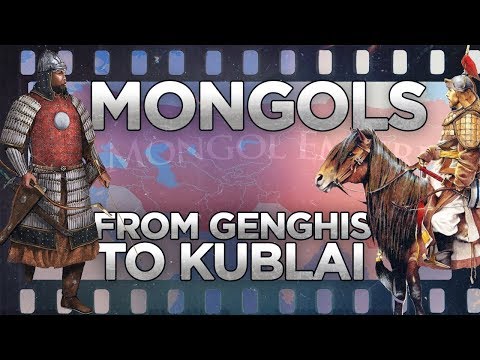
The Mongol Empire: A Deep Dive into Its Rise and Conquests (Genghis to Kublai)

The annals of history are replete with empires that have shaped the course of human civilization, but few loom as large or cast as long a shadow as the Mongol Empire. This vast dominion, forged in the crucible of nomadic steppe life and propelled by the relentless ambition of its leaders, fundamentally reshaped the geopolitical landscape of the 13th century and beyond. In this extensive exploration, we delve into the foundational years of the Mongol Empire, tracing its meteoric rise from the era of its founder, Genghis Khan, to the consolidation of power under his grandson, Kublai Khan. This article aims to provide a comprehensive overview for those seeking to understand the military, political, and cultural transformations that defined this pivotal period.

Introduction: The Genesis of an Empire

The story of the Mongol Empire is not merely one of military conquest; it is a narrative of exceptional leadership, strategic brilliance, and an unparalleled ability to adapt and integrate diverse cultures. Emerging from the ostensibly disparate tribes of the Eurasian steppe, the Mongols, under unified command, unleashed a force that swept across continents. This documentary and accompanying analysis focuses on the critical period of the empire's genesis and early expansion, covering the pivotal campaigns that laid the groundwork for one of history's largest contiguous land empires. We will examine the key figures, the significant battles, and the strategic objectives that characterized this transformative era.

Genghis Khan: The Architect of Unity

Born Temüjin around 1162 CE, Genghis Khan (meaning "universal ruler") rose from a precarious childhood marked by hardship and tribal conflict to become the supreme leader of the Mongol people. His genius lay not only in his military prowess but also in his capacity for political organization. He unified the fractious Mongol and Turkic tribes, not through brute force alone, but by implementing a meritocratic system, establishing a written script (the Uyghur-Mongolian script), and codifying laws known as the Yassa. This unification was the essential precursor to the empire's subsequent expansion. His vision was to create a lasting political entity, a stark departure from the ephemeral tribal confederations of the past.

The Mongol Empire was more than just a military machine; it was a complex socio-political entity that facilitated unprecedented cultural and technological exchange across Eurasia.

The Early Conquests: Forging a Path Through Asia

With the Mongols unified, their gaze turned outward. The early campaigns were directed towards neighboring sedentary societies, primarily the Jin Dynasty in Northern China, the Western Xia, and the Khwarazmian Empire in Central Asia. These conquests were characterized by brutal efficiency and innovative military tactics, including sophisticated siege warfare adapted from conquered peoples and highly mobile cavalry units capable of overwhelming numerically superior but less coordinated adversaries.

Key battles and campaigns during this foundational period include:

  • The Battle of Yehuling (1211): A decisive victory against the Jin Dynasty that opened the door for the conquest of northern China.
  • The Conquest of the Khwarazmian Empire (1219-1221): A devastating campaign that demonstrated Mongol military superiority in open warfare and siegecraft, stretching their dominion deep into Persia and Central Asia.
  • Subutai and Jebe's Great Raid (1221-1223): This reconnaissance-in-force saw two of Genghis Khan's most brilliant generals lead a cavalry army through the Caucasus and into Eastern Europe, culminating in the decisive Battle of Kalka River against a coalition of Rus' principalities and Kipchak forces. This raid provided invaluable intelligence about the lands and peoples to the west.

These early successes not only expanded the empire's territory but also instilled fear in potential enemies and attracted skilled individuals, from artisans to administrators, to the Mongol banner. The systematic nature of their campaigns, often involving the complete destruction of cities that resisted and the relocation of populations, ensured both the consolidation of conquered territories and the propagation of Mongol influence.

Succession and Continued Expansion

Upon the death of Genghis Khan in 1227, the question of succession arose. His third son, Ogedai Khan, was elected as the Great Khan. Under Ogedai's reign, the empire continued its relentless expansion. His reign saw the final subjugation of the Jin Dynasty, the invasion of the Rus' principalities and Eastern Europe (including the devastating Battles of Legnica and Mohi in 1241), and campaigns into the Southern Song Dynasty of China and towards the Middle East. The military genius of generals like Subutai and Jebe was instrumental in these successes, orchestrating campaigns across vast distances with remarkable coordination.

The empire was divided into khanates, ostensibly under the suzerainty of the Great Khan, but increasingly autonomous. The westernmost territories were largely governed by the Golden Horde, founded by Batu Khan (a grandson of Genghis), while the heartland of Central Asia remained under the Chagatai Khanate, led by Chagatai Khan. The Ilkhanate in Persia was founded by Hulagu Khan (another grandson), and the nascent Great Khanate in Mongolia and Northern China was initially overseen by Ogedai.

Kublai Khan: The Great Khan and the Yuan Dynasty

The mid-13th century saw internal strife and a succession crisis following the death of Ogedai and subsequent rulers. However, the empire's trajectory was re-energized by Kublai Khan, the fifth Great Khan, who reigned from 1260 to 1294. Kublai's ambition extended beyond military conquest; he sought to establish a stable, centralized administration and adopted many of the trappings of Chinese imperial rule. In 1271, he officially proclaimed the Yuan Dynasty, signaling a significant shift in the empire's identity.

Kublai Khan's reign was marked by:

  • The Conquest of the Southern Song Dynasty (completed 1279): This final conquest brought all of China under Mongol rule, a monumental achievement that integrated a vast and ancient civilization into the Mongol imperium.
  • Establishment of a Bureaucratic System: Kublai adopted and adapted Chinese administrative structures, employing both Mongols and, crucially, Chinese officials, fostering a period of relative stability and prosperity.
  • Failed Invasions of Japan (1274 and 1281) and Vietnam: These expeditions, though ultimately unsuccessful, highlight the continued ambition of the Mongol Empire to expand its influence, pushing the boundaries of maritime warfare.
  • Patronage of Arts and Sciences: Under Kublai, cities like Dadu (modern Beijing) flourished, becoming centers of trade, culture, and learning.

Kublai Khan represents a pivotal figure in Mongol history, bridging the gap between the nomadic conquerors and the rulers of a vast, settled empire. His efforts to Sinicize the Yuan Dynasty profoundly influenced the future of China.

The intricate web of trade routes, known collectively as the Silk Road, experienced a golden age under Mongol rule, facilitating the exchange of goods, ideas, and technologies between East and West.

The Enduring Legacy of the Mongol Empire

The Mongol Empire, despite its relatively short lifespan as a unified entity, left an indelible mark on world history. Its conquests facilitated the largest contiguous land empire ever known, connecting disparate regions and fostering unprecedented intercontinental exchange. The Pax Mongolica, a period of relative peace and stability across the empire, allowed for the safe passage of merchants, missionaries, and travelers, including figures like Marco Polo, whose accounts offered Europeans a glimpse into the exotic East. This exchange wasn't limited to goods; technologies, scientific knowledge, and even diseases, such as the Black Death, traversed the empire, impacting societies across continents.

From a sociological perspective, the Mongol Empire demonstrated the power of effective leadership and centralized organization in transforming nomadic societies into dominant political forces. Historically, their impact on the development of nation-states in Eastern Europe, the transformation of governance in China, and the spread of Islam in Central Asia are undeniable. The empire's legacy continues to be debated by historians, but its role in shaping the modern world is universally acknowledged.

Practical Guide DIY: Analyzing Historical Maps

Understanding the vast territorial expanse and strategic movements of the Mongol Empire is significantly aided by the study of historical maps. These visual representations offer invaluable insights into geopolitical boundaries, trade routes, and military campaigns. Here’s a practical guide to analyzing historical maps related to the Mongol era:

  1. Identify the Map's Scope and Time Period: Determine what region and time frame the map covers. For instance, a map focusing on Genghis Khan's early conquests will differ significantly from one depicting Kublai Khan's Yuan Dynasty. Look for dates or explicit mentions of rulers.
  2. Examine Key Geographical Features: Pay attention to rivers, mountains, deserts, and coastlines. These features often dictated the routes of conquest and the placement of settlements. For the Mongols, rivers like the Indus and Yangtze, and mountain ranges like the Altai, were crucial.
  3. Locate Major Cities and Capitals: Identify significant urban centers. For the Mongol Empire, cities like Karakorum (the early capital), Khanbaliq (Dadu/Beijing under Kublai), Samarkand, and Sarai (capital of the Golden Horde) are vital points of reference.
  4. Trace Routes of Conquest and Trade: Look for depicted military campaigns or trade routes (like the Silk Road). Note the direction and extent of these movements. Maps might show arrows indicating military advances or lines representing established trade networks.
  5. Analyze Political Boundaries and Territories: Observe how territories are demarcated. Understand which regions were under direct Mongol rule, which were tributary states, and which remained independent. Note the divisions into khanates.
  6. Consider the Mapmaker's Perspective: Be aware that historical maps can reflect the biases or knowledge limitations of their creators. Maps made by Europeans might emphasize different aspects than those made by scholars within the Mongol Empire or in conquered territories.
  7. Cross-Reference with Historical Texts: Always compare map information with written historical accounts to corroborate findings and gain a deeper understanding. For example, use the map to visualize the routes mentioned in battles like Kalka River or battles in Iran.

Frequently Asked Questions

What was the primary catalyst for the Mongol Empire's rapid expansion?

The primary catalyst was the unification of the disparate Mongol and Turkic tribes under Genghis Khan, transforming them from fragmented groups into a cohesive military and political force. His leadership, strategic brilliance, and the implementation of a meritocratic system were crucial.

What was the extent of the Mongol Empire at its peak?

At its peak in the late 13th century, the Mongol Empire was the largest contiguous land empire in history, stretching from Eastern Europe and the Levant across Asia to the Sea of Japan. It encompassed territories that today include China, Mongolia, Central Asia, parts of Russia, Persia, and the Indian subcontinent.

How did the Mongols govern their vast empire?

The Mongols employed a system that evolved over time. Initially, they relied on military governors and the Yassa law. Later, particularly under Kublai Khan, they adopted administrative structures from conquered civilizations, notably those of China (Yuan Dynasty), and established regional khanates with varying degrees of autonomy.

What was the significance of the Pax Mongolica?

The Pax Mongolica (Mongol Peace) was a period of relative stability across the empire. This peace facilitated safe travel and trade along the Silk Road, leading to significant cultural, technological, and economic exchange between East and West.

Did the Mongol Empire decline rapidly?

While the unified empire began to fragment into successor khanates in the late 13th and early 14th centuries, its influence persisted. The successor states, such as the Yuan Dynasty in China, the Golden Horde in Russia, and the Ilkhanate in Persia, continued for centuries, each leaving its own distinct historical legacy.

The rise of the Mongol Empire is a testament to human ambition, strategic acumen, and the transformative power of unification. From the steppes of Mongolia to the palaces of China, the legacy of Genghis Khan, Ogedai Khan, and Kublai Khan continues to fascinate and inform our understanding of history.