Mostrando las entradas para la consulta Geopolitics ordenadas por relevancia. Ordenar por fecha Mostrar todas las entradas

Antarctic Flora: A Growing Concern in Anthropology, History, and Geopolitics

Introduction: Unveiling the Unexpected

The image of Antarctica as a barren, frozen expanse is deeply ingrained in our collective consciousness. However, recent scientific observations and historical analyses are revealing a more complex reality. The emergence of flora in regions previously thought inhospitable is not merely a botanical curiosity; it presents a profound nexus of anthropological, historical, and geopolitical challenges. This article delves into the significance of this phenomenon, exploring its implications for our understanding of human history, cultural adaptations, and the future stewardship of this unique continent.
From a historical perspective, Antarctica has been a frontier, a subject of exploration and scientific endeavor rather than a site of sustained human habitation or cultural development. Yet, the very presence of life, even in its nascent stages, demands a re-evaluation of our relationship with this extreme environment. As we confront the accelerating impacts of climate change, the subtle yet significant shifts occurring in Antarctica serve as a stark reminder of our interconnectedness with the planet. This exploration will leverage insights from anthropology, history, and sociology to unpack the multifaceted implications of Antarctic flora.

Historical Footprints and Early Encounters

Antarctica’s recorded history is relatively brief, dominated by daring expeditions and scientific outposts. Early explorers, such as Captain James Cook, circumnavigated the continent in the late 18th century, documenting its formidable ice sheets and sparse life. Subsequent missions, like those of Roald Amundsen and Robert Falcon Scott in the early 20th century, focused on conquest and scientific discovery, further cementing its image as a land of ice and extreme survival. The establishment of permanent research stations in the mid-20th century, facilitated by the Antarctic Treaty System, marked a shift towards international cooperation and scientific collaboration. This treaty, a landmark in international diplomacy, designated Antarctica as a continent for peace and science, prohibiting military activity and mineral exploitation. However, the treaty's framework did not fully anticipate the biological transformations now underway, driven by rising global temperatures. The appearance of flowering plants, mosses, and lichens, previously confined to the sub-Antarctic islands, signals a changing environment that challenges the very foundations of the treaty's ecological assumptions.
The historical narrative of Antarctica is one of human endeavor against nature's harshest conditions. Now, as nature itself begins to adapt and transform the continent, our historical understanding must evolve to encompass these new ecological realities.

Anthropological Perspectives on Antarctic Life

From an anthropological viewpoint, the emergence of flora in Antarctica presents intriguing questions about adaptation, resilience, and the definition of "life" in extreme environments. While human settlement in Antarctica has always been transient and research-focused, the continent’s growing biological diversity could, in the distant future, alter the parameters for potential human activity or even limited habitation. Consider the concept of anthropological frontiers. Historically, human societies have adapted to and shaped diverse ecosystems. The study of how new or returning flora interacts with the existing fragile Antarctic ecosystem, and how this might influence future human scientific or exploratory endeavors, falls within the domain of adaptive studies. Even without permanent settlements, the presence of diverse plant life can impact the local fauna, potentially altering food chains and the dynamics of endemic species. This is crucial for understanding how cultures of exploration and science must adapt their practices and research methodologies. Furthermore, the very act of observing and documenting these changes taps into the anthropological practice of recording human interaction with environment. The data collected by scientists today forms the historical and cultural record for future generations, influencing how Antarctica is perceived and managed.

The Geopolitics of a Thawing Continent

The thawing of Antarctica is not just an ecological event; it carries significant geopolitical ramifications. As ice recedes, it potentially unlocks access to previously inaccessible land and, consequently, sub-surface resources. This development puts pressure on the existing Antarctic Treaty System, which was designed for a continent defined by ice. The treaty's prohibition on resource exploitation, while crucial for preserving the continent's pristine nature, may face increasing challenges from nations seeking new sources of minerals, oil, and gas. The emergence of flora can be seen as an early indicator of environmental change that could lead to shifts in territorial claims or increased competition for influence. International bodies and scientific communities are already debating how to adapt the treaty's provisions to address a continent that is becoming more biologically active and potentially more economically attractive. The presence of diverse flora also impacts global security discussions. Changes in Antarctic ice cover affect global sea levels and weather patterns, influencing coastal communities worldwide. Understanding these shifts and coordinating international responses is vital for maintaining peace and stability. The careful management of scientific research and the potential for future resource utilization requires robust diplomatic frameworks.
Antarctica, once a symbol of the Earth's frozen extremes, is becoming a microcosm of global environmental change, forcing a re-evaluation of international agreements and our shared responsibilities.

Scientific Frontiers and Ecological Shifts

The scientific community faces unprecedented challenges and opportunities due to the burgeoning flora in Antarctica. Botanists and ecologists are studying the resilience and adaptability of these new plant species, their reproductive strategies, and their impact on the native fauna. This research is vital for understanding the broader implications of climate change on polar ecosystems. The introduction of new plant species, even if natural, can disrupt delicate food webs. For instance, changes in vegetation can affect the populations of insects, birds, and marine mammals that rely on specific conditions. Understanding these cascading effects requires interdisciplinary approaches, combining archaeological data on past environmental conditions with contemporary ecological monitoring. The data gathered from these studies is invaluable. It informs climate models, conservation efforts, and policy decisions related to Antarctica. The visual representation of this data through infographics and detailed reports is crucial for communicating the complexity of these changes to policymakers and the public.

DIY Field Notes: Documenting Biotic Changes

For those interested in contributing to our understanding of environmental change, even from afar, documenting local observations can be a valuable exercise. While direct fieldwork in Antarctica is restricted, applying observational techniques in your own environment can foster a better appreciation for ecological shifts. Here’s a guide to creating basic field notes, applicable to observing flora in any environment:
  1. Choose Your Observation Site: Select a small, manageable area where you can consistently observe plant life. This could be a garden, a park, or even a patch of green space in an urban setting.
  2. Establish a Timeline: Decide on the frequency of your observations (e.g., weekly, bi-weekly) and the duration of your study.
  3. Record Environmental Conditions: Note the date, time, temperature, precipitation (rain, snow), and general weather conditions (sunny, cloudy, windy).
  4. Document Plant Species: Identify and sketch or photograph the plants you observe. Note their general appearance: height, leaf shape, color, presence of flowers or fruits. If you cannot identify a species, describe it in detail.
  5. Note Growth and Changes: Observe and record signs of growth, wilting, flowering, fruiting, or any other changes. Pay attention to invasive species or those appearing in unexpected locations.
  6. Record Fauna Interactions: Note any insects, birds, or other animals interacting with the plants (e.g., feeding, nesting).
  7. Summarize Observations: At the end of each session, write a brief summary of your key findings and any questions that arise.
  8. Organize Your Notes: Keep your notes organized, perhaps in a dedicated notebook or a digital document. This will allow you to track changes over time and identify patterns.
Engaging with nature through careful observation cultivates a deeper understanding of ecological processes and the subtle ways environments transform.

Frequently Asked Questions

Q1: Is it true that flowers are growing in Antarctica?
A1: Yes, in recent years, scientists have observed an increase in the presence and spread of flowering plants, such as Antarctic hair grass and Antarctic pearlwort, in certain ice-free coastal areas of the Antarctic Peninsula. This is largely attributed to rising global temperatures. Q2: What are the main implications of this flora emergence?
A2: The implications are multifaceted, including ecological shifts (affecting native species and food webs), geopolitical considerations (potential access to resources, challenges to the Antarctic Treaty), and scientific challenges (understanding adaptation, monitoring change). Q3: How does this affect the Antarctic Treaty System?
A3: The Antarctic Treaty System is designed to govern a continent of ice. The emergence of flora and the associated environmental changes present a scenario not fully envisioned by the treaty. Discussions are ongoing regarding how to adapt the treaty's frameworks to manage a more biologically active and potentially resource-rich continent. Q4: Can ordinary people contribute to understanding these changes?
A4: While direct fieldwork is restricted, practicing citizen science through detailed observation of local flora and environmental changes in your own region can foster a greater awareness of ecological processes and the impacts of climate change, mirroring the scientific efforts in Antarctica.

Conclusion and Final Reflection

The appearance of flora in Antarctica is more than a scientific anomaly; it is a powerful symbol of our planet's dynamic nature and the far-reaching consequences of global climate change. It compels us, as scholars and global citizens, to revisit our historical narratives, refine our anthropological understandings, and proactively address the complex geopolitical challenges that lie ahead. The delicate balance of this unique continent is shifting, demanding a renewed commitment to international cooperation, rigorous scientific inquiry, and responsible stewardship. By integrating historical context, anthropological insight, and geopolitical awareness, we can better navigate the future of Antarctica and, by extension, our shared global environment.

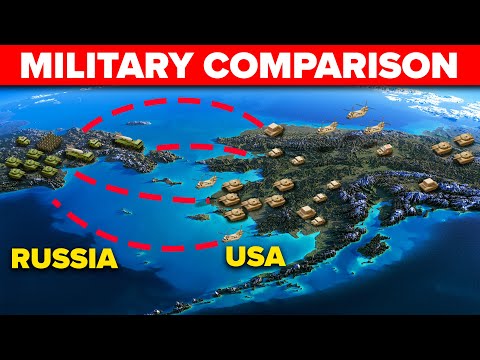
Russia vs. United States: A Historical and Sociological Analysis of Military Power Dynamics

Introduction: The Enduring Rivalry

The geopolitical landscape has long been shaped by the dynamic interplay between major global powers. Among the most significant and enduring rivalries is that between the United States of America and Russia. This historical antagonism, often characterized by complex ideological, economic, and military dimensions, continues to influence international relations and security paradigms. While often framed through a purely military lens, understanding this relationship requires a deeper dive into its historical roots, sociological underpinnings, and economic drivers.

This article aims to provide a comprehensive analysis, moving beyond simple numerical comparisons of military hardware. We will explore the historical trajectory of this rivalry, examine the sociological factors that contribute to national military strength, and consider the economic and technological underpinnings. By synthesizing academic perspectives with practical analytical approaches, we can gain a more nuanced understanding of the power dynamics at play.

Historical Context: From Cold War to Modern Geopolitics

The post-World War II era was dominated by the ideological struggle between the capitalist West, led by the United States, and the communist East, spearheaded by the Soviet Union (the predecessor to modern Russia). This period, known as the Cold War, was defined by a tense standoff, proxy conflicts, and a relentless arms race. The omnipresent threat of nuclear annihilation shaped global politics and fostered a climate of distrust.

The collapse of the Soviet Union in 1991 marked a significant shift. The United States emerged as the sole superpower, and for a time, it seemed as though a new era of international cooperation might prevail. However, Russia, under new leadership, gradually reasserted its influence on the global stage. Resentments over NATO expansion, perceived infringements on its sphere of influence, and a desire to restore national pride have fueled a resurgence of geopolitical competition.

Understanding this historical arc is crucial. It highlights how perceptions of threat, national identity, and historical grievances continue to shape contemporary military postures and diplomatic relations between these two nations. Examining sources from the era, such as historical analyses of the First World War's precursor tensions or the ideological battles of the 20th century, can provide valuable context.

Sociological Dimensions of Military Might

Military power is not merely a function of quantifiable assets; it is deeply intertwined with a nation's social fabric, its culture, and its values. Sociological factors play a pivotal role in shaping a nation's ability to mobilize resources, maintain morale, and sustain prolonged conflict. In both the United States and Russia, these dimensions are complex and multifaceted.

Consider the concept of national identity and patriotism. A strong sense of shared identity can foster collective will and support for military endeavors. Conversely, internal divisions or a lack of societal cohesion can undermine a nation's strength. The role of media, education, and cultural narratives in shaping public perception of military power and international relations cannot be overstated.

"The strength of a nation lies not only in its armies but in the unity and resolve of its people."

Furthermore, the social structures that support a military – from recruitment and training to the integration of veterans back into civilian life – are critical. A society that values its military personnel and provides robust support systems is likely to foster a more effective and sustainable defense force. Analyzing the impact of diversidad cultural within military ranks, or the societal acceptance of conscription versus a volunteer force, offers insights into these sociological dynamics.

The public's trust in institutions, including the military and government, is another crucial sociological factor. High levels of trust can translate into greater societal buy-in for defense policies, while widespread skepticism can lead to resistance and hinder national efforts. Examining the historical discourse around military interventions in both countries can illuminate these societal attitudes.

Economic and Technological Factors

The economic capacity of a nation is a fundamental determinant of its military capabilities. Sustaining a modern, technologically advanced military requires immense financial resources for research and development, procurement, maintenance, and personnel. Both the United States and Russia operate within vastly different economic frameworks, which significantly impact their military potential.

The United States boasts the world's largest economy, providing substantial funding for its military-industrial complex. This economic might enables continuous investment in cutting-edge technologies, such as advanced aircraft, naval vessels, and cyber warfare capabilities. The concept of economic growth and its correlation with military spending is a well-established area of study.

Russia, while possessing significant natural resources and a considerable defense industry, faces economic constraints that can impact its ability to match the sheer scale of US military expenditure. However, Russia has demonstrated a capacity for innovation, particularly in areas like hypersonic missiles and electronic warfare. The resilience of its economy in the face of international sanctions is also a relevant factor.

"Technological superiority, when coupled with economic backing, can confer a decisive advantage in modern warfare."

Technological advancements are continuously reshaping the nature of conflict. Countries that lead in innovation, particularly in areas like artificial intelligence, quantum computing, and cybersecurity, are likely to gain a strategic edge. The ongoing race for technological supremacy between the US and Russia is a critical aspect of their current rivalry. Examining the impact of sanctions and trade on technological development within both nations provides further depth to this analysis.

DIY Analysis: Deconstructing Military Comparisons

For those interested in critically assessing military comparisons presented in media or public discourse, adopting a structured analytical approach can be invaluable. This DIY guide outlines steps to dissect such information, fostering a more informed perspective.

  1. Identify the Source and its Potential Bias: Before accepting any comparison, scrutinize the origin. Is it from a reputable academic institution, a government report, a news outlet with a known stance, or a media channel like "The Infographics Show"? Understand that all sources may have inherent biases. For example, a video from a channel focused on entertainment might prioritize engagement over absolute factual neutrality.
  2. Define the Metrics Used: What specific criteria are being compared? Common metrics include personnel numbers (active, reserve), active combat tanks, armored vehicles, aircraft (fighters, bombers, helicopters), naval assets (aircraft carriers, submarines, destroyers), nuclear warheads, and defense spending (as a percentage of GDP or absolute figures). Note if qualitative aspects like troop training, morale, or technological sophistication are addressed, and how they are measured.
  3. Cross-Reference Data: Do not rely on a single source. Consult multiple reputable sources for comparative data. Look for reports from organizations like the Stockholm International Peace Research Institute (SIPRI) for arms spending, the International Institute for Strategic Studies (IISS) for military balance, or government defense department publications. Use your search skills to find data related to United States and Russia military statistics.
  4. Analyze the Contextual Factors: Numbers alone can be misleading. Consider geographical factors, geopolitical alliances (like NATO), economic stability, and the political will to engage in conflict. A nation with fewer tanks but superior air power and strong allies might possess a significant advantage.
  5. Evaluate Technological Superiority Claims: Is the claim of technological superiority substantiated with evidence, or is it a generalization? Research specific weapon systems and their deployment status. Look for reports on advancements in areas like artificial intelligence, cyber capabilities, and hypersonic technology.
  6. Consider Strategic Doctrines: Understand the military strategies and doctrines each nation employs. Are they primarily defensive, offensive, or geared towards power projection? This philosophical difference in approach significantly impacts how military assets are utilized and perceived.

By following these steps, you can move beyond superficial comparisons and develop a more critical and nuanced understanding of military power dynamics between nations like the USA and Russia.

Frequently Asked Questions

Q1: What is the primary historical driver of the rivalry between the US and Russia?
A1: The primary historical driver was the ideological and geopolitical competition during the Cold War, a period of intense rivalry between the capitalist United States and the communist Soviet Union (Russia's predecessor). While the Soviet Union collapsed, underlying geopolitical tensions and differing national interests have sustained a significant rivalry.

Q2: How does defense spending compare between the US and Russia?
A2: The United States consistently outspends Russia on defense by a significant margin. This allows the US to invest more heavily in advanced technology, research and development, and maintaining a global military presence.

Q3: Beyond numbers, what other factors contribute to a nation's military strength?
A3: Factors beyond numerical strength include technological sophistication, troop training and morale, strategic alliances, economic capacity to sustain military operations, intelligence capabilities, cyber warfare prowess, and the political will to use military force.

Q4: Is there a definitive "winner" in the military comparison between the US and Russia?
A4: Defining a definitive "winner" is complex and depends heavily on the specific scenario and metrics used. Both nations possess formidable military capabilities, including nuclear arsenals, making any direct large-scale conflict potentially catastrophic for both and the world. Their strengths lie in different areas, and their strategic doctrines also differ.

Conclusion: Beyond the Numbers

The comparison between the military might of the United States and Russia is far more intricate than a simple tally of tanks and soldiers. It is a narrative woven from historical grievances, evolving geopolitical strategies, deeply ingrained sociological factors, and the relentless march of technological innovation.

While quantitative analyses, such as those presented in infographics, offer a snapshot of current capabilities, they often fail to capture the full spectrum of national power. The resilience of a society, the ingenuity of its scientists, the strategic acumen of its leaders, and the strength of its alliances all play critical roles. Understanding this enduring rivalry requires a commitment to interdisciplinary analysis, drawing on history, sociology, economics, and political science.

Ultimately, the true measure of military power lies not just in destructive capacity but in the ability to deter conflict, maintain stability, and foster a secure global environment. The ongoing dialogue and potential for de-escalation, informed by a comprehensive understanding of each nation's capabilities and motivations, remain paramount.

A Deep Dive into Transnistria: A Soviet Legacy Explored through Anthropology, History, and Geopolitics

Hello and welcome to El Antroposofista, your dedicated source for in-depth analysis in the realms of anthropology, archaeology, psychology, and history. This article embarks on a comprehensive exploration of Transnistria, a region often shrouded in the complex tapestry of Soviet history and its enduring geopolitical implications. We will delve into its origins, its unique socio-cultural landscape, and the historical currents that have shaped its present. We invite you to visit our official blog for the latest current news in these fields: https://ift.tt/FDxN9b7. If you appreciate our work and wish to contribute to its continuity, consider exploring our store for exclusive NFTs.

Introduction: The Enigma of Transnistria

Transnistria, officially known as the Pridnestrovian Moldavian Republic (PMR), presents a fascinating case study for scholars of anthropology, history, and geopolitics. Emerging from the dissolution of the Soviet Union, this unrecognized state occupies a sliver of land east of the Dniester River, a territory with a convoluted past marked by shifting borders, diverse ethnicities, and competing nationalisms. Understanding Transnistria requires a nuanced approach that dissects its historical trajectory, its present-day socio-cultural dynamics, and its precarious position within the broader Eastern European geopolitical chessboard. The very existence of Transnistria, a self-declared republic with its own government, currency, and military, yet lacking international recognition, makes it a potent symbol of unresolved post-Soviet conflicts and enduring historical narratives.

Historical Origins: From Bessarabia to Soviet Identity

The historical roots of Transnistria are deeply intertwined with the broader history of Bessarabia and the broader Soviet project. The region, historically a frontier zone, has been subject to the influence of various empires and states, including the Ottoman Empire, the Russian Empire, and later Romania. Following World War II, the Moldavian Soviet Socialist Republic (MSSR) was established, incorporating a significant portion of Transnistria. This administrative division, while seemingly rational on a map, began to sow the seeds of future contention. The Soviet era was characterized by attempts to forge a distinct Moldavian identity, often emphasizing a connection to Romanian linguistic and cultural heritage, while simultaneously integrating the region into the wider Soviet sphere. Industrialization policies during this period attracted a diverse workforce, further complicating the demographic composition of the region. The distinct historical experiences of the territories on either side of the Dniester River, coupled with differing perceptions of national identity, became more pronounced as the Soviet Union began to weaken.
The creation of distinct administrative units within the Soviet framework, while intended to foster national development, often inadvertently laid the groundwork for future ethno-territorial disputes by solidifying perceived cultural and historical divergences.

The Sociopolitical Landscape: A De Facto State

The declaration of independence by Moldova in 1991 was met with resistance in Transnistria, where a significant portion of the population, comprising ethnic Russians and Ukrainians alongside Moldavians, feared marginalization and a potential unification with Romania. This led to the Transnistrian War of 1992. Although a ceasefire was eventually brokered, with Russian troops remaining as peacekeepers, Transnistria effectively became a de facto state. Its governance structures mirror those of a sovereign nation, including a president, parliament, and security forces. However, its lack of international recognition means it relies on external support, primarily from Russia, for its economic and military viability. The region operates outside the recognized legal frameworks of Moldova and international bodies, creating a complex legal and administrative reality. This situation is a stark reminder of the "frozen conflicts" that continue to destabilize post-Soviet Eurasia.

Cultural Anthropology: Identity and Belonging

From an anthropological perspective, Transnistria is a rich tapestry of intersecting identities. The region hosts a mosaic of ethnic groups: Moldavians, Russians, and Ukrainians constitute the majority, with smaller communities of Gagauz, Bulgarians, and others. This demographic complexity has fostered a unique socio-cultural environment, where language use, traditions, and collective memory often diverge from those of neighboring Moldova. The concept of "Transnistrian identity" itself is a subject of ongoing research and debate. Is it primarily a Soviet legacy, a distinct regional identity, or a politically constructed narrative? Research suggests a fluid interplay of these factors. The emphasis on shared Soviet history, particularly the experience of World War II, remains a potent unifying element for many residents. Simultaneously, the aspiration for statehood, regardless of its international standing, cultivates a sense of collective belonging. Understanding these identities requires engagement with local narratives, linguistic practices, and the lived experiences of its diverse population.
The persistent use of Russian as a lingua franca across ethnic lines, coupled with the pervasive symbols of Soviet heritage—from architecture to public holidays—underscores the enduring influence of the USSR on Transnistrian identity, even decades after its dissolution.

Geopolitical Analysis: A Frozen Conflict's Echoes

The geopolitical significance of Transnistria cannot be overstated. Its status as a "frozen conflict" zone makes it a focal point of regional tensions, particularly between Russia and the West. The presence of Russian troops, officially as peacekeepers, is a constant source of concern for Moldova and Western allies, viewed by some as a tool for maintaining Russian influence in the region.
Transnistria's geopolitical position is precarious; it exists in a state of perpetual ambiguity, a testament to the enduring power of Soviet-era geopolitical boundaries and the unresolved national questions that followed its collapse.
From a geopolitical standpoint, Transnistria serves as a buffer zone and a potential flashpoint. Its unresolved status impacts regional stability, trade routes, and the aspirations of both Moldova and Ukraine to integrate further with European structures. The conflict's resolution remains elusive, caught in a complex web of international diplomacy and regional power dynamics. Understanding this requires an analysis of the history of the conflict, the interests of external actors, and the socio-political realities on the ground.

DIY Guide: Analyzing Historical Narratives

Engaging with complex historical regions like Transnistria requires critical thinking and the ability to dissect different narratives. This guide provides a practical framework for analyzing historical accounts, whether from academic sources, news reports, or personal testimonies.
  1. Identify the Source: Determine who is producing the narrative. Is it an academic historian, a journalist, a politician, a government body (e.g., from Moldova, Transnistria, or Russia), or an ordinary citizen? Consider their potential biases, affiliations, and intended audience.
  2. Examine the Core Claims: What are the main arguments or events being presented? What evidence is used to support these claims (e.g., documents, statistics, eyewitness accounts, personal memories)?
  3. Look for Omissions: What information is conspicuously absent from the narrative? Are certain perspectives or historical events ignored or downplayed? For example, does a narrative about Transnistria's independence from Moldova adequately address the historical context of the Moldavian SSR or the fears of its Russian-speaking population?
  4. Analyze the Language and Tone: Pay attention to the words used. Are they neutral and objective, or emotionally charged and loaded? Does the tone aim to persuade, inform, or provoke? For instance, terms like "separatists" versus "freedom fighters" carry significant weight.
  5. Cross-Reference with Other Sources: Never rely on a single source. Compare the narrative with accounts from different perspectives. Look for corroboration and discrepancies. Utilize reputable academic databases, historical archives, and established news organizations. Seek out diverse voices, including those from marginalized communities within the region.
  6. Consider the Historical Context: Place the narrative within its broader historical, social, and political environment. How do events of the past (e.g., Soviet policies, World War II, the collapse of the USSR) influence the way the present is understood and narrated?
  7. Formulate Your Own Informed Opinion: Based on your critical analysis of multiple sources, synthesize the information to form your own nuanced understanding. Acknowledge the complexities and uncertainties that often characterize contested historical accounts.

Frequently Asked Questions

What is Transnistria?

Transnistria, officially the Pridnestrovian Moldavian Republic (PMR), is a self-proclaimed state located on a strip of land between the Dniester River and the Ukrainian border. It declared independence from Moldova in 1990 but is not recognized by any UN member state.

Why is Transnistria not internationally recognized?

Its lack of recognition stems from its declaration of independence following the dissolution of the Soviet Union, which led to a brief war with Moldova in 1992. International consensus supports the territorial integrity of Moldova, viewing Transnistria as an autonomous region within it.

What is the geopolitical significance of Transnistria?

Transnistria is considered a "frozen conflict" zone, with Russian troops stationed in the territory. Its status is a point of contention between Russia and Western-aligned countries, impacting regional stability and Moldova's aspirations for closer ties with the European Union.

What are the main ethnic groups in Transnistria?

The primary ethnic groups are Moldavians, Russians, and Ukrainians. This diverse demographic composition is a key factor in the region's complex identity and political dynamics.

What is the economic situation in Transnistria?

The economy is heavily reliant on external support, particularly from Russia, and operates largely outside international financial systems. It faces challenges related to corruption, smuggling, and limited global trade opportunities due to its unrecognized status. In conclusion, Transnistria represents a compelling microcosm of the intricate challenges and legacies left by the Soviet era. Its history, deeply rooted in Soviet policies, has cultivated a unique socio-cultural identity and a complex geopolitical standing. By applying tools from anthropology, history, and geopolitics, we can begin to unravel the enigma of this de facto state. Further research and open dialogue are essential for a comprehensive understanding of its past, present, and potential future. We encourage our readers to share their insights and questions in the comments below.

The Looming Shadow: Is the World on the Brink of a Crisis Worse Than Post-WWII?

In an era saturated with information and immediate digital access, discerning the true magnitude of global challenges can feel like navigating a dense fog. The question of whether we are approaching a crisis of unprecedented scale, potentially eclipsing the post-World War II era, resonates deeply within academic circles and public discourse alike. This inquiry spans the interconnected realms of history, anthropology, and geopolitics, demanding a nuanced examination of economic, social, and political undercurrents. As historians, we are trained to look for patterns, to draw parallels between past upheavals and present anxieties. Anthropologists help us understand the societal structures and cultural responses to such crises, while geopolitical analysis maps the complex web of international relations that often precipitates or exacerbates them.

Table of Contents

Navigating the Currents of Crisis

The very notion of a "crisis" is a powerful one, evoking images of disruption, uncertainty, and profound societal change. The period following World War II, marked by reconstruction, the Cold War, and the dawn of decolonization, was a crucible of immense challenges. Yet, the current global landscape presents a unique constellation of issues—climate change, digital transformation, shifting geopolitical alliances, and persistent economic inequalities—that demand a fresh analytical lens. This exploration delves into the historical antecedents, economic vulnerabilities, geopolitical fault lines, and anthropological dimensions that shape our contemporary predicament. The intention is to move beyond sensationalism and foster a deeper, more informed understanding of the forces at play. Our analysis seeks to equip the reader with the intellectual tools to critically assess these complex phenomena.

Echoes of the Past: Precedents for Global Disruption

History offers a rich tapestry of crises that have reshaped civilizations. The collapse of the Roman Empire, the Black Death, the French Revolution, and the Great Depression are not mere footnotes but critical case studies in societal resilience and transformation. Each event, while distinct, shares common threads: economic instability, social unrest, political upheaval, and often, a fundamental questioning of existing power structures and ideologies.
"Those who cannot remember the past are condemned to repeat it." - George Santayana
Examining the period after World War II, we see a world grappling with devastation but also driven by a collective will to rebuild and establish new international norms. The Marshall Plan, the formation of the United Nations, and the Bretton Woods system were monumental efforts to prevent a recurrence of global conflict and economic collapse. However, the seeds of future crises were also sown during this era, including the ideological divides of the Cold War and the burgeoning challenges of post-colonial nation-building. Understanding these historical precedents allows us to identify recurring dynamics and potential warning signs in the present.

The Fragile Pillars of Global Economy

The global economic system, characterized by interconnected markets and intricate financial instruments, is inherently susceptible to shocks. Recent decades have witnessed a series of financial crises, from the Asian financial crisis of 1997 to the global financial crisis of 2008, highlighting the fragility of this complex edifice. Factors such as excessive debt, speculative bubbles, and the rapid pace of technological change contribute to this vulnerability. The concept of "printing money," often discussed in economic discourse, carries significant implications for inflation, currency devaluation, and overall economic stability. As explored in detailed analyses, the mechanics of monetary policy are intricate, and their misapplication can trigger widespread economic distress. Understanding these mechanisms is crucial for grasping the potential for economic crises to escalate.
Furthermore, the rise of emerging economies and the shifting patterns of global trade introduce new layers of complexity. While globalization has brought undeniable benefits, it has also created dependencies and amplified the impact of localized disruptions on a global scale. The interplay between national economies and international financial flows forms a critical battleground where potential crises can either be contained or amplified.

Fractures in the World Order: Geopolitical Tensions

The post-WWII era saw the establishment of a relatively stable, albeit bipolar, geopolitical order. The collapse of the Soviet Union ushered in a period of perceived unipolarity, but this has since given way to a multipolar world characterized by resurgent nationalisms, great power competition, and regional conflicts. The rise of new powers, challenges to existing international institutions, and the proliferation of asymmetric warfare have all contributed to a more volatile geopolitical landscape. The dynamics of geopolitics are particularly relevant when discussing potential global crises. The intricate web of alliances, rivalries, and economic interdependencies means that conflict or instability in one region can have far-reaching consequences. Factors such as resource competition, ideological clashes, and territorial disputes continue to fuel tensions. Examining historical instances of World War I and the subsequent geopolitical realignments offers valuable insights into how seemingly localized conflicts can escalate into global conflagrations. The intricate dance of diplomacy, often fraught with miscalculation and mistrust, plays a pivotal role in either de-escalating or exacerbating these tensions.

The Human Fabric Under Pressure: Societal and Anthropological Perspectives

Beyond economic and geopolitical factors, crises have profound impacts on the social fabric of societies. Anthropology provides critical insights into how communities respond to stress, adapt to change, and maintain their cultural identities. Mass immigration, for instance, can strain social cohesion and infrastructure, while also enriching cultural diversity. The concept of citizenship itself becomes a focal point, as rights, responsibilities, and belonging are redefined during times of upheaval. The psychological toll of prolonged uncertainty and societal disruption is also significant. Studies in psychology reveal the impact of stress, fear, and loss on individual and collective mental well-being. The human capacity for both resilience and vulnerability is tested during crises, shaping social movements, cultural expressions, and patterns of community organization. Understanding these anthropological and psychological dimensions is essential for a holistic grasp of any impending global challenge.
"Man's fate is his character." This ancient maxim underscores how individual and collective psychological dispositions are inextricably linked to the societal outcomes during periods of extreme challenge.

DIY Intellectual Toolkit: Deconstructing Crisis Narratives

In an age of information overload, developing the skills to critically analyze unfolding events is paramount. The "Do It Yourself" (DIY) ethos extends to intellectual pursuits, empowering individuals to become active interpreters rather than passive recipients of information. This section provides a framework for dissecting narratives surrounding potential global crises.

Guide to Critical Analysis of Crisis Narratives:

  1. Identify the Source: Determine who is framing the narrative. Is it a news outlet, a think tank, a government agency, or an individual influencer? Consider their potential biases and agendas. Look for established institutions with strong reputations in fields like history or anthropology for more grounded perspectives.
  2. Scrutinize the Evidence: What data, evidence, or historical parallels are being presented? Are they robust, verifiable, and relevant? Be wary of anecdotal evidence or cherry-picked data. For instance, when assessing economic claims, look for reports from reputable bodies like the IMF or World Bank.
  3. Analyze the Language: Pay attention to the use of loaded language, sensationalism, and emotional appeals. Terms like "unprecedented," "catastrophic," or "worst-ever" should prompt critical evaluation. Is the language objective and analytical, or designed to provoke a specific emotional response?
  4. Consider Counterarguments: Are alternative perspectives or dissenting opinions being acknowledged or actively suppressed? A balanced analysis requires engagement with differing viewpoints. Seek out academic journals and scholarly articles that present diverse interpretations.
  5. Assess the Proposed Solutions: If a crisis narrative is coupled with proposed solutions, evaluate their feasibility, potential consequences, and underlying assumptions. Are the solutions practical and evidence-based, or speculative and ideologically driven?
  6. Trace the Information Flow: Understand how information is being disseminated. Is it primarily through social media, or are there links to original research, academic papers, or primary sources? This helps discern the origin and evolution of a particular narrative.
  7. Look for Nuance and Complexity: Global issues are rarely black and white. Be skeptical of overly simplistic explanations or solutions. Recognize that crises often involve a confluence of multiple factors.
This DIY approach to information consumption is crucial for developing informed opinions and resisting manipulation. It empowers individuals to engage more meaningfully with complex global issues, drawing on data, historical context, and diverse disciplinary perspectives.

Frequently Asked Questions

  • What distinguishes the current potential crisis from the post-WWII era? The post-WWII era was largely defined by reconstruction after total war and the emergence of a bipolar geopolitical order. Current challenges include systemic economic globalization, the existential threat of climate change, rapid technological disruption (AI, cyber warfare), and a fragmented, multipolar geopolitical landscape, presenting a more complex and interconnected set of risks.
  • How can understanding history help us navigate current crises? History provides valuable case studies of societal collapse, adaptation, and resilience. By analyzing patterns of economic instability, social unrest, and geopolitical conflict in the past, we can identify potential warning signs, understand recurring dynamics, and learn from past responses to crises, informing our strategies for the present.
  • What role does anthropology play in analyzing global crises? Anthropology offers crucial insights into human behavior, cultural responses, social structures, and identity formation under stress. It helps us understand how societies adapt, how power dynamics shift, and how communities maintain cohesion or fracture during periods of upheaval, providing a vital human-centric perspective.
  • Is "printing money" always a sign of impending economic crisis? While excessive monetary expansion can lead to inflation and economic instability, the act of "printing money" (quantitative easing) is a complex monetary policy tool. Its impact depends heavily on the economic context, the quantity of money introduced, and how it is managed by central banks. It can be used to stimulate an economy or, if mismanaged, contribute to a crisis.
  • How can individuals contribute to mitigating global crises? Individuals can contribute by staying informed through critical analysis of information, advocating for responsible policies, reducing their environmental footprint, fostering community resilience, and promoting understanding and empathy across diverse groups. Engaging in informed discourse and supporting evidence-based solutions are key.

Toward Understanding and Resilience

The question of whether the world faces a crisis worse than the aftermath of World War II is not easily answered with a definitive yes or no. However, by applying rigorous anthropological, historical, and geopolitical analysis, we can discern the complex and interconnected nature of contemporary challenges. The current global landscape is marked by significant economic vulnerabilities, volatile geopolitical fault lines, and profound societal strains. The intellectual journey through these interconnected disciplines reveals that crises are not isolated events but often the culmination of long-term trends and systemic weaknesses. Developing a critical, DIY approach to information, rooted in scholarly understanding and historical awareness, is our most potent tool. By synthesizing insights from various fields, we can move beyond alarmism to a more nuanced understanding, fostering the resilience needed to navigate the uncertainties ahead. The ongoing dialogue on these critical issues is vital, and we encourage further discussion and research within our vibrant intellectual community.

Albert Einstein's Profound Insights: A Journey Through Wisdom, Science, and Culture

"The important thing is not to stop questioning. Curiosity has its own reason for existing." - Albert Einstein

Albert Einstein, a towering figure of the 20th century, transcended the boundaries of physics to become a philosopher, humanist, and enduring symbol of intellectual curiosity. Born in Germany to a Jewish family, his life journey saw him embrace Swiss, Austrian, and ultimately, American citizenship. He is not merely remembered as a scientist but as a profound thinker whose insights continue to resonate across disciplines, from the intricate world of anthropology to the tangible remnants unearthed by archaeology, and the complex landscape of human behavior studied in psychology.

Welcome to El Antroposofista, your portal to understanding the multifaceted tapestry of human knowledge. We delve into the realms of history, geopolitics, and anthropology, seeking to illuminate the past and present. For the latest dispatches and insights from these fields, we encourage you to explore our official blog: El Antroposofista Blog.

If you find value in our explorations and wish to support our endeavor, consider visiting our store for exclusive NFTs. Your collaboration fuels our ability to delve deeper into the subjects that matter.

The Enduring Legacy of Albert Einstein

Einstein's scientific contributions, most notably the theory of relativity (both special and general), revolutionized our understanding of space, time, gravity, and the universe. His famous equation, E=mc², remains an iconic representation of the equivalence of mass and energy. However, his impact extends far beyond the laboratory. Einstein was a vocal pacifist, a staunch advocate for civil rights, and a keen observer of the human condition. His pronouncements on war, education, and the role of the individual in society offer timeless wisdom.

His intellect was matched by a profound sense of ethical responsibility. In an era marked by global conflict and ideological divides, Einstein consistently championed reason, empathy, and international cooperation. He understood that scientific advancement must be guided by a strong moral compass, a principle that remains critically relevant today.

Beyond Relativity: Einstein's Philosophical Stance

While the world marvels at his scientific genius, Einstein's philosophical musings offer equally compelling insights. He grappled with the nature of reality, the limitations of human knowledge, and the search for meaning. His critiques of quantum mechanics, despite his foundational contributions to quantum theory, reveal a deep engagement with the philosophical implications of scientific discovery. He famously stated, "God does not play dice with the universe," reflecting a desire for an underlying order and causality.

Einstein's perspective on education, for instance, moved beyond rote memorization, emphasizing critical thinking and the cultivation of individual talents. He believed that the purpose of education was not merely to impart facts but to foster the ability to think and to question. This aligns with the core tenets of intellectual exploration that we foster here at El Antroposofista, encouraging a deeper engagement with learning rather than mere data acquisition.

"Imagination is more important than knowledge. For knowledge is limited, whereas imagination embraces the entire world, stimulating progress, giving birth to evolution." - Albert Einstein

His thoughts on the interconnectedness of all things, a theme frequently explored in anthropology, suggest a holistic view of existence. He saw the universe not as a collection of isolated parts but as an intricate, unified whole. This perspective encourages us to consider the broader implications of our actions and to recognize our shared humanity, a crucial aspect of understanding citizenship and global interaction.

Wisdom for Our Times: Einstein on Society, Politics, and Human Nature

Einstein's commentary on social and political issues provides a vital lens through which to examine our contemporary world. He was acutely aware of the dangers of nationalism, racism, and unchecked militarism. His pleas for peace and his warnings about the destructive potential of nuclear weapons remain as pertinent today as they were in his lifetime. His reflections on immigration and the rights of minorities speak to the ongoing struggles for equality and justice.

He recognized the complex interplay between individual responsibility and societal structures. While he believed in the power of individual action, he also understood the profound influence of social forces on human behavior, a concept central to both sociology and anthropology. His insights into the nature of authority and the importance of dissent are particularly valuable for understanding democratic societies.

Consider his views on war: "I know not with what weapons World War III will be fought, but World War IV will be fought with sticks and stones." This stark observation underscores the devastating consequences of unchecked conflict and the existential threat posed by modern warfare. It serves as a powerful reminder of the need for diplomacy and understanding, themes we often explore in our discussions on history and geopolitics.

"The world is a dangerous place to live; not because of the people who are evil, but because of the people who don't do anything about it." - Albert Einstein

His advocacy for a world government and his critique of nationalistic rivalries highlight his vision for a more unified and peaceful global community. This perspective is invaluable when analyzing historical events and contemporary international relations, areas of keen interest on El Antroposofista.

DIY Wisdom Extraction: Applying Einstein's Principles

While we cannot replicate Einstein's genius, we can cultivate his spirit of inquiry and critical thinking. This practical guide offers steps to extract and apply his wisdom to your own life and intellectual pursuits.

  1. Identify Key Quotes and Concepts: Select a few of Einstein's most resonant quotes or ideas that pique your interest. Focus on those that touch upon your areas of curiosity, whether in psychology, history, or personal development.
  2. Contextualize the Wisdom: Research the historical and personal context in which Einstein made these statements. Understanding the circumstances surrounding his thoughts can deepen your comprehension. For instance, his pacifism was forged in the crucible of two world wars.
  3. Analyze Underlying Principles: Break down the quote or concept into its core components. What fundamental principle is Einstein conveying? Is it about curiosity, imagination, responsibility, or the nature of reality?
  4. Relate to Personal Experience: How do these principles apply to your own life? Can you identify situations where cultivating imagination over mere knowledge could be beneficial? Where has a lack of action led to negative consequences?
  5. Apply in Practice (The "DIY" Element):
    • Cultivate Curiosity: Make a conscious effort to ask "why?" and "how?" more often in your daily life. Challenge assumptions and seek out diverse perspectives.
    • Embrace Imagination: Dedicate time to creative thinking, brainstorming, or exploring hypothetical scenarios related to your work or hobbies.
    • Act Responsibly: Identify an issue in your community or personal life where inaction is a problem, and take a small, concrete step to address it.
    • Seek Interconnectedness: When studying a topic, try to link it to other fields. For example, how does a historical event relate to psychological underpinnings or anthropological practices? This mirrors Einstein's holistic view.
  6. Reflect and Document: Keep a journal of your observations and reflections. Note how applying Einstein's principles impacts your understanding and actions. This process of self-reflection is crucial for growth, much like the empirical data gathered in archaeology or the systematic observation in anthropology.

Frequently Asked Questions

Q1: Was Albert Einstein only a physicist, or did he have broader interests?
A1: While Einstein is most famous for his groundbreaking work in physics, particularly the theory of relativity, he was also deeply interested in philosophy, politics, ethics, and social issues. He was a prominent humanitarian and pacifist.

Q2: How can a person apply Einstein's abstract ideas to their daily life?
A2: Einstein's emphasis on curiosity, imagination, and critical thinking can be applied daily. This involves questioning assumptions, seeking new knowledge, exploring creative solutions, and taking thoughtful action rather than passively observing.

Q3: What was Einstein's stance on education?
A3: Einstein believed that education should foster critical thinking, creativity, and a lifelong love of learning, rather than mere memorization of facts. He famously stated that "Imagination is more important than knowledge."

Q4: How does Einstein's work relate to fields like anthropology or psychology?
A4: Einstein's holistic view of the universe and his emphasis on the interconnectedness of phenomena resonate with anthropological perspectives on culture and society. His inquiries into the nature of consciousness and the human mind, though indirect, touch upon themes relevant to psychology, particularly in understanding human perception and reasoning.

Q5: What is the significance of E=mc² beyond physics?
A5: The equation E=mc² symbolizes the profound relationship between energy and matter, illustrating that seemingly disparate concepts can be fundamentally linked. This principle of interconnectedness has philosophical implications, suggesting that understanding complex systems often requires looking beyond surface-level divisions.

Conclusion: The Light of a Singular Mind

Albert Einstein's legacy is a testament to the power of human intellect and the enduring importance of curiosity, imagination, and ethical engagement. His scientific breakthroughs reshaped our understanding of the cosmos, while his philosophical reflections and social commentary continue to offer profound guidance for navigating the complexities of human existence. By engaging with his words and ideas, we are invited not only to become wiser but also more responsible stewards of our world. The pursuit of knowledge, as exemplified by Einstein, is an ongoing journey, one that we at El Antroposofista are honored to share with you.

We encourage you to continue this exploration in the comments below. What Einsteinian insight has most impacted your thinking? How do you see his wisdom intersecting with fields like anthropology, history, or psychology?

Forensic Anthropology: Unveiling Truths from Remains – The Case of the Yak-42 Crash

Introduction: The Silent Witnesses of Tragedy

In the vast landscape of human inquiry, few fields offer as profound a connection to our past and our very essence as anthropology. When we speak of anthropology, we often conjure images of ancient civilizations, intricate social structures, and the rich tapestry of human cultures. However, a specialized branch, forensic anthropology, brings this discipline into the stark reality of the present, transforming the scientific analysis of human remains into a critical tool for justice, identification, and understanding. This post delves into the compelling world of forensic anthropology, illuminated by the tragic event of the Yak-42 air disaster and offering a practical glimpse into its methodologies.

The intention behind this exploration is to satisfy the academic search query of individuals interested in the practical applications of anthropology, particularly in fields related to human identification, historical reconstruction, and ethical scientific practice. We aim to provide an in-depth look at how anthropological principles are applied to solve complex cases, drawing upon the expertise of leading figures in the field and highlighting the trustworthiness of scientific evidence derived from skeletal remains. Our focus will be on the entity of forensic anthropology, weaving in semantically related keywords such as skeletal analysis, identification of remains, anthropological evidence, legal proceedings, and the critical role of anthropologists in uncovering truth.

The Yak-42 Tragedy: A Collision of Fate and Forensics

The memory of the Yak-42 aircraft crash, which occurred in Turkey on May 26, 2003, serves as a somber reminder of the fragility of life and the indispensable role of forensic science in the aftermath of mass casualty events. The disaster claimed the lives of 62 Spanish military personnel, leaving behind a devastating scene and a critical need for identification. It is in such catastrophic moments that the meticulous work of forensic anthropologists becomes paramount.

The precise and systematic analysis of human remains is not merely an academic exercise; it is a profound service to the deceased and their families, offering closure and ensuring that each individual is accounted for.

Figures like forensic anthropologist Paco Etxeberria and journalist Dani Álvarez have dedicated themselves to recounting such tragic events, shedding light on the scientific and humanistic efforts involved. Etxeberria, with his extensive experience in identifying victims of conflicts and disasters, brings an invaluable perspective to understanding the application of anthropological techniques in real-world scenarios. Álvarez, through his journalistic endeavors, helps to communicate the impact of these events and the scientific processes that bring clarity amidst chaos.

The official blog of "El Antroposofista" is dedicated to exploring the latest news and advancements in anthropology, archaeology, psychology, and history. This particular case underscores the intersection of history, geopolitics (in the context of international military presence), and the scientific discipline of anthropology. We encourage our readers to visit our official blog to stay abreast of current developments in these fascinating fields. For those who wish to support our ongoing work and the dissemination of knowledge, we offer exclusive NFTs through our ElAntroposofista store, a unique way to engage with and contribute to the exploration of these disciplines.

Forensic Anthropology: The Science of Identity

Forensic anthropology is a specialized field that applies the knowledge and methods of physical anthropology to forensic problems, primarily concerning the identification of human remains. It is an interdisciplinary science that often works in conjunction with forensic pathology, odontology, entomology, and law enforcement.

The core objective of a forensic anthropologist is to:

  • Determine if the remains are human.
  • Establish the biological profile of the individual. This includes estimating age, sex, stature, ancestry, and identifying any unique characteristics or pathologies.
  • Identify the individual if possible, often through comparison with missing persons records or antemortem data.
  • Determine the cause and manner of death, by examining skeletal trauma and other evidence.
  • Establish the time since death (postmortem interval), by analyzing decompositional changes and taphonomic factors.

The process begins with the recovery of skeletal remains, a task that requires meticulous excavation to preserve all contextual information. Once in the laboratory, anthropologists employ a range of techniques, from visual examination and osteometric measurements to advanced imaging and DNA analysis. These methods are crucial for piecing together the life story of an individual from the silent testimony of their bones.

"The skeleton is a unique historical document, containing information about an individual's life, their health, their environment, and ultimately, their death."

The application of these techniques is vital in cases like the Yak-42 crash, where immediate identification is challenging due to the severity of the destruction. Forensic anthropologists act as the "readers of bones," deciphering the biological narrative etched into the skeletal structure. Their work is fundamental in providing answers to grieving families and in upholding the principles of justice, as discussed in the broader context of Antropología and Arqueología.

DIY Practice: Basic Skeletal Identification Techniques

While professional forensic anthropology requires extensive training and specialized equipment, understanding some basic principles can be intellectually rewarding. This section offers a simplified, illustrative guide to some foundational concepts. Please note: This is for educational purposes only and should not be attempted without professional supervision or in a real forensic context.

  1. Assess for Human Remains: Begin by observing the overall shape and structure. Human bones typically have a distinct trabecular (spongy) pattern and smooth cortical (outer) surfaces compared to many animal bones. Look for characteristic features like the rounded head of the femur or the S-shaped curve of the clavicle.
  2. Estimate Age at Death: This is often done by examining dental development (in subadults) and the fusion of epiphyses (ends of long bones) with the diaphyses (shafts). In adults, pubic symphysis morphology and cranial suture closure are also indicators, though less precise.
  3. Estimate Biological Sex: The pelvis is the most reliable indicator. The female pelvis is generally wider and shallower, with a larger pelvic inlet, to accommodate childbirth. The skull also offers clues, with male skulls typically being more robust, having a more pronounced brow ridge, and a squarer chin.
  4. Estimate Stature: Long bones, particularly the femur and tibia, can be used to estimate an individual's living height using mathematical formulas derived from extensive studies.
  5. Note Pathologies and Trauma: Examine the bones for any signs of disease (e.g., arthritis, infection) or trauma (e.g., fractures, stab wounds, bullet impacts). These can provide crucial clues about the individual's life and circumstances of death.

Remember, these are simplified steps. Accurate identification requires rigorous comparative analysis and a deep understanding of skeletal variation. For a more in-depth look at scientific methods, consider exploring resources related to Data analysis in scientific research or the principles of Psicología in understanding human behavior.

Ethical Considerations in Forensic Anthropology

The practice of forensic anthropology is imbued with significant ethical responsibilities. Dealing with human remains, especially those of disaster victims or unidentified individuals, requires the utmost respect, dignity, and sensitivity. Forensic anthropologists must navigate complex issues such as:

  • Confidentiality: Protecting the privacy of victims and their families.
  • Objectivity: Ensuring that scientific analysis is free from bias.
  • Cultural Sensitivity: Respecting diverse cultural and religious beliefs regarding death and burial practices.
  • Collaboration: Working effectively with law enforcement, medical examiners, and other specialists.
  • Reporting: Communicating findings clearly and accurately to legal and familial stakeholders.

The integrity of the forensic process relies heavily on these ethical underpinnings. It is not just about identifying bones, but about restoring humanity to the lost and providing accurate information for legal and historical records. This ties into broader discussions on Ciudadanía and the rights afforded to all individuals, living or deceased.

Frequently Asked Questions

What is the main role of a forensic anthropologist?

A forensic anthropologist's primary role is to identify unknown human remains and to assist in determining the cause and manner of death by analyzing skeletal evidence. They establish biological profiles (age, sex, stature, ancestry) and look for signs of trauma or disease.

How does forensic anthropology differ from archaeology?

While both fields study past human activity through physical remains, archaeology typically focuses on cultural contexts, artifacts, and the broader study of past societies over longer periods. Forensic anthropology is a sub-discipline of physical anthropology specifically applied to medicolegal investigations of recent deaths, aiming for individual identification and legal case resolution.

Can DNA analysis always identify remains?

DNA analysis is a powerful tool, but it requires a usable DNA sample from the remains and a reference sample (from family members or antemortem records) for comparison. In cases of severe decomposition or burning, DNA may be degraded or absent, making traditional anthropological methods essential.

What are taphonomic factors?

Taphonomy refers to the study of the processes that affect organic remains after death. This includes decomposition, scavenging by animals, weathering, and depositional environments. Forensic anthropologists analyze taphonomic indicators to help estimate the postmortem interval and understand how the remains were altered after death.

Is forensic anthropology only used for violent deaths?

No. While crucial in cases of homicide or unidentified bodies from accidents, forensic anthropologists are also involved in identifying victims of natural disasters (like the Yak-42 crash), mass casualty events, and historical cold cases where skeletal remains are recovered.

In conclusion, forensic anthropology stands as a vital bridge between the silent language of bone and the pursuit of truth, justice, and remembrance. The Yak-42 tragedy, though devastating, highlights the indispensable role of this scientific discipline in providing answers and closure. The dedication of professionals like Paco Etxeberria, coupled with rigorous scientific methodology, ensures that even in the face of immense destruction, the identities of the lost can be reclaimed.

The Hidden Side of World War II: Unearthing Untold Stories and Nazi Secrets

Seventy years after the conclusion of the world's most devastating conflict, numerous grey areas persist within the various operations undertaken during World War II. These enigmatic aspects encompass unknown facts, forgotten heroes, incredible deceptions, and astonishing stories of bravery. Life-altering decisions were made, the absence of which would have irrevocably altered the course of global history. From the clandestine operations behind D-Day to the lingering mysteries surrounding the ascent of Adolf Hitler, and including the darker facets of the Liberation, this narrative promises to unveil little-known facts behind WWII's pivotal historical events. Through the innovative use of colorized footage, expertly interwoven with interviews featuring renowned historians and firsthand testimonies from survivors of these epic moments, "The Hidden Side of WWII" illuminates these untold stories, offering a fresh perspective on a period that continues to shape our understanding of the modern world. This exploration delves into the complex interplay of history, anthropology, and psychology that defined the era. Welcome to El Antroposofista, a blog dedicated to providing comprehensive information within the realms of anthropology, archaeology, psychology, and history. We encourage you to explore our official blog for the latest news and insights in these fields: [https://ift.tt/7NfjkD4](https://ift.tt/7NfjkD4). If you appreciate our work and wish to contribute, we invite you to visit our store to acquire unique and exclusive NFTs.

Historical Context and Lingering Mysteries

The conclusion of World War II in 1945 did not signify an end to all questions. Decades later, significant aspects of the conflict, particularly concerning clandestine operations and lesser-known initiatives by various powers, continue to elude definitive understanding. The sheer scale of the war, encompassing global theatres from the European front to the Pacific, engendered a vast number of events, many of which were shrouded in secrecy for strategic or political reasons. These shrouded events include experimental technologies, covert intelligence operations, and the post-war activities of key figures. Understanding these "grey areas" is crucial for a comprehensive grasp of the war's impact and its enduring legacy on international relations and geopolitics.
"The absence of complete historical records does not equate to the absence of events; rather, it underscores the vital importance of critical analysis and the pursuit of fragmented truths."
The period leading up to and following the war saw profound societal shifts, influencing not only the political landscape but also the trajectory of scientific and technological development. Exploring these lesser-known narratives helps to humanize the immense conflict, moving beyond broad strokes of heroism and atrocity to appreciate the nuanced experiences of individuals caught within the maelstrom. This necessitates an interdisciplinary approach, drawing from anthropology to understand societal structures, psychology to comprehend motivations, and archaeology to uncover material evidence.

Untold Narratives of the Eastern and Western Fronts

While major battles like D-Day are etched into collective memory, the war was composed of countless smaller, yet equally significant, engagements and strategic maneuvers. The series "The Hidden Side of WWII" aims to bring these less-discussed elements to the forefront. This includes exploring the complexities of partisan warfare, the often-overlooked contributions of resistance movements across occupied territories, and the intricate intelligence gathering that underpinned Allied strategies. The vastness of the Eastern Front, with its brutal battles and immense human cost, also holds many stories that have not been widely disseminated in popular historical accounts. Investigating these untold narratives allows for a more multifaceted appreciation of the war's impact. It highlights the ingenuity and resilience of individuals in the face of overwhelming odds. The strategic decisions made in the backrooms of military headquarters, the daring espionage missions, and the personal sacrifices of soldiers and civilians alike all contributed to the eventual outcome.

Nazi Enigmas: Beyond the Public Record

The rise and fall of the Nazi regime remains a subject of intense historical scrutiny. Beyond the well-documented atrocities, a darker and more obscure side of Nazi operations continues to fascinate and perplex researchers. This includes their relentless pursuit of esoteric knowledge, their experimental weaponry projects, and their extensive post-war escape networks, such as the infamous ratlines. The ideological underpinnings of Nazism, intertwined with pseudoscientific theories and a quest for racial purity, led to some of the most disturbing chapters in human history. Unraveling these enigmas requires careful examination of available documents, corroboration of survivor testimonies, and a critical approach to propaganda and disinformation. The focus on these obscure aspects of the Nazi regime is not to glorify them, but to understand the full spectrum of their actions and the chilling efficiency with which they pursued their destructive agenda. This exploration connects to broader themes in anthropology concerning belief systems, ideology, and the construction of social order, however perverted.

The Complexities of Liberation

The process of liberation following Nazi occupation was not always a straightforward or universally welcomed event. In many regions, the end of hostilities brought new challenges, including political upheaval, civil unrest, and the difficult task of rebuilding societies shattered by war. The series touches upon the "dark side of the Liberation," suggesting that the immediate aftermath of conflict could be fraught with its own set of dangers and moral ambiguities. This might include instances of retribution, the displacement of populations, and the emergence of new power struggles. Understanding these complexities provides a more nuanced view of the war's conclusion. It moves beyond a simple narrative of victory and defeat to acknowledge the multifaceted and often messy realities of post-war transitions. This area of study benefits greatly from sociological analysis of power dynamics and societal reconstruction.

DIY Historical Analysis: Deconstructing Primary Sources

Engaging with historical events, especially those as complex as World War II, can be an active process. For those interested in delving deeper, a "Do It Yourself" approach to historical analysis can be profoundly rewarding. This involves learning to critically evaluate primary sources – documents, photographs, and testimonies from the period.
  1. Identify Your Source: Determine the origin of the document or testimony. Who created it? When? Under what circumstances? For what purpose? Understanding the context is paramount.
  2. Cross-Reference Information: Never rely on a single source. Compare accounts from different individuals, nations, and perspectives. Look for corroboration and discrepancies. For example, compare Allied and Axis propaganda to understand their respective narratives.
  3. Analyze Visual Evidence Critically: When examining photographs or film footage (like the colorized footage mentioned), consider what is shown, what is omitted, and how the image might have been staged or manipulated. The use of colorization, while enhancing visual appeal, also involves interpretation by the restorers.
  4. Seek Scholarly Interpretations: Consult academic books and peer-reviewed articles by established historians. These often synthesize primary sources and offer well-supported interpretations, providing a framework for your own analysis. Look for works that discuss the First World War as well, as its aftermath directly influenced WWII.
  5. Consider Multiple Disciplines: Apply concepts from anthropology to understand cultural contexts, psychology to analyze individual and group behavior, and even archaeology for material evidence that might supplement written records. For instance, studying military equipment found through archaeological practice can offer insights into battlefield realities.
  6. Be Aware of Bias: Every source, whether a personal diary or an official military report, carries inherent biases. Recognize these biases and consider how they might shape the narrative presented. This is a fundamental principle in history and anthropology.
By employing these steps, individuals can move beyond passive consumption of historical information to become active participants in understanding the past.

Expert Perspectives and Survivor Testimonies

The effectiveness of documentaries and historical series like "The Hidden Side of WWII" often hinges on the quality of their sources. The integration of interviews with renowned historians provides crucial context and expert analysis, helping viewers to navigate complex events and understand their significance. Simultaneously, the inclusion of testimonies from survivors offers invaluable personal perspectives, grounding historical facts in human experience. These firsthand accounts provide emotional depth and often reveal details that formal records might overlook.
"Survivor testimonies are not merely recollections; they are living history, offering a visceral connection to the events that shaped our world."
The juxtaposition of expert analysis and personal narratives creates a rich tapestry of understanding, allowing for a more complete and empathetic engagement with the past. This approach is vital for appreciating the profound human element inherent in even the most large-scale historical events. The study of such narratives is central to fields like oral history within anthropology and history.

Frequently Asked Questions

What are some of the lesser-known aspects of WWII that "The Hidden Side of WWII" might explore?

The series likely delves into topics such as covert Nazi scientific research, post-war escape routes for Nazi officials, less publicized resistance movements, specific intelligence operations behind major battles like D-Day, and the complex political situations in liberated territories.

How does colorized footage enhance the understanding of historical events?

Colorization can make historical footage more relatable and accessible to modern audiences, potentially increasing engagement and emotional connection. However, it's important to remember that colorization is an interpretation and should be viewed critically alongside original black-and-white footage and expert analysis.

Why is it important to study the "dark side" of events like WWII?

Understanding the less palatable or more complex aspects of historical events, such as the darker facets of liberation or the obscure pursuits of regimes like the Nazis, is crucial for a comprehensive and honest historical account. It helps us to learn from past mistakes, recognize patterns of human behavior, and foster a more critical understanding of power, ideology, and conflict.

Where can I find more information on anthropological and historical research related to WWII?

You can consult academic journals, university libraries, reputable historical archives, and specialized books on WWII. Websites of historical societies and university departments focused on anthropology and history are also excellent resources. In conclusion, "The Hidden Side of WWII" promises a deeper, more critical examination of a conflict that continues to resonate profoundly. By venturing beyond the well-trodden paths of historical narrative, it seeks to uncover the forgotten details, the untold stories, and the enduring enigmas that shaped the 20th century and continue to influence our world today. The pursuit of such knowledge, grounded in rigorous academic inquiry and diverse perspectives, is essential for a full appreciation of human history and its complex tapestry.