Mostrando las entradas para la consulta culture ordenadas por relevancia. Ordenar por fecha Mostrar todas las entradas

Deconstructing the Internet's "Villain": An Anthropological and Historical Analysis of Karla Panini and Meme Culture

In the vast, often chaotic landscape of the internet, certain figures emerge not just as personalities, but as cultural phenomena. Karla Panini, a Mexican comedian, has, for reasons that transcend mere entertainment, become one such figure. This post delves into the anthropological and historical dimensions of her online persona, examining how she has been transformed into a widely recognized internet "villain" and a prolific source of memes. Welcome to El Antroposofista, your portal to the intricate worlds of anthropology, archaeology, psychology, and history. We encourage you to explore our official blog for the latest insights and analyses in these fascinating fields: El Antroposofista Official Blog. For those who wish to support our work and own a piece of digital history, we offer exclusive NFTs. Visit our store to acquire unique digital assets: [Link to Store - Placeholder]. We also extend an invitation to explore our diverse network of blogs, each dedicated to a unique array of captivating subjects:

The Genesis of Internet Notoriety: From Celebrity to Meme-Object

The transformation of a public figure into an object of widespread internet discourse, particularly one framed as a "villain," is a complex process deeply rooted in social and cultural dynamics. Karla Panini's case offers a compelling case study. Her transition from a known comedian, primarily associated with the duo "Las Lavanderas," to a figure generating an immense volume of memes—comparable, as the original text suggests, to figures like Alfredo Adame—speaks volumes about how digital platforms amplify and reshape public perception. From an anthropological perspective, this phenomenon can be understood through the lens of collective myth-making and scapegoating. The internet, in its role as a modern-day public square, allows for the rapid dissemination of narratives, often simplified and sensationalized. Panini's personal life, particularly controversies surrounding her relationships, became fertile ground for this digital amplification. The nuances of individual situations are frequently flattened into easily digestible, often morally charged, archetypes.

Deconstructing the "Villain" Narrative

The archetype of the "villain" in meme culture is not necessarily about genuine malice, but rather about embodying a set of perceived negative traits that resonate with a broad audience. These traits can include betrayal, opportunism, or a perceived lack of empathy. In Panini's case, public perception, fueled by media narratives and social media commentary, coalesced around these themes. The aggregation of online sentiment, often lacking in rigorous fact-checking, creates a powerful, albeit potentially distorted, collective judgment. This process highlights a key aspect of digital sociology: the power of networked publics to construct and deconstruct identities. What begins as individual opinions can quickly snowball into a widespread consensus, shaping how a public figure is perceived, even influencing their professional opportunities.

Meme Culture as a Form of Digital Folklore

Memes, far from being mere jokes, function as a form of contemporary digital folklore. They are shared cultural artifacts that transmit ideas, emotions, and social commentary through concise, often humorous, and highly adaptable formats. The sheer volume of memes associated with Karla Panini underscores her cultural significance within this digital ecosystem. From a historical viewpoint, the creation of caricatures and satirical representations of public figures is not new. However, the speed, reach, and participatory nature of internet meme culture represent a significant evolution. Individuals can remix, adapt, and re-contextualize existing memes, creating a dynamic and ever-evolving cultural conversation.
The internet has democratized cultural production, allowing ordinary users to participate in the creation and dissemination of narratives, effectively turning public figures into characters in a continuously unfolding digital drama.
The recurring themes in Panini memes often revolve around specific events or perceived personality traits, which are then exaggerated for comedic effect. This process is akin to how oral traditions or early forms of print media shaped public perception of historical figures, albeit at an exponentially faster pace and with a broader audience.

The Role of Context and Nuance in Digital Discourse

It is crucial to acknowledge that meme culture, while powerful, often strips away nuance and context. The "villain" narrative is rarely a complete or accurate portrayal of an individual's life or motivations. Instead, it represents a collective interpretation, a simplified mythos built from fragmented information and amplified emotions. Analyzing these memes requires an understanding of their semiotic layers, their embedded cultural references, and the social dynamics that give them currency.
Understanding the meme-ification of a public figure like Karla Panini requires looking beyond the surface-level humor to the underlying social commentary and the mechanisms of digital fame.
## Guía Práctica DIY: Analizando la Simbología de un Meme This section offers a practical guide for applying analytical tools from anthropology and semiotics to understand the construction and meaning of internet memes, using the Karla Panini phenomenon as a potential example.
  1. Identify the Meme's Core Elements: What specific image, text, or combination thereof forms the basis of the meme? Is it a recognizable image of Karla Panini, a quote attributed to her, or a generic template applied to her persona?
  2. Determine the Context of Origin: When and where did the original content (image, video, statement) that the meme is derived from emerge? Understanding the original context is crucial for deciphering the meme's intended subversion or commentary.
  3. Analyze the Meme's Transformation: How has the original content been altered or re-contextualized? This might involve adding new captions, superimposing images, or changing the visual elements. Consider the *purpose* of these transformations – are they meant to be critical, humorous, or satirical?
  4. Deconstruct the Symbolism: What do the specific visual or textual elements symbolize? In meme culture, common symbols and tropes are frequently employed. For instance, a particular facial expression might symbolize guilt, defiance, or absurdity. Research common internet slang and symbols to aid interpretation.
  5. Identify the Target Audience and Social Commentary: Who is the intended audience for this meme? What specific social, cultural, or political commentary is it making? For example, does it reflect broader anxieties about relationships, celebrity culture, or public morality?
  6. Consider the "Villain" Archetype: If the meme portrays Panini as a villain, what specific "villainous" traits are being highlighted? How do these traits align with common archetypes found in folklore or popular culture?
  7. Evaluate its Virality and Adaptability: Why might this meme have become popular? Is it easily shareable? Can it be adapted to different situations (i.e., does it have a flexible template)? This relates to the concept of memetic propagation, a key area in digital anthropology.

FAQ

What is the anthropological significance of internet meme culture?

Internet meme culture represents a contemporary form of digital folklore. Anthropologically, it's significant because it reveals collective attitudes, anxieties, and social commentary within networked communities. Memes act as cultural artifacts that transmit values, critique societal norms, and construct shared identities and narratives in the digital age.

How does historical analysis contribute to understanding internet phenomena like the Karla Panini case?

Historical analysis allows us to contextualize contemporary events within broader patterns of human behavior and communication. By examining how public figures have been represented, satirized, or mythologized in earlier eras (e.g., through political cartoons, pamphlets), we can identify continuities and discontinuities in how fame, controversy, and public perception operate in the digital realm. It highlights that while the medium is new, the underlying social dynamics often have deep historical roots.

Is Karla Panini truly a "villain," or is this a construct of internet culture?

The label "villain" in this context is primarily a construct of internet culture. While her personal life has involved controversies that have led to public criticism, the extent to which she embodies a true villainous archetype is a matter of public perception amplified by meme culture. Memes often simplify complex situations into easily consumable narratives, exaggerating traits for comedic or critical effect, rather than providing a balanced or objective account.

What role does psychology play in the creation and consumption of memes?

Psychology is central to understanding meme culture. The appeal of memes often lies in their ability to tap into shared emotions, cognitive biases (like confirmation bias), and humor. The consumption of memes can provide a sense of belonging, catharsis, or social commentary. Furthermore, the psychological motivations behind creating and sharing memes—whether for social signaling, expressing dissent, or simply seeking entertainment—are key areas of study in psychology.

How can one critically analyze online content related to public figures?

Critical analysis involves several steps: verifying information from multiple reputable sources, understanding the difference between opinion and fact, recognizing the influence of emotional appeals and biases, considering the context of the content's origin, and being aware of how digital platforms can amplify certain narratives. Applying an anthropological or historical lens can also help discern patterns and historical parallels.


Conclusion: The Ever-Evolving Digital Persona

The case of Karla Panini as an internet "villain" and meme generator is a microcosm of broader trends in digital culture. It demonstrates the potent, and often unpredictable, ways in which public figures are perceived and represented in the online sphere. From an anthropological standpoint, it highlights the performative nature of identity and the collective construction of narratives. Historically, it echoes older forms of public critique and myth-making, accelerated and transformed by the digital age. As we continue to navigate the complexities of online interaction, understanding these mechanisms becomes increasingly vital for a critical and informed engagement with the digital world.

Deciphering Cultural Anthropology: A Foundational Exploration for the Modern Scholar

The concept of "Virtual Universe" or "Universo Virtual" hints at the burgeoning digital realms that increasingly intersect with our understanding of human culture. This exploration delves into the foundational principles of Cultural Anthropology, offering a comprehensive guide for scholars, students, and enthusiasts seeking to grasp the intricate tapestry of human societies. From the historical roots of the discipline to its contemporary applications, this article aims to illuminate the core tenets of cultural understanding and provide practical insights for its application.

Introduction: The Essence of Cultural Anthropology

Cultural Anthropology, at its heart, is the study of human societies and cultures and their development. It is a field deeply concerned with understanding the vast diversity of human lifeways, beliefs, practices, and social structures across the globe and throughout history. This discipline seeks to answer fundamental questions about what it means to be human by examining the myriad ways societies organize themselves, create meaning, and interact with their environments.

The original content touches upon the availability of didactic material and video lessons from institutions like Universo Virtual. This underscores the academic nature of the subject matter. Our goal here is to expand upon these resources, providing a more in-depth, intellectually rigorous, and practically oriented exploration, suitable for a blog that bridges academic discourse with accessible knowledge.

Historical Context and Key Thinkers

The roots of Cultural Anthropology can be traced back to the Enlightenment and the burgeoning interest in comparative cultures during the age of exploration. Early anthropologists, often working within colonial frameworks, laid the groundwork for systematic study, even as their methodologies and perspectives were later critiqued and refined.

Key figures like **Franz Boas**, often considered the "Father of American Anthropology," emphasized fieldwork, cultural relativism, and the historical particularity of each culture. His work challenged prevailing notions of cultural evolutionism, which posited a linear progression of societies from "savage" to "civilized." Boas’s students, including **Alfred Kroeber** and **Ruth Benedict**, further developed these ideas, with Benedict’s seminal work Patterns of Culture exploring the concept of cultural configurations.

"Culture is that complex whole which includes knowledge, belief, art, morals, law, custom, and any other capabilities and habits acquired by man as a member of society." – Edward Burnett Tylor

Later, thinkers such as **Bronisław Malinowski** championed participant observation as a core ethnographic method, living among the people he studied to gain an intimate understanding of their lives. **Claude Lévi-Strauss**, a key figure in structural anthropology, applied structuralist linguistics to cultural phenomena, seeking universal underlying structures in myths, kinship systems, and social organization.

More contemporary anthropologists like **Clifford Geertz**, with his emphasis on "thick description" and the interpretation of cultural symbols, and **Pierre Bourdieu**, who introduced concepts like "habitus" and "field," have continued to shape the discipline, moving towards more nuanced and critical analyses of power, social reproduction, and meaning-making.

Core Concepts: Culture, Society, and Human Diversity

Understanding cultural anthropology necessitates a firm grasp of its central concepts:

  • Culture: This refers to the shared learned behaviors, beliefs, values, norms, symbols, and artifacts that characterize a group or society. It is not innate but acquired through socialization and is dynamic, constantly evolving.
  • Society: While often used interchangeably with culture, society specifically refers to a group of people who occupy a particular territory and share a common culture, interacting through established social relationships and institutions.
  • Ethnocentrism vs. Cultural Relativism: Ethnocentrism is the tendency to view one's own culture as superior and to judge other cultures by one's own standards. Cultural relativism, a cornerstone of anthropological thought, is the principle that an individual's beliefs and activities should be understood by others in terms of that individual's own culture. It encourages suspending judgment to understand a culture from its members' perspectives.
  • Cultural Diversity: This is the recognition and respect for the variety of cultural expressions found around the world. Anthropology celebrates this diversity as a testament to human adaptability and creativity.
  • Ethnography and Ethology: Ethnography is the systematic study of people and cultures, typically involving direct observation and interaction. Ethology, while often associated with animal behavior, in a broader human context, relates to the study of cultural characteristics.

The original prompt mentions #Inmigracion and #Ciudadania, highlighting how anthropological concepts are vital for understanding contemporary societal challenges. Examining migration patterns, acculturation processes, and the formation of new citizenships requires an anthropological lens.

Methodologies in Cultural Anthropology

The anthropological toolkit is diverse, with fieldwork being its hallmark. Key methodologies include:

  • Participant Observation: The anthropologist immerses themselves in the daily lives of the community being studied, participating in their activities while observing their behaviors and interactions. This provides rich, contextual data.
  • Interviews: Structured, semi-structured, or unstructured conversations with individuals or groups to gather information, perspectives, and personal narratives.
  • Genealogical Method: A technique used to understand kinship structures and descent systems, crucial in many societies where family ties form the basis of social organization.
  • Archival Research: Examining historical documents, records, and other written materials to understand past cultural practices and societal changes.
  • Surveys and Questionnaires: Used for gathering quantitative data from larger populations, often to supplement qualitative fieldwork.

The mention of #data and #infographics in the original tags points towards the increasing integration of quantitative methods and visual representations in anthropological research, making complex findings more accessible.

"The anthropologist's task is not to judge, but to understand. Understanding requires immersion, empathy, and a commitment to seeing the world through the eyes of others." – Adapted from Malinowski's principles

Practical Applications and Contemporary Relevance

Cultural Anthropology is far from an abstract academic pursuit. Its insights are crucial for navigating our increasingly interconnected and diverse world:

  • International Development: Understanding local customs, beliefs, and social structures is vital for designing effective and culturally sensitive development programs.
  • Business and Marketing: Cross-cultural communication, consumer behavior analysis, and understanding global markets all benefit from anthropological expertise.
  • Healthcare: Addressing health disparities requires understanding cultural beliefs about illness, healing, and healthcare access.
  • Education: Developing culturally responsive pedagogy and understanding diverse learning styles is essential.
  • Policy Making: Informing social policies, immigration strategies, and multicultural initiatives with a deep understanding of human behavior and societal dynamics.

The original prompt's tags like #chicas, #mujeres, #hombres, and #Género highlight the critical role of anthropology in analyzing gender roles, social inequalities, and identity formation across different cultural contexts. Similarly, #DIY speaks to the practical application of anthropological thinking in everyday life.

We are dedicated to providing comprehensive information. For the latest in anthropology, archaeology, psychology, and history, visit our official blog: El Antroposofista Official Blog.

Furthermore, to support the creation of such content and unique digital artifacts, consider exploring our curated collection of exclusive NFTs. Your collaboration helps us continue to explore and share knowledge:

DIY Guide: Conducting Basic Ethnographic Observation

Engaging with cultural understanding doesn't require a formal degree. You can begin developing your ethnographic observation skills right where you are. This guide outlines the fundamental steps for conducting simple, informal ethnographic observation.

  1. Choose Your Setting: Select a public place where people interact – a park, a café, a public square, a bus stop, or even a specific online community forum.
  2. Define Your Focus (Optional but Recommended): Decide what you want to observe. Are you interested in how people interact? How they use their phones? How they queue? Having a loose focus can help, but remain open to unexpected observations.
  3. Observe Actively and Passively: Spend time simply watching. Notice body language, interactions, the environment, and any recurring patterns. Try to be as unobtrusive as possible. This is passive observation.
  4. Take Notes (Discreetly): Use a small notebook or a notes app on your phone. Jot down key observations, dialogues you overhear (without focusing on specific individuals in a way that invades privacy), behaviors, and your own initial reflections or questions. Use descriptive language.
  5. Record Contextual Details: Note the time of day, the weather, the general atmosphere, and the demographics of the people present (e.g., age range, apparent social groupings). This context is crucial for interpretation.
  6. Reflect on Your Observations: After your observation period, review your notes. What patterns did you notice? What surprised you? What questions arose? Try to interpret the *meaning* behind the behaviors you observed, considering potential cultural norms at play. Avoid making definitive judgments; focus on understanding possibilities.
  7. Compare and Contrast (Over Time): If possible, revisit the same setting at different times or observe different settings. This helps identify variations and commonalities, refining your understanding of the context.
  8. Consult Reliable Sources: If your observations lead you to specific cultural groups or practices, seek out reputable anthropological texts, academic articles (like those available through JSTOR or Google Scholar), or well-researched documentaries to gain broader context and understanding. Remember to engage with sources critically.

This hands-on approach cultivates observational skills and a deeper appreciation for the complexities of human interaction, aligning with the spirit of #DIY and #learning.

Frequently Asked Questions

What is the primary goal of Cultural Anthropology?

The primary goal is to understand the diversity of human cultures, their development, and their underlying principles, promoting cross-cultural understanding and challenging ethnocentric viewpoints.

Is Cultural Anthropology the same as Sociology?

While both study human societies, Cultural Anthropology traditionally focuses on qualitative, in-depth fieldwork (ethnography) and understanding culture as a central organizing principle. Sociology often employs a wider range of quantitative methods and may focus more on social structures, institutions, and contemporary social problems within specific societies, often Western ones.

What is cultural relativism, and why is it important?

Cultural relativism is the principle of understanding a culture's beliefs and practices from within its own context, without judgment based on one's own cultural standards. It is crucial for objective anthropological analysis and fosters respect for human diversity.

How can I learn more about a specific culture?

Begin by seeking out reputable academic sources such as books by anthropologists specializing in that region, peer-reviewed articles, university-level courses (like those mentioned from Universo Virtual), and well-researched documentaries. Always approach information critically and be aware of potential biases.

"The study of anthropology is a journey into the heart of humanity itself, revealing both our shared essence and our breathtaking diversity." – A concluding thought from El Antroposofista

Conclusion and Final Reflection

Cultural Anthropology offers an indispensable framework for comprehending the multifaceted nature of human experience. By delving into the historical evolution of its thought, understanding its core concepts, mastering its methodologies, and recognizing its practical applications, we equip ourselves to navigate an increasingly complex global landscape. The discipline is not merely descriptive; it is transformative, encouraging empathy, critical thinking, and a profound respect for the myriad ways humans create meaning and social order.

Whether through formal academic study, engaging with resources like those from Universo Virtual, or applying observational skills in your daily life, the pursuit of understanding human culture is a rewarding and essential endeavor. We invite further exploration and discussion in the comments section below.

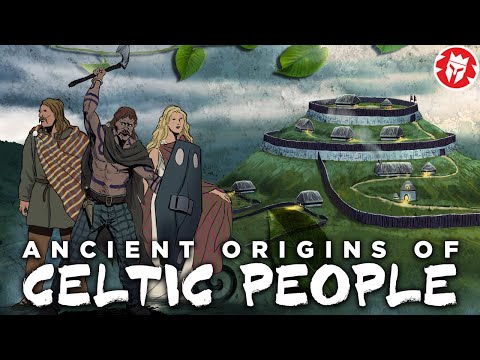
The Ancient Celts: Unveiling the Origins of a Fascinating Civilization

Introduction: The Enduring Allure of the Celts

The name "Celt" evokes images of fierce warriors, intricate art, and a rich tapestry of myths and legends. For centuries, these enigmatic peoples have captured the imagination of historians, archaeologists, and the public alike. Their influence, though often overshadowed by the might of Rome and Greece, laid the groundwork for much of Western European culture. This exploration delves into the ancient origins of the Celts, tracing their development through pivotal cultures and societal structures, offering a nuanced understanding beyond the popular stereotypes.

The intention behind this article is to satisfy the academic search intent of individuals interested in early European history, anthropology, and the socio-political formations of pre-Roman societies. We aim to provide a rigorous yet accessible overview, integrating key archaeological findings and historical interpretations. For those seeking to connect with these ancient practices, a practical guide to basic field survey techniques will be included.

The term 'Celt' itself is a complex ethno-linguistic label applied by classical authors, and its precise definition has been a subject of scholarly debate for generations. Understanding the Celts requires navigating both the archaeological record and the biased accounts of their contemporaries.

The Hallstatt Culture: The Dawn of Celtic Identity

The story of the Celts is intrinsically linked to the archaeological evidence uncovered, particularly the Hallstatt culture, which flourished from approximately 800 to 450 BCE in Central Europe. This period marks a significant shift, with settled communities, sophisticated metalworking, and expanding trade networks. The Hallstatt people, centered in what is now Austria and southern Germany, developed a distinct material culture characterized by iron weaponry, elaborate bronze vessels, and ornate gold and amber jewelry.

Key to understanding the Hallstatt period is the concept of social stratification. The discovery of lavish burial sites, such as those at Hallstatt itself, reveals a hierarchical society. These tombs often contain chariots, fine textiles, and imported goods like Mediterranean wine amphorae, indicating extensive trade and the presence of a wealthy elite. This elite likely wielded considerable power, influencing the economic and political landscape of their territories.

The economic foundation of the Hallstatt culture was largely agrarian, supplemented by mining, particularly of salt, which was a valuable commodity in the ancient world. Their settlement patterns, often near rich mineral deposits or along important river routes, highlight their strategic approach to resource management and trade. The distribution of Hallstatt artifacts across a wide geographical area suggests the emergence of a shared cultural identity, a proto-Celtic phenomenon that would later coalesce into the more widely recognized Celtic groups.

The La Tène Culture: Expansion and Sophistication

Following the Hallstatt period, the La Tène culture (c. 450 BCE to the Roman conquest) emerged, representing a more dynamic and widespread phase of Celtic development. Centered in the Marne River valley in France, La Tène art is renowned for its curvilinear, abstract, and highly stylized designs, a departure from the more geometric Hallstatt style. This artistic evolution is evident in their metalwork, particularly torcs, bracelets, swords, and shield decorations.

The La Tène expansion saw Celtic peoples migrating and settling across Europe, reaching as far as Anatolia (Galatians), the Iberian Peninsula, and the British Isles. This dispersal was driven by a combination of factors, including population growth, internal conflicts, and opportunities for mercenary service, particularly in the Hellenistic world. Their military prowess, characterized by the use of iron swords and shields, and their reputation for ferocity, made them formidable opponents.

Politically, the La Tène era was characterized by a decentralized system of tribal confederations. Each tribe was typically led by a chieftain or a council of elders, with significant regional variations. While not a unified empire, these confederations could muster substantial forces, posing a significant challenge to established powers like Rome. Understanding the intricacies of Celtic warfare and their political alliances is crucial to grasping their impact on European history.

The artistic legacy of the La Tène period, with its intricate swirling patterns and zoomorphic motifs, continues to inspire awe. This distinctive style not only reflects their aesthetic sensibilities but also provides invaluable clues about their worldview and symbolism.

Celtic Society: Structure, Economy, and Beliefs

Celtic society was fundamentally tribal, organized around kinship ties and loyalty to a chieftain. Social hierarchy was significant, with distinct classes including warriors, druids (priests, scholars, and judges), artisans, and farmers. The druids held immense influence, serving as spiritual leaders, educators, and arbiters of law, playing a vital role in preserving oral traditions and communal memory.

Economically, while agriculture remained the backbone, trade flourished. The Celts were skilled metalworkers, particularly in iron and bronze, producing tools, weapons, and intricate decorative items. Their trade networks extended across Europe, facilitating the exchange of goods such as salt, metals, pottery, and luxury items. The establishment of oppida—large, fortified settlements—served as centers for trade, craft production, and political administration, highlighting the growing complexity of their societies.

Their religious beliefs were polytheistic, centered around a pantheon of deities associated with nature, warfare, and fertility. Sacred sites, including groves, springs, and bogs, were central to their spiritual practices. While much of their religious knowledge was transmitted orally, archaeological evidence, such as votive offerings and representations of deities, offers glimpses into their spiritual world. The study of ancient mythologies, including Celtic traditions, offers a window into the human quest for meaning and connection.

DIY Practical Guide: Basic Field Survey for Archaeological Sites

For the aspiring historian or anthropologist, understanding the primary sources of information is key. Archaeological field surveys are fundamental to uncovering the material remains of past civilizations like the Celts. While professional surveys are complex, a basic understanding can enhance appreciation for historical sites. Here’s a simple guide:

  1. Objective Definition: Clearly define what you are looking for. Are you trying to identify potential settlement sites, burial grounds, or ancient pathways? For this guide, let's assume we're looking for signs of an ancient settlement.
  2. Site Selection and Preparation: Choose a relatively accessible area known for potential ancient activity or where historical maps suggest past inhabitation. Obtain permission if the land is privately owned. Visit the site under good lighting conditions (morning or late afternoon light can highlight subtle ground features).
  3. Systematic Walking Survey: Walk across the chosen area in a systematic pattern (e.g., parallel transects, like mowing a lawn). Keep your eyes focused on the ground and the surrounding landscape.
  4. Identifying Surface Finds: Look for pottery shards (shards with distinct patterns or manufacturing techniques are more significant), worked stone fragments (tools, weapon parts), or unusual concentrations of daub (pieces of ancient wattle-and-daub construction).
  5. Observing Topographical Clues: Note any subtle changes in ground elevation. Raised areas might indicate the remains of walls or mounds. Depressions could suggest former pits or quarry sites. Faint lines or patterns might be crop marks or soil marks, indicative of buried features.
  6. Recording Observations: Use a notebook and pen to record the date, time, location (GPS coordinates if possible), weather conditions, and detailed descriptions of any finds or features. Sketch the layout of any interesting areas. If you find significant artifacts, document their precise location before careful collection, noting if they appear to be in situ.
  7. Artifact Handling (Cautionary Note): If you find artifacts, handle them minimally to preserve any remaining organic material or surface details. Document everything thoroughly. For significant discoveries, it is always best to contact local archaeological authorities or heritage organizations. This is a simplified guide; proper archaeological practice involves detailed mapping, grid systems, and expert analysis.

This practical exercise provides a tangible connection to the methods used to understand ancient peoples. For more advanced techniques, consult resources on archaeological methods.

The excitement of potentially uncovering a piece of history, even a small shard of pottery, underscores the importance of careful observation and respect for the archaeological record.

Frequently Asked Questions

Q1: Were the Celts a single unified people?
A1: No, the term 'Celt' is a broad ethno-linguistic label. While sharing certain cultural and linguistic traits, Celtic peoples were organized into numerous distinct tribes and confederations across Europe, often engaging in conflict with one another.

Q2: What is the difference between the Hallstatt and La Tène cultures?
A2: The Hallstatt culture (c. 800-450 BCE) represents an earlier phase, primarily in Central Europe, characterized by ironworking and distinct burial practices. The La Tène culture (c. 450 BCE onwards) shows a more widespread expansion, a highly distinctive artistic style, and a more decentralized tribal organization.

Q3: What role did the Druids play in Celtic society?
A3: Druids were highly respected figures who served as priests, judges, scholars, and advisors. They were responsible for religious rituals, education, and the preservation of oral traditions and laws.

Q4: How did the Celts interact with the Roman Empire?
A4: Interactions ranged from trade and mercenary service to outright warfare. The Roman conquest eventually subjugated many Celtic territories, leading to significant cultural assimilation, but Celtic influence persisted.

Q5: Where can I learn more about ancient Celtic art?
A5: Studying the artifacts from Hallstatt and La Tène archaeological sites, as well as academic resources on European prehistory and art history, are excellent ways to explore Celtic artistic traditions.

Conclusion: The Enduring Legacy of the Celts

The journey through the ancient origins of the Celts reveals a complex and dynamic civilization that profoundly shaped the European landscape. From the foundational Hallstatt culture to the expansive La Tène period, the Celts demonstrated remarkable adaptability, military prowess, and artistic innovation. Their societal structures, spiritual beliefs, and extensive trade networks laid the groundwork for many subsequent European cultures. While often viewed through the lens of Roman conquest, understanding the Celts in their own right provides a richer, more nuanced perspective on the tapestry of ancient history.

The study of ancient civilizations, like the Celts, is an ongoing endeavor, constantly enriched by new archaeological discoveries and scholarly interpretations. By exploring their origins, we not only gain insight into the past but also better understand the enduring threads of culture and identity that connect us across millennia. The practical guide to field surveying serves as a reminder that the pursuit of knowledge is a hands-on endeavor, inviting us to engage directly with the tangible remnants of history.

We encourage further exploration and discussion on this fascinating topic. What aspects of Celtic culture intrigue you the most? Share your thoughts in the comments below!

Celtas, Antropología, Historia, Arqueología, Hallstatt, La Tène, Civilizaciones Antiguas, DIY

Anthropology: A Comprehensive Study of Human Societies and Cultures

Anthropology, as a discipline, offers a profound and expansive lens through which to understand the human experience in its entirety. It is the holistic study of humankind, encompassing biology, culture, language, and history across all times and places. This field seeks to answer fundamental questions about our origins, our diversity, and the intricate tapestry of societies we have woven throughout millennia. The intention behind exploring anthropology is multifaceted, appealing to those seeking to comprehend the breadth of human variation, the forces that shape our civilizations, and the underlying continuities that bind us. For the intellectually curious, anthropology provides a framework for critically examining social structures, cultural practices, and the evolution of human behavior, offering insights that resonate across academic disciplines from sociology and history to psychology and linguistics.

What is Anthropology?

At its core, anthropology is the study of humanity in all its diversity. It is an inherently comparative and cross-cultural discipline that seeks to understand what makes us human, both biologically and culturally. Unlike specialized social sciences that might focus on a single aspect of society (like economics or political science), anthropology adopts a more encompassing perspective, looking at the interconnectedness of all facets of human life. It explores both the commonalities and differences among human populations worldwide.

The term "anthropology" itself derives from the Greek words "anthropos" (human) and "logos" (study). Therefore, it literally translates to the "study of humans." This study is not confined to the present; it spans the entirety of human existence, from our earliest hominin ancestors to the complex globalized societies of today.

The Four Branches of Anthropology

Anthropology is a broad field, typically divided into four main sub-disciplines, each with its own focus and methodologies. These branches are interconnected and often inform one another, providing a comprehensive understanding of the human condition.

  • Biological (or Physical) Anthropology: This branch focuses on the biological and behavioral aspects of human beings, their extinct hominin ancestors, and related non-human primates. It investigates human evolution, genetics, biological variation, and adaptation. Topics include primatology, paleoanthropology, and the study of human biological diversity.
  • Archaeology: Archaeologists study past human societies through the recovery and analysis of material remains. This can range from prehistoric tools and ancient settlements to historical artifacts. By examining physical evidence, archaeologists reconstruct past lifeways, understand cultural change, and shed light on periods for which written records are scarce or nonexistent. This field often utilizes #archaeology and #arqueologia methodologies.
  • Linguistic Anthropology: This sub-discipline explores the relationship between language and human culture. It examines the structure of languages, how languages develop and change, and how language is used in social contexts. Linguistic anthropologists are interested in the diversity of languages, the social functions of language, and the role of language in shaping thought and identity. This connects to broader discussions on #CulturaYLenguaje.
  • Cultural Anthropology (or Social Anthropology): This is perhaps the most widely recognized branch. Cultural anthropologists study living human societies and cultures. Through ethnographic fieldwork, they investigate social organization, kinship systems, political structures, economic practices, belief systems, and symbolic meanings. They strive to understand cultures from the perspective of the people who live within them, emphasizing #ComprenderCulturas and #DiversidadCultural.

Historical Roots and Evolutionary Trajectories of Anthropological Thought

The intellectual journey of anthropology can be traced back to ancient Greek philosophers like Herodotus, who chronicled the customs of various peoples, and to early European explorers and ethnographers who documented the diverse societies they encountered during the Age of Discovery and the colonial era. However, modern anthropology as a scientific discipline began to coalesce in the late 19th and early 20th centuries.

Early anthropologists like Franz Boas in the United States championed the concept of cultural relativism, arguing against ethnocentrism and advocating for the understanding of each culture on its own terms. Boas also laid the groundwork for the four-field approach in North America, integrating biological anthropology, archaeology, linguistic anthropology, and cultural anthropology. In Europe, thinkers like Émile Durkheim and Marcel Mauss contributed significantly to sociological and anthropological thought, focusing on social solidarity, kinship, and the sacred. Later, figures such as Bronisław Malinowski revolutionized fieldwork with his emphasis on participant observation.

The mid-20th century saw the rise of various theoretical schools, including structuralism (led by Claude Lévi-Strauss), processual archaeology, and interpretative anthropology (Clifford Geertz). More recent developments have incorporated post-structuralism, feminist anthropology, Marxist anthropology, and the study of globalization, migration, and digital cultures. The field continues to evolve, reflecting changes in the world and new ways of understanding human existence. This ongoing evolution is a testament to its dynamic nature and its capacity to engage with contemporary issues, including the impact of technology on #AntropologíaVirtual.

"The proper study of mankind is man." - Alexander Pope

Core Concepts in Anthropology

Several key concepts are fundamental to anthropological understanding:

  • Culture: This is perhaps the most central concept. Culture refers to the learned, shared beliefs, values, norms, symbols, and practices that characterize a particular group of people. It is transmitted from one generation to the next through socialization. Understanding culture is paramount for grasping human diversity, touching upon themes of #IdentidadCultural and #PatrimonioCultural.
  • Ethnocentrism vs. Cultural Relativism: Ethnocentrism is the tendency to view one's own culture as superior and to judge other cultures by its standards. Cultural relativism, in contrast, is the principle that an individual's beliefs and activities should be understood by others in terms of that individual's own culture. Anthropologists strive for cultural relativism in their research.
  • Holism: This refers to anthropology's commitment to looking at how all parts of human life—culture, biology, environment, history—are interconnected. It's an effort to see the big picture.
  • Ethnography: This is both a method and a product of anthropological research. As a method, it involves immersive, long-term fieldwork within a community, often using participant observation. As a product, it is the written account of that research, providing a detailed description of a particular culture or social group.
  • Kinship: The study of family relationships and systems of descent and alliance is a classic area of anthropological inquiry. Kinship structures are fundamental to social organization in many societies.
"Culture is not inherited, but learned; it is not biological, but a result of human invention." - Edward Burnett Tylor

Anthropology in Practice: Understanding Our World

The insights gained from anthropology have practical applications across various fields. Anthropological perspectives are valuable in international business, healthcare, education, urban planning, environmental conservation, and conflict resolution. For example, understanding cultural differences can improve cross-cultural communication and marketing strategies. In healthcare, cultural competence helps practitioners better serve diverse patient populations. In development work, anthropologists help design projects that are sensitive to local contexts and needs, promoting #RespetoCultural and #Inclusión.

The discipline also plays a crucial role in preserving cultural heritage and advocating for marginalized communities. By documenting languages, traditions, and social practices, anthropologists contribute to safeguarding the rich tapestry of human diversity for future generations. Themes of #DiversidadHumana and #LegadoCultural are central to this practical application.

Furthermore, contemporary anthropology is increasingly engaging with digital spaces and the impact of technology on human interaction. The study of online communities, digital identities, and the influence of algorithms on social behavior are burgeoning areas within the field. This reflects the ongoing adaptation of anthropological inquiry to new forms of human experience.

DIY Fieldwork: Conducting Basic Ethnographic Observations

While professional anthropological fieldwork requires extensive training and ethical considerations, the principles of observation and inquiry can be applied to everyday life. This guide offers a simplified approach to conducting basic ethnographic observations.

  1. Choose Your Subject: Select a place or group that interests you. This could be a public park, a café, a specific type of social gathering, or even an online forum. Ensure you are observing in a public space where individuals do not have a reasonable expectation of privacy, or obtain informed consent if necessary and appropriate.
  2. Define Your Focus: What aspects of this setting or group are you interested in? Are you looking at social interactions, communication patterns, use of space, or specific activities? Having a focus will make your observations more systematic.
  3. Observe Systematically: Spend time in your chosen setting, observing and taking detailed notes. Pay attention to:
    • People: Who is present? What are their apparent demographics (age, gender, etc.)?
    • Activities: What are people doing? How do they interact with each other and their environment?
    • Environment: What is the physical setting like? How does it influence behavior?
    • Objects: What tools, artifacts, or symbols are present and how are they used?
    • Communication: What forms of communication are used (verbal, non-verbal, digital)?
  4. Record Your Observations: Write down everything you see, hear, and even smell. Be as objective as possible, describing actions rather than interpreting them initially. Note down your initial thoughts and questions, but separate them from your direct observations.
  5. Reflect and Analyze: After your observation period, review your notes. Look for patterns, recurring behaviors, inconsistencies, and interesting interactions. What hypotheses can you form about the social dynamics or cultural logic of the group you observed? Consider how your own presence might have influenced the scene.
  6. Consider the Broader Context: How does your observation relate to larger anthropological concepts like social structure, ritual, or cultural norms? This is where you begin to bridge your observation with theoretical frameworks.

Remember, ethical considerations are paramount in any form of fieldwork, even informal observation. Respect individuals' privacy and dignity.

Frequently Asked Questions

What is the primary goal of anthropology?

The primary goal of anthropology is to understand the human experience in its entirety, examining human diversity across time and space, and exploring the interconnectedness of culture, biology, language, and history.

Is anthropology only about studying ancient civilizations?

No, anthropology is a broad discipline. While archaeology studies past civilizations, cultural anthropology focuses on contemporary societies and living cultures, and linguistic and biological anthropology have their own distinct areas of research.

What is the difference between anthropology and sociology?

Both disciplines study human societies, but anthropology tends to take a more holistic and cross-cultural approach, often emphasizing qualitative methods like ethnography. Sociology often focuses more on specific aspects of modern industrial societies and may utilize more quantitative methods.

Why is cultural relativism important in anthropology?

Cultural relativism is crucial because it allows anthropologists to understand beliefs and practices from the perspective of the culture itself, avoiding ethnocentric judgments and fostering a deeper, more objective understanding of human diversity.

What are some career paths for anthropologists?

Anthropologists work in academia, museums, government agencies, non-profit organizations, international development, healthcare, marketing, and many other fields where understanding human behavior and culture is essential.

Conclusion: The Enduring Relevance of Anthropological Inquiry

Anthropology offers an indispensable toolkit for navigating the complexities of the modern world. By providing a framework for understanding human diversity, cultural variation, and the deep historical roots of our present, it challenges us to look beyond our immediate experiences and to appreciate the richness and ingenuity of human societies across the globe. From dissecting the nuances of cultural practices to tracing the evolutionary pathways of our species, anthropology remains a vital discipline for fostering empathy, promoting cross-cultural understanding, and addressing the multifaceted challenges facing humanity.

Whether delving into ancient ruins, deciphering linguistic structures, or observing contemporary social dynamics, the anthropological quest is ultimately a journey to better comprehend ourselves. The spirit of inquiry that drives this field encourages critical thinking, challenges assumptions, and cultivates a profound respect for the myriad ways in which humans live, love, and create meaning in their lives. It is a discipline that constantly reminds us of our shared humanity while celebrating our extraordinary diversity.

Armenia: A Deep Dive into Its Rich Tapestry of Curiosities, Customs, and History

Armenia, a land cradled at the crossroads of civilizations, offers a profound and captivating experience for those seeking to understand its unique place in history and culture. This post delves into the myriad curiosities that define Armenian life, from its ancient traditions and enduring customs to its breathtaking destinations and the very essence of its people. Welcome to El Antroposofista, your portal to the intertwined worlds of anthropology, archaeology, psychology, and history.

Unveiling Armenia's Past and Present

Armenia's story is one of resilience, faith, and an indelible cultural heritage. As one of the world's oldest civilizations, its landscapes are dotted with ancient monasteries, formidable fortresses, and evocative ruins that whisper tales of empires risen and fallen. Understanding Armenia requires an appreciation for its deep historical roots, its vibrant contemporary society, and the distinct worldview shaped by centuries of unique experiences.

A Cradle of Civilization

The history of Armenia is intrinsically linked to its strategic location in the Armenian Highlands, a region that has been a nexus of empires, trade routes, and cultural exchange for millennia. From the Urartian kingdom to its role in the Silk Road and its status as the first nation to adopt Christianity as its state religion in 301 AD, Armenia's historical narrative is rich and complex.

This long history has endowed Armenia with a unique cultural patrimony. The adoption of Christianity had a profound impact on its art, architecture, and social structures. The Armenian Apostolic Church remains a central pillar of national identity, influencing everything from daily life to national holidays and artistic expression. The development of the unique Armenian alphabet by Mesrop Mashtots in the early 5th century was a pivotal moment, safeguarding its language and fostering a distinct literary tradition.

The Armenian alphabet is not merely a system of writing; it is a testament to national preservation and intellectual achievement, born out of a desire to protect cultural and religious identity.

Throughout its history, Armenia has navigated the complex geopolitical landscapes of larger empires, including the Persian, Roman, Byzantine, Arab, Mongol, and Ottoman empires. Despite periods of foreign domination, Armenian identity and culture have consistently endured. The establishment of the First Republic of Armenia in 1918 and its subsequent incorporation into the Soviet Union, followed by its independence in 1991, are crucial chapters in its modern history, each leaving its mark on the nation's character and its people's outlook.

Cornerstones of Armenian Culture

Armenian culture is a vibrant mosaic of traditions, artistic expressions, and social customs. The concept of family (משפחה) is central, characterized by strong bonds, respect for elders, and communal support. Hospitality is a deeply ingrained virtue; guests are often treated with exceptional warmth and generosity, a practice reflecting ancient traditions of welcoming travelers and strangers.

Music and dance play a vital role in Armenian life, providing avenues for cultural expression and communal celebration. Traditional instruments like the duduk, a double-reed woodwind instrument, produce a hauntingly beautiful sound that is recognized globally as a symbol of Armenian musical heritage. Folk dances, often performed in vibrant, traditional attire, are a lively expression of community spirit and historical narrative. Cultural understanding requires an appreciation for these artistic forms.

Cuisine is another significant aspect of Armenian culture, heavily influenced by its agricultural landscape and historical trade connections. Dishes often feature fresh ingredients, grains, and a variety of herbs and spices. Staples include lavash (a thin, unleavened bread), khorovats (barbecue), and dolma (stuffed grape leaves or vegetables). The shared experience of preparing and enjoying meals is a fundamental social ritual.

The Armenian table is a symbol of abundance and community, where every dish tells a story of the land and its people.

The Armenian diaspora, scattered across the globe due to historical events and economic reasons, is another critical element of its cultural landscape. These communities have preserved Armenian traditions and language while integrating into their new societies, contributing to a global network of Armenian heritage. Their efforts in cultural preservation and advocacy are indispensable for the continuity of Armenian identity.

Must-Visit Destinations

Armenia offers a wealth of historical and natural attractions that draw visitors from around the world. Exploring these sites provides tangible connections to the nation's past and its enduring beauty.

  • Yerevan: The capital city is a dynamic blend of old and new. Visitors can explore Soviet-era architecture alongside modern cafes and art galleries. Key sites include the Cascade, the Matenadaran (repository of ancient manuscripts), and Republic Square.
  • Geghard Monastery: A UNESCO World Heritage site, this stunning monastic complex is carved directly into the side of a mountain. Its intricate architecture and spiritual atmosphere make it a truly unique destination. This site exemplifies the country's rich cultural heritage.
  • Lake Sevan: One of the largest freshwater lakes in the world at high altitudes, Lake Sevan offers breathtaking scenery and opportunities for recreation. The Sevanavank monastery, perched on a peninsula overlooking the lake, is a popular attraction.
  • Khor Virap Monastery: Offering iconic views of Mount Ararat, this monastery is a significant pilgrimage site. It is believed to be where Gregory the Illuminator was imprisoned for 13 years before he converted Armenia to Christianity.
  • Tatev Monastery: Accessible via the Wings of Tatev aerial tramway, the longest non-stop double-track cable car in the world, this ancient monastery complex is dramatically situated on a plateau.

Each destination offers a unique perspective on Armenia's geographical diversity and historical depth, from ancient religious sites to stunning natural landscapes. Understanding these locations is key to grasping the physical and spiritual geography of the nation.

DIY Understanding Armenian Traditions

Engaging with Armenian culture can be an enriching, hands-on experience. While visiting Armenia is ideal, there are ways to explore its traditions from anywhere, fostering a deeper connection and appreciation. This DIY section provides practical steps to delve into Armenian culture.

Guide Pratique DIY: Creating an Armenian Mezze Platter

A mezze platter is a fantastic way to experience the flavors of Armenian cuisine, often served as appetizers or a light meal. It encourages sharing and sampling various tastes, mirroring the communal aspect of Armenian dining.

  1. Select a Base: Choose a large platter or board. Start by arranging lavash or pita bread, either whole or cut into pieces.
  2. Include Dips and Spreads: Prepare or purchase traditional dips such as hummus (chickpea dip), muhammara (red pepper and walnut dip), or a simple yogurt dip with garlic and herbs.
  3. Add Vegetables: Arrange fresh or pickled vegetables. Good options include sliced cucumbers, tomatoes, radishes, bell peppers, and pickled onions or cauliflower.
  4. Incorporate Cheeses and Meats: Include pieces of Armenian string cheese (Reshteh Cheese), feta, or a soft goat cheese. For meat options, consider thinly sliced pastirma (cured beef) or kofta (spiced meatballs).
  5. Add Grains and Legumes: Incorporate small bowls of bulgur salad (tabbouleh) or lentil dishes.
  6. Don't Forget Flavor Enhancers: Add olives, a drizzle of olive oil, and a sprinkle of fresh herbs like parsley or mint.
  7. Presentation is Key: Arrange the items attractively, filling any gaps. The goal is a visually appealing and abundant display that invites guests to share and explore.

This DIY approach allows you to actively participate in experiencing Armenian culinary traditions. It's a delicious way to connect with a culture that values shared meals and vibrant flavors, echoing the spirit of anthropological exploration through sensory experience.

Frequently Asked Questions

What is the significance of Mount Ararat to Armenians?

Mount Ararat is a powerful national symbol for Armenians, deeply embedded in their history, culture, and identity, despite being located in modern-day Turkey. It is considered the spiritual homeland and is prominently featured in Armenian legends, literature, and heraldry.

What are some common Armenian customs related to hospitality?

Armenian hospitality is renowned. It is customary to offer guests food and drink, even if they arrive unannounced. Refusing hospitality can be considered impolite. Hosts often go to great lengths to ensure their guests feel comfortable and well-cared for.

What is the Armenian diaspora?

The Armenian diaspora refers to the communities of Armenians living outside of Armenia. This scattering is largely due to historical events, including massacres and forced exiles, particularly during the late 19th and early 20th centuries. These communities maintain their cultural heritage while integrating into societies worldwide.

Is Armenian a difficult language to learn?

Armenian is an Indo-European language with its own unique branch. It has a distinct alphabet and grammar. For speakers of Indo-European languages, some aspects may be familiar, but the unique vocabulary and grammatical structures present a challenge. However, with dedication, it is learnable, especially with the abundance of online resources and the strong linguistic communities.

Conclusion and Final Reflection

Armenia stands as a testament to the enduring power of culture and history. From its ancient monasteries to its warm hospitality and vibrant artistic traditions, the nation offers a rich tapestry of experiences for the curious traveler and the dedicated scholar alike. Its story is one of survival, adaptation, and the preservation of a unique identity against the tides of history. Engaging with Armenian culture, whether through visiting its historic sites, exploring its culinary traditions, or learning about its resilience, provides invaluable insights into the human experience and the diverse ways in which civilizations shape their world.

We invite you to continue this journey of discovery. Share your thoughts, experiences, or further curiosities about Armenia in the comments below.

Deconstructing Culture: An Anthropological Journey with Claude Lévi-Strauss

Hello and welcome to El Antroposofista, your premier source for in-depth information on anthropology, archaeology, psychology, and history. Today, we embark on a scholarly exploration into the foundational concepts of cultural analysis, guided by the seminal work of Claude Lévi-Strauss. This post aims to demystify his structuralist approach, making it accessible for those new to the field while offering a rigorous review for seasoned scholars. We will examine how Lévi-Strauss’s theories provide a framework for understanding the underlying patterns that shape human societies across the globe.

Introduction to Lévi-Strauss and Structuralism

Claude Lévi-Strauss, a towering figure in 20th-century anthropology, revolutionized the way we perceive culture. His development of structural anthropology proposed that beneath the surface diversity of human customs and beliefs lie universal structures of the human mind. This perspective, heavily influenced by linguistics, particularly the work of Ferdinand de Saussure, sought to uncover the deep, often unconscious, organizing principles that govern all human thought and social phenomena.

The intention behind this exploration is to distill Lévi-Strauss’s complex theories into a digestible yet academically sound format. We aim to answer the implicit search query of readers seeking to understand: "What are the fundamental structures of culture according to Lévi-Strauss, and how can we apply this understanding?" We will traverse concepts like culture, mythology, and social organization through the lens of his structuralist paradigm.

The Core of Structural Anthropology

At its heart, structural anthropology posits that culture, like language, is a system of signs. The meaning of any individual cultural element (a myth, a ritual, a social rule) is not inherent but derives from its relationship to other elements within the broader system. Lévi-Strauss argued that these relationships are not random; they are structured according to universal principles of the human mind. His seminal work, Structural Anthropology (1958), laid the groundwork for this approach.

The goal is not merely to describe cultural practices but to understand the underlying logic—the grammar—that produces them. This involves analyzing the relationships between cultural phenomena rather than the phenomena themselves in isolation. This is a departure from earlier ethnographic methods that focused primarily on descriptive accounts of specific customs.

Binary Oppositions: The Building Blocks of Meaning

A cornerstone of Lévi-Strauss’s theory is the concept of binary oppositions. He observed that the human mind tends to organize the world through contrasting pairs: raw/cooked, nature/culture, male/female, life/death, sacred/profane. These fundamental dichotomies, he argued, are the basic units of meaning that allow humans to make sense of their experiences and categorize the universe.

Myths, for instance, often articulate and attempt to mediate these fundamental oppositions. By analyzing the structure of myths, Lévi-Strauss believed we could reveal the core conceptual frameworks through which a society understands itself and its place in the cosmos. This analytical tool is remarkably powerful for deconstructing complex cultural narratives and uncovering their implicit meanings.

"The unconscious activity of the mind consists in imposing a structure on reality, a structure that may be characterized by the relational properties that are its specific feature." - Claude Lévi-Strauss

These binary oppositions are not merely descriptive; they are generative. They form the basic grammatical rules by which cultural “languages” are constructed. Understanding this principle allows us to move beyond surface-level observations of cultural practices and delve into the deeper cognitive processes that shape them.

Mythology as a Window into the Human Mind

Lévi-Strauss devoted significant attention to the study of myths. In works like The Raw and the Cooked (1964-1971), he analyzed vast collections of myths from around the world, demonstrating that despite their apparent diversity, they share underlying structural similarities. He viewed myths not as fanciful tales but as logical devices that societies use to grapple with fundamental existential questions and paradoxes.

Myths, in his view, function as “intellectual tools” that help reconcile irreconcilable oppositions. For example, a myth might explore the tension between nature and culture by telling a story that bridges the gap between the wild and the domesticated. The narrative structure, the sequence of events, and the relationships between characters all contribute to this process of mediating contradictions.

This approach allows us to see seemingly disparate myths as variations on universal themes, revealing the shared cognitive architecture of humanity. It provides a robust methodology for comparative mythology and a deeper understanding of human psychology.

Kinship Structures: The Foundation of Social Organization

Lévi-Strauss also applied his structuralist framework to the study of kinship systems. In The Elementary Structures of Kinship (1949), he argued that the incest taboo, a near-universal prohibition, is not simply a biological or moral dictate but the very foundation of social life. The prohibition of incest forces individuals to seek partners outside their immediate family, thereby establishing alliances and exchange networks between different groups.

This exchange of women (as marriage partners) creates reciprocal relationships that are essential for social cohesion and the development of culture. Kinship systems, therefore, are not just about biological relatedness but about the rules of exchange and alliance that structure societies. The intricate rules governing marriage and descent can be understood as a complex grammar of social relationships.

His analysis highlighted how diverse kinship systems, though seemingly complex and arbitrary, adhere to underlying structural principles that ensure the perpetuation and expansion of social bonds. This perspective transformed the study of kinship from a descriptive task to a structural analysis of social logic.

DIY Intellectual Toolkit: Analyzing Cultural Narratives

Lévi-Strauss’s work offers a powerful framework for analyzing any cultural narrative, from ancient myths to modern media. Here’s a practical guide to applying his principles:

  1. Identify the Narrative: Choose a cultural text, such as a myth, a fairy tale, a film, or even a news report.
  2. Break Down into Core Elements: Identify the key characters, objects, and events within the narrative. Think of these as the "words" of the cultural language.
  3. Look for Binary Oppositions: Analyze the narrative for recurring contrasts. Does it feature:
    • Nature vs. Culture?
    • Life vs. Death?
    • Human vs. Animal?
    • Raw vs. Cooked?
    • Good vs. Evil?
    • Order vs. Chaos?
  4. Map the Relationships: How do these oppositions interact within the narrative? Are they presented as conflicts, as complementary forces, or is the narrative an attempt to mediate between them?
  5. Analyze the Structure: Examine the sequence of events and how they relate to the oppositions. Does the narrative resolve the tensions, or does it highlight their enduring nature? Lévi-Strauss often looked for recurring "mythemes"—the smallest meaningful units of a myth.
  6. Interpret the Underlying Logic: What does this structural analysis reveal about the society or culture that produced this narrative? What fundamental questions or anxieties does it seem to address?

By applying these steps, you can begin to deconstruct cultural texts and understand the deeper, often unconscious, structures of meaning that Lévi-Strauss identified.

"The aim of structural anthropology is not to discover the reality of the phenomena, but to discover the reality of the relations between phenomena." - Claude Lévi-Strauss (paraphrased)

Frequently Asked Questions

Q1: What is the main idea behind Claude Lévi-Strauss's structuralism?
A1: Lévi-Strauss's structuralism proposes that human cultures, like languages, are governed by underlying, universal structures of the mind. He believed these structures, often expressed as binary oppositions, shape social organization, myths, and all forms of human expression.

Q2: How did linguistics influence Lévi-Strauss?
A2: He was heavily influenced by Ferdinand de Saussure's linguistic theories, particularly the idea that meaning arises from the relationships between signs within a system (structure) rather than from the signs themselves (substance). He applied this structural approach to cultural phenomena.

Q3: What are "binary oppositions" in Lévi-Strauss's work?
A3: Binary oppositions are fundamental, contrasting pairs (e.g., nature/culture, raw/cooked, male/female) through which the human mind categorizes and understands the world. Lévi-Strauss saw these as the basic building blocks of cultural meaning.

Q4: How did Lévi-Strauss study myths?
A4: He analyzed myths as complex systems of signs that express underlying structures of thought. He believed that by breaking myths down into their constituent "mythemes" and examining their relationships, particularly in relation to binary oppositions, one could understand how societies grapple with fundamental paradoxes and organize their worldview.

Q5: What is the significance of the incest taboo in his theory?
A5: Lévi-Strauss argued that the incest taboo is a fundamental rule that compels exogamy (marriage outside the group). This prohibition drives the exchange of women between groups, creating alliances and forming the basis of social structure and cultural development.

Conclusion and Final Reflection

Claude Lévi-Strauss offered a profound and enduring perspective on the nature of culture. His structuralist approach compels us to look beyond the surface diversity of human practices and to seek the universal, underlying structures of the human mind that shape them. By understanding concepts like binary oppositions, the structure of myths, and the logic of kinship, we gain powerful tools for anthropological analysis and a deeper appreciation for the intricate tapestry of human societies.

The application of his methodology, as outlined in our DIY section, empowers us to engage critically with the cultural texts that surround us. It encourages a more profound understanding of how meaning is constructed and how societies make sense of the world. We invite you to continue exploring these ideas and to share your own analyses and questions in the comments below. Your engagement enriches our collective understanding of the human condition.

We invite you to visit our official blog to check the latest current news in these fields: Antropología, Arqueología, Psicología, and Historia. We also encourage you to explore our other blogs, offering diverse themes for every interest: History, Learning, Data, Maps, Info, Anthropology, Archaeology, Psychology, HD, and DIY.

``` ```json { "@context": "http://schema.org", "@type": "FAQPage", "mainEntity": [ { "@type": "Question", "name": "What is the main idea behind Claude Lévi-Strauss's structuralism?", "acceptedAnswer": { "@type": "Answer", "text": "Lévi-Strauss's structuralism proposes that human cultures, like languages, are governed by underlying, universal structures of the mind. He believed these structures, often expressed as binary oppositions, shape social organization, myths, and all forms of human expression." } }, { "@type": "Question", "name": "How did linguistics influence Lévi-Strauss?", "acceptedAnswer": { "@type": "Answer", "text": "He was heavily influenced by Ferdinand de Saussure's linguistic theories, particularly the idea that meaning arises from the relationships between signs within a system (structure) rather than from the signs themselves (substance). He applied this structural approach to cultural phenomena." } }, { "@type": "Question", "name": "What are \"binary oppositions\" in Lévi-Strauss's work?", "acceptedAnswer": { "@type": "Answer", "text": "Binary oppositions are fundamental, contrasting pairs (e.g., nature/culture, raw/cooked, male/female) through which the human mind categorizes and understands the world. Lévi-Strauss saw these as the basic building blocks of cultural meaning." } }, { "@type": "Question", "name": "How did Lévi-Strauss study myths?", "acceptedAnswer": { "@type": "Answer", "text": "He analyzed myths as complex systems of signs that express underlying structures of thought. He believed that by breaking myths down into their constituent \"mythemes\" and examining their relationships, particularly in relation to binary oppositions, one could understand how societies grapple with fundamental paradoxes and organize their worldview." } }, { "@type": "Question", "name": "What is the significance of the incest taboo in his theory?", "acceptedAnswer": { "@type": "Answer", "text": "Lévi-Strauss argued that the incest taboo is a fundamental rule that compels exogamy (marriage outside the group). This prohibition drives the exchange of women between groups, creating alliances and forming the basis of social structure and cultural development." } } ] }

Beyond the Great Wall: Understanding China's Peculiar Societal Norms Through an Anthropological Lens

Introduction: Beyond Surface-Level Observations

China, a civilization with a history spanning millennia, presents a fascinating case study for anthropologists, sociologists, and historians alike. While often viewed through a lens of economic development and geopolitical influence, the everyday realities of Chinese society are shaped by a complex tapestry of norms, customs, and regulations that can appear peculiar to an outsider. This article delves into some of these seemingly "weird" rules, not to simply catalog them, but to critically analyze their origins, understand their societal functions, and appreciate the deeper cultural logic that underpins them. We aim to move beyond superficial observations of culture shock and explore the intricate historical, social, and philosophical underpinnings that make these practices comprehensible within their native context.

Historical and Cultural Foundations of Chinese Norms

To comprehend the unique regulatory environment of China, one must first appreciate its profound historical depth and the enduring influence of its philosophical traditions. For centuries, Confucianism has been a cornerstone of Chinese social organization, emphasizing hierarchy, filial piety, respect for elders, and the importance of social harmony. These values are not mere abstract principles; they have historically translated into concrete social expectations and, at times, legal frameworks that prioritize collective well-being over individual assertion. The concept of Mianzi (face) also plays a crucial role, influencing social interactions and dictating behavior to avoid public embarrassment or shame.

Furthermore, the legacy of imperial dynasties, with their centralized bureaucratic structures and emphasis on order, has left an indelible mark. While modern China has undergone dramatic transformations, echoes of these historical governance models can still be perceived in the way regulations are formulated and enforced. The rapid urbanization and industrialization of recent decades have also introduced new dynamics, creating a tension between traditional values and the pressures of a modernizing, globalized society. This interplay between the ancient and the contemporary is key to understanding many of China's distinctive societal rules.

When foreigners encounter specific regulations or common practices in China, the immediate reaction is often one of bewilderment. These rules, while normal within the Chinese context, can stem from practical considerations, historical precedents, or deeply ingrained cultural beliefs.

  • Public Etiquette and Order: Rules regarding public spaces often reflect a strong emphasis on collective order. This can manifest in surprisingly strict regulations about littering, queuing, and even noise levels in residential areas. While many cultures value these, the enforcement and societal expectation in China can be particularly pronounced.
  • Consumer Behavior and Transactions: The dynamics of consumerism in China have unique aspects. For instance, the art of bargaining in certain markets, while seemingly chaotic to an outsider, is a deeply embedded cultural practice. Conversely, in other sectors, fixed pricing is strictly adhered to. Understanding these distinctions is crucial for effective economic interaction.
  • Social Media and Information Control: China's approach to the internet and social media is a widely discussed topic. The strict regulations surrounding online content, censorship, and the use of VPNs are not arbitrary but are part of a broader strategy to maintain social stability and control information flow, reflecting a different societal priority regarding the individual's access to unfiltered information.
  • Family and Generational Expectations: Traditional values regarding family obligations, such as the expectation for children to care for elderly parents (filial piety), are often reinforced through societal norms and, in some cases, have even been codified into law. This contrasts with more individualistic approaches seen in many Western societies.

These examples highlight how rules in China are often interconnected with the broader social fabric, rather than existing in isolation. They serve to maintain harmony, ensure efficiency, and uphold deeply held cultural values.

The perception of rules as "weird" is often a product of ethnocentrism, the tendency to view one's own culture as the standard and judge other cultures by it.

Anthropological Insights: Why These Rules Exist

From an anthropological perspective, these regulations are not simply arbitrary quirks but rather functional mechanisms that address specific societal needs and reflect cultural priorities. The emphasis on collective good, for example, can be traced back to agrarian societies where cooperation was essential for survival. Similarly, the respect for authority and hierarchy can be linked to the need for stable governance in a vast and populous nation.

The stringent control over information, while concerning from a perspective valuing absolute freedom of expression, can be understood within a framework that prioritizes national unity and social stability, especially given China's complex history of internal dissent and external pressures. The concept of "face" (Mianzi), as mentioned earlier, is a powerful social regulator that influences behavior in countless ways, from how disputes are resolved to how individuals present themselves in public.

Understanding these rules requires a willingness to suspend judgment and engage in empathetic inquiry. It involves recognizing that different societies develop different solutions to universal human challenges, such as maintaining order, fostering cooperation, and ensuring the continuity of culture.

Cultural relativism, the principle that an individual's beliefs and activities should be understood by others in terms of that individual's own culture, is a vital tool for analyzing such phenomena.

DIY Practical Guide: Understanding Cultural Nuances Through Observation

Engaging with a different culture, whether in China or elsewhere, is an intellectual and practical endeavor. Here’s a step-by-step guide to applying anthropological observation skills to better understand local norms:

  1. Pre-Trip Research: Before visiting or engaging deeply with any culture, conduct thorough research. Read anthropological studies, historical accounts, and reputable journalistic pieces. Familiarize yourself with major philosophical underpinnings like Confucianism, Daoism, and their impact on social behavior. Explore resources on anthropology and cultural studies.
  2. Active Observation: Upon arrival or during engagement, practice mindful observation. Pay attention to:
    • Public Interactions: How do people greet each other? How is personal space managed? What are the norms of queuing and waiting?
    • Verbal and Non-Verbal Communication: Observe body language, tone of voice, and the use of gestures. Note any apparent differences from your own cultural norms.
    • Social Groupings: How do people interact in families, peer groups, and professional settings? What are the apparent hierarchies?
    • Consumption Patterns: Observe shopping habits, dining etiquette, and attitudes towards food and resources.
  3. Contextualization: Do not interpret observations in isolation. Try to link what you see to the historical, social, and environmental context. For example, observe the density of a city and consider how that might influence norms around personal space or noise. Connect observed practices to potential underlying values like respect for elders or community harmony.
  4. Open-Ended Inquiry: If possible and appropriate, engage in respectful conversations with locals. Ask open-ended questions about their customs and beliefs. For instance, "Could you tell me more about the importance of family in daily life?" rather than "Why do you do that strange thing?" Utilize resources on interview techniques for deeper understanding.
  5. Reflective Journaling: Keep a journal of your observations, initial interpretations, and questions. Regularly review your entries to identify patterns and refine your understanding. This process of writing can help solidify your learning and reveal biases you may not have been aware of. This is a core practice in ethnography.
  6. Seek Diverse Perspectives: Read accounts from various individuals within the culture, including academics, artists, and everyday citizens. Understanding that a culture is not monolithic is crucial. Explore resources on diversity and inclusion to appreciate varying viewpoints.

Frequently Asked Questions

What are some common cultural misunderstandings foreigners have in China?

Common misunderstandings often arise from differences in communication styles (directness vs. indirectness), perceptions of personal space, attitudes towards punctuality, and the interpretation of non-verbal cues. For example, a foreigner might interpret indirect refusals as agreement, or view reserved public behavior as unfriendly.

How has China's rapid modernization impacted its traditional rules and norms?

Modernization has introduced significant shifts. While traditional values like filial piety remain strong, rapid urbanization, exposure to global culture, and economic changes have led to evolving norms, particularly among younger generations. There's often a dynamic tension between preserving tradition and adapting to new lifestyles and global influences.

Are the rules in China strictly enforced by law, or are they more about social pressure?

It's a combination of both. Some rules are explicitly codified in law and carry legal penalties, while others are primarily enforced through strong social pressure, cultural expectations, and the concept of 'losing face'. The level of enforcement can also vary significantly by region and context.

How can one respectfully navigate these cultural differences when visiting or working in China?

Respectful navigation involves a willingness to learn, observe, and adapt. Prioritize understanding the underlying cultural logic, practice active listening, be mindful of communication styles, and show genuine interest in local customs. Avoid making direct comparisons or judgments based on your own cultural standards. Engaging with resources on cultural competence is highly beneficial.

In conclusion, China's societal rules, while appearing peculiar on the surface, offer a profound window into its rich history, complex philosophy, and dynamic social evolution. By employing analytical tools from anthropology and history, we can move beyond simple observation to a deeper appreciation of the cultural logic that shapes everyday life. Understanding these norms is not just an academic exercise but a crucial step towards fostering genuine cross-cultural understanding and collaboration in our increasingly interconnected world.