Mostrando las entradas para la consulta history of the sea ordenadas por relevancia. Ordenar por fecha Mostrar todas las entradas

The Enigma of the Mary Celeste: An Anthropological and Historical Deep Dive into a Maritime Mystery

The tale of the Mary Celeste remains one of maritime history's most captivating and enduring enigmas. Discovered adrift and deserted in the Atlantic Ocean in 1872, the brigantine presented a chilling tableau: sails set, cargo intact, yet devoid of any crew or passengers. This profound absence, coupled with the pristine condition of the vessel, has fueled centuries of speculation, transcending mere historical curiosity to become a touchstone for examining human behavior under duress, the limits of empirical evidence, and the enduring power of narrative.

From an anthropological perspective, the Mary Celeste offers a unique, albeit silent, case study. It prompts us to consider the fundamental aspects of human societies: the bonds of community, the responses to perceived threats, and the infrastructure of daily life aboard a vessel. While we cannot interview the lost souls, their abandonment forces us to infer their social dynamics and their collective decision-making processes, however panicked or rational they may have been. Historically, the vessel itself serves as a tangible artifact, a time capsule offering insights into 19th-century seafaring technology, trade routes, and the inherent risks associated with global exploration and commerce. This exploration will delve into the known facts, critically examine the most persistent theories, and consider how modern techniques might illuminate this age-old mystery.

Introduction: The Ghost Ship Phenomenon

The concept of the "ghost ship" is a potent archetype in human culture, tapping into primal fears of isolation, the unknown, and the eerie silence of abandonment. The Mary Celeste is perhaps the most famous iteration of this archetype. Its story resonates not just because of the disappearance of its crew, but because of the profound questions it leaves unanswered. It challenges our reliance on empirical data, forcing us to engage with historical methodology and anthropological inference. The juxtaposition of a perfectly seaworthy vessel with a vanished crew creates a narrative vacuum that has been filled by countless theories, each attempting to impose order on a profoundly unsettling event.

The fascination with the Mary Celeste is amplified by its historical setting. The mid-19th century was an era of burgeoning global trade, rapid technological advancement in shipbuilding and navigation, yet also a time when the sea remained a vast, untamed frontier. Understanding this context is crucial to appreciating the circumstances surrounding the ship's fate.

Historical Context: The World of the Mary Celeste

The Mary Celeste (originally registered as the Brigantine) was built in Nova Scotia in 1861. In its time, such vessels were the workhorses of international commerce, traversing vast oceans to transport goods. Life aboard a merchant ship was arduous, characterized by strict discipline, cramped quarters, and a constant, inherent danger. The crews were typically composed of men from diverse backgrounds, bound together by the shared experience of seafaring and the pursuit of livelihood. Their isolation from land-based society was profound, fostering a unique micro-culture with its own rules, hierarchies, and coping mechanisms.

The year 1872, when the Mary Celeste was discovered, was a period of increasing international connectivity. Steam power was beginning to revolutionize shipping, though sailing vessels like the Mary Celeste still played a critical role. The Atlantic routes were well-traveled, yet remained perilous due to unpredictable weather, navigational challenges, and the ever-present risk of disease or accident. The known history of the sea is replete with tales of hardship and loss, making the story of the Mary Celeste stand out not for its inherent danger, but for its perplexing lack of explanation.

The Discovery: A Vessel Adrift

On December 4, 1872, the British brigantine Dei Gratia, en route from New York to Genoa, spotted an unusual sight: a vessel sailing erratically, its sails in disarray. Upon closer inspection, they identified it as the Mary Celeste. The commanding officer, Captain Morehouse, sent a boarding party led by First Mate Oliver Deveau. What they found was astonishing.

The ship was sailing under its own power, albeit poorly. However, the captain's logbook ended abruptly on November 24, 1872, ten days before its discovery. The crew's quarters were found in a state of disarray, suggesting a hasty departure, yet the cargo of industrial alcohol in the hold was largely intact, with only a few barrels leaking. Most crucially, there was no sign of Captain Benjamin Briggs, his wife Sarah, their two young children, or the seven other crew members.

The mystery wasn't just the absence of people, but the absence of any clear struggle or sign of violence. It was as if they had simply vanished into thin air.

The Crew and Cargo: Signs of Normalcy?

Further examination revealed details that deepened the mystery. The ship’s chronometer and sextant were missing, suggesting the captain may have been preparing to navigate elsewhere or had taken them for a lifeboat. The ship's only lifeboat was also gone. Food was still in the galley, and personal belongings were left in the cabins, including items belonging to Captain Briggs' children. This suggested a departure that was perhaps sudden, but not necessarily violent or catastrophic in its immediate wake.

The cargo itself, industrial alcohol, was highly flammable. This fact is central to many theories, suggesting a possible fear of explosion could have prompted an evacuation. However, the cargo was found largely secure, undermining the idea of an imminent, catastrophic fire. The discrepancy between the apparent normalcy of the ship's state and the complete disappearance of its human occupants is the core of the enduring enigma.

Leading Theories: From Mutiny to the Supernatural

Over the decades, numerous theories have been proposed, ranging from the plausible to the wildly speculative:

  • Mutiny: Some suggested the crew, perhaps led by one of the sailors, mutinied against Captain Briggs. However, there's no evidence of struggle, and the crew logs do not support this.
  • Piracy: While piracy was a concern, the intact cargo and the lack of violence make this unlikely. Pirates typically looted ships.
  • Seaquake or Waterspout: A sudden, violent event like a seaquake or waterspout could have forced an emergency evacuation. However, the ship was found to be in good condition, and no major weather events were reported in the area at the time.
  • Cargo Fumes: The most scientifically plausible theory suggests that fumes from the leaking alcohol cargo may have created an explosive atmosphere, leading Captain Briggs to order an evacuation into the lifeboat, intending to return once the fumes dissipated. However, the sea conditions or an unexpected event could have prevented their return.
  • Supernatural Explanations: Over the years, theories involving sea monsters, paranormal activity, or even alien abduction have been circulated, reflecting the human desire to find an explanation for the inexplicable.
The enduring appeal of the Mary Celeste lies precisely in its resistance to definitive explanation. It remains a Rorschach test for our deepest anxieties about the unknown.

Anthropological Interpretations: Social Dynamics at Sea

From an anthropological viewpoint, the Mary Celeste case compels us to consider the social fabric of a ship's community. Captain Briggs was known as a capable and responsible mariner. His wife and children's presence aboard indicates a degree of stability and familial integration within the maritime world. The crew, a cross-section of society, would have operated under a defined hierarchy, with the captain at its apex. Their shared isolation would have fostered interdependencies, potentially leading to strong camaraderie or, conversely, heightened tensions.

If an evacuation occurred, it would have been a moment of extreme social pressure. The captain's authority would have been paramount, yet the collective survival instinct would also be in play. The decision to abandon a perfectly sound vessel, especially with family aboard, suggests a perceived threat of overwhelming magnitude. Was it a calculated risk based on faulty information (like the fumes theory), or a moment of collective panic? The absence of survivors prevents us from directly accessing their decision-making processes, making cultural interpretation and inferential analysis our primary tools.

Guía Práctica DIY: Reconstructing a Maritime Mystery

While we cannot physically reconstruct the events of the Mary Celeste, we can engage in a simulated investigation using historical and analytical methods. This exercise mirrors archaeological and historical practices of piecing together narratives from fragmented evidence.

  1. Gather Primary Source Data (Simulated): Imagine you have access to Captain Briggs's logbook fragments, the Dei Gratia's log, official inquiries, and contemporary newspaper reports. You would need to cross-reference these accounts for inconsistencies and corroborations.
  2. Analyze Vessel Condition: Study descriptions of the Mary Celeste's state upon discovery. Note what was present (cargo, personal effects) and what was missing (lifeboat, chronometer, sextant). This forms the physical evidence.
  3. Map the Timeline: Establish a clear timeline of the Mary Celeste's last known movements, the reported cargo, and the discovery by the Dei Gratia. Identify the crucial missing days.
  4. Evaluate Cargo Risks: Research the properties of industrial alcohol in the 19th century. Understand its flammability and potential for creating explosive vapor pockets, especially in confined spaces. Consider the impact of temperature and bilge water on leakage.
  5. Examine Navigation and Weather: Research typical Atlantic weather patterns and sea conditions for November 1872. Consider the challenges of navigating in potentially poor visibility or rough seas. Could the Dei Gratia have accurately assessed the Mary Celeste's condition from a distance?
  6. Hypothesize and Test: Based on the evidence, formulate a hypothesis (e.g., the fumes theory). Then, critically assess its strengths and weaknesses. Does it account for all the known facts? Could alternative scenarios explain the evidence better? For instance, if the crew evacuated due to fumes, why was the cargo found largely intact and not detonated?
  7. Consider Social Factors: Integrate anthropological insights. How might the captain's responsibility for his family influence his decisions? How might crew dynamics play a role in a crisis?
  8. Acknowledge Limitations: Recognize that without the crew's testimony, definitive proof is impossible. The goal is to construct the most plausible narrative supported by the available evidence, while remaining open to alternative interpretations.

This DIY approach encourages critical thinking and demonstrates how historical and anthropological methods can be applied to solve complex problems, even when faced with incomplete data. It’s a testament to the scientific method of hypothesis, testing, and revision.

Frequently Asked Questions

What was the Mary Celeste carrying?

The Mary Celeste was carrying a cargo of industrial alcohol, destined for Genoa, Italy. Some barrels in the hold were found to be leaking.

When was the Mary Celeste discovered?

The Mary Celeste was discovered adrift and deserted on December 4, 1872, by the crew of the British brigantine Dei Gratia.

What is the most accepted theory about what happened to the crew?

While no single theory is universally accepted, the most plausible scientific explanation involves the crew evacuating the ship due to fears of an explosion from the leaking alcohol cargo. However, the exact circumstances remain unknown.

Did any survivors ever come forward?

No survivors from the Mary Celeste's crew were ever found. The mystery is perpetuated by the complete disappearance of all hands.

Why is the Mary Celeste still considered a mystery?

Despite extensive investigation and numerous theories, there is no definitive, irrefutable evidence explaining why the captain, his family, and the entire crew abandoned a seemingly seaworthy vessel.

Conclusion: The Enduring Allure of the Unknown

The story of the Mary Celeste transcends the typical historical narrative. It is a profound exploration of the unknown, a stark reminder of the vastness and power of the sea, and a perpetual challenge to our need for concrete answers. Through the lenses of anthropology and history, we can analyze the social dynamics, the technological context, and the evidential fragments left behind. Yet, the ultimate fate of Captain Briggs and his crew remains shrouded in ambiguity.

This enduring mystery serves as a powerful narrative device, inviting us to engage our intellect, our imagination, and our understanding of human nature. It highlights the limits of our knowledge and the compelling allure of the unexplained. Perhaps it is this very lack of resolution that ensures the Mary Celeste will continue to fascinate and intrigue for generations to come, a spectral testament to the vast and often unfathomable depths of both the ocean and the human experience.

DIY, historia, mapas, aprendizaje, antropología, HD, alta, resolucion

The Bible, Archaeological Discoveries, and the People of Israel: A Historical and Anthropological Exploration

Welcome to El Antroposofista, a dedicated space for exploring the intricate connections between anthropology, archaeology, psychology, and history. In this in-depth article, we delve into the rich historical tapestry of the **people of Israel** and their profound connection to the **Biblical narrative**, examining key **archaeological discoveries** that illuminate ancient texts and historical contexts. Our aim is to provide a comprehensive, academic yet accessible exploration of this fascinating subject.

Introduction: The Nexus of Faith, History, and Archaeology

The **Bible**, particularly the **Old Testament**, is a foundational text for Judaism and Christianity, offering a sweeping narrative of creation, covenant, law, and the history of the **people of Israel**. For centuries, its accounts were primarily accepted on faith. However, the advent and development of **archaeology** in the 19th and 20th centuries provided a new lens through which to examine these ancient narratives. **Biblical archaeology** seeks to unearth physical evidence that can corroborate, challenge, or contextualize the events and peoples described in the scriptures. This field is not merely about finding ancient artifacts; it's about reconstructing the lived experiences, social structures, and historical trajectories of ancient civilizations, offering invaluable insights from an **anthropological** and **historical** viewpoint.

At El Antroposofista, we believe in a multidisciplinary approach, integrating **data** and **historical** analysis with **anthropological** understanding. This exploration will connect the physical remains unearthed in the land of Israel with the textual traditions that have shaped so much of human history and culture.

The Significance of Biblical Archaeology

The discipline of **Biblical archaeology** is crucial for several reasons. Firstly, it provides a tangible link to the past, moving beyond textual interpretation to engage with the material culture of ancient peoples. Secondly, it helps us understand the broader historical, cultural, and geopolitical context in which the Biblical narratives unfolded. Many **archaeological** sites in the **Levant** reveal interactions with neighboring empires like Egypt, Assyria, Babylon, and Persia, offering a richer understanding of the challenges and influences faced by the ancient Israelites.

Thirdly, **archaeological discoveries** can offer fresh perspectives on theological concepts and historical events. While the field is often contentious, with interpretations sometimes influenced by pre-existing beliefs, rigorous **archaeological** methodology aims for objectivity. It allows us to see the ancient world not just as a setting for religious events, but as a complex society with its own economic systems, social hierarchies, and daily practices, elements central to **anthropological** inquiry.

"The spade of the archaeologist has often unearthed evidence that resonates with the ancient texts, providing vivid glimpses into daily life, worship practices, and monumental constructions described in the Bible."

Key Archaeological Discoveries in Israel

The land of Israel, a geographical crossroads for millennia, is rich with **archaeological** sites that have yielded groundbreaking findings. These discoveries range from monumental city gates and fortifications to everyday objects like pottery, tools, and personal adornments. Some of the most significant sites include:

  • Jericho: One of the oldest continuously inhabited cities in the world, its ancient walls have been a subject of extensive **archaeological** study, often linked to **Biblical** accounts of conquest.
  • Jerusalem: The City of David, the Western Wall, and numerous sites within and around the Old City offer layers of history from Canaanite, Israelite, Judean, and later periods.
  • Megiddo (Armageddon): A strategically vital city with a long history of occupation, its stables and water systems provide insight into military and civil engineering.
  • Hazor: A major Canaanite and later Israelite city, its extensive ruins reveal significant public buildings and fortifications.
  • Gezer: Known for its calendar, a Paleo-Hebrew inscription dating to the 10th century BCE, providing early evidence of Hebrew literacy.
  • Qumran: The site associated with the Dead Sea Scrolls, offering unparalleled insights into Jewish sects and textual traditions during the Second Temple period.

Each of these locations, through meticulous excavation and analysis, adds pieces to the complex puzzle of ancient Israelite history and culture.

Archaeological Evidence for the Old Testament

The relationship between **archaeological findings** and the **Old Testament** is a subject of ongoing academic debate and research. While direct, unambiguous proof for every **Biblical** event or figure remains elusive, numerous discoveries offer significant corroboration and context.

  • The Merneptah Stele: This ancient Egyptian inscription, dating to around 1208 BCE, contains the earliest known extra-Biblical reference to "Israel" as a distinct people residing in Canaan. It confirms Israel's presence in the region during the Late Bronze Age, aligning with the traditional timeline of the Exodus and settlement.
  • The Tel Dan Stele: Discovered in 1993, this fragmented inscription from the 9th century BCE mentions the "House of David" (bytdwd), providing strong **archaeological** evidence for the existence of King David as a historical figure and the establishment of a Judean dynasty. This finding was monumental for **historians** and **archaeologists** studying the period.
  • Assyrian and Babylonian Records: Inscriptions like the Black Obelisk of Shalmaneser III depict King Jehu of Israel paying tribute, and the Cyrus Cylinder details the Persian king's policy of allowing exiled peoples, including potentially Judeans, to return to their homelands. These records align with accounts of the Assyrian and Babylonian conquests described in the **Old Testament**.
  • City Walls and Destruction Layers: Excavations at sites like Jericho, Ai, and Lachish reveal evidence of destruction and rebuilding that, in some cases, correlate with the timelines suggested by **Biblical** accounts of conquest and devastation. However, the interpretation of these layers is often debated, with some scholars suggesting that the **archaeological** record does not always support a literal reading of the **Biblical** conquest narratives.
  • Everyday Objects: The discovery of seals bearing names of individuals mentioned in the Bible (e.g., Gemariah son of Shaphan, a scribe mentioned in Jeremiah), ostraca (pottery shards with inscriptions) providing administrative details, and common household items help paint a more detailed picture of **ancient Israelite life**.

From an **anthropological** perspective, these finds illuminate the social, economic, and religious practices of the **people of Israel**, offering tangible evidence of their daily lives, their interactions with surrounding cultures, and the development of their unique identity.

"Archaeology allows us to touch the past, to hold the very tools and vessels that ancient hands crafted and used, grounding the narratives of scripture in the material reality of the ancient world."

Anthropological Perspectives on Ancient Israelite Society

Viewing the **people of Israel** through an **anthropological** lens reveals a society shaped by nomadic heritage, agricultural development, and profound theological beliefs. Key aspects include:

  • Tribal Structure and Kinship: Early Israelite society was largely organized around kinship groups and tribal affiliations, a common feature in many ancient Near Eastern societies. The emphasis on lineage and inheritance, central to **Biblical** law, reflects these structures.
  • Religious Syncretism and Monotheism: While the **Old Testament** champions strict monotheism, **archaeological** evidence, such as the discovery of Asherah figurines alongside Yahweh symbols in some Judean sites, suggests periods of religious syncretism where local deities or aspects of Canaanite religion were integrated or coexisted with Yahwistic worship. The gradual development and enforcement of **monotheism** is a significant theme in **Biblical** history.
  • Social Stratification: **Archaeological** findings at various sites, from royal palaces to common dwellings, illustrate a clear social hierarchy. The distinction between the elite (kings, priests, scribes) and the common populace (farmers, artisans) is evident in settlement patterns, housing quality, and the ownership of luxury goods.
  • Ritual and Practice: Excavated altars, cultic vessels, and temple structures provide insights into the religious rituals performed by the ancient Israelites. These findings help us understand their understanding of the divine and their methods of worship, often detailed in **Biblical** texts.
  • Interaction and Cultural Exchange: The **Levant** was a hub of trade and cultural exchange. **Anthropological** analysis of artifacts reveals influences from Egypt, Mesopotamia, and Anatolia, demonstrating that ancient Israel did not exist in isolation but was part of a vibrant, interconnected regional system. This interaction is a core concept in the study of **cultural evolution** and **societal development**.

Understanding these **anthropological** dimensions enriches our interpretation of the **Biblical** texts, showing them not as static pronouncements but as products of dynamic, evolving human societies.

DIY Guide: Understanding Ancient Pottery Sherds

Pottery fragments, or sherds, are among the most common artifacts found at **archaeological** sites. They are invaluable for **dating** sites and understanding past cultures. Here’s a simple guide on how you might begin to understand them:

  1. Observe the Material and Firing: Note the color and texture of the clay. Was it fired at a high or low temperature? High-fired pottery is generally harder and less porous. The presence of inclusions (like grit or straw) can also be characteristic of certain periods or regions.
  2. Examine the Shape and Form: Even small sherds can sometimes indicate the original vessel type – a rim might suggest a bowl or jar, a base a storage pot, and a handle a pitcher. Different shapes were used for different purposes (cooking, storage, serving, ritual).
  3. Analyze the Decoration: Look for any decoration, such as incised lines, painted patterns, or applied elements. Decorative styles are often highly diagnostic and can help in **dating** the sherd and identifying its cultural origin. For example, certain painted motifs are characteristic of specific Canaanite or Israelite periods.
  4. Check for Burn Marks or Residue: Burn marks on the exterior might indicate the vessel was used for cooking. Residue analysis (though requiring laboratory equipment) could potentially reveal what was stored or cooked in the pot (e.g., oils, grains, wine).
  5. Consider the Context (if applicable): If you are examining sherds from a known **archaeological** find, consider the layer or stratum they came from. This **stratigraphic** information is crucial for **dating** and understanding the sequence of occupation at a site.

This hands-on approach, even with readily available modern pottery shards, can foster an appreciation for the detailed analysis that **archaeologists** undertake daily in their quest to uncover the past.

Frequently Asked Questions

What is the primary goal of Biblical archaeology?

The primary goal is to use **archaeological** evidence to better understand the historical, cultural, and geographical context of the **Biblical** narratives, and to test hypotheses about the events and peoples described in the scriptures.

Does archaeology prove the Bible?

Archaeology can corroborate or provide context for **Biblical** accounts by confirming the existence of people, places, and customs mentioned. However, it rarely offers definitive "proof" in a scientific sense and interpretations can vary among scholars. Some aspects remain challenging to verify archaeologically.

What is the most significant archaeological discovery related to ancient Israel?

This is subjective, but the **Tel Dan Stele** (mentioning the "House of David") and the **Merneptah Stele** (mentioning "Israel") are often cited as highly significant for confirming extra-Biblical existence of key entities from **Biblical** history.

How does anthropology contribute to the study of the Bible?

Anthropology provides frameworks for understanding ancient societies' structures, beliefs, rituals, and kinship systems. It helps interpret **archaeological** finds and **Biblical** texts within their socio-cultural context, revealing how people lived, organized themselves, and made meaning.

Can I visit archaeological sites related to the Bible?

Yes, there are numerous **archaeological** sites in Israel and surrounding regions that are open to visitors. Many offer tours and visitor centers that provide historical and **archaeological** information, such as the City of David in Jerusalem, Megiddo National Park, and Masada.

Conclusion: Bridging the Past and Present

The study of the **people of Israel**, their **Biblical narrative**, and the **archaeological discoveries** unearthed in their ancient homeland is a journey that bridges millennia. It requires a nuanced approach, integrating **historical**, **anthropological**, and **archaeological** methodologies. While **archaeology** cannot definitively "prove" or "disprove" faith, it undeniably enriches our understanding of the ancient world that produced the **Bible**. It allows us to reconstruct the material realities, social dynamics, and cultural contexts of the people whose stories and laws continue to resonate globally.

At El Antroposofista, we encourage a continued exploration of these vital connections. By engaging with the **data**, the **historical** records, and the **anthropological** insights, we can gain a more profound appreciation for the complexities of human history and the enduring legacy of ancient civilizations. We invite you to continue this conversation in the comments below, sharing your thoughts and questions.

For further reading on related topics, explore our posts on Antropología, Arqueología, and Historia.

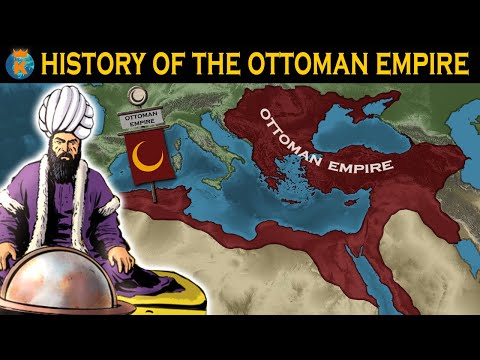
The Enduring Legacy of the Ottoman Empire: A Historical Synthesis (1299-1922)

The study of historical empires offers profound insights into the dynamics of power, culture, and societal evolution. Among the most influential and enduring states in world history stands the **Ottoman Empire**, a vast transcontinental entity that shaped the geopolitical landscape for over six centuries. This article embarks on a comprehensive exploration of the Ottoman Empire's trajectory, from its nascent beginnings around 1299 to its eventual dissolution in 1922. By synthesizing historical accounts, we aim to unravel the key milestones, territorial expansions, internal transformations, and eventual decline of this remarkable civilization. The intention is to provide a robust understanding for scholars, students, and history enthusiasts alike, offering context for its profound impact on regions spanning Eastern Europe, Western Asia, and North Africa.

The Genesis of a Great Power: Osman I and the Founding Years

The narrative of the **Ottoman Empire** commences in the late 13th century, specifically around 1299, with the emergence of **Osman I** as its foundational figure. Emerging from the dynamic sociopolitical milieu of northwestern Anatolia, Osman I, a leader of a small Turkic beylic, established his dominion in proximity to the beleaguered Byzantine capital, **Constantinople**. This strategic location, nestled at the crossroads of continents, would prove instrumental in the empire's future expansionist ambitions. The early Ottoman state was characterized by its military prowess and its ability to coalesce disparate Turkic tribes under a unified banner, laying the groundwork for what would become one of history's most formidable empires. The concept of a unified Turkic identity, coupled with astute political maneuvering, allowed Osman and his successors to gradually consolidate power in the region.

Crossing Continents: Early European Ventures and the Conquest of Constantinople

A pivotal moment in the Ottoman ascent occurred in 1352 when the nascent empire made its first significant foray into Europe. This transcontinental movement was not merely a military maneuver but a strategic repositioning that would irrevocably alter the course of European and Middle Eastern history. By 1369, the Ottomans had established their new capital at **Adrianople** (modern-day Edirne), further solidifying their European foothold. Simultaneously, expansion continued apace in Asia Minor, with the annexation of numerous smaller Turkic principalities. This period of consolidation and territorial growth culminated in the monumental **Conquest of Constantinople in 1453** under **Sultan Mehmed II**. The fall of the Byzantine Empire's capital marked not only a symbolic victory but also provided the Ottomans with a strategically vital and ideologically potent center of power, from which they would launch further conquests.
The Ottoman conquest of Constantinople in 1453 represented a watershed moment, signaling the end of the Byzantine era and the definitive establishment of Ottoman dominance in the Eastern Mediterranean.

The Zenith of Power: Selim I and the Expansion of the Caliphate

The territorial and political expansion of the Ottoman Empire reached an extraordinary peak under the reign of **Sultan Selim I**, also known as Selim the Grim. His reign, though relatively short, was marked by ambitious military campaigns that dramatically increased the empire's size and influence. A defining achievement was the defeat of the **Mamluks of Egypt** in the early 16th century. This victory in 1517 not only brought vast territories under Ottoman control, including **Egypt, Mesopotamia, and the Levant**, but also conferred upon the Ottoman Sultan the prestigious title of **Caliph**, the spiritual and temporal leader of the Muslim world. This assumption of the Caliphate elevated the Ottoman Empire to a new level of religious and political authority, extending its reach across a significant portion of the Islamic heartland.

Consolidating an Empire: North African Dominions and Internal Strife

Following Selim I's conquests, the Ottoman Empire continued its expansionary drive, particularly along the North African coast. Within a few decades, much of this strategically important coastline became integrated into the Ottoman realm, further enhancing its control over Mediterranean trade routes and its global standing. However, the vastness of the empire and the complexities of managing such diverse territories began to present significant challenges. While external expansion continued, internal dynamics were becoming increasingly intricate. The immense administrative and military burden of maintaining such a large and sprawling empire started to take its toll, foreshadowing future difficulties. The initial impetus of rapid conquest began to be tempered by the exigencies of governance and the emergence of internal pressures.

Seeds of Decline: Wars, Internal Problems, and the Crumbling Sultanate

The latter centuries of the Ottoman Empire were characterized by a gradual but persistent process of decline. A series of protracted and costly wars, both with European powers and within its own sphere of influence, drained the empire's resources and manpower. Internal problems, including political corruption, succession disputes, and the rise of nationalist sentiments among its diverse subject populations, further exacerbated the situation. The once-unrivalable military might of the Ottomans began to wane, and the empire found itself increasingly outmaneuvered by its rivals. Despite reform efforts in the 19th century, often termed the **Tanzimat reforms**, the structural weaknesses and external pressures proved too profound. The sultanate, once the bedrock of imperial authority, began to crumble under the weight of these compounding challenges, ultimately leading to its dissolution in the aftermath of World War I.
The gradual disintegration of the Ottoman Empire was a complex interplay of external military pressures and internal socio-political fragmentation, a common trajectory for many large, multi-ethnic empires throughout history.

Enduring Echoes: The Ottoman Legacy and its Historical Significance

The **Ottoman Empire's** legacy is immeasurable, leaving an indelible mark on the cultures, political structures, and demographics of numerous modern nation-states. Its administrative systems, legal frameworks, architectural marvels, and culinary traditions continue to resonate in the Balkans, the Middle East, and North Africa. The empire's role as a bridge between East and West, a custodian of Islamic learning and tradition, and a significant player in global power dynamics solidified its place as one of history's most consequential empires. Understanding the Ottoman Empire is crucial for comprehending the historical roots of many contemporary geopolitical issues and cultural identities in these vast regions. The rich tapestry of its history offers enduring lessons on statecraft, cultural exchange, and the cyclical nature of empires. For further study, works like Caroline Finkel's "Osman's Dream: The Story of the Ottoman Empire, 1300-1923" provide invaluable depth.

Practical Application: Analyzing Historical Maps of the Ottoman Empire

Engaging with historical maps is a powerful method for understanding imperial expansion and territorial change. This practical guide will walk you through the steps to analyze historical maps of the Ottoman Empire, fostering a deeper appreciation for its geopolitical evolution.
  1. Identify the Map's Scope and Period:
    Begin by noting the title and any accompanying text that indicates the specific time period or geographical area the map covers (e.g., "Ottoman Empire at its Greatest Extent, c. 1683" or "Ottoman Expansion in the Balkans, 15th Century"). Understanding the temporal context is crucial for accurate interpretation. You might find valuable resources on historical Historia Mundial or Europa Antesde1914 to contextualize these maps.
  2. Examine the Legend/Key:
    Most historical maps include a legend or key that explains the symbols, colors, and patterns used. Pay close attention to how different types of territories (e.g., Ottoman core lands, vassal states, areas of conflict, significant cities) are represented.
  3. Trace the Expansionary Trajectory:
    If the map shows multiple time points or uses overlays, trace the outward growth of the Ottoman Empire. Note key dates associated with territorial gains. For instance, observe the progression from Anatolia into the Balkans, then into North Africa and the Middle East. This visualizes the empire's ComprenderCulturas and territorial ambitions.
  4. Identify Key Cities and Strategic Locations:
    Locate important cities such as Constantinople (Istanbul), Adrianople (Edirne), Cairo, Baghdad, and Mecca. Understand why these locations were significant – as administrative centers, trade hubs, or religious sites. Consider how control over these points facilitated further governance and influence.
  5. Analyze Borders and Frontiers:
    Examine the nature of Ottoman borders. Were they clearly defined lines, or were they more fluid zones of influence, especially in peripheral regions? Compare Ottoman frontiers with those of neighboring powers like the Habsburg Monarchy, Safavid Persia, or Venice. This sheds light on geopolitical rivalries and patterns of AgresiónImperialista.
  6. Note Geographic Features:
    Consider how major geographical features like mountain ranges (e.g., the Caucasus, the Balkans), rivers (e.g., the Danube, the Nile), and seas (e.g., the Mediterranean, the Black Sea) influenced Ottoman strategy, defense, and expansion. Many maps on ExploraciónHistórica highlight these aspects.
  7. Contextualize with Written Sources:
    Cross-reference your observations from the map with historical texts. Does the map align with the textual descriptions of conquests and territorial control? Use sources found in the ComunidadAntropológica or academic databases to deepen your understanding.

Frequently Asked Questions

Q1: When was the Ottoman Empire founded? A1: The Ottoman Empire is traditionally considered to have been founded around 1299 by Osman I in northwestern Anatolia. Q2: What was the significance of the conquest of Constantinople in 1453? A2: The conquest of Constantinople, led by Sultan Mehmed II, marked the end of the Byzantine Empire and established the Ottomans as a major world power with a strategically vital capital, from which they would further expand their dominion. Q3: Who was Sultan Selim I and what was his major contribution? A3: Sultan Selim I significantly expanded the Ottoman Empire, notably defeating the Mamluks of Egypt in 1517 and assuming the title of Caliph, thereby elevating the empire's religious and political authority. Q4: In which geographical areas did the Ottoman Empire exert significant influence? A4: The Ottoman Empire's influence extended across Southeastern Europe (the Balkans), Western Asia (the Middle East), and North Africa. Q5: When did the Ottoman Empire officially end? A5: The Ottoman Empire was formally dissolved in 1922, following its defeat in World War I and subsequent political restructuring.

Conclusion: A Legacy of Enduring Influence

The **Ottoman Empire's** journey from a small Anatolian principality to a vast, transcontinental power and its eventual decline is a compelling saga in human history. Its influence permeated military, political, cultural, and religious spheres across three continents for over six centuries. Understanding its rise, zenith, and fall, as synthesized here, provides critical context for comprehending the modern world. The empire's complex legacy continues to be debated and analyzed, underscoring its profound and enduring impact on global history. For those seeking deeper engagement, further research into Ottoman history, its Cultura Colombiana connections in terms of imperial studies, or its impact on AméricaLatina through comparative imperial analysis, is highly encouraged.

The Great Northern War: Russia's Ascent and the Transformation of Empires

The annals of history are replete with conflicts that reshaped continents and forged new destinies. Among these, the Great Northern War (1700-1721) stands as a pivotal moment, fundamentally altering the geopolitical landscape of Eastern Europe. This extended and brutal conflict saw the ascendant Russian Tsardom, under the visionary leadership of Peter the Great, confront the established might of the Swedish Empire, led by the formidable Charles XII. The outcome of this war was not merely the redrawing of borders; it heralded the rise of Russia as a major European power, marked the decline of Sweden's imperial ambitions, and precipitated the significant destabilization of the Polish-Lithuanian Commonwealth.

Introduction: The Crucible of the Great Northern War

The early 18th century was a period of intense flux in Europe. While Western powers were engrossed in their colonial ventures and dynastic struggles, the East was experiencing its own dramatic transformation. The Great Northern War emerged from a complex web of rivalries, particularly the long-standing tension between Sweden and Russia over dominance in the Baltic region. Sweden, at the turn of the century, was a formidable military power, its empire stretching across much of Northern Europe. Russia, under Peter the Great, was a vast, yet largely underdeveloped nation, eager to modernize and assert itself on the international stage. This documentary delves into the intricate tapestry of this conflict, examining the strategic maneuvers, pivotal battles, and the profound consequences that led to Russia's emergence as an imperial force.

The Struggle for Dominance: Sweden vs. The Coalition

Charles XII of Sweden, a young and ambitious monarch, initially sought to secure Sweden's position by confronting the coalition that sought to curb its influence. His early campaigns were marked by brilliant tactical victories, such as the Battle of Narva (1700), where a vastly outnumbered Swedish force crushed the Russian army. These successes, however, fostered a sense of overconfidence and led Charles XII down a path of protracted campaigns, including an ill-fated invasion of Russia itself.

The opposing coalition, comprising Russia, Denmark-Norway, Saxony, and the Polish-Lithuanian Commonwealth, initially struggled to coordinate its efforts against the Swedish military machine. However, the sheer resilience and growing resources of Russia, coupled with Peter the Great's relentless drive for reform and modernization, gradually shifted the balance. Peter’s astute understanding of the need for a standing army, a modern navy, and efficient state administration proved crucial in withstanding Swedish onslaughts and building a force capable of challenging Charles XII's dominance.

"The Great Northern War was not merely a contest of arms; it was a clash of visions for the future of Eastern Europe. Sweden sought to maintain its hard-won imperial status, while Russia, under Peter the Great, was determined to break free from its perceived isolation and claim its rightful place among the European powers."

The conflict was characterized by shifting alliances and opportunistic interventions. Prussia, initially hesitant, eventually joined the anti-Swedish coalition, further fragmenting Sweden's strategic options. The Polish-Lithuanian Commonwealth, internally divided and caught between the ambitions of its powerful neighbors, became a significant battleground and suffered immense territorial and political losses throughout the war.

Key Battles and Strategies

The Great Northern War was punctuated by a series of significant military engagements that shaped its trajectory. The early stages saw Swedish victories that bolstered their reputation. The Battle of Narva, a stunning triumph for Charles XII, demonstrated the effectiveness of Swedish military tactics and discipline.

However, Peter the Great learned from these defeats. He initiated sweeping military reforms, adopting European organizational structures, weaponry, and training methods. This modernization effort, though costly and met with internal resistance, laid the groundwork for future Russian successes. The establishment of new cities, like Saint Petersburg, as fortified naval bases and administrative centers also played a critical strategic role.

The turning point arguably came with the Battle of Poltava in 1709. This decisive Russian victory shattered the Swedish army and forced Charles XII into exile in the Ottoman Empire. Following Poltava, the momentum decisively shifted. The Russians, now possessing a seasoned army and a growing navy, began to systematically conquer Swedish territories around the Baltic Sea, including Estonia, Livonia, and Ingria. Other crucial battles, such as:

  • Battle of Kliszow (1702): A Swedish victory that solidified their control over Poland for a time.
  • Battle of Fraustadt (1706): Another significant Swedish triumph that further weakened the Saxon-Polish forces.
  • Battle of Gangut (1714): A crucial naval victory for Russia, securing their dominance in the Baltic Sea.
  • Battle of Lesnaya (1708): A decisive Russian victory that intercepted Swedish reinforcements, significantly impacting the campaign against Russia.

The war was not confined to large-scale battles. It involved extensive sieges, naval blockades, and widespread devastation across the territories of the involved nations. The strategic objective for Russia was clear: to gain access to warm-water ports on the Baltic Sea, a long-held ambition that Peter the Great pursued with relentless determination.

The Treaty of Nystad and Its Aftermath

After more than two decades of continuous warfare, the Great Northern War finally concluded with the Treaty of Nystad in 1721. This treaty formally recognized Russia's territorial gains, including Livonia, Estonia, Ingria, and parts of Karelia. Sweden was forced to cede its imperial possessions around the Baltic, marking the end of its status as a major European power.

The consequences for the involved parties were profound:

  • Russia: Emerged as the dominant power in Northern and Eastern Europe. Peter the Great was proclaimed Emperor of Russia, solidifying his reforms and his nation's newfound status. Saint Petersburg became the new capital, a symbol of Russia's westward orientation and imperial ambitions.
  • Sweden: Entered a period known as the "Age of Liberty," characterized by parliamentary rule and a significant reduction in its overseas territories. Its military prowess waned, and it transitioned from an aggressor to a more defensive posture.
  • Polish-Lithuanian Commonwealth: Suffered greatly from the war, becoming increasingly subject to the influence of its powerful neighbors, Russia and Prussia. Its internal weakness was exposed, paving the way for future partitions.
"The Treaty of Nystad was more than a peace settlement; it was a geopolitical earthquake that rearranged the power structures of Europe and set the stage for centuries of Russian influence in the region."

Consequences and Legacy

The Great Northern War fundamentally reshaped the political map of Europe. Russia's ascent was undeniable, its military and administrative reforms proving successful in transforming a relatively isolated state into a continental empire. This victory paved the way for Russia's subsequent expansion and involvement in European affairs throughout the 18th and 19th centuries.

For Sweden, the war represented a dramatic decline from imperial power to a secondary European state. The loss of its Baltic territories was a significant blow to its economy and prestige. Charles XII, despite his military brilliance, ultimately presided over the twilight of Sweden's imperial era.

The war also had a lasting impact on the concept of statehood and military organization. Peter the Great's emphasis on a professional, conscripted army, a modern navy, and centralized administration became a model for other emerging powers. The conflict underscored the importance of naval power in controlling trade routes and projecting influence.

From an anthropological perspective, the war had significant implications for the diverse populations within the empires. The integration of new territories and peoples into the Russian Empire, often through force or coercion, altered cultural landscapes and social structures. The displacement of populations, the imposition of new administrative systems, and the ongoing struggle for cultural and political autonomy are themes that resonate through subsequent history.

DIY Practical Guide: Analyzing Historical Conflict Narratives

Understanding the complexities of historical conflicts like the Great Northern War requires critical engagement with various sources and perspectives. This guide offers a basic framework for analyzing such narratives:

  1. Identify the Primary Actors: List all the major states, political entities, and significant leaders involved in the conflict. For the Great Northern War, this includes Sweden (Charles XII), Russia (Peter the Great), the Polish-Lithuanian Commonwealth (Augustus II, Stanislaus Leszczynski), Denmark-Norway, Saxony, and Prussia.
  2. Determine the Core Objectives: What were the main goals of each primary actor? Were they territorial expansion, security, economic dominance, ideological assertion, or dynastic claims? For instance, Russia's primary objective was Baltic access and European recognition, while Sweden aimed to maintain its existing empire.
  3. Map the Key Events Chronologically: Create a timeline of significant battles, treaties, political shifts, and major campaigns. Note the sequence of events and how they influenced each other. For example, the Battle of Narva preceded Peter the Great's reforms, and the Battle of Poltava marked a significant turning point.
  4. Analyze the Military Strategies and Tactics: Examine the military approaches used by each side. Consider factors like army size, training, weaponry, naval power, logistics, and leadership. Note differences between, for example, the Swedish professional army and the evolving Russian military.
  5. Evaluate the Consequences and Impacts: Assess the short-term and long-term effects of the conflict on the involved nations and the broader region. Consider political, economic, social, and cultural changes. This includes territorial shifts, changes in international status, economic disruption, and societal transformations.
  6. Seek Diverse Perspectives: Consult secondary sources that offer different interpretations or focus on specific aspects of the conflict (e.g., social history, economic history, military history). Look for analyses that consider the experiences of non-elite populations or marginalized groups. For this war, consider the impact on ordinary citizens in Livonia, Estonia, or within Russia itself.
  7. Consider Counterfactuals (Optional): Briefly ponder "what if" scenarios. For example, "What if Charles XII had not invaded Russia?" or "What if the Polish-Lithuanian Commonwealth had remained unified and strong?" This can deepen your understanding of the war's inevitability or contingency.

Frequently Asked Questions

What was the main cause of the Great Northern War?

The primary cause was the struggle for dominance in the Baltic Sea region between the Swedish Empire and a coalition led by Russia. Sweden sought to maintain its existing control, while Russia aimed to gain access to warm-water ports and become a major European power.

Who were the key leaders during the Great Northern War?

The most prominent leaders were Charles XII of Sweden and Peter the Great of Russia. Other significant figures included Augustus II the Strong and Stanislaus Leszczynski of the Polish-Lithuanian Commonwealth, and various rulers from Denmark-Norway, Saxony, and Prussia.

When did the Great Northern War end, and what was the outcome?

The war concluded with the Treaty of Nystad in 1721. Russia emerged as the dominant power in Eastern Europe, gaining significant territories around the Baltic Sea, while Sweden's imperial era came to an end.

What was the significance of the Battle of Poltava?

The Battle of Poltava in 1709 was a decisive victory for Russia. It marked a major turning point in the war, shattering the Swedish army and leading to the eventual decline of Swedish power and the consolidation of Russian dominance.

How did the Great Northern War impact the Polish-Lithuanian Commonwealth?

The Commonwealth suffered immensely, being a primary battleground and experiencing internal divisions exploited by its neighbors. The war significantly weakened its political and military standing, contributing to its eventual partition by Russia, Prussia, and Austria in later decades.

This historical analysis provides a window into a conflict that fundamentally reshaped the European continent. The ambition of Peter the Great, the military prowess of Charles XII, and the intricate dance of alliances and betrayals laid the groundwork for modern Russia and irrevocably altered the fate of nations. The echoes of the Great Northern War continue to inform our understanding of geopolitics, imperial ambition, and the enduring quest for power and influence.

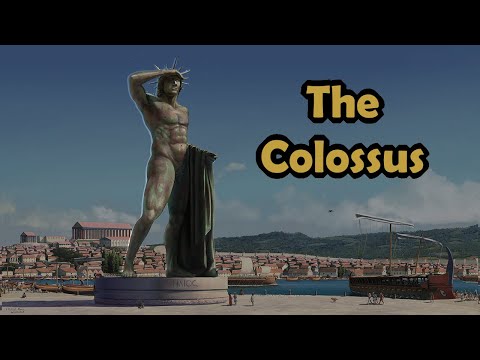
The Colossus of Rhodes: An Anthropological, Historical, and Sociological Inquiry into Ancient Engineering and Symbolism

Introduction

The Colossus of Rhodes stands as a poignant enigma, a testament to the ambition and ingenuity of the ancient world. As the Seventh Wonder of the Ancient World, its sheer scale and the mystery surrounding its existence continue to captivate scholars and enthusiasts alike. This exploration delves beyond mere historical accounts, employing anthropological, sociological, and historical perspectives to understand not just the statue, but the society that conceived it, the artistic ideals it embodied, and the profound lessons embedded within its construction and eventual demise. We will navigate the complexities of Hellenistic history, the nuances of ancient art, and the critical implications of engineering ambitions that push the boundaries of the possible.

A Brief History of Rhodes

Rhodes, a strategically vital island in the Aegean Sea, boasts a rich and often tumultuous history that predates the Colossus. Its position facilitated trade and cultural exchange, making it a melting pot of influences from across the Mediterranean. The island's independence, however, was frequently challenged by larger empires. Following the death of Alexander the Great in 323 BCE, his generals, known as the Diadochi, engaged in a protracted struggle for control of his vast empire. Rhodes, allied with Ptolemy I of Egypt, found itself at the center of these power plays. This period of conflict and flux directly set the stage for the creation of the Colossus, a monument born from both triumph and the threat of destruction. Understanding Rhodes's geopolitical context is crucial to appreciating the motivations behind such a monumental undertaking.

The Colossus: Conception and Construction

The decision to erect the Colossus was a direct response to a significant historical event: the successful repulsion of a siege by Demetrius Poliorcetes, son of Antigonus I Monophthalmus, in 305 BCE. Demetrius's massive military force, including siege towers and naval fleets, was ultimately thwarted by the determined defense of the Rhodians. To commemorate this victory and to honor their patron deity, the sun god Helios, the city-state embarked on an unprecedented construction project. The statue was funded by the sale of discarded siege equipment left by Demetrius's forces, a symbolic act of transforming instruments of war into a monument of peace and pride. The sheer scale of the undertaking—estimated to be around 70 cubits (approximately 100 feet or 30 meters) tall—required innovative engineering and immense resources, reflecting the advanced knowledge of ancient Greek artisans and engineers. The choice of bronze as the primary material, combined with an internal iron and stone framework, speaks to the sophisticated metallurgical and structural understanding of the era.
The construction of the Colossus was not merely an act of commemoration; it was a bold statement of identity and defiance, projecting the power and prosperity of Rhodes onto the world stage.

Sources and the Weaving of Myth

The historical accounts of the Colossus are surprisingly scarce and often contradictory, contributing to its legendary status. Key sources include the writings of Greek historians like Strabo and Pliny the Elder, who visited Rhodes centuries after the statue's construction. Their descriptions, while invaluable, are not eyewitness testimonies to the statue itself. This temporal gap allowed myths and embellishments to intertwine with factual reporting. The enduring image of the Colossus straddling the harbor entrance, a posture often depicted in later artworks, is a prime example of such embellishment. Modern scholars largely agree this iconic pose is a later invention, unsupported by archaeological evidence or the most reliable ancient texts. Analyzing these sources requires a critical anthropological approach, recognizing how cultural narratives and the passage of time can shape our understanding of historical events and artifacts.

Archaeological Investigations

The physical location and precise construction details of the Colossus have been subjects of intense archaeological debate. Unlike many other ancient wonders, no definitive remnants of the Colossus have been unearthed. Early theories placed it near the Mandraki harbor, with some proposing it spanned the harbor's mouth. However, more recent archaeological work and textual analysis suggest a terrestrial placement, likely near the entrance to the harbor, on a pedestal. Discoveries of large stone blocks and bronze fragments on Rhodes have fueled speculation, but none have been conclusively identified as belonging to the statue. The lack of direct archaeological evidence underscores the challenges inherent in reconstructing the material culture of ancient civilizations and highlights the crucial role of comparative archaeological practice.

Alexander's Shadow and the Colossus's Legacy

While the Colossus was erected after Alexander's death, his influence looms large over the Hellenistic period. The fragmentation of his empire created the very geopolitical landscape in which Rhodes thrived and asserted its independence. The ambition to build such a colossal statue can be seen as a reflection of the grandeur and monumentalism characteristic of the successor kingdoms that emerged from Alexander's empire. The statue itself became a symbol of Hellenistic achievement, blending Greek artistic traditions with the scale and ostentation that characterized the era. Its enduring fame, even after its destruction, cemented its place in collective memory, influencing subsequent art and architecture and embodying the human aspiration to create something enduring and awe-inspiring.
The legacy of the Colossus is not solely in its physical form, but in the enduring human desire to mark significant moments and achievements with monumental art.

When the Earth Shook: The Colossus's Demise

The reign of the Colossus was tragically short-lived. Historical accounts suggest it stood for a mere 56 years before succumbing to a powerful earthquake in 226 BCE. The immense statue toppled from its base, shattering into pieces. According to Pliny the Elder, the fallen fragments were so large that few people could embrace them, and it was considered impossible to lift them. For centuries, the colossal bronze ruins lay where they fell, a testament to both human achievement and the humbling power of nature. Eventually, during the Arab conquest of Rhodes in the 653 CE, the debris was reportedly sold and melted down, its bronze repurposed for other uses, thus erasing the last physical vestiges of this ancient marvel.

Debating the Colossus's Stance

The precise location and posture of the Colossus remain fertile ground for scholarly debate. The popular depiction of it straddling the harbor entrance, a visual motif that has persisted for centuries, is largely considered a myth by modern historians and archaeologists. This iconic image likely originated in the Renaissance, influenced by later interpretations and artistic license. Ancient texts, such as Strabo's Geography, describe the statue as standing on "pedestals" within the city, suggesting a terrestrial placement. More recent archaeological surveys and analyses of ancient harbor structures have pointed towards a location near the eastern end of the Mandraki harbor, on a solid foundation rather than spanning the water. The ongoing quest to pinpoint its exact location highlights the challenges of historical reconstruction when definitive evidence is scarce.

DIY Practical Guide: Reconstructing Ancient Knowledge Through Model Building

The mystery surrounding the Colossus invites us to engage directly with the challenge of ancient engineering. While we cannot rebuild the original, we can gain a deeper appreciation for its construction by creating a scaled model. This process involves elements of DIY, historical research, and basic engineering principles.
  1. Research and Scale: Begin by gathering all available information on the Colossus's estimated height (around 70 cubits or 30 meters), estimated weight, and materials (bronze exterior, iron and stone internal structure). Decide on a manageable scale for your model (e.g., 1:100, 1:200). Ensure your chosen scale allows for detailed representation of key features.
  2. Structural Framework: For the internal structure, use strong, lightweight materials like balsa wood, sturdy cardboard, or even PVC pipes for larger models. Based on historical descriptions, create an armature that mimics a human skeleton, providing support for the outer shell. Consider the need for stability at this stage, as it's crucial for larger models.
  3. Exterior Shell: Craft the bronze exterior. For smaller models, thin cardboard, craft foam, or even air-dry clay can be used. For larger, more ambitious models, consider working with thin metal sheets (with appropriate safety precautions) or even fiberglass. The goal is to achieve a smooth, continuous surface that suggests the gleaming bronze of the original.
  4. Base and Pedestal: Recreate the pedestal based on archaeological hypotheses. This could involve sculpting it from clay, building it from stacked wooden blocks, or using textured paint on a sturdy base. Ensure the pedestal can securely support the statue.
  5. Assembly and Detailing: Carefully attach the exterior shell to the internal framework. Pay attention to the anatomical proportions as suggested by scholarly reconstructions. Add details like the discernible musculature or the placement of the arms. If your model is large enough, you might consider adding articulated parts, though this significantly increases complexity.
  6. Finishing Touches: Paint the model using metallic bronze paints. Consider using patinas or weathering techniques to suggest age and the passage of time. You can also research and depict the presumed stance of the Colossus, understanding that it was likely terrestrial, not straddling the harbor. Display your model proudly as a physical representation of your understanding of this ancient wonder.

Frequently Asked Questions

Q1: What was the main purpose of the Colossus of Rhodes? A1: The Colossus of Rhodes was primarily erected to commemorate the successful defense of the city against a siege in 305 BCE and to honor the sun god Helios. It served as a powerful symbol of Rhodian independence, pride, and prosperity. Q2: Was the Colossus of Rhodes really as tall as commonly depicted? A2: While impressively tall, estimates place the Colossus at around 70 cubits (approximately 30 meters or 100 feet). The popular image of it straddling the harbor entrance, often depicted much taller and wider, is largely considered a myth and artistic embellishment from later periods. Q3: What happened to the Colossus of Rhodes? A3: The Colossus stood for only 56 years before being toppled by an earthquake in 226 BCE. Its massive bronze fragments lay in ruins for centuries before reportedly being sold and melted down during the Arab conquest of Rhodes in the 7th century CE. Q4: What materials was the Colossus made from? A4: Ancient sources suggest the Colossus was constructed from bronze plates covering an internal framework of iron and stone. This advanced use of materials for such a monumental structure highlights the engineering capabilities of the era. Q5: Is there any archaeological evidence of the Colossus's existence? A5: No definitive remains of the Colossus itself have been found. Archaeological investigations have focused on determining its exact location and base, with ongoing debates suggesting a terrestrial placement near the harbor rather than spanning it.

The tale of the Colossus of Rhodes is more than just an account of a lost statue; it is a narrative that weaves together history, art, engineering, and human ambition. By examining its origins, construction, and eventual destruction through the lenses of anthropology and sociology, we gain a richer understanding of the values, beliefs, and capabilities of the ancient world. The Colossus, though physically gone, continues to inspire awe and curiosity, reminding us of the enduring human drive to create monuments that speak to the eternal. Its legacy lives on not just in historical texts, but in our ongoing fascination and scholarly pursuit of its enigmatic past.

15 Mysterious Historical Sites You've Probably Never Heard Of

Welcome to El Antroposofista, your premier destination for insightful explorations into the realms of anthropology, archaeology, psychology, and history. We are dedicated to uncovering the less-trodden paths of human knowledge and presenting them in a manner that is both academically rigorous and intellectually stimulating. This post delves into fifteen historical sites shrouded in mystery, places that, despite their profound significance, often remain outside the popular historical narrative. Prepare to embark on a journey through time and enigma.

Introduction: The Allure of the Unknown

The grand narratives of history are often dominated by well-documented empires, famous battles, and widely celebrated figures. Yet, beneath this veneer of familiarity lies a vast landscape of lesser-known historical sites, each holding secrets that continue to baffle scholars and ignite the imagination. These locations, often obscure or overlooked, offer unique insights into past civilizations, forgotten practices, and the enduring human quest for meaning and survival. From subterranean cities to colossal stone effigies, these fifteen enigmatic sites challenge our understanding of history and archaeology.

Our exploration will traverse continents and millennia, drawing upon principles of anthropology, archaeology, and history to unravel the mysteries they hold. We invite you to join this intellectual expedition.

Site 1: The Whispering Walls of Derinkuyu, Turkey

Beneath the Nevşehir Province in Turkey lies Derinkuyu, a vast, ancient multi-level city, carved deep into the earth. This astonishing subterranean complex could house up to 20,000 people along with livestock and food stores. Its origins are debated, with some attributing it to the Phrygians around the 8th to 7th century BC, while others suggest even earlier construction. The city features ventilation shafts, wells, living quarters, stables, chapels, and even wineries, all ingeniously designed for long-term survival.

The sheer scale and complexity of Derinkuyu suggest a society facing constant external threats, necessitating a robust and sophisticated underground refuge.

Its purpose was likely a refuge during times of invasion and persecution, a testament to ancient ingenuity in the face of existential threats. The precise construction methods and the full extent of its interconnected tunnels remain subjects of ongoing archaeological research.

Site 2: The Enigmatic Moai of Easter Island

Rapa Nui, or Easter Island, is famed for its enigmatic Moai statues. These colossal monolithic human figures, carved by the Rapa Nui people between the 13th and 16th centuries, are scattered across the island, many facing inland. Their purpose, transport, and the reasons for their eventual abandonment are still debated. Theories range from ancestral worship to astronomical markers, and the ecological collapse of the island is often cited as a factor in the cessation of Moai construction.

The mystery deepens when considering the logistical feat of moving and erecting these statues, some weighing over 80 tons, across the island's rugged terrain without the use of wheels or advanced machinery. The archaeological evidence points to sophisticated engineering and social organization.

Site 3: The Labyrinths of Knossos, Crete

The Palace of Knossos, the ceremonial and political center of the Minoan civilization, on the island of Crete, Greece, is often associated with the myth of the Labyrinth. While the palace itself is a sprawling complex of rooms, corridors, and courtyards, its intricate design and maze-like structure have fueled legends. The Minoans, a sophisticated Bronze Age culture, left behind frescoes, pottery, and linear scripts (Linear A and B) that hint at a complex society, yet much about their religion, language, and eventual decline remains enigmatic.

Exploring Knossos offers a glimpse into a civilization that flourished thousands of years ago, leaving behind architectural marvels and enduring myths. The discovery of its sophisticated plumbing and drainage systems underscores the advanced nature of Minoan engineering.

Site 4: The Lost City of Petra, Jordan

Petra, the Rose City, carved directly into vibrant red sandstone cliffs, was the capital of the Nabataean Kingdom. This ancient city thrived as a crucial trade hub for incense, spices, and other luxuries from Arabia, India, and beyond. Its impressive facades, such as the Treasury (Al-Khazneh) and the Monastery (Ad-Deir), are marvels of rock-cut architecture. After centuries of prosperity, Petra was gradually abandoned following earthquakes and shifts in trade routes, becoming a lost city until its rediscovery by a Swiss explorer in 1812.

The Nabataeans were master hydrologists, creating intricate systems of dams, cisterns, and conduits to manage water in the arid desert, a feat of engineering still studied today.

The remnants of Petra speak to a powerful and wealthy civilization that mastered its environment and dominated regional trade.

Site 5: The Nazca Lines, Peru

Etched into the arid coastal plains of Peru, the Nazca Lines are a series of colossal geoglyphs, some stretching for hundreds of meters. Created by the ancient Nazca culture between 500 BC and 500 AD, these designs depict various figures, including animals (like a hummingbird, monkey, and spider), plants, and geometric shapes. Their purpose remains one of archaeology's greatest puzzles. Theories abound, from astronomical calendars and ritual pathways to landing strips for extraterrestrial visitors, though anthropological studies favor ritualistic or astronomical functions.

The precision and scale of these lines, visible in their entirety only from high above, continue to inspire awe and speculation, highlighting the advanced understanding of geometry and surveying possessed by the Nazca people. For more on ancient Peruvian cultures, explore resources on archaeological sites in South America.

Site 6: The Sunken City of Thonis-Heracleion, Egypt

Off the coast of Egypt, near Alexandria, lies the submerged ruins of Thonis-Heracleion, once a prominent port city and a vital gateway to Egypt for international trade. Lost to the sea for over a thousand years, this ancient metropolis was gradually rediscovered through underwater archaeology. Excavations have revealed colossal statues, temples, shipwrecks, and countless artifacts, painting a picture of a wealthy and bustling city that predates Alexandria itself. The city's demise is believed to have been caused by a combination of earthquakes and tidal waves.

The discovery of Thonis-Heracleion has significantly reshaped our understanding of ancient Egypt's connection to the Mediterranean world, revealing a vibrant hub of commerce and culture lost to time.

Site 7: The Serpent Mound, Ohio, USA

The Great Serpent Mound in Adams County, Ohio, is the largest and most famous effigy mound in North America. Built by the Fort Ancient culture around 1000 AD, this massive earthwork depicts a coiling serpent, approximately 1,348 feet (411 meters) long. Its exact purpose is unknown, with theories suggesting it was a religious site, a marker for astronomical events, or a symbol of a significant cultural belief. The precise alignment of its curves with celestial phenomena has led to much scholarly debate.

The construction of such an immense earthwork without modern tools speaks to the significant organizational capacity and spiritual devotion of the indigenous peoples of North America. This site is a crucial piece of anthropological history.

Site 8: Göbekli Tepe, Turkey

Predating Stonehenge by thousands of years, Göbekli Tepe in southeastern Turkey is considered the world's oldest known temple complex, dating back to the Pre-Pottery Neolithic period (around 9500–8000 BC). This astonishing site features massive, T-shaped carved stone pillars, many adorned with intricate reliefs of animals. Its discovery fundamentally challenged existing theories about early human civilization, suggesting that complex religious and social structures may have preceded settled agriculture, rather than the other way around.

Göbekli Tepe rewrites our understanding of the Neolithic Revolution, implying that monumental construction and organized religion may have been drivers, not consequences, of settled life.

The purpose of these megalithic structures and the identity of the people who built them remain subjects of intense research and fascination.

Site 9: The Citadel of Masada, Israel

Perched atop a rugged cliff overlooking the Dead Sea, Masada is a formidable ancient fortress. It is most famously associated with the siege of Masada by the Roman army in 73 AD, during the First Jewish-Roman War. According to the historian Josephus, the Jewish defenders, after holding out against the Romans for months, chose mass suicide rather than surrender. Today, Masada stands as a powerful symbol of defiance and martyrdom, with its remains, including Herod the Great's palaces and Roman siege ramparts, offering a stark glimpse into a pivotal moment in history.

The archaeological excavations at Masada provide invaluable data on Roman siege warfare and the final stand of the Sicarii rebels.

Site 10: Cahokia Mounds, Illinois, USA

Near modern-day St. Louis, Missouri, lie the remains of Cahokia, the largest and most influential urban settlement of the Mississippian culture, flourishing between approximately 1050 and 1350 AD. At its peak, Cahokia was a thriving city with tens of thousands of inhabitants, centered around a massive earthen pyramid known as Monks Mound. The city featured a complex social structure, sophisticated agriculture, and extensive trade networks. However, its rapid decline and abandonment remain a subject of much debate among archaeologists and anthropologists.

The intricate planning and construction of Cahokia's mounds, plazas, and defensive palisades offer profound insights into the organizational capabilities of pre-Columbian North American societies. Studying Cahokia falls under the purview of anthropology and archaeology.

Site 11: Skara Brae, Scotland

Located on the Orkney Islands of Scotland, Skara Brae is a remarkably well-preserved Neolithic settlement, older than both Stonehenge and the Egyptian pyramids. This Stone Age village, inhabited between 3180 BC and 2500 BC, consists of a cluster of stone houses linked by covered passages. The discovery of sophisticated stone furniture, drainage systems, and hearths within the dwellings reveals a settled, organized community that thrived in a challenging environment. The site was preserved for millennia by sand dunes before its exposure by a storm.

Skara Brae provides an unparalleled window into the daily lives of Neolithic Europeans, offering tangible evidence of their domestic arrangements, craftsmanship, and community structures.

Site 12: The Great Zimbabwe, Zimbabwe

The Great Zimbabwe ruins are the remnants of an ancient city that was the capital of the Kingdom of Zimbabwe during the Late Iron Age. Built between the 11th and 15th centuries, this impressive stone structure is the largest ancient edifice in Africa south of the Sahara Desert. Composed of dry-stone walls, towers, and enclosures, the site is thought to have been a royal palace or a religious center for a wealthy elite. The origins and decline of this sophisticated civilization have long been a source of mystery and speculation.

The architectural achievements of Great Zimbabwe highlight the advanced societal organization and building capabilities of the Shona people in medieval times, challenging colonial narratives that attributed its construction to foreign builders.

Site 13: The Island of the Dolls, Mexico

While not ancient in the traditional sense, Isla de las Muñecas (Island of the Dolls) near Xochimilco, Mexico, possesses a deeply unsettling and mysterious history that has captured the public imagination. Legend has it that the island's sole inhabitant, Don Julian Santana Barrera, began hanging dolls from trees to appease the spirit of a young girl he believed drowned nearby. Over decades, the island became adorned with thousands of decaying dolls, creating a macabre and eerie landscape. This site offers a chilling intersection of folklore, psychology, and local legend.

The Island of the Dolls serves as a potent reminder of how folklore and personal trauma can coalesce to create sites of intense psychological resonance and eerie beauty.

While its origins are recent, the unsettling atmosphere and the compelling narrative make it a site of significant cultural curiosity.

Site 14: The Oradour-sur-Glane Massacre Site, France

Oradour-sur-Glane, a village in northwestern France, stands as a chilling testament to the atrocities of World War II. On June 10, 1944, Nazi SS troops massacred almost the entire population of the village and subsequently burned it to the ground. The site has been preserved exactly as it was left on that fateful day, serving as a stark memorial and a reminder of the horrors of war. Walking through the ruined streets, with skeletal cars and desolate homes, is a profoundly moving and somber experience.

This site offers a powerful historical lesson, underscoring the importance of remembrance and the devastating consequences of unchecked violence. It's a place where history is not just read, but felt.

Site 15: The Bhangarh Fort, India

Located in Rajasthan, India, Bhangarh Fort is renowned as one of the most haunted places in India. According to legend, the fort was cursed by a sorcerer who was spurned by a princess. The Archaeological Survey of India has prohibited entry into the fort between sunset and sunrise, adding to its mystique. The ruins themselves, though decaying, hint at a once-grand palace complex, with temples, markets, and residential areas, showcasing impressive Rajput architecture.

The enduring legends and the eerie atmosphere surrounding Bhangarh Fort draw numerous visitors, blending historical ruins with local folklore and tales of the supernatural.

DIY Exploration: Documenting Local Mysteries

The world is full of historical mysteries, and many of them are closer than you think. This practical guide will help you start documenting local historical enigmas in your own community.

  1. Identify Potential Mysteries: Look for local legends, unexplained ruins, historical anomalies mentioned in local archives, or places with unusual historical significance. These could be old abandoned buildings, peculiar land formations, or sites of forgotten events. Consider local history books, town records, or even conversations with long-time residents.
  2. Conduct Preliminary Research: Use online resources, library archives, and local historical societies to gather information about your chosen mystery. Look for primary sources like old maps, newspaper articles, diaries, and official documents. Search for related tags such as archaeology, anthropology, or local data.
  3. Document Your Findings: Visit the site (if accessible and safe). Take detailed notes and photographs. Record observations about the physical state of the location, its surroundings, and any features that seem unusual or significant. Consider using mapping tools or even creating your own infographics to illustrate your findings.
  4. Analyze and Interpret: Based on your research and observations, begin to form hypotheses about the mystery. What historical period does it belong to? What might its original purpose have been? What theories exist about its enigmatic nature? Connect your findings to broader anthropological or historical contexts.
  5. Share Your Discoveries: If appropriate, share your documented mysteries with your local historical society, a community blog, or even by creating your own educational content. This DIY approach contributes to the preservation and understanding of local history and can inspire others to explore the past around them. Remember to practice responsible documentation, respecting private property and historical integrity.

Frequently Asked Questions

What makes a historical site "mysterious"?

A historical site is considered mysterious when its origin, purpose, construction, or eventual fate remains largely unknown or subject to significant debate among historians and archaeologists. This often involves a lack of clear textual evidence, unusual architectural features, or compelling legends that defy easy explanation.

How can ordinary people contribute to understanding these sites?

Ordinary individuals can contribute by engaging in responsible tourism, supporting archaeological research through donations or advocacy, participating in citizen science projects (like mapping or photo documentation), and by learning about and sharing accurate information about these sites, dispelling myths and promoting respect for historical preservation.

Are there any common themes among these mysterious sites?

Common themes include advanced engineering or construction techniques that seem out of place for their era, monumental scale, unclear religious or ceremonial purposes, abrupt abandonment, and persistent local legends or folklore that attempt to explain their existence or disappearance.

The exploration of these fifteen sites underscores the vastness of human history and the enduring power of enigma. Each location is a puzzle piece, contributing to our ever-evolving understanding of past civilizations. We encourage you to delve deeper into these fascinating places and to continue your own journey of discovery.

For further insights into historical enigmas and their analysis, we recommend exploring resources on archaeology and anthropology.