Mostrando las entradas para la consulta history of warfare ordenadas por relevancia. Ordenar por fecha Mostrar todas las entradas

The Wronskian's Arsenal: A Socio-Historical Analysis of Destructive Potential

Introduction: Beyond Mere Destruction

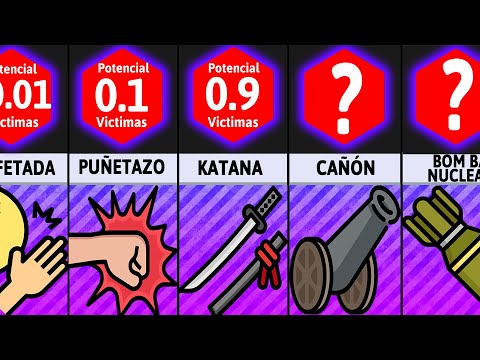
The concept of "weapons" transcends the mere instruments of physical destruction; it encompasses tools and ideologies that have shaped human civilization through millennia of conflict and coexistence. This exploration delves into the diverse categories of weaponry, not just by their destructive potential, (HD), but by their profound impact on societal structures, cultural narratives, and the very trajectory of human history. From the sharpened flint of our ancestors to the sophisticated cyber-warfare of the digital age, understanding these instruments requires a multidisciplinary approach, weaving together insights from anthropology, archaeology, psychology, and history.

The intention behind examining these "most powerful weapons" is not to glorify violence but to foster a critical understanding of human conflict. We aim to dissect the underlying motivations, technological advancements, and societal consequences that have driven the creation and deployment of destructive capabilities. This analysis is informed by the data (data) and historical records available, providing a reference for educational and entertainment purposes.

Historical Context: The Evolution of Destructive Power

The story of human weaponry is intrinsically linked to the story of human societal development. Early hominids likely utilized simple tools—stones, clubs—for defense and hunting, laying the groundwork for more sophisticated implements. The advent of the archaeology revolution brought about new possibilities: the control of fire, the mastery of metallurgy, and the development of projectile weapons like bows and arrows. These innovations significantly amplified human capacity for both resource acquisition and intergroup conflict.

The Bronze Age and Iron Age marked further leaps, enabling the creation of more effective blades, armor, and siege engines. Military organization and strategy evolved in tandem, leading to the rise and fall of empires. Consider the Roman legions, whose disciplined formations and superior weaponry allowed for vast territorial expansion, or the impact of gunpowder in medieval warfare, fundamentally altering battlefield dynamics. Each technological **advancement** (data) represented not just a new tool, but a new chapter in human interaction, often written in blood.

"The history of human conflict is a testament to our ingenuity, both in creation and destruction. The very tools that built civilizations also served to dismantle them."

Further into the modern era, the Industrial Revolution accelerated this trend exponentially. Mass production techniques allowed for the creation of firearms on an unprecedented scale. The 20th century, in particular, witnessed the terrifying escalation of destructive power, culminating in the development of nuclear weapons—a stark reminder of humanity's capacity for self-annihilation. Understanding this historical arc is crucial for appreciating the **context** (history) of contemporary threats.

Socio-Economic Drivers of Weaponry

The development and proliferation of weapons are rarely driven by technological impulse alone. They are deeply embedded within socio-economic and political frameworks. The need for resources, territorial control, and the protection of economic interests have consistently fueled the arms race throughout history. For instance, the colonial expansion of European powers was facilitated by their military and naval superiority, allowing them to establish vast trading networks and exploit labor and resources across the globe.

Economic gain is often a powerful, albeit grim, motivator. The industries that produce and sell weapons—the military-industrial complex—represent a significant global economic sector. This economic incentive can create a self-perpetuating cycle, where the demand for new and more powerful weaponry is stimulated by existing stockpiles and perceived threats. The **data** (data) on global military spending offers a stark illustration of this phenomenon.

Furthermore, the distribution of wealth and resources within societies can influence the types of conflict that arise. Inequality, resource scarcity, and competition for economic dominance can all contribute to instability and the potential for armed confrontation. Analyzing these economic factors provides vital insights into the root causes of conflict, moving beyond superficial explanations. This is a key area of study in both sociology and anthropology.

Psychological Dimensions of Warfare

Beyond the material aspects of weaponry, the psychological underpinnings of conflict are equally significant. Understanding human behavior in the context of aggression, fear, and group identity is central to comprehending why weapons are created and used. The field of psychology offers valuable frameworks for this analysis.

Concepts such as in-group favoritism, out-group derogation, and the bystander effect play crucial roles in shaping attitudes towards war and the use of force. Propaganda and dehumanization tactics are often employed to desensitize populations to violence and to foster a collective will to fight. The psychological impact of witnessing or experiencing warfare, including trauma and post-traumatic stress, also has long-lasting societal repercussions.

"The most dangerous weapon is not the sword or the gun, but the mind that wields it with hatred and prejudice."

The inherent human capacity for both empathy and aggression is a complex duality. Studying the psychological triggers for violence, as well as the mechanisms for de-escalation and peacebuilding, is essential for mitigating conflict. This involves examining individual motivations, group dynamics, and the broader cultural narratives that shape our perceptions of threat and security.

Anthropological Perspectives on Conflict

From an anthropological standpoint, warfare and weaponry are viewed as cultural phenomena, deeply interwoven with a society's norms, values, and social structures. Different cultures develop distinct traditions of conflict, ranging from ritualized combat to total war, each reflecting their unique worldview and historical experiences. Studying ethnographic records and archaeological findings allows us to reconstruct these diverse patterns of human aggression.

Consider the symbolic significance of certain weapons within tribal societies—they may represent status, power, or spiritual connection, extending far beyond their practical utility. Rituals surrounding warfare, from preparation to post-conflict ceremonies, also offer insights into how societies manage and understand violence. The DIY ethos, while often associated with creation, can also be applied to understanding how societies have historically crafted their means of defense and offense using available resources and knowledge.

The study of cultural relativism is paramount here; judging past or present societies by contemporary ethical standards can obscure our understanding of their motivations and contexts. The goal is to comprehend, not condone, the role of weaponry in shaping human societies across the globe. This requires an open mind and a commitment to examining diverse cultural practices with respect.

The examination of maps detailing historical conflicts and the distribution of early human settlements also falls under the anthropological purview, helping us visualize the spatial dimensions of human interaction and conflict.

DIY Analysis: Deconstructing Weapon Symbolism

This section offers a practical guide to analyzing the symbolic meaning of weapons, applying an intellectual (DIY) approach. You can use these steps to better understand the cultural and historical significance of any weapon, from ancient artifacts to modern armaments.

  1. Identify the Weapon and its Context: Research the specific weapon you are interested in. Gather information about its historical period, geographical origin, and the society that produced and used it. Who made it? Who used it? Against whom was it used? What was the socio-political climate?
  2. Analyze Material and Craftsmanship: Examine the materials used (stone, bronze, iron, advanced composites) and the skill involved in its creation. Does the craftsmanship suggest a utilitarian object or a status symbol? Are there intricate designs or engravings? These details can reveal the value placed on the weapon.
  3. Determine Functionality and Application: How was the weapon designed to be used? Was it for hunting, defense, offense, or ritual? Understanding its practical function helps in interpreting its broader role within the society. Consider its range, impact, and ease of use.
  4. Investigate Symbolic Representations: Look for any accompanying myths, legends, or stories associated with the weapon. Does it have a name? Is it depicted in art, religious texts, or heraldry? These elements reveal the symbolic meanings attributed to it, such as power, protection, status, or divine favor.
  5. Explore Social and Cultural Meanings: How did the weapon influence social structures? Did it confer status upon its wielder? Did its presence or absence affect power dynamics within the community? Consider its role in rituals, ceremonies, or as a marker of identity.
  6. Compare and Contrast: If possible, compare the weapon with similar artifacts from different cultures or time periods. What similarities and differences emerge? This comparative analysis can highlight universal aspects of weaponry and the unique cultural interpretations of destructive potential.

By engaging in this analytical process, you can move beyond a superficial understanding of weapons and appreciate their complex integration into the tapestry of human history and culture.

Frequently Asked Questions

Q1: What is the primary focus of this analysis?
A1: This analysis focuses on understanding weapons not just by their destructive capability, but through their historical, socio-economic, psychological, and anthropological contexts.

Q2: Why is it important to study the "most powerful weapons"?
A2: Studying these weapons helps us comprehend the drivers of human conflict, technological evolution, and their profound impact on societal development and global history.

Q3: How does the DIY section contribute to the analysis?
A3: The DIY section provides a practical framework for readers to critically analyze the symbolism and cultural significance of weapons, encouraging active learning and deeper engagement with the subject matter.

Q4: Are there links to external sources for further information?
A4: Yes, this post includes links to reputable external resources and internal blog tags to facilitate further exploration into related topics such as weaponry on Britannica and key concepts in anthropology.

In conclusion, the study of the world's "most powerful weapons" is a vital endeavor for understanding the human condition. It compels us to confront the dual nature of human ingenuity—our capacity for creation mirrored by our potential for destruction. By integrating historical context, socio-economic drivers, psychological insights, and anthropological perspectives, we gain a more nuanced appreciation of how these instruments have shaped our past and continue to influence our present. The ongoing dialogue and critical examination of these complex issues are essential for navigating the future and fostering a more peaceful coexistence.

The Unseen Cruelty: Understanding Punishment in the Vietnam War

The Vietnam War, a conflict etched deeply into the annals of 20th-century history, represents a complex period of transition in warfare. It was a crucible where traditional military strategies met nascent guerrilla tactics, and in its shadow, the darker aspects of human nature and political retribution were starkly revealed. This era serves as a somber reminder of how far societies might descend when driven by political vendettas and ideological struggles. This exploration delves into the often-overlooked realities of punishment—both by the state and within military structures—during this highly controversial conflict, aiming to provide a rigorous academic and historical perspective.

Punishment: Beyond the Battlefield

While the battlefield of Vietnam is synonymous with intense combat, the mechanisms of control and discipline within military forces, and the retributive actions against perceived enemies, reveal a more nuanced and often brutal reality. Understanding punishment during the Vietnam War requires looking beyond direct combat casualties to examine the systematic or individual acts employed to enforce discipline, extract information, or exact retribution. These practices, often operating in the gray areas of military law and international humanitarian law, speak volumes about the psychological pressures and moral compromises inherent in prolonged conflict.

From an anthropological perspective, warfare amplifies social structures and power dynamics. Punishment, in this context, becomes a tool to reinforce group cohesion, deter dissent, and dehumanize the 'other.' Sociologically, the war's impact was not confined to the battlefield; it permeated military hierarchies and influenced the treatment of prisoners of war (POWs) and suspected enemy combatants.

Methods of Punishment and Interrogation

The Vietnam War saw a spectrum of practices that could be classified as punishment, ranging from formal disciplinary actions to informal, often brutal, methods used in interrogation or as retribution. The ambiguity of the conflict, with its elusive enemy and blurred lines between combatants and civilians, contributed to an environment where established protocols might be disregarded.

Information regarding specific punishment methods is often derived from soldier testimonies, historical accounts, and reports from human rights organizations. These accounts, while sometimes difficult to verify definitively due to the nature of war, paint a disturbing picture.

The psychological and physical endurance required of soldiers in Vietnam was immense, and the methods employed to maintain order or elicit information often pushed the boundaries of accepted human treatment.

The Toll of Isolation: Months of Solitude

One of the most psychologically damaging forms of punishment employed was prolonged isolation. For soldiers found guilty of serious offenses, or for high-value prisoners of war, extended periods spent in solitary confinement could have devastating mental health consequences. This practice was not unique to the Vietnam War, but its application within the context of this conflict highlights a common strategy for control and psychological warfare.

The rationale behind isolation as punishment often centers on breaking an individual's spirit and will. Deprived of social interaction, sensory stimulation, and a clear sense of time, individuals can experience disorientation, paranoia, and severe depression. This form of punishment, while less overtly violent than others, can inflict deep and lasting psychological scars.

Strapped to the Bed: Extreme Physical Restraint

Accounts suggest that extreme physical restraint was also utilized. Being strapped to a bed for extended periods, with limited movement and no relief, represents a severe form of physical control. This method can lead to physical discomfort, muscle atrophy, and psychological distress. The intent is often to immobilize, humiliate, and subdue the individual.

From a historical standpoint, physical restraint has been a near-universal method of control in various societies and institutions. However, the duration and context in which it was applied in Vietnam raise serious questions about its proportionality and humanity, particularly when used as a punitive measure outside formal legal proceedings.

Meat Hook Hangers and Psychological Warfare

Perhaps the most shocking accounts involve the use of instruments like "meat hook hangers." While the precise nature and prevalence of such practices are subject to historical scrutiny and verification, their mere suggestion points to an extreme level of cruelty. These practices, if they occurred as described, transcend mere discipline and enter the realm of torture and severe human rights violations.

The use of 'meat hook hangers' points to a systematic dehumanization, transforming individuals into objects for infliction of pain and suffering, a tactic often employed in situations of extreme ideological conflict.

These methods were often intertwined with psychological warfare. The goal was not just to punish but to instill fear, break morale, and extract information, blurring the lines between disciplinary action and torture.

Sleep Deprivation and Starvation

Sleep deprivation and starvation were recognized and utilized tactics during the Vietnam War, often as interrogation techniques that also served as severe forms of punishment. By denying fundamental human needs—rest and sustenance—individuals could be brought to a state of extreme vulnerability, making them more susceptible to suggestion, confession, or compliance.

These methods exploit the body's basic biological requirements. Chronic sleep deprivation impairs cognitive function, induces hallucinations, and severely degrades an individual's mental and physical state. Starvation similarly weakens the body, leading to organ damage and potentially death. Their use as punitive or coercive measures highlights a grim facet of the war's human cost.

Historical and Sociological Context

The Vietnam War occurred during a period of significant global ideological tension, the Cold War. This geopolitical backdrop fueled proxy conflicts and influenced military conduct. The nature of the war—a protracted, asymmetric conflict fought in challenging terrain with an often-invisible enemy—created unique pressures on military forces.

Sociologically, understanding punishment in this context requires examining concepts like:

  • Dehumanization of the enemy: Essential for justifying violence and retribution.
  • Group dynamics: The pressure to conform within military units, potentially leading to perpetuation of abusive practices.
  • Command responsibility: The role of leadership in establishing and enforcing rules of engagement and disciplinary procedures.
  • Legal frameworks: The application (or misapplication) of international humanitarian law, such as the Geneva Conventions.

The legacy of these practices continues to be debated, informing contemporary discussions on law and order, the ethics of warfare, and the psychological impact of conflict on all parties involved.

DIY Intellectual Toolkit: Analyzing War Crimes Narratives

Engaging critically with accounts of warfare and punishment requires a structured approach. This toolkit offers a method to analyze such narratives:

  1. Identify the Source and Bias: Determine who is providing the account (soldier, historian, victim, government report) and consider their potential biases or agenda. For instance, a soldier's memoir might be influenced by trauma or a need for justification, while a historical account may rely on multiple sources for verification.
  2. Corroborate Evidence: Seek multiple, independent sources that confirm or deny the alleged events. Are there other soldiers' testimonies, declassified documents, or academic analyses that support the claim? Conversely, are there accounts that contradict it? This is crucial for discerning factual accounts from propaganda or isolated incidents.
  3. Contextualize the Practice: Understand the military and political environment in which the alleged punishment occurred. Was it a common practice, an isolated incident, a formal disciplinary action, or an informal act of cruelty? Examining the broader history of warfare can reveal patterns of behavior.
  4. Analyze Language and Tone: Pay attention to the descriptive language used. Words like "brutal," "inhumane," or "cruel" are evaluative. Try to separate factual descriptions of actions from the emotional interpretation. For example, instead of just noting "torture," look for descriptions of specific acts that constitute torture.
  5. Consider the Legal and Ethical Framework: Evaluate the alleged actions against contemporary and historical international laws and ethical standards (e.g., Geneva Conventions). Was the act a violation of established norms, and what were the consequences (or lack thereof)?
  6. Document Meticulously: Keep detailed notes of your findings, including source, date, and specific claims. This rigorous approach is fundamental to academic historical research and prevents the perpetuation of misinformation.

Frequently Asked Questions

What were the primary reasons for using punishment in the Vietnam War?

Punishment served multiple purposes, including enforcing military discipline, deterring future misconduct, extracting intelligence from prisoners, and exacting retribution against perceived enemies. The unique nature of the conflict, with its asymmetric warfare and blurred lines, often led to the use of methods beyond standard military regulations.

Were these methods of punishment officially sanctioned?

While formal disciplinary procedures existed, many of the more extreme and brutal methods described, such as prolonged isolation, extreme physical restraint, or the alleged use of "meat hook hangers," were often not officially sanctioned. They may have occurred as isolated incidents, as unauthorized actions by individuals or units, or within the highly secretive context of interrogation operations.

How reliable are the accounts of these harsh punishments?

Accounts of harsh punishments in the Vietnam War come from various sources, including veteran testimonies, prisoner memoirs, journalistic reports, and historical analyses. While some accounts are well-documented and corroborated, others remain difficult to verify definitively due to the chaotic nature of war and the passage of time. Critical evaluation of each source and seeking corroboration are essential for historical accuracy.

What is the difference between punishment and torture in the context of war?

Punishment typically refers to sanctions imposed for violating established rules or laws within a defined authority. Torture, conversely, is the intentional infliction of severe physical or mental pain or suffering on an individual, often to obtain information, punish, coerce, or intimidate, and is widely considered illegal under international law.

Conclusion and Final Reflection

The Vietnam War was a watershed moment in modern history, not only for its strategic and political implications but also for the profound ethical questions it raised about the conduct of warfare. Examining the methods of punishment employed during this conflict—from isolation and physical restraint to sleep deprivation and alleged torture—reveals the dark underbelly of human conflict. These practices, whether officially sanctioned or not, offer critical insights into the psychological toll of war, the dynamics of power within military structures, and the enduring struggle to uphold human dignity amidst brutality.

Understanding these aspects is not merely an academic exercise; it is vital for comprehending the broader historical narrative and for informing contemporary ethical considerations in international relations and conflict resolution. The legacy of such practices serves as a perpetual reminder of the need for accountability, adherence to international law, and the constant vigilance required to prevent the recurrence of such inhumane acts. The lessons learned from the Vietnam War continue to resonate, urging us to reflect on the true cost of political and ideological struggles.

Vlad the Impaler: Unveiling the Historical Roots of the Dracula Myth

The enduring legend of Count Dracula, a nocturnal predator fueled by an insatiable thirst for blood, has captivated imaginations for generations. This iconic figure of gothic horror, however, may not be entirely a figment of literary fancy. Many scholars and historians propose that Bram Stoker's immortal vampire was significantly inspired by a historical figure whose reign of terror in 15th-century Europe was as notorious as it was brutal: Vlad III, Prince of Wallachia, more commonly known as Vlad the Impaler.

This article delves into the life and deeds of Vlad the Impaler, exploring the historical context that may have shaped the vampire myth. We will examine his formidable reputation, his infamous methods of punishment, and the impact he had on European consciousness. By dissecting the historical accounts and considering their potential influence on later folklore, we aim to illuminate the fascinating intersection of history and mythology, and uncover the real-life figure behind the legendary monster.

The Historical Crucible: Wallachia in the 15th Century

To understand Vlad the Impaler, one must first grasp the turbulent geopolitical landscape of 15th-century Eastern Europe. Wallachia, a principality situated between the powerful Kingdom of Hungary and the expanding Ottoman Empire, was a region constantly caught in the crossfire of imperial ambitions. Political instability, internal power struggles, and frequent incursions from both Hungarian and Ottoman forces created an environment where ruthless leadership was often seen as a prerequisite for survival.

The principalities of Wallachia, Moldavia, and Transylvania functioned as a buffer zone, their rulers frequently forced to navigate a treacherous diplomatic path, often paying tribute to the Ottoman Sultan while seeking protection from Hungarian or Polish monarchs. This precarious existence meant that a prince's ability to project strength and maintain order within his own borders was paramount, not only for the welfare of his people but for his very own survival.

Early Life and Ottoman Captivity

Vlad III was born around 1431, the son of Vlad II Dracul, who was a member of the Order of the Dragon, a chivalric order founded to defend Christendom against the Ottoman Empire. The epithet "Dracul," meaning "Dragon," was bestowed upon his father, and Vlad III inherited it, later adding the suffix "-ul" to denote "son of the Dragon." This affiliation, however, did not prevent his family from engaging in complex political maneuvering.

As part of an effort to secure his own legitimacy and maintain a semblance of peace with the Ottoman Empire, Vlad II sent his young sons, Vlad and Radu, as hostages to the Ottoman court. This period of captivity, lasting several years, profoundly shaped the young Vlad. While his brother Radu eventually embraced Ottoman culture and even developed a close relationship with Sultan Mehmed II, Vlad is believed to have harbored a deep resentment and a burning desire for revenge against the Turks, fueled by the humiliation and the political machinations he witnessed and endured.

The experience of being a hostage within the Ottoman court instilled in Vlad a deep understanding of Ottoman military tactics and a profound hatred for their expansionist policies, elements that would later define his own fierce resistance.

The Reign of Terror: Methods of Vlad the Impaler

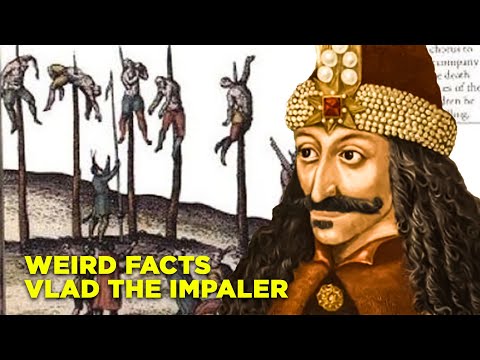
Upon his return to Wallachia and subsequent ascension to the throne, Vlad III became notorious for his exceptionally cruel methods of punishment, particularly impalement. This gruesome practice, which gave him his chilling moniker, was not invented by Vlad but was an ancient form of execution used across various cultures. However, Vlad elevated its application to an art form of psychological warfare.

His victims, often criminals, political opponents, and especially Ottoman soldiers and collaborators, would be impaled on sharpened stakes, sometimes left to die slowly in public displays. These "forests of the impaled" served as a stark warning to anyone who dared to defy his rule or threaten his principality. Accounts from contemporary chroniclers, such as the German pamphlets that circulated widely, described scenes of unimaginable horror designed to instill fear and break the will of his enemies.

The psychological impact of these displays cannot be overstated. Vlad sought not only to eliminate threats but to terrorize them into submission. His methods were a calculated strategy to assert absolute authority and deter any internal dissent or external aggression. His unwavering resolve and brutal efficiency in dispensing justice, however barbaric by modern standards, were seen by some of his own people as necessary measures in a chaotic era.

Wars and Diplomacy: Battling the Ottoman Empire

Vlad the Impaler's reign was largely defined by his relentless struggle against the expansionist Ottoman Empire. He viewed himself as a defender of Christendom, a bulwark against the Islamic tide that threatened to engulf Eastern Europe. His military campaigns were characterized by daring raids, scorched-earth tactics, and a cunning understanding of his enemy's strengths and weaknesses.

In 1462, Sultan Mehmed II, the conqueror of Constantinople, launched a massive invasion of Wallachia with an army estimated to be over 100,000 strong. Vlad, with a significantly smaller force, employed guerrilla warfare and psychological tactics. He famously ordered the impalement of tens of thousands of captured Ottoman soldiers, creating a terrifying spectacle outside the Ottoman camp near Târgoviște—an event known as the "Forest of the Impaled."

The sheer audacity and brutality of the 'Forest of the Impaled' reportedly shocked Mehmed II himself, contributing to his eventual withdrawal, though Wallachia ultimately fell under Ottoman influence for a period.

Despite his fierce resistance, Vlad's reign was marked by internal strife and shifting alliances. He was eventually overthrown, imprisoned, and later reinstated, only to be finally defeated and killed in battle around 1476 or 1477. His complex legacy as a national hero and a brutal tyrant continues to be debated by historians.

For further insight into historical conflicts, explore the History of global warfare and the intricate dynamics of Wars & Battles of the World.

Legacy and the Birth of the Dracula Myth

Vlad the Impaler's notoriety spread throughout Europe during his lifetime, largely through pamphlets and chronicles written by his enemies and detractors. These accounts, often embellished, painted a vivid picture of a cruel and bloodthirsty ruler. It is this reputation, combined with the geographical setting of his principality—transylvania, a region steeped in folklore and bordering superstitious rural communities—that likely contributed to his transformation into the legendary Count Dracula.

Bram Stoker, an Irish author, encountered tales of Vlad III in the late 19th century. While the extent of his direct research into Vlad's life is debated, the parallels are striking: a noble figure from Eastern Europe associated with blood and terror, ruling over a region perceived by Western Europeans as remote and mysterious. The name "Dracula," derived from Vlad's father's membership in the Order of the Dragon, added a layer of aristocratic mystique.

The association between Vlad the Impaler and the vampire myth highlights how historical figures and events can become fertile ground for folklore. The fear of the unknown, the anxieties surrounding foreign powers, and the inherent human fascination with the macabre all coalesced around the figure of the impaling prince, eventually giving rise to one of literature's most enduring monsters. Understanding this transition requires looking at how history is recorded, how narratives are shaped, and how cultural perceptions influence the creation of myths. This process is akin to dissecting primary source data to understand historical events, a skill that requires critical analysis of available information.

The concept of historical figures inspiring fictional characters is a recurring theme. For instance, understanding the historical context of figures in Mafia Inspired Stories or the History of Asia can reveal similar patterns of myth-making.

DIY Practical Guide: Historical Source Analysis

Understanding figures like Vlad the Impaler requires engaging with historical sources critically. Here’s a basic guide to analyzing primary and secondary sources:

  1. Identify the Source Type: Determine if the source is primary (created during the time period, e.g., a chronicle, letter, artifact) or secondary (written later, e.g., a history book, academic article).
  2. Assess the Author/Creator: Who created the source? What was their background, potential biases, or agenda? For Vlad, consider the nationality and political leanings of chroniclers (e.g., German pamphlets versus Ottoman accounts).
  3. Determine the Purpose: Why was the source created? Was it to inform, persuade, record, or entertain? Pamphlets about Vlad often aimed to demonize him and garner support for anti-Ottoman efforts.
  4. Analyze the Content: What information does the source provide? Look for specific details, claims, and evidence. Be aware of potential exaggerations or omissions.
  5. Corroborate with Other Sources: Compare the information with other available sources, both primary and secondary. Do accounts align, or are there significant discrepancies? This is crucial for building a more complete picture. For example, cross-reference German accounts with any surviving Wallachian or Ottoman records.
  6. Consider the Historical Context: When and where was the source created? How might the political, social, and cultural circumstances of that time have influenced the source's content and presentation? The constant warfare in 15th-century Wallachia is vital context for understanding Vlad's actions.
  7. Evaluate Reliability and Credibility: Based on the above points, how reliable is the source? Does it provide factual information, or is it heavily biased propaganda? Recognize that even biased sources can offer valuable insights into contemporary perceptions.

Engaging in this kind of critical analysis is fundamental to the field of History and provides a practical approach to understanding historical events and figures, connecting to broader themes in Antropología and Sociología.

Frequently Asked Questions

Is Vlad the Impaler the only inspiration for Dracula?

While Vlad the Impaler is the most prominent historical figure linked to Dracula, Bram Stoker likely drew inspiration from various sources, including gothic literature, Eastern European folklore, and perhaps even his own personal experiences and observations. However, Vlad's notoriety for cruelty and his historical context make him the primary candidate.

Was impalement Vlad's invention?

No, impalement was an ancient form of execution used in various cultures long before Vlad III's time. Vlad the Impaler is known for his extensive and particularly gruesome use of this method as a form of psychological warfare and state-sponsored terror.

Did Vlad the Impaler drink blood?

There is no historical evidence to suggest that Vlad the Impaler drank blood. This characteristic is a direct invention of folklore and Bram Stoker's fictional creation, Count Dracula. Vlad's historical infamy stems from his cruel methods of execution, not vampiric practices.

How did Vlad the Impaler become associated with vampires?

His association with vampires largely stems from his historical reputation for extreme cruelty and bloodshed, particularly the method of impalement. Bram Stoker, researching for his novel, encountered accounts of Vlad and found his name, title ("Dracula"), and the brutal nature of his rule to be fitting inspiration for a fictional vampire count ruling over a mysterious, Eastern European land.

Thank you for joining us on this exploration of a figure whose life blurred the lines between history and legend. We encourage you to share your thoughts and insights in the comments below. What other historical figures do you believe have inspired enduring myths?

Worst Military Leaders: An Anthropological and Historical Analysis

Introduction: Defining Military Ineptitude

The annals of history are replete with tales of strategic brilliance and valiant victories. However, for every triumphant general, there exists a less celebrated counterpart whose decisions led to devastating defeats and immense suffering. This exploration delves into the nature of military ineptitude, moving beyond simple blame to understand the complex interplay of factors that can render even the most well-intentioned leaders catastrophically ineffective. We aim to dissect the characteristics, circumstances, and consequences associated with the worst military leaders, offering a nuanced perspective grounded in anthropology, history, and sociology.

The intention behind this analysis is to provide readers with a rigorous framework for understanding historical military failures. By examining specific examples and drawing upon academic disciplines, we seek to fulfill the search intent of those interested in the strategic, psychological, and societal dimensions of warfare and leadership.

The Weight of Command: Historical Perspectives on Military Leadership

Throughout history, the role of a military leader has been idealized, often portrayed as a paragon of courage, strategic acumen, and unwavering resolve. Yet, the reality of command is far more complex, fraught with immense pressure, imperfect information, and the grave responsibility for the lives of thousands. From ancient empires to modern conflicts, the success or failure of entire nations has hinged on the competence of their military commanders.

The study of history reveals recurring patterns in leadership, both successful and disastrous. Early military thinkers, such as Sun Tzu, emphasized the importance of understanding oneself and the enemy, the art of deception, and the strategic avoidance of unnecessary conflict. Conversely, leaders who disregarded these principles often found themselves on the wrong side of pivotal battles.

"Victorious warriors win first and then go to war, while defeated warriors go to war first and then seek to win." – Sun Tzu, The Art of War.

This aphorism underscores a critical aspect of military leadership: the necessity of meticulous preparation and strategic foresight. Leaders who fail to cultivate these qualities, often driven by overconfidence, hubris, or a fundamental misunderstanding of their adversary and the operational environment, are prone to catastrophic errors.

Analyzing Catastrophic Failures: Case Studies in Military Mismanagement

Examining specific historical figures provides crucial insight into the manifestation of military ineptitude. These leaders, through a series of miscalculations and flawed strategies, left indelible marks of failure on the historical record.

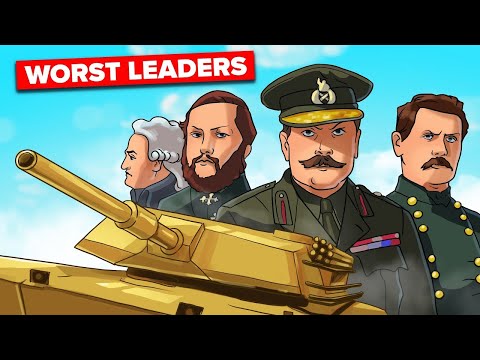
  • Napoleon Bonaparte's Russian Campaign (1812): While Napoleon is often lauded for his military genius, his disastrous invasion of Russia exemplifies the perils of overextension and underestimation of an opponent. The logistical nightmares, the brutal Russian winter, and the scorched-earth tactics employed by the Russians decimated the Grande Armée, marking a significant turning point in his career.
  • General George Custer at the Battle of Little Bighorn (1876): Custer's impetuous decision to divide his forces and attack a superior Native American encampment, despite warnings and intelligence to the contrary, resulted in the annihilation of his command. His overconfidence and disregard for tactical prudence led to one of the most infamous defeats in American military history.
  • Field Marshal Douglas Haig during World War I: Often criticized for his leadership during the Battle of the Somme and other major offensives on the Western Front, Haig's adherence to costly frontal assaults, despite unprecedented casualties and minimal territorial gains, highlights a rigid and unimaginative approach to warfare in an era of rapidly evolving military technology.

These examples, drawn from different eras and contexts, illustrate common threads: a failure to adapt to changing circumstances, an underestimation of the enemy, and a disregard for the human cost of military action. The archaeological and historical records of these campaigns offer tangible evidence of their devastating consequences.

The Psychology of Command: Cognitive Biases and Poor Decision-Making

Beyond strategic errors, the psychological makeup of military leaders plays a pivotal role. Understanding cognitive biases, personality traits, and the pressures of command is crucial for a comprehensive analysis. The field of psychology offers valuable frameworks for deconstructing these elements.

Confirmation Bias: Leaders may actively seek out or interpret information in a way that confirms their pre-existing beliefs, ignoring evidence that contradicts their plans. This can lead to dangerous overconfidence and a refusal to reconsider flawed strategies.

Groupthink: In tightly knit command structures, dissent can be suppressed, leading to a consensus that prioritizes harmony over critical evaluation. This can prevent vital counterarguments or alternative perspectives from being heard.

"The greatest enemy of knowledge is not ignorance, it is the illusion of knowledge." – Stephen Hawking.

This quote by Hawking resonates deeply within the context of military leadership. A leader who believes they possess all the answers, or who surrounds themselves with sycophants, is particularly vulnerable to making decisions based on an illusion of understanding rather than on objective reality.

Stress and Fatigue: The immense pressure and long hours inherent in military command can impair judgment, leading to decision fatigue and emotional reactivity. Leaders under extreme duress may resort to simplistic, often disastrous, solutions.

An Anthropological View: Culture, Society, and the Military Leader

From an anthropological perspective, military leadership cannot be divorced from its cultural and societal context. The norms, values, and structures of a society shape the expectations placed upon its military leaders and influence the very nature of warfare itself.

Cultural Scripts: Different cultures possess distinct "scripts" for leadership, heroism, and warfare. A leader whose actions align with prevailing cultural narratives may be more readily accepted, even if their strategies are ultimately flawed. Conversely, a leader who deviates from these norms might face internal resistance, regardless of their potential effectiveness.

Social Structures: The hierarchical nature of military organizations, and indeed many societies, can influence decision-making. A leader's position within a social structure can grant them authority, but it can also insulate them from the realities faced by those on the ground, perpetuating a disconnect that leads to poor strategic choices.

Rituals and Symbolism: Military traditions, rituals, and symbolism often serve to reinforce group identity and loyalty. While these elements can be powerful tools for cohesion, an overemphasis on form over substance, or a rigid adherence to outdated traditions, can hinder adaptation and innovation in the face of modern challenges.

DIY Practical Guide: Analyzing Historical Military Strategies

Understanding historical military events requires critical engagement with primary and secondary sources. This guide provides a step-by-step approach to analyzing military strategies from an academic perspective, allowing you to apply principles of history and strategy in your own research.

  1. Identify the Core Objective: Determine the primary goal of the military campaign or battle being studied. Was it territorial conquest, defensive security, political leverage, or something else entirely?
  2. Research the Context: Understand the geopolitical situation, the available technology, the socio-economic conditions, and the cultural norms of the time. This context is crucial for evaluating the decisions made. Explore resources like scholarly articles on world history or detailed biographies of key figures.
  3. Analyze the Leadership: Investigate the background, training, and known decision-making patterns of the military leaders involved. Consider their adherence to established military doctrines or any deviations from them.
  4. Examine the Strategy and Tactics: Break down the specific plans and actions taken by each side. Consider troop deployment, logistical considerations, use of terrain, and innovative or conventional approaches.
  5. Evaluate the Information Available: Consider what intelligence each side likely possessed. Were leaders acting on incomplete or biased information? Were there opportunities for better reconnaissance or intelligence gathering?
  6. Assess the Outcomes: Analyze the immediate and long-term consequences of the strategies employed. Did they achieve the stated objectives? What were the human and material costs? Compare the effectiveness of different approaches.
  7. Consult Secondary Sources: Read analyses by reputable historians and military strategists. Compare their interpretations with your own findings to gain a broader understanding. Look for academic journals or books on specific military eras.

Frequently Asked Questions

What distinguishes a bad military leader from a simply unlucky one?

A bad military leader typically exhibits a pattern of poor decision-making stemming from flawed judgment, overconfidence, inability to adapt, or disregard for intelligence. An unlucky leader might face unforeseen circumstances or simply be on the wrong side of probability, despite competent leadership.

How do cultural factors influence military leadership?

Culture shapes the expectations of leaders, the acceptable methods of warfare, and the values that underpin military action. What is considered effective or heroic in one culture might be seen as reckless or barbaric in another.

Can a leader be brilliant in peacetime but a failure in war?

Absolutely. Peacetime leadership often involves administration, diplomacy, and long-term planning. Wartime leadership demands rapid decision-making under pressure, adaptability, and an understanding of tactical and strategic combat, which are different skill sets.

What role does technology play in mitigating poor leadership?

Advanced technology can provide better intelligence, improve communication, and enhance operational capabilities. However, it cannot compensate for fundamental flaws in strategic thinking or decision-making. Poor leadership can squander even the most advanced technological advantages.

Are there resources for further study on this topic?

Yes, numerous academic texts on military history, strategy, and the psychology of leadership are available. Additionally, historical documentaries and reputable online archives offer valuable insights. For instance, resources detailing the First World War or specific campaigns can provide in-depth case studies.

Conclusion and Final Reflection

The study of the worst military leaders is not merely an exercise in identifying historical failures; it is a critical endeavor that offers profound lessons for understanding the complexities of power, decision-making, and the human cost of conflict. By integrating insights from anthropology, history, and psychology, we gain a more comprehensive appreciation of the multifaceted nature of leadership and the conditions that can lead to catastrophic outcomes.

The recurring themes of hubris, inflexibility, and a disconnect from reality serve as enduring cautionary tales. As we continue to navigate a world where geopolitical tensions persist, understanding these historical precedents is more vital than ever. The pursuit of knowledge in these fields equips us not only to analyze the past but also to critically evaluate the present and strive for wiser, more effective leadership in the future.

The Esoteric Symbolism of Ukrainian Battalion Insignia: An Anthropological and Historical Deep Dive

Welcome to El Antroposofista, your nexus for understanding the intricate tapestry of anthropology, archaeology, psychology, and history. Today, we embark on a fascinating exploration into a realm often overlooked yet profoundly significant: the symbolism embedded within the insignia of Ukrainian military battalions. This examination transcends mere identification, delving into the historical, cultural, and psychological underpinnings that shape these visual identifiers.

Introduction: Beyond the Patch

Military insignia are far more than decorative elements; they are condensed narratives, potent symbols that communicate identity, ideology, and history. For Ukrainian battalions, particularly in recent times, these symbols have become crucial markers of resistance, national identity, and individual belonging. Understanding their design, evolution, and adoption offers a unique window into the socio-political landscape of Ukraine, drawing upon anthropological insights into group formation, historical precedents in vexillology, and psychological principles of affiliation.

The search for the meaning behind these emblems reflects a deeper human need to understand belonging and purpose. It taps into the **intentión de búsqueda académica** of individuals seeking to contextualize contemporary conflicts within broader historical and cultural frameworks. By dissecting these symbols, we engage with a form of visual ethnography, revealing layers of meaning that resonate with historical memory and contemporary aspirations.

This exploration is semantically rich, touching upon keywords such as: Ukrainian military symbols, battalion insignia, vexillology, national identity, anthropology of conflict, historical symbolism, cultural markers, and psychology of affiliation. We will also refer to key concepts like collective memory, ethno-nationalism, and visual rhetoric.

Historical Roots of Military Symbolism

The practice of using distinctive symbols for military units is ancient. From the Roman aquila (eagle standard) to the banners of medieval knights and the regimental badges of colonial armies, these emblems have served critical functions. They fostered unit cohesion, provided battlefield recognition, and symbolized the honor and traditions of the group.

Historically, these symbols often drew from:

  • Mythology and Religion: Invoking divine protection or legendary heroes.
  • Heraldry: Utilizing established symbols of nobility and lineage.
  • Local Flora and Fauna: Representing the geographical origin or characteristics of the unit.
  • Abstract Geometric Designs: Conveying specific virtues like strength or vigilance.

The evolution of military symbolism closely mirrors broader societal changes, including the rise of nationalism, technological advancements in warfare, and the increasing importance of mass mobilization. The insignia of the early 20th century, for instance, often reflected the burgeoning nationalistic fervor that characterized the period leading up to World War I, a conflict profoundly impacting Ukraine's historical trajectory.

"Symbols are the primal elements of understanding. They condense complex realities into forms that resonate deeply with the collective psyche."

Analyzing Ukrainian Insignia: A Multifaceted Approach

Ukrainian military insignia, particularly those adopted by volunteer battalions and more recently integrated into the broader armed forces, present a complex mosaic. They often blend traditional Slavic motifs with modern political and ideological currents. An anthropological lens helps us understand how these symbols function within specific social contexts, reinforcing group boundaries and fostering a sense of shared purpose.

Key elements commonly found include:

  • The Tryzub (Trident): Ukraine's national coat of arms, a powerful symbol of statehood and historical continuity, often incorporated in various forms.
  • Cossack Motifs: References to the historical Cossack Hetmanate, evoking themes of freedom, martial prowess, and self-governance.
  • Orthodox Christian Imagery: Crosses, halos, and depictions of saints, reflecting the dominant religious identity.
  • Animal Symbolism: Wolves (strength, ferocity), eagles (vision, power), bears (resilience), and mythical creatures.
  • Geometric and Abstract Designs: Often conveying specific tactical roles or ideological leanings.

The adoption and adaptation of these symbols are not static. They evolve in response to conflict dynamics, political shifts, and external influences. Examining their changes over time, especially since 2014, provides crucial insights into Ukraine's ongoing struggle for sovereignty.

Case Studies: Deconstructing Specific Insignia

Let's examine a few hypothetical (or representative) examples to illustrate the analytical process. Please note that actual insignia designs are diverse and can change rapidly.

  1. The "Wolf's Hook" Battalion: Often features a stylized wolf head, sometimes incorporating a runic symbol resembling the "Algiz" or "Wolfsangel."
    • Anthropological Interpretation: The wolf signifies ferocity and pack unity. The potential use of runic elements, particularly those with historical associations (though sometimes controversial), may point towards nationalist ideologies or a desire to invoke ancient warrior traditions. This requires careful contextualization within the specific unit's ideology and historical background.
    • Historical Context: Wolf imagery has long been associated with warriors across various cultures. The "Wolfsangel" has a complex history, appearing in medieval seals and later adopted by some far-right groups, necessitating a nuanced approach to its interpretation in contemporary Ukrainian contexts.
  2. The "Cossack's Fury" Brigade: Typically displays a Zaporozhian Cossack figure, often with a saber, against a backdrop of the Ukrainian flag or wheat fields.
    • Anthropological Interpretation: This is a clear evocation of Ukraine's historical martial identity. The Cossack represents freedom, defiance, and the spirit of self-determination, resonating deeply with national consciousness.
    • Historical Context: The legacy of the Zaporozhian Sich is central to Ukrainian national identity. This symbol directly links the current struggle to a revered historical past, drawing strength and legitimacy from it.
  3. The "Guardian of the East" Unit: Might feature a stylized shield or fortress, possibly incorporating elements of Orthodox Christianity, like a specific cross design.
    • Anthropological Interpretation: The shield/fortress symbolizes defense, protection, and territorial integrity. The religious elements underscore a defense of traditional values and faith, often framed as a spiritual battle.
    • Historical Context: This type of symbolism is common in defensive forces throughout history, emphasizing steadfastness and the protection of homeland and faith.
"Each patch is a micro-history, a condensed manifesto written in the language of symbols."

DIY Guide: Decoding Symbolism in Your Local Context

Understanding symbolism isn't limited to military contexts. You can apply these analytical skills to symbols you encounter daily. Here’s a practical guide:

  1. Identify the Symbol: Clearly observe the visual elements. What shapes, figures, colors, or text are present?
  2. Contextualize: Where do you see this symbol? (e.g., a company logo, a community flag, a political campaign). Who uses it? What is the nature of the organization or group?
  3. Research Historical Roots: Investigate the origins of the symbol. Does it draw from ancient traditions, national history, religious iconography, or specific cultural movements? Use resources like encyclopedias, historical archives, and reputable online databases. For example, researching the history of the symbolism of specific animals or geometric shapes can be enlightening.
  4. Analyze Color Meanings: Colors often carry specific cultural or psychological connotations (e.g., red for passion/danger, blue for trust/calm, green for nature/growth). Research these associations within the relevant cultural context.
  5. Consider the Designer's Intent (If Known): If information about the creator or the reasoning behind the symbol's design is available, incorporate it into your analysis. Look for official statements or historical accounts.
  6. Look for Related Symbols: Does the symbol appear alongside others? How do they interact? Examining a set of related symbols (like a family crest or a corporate branding suite) can reveal deeper meanings. For instance, understanding the heraldry of a region might unlock the meaning of its symbols.
  7. Interpret Group Affiliation: How does the symbol seem to unite or define a particular group? What values or identities does it appear to promote? Consider how these symbols foster a sense of 'us' versus 'them'.
  8. Document Your Findings: Keep notes, take pictures, and synthesize your observations. Compare your interpretation with others if possible, engaging in a form of informal anthropology.

The Psychological Impact of Insignia

Beyond their communicative function, military insignia have a profound psychological impact. They serve as powerful tools for:

  • Building Cohesion: Shared symbols foster a sense of belonging and solidarity, crucial for morale and performance in high-stress environments.
  • Instilling Pride: Associating with a unit's emblem can evoke pride in history, achievements, and shared values.
  • Creating Identity: Insignia help individuals define themselves as part of a collective, reinforcing their role within the group.
  • Psychological Warfare: Opposing forces may use or misinterpret symbols to demoralize or demonize, highlighting their potent psychological weight.

The visual language of these symbols taps into archetypal imagery, making them universally understood on a subconscious level. This makes them potent tools for both internal group reinforcement and external signaling.

Conclusion: A Living Lexicon of Identity

The insignia of Ukrainian battalions are more than mere patches; they are vibrant, evolving expressions of history, identity, and ideology. By applying the analytical tools of anthropology, history, and psychology, we can begin to decipher the complex narratives they convey. These symbols serve as a visual lexicon, articulating the struggles, aspirations, and historical consciousness of the groups who proudly wear them.

Understanding this visual language is essential for anyone seeking a deeper comprehension of contemporary conflicts and the enduring human need for belonging and symbolic representation. It underscores the power of visual rhetoric in shaping collective identity and historical memory. For further exploration into related topics, consider delving into the history of national flags or the archaeology of ancient emblems.

Frequently Asked Questions

What is the primary function of military insignia?

Military insignia primarily serve to identify units, foster cohesion among members, symbolize traditions and history, and instill a sense of pride and belonging.

How has the symbolism in Ukrainian military insignia evolved?

Symbolism has evolved from drawing heavily on historical Ukrainian symbols like the Tryzub and Cossack motifs to incorporating newer designs reflecting specific unit identities, sometimes referencing broader ideological currents, especially since the events of 2014.

Are all symbols used by Ukrainian battalions officially recognized?

While many insignia are officially recognized as part of the Ukrainian Armed Forces or National Guard, some historical volunteer battalions may have developed their own unique, unofficial insignia that later gained prominence or were integrated.

Can analyzing insignia provide insights into a group's ideology?

Yes, the choice of symbols, colors, and motifs can offer significant clues about a group's historical influences, political leanings, cultural values, and self-perceived identity. However, interpretation requires careful contextualization and awareness of potential ambiguities.

Where can I learn more about military symbolism?

Reputable sources include academic journals on military history and anthropology, specialized books on vexillology and heraldry, museum archives, and online encyclopedias focused on military history and symbolism.

The Maccabean Revolt: A Historical Deep Dive into the Anti-Hellenic Struggle and the Origins of Hanukkah

The story of Hanukkah, the Festival of Lights, resonates deeply within Jewish tradition, symbolizing resilience, faith, and the triumph of the few against the many. However, its origins are rooted in a tumultuous period of history marked by cultural clashes, religious persecution, and fierce warfare. This article delves into the Maccabean Revolt, an anti-Hellenic and anti-Seleucid uprising in Judea, exploring its historical context, key figures, major battles, and the lasting legacy that continues to be celebrated millennia later.

A World Under Hellenistic Influence

Following the conquests of Alexander the Great in the 4th century BCE, the Hellenistic world became a dominant force, spreading Greek culture, language, and political structures across vast territories. The Seleucid Empire, one of the successor states to Alexander's empire, controlled much of the Near East, including Judea. Initially, the relationship between the Jewish population and the Seleucid rulers was complex. While some Jewish elites adopted Hellenistic customs, a significant portion of the population sought to maintain their distinct religious and cultural identity.

The Seleucid kings, particularly Antiochus III the Great, often adopted a policy of relative tolerance towards the religious practices of their subjects. However, this began to shift dramatically under his successors. The pressure to assimilate, coupled with attempts to centralize power and extract resources, created simmering tensions within Judea. The desire to impose a unified Hellenistic identity on diverse populations ultimately sowed the seeds of conflict.

The Spark of Rebellion: Antiochus IV Epiphanes

The situation escalated significantly with the reign of Antiochus IV Epiphanes. Driven by a fervent desire to consolidate his empire and impose Hellenistic uniformity, Antiochus IV intensified the persecution of Jewish religious practices. This included the prohibition of circumcision, the observance of the Sabbath, and the study of the Torah. In a move that deeply desecrated the Second Temple in Jerusalem, Antiochus IV ordered the erection of an altar to Zeus within its precincts and sacrificed pigs, an act considered an abomination by Jewish law.

These actions were not merely political decrees; they were perceived as a direct assault on the core tenets of Judaism. The imposition of Hellenistic pagan practices was seen as an existential threat to the Jewish people and their covenant with God. This extreme persecution ignited widespread outrage and resistance, transforming simmering discontent into open rebellion.

"And they [the king's officers] went on Sunday morning, and sacrificed according to the king's decree upon the altar of burnt offering which was at Jerusalem." (1 Maccabees 1:54)

Judas Maccabeus and the Rise of the Maccabees

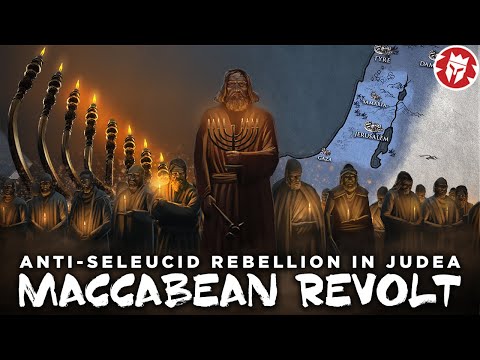
The rebellion found its leadership in the Hasmonean family, a priestly dynasty from Modi'in. When a Seleucid official attempted to force a Jewish elder, Mattathias, to sacrifice to a pagan idol, Mattathias refused and killed both the official and a collaborating Jew. This act of defiance marked the beginning of the história of the Maccabean Revolt. Mattathias, along with his five sons—John, Simon, Judas, Eleazar, and Jonathan—fled to the Judean wilderness, becoming fugitives and rallying supporters.

After Mattathias's death, his son Judas, known as "Maccabeus" (meaning "hammer" or "the hammerer"), took command. Judas proved to be an exceptional military leader. He organized his followers into an effective fighting force, capable of challenging the professional Seleucid armies. The term "Maccabees" became synonymous with this determined resistance against religious and cultural oppression.

The success of Judas Maccabeus and his brothers in rallying the Jewish people underscores the power of shared identity and religious conviction in the face of adversity. Their struggle for religious freedom is a pivotal moment in antropología and history, illustrating how cultural survival can become a powerful motivator for resistance.

Major Battles and Guerrilla Warfare

The Maccabean Revolt was characterized by a series of intense battles and campaigns of guerrilla warfare. The Seleucid forces, though often superior in numbers and military technology, struggled against the Maccabees' intimate knowledge of the terrain and their highly motivated fighting spirit. Judas Maccabeus employed effective tactics, utilizing the mountainous landscape to his advantage.

Notable battles include:

  • Battle of Wadi Haramia: A significant early victory for Judas, demonstrating the effectiveness of his leadership.
  • Battle of Beth Horon: A decisive victory where Judas ambushed and routed a larger Seleucid army led by Seron.
  • Battle of Emmaus: Another strategic victory against a Seleucid force, showing the growing strength and capability of the Maccabees.
  • Battle of Beth-Zur: A successful defense against the Seleucid general Lysias, further bolstering Maccabean morale.
  • Battle of Adasa: Judas Maccabeus tragically fell in battle against the forces of Bacchides, a setback for the revolt.
  • Battle of Elasa: Jonathan Maccabeus, Judas's brother, continued the fight, eventually securing a period of relative autonomy.

The Seleucid Empire, preoccupied with internal strife and external threats, found it increasingly difficult to suppress the persistent rebellion. The Maccabees' success lay not only in their military prowess but also in their ability to galvanize popular support. Their fight was not merely for territory but for the preservation of their way of life and their religious freedom.

"And they that were in Jerusalem and in the country of Judea, and Jonathan and his company, heard of the wicked deeds that had been done by the king's officers upon their countrymen." (1 Maccabees 1:36)

The Rededication of the Temple and the Miracle of the Oil

The turning point of the revolt came in 164 BCE when Judas Maccabeus and his forces successfully recaptured Jerusalem and the Second Temple. The desecrated Temple was cleansed, its pagan altar dismantled, and a new altar constructed. The rededication ceremony was a moment of profound spiritual significance for the Jewish people.

According to tradition, when the Maccabees sought to relight the Temple's menorah, they found only a small cruse of pure olive oil, enough for a single day. Miraculously, the oil burned for eight days, the time it took to procure and prepare fresh consecrated oil. This event is the basis for the central miracle of Hanukkah and explains why the festival is celebrated for eight nights.

This narrative, while imbued with miraculous elements, speaks to the deep desire for divine intervention and the symbolic importance of light and purity in the face of darkness and desecration. It encapsulates the essence of Hanukkah as a festival of hope and perseverance.

The Legacy of the Maccabees: Hanukkah and Beyond

The Maccabean Revolt ultimately led to the establishment of the Hasmonean kingdom, a period of Jewish independence that lasted for nearly a century before Roman intervention. The revolt and its outcome had profound implications for Jewish history, identity, and religious practice.

Hanukkah, commemorating the rededication of the Temple and the miracle of the oil, remains one of the most widely celebrated Jewish holidays. It serves as a reminder of the enduring struggle for religious freedom and the courage to stand against oppression. The themes of resistance, faith, and the triumph of light over darkness continue to resonate across cultures and generations.

The history of the Maccabees also offers valuable lessons for understanding the dynamics of cultural assimilation, religious persecution, and the formation of collective identity. It highlights how deeply held beliefs can fuel powerful movements for self-determination.

DIY Intellectual: Analyzing Historical Sources

To truly understand events like the Maccabean Revolt, it's crucial to engage with primary and secondary sources critically. Here's a practical approach:

  1. Identify Primary Sources: For the Maccabean Revolt, the Books of Maccabees (1 Maccabees and 2 Maccabees) are key primary sources. Note their authors, intended audiences, and potential biases.
  2. Consult Secondary Sources: Read analyses by reputable historians specializing in the Hellenistic period and ancient Jewish history. Look for academic books, peer-reviewed articles, and scholarly encyclopedias. For example, understanding the broader context of the Europan empires like the Seleucid is crucial.
  3. Compare and Contrast: Analyze different accounts of the same event. Do they agree on key details, dates, and motivations? Where do they diverge? For instance, compare the narrative in 1 Maccabees with that of 2 Maccabees, which offers a different perspective and includes more miraculous elements.
  4. Examine Evidence: What archaeological evidence exists to support or challenge the historical accounts? While direct archaeological evidence for specific battles might be scarce, evidence of Hellenistic presence and Jewish settlements in Judea during this period is abundant.
  5. Consider Interpretation: Recognize that history is not just a collection of facts but also an interpretation of those facts. Historians use various theoretical frameworks, drawing from fields like sociología and antropología, to understand the motivations, social structures, and cultural dynamics at play.
  6. Synthesize Findings: Formulate your own understanding based on the evidence and interpretations. Acknowledge the limitations and uncertainties in the historical record.

Frequently Asked Questions

What is the main significance of the Maccabean Revolt?

The Maccabean Revolt is significant for preserving Jewish religious and cultural identity against forced Hellenization, leading to a period of Jewish independence and forming the historical basis for the festival of Hanukkah.

Who were the Maccabees?

The Maccabees were a group of Jewish rebel warriors who fought against the Seleucid Empire in the 2nd century BCE. They were led by the Hasmonean family, notably Judas Maccabeus.

What is the connection between the Maccabean Revolt and Hanukkah?

Hanukkah commemorates the rededication of the Second Temple in Jerusalem by the Maccabees after its desecration by the Seleucids. The festival also celebrates the miraculous event where a small amount of oil for the Temple menorah lasted for eight days.

Were the Maccabees successful in the long term?

Yes, the Maccabees successfully drove out the Seleucids from Judea and established the Hasmonean dynasty, which ruled Judea as an independent kingdom for approximately a century.

How did Greek culture influence Judea during this period?

The Seleucid Empire actively promoted Hellenistic culture, including Greek language, philosophy, art, and religious practices. This assimilationist pressure created conflict with traditional Jewish society, ultimately triggering the revolt.

The Maccabean Revolt stands as a testament to the enduring human spirit in the face of oppression. It reminds us that cultural and religious identity can be powerful forces that shape history, inspiring movements for self-determination and resilience. The story of Judas Maccabeus and his followers continues to echo, urging us to reflect on the importance of faith, courage, and the fight for freedom.

Unveiling the Obscure: Pre-World War II Tank Innovations and Psychological Warfare

Introduction: The Dawn of Armored Warfare

The tank, a symbol of modern warfare's brutal efficiency, emerged from a crucible of innovation and desperation. Before the thunderous impact of World War II, the development of these armored behemoths was a landscape riddled with peculiar experiments, ambitious visions, and significant missteps. This period, often overshadowed by the larger global conflict, laid the groundwork for the armored warfare that would define the 20th century.

From their nascent stages, tanks were conceived not merely as instruments of destruction but as potent psychological tools. Their sheer presence on the battlefield was intended to shatter enemy morale, an aspect as crucial as their firepower. This article delves into the less-explored, often 'nutty' aspects of tank development prior to World War II, exploring the minds behind these innovations and the curious trajectory of their evolution.

The Tank as a Psychological Weapon

The introduction of tanks during World War I marked a profound shift in military psychology. These "landships," as they were sometimes called, represented a terrifying new frontier in warfare. The sight of colossal, metal fortresses crawling across No Man's Land, impervious to small arms fire, undoubtedly instilled a deep sense of dread in opposing soldiers.

"Tanks are one of the most formidable psychological inventions that war has ever created. Nothing quite freaks out an enemy like watching a fleet of gigantic armored cannons rolling toward them."

The sheer scale of casualties in World War I – a staggering 20 million deaths – underscores the devastating effectiveness of new technologies. While early tanks were often unreliable, their psychological impact was undeniable. This fear factor was a critical, albeit often unquantified, element in their battlefield deployment. The evolution from these early, often cumbersome machines to the practically unstoppable tanks of later eras is a testament to relentless innovation, driven by both necessity and, at times, unchecked imagination.

Early Innovations and Their Quirks

The path to the modern tank was anything but linear. Early prototypes were rife with design flaws and operational challenges. Imagine vehicles that could barely move, were prone to breaking down, and offered little protection to their crews. These were the realities of nascent tank technology.

Consider the experimental designs that emerged from various nations. Some were envisioned with multiple turrets, complex internal mechanisms, or unconventional armor plating. These early 'failures' were crucial learning experiences, providing invaluable data for future iterations. The development process was a cycle of trial and error, with each setback paving the way for incremental improvements. Concepts that might seem outlandish today were, at the time, serious attempts to solve the problem of battlefield mobility and protection.

The very name "tank" itself arose from a deliberate deception, a ruse to disguise their true military purpose during development. This clandestine origin hints at the innovative, and sometimes peculiar, thinking that characterized this era of military engineering. Understanding these early quirks is essential to appreciating the full scope of tank development.

When Genius Runs Wild: Unchecked Innovation

There exists a fascinating historical intersection where national power emboldens inventors to pursue highly imaginative, even fantastical, military designs. This was certainly true in the lead-up to World War II, where nations, eager for an edge, allowed their brightest minds to explore the outer limits of what was conceivable in armored warfare.

This era saw concepts that pushed the boundaries of engineering and, arguably, practicality. Some designs might have been born from genuine attempts to overcome specific battlefield challenges, while others may have been fueled by a potent blend of national pride and inventive exuberance. The result was a fascinating, albeit sometimes bizarre, array of potential tank designs.

The history of military technology is, in part, a story of human ingenuity pushed to its extremes. It highlights how periods of intense geopolitical tension can accelerate innovation, sometimes leading to groundbreaking advancements and other times to eccentric dead ends. Welcome to Nutty History, where we explore these true, yet 'nutty,' origins of technological marvels.

DIY Analysis: Deconstructing Military Technological Evolution

To truly grasp the evolution of military technology, such as the tank, we can employ a simplified analytical framework. This DIY approach allows us to dissect the components of technological advancement and understand the factors driving innovation, using historical examples.

  1. Identify the Core Problem: What specific battlefield challenge was the technology designed to address? For early tanks, this was breaking through trench lines and providing mobile firepower.
  2. Analyze Early Solutions (and their flaws): Examine the first iterations of the technology. What were their key features? What were their limitations? For tanks, consider mobility, reliability, and crew protection.
  3. Map the Innovations: Document the subsequent improvements and new features introduced over time. How did technology evolve? For tanks, this includes improvements in armor, armament, speed, and communication.
  4. Consider the Psychological Impact: Assess how the technology affected enemy morale and battlefield perception. How did the 'idea' of the tank influence strategy?
  5. Evaluate Unchecked Imagination: Look for instances where creative freedom led to highly ambitious or unconventional designs. What were the perceived benefits and actual drawbacks of these ideas? Did they lead to genuine progress or divert resources?
  6. Research the Context: Understand the geopolitical, economic, and social factors influencing the development. The intense competition and fear leading up to WWI and WWII were significant drivers.

By applying these steps, you can begin to deconstruct the development of any significant technology, moving beyond a surface-level understanding to appreciate the intricate interplay of necessity, ingenuity, and sometimes, sheer eccentricity.

Frequently Asked Questions

What was the primary psychological impact of early tanks?

Early tanks were designed to be intimidating. Their sheer size, armored exteriors, and the psychological effect of seeing an unstoppable force advance against entrenched positions were intended to break enemy morale and sow fear, making them a potent weapon beyond their physical capabilities.

Why were early tanks often unreliable?

The technology for internal combustion engines, armor plating, and complex mechanical systems was still in its infancy during World War I. Early tanks suffered from frequent breakdowns, poor maneuverability, and design flaws due to the limited engineering knowledge and materials available at the time.

What does "Nutty History" refer to in this context?

"Nutty History" refers to the unusual, eccentric, and often overlooked aspects of historical events and technological developments. It highlights stories that are true but may seem strange or unconventional, such as the peculiar innovations and early designs of military tanks.

How did the name "tank" originate?

The name "tank" was a deliberate code word used by the British during World War I to disguise the true nature of their new armored vehicles. Workers producing the machines were told they were building water tanks for the army, thus obscuring their military purpose from enemy intelligence.

The journey of the tank from a crude, experimental machine to a decisive instrument of war is a fascinating narrative of human ingenuity. The pre-World War II era, in particular, was a period of bold experimentation, where the psychological impact of these armored vehicles was as significant as their mechanical capabilities. By exploring these 'nutty' innovations, we gain a richer appreciation for the complex evolution of military technology and the minds that shaped it.

``` ```json { "@context": "https://schema.org", "@type": "FAQPage", "mainEntity": [ { "@type": "Question", "name": "What was the primary psychological impact of early tanks?", "acceptedAnswer": { "@type": "Answer", "text": "Early tanks were designed to be intimidating. Their sheer size, armored exteriors, and the psychological effect of seeing an unstoppable force advance against entrenched positions were intended to break enemy morale and sow fear, making them a potent weapon beyond their physical capabilities." } }, { "@type": "Question", "name": "Why were early tanks often unreliable?", "acceptedAnswer": { "@type": "Answer", "text": "The technology for internal combustion engines, armor plating, and complex mechanical systems was still in its infancy during World War I. Early tanks suffered from frequent breakdowns, poor maneuverability, and design flaws due to the limited engineering knowledge and materials available at the time." } }, { "@type": "Question", "name": "What does \"Nutty History\" refer to in this context?", "acceptedAnswer": { "@type": "Answer", "text": "\"Nutty History\" refers to the unusual, eccentric, and often overlooked aspects of historical events and technological developments. It highlights stories that are true but may seem strange or unconventional, such as the peculiar innovations and early designs of military tanks." } }, { "@type": "Question", "name": "How did the name \"tank\" originate?", "acceptedAnswer": { "@type": "Answer", "text": "The name \"tank\" was a deliberate code word used by the British during World War I to disguise the true nature of their new armored vehicles. Workers producing the machines were told they were building water tanks for the army, thus obscuring their military purpose from enemy intelligence." } } ] }