Mostrando las entradas para la consulta drug trafficking ordenadas por relevancia. Ordenar por fecha Mostrar todas las entradas

The Unveiled Ascent: Enedina Arellano Félix and the Sociopolitical Dynamics of Narcoculture

Introduction: Beyond the Patriarchal Facade

The global perception of narcotrafficking often conjures images steeped in hyper-masculinity, a realm where women are relegated to peripheral roles, frequently objectified as "Buchonas"—status symbols for powerful drug lords—or confined to the domestic sphere, largely detached from the clandestine operations. This deeply entrenched patriarchy within organized crime structures presents a formidable barrier for female advancement. Yet, history offers compelling exceptions, figures like Griselda Blanco and, more pertinently for this analysis, Enedina Arellano Félix, who not only defied these deeply ingrained norms but carved indelible marks upon the violent chronicle of drug trafficking. Born into one of Mexico's most notorious narco dynasties, the Arellano Félix family, Enedina's path to power was not one of inherited privilege but a complex trajectory shaped by attrition and strategic maneuvering. It was only after seven male members met tragic ends in graves or prison cells that the definitive space for Enedina to assume the mantle of "El Jefa"—the Boss—became available. This exploration delves into the history of Enedina Arellano Félix, examining her ascent within the context of the Tijuana Cartel and broader sociological patterns of power, gender, and organized crime.

The Genesis of the Tijuana Cartel: A Family Affair

The origins of the Tijuana Cartel are intrinsically linked to the Arellano Félix family, a narrative deeply woven into the fabric of Mexican history and its complex relationship with the global illicit drug trade. Initially operating under the umbrella of the Guadalajara Cartel, the Arellano Félix brothers, particularly the formidable trio of Benjamín, Ramón, and Francisco Javier, began to establish their independent territory in Tijuana following the dismantling of the former's leadership in the late 1980s. Their strategic location, bordering the United States, provided unparalleled logistical advantages for smuggling cocaine and other narcotics into the lucrative American market. Enedina, as the eldest sibling, played a crucial, albeit often understated, role from the outset. While her brothers engaged in the more visible and violent aspects of the operation, Enedina’s contribution was largely foundational, focusing on the intricate financial architecture that sustained the cartel's operations. Her early involvement was characterized by a shrewd understanding of money laundering and financial management, skills that would later prove indispensable.

The establishment of the Tijuana Cartel was not merely a business venture; it was the manifestation of familial ambition intertwined with the volatile political and economic landscape of Mexico in the late 20th century.

This period saw the cartel rapidly consolidate its power, utilizing violence and corruption to secure routes and eliminate rivals. The family's influence extended beyond mere commerce, permeating local politics and law enforcement through bribery and intimidation. The groundwork laid during these formative years, significantly influenced by Enedina's financial acumen, set the stage for the cartel's subsequent expansion and notoriety.

Navigating the Drug Wars: Violence and Shifting Power Dynamics

The late 1990s and early 2000s marked a period of intense conflict and upheaval within the Mexican narcosphere, often referred to as the "Drug Wars." The Tijuana Cartel, under the Arellano Félix brothers' leadership, found itself at the epicenter of escalating violence. This era was characterized by brutal territorial disputes, assassinations of high-profile figures, and increasingly sophisticated methods of drug trafficking and money laundering. The intense pressure from both rival cartels, particularly the burgeoning Sinaloa Cartel led by Joaquín "El Chapo" Guzmán, and intensified U.S. law enforcement efforts, led to the downfall or incarceration of several key Arellano Félix members.

The deaths and arrests of Francisco Javier and Ramón Arellano Félix, coupled with Benjamín's capture, created a significant power vacuum. It was within this crucible of violence and institutional pressure that Enedina's role began to transform from a behind-the-scenes financial operator to a central strategic figure. Her ability to maintain and manage the cartel's vast financial resources, particularly its money laundering operations, became paramount to its survival. This period tested the resilience of the organization and highlighted the critical importance of financial stability in sustaining operations amidst extreme volatility. The relentless conflict demonstrated that raw power and violence, while necessary, were insufficient without the underlying financial infrastructure to support them, a domain where Enedina proved exceptionally capable.

Enedina's Rise to "El Jefa": A Sociological Analysis

Enedina Arellano Félix's ascension to the leadership of the Tijuana Cartel is a fascinating case study in gender dynamics within traditionally patriarchal criminal organizations. Her rise was not marked by overt displays of violence characteristic of her brothers, but by a strategic consolidation of financial power and a keen understanding of organizational management. As the cartel faced escalating internal strife and external pressure, Enedina's role evolved from financial administrator to de facto leader. She became instrumental in orchestrating the complex money laundering schemes essential for the cartel's continued operation, effectively controlling the flow of vast sums of illicit revenue.

"El Jefa," a title that signifies ultimate authority, was a mantle she assumed out of necessity and competence. Her leadership style, less confrontational and more focused on logistical and financial strategy, allowed the cartel to adapt and persist even as its male leadership faced decimation. This highlights a crucial aspect of sociology: how power structures can adapt and allow for individuals who possess critical skills, regardless of gender, to rise when the established order falters. Her ability to navigate complex financial networks, maintain relationships with suppliers and distributors, and elude capture for extended periods speaks to a sophisticated understanding of criminal enterprise management that transcended conventional gender roles within the narcoculture.

Enedina's leadership challenged the stereotypical portrayal of women in drug trafficking, demonstrating that strategic acumen and financial mastery could be as potent as brute force in maintaining control.

Her story underscores how societal structures, even those as rigidly defined as narco-cartels, can contain mechanisms for adaptability when faced with existential threats. The concept of anthropology also offers insights, as cultural norms surrounding gender roles, while powerful, are not immutable and can shift under extraordinary circumstances.

The Crumbling Dynasty: Implications and Legacies

The eventual decline of the Arellano Félix cartel, while not solely attributable to Enedina's tenure, marked the end of an era for one of Mexico's most powerful criminal organizations. The sustained pressure from law enforcement, coupled with intense rivalries, particularly from the Sinaloa Cartel, led to the capture and demise of many key figures. Despite Enedina's efforts to maintain operational stability, the structural weaknesses and the inherent violence of the drug trade eventually took their toll. Her eventual arrest in 2021, following years of evading authorities, signified the final chapter in the public narrative of her leadership.

The legacy of Enedina Arellano Félix and the Tijuana Cartel is complex and multifaceted. It serves as a stark reminder of the devastating impact of organized crime on societies, economies, and families. Her story, however, also prompts critical reflection on the roles women can play within these structures and the societal factors that shape their participation. While her actions contributed to immense suffering, her trajectory offers a lens through which to examine power dynamics, gender, and adaptation within criminal enterprises. The narrative also highlights the interconnectedness of law enforcement efforts across borders, a crucial element in dismantling transnational criminal networks. Understanding the historical trajectory of cartels like the Tijuana Cartel provides valuable insights for contemporary geopolitical analyses and strategies aimed at combating organized crime.

DIY Intellectual Toolkit: Deconstructing Narcoculture Through Historical Lenses

Understanding complex phenomena like narcoculture requires more than passive consumption of information; it necessitates active intellectual engagement. This section provides a practical guide to deconstructing such narratives using analytical tools rooted in the social sciences. This DIY approach empowers you to critically examine historical accounts, media portrayals, and societal impacts associated with organized crime.

  1. Identify the Primary Narrative: Begin by pinpointing the central story being told. In the case of Enedina Arellano Félix, the narrative revolves around a woman ascending to power in a male-dominated field. Note the key actors, events, and the alleged motivations.
  2. Contextualize Historically and Sociologically: Place the narrative within its broader historical and anthropological context. Consider the political climate in Mexico during the Arellano Félix's rise, the state of drug trafficking routes, and prevailing gender norms in Mexican society at the time. Research the historical evolution of cartels and the specific dynamics of the Tijuana Cartel's formation.
  3. Analyze Power Structures and Gender Roles: Examine how power operates within the organization. Who holds authority, and how is it exercised? Critically assess the portrayal of women. Are they solely victims, enablers, or active participants? How does Enedina's role challenge or conform to traditional gender expectations within narcoculture? Use concepts like Bourdieu's theory of habitus and symbolic violence if applicable.
  4. Scrutinize the Role of Violence and Finance: Understand the dual pillars of most criminal organizations: violence and finance. How did the Arellano Félix cartel utilize violence? How did Enedina's focus on financial management contribute to the cartel's longevity or eventual downfall? Consider the interplay between financial operations and security.
  5. Evaluate Media Representation: Compare the historical account with media portrayals. How does the media sensationalize or simplify the story? Identify potential biases and stereotypes perpetuated in documentaries, news articles, or fictionalized accounts.
  6. Cross-Reference Sources: Whenever possible, consult multiple sources, including academic studies, journalistic investigations, and historical archives. Be critical of unsourced claims or narratives that lack corroboration. Look for reputable sources such as academic journals or established historical repositories. For example, research the U.S. Department of Justice press releases regarding cartel indictments.
  7. Formulate Independent Conclusions: Synthesize the information gathered, moving beyond simplistic explanations. Consider the complex interplay of individual agency, structural constraints, and historical contingency in shaping events and the roles of individuals like Enedina.

Frequently Asked Questions

Who was Enedina Arellano Félix?

Enedina Arellano Félix is recognized as a high-ranking figure within the Arellano Félix drug cartel, also known as the Tijuana Cartel. She is believed to have managed the cartel's significant financial operations, including money laundering, playing a crucial role in its sustainability.

What made her rise to power unusual?

Her ascent was unusual because the Tijuana Cartel was a highly patriarchal organization. While her brothers were directly involved in violent enforcement and operations, Enedina managed the financial infrastructure from behind the scenes, eventually taking on a leadership role as male family members were incapacitated or imprisoned.

What is the significance of the title "El Jefa"?

"El Jefa" translates to "The Boss" or "The Chief" (female). It signifies a position of ultimate authority and leadership within the criminal organization, a title rarely attained by women in such male-dominated enterprises.

What is the current status of the Tijuana Cartel?

While the Tijuana Cartel remains active, its influence and power have significantly diminished compared to its peak under the Arellano Félix brothers. It faces intense pressure from rival cartels, notably the Sinaloa Cartel, and sustained law enforcement operations.

How did Enedina Arellano Félix evade capture for so long?

Her ability to remain largely outside the public eye, focusing on financial rather than operational enforcement, and her suspected use of sophisticated money laundering techniques likely contributed to her prolonged evasion of law enforcement.

The story of Enedina Arellano Félix offers a compelling, albeit troubling, narrative that transcends simple sensationalism. It invites us to analyze the intricate mechanisms of power, the adaptability of criminal structures, and the often-underestimated roles individuals can play when navigating environments defined by extreme violence and deeply entrenched social hierarchies. Her journey from a family member of a narco dynasty to a figure of significant operational control compels a deeper interrogation of gender dynamics within illicit economies and the sociopolitical conditions that foster such organizations. As we continue to observe the evolving landscape of global crime, understanding figures like "El Jefa" provides critical, if uncomfortable, insights into the enduring complexities of power and influence.

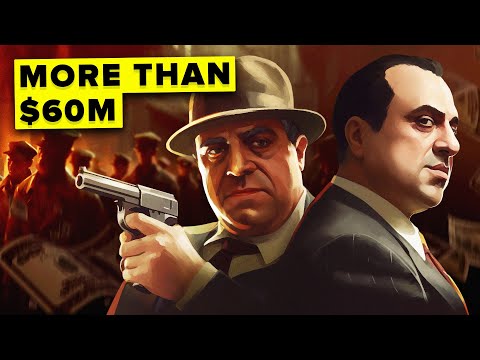
The Sociology of Organized Crime: Profiling the Richest Mob Bosses in History

The adage "crime doesn't pay" often overlooks the complex economic and social structures that underpin organized criminal enterprises. While the legal and ethical implications of these activities are undeniable, a sociological and historical lens reveals fascinating patterns of wealth accumulation, power consolidation, and cultural influence. This article delves into the profiles of some of the wealthiest mob bosses throughout history, not to glorify their actions, but to understand the mechanisms of their success and their impact on society.

Introduction: Beyond the Myth

The popular imagination often associates mob bosses with a life of opulence, power, and a certain romanticized danger. While the reality is far more brutal and destructive, the immense wealth accumulated by figures like Al Capone, Pablo Escobar, and others warrants an anthropological and sociological examination. These individuals, operating outside the traditional economic framework, mastered illicit markets, exploited vulnerabilities, and built empires that, for a time, rivaled legitimate corporations in scale and influence. Their stories are not just tales of crime, but intricate case studies in power, social structures, and the global flow of illicit capital.

The Economic Engines of Organized Crime

Understanding the financial success of mob bosses requires dissecting the various industries they infiltrated and controlled. These often included:

  • Prohibition-era bootlegging: The illegal production and sale of alcohol during the Prohibition era in the United States created unprecedented opportunities for organized crime. Figures like Al Capone built vast fortunes through this venture.
  • Drug trafficking: From the mid-20th century onwards, the international drug trade became a primary source of income for powerful cartels, notably in Latin America. Pablo Escobar's Medellín Cartel is a prime example.
  • Gambling and Extortion: Traditional rackets involving illegal gambling operations, loan sharking, and protection rackets have long been staples of mob economies.
  • Money Laundering: The ability to clean and reintegrate illicit profits into the legitimate economy is crucial for any criminal enterprise. Sophisticated networks were developed to achieve this, often involving front businesses and international financial transactions.
  • Arms Trafficking: The illicit trade in weapons fuels conflicts and generates significant profits for organized groups operating in volatile regions.
"The very existence of a black market is a testament to unmet demand within the legal economy, a void that organized crime is all too eager to fill."

The scale of these operations often necessitated complex logistical networks, extensive networks of corrupt officials, and a ruthless approach to competition. The sheer volume of data generated and managed by these organizations in terms of supply chains, distribution, and enforcement is a topic worthy of its own study.

Notable Figures in Criminal Finance

Examining specific individuals provides a tangible grasp of the wealth and power wielded by top mob bosses. While precise figures are often speculative due to the clandestine nature of their operations, estimates consistently place several figures at the apex of illicit wealth:

  • Al Capone: Estimated net worth in the hundreds of millions of dollars during the 1920s, primarily from bootlegging and gambling. His empire in Chicago was a model of criminal organization.
  • Pablo Escobar: At his peak, Escobar was reportedly one of the wealthiest men in the world, with an estimated net worth of $30 billion, largely derived from the cocaine trade. He controlled a vast portion of the global cocaine market.
  • Meyer Lansky: A key financier of organized crime, Lansky was instrumental in establishing and managing vast gambling empires in Las Vegas and Cuba. His financial acumen was legendary.
  • John Gotti: Known as "The Dapper Don," Gotti led the Gambino crime family in New York, amassing considerable wealth through extortion, loan sharking, and various illegal enterprises.
  • Semion Mogilevich: Often described as the "boss of bosses" of the Russian mafia, Mogilevich is believed to have amassed billions through various schemes, including arms trafficking and financial fraud.

These figures represent different eras and criminal landscapes, yet they share a common thread: an ability to organize, exploit, and amass wealth on a grand scale, often leaving a devastating social and economic footprint.

Social Structures and Power Dynamics

Beyond mere financial transactions, the success of mob bosses relied heavily on intricate social structures and a sophisticated understanding of power dynamics. These organizations often mirrored legitimate corporations in their hierarchical structures, division of labor, and methods of enforcing discipline. The concept of 'honor among thieves' is a complex social construct that, while often idealized, played a role in maintaining internal cohesion and loyalty, albeit enforced through brutal means. Understanding the dynamics of comprender culturas within these subcultures is essential.

"Loyalty within these organizations was often a fragile construct, maintained not by shared values, but by a pervasive fear of reprisal and the allure of shared illicit gains."

The influence of these bosses extended beyond their criminal enterprises, impacting local economies, political systems, and even cultural narratives. Their stories have been immortalized in films and literature, reflecting a societal fascination with the darker side of human ambition and organization.

DIY Analysis: Deconstructing Criminal Hierarchies

To better understand the structure and operations of organized crime, we can employ a simplified analytical framework. This exercise encourages critical thinking about power structures, even in non-criminal contexts.

  1. Identify the Core Illicit Market: What is the primary source of income? (e.g., drug trafficking, illegal gambling, arms dealing). This forms the foundation of the criminal enterprise.
  2. Map the Supply Chain: How are goods or services acquired, transported, and distributed? Consider the logistics, geographical challenges, and potential points of failure. This involves understanding geographical distribution.
  3. Analyze Enforcement and Security: How is the operation protected from rivals and law enforcement? This includes internal security, use of violence, and bribery. This relates to concepts in cybersecurity in a digital context.
  4. Examine Financial Operations: How are profits generated, managed, and laundered? Identify front businesses, offshore accounts, and money laundering techniques. This is crucial for understanding economic growth, even in illicit sectors.
  5. Deconstruct the Hierarchy: Who is at the top? What are the roles of lieutenants, enforcers, and street-level operators? Understand the chain of command and communication. This maps onto general social structures.
  6. Assess External Relationships: How does the organization interact with corrupt officials, other criminal groups, or the wider community? This involves understanding international diplomacy and local power plays.

By applying this framework, one can begin to appreciate the complexity and strategic planning involved in running a large-scale criminal operation. It highlights how elements of organization and strategy, often seen in legitimate businesses, are also present, albeit in a perverted form, within criminal enterprises. This analytical approach is transferable to understanding various sociological phenomena.

Frequently Asked Questions

Q1: Is it possible to accurately determine the net worth of mob bosses?
A1: It is extremely difficult to determine exact figures due to the clandestine nature of their operations. Estimates are often based on known assets, scale of operations, and informant testimonies, and should be treated as approximations.

Q2: What were the most common industries controlled by mob bosses?
A2: Historically, common industries included bootlegging, gambling, loan sharking, extortion, drug trafficking, and later, arms dealing and financial fraud.

Q3: How did mob bosses maintain loyalty within their organizations?
A3: Loyalty was often maintained through a combination of shared illicit profits, intimidation, violence, a strict code of conduct (like omertà), and the creation of a perceived 'family' structure, though this was enforced by fear rather than genuine affection.

Q4: Did mob bosses have a significant impact on legitimate economies?
A4: Yes, through money laundering, front businesses, and corruption, mob bosses could significantly distort local and even national economies, siphoning capital away from legitimate enterprises and influencing political decisions.

Conclusion: A Sociological Perspective

The figures of the wealthiest mob bosses serve as potent symbols of the dark side of economic ambition and organizational power. Their illicit empires, built on violence, exploitation, and a profound understanding of human vices and societal vulnerabilities, offer a stark contrast to legitimate economic structures. By studying their rise and fall, we gain insights into the enduring nature of organized crime, its adaptability across different historical periods and geopolitical landscapes, and its deep-seated impact on society. Understanding these dynamics is crucial for developing more effective strategies to combat criminal organizations and for appreciating the complex interplay between legality, morality, and economic activity in the modern world.

Colombia Caught in the Crossfire: An Anthropological and Historical Analysis of Conflict and Survival

The phrase "caught in the crossfire" evokes a visceral image of individuals trapped between opposing forces, their lives irrevocably shaped by conflicts they may not fully comprehend. This chilling reality forms the core of the France24 documentary by Romeo Langlois, which plunges into the heart of a Colombian antinarcotics operation that spiraled into a devastating encounter. The narrative centers on the harrowing experience of Colombian soldiers who, in a display of extraordinary courage and sacrifice, established a defense perimeter to ensure the survival of the journalist, ultimately paying the ultimate price. This article delves into the anthropological, sociological, and historical dimensions of such conflicts, examining the intricate web of factors that lead to these critical junctures and exploring the human element of resilience and resistance in the face of overwhelming adversity.

Introduction: The Scars of Conflict

The initial description of the documentary immediately situates the viewer in a zone of intense danger and moral complexity. The operation, intended to combat drug trafficking, devolved into a desperate struggle for survival. The sacrifice of the Colombian soldiers underscores a profound theme in conflict studies: the extraordinary acts of valor that emerge from the most dire circumstances. Understanding these events requires moving beyond a simple recounting of facts to an anthropological and historical examination of the underlying societal structures, historical trajectories, and cultural norms that contribute to and are shaped by prolonged conflicto armado.

Historical Context: Colombia's Enduring Struggles

Colombia's history is deeply intertwined with persistent cycles of violence and political instability. The roots of the current conflicts are complex, tracing back to land disputes, social inequalities, and the rise of powerful drug cartels. The Ejército Nacional Colombiano, as depicted in the documentary, operates within this volatile environment, often facing asymmetric warfare against guerrilla groups and other armed actors. The prolonged nature of these struggles has created a deeply ingrained culture of militarization and a constant state of alert in many regions. Examining this history reveals how specific operations, like the one detailed by Romeo Langlois, are not isolated incidents but rather symptomatic of broader, systemic issues that have plagued Colombia for decades. The involvement of external actors, such as France, in documenting these events highlights their international significance and the global gaze often fixed upon this nation's plight.

The persistent struggle in Colombia is not merely a fight against illicit economies; it is a deeply entrenched battle for territory, identity, and the very soul of the nation.

Anthropological Perspectives: Culture, Identity, and Violence

From an anthropological standpoint, protracted conflict transforms social structures and cultural practices. In regions affected by armed conflict, kinship ties, community structures, and religious beliefs are often strained or reconfigured to adapt to the pervasive threat of violence. The concept of honor, duty, and sacrifice, as exemplified by the soldiers' actions, takes on heightened significance within these militarized societies. The documentary implicitly explores how individual identity becomes intertwined with collective survival. Soldiers are not just acting as agents of the state but are also members of communities, fathers, sons, and brothers, whose decisions in the heat of battle carry profound personal and social weight. Understanding the symbolic meanings attached to violence, resistance, and heroism is crucial for a nuanced anthropological analysis of the guerrilla warfare and its impact on the civilian population and the combatants themselves.

Sociological Analysis: The Fabric of Society Under Strain

Sociologically, the antinarcotics operation gone awry highlights the breakdown of social order and the precariousness of state authority in certain territories. The documentary forces a consideration of the social contract: what happens when the state's primary obligation—to protect its citizens—is tested to its absolute limit? The actions of the soldiers can be interpreted as a manifestation of social solidarity and the reassertion of order in the face of chaos, albeit at a devastating cost. This case also prompts reflection on the societal impact of drug trafficking, which not only fuels violence but also distorts economic and social development. Analyzing the community's response to such events, the role of media in shaping public perception (as seen in the documentales), and the long-term effects on social cohesion are essential sociological inquiries.

The enduring presence of armed groups and the constant threat of violence reshape the daily lives and social interactions of communities across Colombia.

Case Study: The Langlois Documentary as a Microcosm

Romeo Langlois's work serves as a powerful case study, offering a granular view of a larger, complex phenomenon. The detailed account of the defense perimeter established to save the journalist's life is a microcosm of the broader struggle. It illustrates the extreme conditions under which the ejercito nacional colombiano operates and the moral quandaries they face. The documentary invites viewers to consider the human cost of the drug war and the intricate dynamics between state forces, non-state armed actors, and civilian populations. The narrative tension between the mission's objective (antinarcotics operation) and its tragic outcome underscores the unpredictable nature of conflict zones and the profound ethical considerations that arise when lives hang in the balance. The very act of a foreign correspondent documenting these events speaks to the international community's interest and the global implications of Colombia's ongoing struggles.

DIY Analysis: Deconstructing Conflict Narratives

Understanding complex geopolitical and historical events like those depicted in the documentary requires analytical tools accessible to the engaged citizen. This section offers a practical guide to deconstructing such narratives, empowering you to analyze conflict reporting more critically.

  1. Identify the Core Narrative: What is the central story being told? In this case, it's an antinarcotics operation gone wrong, leading to a heroic sacrifice. Note the protagonist(s) and antagonist(s).
  2. Contextualize Historically and Geographically: Where and when does this event take place? What are the known historical factors (e.g., Colombia's long history of conflicts, the drug trade) that provide background? Research the specific region if possible.
  3. Analyze the Actors Involved: Who are the key players? (e.g., Colombian soldiers, guerrilla forces, journalists, drug cartels). What are their stated objectives, their roles, and their potential biases? Consider the perspective of the Ejército Nacional Colombiano and any non-state actors.
  4. Examine the Language and Imagery: How is the story told? Pay attention to loaded terms (e.g., "ultimate price," "harrowing"), emotional appeals, and visual cues (if available). How does the use of terms like "crossfire" shape perception?
  5. Look for Underlying Themes: Beyond the immediate events, what broader issues are being addressed? (e.g., sacrifice, duty, the futility of war, state failure, resilience). The documentary likely touches on themes of survival and the human cost of conflict.
  6. Seek Multiple Perspectives: Is this the only account of the event? Look for other reports, analyses, or documentaries that might offer different viewpoints. Consider international perspectives, perhaps from countries like France.
  7. Evaluate the Evidence: What evidence is presented to support the narrative? Are sources cited? Is the reporting balanced? Langlois's journalistic account provides a primary source, but critical distance is always advisable.
  8. Reflect on the "Why": Why is this story being told now? What is the intended impact on the audience? Understanding the purpose of the narrative can reveal deeper meanings and potential agendas.

By applying these steps, you can move from passive consumption to active, critical engagement with accounts of conflict, developing a more nuanced understanding of the complexities involved.

Frequently Asked Questions

What specific antinarcotics operation is referenced in the documentary?
The documentary by Romeo Langlois focuses on a particular operation that encountered severe resistance, leading to a desperate defense of the journalistic team by Colombian soldiers.
What does "paying the ultimate price" signify in this context?
This phrase tragically refers to the soldiers who lost their lives while defending the journalist and ensuring the operation's documentation, highlighting their sacrifice.
How does this event reflect broader issues in Colombia?
It exemplifies the dangers faced by both military personnel and journalists in areas affected by armed conflict and drug trafficking, underscoring the ongoing challenges of state security and the persistence of armed groups like the guerrilla.
What is the significance of France24 producing this documentary?
It indicates international interest in the Colombian conflict and the complex realities of counternarcotics efforts, bringing global attention to the events unfolding in Colombia.

The narrative presented in Romeo Langlois's documentary is a stark reminder of the human element embedded within abstract geopolitical conflicts. The bravery and sacrifice of the Colombian soldiers, framed against the backdrop of a failed antinarcotics operation, offer a potent lens through which to examine the enduring challenges faced by Colombia. By integrating anthropological, historical, and sociological perspectives, we gain a deeper appreciation for the intricate factors that fuel and sustain conflict, as well as the profound resilience of individuals caught within its unforgiving grip. The act of deconstructing these narratives, as outlined in our DIY guide, empowers us to engage more critically with the complex realities of our world and to recognize the universal human stories of courage and survival that emerge even from the most harrowing circumstances.

Odyssey on the High Seas: An Anthropological and Historical Analysis of Vigilancia Aduanera's Operations

Introduction: Beyond the Headlines

The documentary "Odyssey on the High Seas," produced by El País in collaboration with the Servicio de Vigilancia Aduanera (Spanish Customs Surveillance Service), offers a compelling glimpse into the high-stakes world of maritime law enforcement. While ostensibly a report on the apprehension of figures like Sito Miñanco, this narrative transcends a simple news report. From an anthropological, sociological, and historical perspective, it serves as a rich source for understanding the intricate interplay of power, culture, economics, and human behavior in the often-invisible struggle against illicit maritime activities. This article aims to dissect the documentary's content, not just as a record of events, but as a case study for applying rigorous academic inquiry to real-world operations, emphasizing practical analytical approaches.

Historical and Sociological Context of Maritime Surveillance

Maritime surveillance is not a modern phenomenon. Throughout history, the control of sea lanes has been paramount for trade, defense, and the projection of power. The establishment of customs and the need for enforcement agencies like the Vigilancia Aduanera are deeply rooted in the evolution of statehood and the development of international commerce. Sociologically, these operations highlight the societal constructs of legality and illegality, the enforcement of norms, and the social stratification that often underpins criminal enterprises operating across borders. Understanding the historical trajectory of maritime law enforcement, from ancient piracy to modern drug trafficking, provides a crucial backdrop for appreciating the complexity of current operations.

The challenges faced by agencies like the Vigilancia Aduanera are multifaceted, involving not only technical prowess but also an understanding of evolving criminal strategies. The historical context reveals a continuous cat-and-mouse game between enforcement and illicit actors, each adapting to new technologies and geopolitical shifts. For instance, the rise of globalized trade has inadvertently created new avenues for smuggling, necessitating sophisticated interdiction techniques. This historical dimension is vital for comprehending the persistent relevance of such surveillance services.

The sea has always been a frontier, a space of both immense opportunity and profound risk. Maritime surveillance is the state's attempt to impose order and extract value from this dynamic environment.

An Anthropological Lens on Maritime Law Enforcement

Anthropology offers a unique perspective by examining the cultural practices, social structures, and symbolic meanings embedded within maritime enforcement. This includes understanding the subcultures of seafarers, the operational cultures of law enforcement agencies, and the social networks that facilitate illicit activities. The documentary, by showcasing the operational environment and the individuals involved, provides raw material for analyzing:

  • Rituals and Practices: The daily routines, protocols, and specific actions undertaken by the Vigilancia Aduanera officers.
  • Social Organization: The hierarchical structures within the agency, the teamwork dynamics, and the relationships with other governmental bodies.
  • Symbolism: The significance of vessels, equipment, uniforms, and the very act of interdiction as symbols of state authority and control.
  • Cultural Adaptation: How criminal organizations adapt their methods and logistics in response to enforcement pressures, reflecting a dynamic cultural evolution within illicit economies.

From an antropología perspective, the documentary becomes a window into a specific occupational culture, revealing norms, values, and unspoken rules that govern the actions of those involved in maritime security. Examining these aspects helps us move beyond a purely legalistic or strategic analysis to understand the human elements at play.

Applying Archaeological Principles to Data Analysis

While seemingly disparate, archaeological methodologies offer powerful frameworks for analyzing the vast amounts of data generated by maritime surveillance. Archaeology is fundamentally about reconstructing past human behavior from material remains and contextual information. In this context, the "material remains" can be considered the data logs, sensor readings, intercepted communications, and physical evidence gathered during operations. The principles include:

  • Contextualization: Understanding where and when data points were recorded is crucial. A single data point is meaningless without its surrounding context – the time of day, the location, the weather, the type of vessel, etc.
  • Stratigraphy (Layering of Information): Similar to excavating layers of soil, analyzing data chronologically or by operational phase can reveal patterns and evolution. Early warning signs might be buried beneath subsequent events.
  • Association: Identifying correlations between different data sets – e.g., a specific vessel signature appearing in proximity to known smuggling routes during certain weather conditions.
  • Pattern Recognition: Using techniques akin to identifying tool use or settlement patterns to detect anomalies, habitual routes, or modus operandi of illicit actors.

The application of these principles allows for a more systematic and rigorous analysis of surveillance data, moving beyond reactive responses to proactive intelligence gathering.

DIY Data Analysis: Reconstructing Operational Narratives

For those interested in applying these analytical frameworks, a "Do It Yourself" approach to data reconstruction can be illuminating. While access to real-time surveillance data is restricted, we can simulate the process using publicly available information or hypothetical scenarios. This practical exercise sharpens analytical skills and deepens understanding.

Taller Práctico DIY: Reconstructing a Hypothetical Maritime Interdiction Scenario

  1. Define the Objective: Imagine you are tasked with analyzing potential smuggling routes in a specific maritime region (e.g., the Mediterranean Sea or the coast of a particular country).
  2. Gather Contextual Data: Collect publicly available information on:
    • Major shipping lanes and ports in the region.
    • Known patterns of illicit activities (e.g., drug trafficking, human smuggling) based on news reports or open-source intelligence (OSINT).
    • Environmental factors: prevailing winds, currents, typical weather patterns throughout the year.
    • Geopolitical factors: maritime borders, areas of increased patrol activity.
  3. Create a Hypothetical Timeline: Based on your gathered data, construct a plausible timeline of a smuggling operation. For example:
    • Day 1: Vessel departs from a known source port under normal conditions.
    • Day 2: Vessel deviates from standard shipping lanes during nighttime hours.
    • Day 3: Vessel approaches a rendezvous point, potentially with smaller craft, in a remote area.
    • Day 4: Suspicious transfer or offloading occurs; vessel resumes a course towards a destination port, possibly altering its identification signals.
  4. Identify Data "Signatures": For each stage of your hypothetical timeline, list the types of data that would be critical for surveillance:
    • AIS (Automatic Identification System) data: Tracking vessel movements, speed, and course. Look for anomalies like unexpected stops or course changes.
    • Radar data: Detecting vessels that may not be transmitting AIS.
    • Satellite imagery: Visual confirmation of vessel activity, potential transfers, or unusual gatherings.
    • Interdicted communications: Analyzing radio traffic or other signals for coded language or suspicious exchanges.
    • Physical evidence: If an interdiction occurs, analyzing cargo manifests, vessel modifications, or crew statements.
  5. Simulate Analysis: Imagine you receive fragmented pieces of this data. How would you piece them together? What questions would you ask? For instance, if you see a vessel loitering in an unusual area, you'd cross-reference its AIS data with radar logs and look for any intercepted communications around that time. Apply the archaeological principles:
    • Context: Was this loitering in a known smuggling hotspot?
    • Association: Were other suspicious vessels nearby at the same time?
    • Stratigraphy: Did this behavior follow a pattern observed over previous days or weeks?
  6. Draw Conclusions (Hypothetical): Based on your simulated analysis, formulate a hypothesis about the vessel's activities and suggest potential next steps for enforcement. This exercise hones your ability to think critically about data and operational intelligence, mirroring the analytical challenges faced by real-world agencies.

This practical approach, grounded in the principles of archaeology and data analysis, allows individuals to engage with the complexities of maritime surveillance in a hands-on manner.

The Psychology of Interdiction and Enforcement

The documentary likely touches upon the psychological dimensions for both the enforcers and the enforced. For the Vigilancia Aduanera officers, the work demands immense psychological resilience, discipline, and the ability to make split-second decisions under pressure. This involves:

  • Stress Management: Operating in dangerous environments, facing potential threats, and dealing with the ethical complexities of their work.
  • Decision-Making Under Uncertainty: Assessing risks and making critical choices based on incomplete information.
  • Team Cohesion: The importance of trust and communication within operational teams.

Conversely, understanding the psychology of those engaged in illicit activities is also crucial for effective psychology and enforcement strategies. This might include analyzing risk-taking behaviors, motivations (economic, social, or coercion), and the psychological impact of capture and incarceration.

The psychology of deterrence and apprehension is as vital as the technology and tactics employed. Understanding human motivation is key to dismantling criminal networks.

Frequently Asked Questions

What is the primary role of the Servicio de Vigilancia Aduanera?

The Spanish Customs Surveillance Service (Servicio de Vigilancia Aduanera) is a law enforcement agency responsible for preventing and combating smuggling, fraud, and other economic crimes, particularly those involving customs duties and taxes. They also play a significant role in fighting drug trafficking and other organized crime activities, often operating at sea.

How does archaeology relate to analyzing surveillance data?

Archaeology provides methods for reconstructing past human activity from fragmented evidence. Applying these principles to surveillance data involves contextualizing information, identifying associations between different data points, and recognizing patterns over time, much like an archaeologist analyzes artifacts and their strata to understand ancient societies.

What are some key anthropological insights into maritime law enforcement?

Anthropology can reveal the cultural practices, social structures, occupational subcultures, and symbolic meanings associated with maritime law enforcement and illicit activities. It helps understand the human element, the norms, values, and behaviors of individuals and groups involved.

Can ordinary individuals practice "DIY data analysis" in this context?

While access to classified operational data is impossible, individuals can practice analytical skills by reconstructing hypothetical scenarios using publicly available information (shipping manifests, news reports, weather data) and applying logical reasoning and pattern recognition, similar to the methods used in archaeological interpretation.

What psychological factors are important in maritime interdiction?

Key psychological factors include the high-pressure decision-making and stress management required of enforcement officers, as well as understanding the motivations and risk-taking behaviors of individuals involved in illicit maritime activities.

Conclusion: A Call for Interdisciplinary Understanding

"Odyssey on the High Seas" is more than a documentary; it's a complex social phenomenon that invites a multidisciplinary approach. By applying the rigorous analytical tools of anthropology, sociology, history, archaeology, and psychology, we can gain a far deeper appreciation for the challenges and intricacies of maritime surveillance. The "DIY" aspect underscores that these analytical skills are not solely the domain of academics but can be cultivated by anyone interested in understanding the hidden workings of our world. The continued success of agencies like the Vigilancia Aduanera relies not only on cutting-edge technology but also on a profound understanding of human behavior and historical context, knowledge that can be actively pursued and applied.

We encourage further exploration into the cultural and historical dimensions of law enforcement and the application of analytical techniques to complex datasets. Your thoughts and insights are invaluable in the comments section below.

Pablo Escobar's Extravagant Spending: An Anthropological and Historical Perspective

The trajectory of individuals involved in illicit drug trafficking often resembles the ephemeral brilliance of a firework. It ascends rapidly, emitting a dazzling spectacle, only to inevitably descend, leaving behind remnants of ash and despair. This trajectory is frequently curtailed by the inexorable forces of law, the brutal competition of rivals, or even the treachery of former allies. The narrative of Pablo Escobar, the erstwhile "king of Colombian snow," stands as a quintessential illustration of this phenomenon—a testament to how intensely, yet briefly, the star of a drug trafficker can blaze before its inevitable demise.

This exploration delves into the financial empire built by Pablo Escobar, examining not just the immense wealth accumulated but also the peculiar and often extravagant ways in which this illicit fortune was disbursed. We will approach this subject through lenses of anthropology, sociology, and history, seeking to understand the underlying motivations and societal impacts of such extreme wealth and its conspicuous consumption.

The Illusion of Power: Wealth and Its Manifestations

Wealth, particularly when accumulated through illicit means, often seeks to manifest itself in tangible forms that project power, control, and a sense of invincibility. For figures like Pablo Escobar, the sheer volume of capital generated by the drug trade presented opportunities for consumption that transcended ordinary human needs and desires. It became a tool for social engineering, a mechanism for asserting dominance, and a means to create a personal mythology.

From a sociological standpoint, the spending habits of the ultra-wealthy, especially those operating outside legal frameworks, offer profound insights into social stratification, aspirational lifestyles, and the very definition of success within certain subcultures. The anthropology of wealth examines how material possessions and their circulation reflect and shape cultural values, social relationships, and power dynamics.

From Humble Beginnings to Narco-Kingpin

Pablo Emilio Escobar Gaviria’s rise from a modest background in Rionegro, Antioquia, to becoming one of the wealthiest and most notorious criminals in history is a narrative steeped in socio-economic conditions and historical context. His entry into the drug trade in the 1970s coincided with a period of significant social and political upheaval in Colombia, creating fertile ground for the rapid expansion of organized crime.

The Medellín Cartel, under Escobar's leadership, mastered the intricate logistics of cocaine production and distribution, establishing vast smuggling networks that reached markets across the globe. This enterprise generated an unprecedented influx of capital, estimated at its peak to be in the billions of dollars annually. This level of financial power allowed Escobar to operate with a degree of impunity, corrupting officials, engaging in violent confrontations, and influencing political processes.

The scale of illicit wealth generated by the cocaine trade in the 1980s and 1990s fundamentally altered the economic and social fabric of Colombia, creating a stark dichotomy between extreme opulence and widespread poverty.

The Extravagant Disbursements: Beyond Basic Needs

Escobar’s spending was as legendary as his criminal enterprises. While a significant portion of his wealth was reinvested into his operations, bribing officials, and funding his private militia, a substantial amount was allocated to personal indulgence and grand, often ostentatious, displays of wealth. These expenditures paint a picture of a man attempting to construct an alternate reality where his illicit power could be translated into tangible grandeur.

  • Real Estate Empires: Escobar amassed an astonishing collection of properties. His most famous estate, Hacienda Nápoles, was more than just a ranch; it was a private zoo, a theme park, and a fortress rolled into one. It housed exotic animals imported from around the world, including hippopotamuses, giraffes, and elephants, a clear symbol of his dominion over nature itself. This endeavor can be viewed through an anthropological lens as an attempt to replicate and even surpass the collections of historical royalty and powerful colonial figures.
  • Aviation and Transportation: To manage his vast empire and indulge his lifestyle, Escobar maintained a fleet of private aircraft, including a Boeing 727 famously purchased for hauling drugs and later used for personal travel. He also possessed numerous luxury vehicles, motorcycles, and boats, facilitating both his business operations and his leisure activities.
  • Lavish Residences and Fortifications: Beyond Hacienda Nápoles, Escobar owned numerous safe houses and residences throughout Colombia and abroad. These properties were often heavily fortified, reflecting the constant threat he faced from both law enforcement and rival cartels. The architectural style, while sometimes grand, was often secondary to security considerations, showcasing a blend of opulence and paranoia.
  • Personal Indulgences: Reports suggest Escobar spent considerable sums on personal luxuries, including expensive clothing, jewelry, and art. His family lived in opulent surroundings, and he was known to fund public works in certain impoverished areas, a tactic that garnered him a degree of popular support, often referred to as the "Robin Hood" persona, a complex socio-political maneuver.
  • The "War on Drugs" and Its Financial Drain: While not a personal expenditure, the immense resources dedicated to combating Escobar and his cartel represent a counter-narrative to his spending. The Colombian government and the United States allocated vast sums to law enforcement operations, intelligence gathering, and military efforts aimed at dismantling his empire. This highlights the immense economic forces at play during the height of the cartel's power.

Social and Cultural Ramifications of Escobar's Wealth

The conspicuous consumption associated with Pablo Escobar had profound socio-cultural impacts on Colombia. On one hand, his funding of public works in impoverished communities created a cult of personality and provided tangible benefits to those who felt neglected by the state. This fostered a complex relationship between the population and the narco-kingpin, where admiration for his generosity often coexisted with fear of his violence.

On the other hand, the sheer display of illicit wealth contributed to a culture of narco-trafficking as a viable, albeit dangerous, path to social mobility and power. This romanticization, often fueled by media portrayals, created distorted aspirations, particularly among vulnerable youth. The anthropological study of such phenomena examines how criminal enterprises can infiltrate and alter cultural norms and societal values.

The narrative of Escobar's wealth became intertwined with Colombian identity, presenting a dual image of a nation struggling with violence and corruption, yet also capable of producing figures of immense, albeit dark, charisma and influence.

The psychological impact of living in a society permeated by such extreme wealth and violence is also a crucial area of study. The constant exposure to danger, the normalization of corruption, and the stark economic disparities likely fostered widespread anxiety, fear, and a complex moral landscape.

DIY: Analyzing Symbols of Power and Wealth

Understanding how individuals and groups use material possessions to signify power, status, and identity is a core tenet of anthropological and sociological inquiry. We can apply these principles to our own observations.

  1. Identify Symbols: Observe symbols of wealth and power in your own environment or in media. These could be luxury cars, large houses, designer clothing, exclusive clubs, or even certain technological gadgets.
  2. Research Origins: For each symbol identified, try to understand its origin. Is it a traditional symbol of status, or a more modern one? Is its acquisition typically legal or potentially illicit? Consider how Pablo Escobar’s Hacienda Nápoles or his fleet of vehicles served as potent symbols of his criminal enterprise.
  3. Analyze Function: What purpose do these symbols serve? Do they primarily communicate personal success, exert social pressure, project authority, or foster a sense of belonging to a particular group? For Escobar, his wealth was a tool for intimidation, bribery, and building loyalty.
  4. Consider Counter-Symbols: Are there symbols that represent the opposite of wealth and power, such as simplicity, asceticism, or communal living? How do these contrast with the ostentatious displays?
  5. Contextualize: Understand that the meaning and value of these symbols are highly dependent on cultural, historical, and social contexts. What signifies power in one society might be meaningless or even negatively perceived in another. For instance, the public works funded by Escobar were seen as acts of benevolence by some, while simultaneously reinforcing his illicit authority.

Historical Parallels and Sociological Insights

The phenomenon of narco-wealth and its conspicuous consumption is not unique to Pablo Escobar. Throughout history, individuals and groups who have amassed fortunes through illicit or exploitative means—pirates, early industrialists operating in unregulated markets, or even certain political figures—have often engaged in similar patterns of extravagant spending.

Sociologically, this behavior can be understood through concepts like:

  • Conspicuous Consumption (Thorstein Veblen): The spending of money on and for a known purpose of impressing others with one's social standing—one of the most obvious of such actions being `luxury` expenditure. Escobar's zoo and his sprawling estates certainly fit this definition.
  • Status Symbols: Material possessions used to signal social standing. The items Escobar acquired were not merely functional; they were designed to project an image of ultimate power and success.
  • Symbolic Capital (Pierre Bourdieu): Beyond economic capital, individuals possess symbolic capital, which represents prestige, honor, and recognition. Escobar's spending was an attempt to accumulate symbolic capital, to become a figure of notoriety and, in certain circles, admiration.

Historically, figures like Al Capone in the United States, or certain mafia bosses in Italy, engaged in similar practices of building empires and displaying their wealth, often through a mix of violence, corruption, and strategic public philanthropy. Examining these parallels helps us understand the enduring patterns of criminal enterprise and wealth accumulation across different cultures and eras. For more on historical figures and their impact, explore historia and Antropología.

Frequently Asked Questions

How much was Pablo Escobar's net worth?

Estimates vary widely, but at his peak, Pablo Escobar was reportedly worth between $25 billion and $30 billion USD. Some sources even suggest it could have been higher, though these figures are difficult to verify given the illicit nature of his enterprises.

What was Hacienda Nápoles?

Hacienda Nápoles was Pablo Escobar's extravagant rural estate, which included a zoo with exotic animals, a bullring, and a large mansion. It symbolized his immense wealth and power, serving as both a private sanctuary and a display of his dominion.

Did Pablo Escobar engage in philanthropy?

Yes, Escobar funded various public works projects in poor neighborhoods, such as building houses, soccer stadiums, and schools. This strategy, often labeled as "narcopamphletry" or his "Robin Hood" persona, was used to gain popular support and legitimacy among certain segments of the population.

How did Pablo Escobar's spending contribute to his downfall?

While his spending was a display of power, it also made him a highly visible target. The vast resources required to maintain his lifestyle, fund his operations, and bribe officials placed immense strain on his organization. Furthermore, his ostentatious displays of wealth fueled the public and governmental efforts to apprehend him.

What anthropological insights can be gained from studying Escobar's spending?

Studying Escobar's spending allows anthropologists to examine how extreme wealth, particularly from illicit sources, is converted into symbols of power, social status, and cultural influence. It reveals patterns of conspicuous consumption, the construction of personal mythologies, and the complex relationship between wealth, violence, and societal structures.

Conclusion: The Ephemeral Nature of Illicit Wealth

Pablo Escobar's story is a stark reminder that wealth, especially when built on a foundation of violence and illegality, is often fleeting. His extravagant spending, while creating a legendary image of power and grandeur, ultimately served to amplify his notoriety and attract the relentless pursuit of law enforcement agencies worldwide. The anthropological and historical analysis of his financial empire reveals not just the mechanics of drug trafficking but also the deep-seated human desires for power, recognition, and security, and how these can be distorted when pursued through criminal means.

The legacy of Escobar's spending is a complex tapestry woven with threads of violence, socio-economic desperation, and a distorted pursuit of status. It offers invaluable, albeit grim, lessons about the nature of power, the consequences of illicit enterprise, and the enduring human fascination with both extreme wealth and cautionary tales.

Military Spending in Latin America: A Historical and Sociological Analysis (1832-2022)

Introduction: The Weight of Arms in Latin America

The specter of military expenditure has long cast a significant shadow over the socio-political and economic landscape of Latin America. From the nascent years following independence to the complex geopolitical realities of the 21st century, nations across this vibrant continent have consistently allocated substantial resources towards defense. This article embarks on an academic exploration, synthesizing anthropological, sociological, and historical perspectives to dissect the evolution, drivers, and consequences of military spending in Latin America between 1832 and 2022. We aim to move beyond mere data presentation, seeking to understand the intricate interplay of historical legacies, internal social structures, and external geopolitical pressures that shape these crucial budgetary decisions.

The intention behind this deep dive is to provide a comprehensive understanding for the academic researcher, the curious student of history and sociology, and anyone seeking to comprehend the persistent role of the military in Latin American development. By examining historical trends, we can illuminate recurring patterns and emergent challenges. This analysis will also consider the practical implications, offering tools for individuals to engage with and interpret such data themselves.

The Shifting Sands of Defense Budgets: An 1832-2022 Overview

The period from 1832 to 2022 represents a transformative era for Latin America, marked by nation-building, internal conflicts, regional rivalries, and evolving international relations. Charting military spending across these nearly two centuries reveals a complex tapestry, far from a linear progression.

In the immediate post-independence decades (mid-19th century), newly formed nations often maintained relatively modest military establishments, primarily focused on internal consolidation and border security. However, recurrent **conflicts** and **nationalism** fueled periods of increased defense investment. The late 19th and early 20th centuries saw some Latin American countries, particularly those with stronger economic bases, begin to modernize their armed forces, often influenced by European military doctrines.

The mid-20th century brought a dramatic shift, largely driven by the Cold War. The ideological struggle between the United States and the Soviet Union had a profound impact on military spending patterns across the globe, and Latin America was no exception. Many nations received military aid and training from the US, leading to an expansion and professionalization of their armed forces, often in the name of combating internal subversion and communist movements. This era witnessed the rise of military dictatorships in several countries, directly correlating with increased defense budgets.

The Cold War era, in particular, saw a significant escalation in military expenditure across Latin America, often driven by external geopolitical agendas and internal security concerns, frequently eclipsing investments in crucial social and economic development.

Following the return to democracy in many Latin American nations from the late 1970s onwards, there was a general trend towards reducing military spending as a proportion of GDP. However, this trend was not uniform and was often punctuated by periods of renewed tension, such as border disputes or the rise of transnational organized crime. The early 21st century has seen a resurgence in discussions around defense budgets, influenced by evolving threats, including **cybersecurity** challenges and the persistent issue of internal security, particularly related to drug trafficking and organized crime. Analyzing data from sources like Our World in Data and the World Bank is crucial for discerning these nuanced historical trajectories.

Sociological Drivers of Military Expenditure

Beyond historical events and geopolitical pressures, the decisions surrounding military spending are deeply embedded within the social fabric of Latin American nations. Understanding these sociological drivers is key to a holistic analysis.

  • Internal Security Concerns: The persistent challenges posed by organized crime, drug cartels, insurgent groups, and social unrest have been major catalysts for maintaining or increasing military budgets. The perception of these threats often translates directly into demands for greater state capacity, frequently involving the military.
  • National Identity and Sovereignty: For many Latin American nations, a strong military is perceived as a symbol of national sovereignty and independence. This sentiment can influence public opinion and political discourse, making significant defense cuts politically challenging. The historical struggle for **independence** and subsequent assertions of sovereignty against external powers continue to resonate.
  • Social Stratification and Power Dynamics: Military institutions often hold significant social and political influence. In some contexts, military spending can be linked to maintaining existing power structures or to internal political rivalries where defense procurement becomes a tool of influence or patronage. The concept of **social stratification** is crucial here, as different segments of society may perceive defense spending and its benefits differently.
  • The Role of Elites: Historically, political and economic elites have played a significant role in shaping defense policies. Their interests, whether related to maintaining internal order, projecting regional power, or benefiting from defense contracts, can heavily influence budget allocations.
The discourse surrounding military spending is often intertwined with narratives of national pride and security, making it a sensitive issue deeply connected to collective identity and perceived threats within Latin American societies.

The interplay between these sociological factors and actual budgetary decisions is complex. Public perception, media influence, and advocacy by military or industrial interests all contribute to the ongoing debate about the appropriate level of military expenditure.

Economic Ramifications: Opportunity Costs and Development

The allocation of significant financial resources to the military inevitably entails opportunity costs. While defense spending can stimulate certain sectors of the economy and provide employment, it often diverts funds from other critical areas of development.

Opportunity Costs: Funds allocated to defense could otherwise be invested in education, healthcare, infrastructure, or social programs. This trade-off is a central point of debate when evaluating military budgets. For instance, an investment in military hardware might mean fewer resources for building schools or hospitals, impacting long-term human capital development and societal well-being.

Economic Stimulus: Defense industries can contribute to technological innovation and create specialized jobs. Military procurement can also inject capital into certain regions. However, the broader economic benefits of military spending are often debated, with many economists arguing that equivalent investment in civilian sectors yields greater overall economic growth and employment.

Debt and Fiscal Stability: Sustained high levels of military spending can place a strain on national budgets, contributing to fiscal deficits and increasing national debt. This can have long-term implications for a country's economic stability and its ability to finance essential public services. Analyzing **economic growth** data alongside military expenditure reveals potential correlations.

The relationship between military spending and economic development in Latin America is multifaceted. While some argue that a secure environment, facilitated by strong defense, is a prerequisite for investment, others contend that excessive military expenditure hinders the very development it aims to protect by siphoning off vital resources.

Geopolitical Undercurrents and Regional Dynamics

Latin America's military spending is not solely an internal affair; it is profoundly shaped by regional and global geopolitical currents.

  • Regional Rivalries and Arms Races: Historically, border disputes and perceived threats from neighboring countries have fueled regional arms races. While large-scale interstate wars have become less common since the mid-20th century, simmering tensions and strategic competition can still influence defense postures and spending.
  • Influence of Global Powers: The historical and ongoing influence of major global powers, particularly the United States, has significantly impacted defense policies and procurement in Latin America. Military aid, arms sales, and security cooperation agreements can shape national defense priorities and budget allocations.
  • Transnational Threats: The rise of transnational criminal organizations, drug trafficking networks, and illegal resource exploitation poses complex security challenges that require significant military and law enforcement resources. Addressing these issues often necessitates regional cooperation but also fuels individual national defense spending. The phenomenon of **imperialist aggression** is a historical lens through which some scholars interpret these dynamics.
  • Peacekeeping and International Engagement: In recent decades, some Latin American nations have increased their engagement in international peacekeeping operations. While these missions contribute to global security, they also represent a commitment of resources and personnel that impacts national defense budgets.

Understanding these geopolitical factors requires examining international relations, **diplomacy**, and the shifting global power balance. The dynamics between **Latin America** and other regions are crucial for a complete picture.

DIY Practical Guide: Analyzing Military Spending Data

Engaging directly with data is a fundamental aspect of academic inquiry and personal understanding. This guide offers a practical, step-by-step approach to analyzing military spending data, embodying the "Do It Yourself" spirit.

  1. Identify Reliable Data Sources: Begin by locating reputable sources. Organizations like Our World in Data, the World Bank, the Stockholm International Peace Research Institute (SIPRI), and national statistical agencies (e.g., INEGI in Mexico for broader statistical context, though not directly military spending) are excellent starting points. Look for datasets covering the time period and geographical region you are interested in.
  2. Understand the Metrics: Military spending can be presented in various ways:
    • Absolute Figures (USD): The total amount spent.
    • As a Percentage of GDP: This indicates the proportion of the national economy dedicated to defense, useful for comparing countries of different economic sizes.
    • Per Capita Spending (USD): The amount spent per person, offering insight into the burden on individual citizens.
    • As a Percentage of Government Expenditure: Shows how defense spending compares to other government priorities.
    Choose the metric(s) most relevant to your research question. For historical comparisons, percentages of GDP or government expenditure are often more stable than absolute figures due to inflation and currency fluctuations.
  3. Data Acquisition and Cleaning: Download the relevant datasets. Most sources provide data in formats like CSV or Excel. You may need to clean the data by handling missing values (e.g., using interpolation or exclusion, depending on the context) and ensuring consistency in units and country names. Tools like spreadsheets (Excel, Google Sheets) or data analysis software (R, Python with Pandas) are useful here.
  4. Visualization: Visualizing the data is crucial for identifying trends and patterns.
    • Line Graphs: Ideal for showing trends over time for a single country or comparing multiple countries. Plot time on the x-axis and the chosen metric (e.g., % of GDP) on the y-axis.
    • Bar Charts: Useful for comparing spending across different countries at a specific point in time or for showing the breakdown of spending categories.
    • Maps: For geographical distribution, though direct military spending maps are less common than economic or demographic ones. You can use choropleth maps to show the % of GDP spent on defense across different countries in a given year.
    Consider using charting tools within spreadsheet software or specialized libraries in R/Python for more advanced visualizations.
  5. Contextualize and Interpret: Data alone is insufficient. Overlay your findings with historical events, political changes, and sociological factors discussed earlier. Ask critical questions:
    • Why did spending increase or decrease in a particular period?
    • What major events (wars, treaties, crises) coincide with these changes?
    • How does this spending compare to regional averages or global trends?
    • What are the potential socio-economic consequences of these spending patterns?
    Consult academic literature, historical accounts, and analyses from organizations focused on peace and security to deepen your interpretation. Ensure you are aware of the limitations of the data and the potential biases in reporting.

Frequently Asked Questions

What are the main factors influencing military spending in Latin America?

Key factors include historical legacies of conflict, perceived national security threats (internal and external), geopolitical influences from global powers, internal political dynamics, and the economic capacity of the state. The rise of transnational crime has also become a significant driver in recent decades.

Has military spending in Latin America increased or decreased over time?

The trend is complex and varies by country and period. While there was a general reduction in the proportion of GDP dedicated to defense following the end of the Cold War and transitions to democracy, spending has seen fluctuations due to regional tensions, internal security challenges, and evolving geopolitical landscapes. Recent years have seen renewed attention to defense budgets in some nations.

What are the economic opportunity costs of high military spending?

The primary opportunity cost is the diversion of financial resources that could otherwise be invested in critical sectors such as education, healthcare, infrastructure, and social development. This can hinder long-term human capital formation and overall societal progress.

How can I access reliable data on military spending in Latin America?

Reliable sources include academic databases, reports from international organizations like Our World in Data, the World Bank, and the Stockholm International Peace Research Institute (SIPRI). National statistical agencies also provide relevant data.

Conclusion: Towards a More Peaceful Future?

The journey through military spending in Latin America from 1832 to 2022 reveals a persistent and often substantial allocation of resources towards defense. This pattern is not a simple reflection of external threats but a complex amalgamation of historical inertia, internal social and political structures, economic considerations, and regional geopolitical dynamics. From the consolidation of post-colonial states to the ideological battles of the Cold War and the contemporary challenges of transnational crime, the military has remained a central, albeit evolving, institution shaping the continent's trajectory.

Understanding these trends is not merely an academic exercise; it carries profound implications for development, governance, and the pursuit of sustainable peace. The significant opportunity costs associated with high military expenditures highlight the critical need for informed public discourse and policy decisions that prioritize human security and long-term societal well-being. As Latin American nations continue to navigate a complex global landscape, critical analysis of military spending remains paramount. The "DIY" approach empowers individuals to engage with this data, fostering greater transparency and accountability. Ultimately, the aspiration for a more peaceful and prosperous Latin America hinges on a nuanced understanding of the past and a forward-looking commitment to rebalancing priorities towards development and human flourishing.