Mostrando las entradas para la consulta gambling ordenadas por relevancia. Ordenar por fecha Mostrar todas las entradas

The Sociology of Organized Crime: Profiling the Richest Mob Bosses in History

The adage "crime doesn't pay" often overlooks the complex economic and social structures that underpin organized criminal enterprises. While the legal and ethical implications of these activities are undeniable, a sociological and historical lens reveals fascinating patterns of wealth accumulation, power consolidation, and cultural influence. This article delves into the profiles of some of the wealthiest mob bosses throughout history, not to glorify their actions, but to understand the mechanisms of their success and their impact on society.

Introduction: Beyond the Myth

The popular imagination often associates mob bosses with a life of opulence, power, and a certain romanticized danger. While the reality is far more brutal and destructive, the immense wealth accumulated by figures like Al Capone, Pablo Escobar, and others warrants an anthropological and sociological examination. These individuals, operating outside the traditional economic framework, mastered illicit markets, exploited vulnerabilities, and built empires that, for a time, rivaled legitimate corporations in scale and influence. Their stories are not just tales of crime, but intricate case studies in power, social structures, and the global flow of illicit capital.

The Economic Engines of Organized Crime

Understanding the financial success of mob bosses requires dissecting the various industries they infiltrated and controlled. These often included:

  • Prohibition-era bootlegging: The illegal production and sale of alcohol during the Prohibition era in the United States created unprecedented opportunities for organized crime. Figures like Al Capone built vast fortunes through this venture.
  • Drug trafficking: From the mid-20th century onwards, the international drug trade became a primary source of income for powerful cartels, notably in Latin America. Pablo Escobar's Medellín Cartel is a prime example.
  • Gambling and Extortion: Traditional rackets involving illegal gambling operations, loan sharking, and protection rackets have long been staples of mob economies.
  • Money Laundering: The ability to clean and reintegrate illicit profits into the legitimate economy is crucial for any criminal enterprise. Sophisticated networks were developed to achieve this, often involving front businesses and international financial transactions.
  • Arms Trafficking: The illicit trade in weapons fuels conflicts and generates significant profits for organized groups operating in volatile regions.
"The very existence of a black market is a testament to unmet demand within the legal economy, a void that organized crime is all too eager to fill."

The scale of these operations often necessitated complex logistical networks, extensive networks of corrupt officials, and a ruthless approach to competition. The sheer volume of data generated and managed by these organizations in terms of supply chains, distribution, and enforcement is a topic worthy of its own study.

Notable Figures in Criminal Finance

Examining specific individuals provides a tangible grasp of the wealth and power wielded by top mob bosses. While precise figures are often speculative due to the clandestine nature of their operations, estimates consistently place several figures at the apex of illicit wealth:

  • Al Capone: Estimated net worth in the hundreds of millions of dollars during the 1920s, primarily from bootlegging and gambling. His empire in Chicago was a model of criminal organization.
  • Pablo Escobar: At his peak, Escobar was reportedly one of the wealthiest men in the world, with an estimated net worth of $30 billion, largely derived from the cocaine trade. He controlled a vast portion of the global cocaine market.
  • Meyer Lansky: A key financier of organized crime, Lansky was instrumental in establishing and managing vast gambling empires in Las Vegas and Cuba. His financial acumen was legendary.
  • John Gotti: Known as "The Dapper Don," Gotti led the Gambino crime family in New York, amassing considerable wealth through extortion, loan sharking, and various illegal enterprises.
  • Semion Mogilevich: Often described as the "boss of bosses" of the Russian mafia, Mogilevich is believed to have amassed billions through various schemes, including arms trafficking and financial fraud.

These figures represent different eras and criminal landscapes, yet they share a common thread: an ability to organize, exploit, and amass wealth on a grand scale, often leaving a devastating social and economic footprint.

Social Structures and Power Dynamics

Beyond mere financial transactions, the success of mob bosses relied heavily on intricate social structures and a sophisticated understanding of power dynamics. These organizations often mirrored legitimate corporations in their hierarchical structures, division of labor, and methods of enforcing discipline. The concept of 'honor among thieves' is a complex social construct that, while often idealized, played a role in maintaining internal cohesion and loyalty, albeit enforced through brutal means. Understanding the dynamics of comprender culturas within these subcultures is essential.

"Loyalty within these organizations was often a fragile construct, maintained not by shared values, but by a pervasive fear of reprisal and the allure of shared illicit gains."

The influence of these bosses extended beyond their criminal enterprises, impacting local economies, political systems, and even cultural narratives. Their stories have been immortalized in films and literature, reflecting a societal fascination with the darker side of human ambition and organization.

DIY Analysis: Deconstructing Criminal Hierarchies

To better understand the structure and operations of organized crime, we can employ a simplified analytical framework. This exercise encourages critical thinking about power structures, even in non-criminal contexts.

  1. Identify the Core Illicit Market: What is the primary source of income? (e.g., drug trafficking, illegal gambling, arms dealing). This forms the foundation of the criminal enterprise.
  2. Map the Supply Chain: How are goods or services acquired, transported, and distributed? Consider the logistics, geographical challenges, and potential points of failure. This involves understanding geographical distribution.
  3. Analyze Enforcement and Security: How is the operation protected from rivals and law enforcement? This includes internal security, use of violence, and bribery. This relates to concepts in cybersecurity in a digital context.
  4. Examine Financial Operations: How are profits generated, managed, and laundered? Identify front businesses, offshore accounts, and money laundering techniques. This is crucial for understanding economic growth, even in illicit sectors.
  5. Deconstruct the Hierarchy: Who is at the top? What are the roles of lieutenants, enforcers, and street-level operators? Understand the chain of command and communication. This maps onto general social structures.
  6. Assess External Relationships: How does the organization interact with corrupt officials, other criminal groups, or the wider community? This involves understanding international diplomacy and local power plays.

By applying this framework, one can begin to appreciate the complexity and strategic planning involved in running a large-scale criminal operation. It highlights how elements of organization and strategy, often seen in legitimate businesses, are also present, albeit in a perverted form, within criminal enterprises. This analytical approach is transferable to understanding various sociological phenomena.

Frequently Asked Questions

Q1: Is it possible to accurately determine the net worth of mob bosses?
A1: It is extremely difficult to determine exact figures due to the clandestine nature of their operations. Estimates are often based on known assets, scale of operations, and informant testimonies, and should be treated as approximations.

Q2: What were the most common industries controlled by mob bosses?
A2: Historically, common industries included bootlegging, gambling, loan sharking, extortion, drug trafficking, and later, arms dealing and financial fraud.

Q3: How did mob bosses maintain loyalty within their organizations?
A3: Loyalty was often maintained through a combination of shared illicit profits, intimidation, violence, a strict code of conduct (like omertà), and the creation of a perceived 'family' structure, though this was enforced by fear rather than genuine affection.

Q4: Did mob bosses have a significant impact on legitimate economies?
A4: Yes, through money laundering, front businesses, and corruption, mob bosses could significantly distort local and even national economies, siphoning capital away from legitimate enterprises and influencing political decisions.

Conclusion: A Sociological Perspective

The figures of the wealthiest mob bosses serve as potent symbols of the dark side of economic ambition and organizational power. Their illicit empires, built on violence, exploitation, and a profound understanding of human vices and societal vulnerabilities, offer a stark contrast to legitimate economic structures. By studying their rise and fall, we gain insights into the enduring nature of organized crime, its adaptability across different historical periods and geopolitical landscapes, and its deep-seated impact on society. Understanding these dynamics is crucial for developing more effective strategies to combat criminal organizations and for appreciating the complex interplay between legality, morality, and economic activity in the modern world.

The Spectrum of Human Fixation: Unveiling the World's Most Unconventional Addictions

When we speak of addiction, common culprits like nicotine, alcohol, or gambling often spring to mind. These are indeed significant societal challenges, widely recognized and studied. However, the human psyche is a landscape of boundless complexity, capable of forming intense dependencies on objects, behaviors, and even abstract concepts that defy conventional categorization. This exploration delves into the less-trodden paths of addiction, examining phenomena that challenge our understanding of compulsion and desire from anthropological, sociological, and historical perspectives.

A Historical and Anthropological Lens on Addiction

From an anthropological standpoint, addiction can be viewed not merely as a pathology, but as a manifestation of deeper cultural and individual drives. Throughout history, societies have grappled with various forms of excessive engagement, often tied to rituals, social status, or escape mechanisms. Early anthropological studies, while sometimes lacking the nuanced understanding of neurobiology we possess today, frequently documented indigenous practices involving substances or repetitive actions that bordered on, or were functionally equivalent to, modern notions of addiction. These practices were often embedded within social structures, carrying symbolic meanings that went far beyond mere physical dependence.

Consider the historical use of psychoactive substances in religious or shamanic rituals across diverse cultures. While the intent was often spiritual enlightenment or communal bonding, the potential for dependency was inherent. Similarly, obsessions with collecting, specific forms of craftsmanship, or even participation in certain martial arts, could, in their most extreme forms, consume individuals to the detriment of their social and physical well-being. These historical examples highlight that the roots of compulsive behavior are deeply intertwined with human cultural expression and the search for meaning or transcendence.

The historical record is replete with instances where intense focus on a particular object or practice, initially serving a social or spiritual function, could morph into a consuming obsession for individuals.

Understanding these historical precedents is crucial. It allows us to frame contemporary, unusual addictions not as isolated anomalies, but as potential endpoints on a continuum of human engagement, amplified by modern social structures, technology, and psychological pressures.

Psychological Frameworks for Understanding Fixation

Psychology offers several lenses through which to dissect the mechanisms of addiction, regardless of the object of fixation. Behavioral psychology emphasizes principles of reinforcement. An action or substance that provides immediate pleasure or relief from distress becomes associated with positive reinforcement, increasing the likelihood of its repetition. Over time, this can lead to a cycle of compulsive use, even when negative consequences become apparent. This is particularly relevant to understanding addictions to non-substance behaviors.

Cognitive psychology focuses on the distorted thought patterns that often accompany addiction. Individuals may develop irrational beliefs about their need for the addictive object or behavior, engage in denial, or minimize the harm caused. The concept of "craving" itself is a complex cognitive-affective state, involving intrusive thoughts and intense urges. Furthermore, attachment theory can shed light on how certain individuals may form unhealthy dependencies as a way to cope with unmet emotional needs or a sense of insecurity, seeking solace in the predictable (albeit destructive) pattern of their addiction.

Neuroscience provides the biological underpinnings, illustrating how addictive substances and behaviors hijack the brain's reward pathways, particularly the mesolimbic dopamine system. This leads to neurochemical changes that can alter mood, motivation, and decision-making, making it incredibly difficult to cease the addictive pattern. The brain essentially becomes rewired to prioritize the addictive stimulus above all else.

Sociocultural Dimensions of Peculiar Dependencies

Sociology reminds us that addiction does not exist in a vacuum. Social environments, cultural norms, and peer influences play significant roles in the development and perpetuation of addictive behaviors. What might be considered an extreme or unusual addiction in one culture could be more normalized or even integrated into social practices in another. For instance, certain forms of collecting or hoarding, while potentially problematic, might be viewed differently within communities that value material accumulation or preservation of heritage.

The advent of the internet and social media has created new avenues for both the expression and formation of unusual addictions. Online communities can provide validation and a sense of belonging for individuals with niche fixations, inadvertently reinforcing their compulsive behaviors. Conversely, these platforms can also serve as sources of information and support for those seeking to overcome such challenges. The globalized nature of information dissemination means that once-obscure behaviors can gain wider visibility, potentially influencing others.

Societal attitudes towards different forms of indulgence and excess can shape whether a behavior is pathologized or accepted, influencing the trajectory of an individual's dependency.

Understanding these sociocultural dimensions is key to developing effective interventions and fostering supportive environments. It requires moving beyond a purely individualistic model of addiction to encompass the broader social contexts in which these behaviors emerge.

Fascinating Case Studies: The Outer Edges of Addiction

The world offers countless examples of addictions that defy easy classification. While specific names might vary, the underlying themes of compulsion, loss of control, and significant life disruption remain consistent. Some individuals develop intense dependencies on consuming non-food items (a condition known as Pica), ranging from dirt and clay to paint chips and even lightbulbs. This can be linked to nutritional deficiencies but can also manifest as a psychological compulsion.

Others become fixated on extreme body modification, seeking a constant stream of painful procedures to alter their physical appearance in ways that transcend conventional beauty standards. This can be connected to body dysmorphic disorder or a complex interplay of identity and self-perception.

The digital age has also introduced novel forms of dependency, such as excessive engagement with online games (Gaming Disorder, recognized by the WHO), social media addiction, or even an unhealthy obsession with collecting digital assets like NFTs. These behaviors offer escapism, social connection, or a sense of achievement, but can lead to social isolation, financial ruin, and neglect of essential life responsibilities.

Historically, there have been documented cases of individuals developing intense dependencies on peculiar habits, such as collecting specific types of trash, obsessively cleaning, or engaging in repetitive, non-functional movements. These instances, while rare, underscore the vast spectrum of human psychological vulnerability.

DIY Intellectual Toolkit: Analyzing Addiction in Your Community

Understanding and addressing addiction, even in its less conventional forms, can begin with critical observation and analysis within your own social context. This practical guide offers steps to develop this analytical skill.

  1. Observe Your Surroundings: Begin by paying attention to recurring behaviors or intense preoccupations among people you know, or in public discourse. Note activities that seem to consume a disproportionate amount of time, energy, or resources, and that might be causing negative consequences for the individual or their social group. This could range from excessive screen time to unusual collecting habits.
  2. Research Similar Phenomena: Once you identify a potential area of concern, use academic resources (like this blog, scholarly articles, or books on psychology and sociology) to research similar documented behaviors. Look for established terms or frameworks that might describe the observed phenomenon. For example, research "hoarding disorder," "internet addiction," or specific types of "Pica."
  3. Identify Reinforcement Patterns: Consider what might be reinforcing the behavior. Is it providing immediate pleasure, relief from stress or anxiety, social validation, a sense of control, or escapism? Understanding the perceived benefits is key to grasping why the behavior persists.
  4. Examine Social and Cultural Context: How is this behavior viewed within your community or broader society? Is it normalized, stigmatized, or ignored? Does it align with cultural values (e.g., collectivism, material success) or contradict them? Understanding the societal lens can illuminate why certain behaviors become more prevalent or problematic.
  5. Consider Underlying Needs: Reflect on what fundamental human needs the behavior might be attempting to fulfill, however maladaptively. These could include needs for connection, security, self-esteem, purpose, or escape from pain. This step encourages empathy and a deeper understanding beyond simple judgment.
  6. Document and Analyze: Keep a private journal of your observations and reflections. Compare your findings with established research. This process not only helps you understand specific instances of addiction but also hones your critical thinking and analytical skills in anthropology and sociology.

Frequently Asked Questions

What distinguishes an unusual addiction from a strong hobby?

The key difference lies in the loss of control and negative consequences. A strong hobby is typically pursued with agency and brings enjoyment or skill development without causing significant harm to one's life, relationships, or well-being. An addiction, conversely, is characterized by compulsive engagement, difficulty stopping despite negative repercussions, and a preoccupation that interferes with daily functioning.

Are there any genetic predispositions to these less common addictions?

While research is more robust for common addictions, emerging evidence suggests that genetic factors can influence an individual's susceptibility to addictive behaviors in general. This might involve inherited differences in brain chemistry, reward pathways, or personality traits like impulsivity or novelty-seeking, which could predispose individuals to developing intense fixations on a wider range of stimuli.

How can someone help a friend or family member suffering from an unusual addiction?

Approach the situation with empathy and a non-judgmental attitude. Educate yourself about the specific type of addiction. Encourage professional help from therapists or counselors specializing in addiction, as they can provide tailored strategies. Support their efforts to seek treatment and help them identify healthier coping mechanisms and fulfilling activities.

Can technology be blamed for the rise in these unique addictions?

Technology acts as an amplifier and a facilitator rather than the sole cause. The internet and digital platforms provide novel environments and stimuli that can trigger or exacerbate addictive tendencies. They offer constant engagement, immediate gratification, and avenues for connection (or perceived connection) that can be highly reinforcing, making them potent contributors to the landscape of modern addiction.

Conclusion: Embracing the Complexity of Human Desire

The exploration of unconventional addictions reveals the remarkable adaptability and sometimes perilous depths of the human psyche. These phenomena, far from being mere curiosities, offer profound insights into the universal drives for pleasure, escape, identity, and connection. By examining them through the combined lenses of anthropology, psychology, and history, we gain a more comprehensive understanding of human behavior in all its facets. The DIY toolkit encourages us to become more discerning observers of our own social environments, fostering a greater capacity for empathy and informed analysis. Ultimately, recognizing the vast spectrum of human fixation compels us to approach issues of compulsion and desire with greater nuance, compassion, and intellectual rigor.

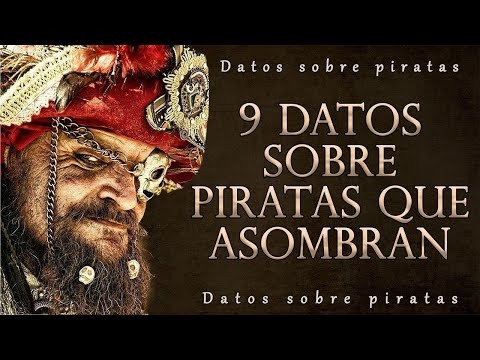
9 Astonishing Facts About Pirates That You've Probably Never Heard Before

Ahoy there! Welcome to "El Antroposofista," your trusted source for all things anthropology, archaeology, psychology, and history. Today, we're setting sail into the turbulent waters of maritime history to uncover some truly astonishing facts about pirates – the kind that rarely make it into popular lore. Forget the romanticized notions of eye-patches and parrots for a moment, and let's delve into the gritty, complex realities of these historical figures.

Setting the Historical Stage

Pirates have long captured the imagination, evolving from feared marauders to figures of romantic adventure in literature and film. However, the historical reality of piracy is far more nuanced. It's deeply intertwined with economic conditions, colonial expansion, and social upheaval. From the Hellenistic period to the Golden Age of Piracy in the Caribbean, and even into modern times, piracy has been a persistent feature of human history, often arising from desperation, opportunity, and a rejection of established authority.

In this post, we aim to dissect some of the lesser-known facets of pirate life, drawing from anthropological, sociological, and historical perspectives. We will explore their social structures, their economic practices, and the surprisingly complex ideologies that sometimes underpinned their actions.

Fact 1: The Myth of the Treasure Map

The iconic treasure map, marked with an 'X' and buried on a deserted island, is largely a product of fiction, popularized by works like Robert Louis Stevenson's Treasure Island. While pirates undoubtedly accumulated wealth, the idea of burying vast hoards of treasure was uncommon.

In reality, pirates were more likely to spend their plunder quickly on drink, gambling, and other pleasures ashore, or to divide it amongst the crew. The logistical challenge and risk of burying and then relocating large sums of treasure made it an impractical strategy for most.

The actual distribution of spoils was often governed by strict articles, reflecting a surprising degree of organization and fairness amongst the crew.

Fact 2: Pirate Republics and Democratic Ideals

Contrary to the image of a tyrannical captain, many pirate vessels operated under surprisingly democratic principles, especially during the Golden Age of Piracy (roughly 1650s to 1730s). Captains were often elected by the crew and could be deposed if they proved incompetent or tyrannical.

Furthermore, pirate ships had their own constitutions or "articles" that outlined rules, responsibilities, and the distribution of plunder. These articles often included provisions for compensating injured crew members, a concept far ahead of its time in naval or merchant shipping. This form of self-governance, a 'pirate republic,' represented a radical departure from the rigid hierarchies of the time.

Fact 3: Beyond the 'X' Marks the Spot: The Realities of Pirate Loot

While tales of chests overflowing with gold doubloons are captivating, pirate loot was often more varied and less glamorous. Their primary targets were merchant ships carrying valuable cargo such as textiles, spices, food, rum, and enslaved people. They would seize anything that could be easily sold or used.

Even monetary gains were often in the form of various currencies captured from different nations, reflecting the international nature of maritime trade and piracy. The anthropological perspective highlights how their 'economy' was a direct response to the rigid and often exploitative economic systems of colonial powers.

Fact 4: Women of the High Seas: Beyond the Stereotypes

Popular culture often relegates women in pirate narratives to the role of damsels in distress or scantily clad 'wenches.' However, historical records reveal instances of women who actively participated in piracy. Anne Bonny and Mary Read are perhaps the most famous examples, fighting alongside men and displaying considerable ferocity.

Their presence challenges simplistic gender roles and prompts us to consider how societal pressures and opportunities might have led some women to a life outside conventional norms. The study of such figures offers valuable insights into gender dynamics and agency in historical contexts, a key area in anthropology and history.

Fact 5: Pirate Medicine: Brutal but Effective?

Life at sea was fraught with peril, and injuries were common. Pirate surgeons, often lacking formal training, had to deal with everything from scurvy to amputations. Treatments could be rudimentary and brutal, involving crude surgical tools and limited understanding of hygiene.

Yet, their resourcefulness cannot be dismissed. They understood the importance of basic antisepsis (even if the theory wasn't known) by using rum or gunpowder to clean wounds. Scurvy, a major killer, was sometimes mitigated by obtaining fresh fruit and vegetables when possible during raids, or by consuming citrus if available. The pragmatic approach to survival is a fascinating aspect of psychology and human adaptability.

Fact 6: The Role of Code and Contracts

As mentioned, pirate ships often operated under a written code of conduct, or "articles." These documents were crucial for maintaining order and ensuring fair distribution of spoils. They typically detailed punishments for infractions, specified the division of loot (often with the captain and quartermaster receiving a larger share, but still a share), and outlined procedures for electing officers and dealing with captured vessels.

These articles represent a form of contract law developed organically by a community operating outside of state control, demonstrating a pragmatic approach to social organization and conflict resolution.

This highlights an interesting intersection of sociology and legal history, showing how communities can create their own governance structures.

Fact 7: Beyond the Caribbean: Global Piracy

While the Caribbean Golden Age is the most celebrated period, piracy has been a global phenomenon throughout history. From the Mediterranean pirates of antiquity to the Barbary corsairs of North Africa, the Vikings of Scandinavia, and the pirates of the South China Sea, maritime raiding has adapted to different geographical and political contexts.

Understanding this global scope is crucial for a comprehensive archaeology and anthropology perspective, revealing common patterns and unique adaptations of piracy across diverse cultures and eras. The dynamics of data collection and analysis in historical contexts are vital here.

Fact 8: The Piracy-State Nexus

The line between piracy and state-sanctioned privateering was often blurred. During times of war, nations would issue "letters of marque" authorizing private ships to attack enemy vessels. These privateers were, in essence, state-sanctioned pirates.

This relationship complicated the definition of piracy and often provided a legal cover for actions that were otherwise illegal. It also shows how state interests could directly influence and even encourage maritime raiding for strategic and economic gain, a point of interest for geopolitics and historical studies.

Fact 9: The Evolution of Pirate Representation

The modern image of the pirate – the flamboyant, swashbuckling rogue – is largely a creation of 19th-century literature and 20th-century film. Before this, pirates were often viewed with a mixture of fear and condemnation by respectable society, or as a symbol of resistance by the disenfranchised.

The transformation reflects societal anxieties and desires, with pirates becoming archetypes for freedom, rebellion, and adventure. Analyzing this evolution is a fascinating exercise in cultural history and media studies, showing how narratives shape our understanding of historical phenomena.

DIY Guide: Decoding Historical Maritime Terminology

Understanding historical texts about pirates requires familiarity with their unique language. This guide will help you decipher some common terms. It's a practical application of linguistic analysis and historical research, perfect for the aspiring scholar.

  1. Familiarize yourself with nautical terms: Many pirate actions involved maneuvering ships. Learn terms like forecastle (forward part of the ship), aft (towards the rear), port (left side), starboard (right side), bow (front), and stern (back). Understanding these provides context for descriptions of naval battles or voyages.
  2. Learn about pirate hierarchy and roles: Key roles included the Captain (elected leader, often in charge of strategy and discipline), the Quartermaster (elected representative of the crew, responsible for provisions, discipline, and loot distribution), and the Boatswain (overseeing the ship's crew and maintenance). Knowing these roles clarifies social dynamics onboard.
  3. Understand pirate "articles" or codes: These were the pirate ship's constitution. Look for terms related to plunder division (e.g., "shares"), compensation for injury (e.g., "lost limb," "lost eye"), and punishments (e.g., "marooning," "keelhauling" - though the latter is debated among historians).
  4. Recognize common pirate slang and curses: While hard to pin down definitively, terms like "matey," "shiver me timbers," "avast," "ahoy," and various nautical oaths were likely common. These add flavor and authenticity to historical accounts.
  5. Contextualize captured goods: Pirates targeted specific commodities. Terms like merchandise, spices, textiles, slaves, arms, and specific currency names (e.g., pieces of eight, doubloons) indicate the value and nature of their plunder.
  6. Research legal and state terminology: Understand terms related to state authority such as letters of marque, privateer, naval patrol, governor, and prize money. This helps differentiate between legitimate privateering and outright piracy.

By breaking down the language, you gain a deeper appreciation for the historical and social context of pirate lives. This practice is akin to linguistic anthropology, where language reveals cultural structures and historical relationships.

Frequently Asked Questions

Q1: Did pirates really bury treasure?
A1: While a popular trope in fiction, historical evidence suggests that pirates rarely buried their treasure. They were more likely to spend it quickly or divide it amongst the crew.

Q2: Were pirate captains always in charge?
A2: In many pirate crews, especially during the Golden Age, captains were elected and could be removed by the crew, indicating a more democratic structure than typically found in navies or merchant ships.

Q3: Were there many female pirates?
A3: While not common, historical records do show instances of women actively participating in piracy, such as Anne Bonny and Mary Read, challenging traditional gender roles.

Q4: What was the most common type of pirate loot?
A4: Pirates primarily targeted merchant ships and seized anything valuable or useful, including textiles, spices, food, rum, and sometimes enslaved people, not just gold and silver.

Q5: Did pirates have a code of conduct?
A5: Yes, many pirate ships operated under written "articles" or codes that governed daily life, discipline, and the fair distribution of plunder, demonstrating a form of self-governance.

In conclusion, the world of pirates is far richer and more complex than often portrayed. By examining their social structures, economic practices, and even their language through the lenses of anthropology, sociology, and history, we gain a more profound understanding of these figures who operated at the margins of society. Their stories are not just tales of adventure, but reflections of the broader historical forces that shaped the world.

``` ```json { "@context": "https://schema.org", "@type": "FAQPage", "mainEntity": [ { "@type": "Question", "name": "Did pirates really bury treasure?", "acceptedAnswer": { "@type": "Answer", "text": "While a popular trope in fiction, historical evidence suggests that pirates rarely buried their treasure. They were more likely to spend it quickly or divide it amongst the crew." } }, { "@type": "Question", "name": "Were pirate captains always in charge?", "acceptedAnswer": { "@type": "Answer", "text": "In many pirate crews, especially during the Golden Age, captains were elected and could be removed by the crew, indicating a more democratic structure than typically found in navies or merchant ships." } }, { "@type": "Question", "name": "Were there many female pirates?", "acceptedAnswer": { "@type": "Answer", "text": "While not common, historical records do show instances of women actively participating in piracy, such as Anne Bonny and Mary Read, challenging traditional gender roles." } }, { "@type": "Question", "name": "What was the most common type of pirate loot?", "acceptedAnswer": { "@type": "Answer", "text": "Pirates primarily targeted merchant ships and seized anything valuable or useful, including textiles, spices, food, rum, and sometimes enslaved people, not just gold and silver." } }, { "@type": "Question", "name": "Did pirates have a code of conduct?", "acceptedAnswer": { "@type": "Answer", "text": "Yes, many pirate ships operated under written \"articles\" or codes that governed daily life, discipline, and the fair distribution of plunder, demonstrating a form of self-governance." } } ] }