Mostrando las entradas para la consulta cybersecurity ordenadas por relevancia. Ordenar por fecha Mostrar todas las entradas

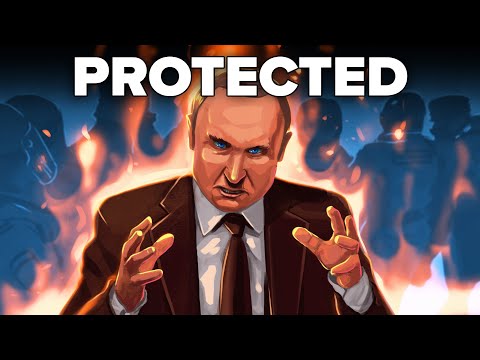
The Unseen Fortress: Deconstructing the Security Apparatus of the Russian President

The security surrounding a head of state is often a subject of intense public fascination and speculation. When it comes to the President of Russia, the layers of protection are perceived as exceptionally robust, almost theatrical in their complexity. This intricate system is not merely about physical deterrence but represents a sophisticated interplay of historical precedent, modern threat assessment, technological innovation, and meticulously crafted protocols. Understanding this apparatus offers a unique lens through which to view the broader dynamics of statecraft, perceived threats, and the very nature of power in the contemporary world.

Introduction: Beyond the Public Persona

The image of a leader constantly shielded by an imposing retinue is a recurring trope across history and cultures. However, the reality of presidential security, particularly in a nation of Russia's geopolitical standing, transcends simple bodyguarding. It is an emergent property of historical experiences, ongoing geopolitical tensions, and the inherent vulnerabilities associated with high-profile leadership. This article delves into the multifaceted nature of the security measures surrounding the President of Russia, aiming to provide an academically informed perspective that goes beyond sensationalism.

Historical Roots of Presidential Security

The concept of protecting leaders is as old as leadership itself. From ancient monarchies employing Praetorian Guards to the elaborate security details of tsarist Russia, the necessity of safeguarding those in power has always been paramount. The turbulent history of the 20th century, including revolutions, assassinations, and global conflicts, significantly shaped the development of modern state security services. The Soviet Union, in particular, developed a formidable state security apparatus, the legacy of which continues to influence contemporary practices. Understanding this lineage is crucial for appreciating the depth and evolution of current security arrangements.

"The protection of the sovereign was not merely a matter of personal safety, but an embodiment of the state's stability and continuity."

The historical context reveals a consistent pattern: as the perceived threats to a leader increase, so too does the complexity and intrusiveness of their security measures. This is not unique to Russia, but the specific historical trajectory of the nation, marked by significant political upheaval, likely informs a particularly cautious approach.

The Modern Threat Landscape: Evolving Challenges

In the 21st century, the threats facing leaders have diversified dramatically. Beyond the traditional concerns of assassination attempts and physical attacks, modern leaders must contend with sophisticated espionage, cyber warfare, disinformation campaigns, and asymmetric threats from non-state actors. For a figure like the President of Russia, who occupies a prominent and often controversial position on the global stage, the spectrum of potential risks is exceptionally broad. This necessitates a security framework that is not only reactive but also proactive, constantly anticipating and mitigating potential dangers.

The integration of intelligence gathering, predictive analysis, and rapid response capabilities forms the backbone of contemporary presidential security. This involves a deep understanding of intelligence, drawing from various SEO principles to understand information dissemination and potential exploitation.

The Inner Circle: The Kremlin Guard

At the forefront of presidential protection is the dedicated service tasked with this responsibility, often referred to colloquially as the "Kremlin Guard." This is not a monolithic entity but a complex network of various agencies and units, each with specific roles. These include close protection details, tactical response teams, intelligence analysts, and logistical support staff. The selection and training of personnel within these units are exceptionally rigorous, emphasizing not only physical prowess but also psychological resilience, discretion, and unwavering loyalty. Their operational methodologies, while largely confidential, are believed to incorporate a wide array of tactical disciplines.

The operational radius around the President is meticulously managed. Every venue, every route, and every interaction is subject to thorough vetting. This process ensures that potential vulnerabilities are identified and neutralized long before they can pose a threat. This mirrors the meticulous planning seen in historical military campaigns, albeit with a focus on a single individual.

Technological Fortifications: Surveillance and Counter-Surveillance

Technology plays an indispensable role in modern presidential security. Advanced surveillance systems, secure communication networks, and counter-espionage measures are deployed extensively. This includes state-of-the-art defensive technologies aimed at detecting and neutralizing electronic eavesdropping, drone incursions, and other technologically advanced threats. The constant evolution of technology means that security services must continually adapt and upgrade their capabilities to stay ahead of potential adversaries.

"In the digital age, the battleground for security extends far beyond physical space, encompassing the complex and often invisible realm of cyberspace."

The integration of cutting-edge technology allows for real-time threat assessment and response. This includes sophisticated biometric identification systems, encrypted communication channels, and advanced threat detection algorithms. For insights into how technology is used in information security, one might explore discussions on cybersecurity and its application in protecting critical infrastructure.

Protocols and Procedures: A Glimpse into Operational Security

The effectiveness of any security detail ultimately hinges on its operational protocols and the adherence to them. For the President of Russia, these protocols are likely exhaustive, covering every conceivable scenario. This includes detailed emergency evacuation plans, contingency measures for different types of threats, and strict rules of engagement for security personnel. The principle of "defense in depth" is often employed, creating multiple layers of security to ensure that even if one fails, others remain effective.

These procedures are constantly refined based on intelligence assessments, past incidents, and simulations. The ability to adapt and learn from evolving threats is a hallmark of any high-performing security organization. Understanding operational security can draw parallels with the meticulous planning required for complex logistical operations, such as those described in articles on logistics.

DIY Analysis: Understanding Security Through the Ages

While direct analysis of presidential security is impossible for the public, we can deconstruct the principles by examining historical examples and applying them conceptually. This "DIY" approach involves understanding the core elements that constitute effective security for important figures or assets throughout history.

  1. Identify the Asset: Recognize what needs protecting. This could be a leader, a valuable artifact, or critical information. For this exercise, consider the "asset" as the historical significance and symbolic power of a particular figure.
  2. Analyze Perceived Threats: What are the potential dangers? Historically, these have included political rivals, public unrest, foreign powers, and internal dissent. Think about the specific context of the asset's era.
  3. Map the Historical Security Measures: Research how these threats were addressed in different historical periods. For example, consider the security surrounding Roman emperors (Praetorian Guard), medieval kings (knights, castle defenses), or revolutionary leaders (secret police, ideological indoctrination).
  4. Examine Technological Adoption: How did technological advancements influence security? From fortified walls and early firearms to modern surveillance and cyber defenses, technology has always been a key factor.
  5. Evaluate Operational Protocols: Consider the rules, training, and command structures involved. Were they rigid or adaptable? How did they handle emergencies? Think about the chain of command and information flow.
  6. Conceptualize a Modern Analog: Based on the historical analysis, how would you design a security apparatus for a contemporary leader, considering modern threats like cyberattacks, disinformation, and globalized risks? Think about the balance between overt and covert measures.

This exercise encourages a critical examination of security not as a static concept, but as a dynamic field shaped by history, technology, and evolving societal challenges. Understanding historical security measures can provide insights into contemporary practices, even if the specifics remain classified.

Frequently Asked Questions

Q1: How is the security of the Russian President different from that of other world leaders?
A1: While many leaders share similar security concerns, the perceived geopolitical threats, historical context, and the specific institutional legacy of Russia's security apparatus likely contribute to unique operational characteristics and intensity.

Q2: What is the primary role of the Federal Protective Service (FSO) in Russia?
A2: The Federal Protective Service of Russia (FSO) is the primary agency responsible for ensuring the security of top Russian officials, including the President. Its duties encompass close protection, securing residences and work sites, and counter-intelligence operations related to these functions.

Q3: How does technology factor into presidential security today?
A3: Technology is integral, involving advanced surveillance, secure communication systems, counter-surveillance measures, cybersecurity protocols, and rapid threat detection, forming a crucial layer of defense against modern threats.

Q4: Is it possible for the public to know the exact details of presidential security?
A4: No, the specific operational details, personnel, and technologies employed are highly classified for security reasons. Public information is generally limited to observable behaviors and broad principles.

In conclusion, the security surrounding the President of Russia is a complex, layered system designed to mitigate an array of contemporary and historical threats. It represents a significant investment in personnel, technology, and rigorous protocols, reflecting the high stakes associated with protecting a nation's leader in a complex global environment. While the specifics remain largely hidden from public view, understanding the underlying principles and historical evolution of such security apparatuses provides valuable insight into the mechanics of state power and the enduring challenges of leadership.

Military Spending in Latin America: A Historical and Sociological Analysis (1832-2022)

Introduction: The Weight of Arms in Latin America

The specter of military expenditure has long cast a significant shadow over the socio-political and economic landscape of Latin America. From the nascent years following independence to the complex geopolitical realities of the 21st century, nations across this vibrant continent have consistently allocated substantial resources towards defense. This article embarks on an academic exploration, synthesizing anthropological, sociological, and historical perspectives to dissect the evolution, drivers, and consequences of military spending in Latin America between 1832 and 2022. We aim to move beyond mere data presentation, seeking to understand the intricate interplay of historical legacies, internal social structures, and external geopolitical pressures that shape these crucial budgetary decisions.

The intention behind this deep dive is to provide a comprehensive understanding for the academic researcher, the curious student of history and sociology, and anyone seeking to comprehend the persistent role of the military in Latin American development. By examining historical trends, we can illuminate recurring patterns and emergent challenges. This analysis will also consider the practical implications, offering tools for individuals to engage with and interpret such data themselves.

The Shifting Sands of Defense Budgets: An 1832-2022 Overview

The period from 1832 to 2022 represents a transformative era for Latin America, marked by nation-building, internal conflicts, regional rivalries, and evolving international relations. Charting military spending across these nearly two centuries reveals a complex tapestry, far from a linear progression.

In the immediate post-independence decades (mid-19th century), newly formed nations often maintained relatively modest military establishments, primarily focused on internal consolidation and border security. However, recurrent **conflicts** and **nationalism** fueled periods of increased defense investment. The late 19th and early 20th centuries saw some Latin American countries, particularly those with stronger economic bases, begin to modernize their armed forces, often influenced by European military doctrines.

The mid-20th century brought a dramatic shift, largely driven by the Cold War. The ideological struggle between the United States and the Soviet Union had a profound impact on military spending patterns across the globe, and Latin America was no exception. Many nations received military aid and training from the US, leading to an expansion and professionalization of their armed forces, often in the name of combating internal subversion and communist movements. This era witnessed the rise of military dictatorships in several countries, directly correlating with increased defense budgets.

The Cold War era, in particular, saw a significant escalation in military expenditure across Latin America, often driven by external geopolitical agendas and internal security concerns, frequently eclipsing investments in crucial social and economic development.

Following the return to democracy in many Latin American nations from the late 1970s onwards, there was a general trend towards reducing military spending as a proportion of GDP. However, this trend was not uniform and was often punctuated by periods of renewed tension, such as border disputes or the rise of transnational organized crime. The early 21st century has seen a resurgence in discussions around defense budgets, influenced by evolving threats, including **cybersecurity** challenges and the persistent issue of internal security, particularly related to drug trafficking and organized crime. Analyzing data from sources like Our World in Data and the World Bank is crucial for discerning these nuanced historical trajectories.

Sociological Drivers of Military Expenditure

Beyond historical events and geopolitical pressures, the decisions surrounding military spending are deeply embedded within the social fabric of Latin American nations. Understanding these sociological drivers is key to a holistic analysis.

  • Internal Security Concerns: The persistent challenges posed by organized crime, drug cartels, insurgent groups, and social unrest have been major catalysts for maintaining or increasing military budgets. The perception of these threats often translates directly into demands for greater state capacity, frequently involving the military.
  • National Identity and Sovereignty: For many Latin American nations, a strong military is perceived as a symbol of national sovereignty and independence. This sentiment can influence public opinion and political discourse, making significant defense cuts politically challenging. The historical struggle for **independence** and subsequent assertions of sovereignty against external powers continue to resonate.
  • Social Stratification and Power Dynamics: Military institutions often hold significant social and political influence. In some contexts, military spending can be linked to maintaining existing power structures or to internal political rivalries where defense procurement becomes a tool of influence or patronage. The concept of **social stratification** is crucial here, as different segments of society may perceive defense spending and its benefits differently.
  • The Role of Elites: Historically, political and economic elites have played a significant role in shaping defense policies. Their interests, whether related to maintaining internal order, projecting regional power, or benefiting from defense contracts, can heavily influence budget allocations.
The discourse surrounding military spending is often intertwined with narratives of national pride and security, making it a sensitive issue deeply connected to collective identity and perceived threats within Latin American societies.

The interplay between these sociological factors and actual budgetary decisions is complex. Public perception, media influence, and advocacy by military or industrial interests all contribute to the ongoing debate about the appropriate level of military expenditure.

Economic Ramifications: Opportunity Costs and Development

The allocation of significant financial resources to the military inevitably entails opportunity costs. While defense spending can stimulate certain sectors of the economy and provide employment, it often diverts funds from other critical areas of development.

Opportunity Costs: Funds allocated to defense could otherwise be invested in education, healthcare, infrastructure, or social programs. This trade-off is a central point of debate when evaluating military budgets. For instance, an investment in military hardware might mean fewer resources for building schools or hospitals, impacting long-term human capital development and societal well-being.

Economic Stimulus: Defense industries can contribute to technological innovation and create specialized jobs. Military procurement can also inject capital into certain regions. However, the broader economic benefits of military spending are often debated, with many economists arguing that equivalent investment in civilian sectors yields greater overall economic growth and employment.

Debt and Fiscal Stability: Sustained high levels of military spending can place a strain on national budgets, contributing to fiscal deficits and increasing national debt. This can have long-term implications for a country's economic stability and its ability to finance essential public services. Analyzing **economic growth** data alongside military expenditure reveals potential correlations.

The relationship between military spending and economic development in Latin America is multifaceted. While some argue that a secure environment, facilitated by strong defense, is a prerequisite for investment, others contend that excessive military expenditure hinders the very development it aims to protect by siphoning off vital resources.

Geopolitical Undercurrents and Regional Dynamics

Latin America's military spending is not solely an internal affair; it is profoundly shaped by regional and global geopolitical currents.

  • Regional Rivalries and Arms Races: Historically, border disputes and perceived threats from neighboring countries have fueled regional arms races. While large-scale interstate wars have become less common since the mid-20th century, simmering tensions and strategic competition can still influence defense postures and spending.
  • Influence of Global Powers: The historical and ongoing influence of major global powers, particularly the United States, has significantly impacted defense policies and procurement in Latin America. Military aid, arms sales, and security cooperation agreements can shape national defense priorities and budget allocations.
  • Transnational Threats: The rise of transnational criminal organizations, drug trafficking networks, and illegal resource exploitation poses complex security challenges that require significant military and law enforcement resources. Addressing these issues often necessitates regional cooperation but also fuels individual national defense spending. The phenomenon of **imperialist aggression** is a historical lens through which some scholars interpret these dynamics.
  • Peacekeeping and International Engagement: In recent decades, some Latin American nations have increased their engagement in international peacekeeping operations. While these missions contribute to global security, they also represent a commitment of resources and personnel that impacts national defense budgets.

Understanding these geopolitical factors requires examining international relations, **diplomacy**, and the shifting global power balance. The dynamics between **Latin America** and other regions are crucial for a complete picture.

DIY Practical Guide: Analyzing Military Spending Data

Engaging directly with data is a fundamental aspect of academic inquiry and personal understanding. This guide offers a practical, step-by-step approach to analyzing military spending data, embodying the "Do It Yourself" spirit.

  1. Identify Reliable Data Sources: Begin by locating reputable sources. Organizations like Our World in Data, the World Bank, the Stockholm International Peace Research Institute (SIPRI), and national statistical agencies (e.g., INEGI in Mexico for broader statistical context, though not directly military spending) are excellent starting points. Look for datasets covering the time period and geographical region you are interested in.
  2. Understand the Metrics: Military spending can be presented in various ways:
    • Absolute Figures (USD): The total amount spent.
    • As a Percentage of GDP: This indicates the proportion of the national economy dedicated to defense, useful for comparing countries of different economic sizes.
    • Per Capita Spending (USD): The amount spent per person, offering insight into the burden on individual citizens.
    • As a Percentage of Government Expenditure: Shows how defense spending compares to other government priorities.
    Choose the metric(s) most relevant to your research question. For historical comparisons, percentages of GDP or government expenditure are often more stable than absolute figures due to inflation and currency fluctuations.
  3. Data Acquisition and Cleaning: Download the relevant datasets. Most sources provide data in formats like CSV or Excel. You may need to clean the data by handling missing values (e.g., using interpolation or exclusion, depending on the context) and ensuring consistency in units and country names. Tools like spreadsheets (Excel, Google Sheets) or data analysis software (R, Python with Pandas) are useful here.
  4. Visualization: Visualizing the data is crucial for identifying trends and patterns.
    • Line Graphs: Ideal for showing trends over time for a single country or comparing multiple countries. Plot time on the x-axis and the chosen metric (e.g., % of GDP) on the y-axis.
    • Bar Charts: Useful for comparing spending across different countries at a specific point in time or for showing the breakdown of spending categories.
    • Maps: For geographical distribution, though direct military spending maps are less common than economic or demographic ones. You can use choropleth maps to show the % of GDP spent on defense across different countries in a given year.
    Consider using charting tools within spreadsheet software or specialized libraries in R/Python for more advanced visualizations.
  5. Contextualize and Interpret: Data alone is insufficient. Overlay your findings with historical events, political changes, and sociological factors discussed earlier. Ask critical questions:
    • Why did spending increase or decrease in a particular period?
    • What major events (wars, treaties, crises) coincide with these changes?
    • How does this spending compare to regional averages or global trends?
    • What are the potential socio-economic consequences of these spending patterns?
    Consult academic literature, historical accounts, and analyses from organizations focused on peace and security to deepen your interpretation. Ensure you are aware of the limitations of the data and the potential biases in reporting.

Frequently Asked Questions

What are the main factors influencing military spending in Latin America?

Key factors include historical legacies of conflict, perceived national security threats (internal and external), geopolitical influences from global powers, internal political dynamics, and the economic capacity of the state. The rise of transnational crime has also become a significant driver in recent decades.

Has military spending in Latin America increased or decreased over time?

The trend is complex and varies by country and period. While there was a general reduction in the proportion of GDP dedicated to defense following the end of the Cold War and transitions to democracy, spending has seen fluctuations due to regional tensions, internal security challenges, and evolving geopolitical landscapes. Recent years have seen renewed attention to defense budgets in some nations.

What are the economic opportunity costs of high military spending?

The primary opportunity cost is the diversion of financial resources that could otherwise be invested in critical sectors such as education, healthcare, infrastructure, and social development. This can hinder long-term human capital formation and overall societal progress.

How can I access reliable data on military spending in Latin America?

Reliable sources include academic databases, reports from international organizations like Our World in Data, the World Bank, and the Stockholm International Peace Research Institute (SIPRI). National statistical agencies also provide relevant data.

Conclusion: Towards a More Peaceful Future?

The journey through military spending in Latin America from 1832 to 2022 reveals a persistent and often substantial allocation of resources towards defense. This pattern is not a simple reflection of external threats but a complex amalgamation of historical inertia, internal social and political structures, economic considerations, and regional geopolitical dynamics. From the consolidation of post-colonial states to the ideological battles of the Cold War and the contemporary challenges of transnational crime, the military has remained a central, albeit evolving, institution shaping the continent's trajectory.

Understanding these trends is not merely an academic exercise; it carries profound implications for development, governance, and the pursuit of sustainable peace. The significant opportunity costs associated with high military expenditures highlight the critical need for informed public discourse and policy decisions that prioritize human security and long-term societal well-being. As Latin American nations continue to navigate a complex global landscape, critical analysis of military spending remains paramount. The "DIY" approach empowers individuals to engage with this data, fostering greater transparency and accountability. Ultimately, the aspiration for a more peaceful and prosperous Latin America hinges on a nuanced understanding of the past and a forward-looking commitment to rebalancing priorities towards development and human flourishing.

Deconstructing the Dragon's Gambit: A Scholarly Analysis of China's Global Strategy

The assertion of a meticulously crafted, step-by-step plan by China to achieve global dominance is a narrative that has permeated geopolitical discourse, sparking intense debate and speculation. This analysis seeks to move beyond sensationalism and delve into the historical, sociological, and anthropological underpinnings of China's evolving role on the world stage. We will examine the strategic initiatives, ideological underpinnings, and infrastructural developments that contribute to this perception, while critically assessing the validity and potential implications of such a grand strategy.

Introduction: The Perceived Grand Strategy

The question of whether China is orchestrating a deliberate plan for global supremacy is not new. It is a complex assertion that requires careful unpacking. This article aims to dissect this notion by exploring the observable actions and stated intentions of the Chinese state, situating them within a broader historical and theoretical framework. Rather than accepting the premise at face value, we will investigate the evidence, analyze the underlying motivations, and consider the diverse interpretations offered by scholars across anthropology, sociology, and history. The objective is to provide a nuanced understanding of China's global engagement, moving beyond simplistic narratives of conquest towards a more comprehensive appreciation of its multifaceted influence.

"Understanding the trajectory of any major power requires an examination of its historical consciousness, its economic imperatives, and its cultural projections."

Historical Antecedents and Ideological Roots

To comprehend contemporary China's global posture, it is crucial to acknowledge its long and intricate history. Periods of imperial grandeur, followed by the "century of humiliation" and the subsequent revolutionary transformations, have profoundly shaped national identity and strategic thinking. The concept of the "Middle Kingdom" – a historical worldview where China saw itself as the cultural and political center of the world – continues to resonate, albeit in modified forms. Ideologically, the embrace of Marxist-Leninist principles, adapted with Chinese characteristics and later incorporating Deng Xiaoping's pragmatic reforms and Xi Jinping's "Chinese Dream," provides a foundational narrative for national rejuvenation and global influence. Understanding these historical and ideological underpinnings is key to interpreting China's actions, from its foreign policy pronouncements to its economic outreach.

The legacy of historical interactions with neighboring states and global powers informs current strategies. For instance, the unresolved territorial disputes in the Mar Caribe and the South China Sea are viewed by some analysts through the lens of historical tributary systems, while others emphasize modern geopolitical competition. The latter perspective is crucial when examining initiatives like the Belt and Road Initiative (BRI).

The Belt and Road Initiative: A Modern Silk Road?

Perhaps the most visible manifestation of China's global ambition is the Belt and Road Initiative (BRI). Launched in 2013, this ambitious undertaking involves massive infrastructure investments across Asia, Africa, Europe, and Latin America. Its stated goals include fostering connectivity, trade, and economic development. However, critics often interpret the BRI as a strategic tool to expand China's economic and political influence, creating dependencies and securing access to vital resources and markets.

The BRI encompasses a vast network of railways, roads, ports, and energy pipelines, effectively creating new trade routes and deepening economic ties. The anthropological dimension of the BRI lies in its potential to reshape cultural landscapes, facilitate people-to-people exchanges, and foster or sometimes clash with local traditions. Sociologically, it raises questions about global power dynamics, debt sustainability for participating nations, and the creation of new economic blocs.

"The BRI is more than just infrastructure; it is a projection of Chinese power and an attempt to reshape global economic architecture."

Examining the BRI requires considering diverse perspectives: the economic benefits for partner countries, the potential for debt traps, the environmental impact of large-scale projects, and the geopolitical implications of increased Chinese leverage. This aligns with the core tenets of anthropology, which emphasizes understanding human societies in their totality, including their economic, political, and cultural dimensions.

Technological Ascendancy and Digital Diplomacy

In the 21st century, technological prowess is a significant determinant of global influence. China has made substantial investments in areas such as artificial intelligence, 5G telecommunications, and renewable energy. The development and global deployment of technologies like Huawei's 5G infrastructure have raised concerns among Western nations regarding cybersecurity and potential espionage. This technological race is intrinsically linked to data control and the shaping of digital infrastructures worldwide.

China's approach to digital diplomacy and the promotion of its technological standards can be seen as a form of 'digital soft power'. This strategy aims to influence global norms and practices in the digital realm, potentially creating a bifurcated internet or a Chinese-centric digital ecosystem. The anthropological perspective here focuses on how technology mediates human interaction and shapes cultural practices, while sociology examines the power structures inherent in global technological governance.

Understanding China's role in technological advancement also requires looking at its approach to intellectual property and innovation, a topic that has been a source of contention in comercio relations.

An Anthropological Lens: Soft Power and Cultural Influence

Beyond economic and technological initiatives, China actively seeks to enhance its 'soft power' – the ability to attract and persuade through culture and values. This is evident in the proliferation of Confucius Institutes worldwide, aimed at promoting Chinese language and culture. From an anthropological standpoint, soft power involves the projection of cultural narratives, artistic expressions, and ideological frameworks that resonate with global audiences. It is about shaping perceptions and fostering goodwill.

However, the effectiveness and reception of such cultural outreach are complex. Critics often question whether these initiatives are genuine cultural exchanges or tools for ideological propagation. The study of cultural appropriation, syncretism, and resistance becomes relevant here, as global audiences engage with and interpret Chinese cultural offerings. The impact on diversidad cultural is a key area of anthropological inquiry.

The concept of "cultural confidence" promoted by Beijing suggests a desire to assert the distinctiveness and universality of Chinese civilization, a theme that echoes historical notions of cultural superiority.

Sociological Ramifications: Global Governance and National Identity

China's growing influence inevitably impacts the existing global order. Sociologically, this raises questions about the future of international institutions, the balance of power between nations, and the evolving nature of global governance. China's role in organizations like the UN, its promotion of alternative multilateral frameworks, and its increasing assertiveness in international affairs signal a potential shift in the global power structure. The rise of China challenges established norms and power dynamics, prompting adjustments from other global actors.

Furthermore, China's domestic narrative of national rejuvenation and its projection of a strong, unified national identity have sociological implications both within China and abroad. For its citizens, it fosters a sense of pride and collective purpose. For the global community, it raises questions about national sovereignty, the role of the state, and the potential for homogenization or fragmentation of global identities.

"The interplay between national aspirations and global integration defines the sociological landscape of the 21st century, with China playing an increasingly pivotal role."

DIY Analysis: Deconstructing Geopolitical Narratives

Engaging critically with geopolitical narratives requires analytical skills that can be cultivated. Here's a practical guide to deconstructing claims about global strategies:

  1. Identify the Source: Determine the origin of the narrative. Is it a news outlet, a think tank, a government statement, or social media? Consider the potential biases and agendas of the source.
  2. Analyze the Core Claim: What is the central assertion? In this case, it's that China has a step-by-step plan for world domination. Break down what "world domination" might entail in practical terms (economic control, political influence, military supremacy).
  3. Examine the Evidence Presented: What specific examples or data are used to support the claim? Look for concrete initiatives like the BRI, technological advancements, or diplomatic actions.
  4. Seek Corroborating and Contradictory Evidence: Consult diverse sources to find information that supports or refutes the claim. Are there alternative explanations for the observed actions? For instance, can infrastructure projects be seen as purely economic development rather than strategic expansion? Consult academic analyses on geopolítica and historia.
  5. Consider Underlying Assumptions and Ideologies: What are the implicit beliefs driving the narrative? Is it based on a zero-sum view of international relations, a fear of rising powers, or historical anxieties?
  6. Evaluate the Language Used: Pay attention to loaded terms, sensationalism, and emotional appeals. Are phrases like "plotting," "secretly," or "take over" used without qualification?
  7. Look for Nuance and Complexity: Real-world geopolitical strategies are rarely simple, monolithic plans. Acknowledge the multiple actors, competing interests, and unintended consequences involved.
  8. Formulate Your Own Informed Opinion: Based on your critical analysis, develop a nuanced understanding of the situation, distinguishing between observable actions, potential interpretations, and speculative claims.

By applying these steps, readers can move from passively consuming information to actively analyzing and understanding complex global issues. This aligns with the spirit of DIY intellectual engagement.

Frequently Asked Questions

Q1: Is China's global influence a new phenomenon?
A1: While China's current level of global influence is unprecedented in recent history, the nation has historically held significant regional and global sway. Periods of dynastic power and extensive trade networks demonstrate a long tradition of international engagement.

Q2: What is the primary difference between China's current strategy and historical empires seeking domination?
A2: Unlike traditional empires focused on territorial conquest and direct rule, China's modern approach emphasizes economic interdependence, infrastructure development (like the BRI), and technological integration. The aim appears to be influence and partnership rather than outright colonial control.

Q3: How do anthropology and sociology help us understand China's global strategy?
A3: Anthropology offers insights into cultural influence, soft power, and the impact of China's initiatives on local societies and traditions. Sociology analyzes the shifts in global power structures, international relations, and the societal implications of China's economic and technological expansion.

Q4: Are China's actions purely driven by economic interests?
A4: While economic interests are a major driver, national security concerns, ideological aspirations for global order, and historical notions of national prestige also play significant roles in shaping China's foreign policy and global engagement.

Conclusion: Navigating a Complex Global Landscape

The narrative of a step-by-step plan for world domination, while compelling, risks oversimplifying the intricate realities of China's global strategy. What we observe is a complex interplay of economic imperatives, technological advancement, historical consciousness, and evolving geopolitical ambitions. China's rise is reshaping global dynamics, but the nature and ultimate intent of this transformation remain subjects of ongoing scholarly and public debate. By applying rigorous analytical tools from anthropology, sociology, and history, we can move towards a more informed and nuanced understanding. It is through critical inquiry and a commitment to understanding diverse perspectives that we can best navigate the complexities of our interconnected world.

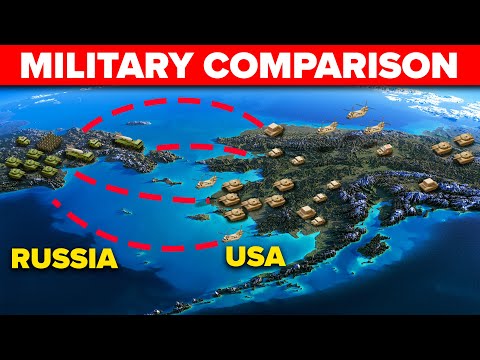
Russia vs. United States: A Historical and Sociological Analysis of Military Power Dynamics

Introduction: The Enduring Rivalry

The geopolitical landscape has long been shaped by the dynamic interplay between major global powers. Among the most significant and enduring rivalries is that between the United States of America and Russia. This historical antagonism, often characterized by complex ideological, economic, and military dimensions, continues to influence international relations and security paradigms. While often framed through a purely military lens, understanding this relationship requires a deeper dive into its historical roots, sociological underpinnings, and economic drivers.

This article aims to provide a comprehensive analysis, moving beyond simple numerical comparisons of military hardware. We will explore the historical trajectory of this rivalry, examine the sociological factors that contribute to national military strength, and consider the economic and technological underpinnings. By synthesizing academic perspectives with practical analytical approaches, we can gain a more nuanced understanding of the power dynamics at play.

Historical Context: From Cold War to Modern Geopolitics

The post-World War II era was dominated by the ideological struggle between the capitalist West, led by the United States, and the communist East, spearheaded by the Soviet Union (the predecessor to modern Russia). This period, known as the Cold War, was defined by a tense standoff, proxy conflicts, and a relentless arms race. The omnipresent threat of nuclear annihilation shaped global politics and fostered a climate of distrust.

The collapse of the Soviet Union in 1991 marked a significant shift. The United States emerged as the sole superpower, and for a time, it seemed as though a new era of international cooperation might prevail. However, Russia, under new leadership, gradually reasserted its influence on the global stage. Resentments over NATO expansion, perceived infringements on its sphere of influence, and a desire to restore national pride have fueled a resurgence of geopolitical competition.

Understanding this historical arc is crucial. It highlights how perceptions of threat, national identity, and historical grievances continue to shape contemporary military postures and diplomatic relations between these two nations. Examining sources from the era, such as historical analyses of the First World War's precursor tensions or the ideological battles of the 20th century, can provide valuable context.

Sociological Dimensions of Military Might

Military power is not merely a function of quantifiable assets; it is deeply intertwined with a nation's social fabric, its culture, and its values. Sociological factors play a pivotal role in shaping a nation's ability to mobilize resources, maintain morale, and sustain prolonged conflict. In both the United States and Russia, these dimensions are complex and multifaceted.

Consider the concept of national identity and patriotism. A strong sense of shared identity can foster collective will and support for military endeavors. Conversely, internal divisions or a lack of societal cohesion can undermine a nation's strength. The role of media, education, and cultural narratives in shaping public perception of military power and international relations cannot be overstated.

"The strength of a nation lies not only in its armies but in the unity and resolve of its people."

Furthermore, the social structures that support a military – from recruitment and training to the integration of veterans back into civilian life – are critical. A society that values its military personnel and provides robust support systems is likely to foster a more effective and sustainable defense force. Analyzing the impact of diversidad cultural within military ranks, or the societal acceptance of conscription versus a volunteer force, offers insights into these sociological dynamics.

The public's trust in institutions, including the military and government, is another crucial sociological factor. High levels of trust can translate into greater societal buy-in for defense policies, while widespread skepticism can lead to resistance and hinder national efforts. Examining the historical discourse around military interventions in both countries can illuminate these societal attitudes.

Economic and Technological Factors

The economic capacity of a nation is a fundamental determinant of its military capabilities. Sustaining a modern, technologically advanced military requires immense financial resources for research and development, procurement, maintenance, and personnel. Both the United States and Russia operate within vastly different economic frameworks, which significantly impact their military potential.

The United States boasts the world's largest economy, providing substantial funding for its military-industrial complex. This economic might enables continuous investment in cutting-edge technologies, such as advanced aircraft, naval vessels, and cyber warfare capabilities. The concept of economic growth and its correlation with military spending is a well-established area of study.

Russia, while possessing significant natural resources and a considerable defense industry, faces economic constraints that can impact its ability to match the sheer scale of US military expenditure. However, Russia has demonstrated a capacity for innovation, particularly in areas like hypersonic missiles and electronic warfare. The resilience of its economy in the face of international sanctions is also a relevant factor.

"Technological superiority, when coupled with economic backing, can confer a decisive advantage in modern warfare."

Technological advancements are continuously reshaping the nature of conflict. Countries that lead in innovation, particularly in areas like artificial intelligence, quantum computing, and cybersecurity, are likely to gain a strategic edge. The ongoing race for technological supremacy between the US and Russia is a critical aspect of their current rivalry. Examining the impact of sanctions and trade on technological development within both nations provides further depth to this analysis.

DIY Analysis: Deconstructing Military Comparisons

For those interested in critically assessing military comparisons presented in media or public discourse, adopting a structured analytical approach can be invaluable. This DIY guide outlines steps to dissect such information, fostering a more informed perspective.

  1. Identify the Source and its Potential Bias: Before accepting any comparison, scrutinize the origin. Is it from a reputable academic institution, a government report, a news outlet with a known stance, or a media channel like "The Infographics Show"? Understand that all sources may have inherent biases. For example, a video from a channel focused on entertainment might prioritize engagement over absolute factual neutrality.
  2. Define the Metrics Used: What specific criteria are being compared? Common metrics include personnel numbers (active, reserve), active combat tanks, armored vehicles, aircraft (fighters, bombers, helicopters), naval assets (aircraft carriers, submarines, destroyers), nuclear warheads, and defense spending (as a percentage of GDP or absolute figures). Note if qualitative aspects like troop training, morale, or technological sophistication are addressed, and how they are measured.
  3. Cross-Reference Data: Do not rely on a single source. Consult multiple reputable sources for comparative data. Look for reports from organizations like the Stockholm International Peace Research Institute (SIPRI) for arms spending, the International Institute for Strategic Studies (IISS) for military balance, or government defense department publications. Use your search skills to find data related to United States and Russia military statistics.
  4. Analyze the Contextual Factors: Numbers alone can be misleading. Consider geographical factors, geopolitical alliances (like NATO), economic stability, and the political will to engage in conflict. A nation with fewer tanks but superior air power and strong allies might possess a significant advantage.
  5. Evaluate Technological Superiority Claims: Is the claim of technological superiority substantiated with evidence, or is it a generalization? Research specific weapon systems and their deployment status. Look for reports on advancements in areas like artificial intelligence, cyber capabilities, and hypersonic technology.
  6. Consider Strategic Doctrines: Understand the military strategies and doctrines each nation employs. Are they primarily defensive, offensive, or geared towards power projection? This philosophical difference in approach significantly impacts how military assets are utilized and perceived.

By following these steps, you can move beyond superficial comparisons and develop a more critical and nuanced understanding of military power dynamics between nations like the USA and Russia.

Frequently Asked Questions

Q1: What is the primary historical driver of the rivalry between the US and Russia?
A1: The primary historical driver was the ideological and geopolitical competition during the Cold War, a period of intense rivalry between the capitalist United States and the communist Soviet Union (Russia's predecessor). While the Soviet Union collapsed, underlying geopolitical tensions and differing national interests have sustained a significant rivalry.

Q2: How does defense spending compare between the US and Russia?
A2: The United States consistently outspends Russia on defense by a significant margin. This allows the US to invest more heavily in advanced technology, research and development, and maintaining a global military presence.

Q3: Beyond numbers, what other factors contribute to a nation's military strength?
A3: Factors beyond numerical strength include technological sophistication, troop training and morale, strategic alliances, economic capacity to sustain military operations, intelligence capabilities, cyber warfare prowess, and the political will to use military force.

Q4: Is there a definitive "winner" in the military comparison between the US and Russia?
A4: Defining a definitive "winner" is complex and depends heavily on the specific scenario and metrics used. Both nations possess formidable military capabilities, including nuclear arsenals, making any direct large-scale conflict potentially catastrophic for both and the world. Their strengths lie in different areas, and their strategic doctrines also differ.

Conclusion: Beyond the Numbers

The comparison between the military might of the United States and Russia is far more intricate than a simple tally of tanks and soldiers. It is a narrative woven from historical grievances, evolving geopolitical strategies, deeply ingrained sociological factors, and the relentless march of technological innovation.

While quantitative analyses, such as those presented in infographics, offer a snapshot of current capabilities, they often fail to capture the full spectrum of national power. The resilience of a society, the ingenuity of its scientists, the strategic acumen of its leaders, and the strength of its alliances all play critical roles. Understanding this enduring rivalry requires a commitment to interdisciplinary analysis, drawing on history, sociology, economics, and political science.

Ultimately, the true measure of military power lies not just in destructive capacity but in the ability to deter conflict, maintain stability, and foster a secure global environment. The ongoing dialogue and potential for de-escalation, informed by a comprehensive understanding of each nation's capabilities and motivations, remain paramount.

HACKERS (2001): Un Viaje Antropológico al Corazón de la Cultura Digital Primitiva

Introducción: El Amanecer de la Cultura Hacker y su Reflejo Cinematográfico

La fascinación por la piratería informática, o *hacking*, ha sido un pilar de la narrativa cultural contemporánea, especialmente desde finales del siglo XX. El documental "HACKERS" (2001) se erige como un testimonio de esta era, capturando la efervescencia y los peligros inherentes a los albores de la internet masificada. Este análisis se adentra en la obra no solo como un registro histórico, sino como una ventana a la sociología, la antropología y la psicología de una subcultura que definió un nuevo paradigma de interacción humana y poder tecnológico. La intención de búsqueda del lector interesado en este documental se sitúa en la intersección de la historia de la tecnología, la criminología digital y el estudio de las subculturas, buscando comprender los orígenes del *hacking* y sus implicaciones a largo plazo. Analizaremos la entidad principal, el concepto de "hacker" en su acepción más amplia y sus manifestaciones documentadas, entrelazando términos como *ciberdelincuencia*, *seguridad informática*, *ética hacker*, *cultura digital* y la figura de los *hacktivistas*.

El Contexto Histórico: La Internet Primitiva y la Emergencia del Hacker

"HACKERS" (2001) se gesta en un momento crucial: la transición de la internet como un dominio académico y militar a un fenómeno de masas. Las redes como ARPANET y la incipiente World Wide Web eran territorios poco explorados, repletos de misterio y potencial. En este caldo de cultivo digital, surgieron figuras que, con una mezcla de curiosidad insaciable y habilidad técnica, comenzaron a desentrañar los entresijos de estos sistemas. El documentalista captura esa atmósfera de frontera, donde la exploración y la transgresión a menudo se solapaban. La figura del *hacker*, inicialmente asociada a la resolución ingeniosa de problemas (como en el MIT de los años 60), se metamorfoseó en el imaginario popular hacia un delincuente informático. Este documental, aunque quizás con una visión algo sensacionalista para los estándares actuales, refleja esa dualidad y el miedo que acompañaba a lo desconocido en el ciberespacio.
La habilidad para navegar por los flujos de información, para manipular sistemas que parecían inexpugnables, confería un poder casi místico a estos pioneros digitales.

Análisis Sociocultural: La Tribu Digital y sus Rituales

Desde una perspectiva antropológica, la comunidad hacker temprana puede ser vista como una tribu digital. Compartían un lenguaje propio (*leet speak*, jerga técnica), códigos de conducta (a menudo implícitos), rituales de iniciación (demostrar habilidades técnicas) y una fuerte identidad grupal. El documental ofrece atisbos de estas dinámicas, mostrando cómo se establecían jerarquías basadas en el conocimiento y la audacia. La motivación principal no siempre era el beneficio económico, sino el desafío intelectual, la búsqueda de conocimiento y, en muchos casos, un espíritu de rebeldía contra las estructuras de control y la burocracia inherente a los sistemas centralizados. Estudiar estas interacciones nos ayuda a comprender la formación de identidades en entornos virtuales y cómo las subculturas se autoorganizan.
Como señala el autor de "Understanding Media", Marshall McLuhan, "el medio es el mensaje". En el caso de "HACKERS", el medio del documental mismo y el contenido que retrata funcionan como espejos de la cultura digital emergente. La edición, la música y el ritmo narrativo emulan la velocidad y la naturaleza fragmentada de la información en línea.

La Ética del Hacking: ¿Crimen o Liberación de la Información?

Una de las tensiones centrales que explora el documental es la ambigüedad ética del *hacking*. ¿Son estos individuos criminales que buscan explotar vulnerabilidades para su propio beneficio, o son exploradores que buscan exponer fallos de seguridad y promover un acceso más libre a la información? "HACKERS" presenta casos que rozan la línea gris, mostrando tanto actos de malicia como de curiosidad benigna. Se abordan, aunque sea de forma somera, las diferentes facetas del espectro *hacker*: desde los *script kiddies* (novatos que utilizan herramientas prefabricadas) hasta los *hacktivistas* (aquellos que utilizan el *hacking* con fines políticos o sociales), y los *black hats* (criminales) y *white hats* (expertos en seguridad que trabajan éticamente). Comprender esta diversidad es fundamental para desmitificar el concepto.
La línea entre la exploración legítima y la intrusión criminal es a menudo tenue, y los sistemas de seguridad son un campo de batalla constante para hackers y defensores.

Los Peligros Reales: Más Allá de la Pantalla

Si bien la cultura *hacker* tiene un componente lúdico y de desafío intelectual, "HACKERS" no elude los peligros concretos asociados a esta actividad. La exposición de datos sensibles, el robo de identidad, el sabotaje de infraestructuras críticas y el impacto psicológico en las víctimas son consecuencias tangibles. El documental sirve como una advertencia, recordando al espectador que las acciones en el ciberespacio tienen repercusiones en el mundo físico. La interconexión global de la internet significa que una brecha de seguridad en un punto puede propagarse y causar estragos a gran escala. El estudio de la *ciberdelincuencia* como fenómeno social y económico cobra vital importancia a la luz de estos hechos. Para aquellos interesados en la vertiente práctica de la seguridad, la consulta de recursos sobre ciberseguridad en sitios como CISA (Cybersecurity and Infrastructure Security Agency) ofrece una perspectiva actualizada de las amenazas y contramedidas.

El Legado del Documental: Una Mirada Crítica

"HACKERS" (2001) es un artefacto cultural valioso. Si bien puede carecer del rigor analítico de estudios académicos posteriores sobre la materia, su mérito reside en haber popularizado y puesto en la agenda pública una conversación sobre los riesgos y las realidades del mundo digital. Captura la esencia de una subcultura en formación, con sus mitos, sus miedos y sus héroes. Como documento histórico, nos permite observar cómo evolucionó la percepción pública del *hacking* y cómo los medios de comunicación contribuyeron a dar forma a esa narrativa. Un análisis crítico del documental implica reconocer tanto sus aportaciones como sus limitaciones, entendiendo el contexto de su producción y recepción. Es una pieza clave para entender la genealogía del discurso sobre la seguridad informática y la vida digital.

Guía Práctica DIY: Analizando la Simbología en Documentales sobre Hacking

Analizar la simbología en documentales sobre *hacking* puede revelar mucho sobre cómo se construye la imagen del hacker y la narrativa tecnológica. Aquí te presentamos una guía para hacerlo tú mismo:
  1. Identifica el Icono del Hacker: Presta atención a la vestimenta, los accesorios (auriculares, gafas oscuras), el entorno (habitaciones oscuras, múltiples monitores) y las acciones que se asocian visualmente con los protagonistas. ¿Qué elementos refuerzan la idea de un genio solitario, un rebelde o un criminal?
  2. Observa el Lenguaje Visual de la Tecnología: Fíjate en cómo se representan las interfaces, los códigos y las redes. ¿Son representaciones realistas o estilizadas? ¿Se utilizan efectos visuales para transmitir complejidad o peligro (por ejemplo, código verde cayendo)?
  3. Analiza la Música y el Sonido: ¿Qué tipo de música acompaña las escenas de *hacking*? ¿Es tensa, electrónica, épica? ¿Cómo refuerza el sonido el ambiente o las emociones que el documental intenta evocar?
  4. Examina las Metáforas Utilizadas: Busca metáforas en el lenguaje o en las imágenes. Por ejemplo, la red como una jungla, un laberinto o un campo de batalla. ¿Qué implican estas metáforas sobre la percepción del ciberespacio?
  5. Contextualiza la Producción: Investiga cuándo se realizó el documental. El contexto histórico y tecnológico de la época influirá enormemente en la simbología utilizada. Por ejemplo, un documental de los 80 tendrá una simbología diferente a uno de principios de los 2000.
  6. Compara con Otras Representaciones: Compara los símbolos y las imágenes de este documental con los de otras películas o documentales sobre el mismo tema. ¿Existen tropos recurrentes en la representación del *hacking*?

Preguntas Frecuentes

¿Es "HACKERS" (2001) un documental preciso sobre la realidad del hacking?

Si bien "HACKERS" (2001) ofrece una ventana a la cultura y los temores en torno al *hacking* a principios de los 2000, no debe considerarse una representación completamente fidedigna de las actividades técnicas. A menudo dramatiza o simplifica los procesos por motivos narrativos. Su valor reside más en su reflejo sociológico y cultural que en su exactitud técnica.

¿Qué tipo de hackers aparecen en el documental?

El documental tiende a presentar una visión general, incluyendo perfiles que podrían interpretarse como *script kiddies*, jóvenes exploradores de la red y, en algunos casos, figuras más cercanas a la delincuencia informática. Muestra la diversidad de motivaciones, desde la curiosidad hasta el potencial de beneficio o daño.

¿Cuál es la diferencia entre un hacker y un cracker?

Tradicionalmente, un "hacker" se refería a alguien con gran habilidad técnica y una mente creativa para resolver problemas o explorar sistemas, a menudo con fines de aprendizaje o mejora. Un "cracker", en cambio, es alguien que utiliza estas habilidades con fines maliciosos, como el robo de información o la destrucción de sistemas. Sin embargo, en el uso popular, ambos términos a menudo se confunden.

¿Por qué el hacking era tan temido en los años 90 y principios de los 2000?

El miedo se originaba en la novedad y la incomprensión de la tecnología. La internet era un espacio poco regulado y desconocido para la mayoría, y la capacidad de acceder y manipular información a distancia generaba inseguridad. Los incidentes de alto perfil, aunque a veces exagerados por los medios, alimentaron la percepción de una amenaza invisible y omnipresente.

¿Qué impacto tuvo este documental en la percepción pública del hacking?

Documentales como "HACKERS" contribuyeron significativamente a dar forma a la imagen popular del hacker, a menudo retratándolo como una figura joven, rebelde y tecnológicamente prodigiosa, pero también potencialmente peligrosa. Ayudaron a popularizar la idea del ciberespacio como un nuevo escenario para el conflicto y la exploración.

Conclusión y Reflexión Final

"HACKERS" (2001) trasciende su mera función de entretenimiento para convertirse en un documento de época, revelador de las ansiedades y fascinaciones de una sociedad en plena transición digital. Al analizarlo desde perspectivas antropológicas, sociológicas e históricas, desvelamos las estructuras culturales que emergían en el albor de la internet. La figura del *hacker*, tan ambigua como seductora, se consolida en este documental como un arquetipo de la era digital. Su legado, tanto el de la cultura que retrata como el del propio filme, nos invita a una reflexión continua sobre la ética, la seguridad y la naturaleza humana en un mundo cada vez más interconectado. Invitamos a nuestros lectores a compartir sus propias reflexiones y experiencias sobre este documental y la evolución de la cultura hacker en la sección de comentarios.

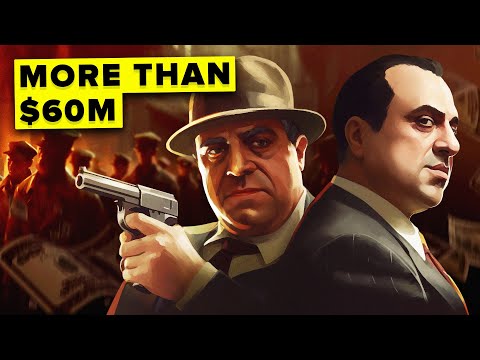
The Sociology of Organized Crime: Profiling the Richest Mob Bosses in History

The adage "crime doesn't pay" often overlooks the complex economic and social structures that underpin organized criminal enterprises. While the legal and ethical implications of these activities are undeniable, a sociological and historical lens reveals fascinating patterns of wealth accumulation, power consolidation, and cultural influence. This article delves into the profiles of some of the wealthiest mob bosses throughout history, not to glorify their actions, but to understand the mechanisms of their success and their impact on society.

Introduction: Beyond the Myth

The popular imagination often associates mob bosses with a life of opulence, power, and a certain romanticized danger. While the reality is far more brutal and destructive, the immense wealth accumulated by figures like Al Capone, Pablo Escobar, and others warrants an anthropological and sociological examination. These individuals, operating outside the traditional economic framework, mastered illicit markets, exploited vulnerabilities, and built empires that, for a time, rivaled legitimate corporations in scale and influence. Their stories are not just tales of crime, but intricate case studies in power, social structures, and the global flow of illicit capital.

The Economic Engines of Organized Crime

Understanding the financial success of mob bosses requires dissecting the various industries they infiltrated and controlled. These often included:

  • Prohibition-era bootlegging: The illegal production and sale of alcohol during the Prohibition era in the United States created unprecedented opportunities for organized crime. Figures like Al Capone built vast fortunes through this venture.
  • Drug trafficking: From the mid-20th century onwards, the international drug trade became a primary source of income for powerful cartels, notably in Latin America. Pablo Escobar's Medellín Cartel is a prime example.
  • Gambling and Extortion: Traditional rackets involving illegal gambling operations, loan sharking, and protection rackets have long been staples of mob economies.
  • Money Laundering: The ability to clean and reintegrate illicit profits into the legitimate economy is crucial for any criminal enterprise. Sophisticated networks were developed to achieve this, often involving front businesses and international financial transactions.
  • Arms Trafficking: The illicit trade in weapons fuels conflicts and generates significant profits for organized groups operating in volatile regions.
"The very existence of a black market is a testament to unmet demand within the legal economy, a void that organized crime is all too eager to fill."

The scale of these operations often necessitated complex logistical networks, extensive networks of corrupt officials, and a ruthless approach to competition. The sheer volume of data generated and managed by these organizations in terms of supply chains, distribution, and enforcement is a topic worthy of its own study.

Notable Figures in Criminal Finance

Examining specific individuals provides a tangible grasp of the wealth and power wielded by top mob bosses. While precise figures are often speculative due to the clandestine nature of their operations, estimates consistently place several figures at the apex of illicit wealth:

  • Al Capone: Estimated net worth in the hundreds of millions of dollars during the 1920s, primarily from bootlegging and gambling. His empire in Chicago was a model of criminal organization.
  • Pablo Escobar: At his peak, Escobar was reportedly one of the wealthiest men in the world, with an estimated net worth of $30 billion, largely derived from the cocaine trade. He controlled a vast portion of the global cocaine market.
  • Meyer Lansky: A key financier of organized crime, Lansky was instrumental in establishing and managing vast gambling empires in Las Vegas and Cuba. His financial acumen was legendary.
  • John Gotti: Known as "The Dapper Don," Gotti led the Gambino crime family in New York, amassing considerable wealth through extortion, loan sharking, and various illegal enterprises.
  • Semion Mogilevich: Often described as the "boss of bosses" of the Russian mafia, Mogilevich is believed to have amassed billions through various schemes, including arms trafficking and financial fraud.

These figures represent different eras and criminal landscapes, yet they share a common thread: an ability to organize, exploit, and amass wealth on a grand scale, often leaving a devastating social and economic footprint.

Social Structures and Power Dynamics

Beyond mere financial transactions, the success of mob bosses relied heavily on intricate social structures and a sophisticated understanding of power dynamics. These organizations often mirrored legitimate corporations in their hierarchical structures, division of labor, and methods of enforcing discipline. The concept of 'honor among thieves' is a complex social construct that, while often idealized, played a role in maintaining internal cohesion and loyalty, albeit enforced through brutal means. Understanding the dynamics of comprender culturas within these subcultures is essential.

"Loyalty within these organizations was often a fragile construct, maintained not by shared values, but by a pervasive fear of reprisal and the allure of shared illicit gains."

The influence of these bosses extended beyond their criminal enterprises, impacting local economies, political systems, and even cultural narratives. Their stories have been immortalized in films and literature, reflecting a societal fascination with the darker side of human ambition and organization.

DIY Analysis: Deconstructing Criminal Hierarchies

To better understand the structure and operations of organized crime, we can employ a simplified analytical framework. This exercise encourages critical thinking about power structures, even in non-criminal contexts.

  1. Identify the Core Illicit Market: What is the primary source of income? (e.g., drug trafficking, illegal gambling, arms dealing). This forms the foundation of the criminal enterprise.
  2. Map the Supply Chain: How are goods or services acquired, transported, and distributed? Consider the logistics, geographical challenges, and potential points of failure. This involves understanding geographical distribution.
  3. Analyze Enforcement and Security: How is the operation protected from rivals and law enforcement? This includes internal security, use of violence, and bribery. This relates to concepts in cybersecurity in a digital context.
  4. Examine Financial Operations: How are profits generated, managed, and laundered? Identify front businesses, offshore accounts, and money laundering techniques. This is crucial for understanding economic growth, even in illicit sectors.
  5. Deconstruct the Hierarchy: Who is at the top? What are the roles of lieutenants, enforcers, and street-level operators? Understand the chain of command and communication. This maps onto general social structures.
  6. Assess External Relationships: How does the organization interact with corrupt officials, other criminal groups, or the wider community? This involves understanding international diplomacy and local power plays.

By applying this framework, one can begin to appreciate the complexity and strategic planning involved in running a large-scale criminal operation. It highlights how elements of organization and strategy, often seen in legitimate businesses, are also present, albeit in a perverted form, within criminal enterprises. This analytical approach is transferable to understanding various sociological phenomena.

Frequently Asked Questions

Q1: Is it possible to accurately determine the net worth of mob bosses?
A1: It is extremely difficult to determine exact figures due to the clandestine nature of their operations. Estimates are often based on known assets, scale of operations, and informant testimonies, and should be treated as approximations.

Q2: What were the most common industries controlled by mob bosses?
A2: Historically, common industries included bootlegging, gambling, loan sharking, extortion, drug trafficking, and later, arms dealing and financial fraud.

Q3: How did mob bosses maintain loyalty within their organizations?
A3: Loyalty was often maintained through a combination of shared illicit profits, intimidation, violence, a strict code of conduct (like omertà), and the creation of a perceived 'family' structure, though this was enforced by fear rather than genuine affection.

Q4: Did mob bosses have a significant impact on legitimate economies?
A4: Yes, through money laundering, front businesses, and corruption, mob bosses could significantly distort local and even national economies, siphoning capital away from legitimate enterprises and influencing political decisions.

Conclusion: A Sociological Perspective

The figures of the wealthiest mob bosses serve as potent symbols of the dark side of economic ambition and organizational power. Their illicit empires, built on violence, exploitation, and a profound understanding of human vices and societal vulnerabilities, offer a stark contrast to legitimate economic structures. By studying their rise and fall, we gain insights into the enduring nature of organized crime, its adaptability across different historical periods and geopolitical landscapes, and its deep-seated impact on society. Understanding these dynamics is crucial for developing more effective strategies to combat criminal organizations and for appreciating the complex interplay between legality, morality, and economic activity in the modern world.

Un Nuevo Horizonte en Ciberseguridad: Descifrando los Fundamentos con un Enfoque Práctico

La ciberseguridad, en su esencia, representa un campo de batalla digital en constante evolución, donde el conocimiento y la preparación son las armas más poderosas. Comprender sus fundamentos no es solo una ventaja, sino una necesidad imperante en nuestra era hiperconectada. Este artículo se adentra en la introducción de un curso diseñado para desmitificar este complejo universo, ofreciendo un camino claro y accesible hacia el dominio de la seguridad informática. Analizaremos la metodología propuesta, las herramientas esenciales y la importancia de adoptar un enfoque de aprendizaje continuo y riguroso, tal como lo haríamos al abordar un texto histórico complejo o un arte tradicional del "Hazlo Tú Mismo".

Introducción Contextual: El Paisaje de la Ciberseguridad

La era digital ha transformado radicalmente la forma en que vivimos, trabajamos y nos relacionamos. Esta interconexión global, si bien ofrece innumerables beneficios, también ha abierto un vasto panorama de vulnerabilidades y amenazas. La seguridad informática, por lo tanto, ha pasado de ser un nicho técnico a convertirse en un pilar fundamental para la protección de datos, infraestructuras críticas y la privacidad individual. Este curso se propone como una brújula para navegar este complejo entorno, partiendo de los principios más básicos hasta alcanzar una comprensión sólida y práctica.

Comprender la ciberseguridad implica no solo conocer las técnicas de defensa, sino también entender las motivaciones y métodos de quienes buscan explotar las debilidades. Es un campo que bebe de la sociología, la historia de la tecnología y la propia antropología, al estudiar el comportamiento humano en el entorno digital.

"La ciberseguridad no es un producto, es un proceso." - Eleanor Roosevelt (adaptado al contexto digital)

La metodología de aprendizaje que se propone es crucial. A diferencia de memorizar conceptos aislados, se enfoca en la aplicación práctica y el desarrollo de un pensamiento crítico, similar a cómo un artesano perfecciona su oficio a través de la repetición y la adaptación.

Metodología del Curso: Aprendizaje Progresivo y Aplicado

Este curso se distingue por su enfoque pragmático. No se trata meramente de una acumulación de conocimientos teóricos, sino de un proceso de construcción activa. La introducción sienta las bases, explicando la importancia de cada módulo y cómo se interconectan para formar una visión holística de la ciberseguridad.

Se prioriza un aprendizaje gradual, comenzando con conceptos fundamentales como la confidencialidad, integridad y disponibilidad (CIA) de la información, para luego ascender a temas más complejos. La idea es que el estudiante pueda construir su conocimiento capa a capa, asegurando una comprensión profunda y duradera.

La metodología busca emular las prácticas de hacking ético, donde la exploración y la experimentación controlada son clave. Se fomenta la curiosidad y la resolución de problemas, habilidades indispensables para cualquier profesional del área.

Herramientas Esenciales para el Aspirante a Experto

Una parte integral de la seguridad informática es el dominio de las herramientas adecuadas. La introducción del curso detalla un conjunto de software y plataformas que serán esenciales para el aprendizaje práctico. Estas herramientas no son fines en sí mismas, sino medios para explorar, analizar y proteger sistemas.

Se presentarán desde herramientas de diagnóstico de red hasta entornos virtuales seguros para la experimentación. El conocimiento de estas herramientas es comparable a la familiaridad de un historiador con sus fuentes primarias o un antropólogo con sus métodos de etnografía.

Ejemplos de categorías de herramientas que se abordarán incluyen:

  • Sistemas Operativos Dedicados: Como Kali Linux, diseñados específicamente para pruebas de penetración y auditoría de seguridad.
  • Herramientas de Escaneo de Red: Para mapear la topología de redes y identificar dispositivos conectados.
  • Analizadores de Protocolo: Como Wireshark, para examinar el tráfico de red en detalle.
  • Entornos Virtuales: Plataformas como VirtualBox o VMware para crear laboratorios seguros donde practicar sin riesgos.

La elección y el uso adecuado de estas herramientas son vitales para cualquier profesional de la ciberseguridad. Son la manifestación práctica de los principios teóricos.

Guía Práctica DIY: Reconocimiento Básico de Redes

Para aplicar los conceptos introductorios, nos centraremos en una tarea fundamental: el reconocimiento de una red local. Este ejercicio, si bien básico, sienta las bases para entender cómo funcionan las redes y cómo se pueden identificar sus componentes. Utilizaremos herramientas accesibles y seguras para este fin.

  1. Preparación del Entorno:
    • Asegúrate de tener un sistema operativo con herramientas de red instaladas. Una distribución de Linux como Ubuntu o Debian es ideal, o puedes usar una máquina virtual con Kali Linux.
    • Identifica la dirección IP de tu propia máquina. En Linux, puedes usar el comando ip addr show en la terminal.
  2. Identificación de la Red Local:
    • Las redes domésticas suelen usar rangos de IP como 192.168.x.x o 10.0.x.x. Tu dirección IP te dará una pista sobre el rango de la subred.
  3. Escaneo Básico de Red (Ping Sweep):
    • Utiliza una herramienta como nmap (Network Mapper). Un comando simple para escanear tu red local podría ser: nmap -sn 192.168.1.0/24 (ajusta el rango IP según tu red).
    • Este comando realiza un "ping sweep", enviando paquetes ICMP a cada dirección IP en el rango especificado para ver cuáles responden, indicando la presencia de un dispositivo activo.
  4. Análisis de Resultados:
    • El resultado de nmap te mostrará una lista de direcciones IP que respondieron.
    • Para cada IP activa, puedes intentar obtener más información, como la dirección MAC, utilizando comandos como arp -a en sistemas basados en Windows o Linux.
  5. Consideraciones Éticas:
    • Este ejercicio debe realizarse únicamente en redes de tu propiedad o con permiso explícito. Escanear redes ajenas sin autorización es ilegal y poco ético.

Este ejercicio práctico te permite visualizar la infraestructura digital que te rodea, un primer paso crucial en el camino hacia la ciberseguridad.

La Actualización Constante: Un Pilar de la Ciberseguridad

El panorama de las amenazas digitales cambia a una velocidad vertiginosa. Nuevas vulnerabilidades se descubren, los atacantes desarrollan técnicas innovadoras y las defensas deben adaptarse continuamente. Por ello, la actualización constante no es solo una recomendación, sino un imperativo categórico en el campo de la seguridad informática. El curso, al ser actualizado y compartido (como se indica en la promesa de publicar "cada día"), refleja esta necesidad.

Mantenerse informado sobre las últimas tendencias, las nuevas cepas de malware, las vulnerabilidades zero-day y las mejores prácticas defensivas es esencial. Esto se logra a través de la lectura de fuentes confiables, la participación en comunidades de seguridad y, por supuesto, la formación continua.

"La complacencia es el enemigo de la seguridad." - Autor anónimo.

Suscribirse al blog y seguir las actualizaciones en tiempo real, como se sugiere, es una excelente estrategia para integrar este principio de aprendizaje continuo en tu rutina. La ciberseguridad es un viaje, no un destino.

Puedes encontrar más información sobre amenazas y tendencias actuales en sitios como Cybersecurity & Infrastructure Security Agency (CISA).

Preguntas Frecuentes

¿Es necesario tener conocimientos previos de programación para entender este curso?
Si bien algunos conceptos avanzados pueden beneficiarse de un entendimiento de programación, la introducción y los módulos iniciales están diseñados para ser accesibles incluso sin experiencia previa en codificación. Se enfoca en los principios y la lógica detrás de la seguridad informática.

¿Qué diferencia hay entre seguridad informática y ciberseguridad?
Aunque a menudo se usan indistintamente, la seguridad informática es un término más amplio que abarca la protección de sistemas informáticos y datos contra el acceso no autorizado, daño o robo. La ciberseguridad se centra específicamente en la protección contra ataques digitales y amenazas en el ciberespacio.

¿Cuánto tiempo se tarda en ser un experto en ciberseguridad?
Convertirse en un experto requiere años de estudio, práctica y experiencia continua. Este curso proporciona una base sólida, pero el camino hacia la maestría es un compromiso a largo plazo que implica aprendizaje constante y adaptación.

¿Las herramientas mencionadas son legales de usar?
Las herramientas como Nmap o Wireshark son legales y ampliamente utilizadas por profesionales de la seguridad informática para fines legítimos, como auditorías de seguridad y diagnóstico de redes. Sin embargo, su uso para acceder o escanear redes sin permiso es ilegal y no ético.

¿Qué tipo de carreras puedo seguir con conocimientos en ciberseguridad?
Las oportunidades son vastas e incluyen roles como analista de seguridad, ingeniero de seguridad, pentester (probador de penetración), consultor de ciberseguridad, analista forense digital, arquitecto de seguridad, y muchos más, tanto en el sector público como privado.

Conclusión y Reflexión Final

Esta introducción a un curso de seguridad informática nos ha servido como un espejo de las complejidades y la vital importancia de este campo en la actualidad. Hemos explorado no solo la necesidad de adquirir conocimientos técnicos, sino también la relevancia de una metodología de aprendizaje activa, el dominio de herramientas específicas y la indispensable cultura de la actualización constante. El enfoque "Hazlo Tú Mismo" aplicado al reconocimiento de redes demuestra cómo la práctica es la piedra angular del aprendizaje en ciberseguridad.

Al igual que en la antropología estudiamos las culturas y en la historia reconstruimos el pasado, en la ciberseguridad debemos comprender los sistemas, los actores y las dinámicas del entorno digital para poder protegerlos. Este curso promete ser una guía valiosa en ese empeño. Te animamos a reflexionar sobre la importancia de tu propia huella digital y a considerar la ciberseguridad no solo como una profesión, sino como una responsabilidad ciudadana en la era digital.

¿Qué otros aspectos consideras cruciales para iniciarse en la seguridad informática? Comparte tus ideas y experiencias en los comentarios.